A Systematic Review of Dietary Intake Biomarkers: From Discovery to Clinical Application in Precision Nutrition
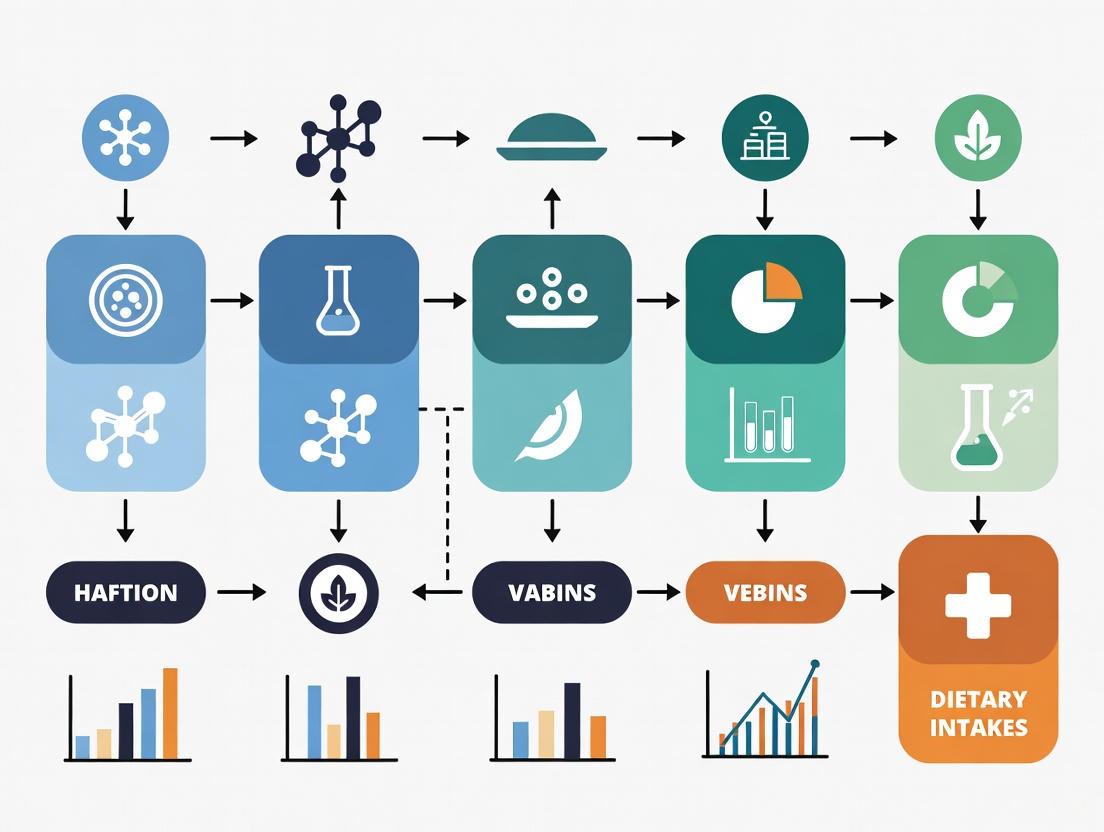
This systematic review synthesizes current evidence on biomarkers of dietary intake, addressing a critical need for objective assessment tools in nutritional research and clinical practice.
A Systematic Review of Dietary Intake Biomarkers: From Discovery to Clinical Application in Precision Nutrition
Abstract
This systematic review synthesizes current evidence on biomarkers of dietary intake, addressing a critical need for objective assessment tools in nutritional research and clinical practice. We explore the foundational landscape of biomarkers discovered through metabolomics, evaluate methodological approaches for their application, identify key challenges in validation and implementation, and compare their performance against traditional dietary assessment methods. Targeted at researchers, scientists, and drug development professionals, this review highlights how dietary biomarkers can overcome limitations of self-reported data, enhance compliance monitoring in clinical trials, and advance precision nutrition. The findings underscore the potential of biomarker panels to capture complex dietary patterns while addressing current limitations in specificity and validation.
The Biomarker Landscape: Discovering Objective Measures of Dietary Exposure
Accurate assessment of dietary intake is a fundamental challenge in nutritional science and epidemiology. Current dietary assessment tools, such as food frequency questionnaires (FFQs) and 24-hour recalls, rely on self-reporting and are susceptible to significant measurement errors, including misclassification bias, recall bias, and misreporting [1]. These limitations can compromise the efficiency and efficacy of dietary interventions and obscure true diet-disease relationships. Objective biomarkers of dietary intake provide a complementary methodology for improving assessment accuracy in free-living populations by offering a more direct, biological measure of consumption [1].
Dietary biomarkers are generally classified into two primary categories: exposure/recovery biomarkers and outcome/concentration biomarkers [1]. Exposure or recovery biomarkers are directly related to dietary intake, while outcome or concentration biomarkers can be impacted by an individual's inherent characteristics, such as genetics, metabolism, or pre-existing health conditions, and thus provide an indirect assessment of diet. The development and validation of these biomarkers, particularly through advanced metabolomic technologies, represent a key step toward strengthening research data validity and accurately measuring outcomes in chronic disease management [1] [2].
Table 1: Core Categories of Dietary Biomarkers
| Biomarker Category | Definition | Key Characteristics | Examples |
|---|---|---|---|
| Exposure/Recovery Biomarkers | Directly measure the biological presence of a food or its metabolites [1]. | Directly related to dietary intake; not substantially influenced by endogenous metabolism. | Doubly labeled water for energy intake; Urinary nitrogen for protein intake [1]. |
| Outcome/Concentration Biomarkers | Measure biological states or compounds that can be indirectly affected by diet [1]. | Influenced by individual physiology (e.g., genetics, health status); an indirect assessment of diet. | Serum carotenoids for fruit/vegetable intake; Erythrocyte membrane fatty acids for fat intake [3]. |
This technical guide elaborates on the critical distinction between exposure and recovery biomarkers, detailing their applications, discovery methodologies, and validation processes within the context of modern precision nutrition research.
Biomarker Classification and Definitions
A biomarker is defined as a measurable biological component or state of a component that is indicative of a specific biological or disease state [4]. In the context of diet, a dietary biomarker is a feature that is indicative of dietary intake, while a biosignature refers to a collection of features that together define a biomarker [4].
Exposure and Recovery Biomarkers
Exposure and recovery biomarkers are considered the gold standard for the objective assessment of dietary intake. These biomarkers are directly derived from the consumption of food and are not substantially influenced by the body's endogenous metabolic processes.
- Recovery Biomarkers: This subtype is based on the principle of recovering a known fraction of a nutrient or its metabolite in urine over a specific period. Their quantitative nature is their greatest strength. The most rigorously validated examples are doubly labeled water for measuring total energy expenditure (and thus energy intake under steady-state conditions) and urinary nitrogen for estimating protein intake [1] [3]. These biomarkers are used to calibrate self-reported intake data in epidemiological studies.
- Exposure Biomarkers: These biomarkers indicate recent exposure to a specific food or food component but do not necessarily permit precise quantitative estimation of the amount consumed. They often reflect the presence of food-specific compounds or their unique metabolites in biological fluids. Examples include sulfurous compounds from cruciferous vegetables or galactose derivatives from dairy products found in urine [1].
Outcome/Concentration Biomarkers and Other Types
In contrast to exposure biomarkers, outcome or concentration biomarkers are influenced by an individual's innate characteristics and provide an indirect link to diet.
- Outcome/Concentration Biomarkers: These biomarkers represent a biological state that is modulated by dietary intake but is also affected by individual factors such as genetics, metabolism, gut microbiome composition, and health status [1]. For instance, the concentration of carotenoids in serum is a commonly used biomarker for fruit and vegetable intake, but its levels can be influenced by factors like fat absorption efficiency and metabolic rate [3].
- Other Biomarker Classifications: Beyond the scope of nutritional exposure, biomarkers are also categorized in medical research by their clinical application. These include risk biomarkers (identify likelihood of developing a disease), diagnostic biomarkers (detect an early disease state or subtype), and prognostic biomarkers (predict disease progression or recurrence) [4].
Applications in Research and Clinical Practice
Objective dietary biomarkers are transformative tools with wide-ranging applications that enhance the scientific rigor of nutrition research and its translation into clinical practice.
- Mitigating Measurement Error in Research: The primary application is to complement and correct for measurement errors inherent in self-reported dietary assessment methods like FFQs. By providing an objective measure, biomarkers help mitigate misclassification bias, thereby strengthening the validity of associations between diet and health outcomes in observational studies [1] [2].
- Validation of New Assessment Tools: Biomarkers serve as objective reference measures for validating novel dietary assessment methodologies. For example, the Experience Sampling-based Dietary Assessment Method (ESDAM) is being validated against doubly labeled water (for energy intake), urinary nitrogen (for protein intake), and serum carotenoids (for fruit and vegetable intake) [3].
- Precision Nutrition and Phenotyping: Biomarkers are central to the NIH's vision for precision nutrition. They enable nutrition phenotyping—identifying the integrated set of observable measurements that represent an individual's overall metabolic response to diet. This facilitates the development of personalized dietary recommendations [1].
- Monitoring Compliance in Interventions: In controlled feeding trials and clinical settings, biomarkers can objectively verify participant adherence to a prescribed dietary regimen, moving beyond self-reported compliance [2].
Current State of Validated Biomarkers
Despite the recognized need, the number of fully validated dietary biomarkers remains limited. A systematic review focusing on urinary metabolites identified numerous candidate biomarkers but highlighted that most are better at describing intake of broad food groups rather than distinguishing individual foods [1].
Table 2: Examples of Food-Associated Biomarkers from Recent Research
| Food Group | Reported Biomarker Matrix | Candidate Biomarkers / Characteristics |
|---|---|---|
| Fruits & Vegetables | Urine | Polyphenols and their metabolites; Sulfurous compounds (cruciferous); Proline betaine (citrus) [1]. |
| Soy Foods | Urine | Isoflavones such as daidzein and genistein [1]. |
| Coffee/Cocoa/Tea | Urine | Methylxanthines (e.g., caffeine, theobromine); various polyphenol metabolites [1]. |
| Dairy | Urine | Galactose derivatives; other innate milk components [1]. |
| Whole Grains | Urine | Alkylresorcinols and their metabolites [1]. |
| Alcohol | Urine | Ethyl glucuronide, ethyl sulfate [1]. |
The systematic review concluded that urinary biomarkers have strong utility for monitoring changes in intake of broad categories like citrus fruits, cruciferous vegetables, whole grains, and soy foods, but often lack the specificity to identify individual food items within these groups [1]. This underscores a significant gap in the field.
Discovery and Validation Frameworks
The process of discovering and validating a novel dietary biomarker is complex and requires a systematic, multi-phase approach. The Dietary Biomarkers Development Consortium (DBDC) exemplifies a rigorous framework for this purpose [2] [5] [6].
The DBDC Three-Phase Approach
The DBDC is a major initiative to discover and validate biomarkers for foods commonly consumed in the United States diet. Its structured approach is designed to ensure that candidate biomarkers are both sensitive and specific [2].
- Phase 1: Discovery and Pharmacokinetics: Controlled feeding trials are conducted where healthy participants consume pre-specified amounts of test foods. Blood and urine specimens are collected at multiple timepoints and subjected to metabolomic profiling to identify candidate compounds. This phase characterizes the pharmacokinetic parameters (time-to-peak, half-life) of the candidate biomarkers [2] [6].
- Phase 2: Evaluation in Complex Diets: The ability of candidate biomarkers to identify consumption of their associated foods is tested within the context of various controlled dietary patterns. This determines if the biomarker remains specific when the test food is consumed as part of a mixed diet [2].
- Phase 3: Validation in Free-Living Populations: The final phase evaluates the validity of candidate biomarkers to predict recent and habitual consumption in independent observational studies of free-living individuals. This is the critical test of a biomarker's real-world utility [2].
Diagram 1: DBDC Biomarker Validation Workflow. This diagram outlines the three-phase framework used by the Dietary Biomarkers Development Consortium for the systematic discovery and validation of dietary biomarkers. PK: Pharmacokinetics; DR: Dose-Response.
Key Considerations for Validation
For a metabolite to be considered a valid biomarker of food intake, it should meet several criteria proposed by experts in the field, including plausibility (a biologically reasonable link to the food), dose-response, time-response, robustness, and reliability in free-living populations [6]. A major challenge has been that most dietary biomarker studies have not fully examined these pharmacokinetic and dose-response relationships [6].
Experimental Protocols and Methodologies
The discovery and validation of dietary biomarkers rely on a combination of controlled study designs, precise biological sampling, and advanced analytical techniques.
Controlled Feeding Trials
These studies are the cornerstone of biomarker discovery (Phase 1). As implemented by the DBDC, they involve administering specific test foods in known amounts to healthy participants [2] [6]. The design allows researchers to directly link the consumption of a food to the appearance of metabolites in biological fluids, establishing a clear cause-and-effect relationship.
Biospecimen Collection and Handling
Standardized protocols for collecting, processing, and storing biospecimens are critical for data quality and reproducibility.
- Urine Collection: Often collected as 24-hour urine to quantify total daily excretion of nutrients like nitrogen (for protein) or food-specific metabolites. For pharmacokinetic studies, multiple spot or timed urine samples are collected postprandially [1] [3].
- Blood Collection: Used to isolate serum, plasma, or specific components like erythrocytes. For example, erythrocyte membrane fatty acids are a longer-term biomarker of fatty acid intake compared to plasma levels [3].
- Storage: Samples are typically aliquoted and stored at -80°C to preserve metabolite stability until analysis [6].
Metabolomic Profiling
Advanced metabolomics is the primary technology for biomarker discovery. The typical workflow involves:
- Sample Preparation: Proteins are precipitated, and metabolites are extracted using solvents.
- Chromatographic Separation: Using techniques like Ultra-High-Performance Liquid Chromatography (UHPLC) to separate complex mixtures of metabolites.
- Mass Spectrometry (MS) Detection: Liquid Chromatography-MS (LC-MS) is the workhorse platform, often coupled with Hydrophilic-Interaction Liquid Chromatography (HILIC) to capture a wide range of polar metabolites [2] [6]. These platforms provide high sensitivity and specificity for identifying and quantifying thousands of metabolites simultaneously.
- Data Analysis: High-dimensional bioinformatics analyses, including multivariate statistics and machine learning, are used to identify metabolite patterns associated with the consumption of specific test foods [2] [4].
Validation Study Design
An example of a comprehensive validation protocol is outlined in a study validating the Experience Sampling-based Dietary Assessment Method (ESDAM) [3]. This prospective observational study assesses the validity of a new dietary tool against both self-reported (24-hour recalls) and objective biomarkers over a four-week period. The primary outcomes are energy intake (vs. doubly labeled water) and protein intake (vs. urinary nitrogen), with secondary outcomes including fruit/vegetable intake (vs. serum carotenoids) and fatty acid intake (vs. erythrocyte membrane fatty acids) [3].
Table 3: Research Reagent Solutions for Dietary Biomarker Studies
| Reagent / Material | Function / Application | Example Use Case |
|---|---|---|
| Doubly Labeled Water (2H218O) | Gold-standard measure of total energy expenditure in free-living individuals [3]. | Validation of energy intake assessment methods like ESDAM [3]. |
| LC-MS/MS Systems | High-sensitivity platform for identifying and quantifying unknown and known metabolites in biospecimens [2] [6]. | Discovery of novel food-specific metabolites in plasma and urine from feeding trials. |
| HILIC Columns | Liquid chromatography columns designed for the separation of polar metabolites, complementing reverse-phase LC [2]. | Expanding the coverage of the metabolome during profiling of urine samples. |
| Stable Isotope-Labeled Standards | Internal standards for mass spectrometry that correct for variability in sample preparation and ionization [6]. | Accurate quantification of specific candidate biomarker compounds. |
| Automated 24-Hour Dietary Recall Systems | Structured, interviewer-administered tool for collecting self-reported dietary intake as a comparison method [3]. | Assessing convergent validity of new dietary assessment methods like ESDAM. |
| Continuous Glucose Monitors (CGM) | Objective method for detecting eating episodes and assessing compliance with dietary reporting prompts [3]. | Monitoring participant adherence in real-time during validation studies. |
Diagram 2: Experimental Biomarker Discovery Workflow. This diagram visualizes the key steps and materials involved in a typical controlled feeding study for dietary biomarker discovery. PK: Pharmacokinetics; DR: Dose-Response.
Challenges and Future Directions
The field of dietary biomarker research faces several significant challenges. The complexity of diet, with its high degree of intercorrelation between nutrients and foods, complicates the identification of specific markers [6]. Furthermore, the influence of inter-individual variability (e.g., genetics, gut microbiome) on metabolite production and kinetics means that a single biomarker may not be universally applicable [1] [4]. As of 2022, a systematic review concluded that while biomarkers for broad food groups show promise, the ability to distinguish individual foods is still limited [1].
Future efforts will focus on expanding the number of validated biomarkers through consortia like the DBDC. The DBDC aims to create a publicly accessible database of its findings, which will serve as a vital resource for the global research community [2] [6]. There is also a growing emphasis on using biomarkers not just for validation but as integral components of dietary assessment in precision nutrition, ultimately aiming to develop robust biosignatures that can accurately characterize an individual's dietary pattern and metabolic phenotype.
Metabolomics has emerged as a pivotal tool in nutritional science, enabling the objective identification of dietary intake biomarkers that address the significant limitations of self-reported data. Through targeted and untargeted analytical approaches, researchers have identified putative biomarkers for a diverse range of food groups, including fruits, vegetables, high-fiber grains, meats, seafood, and coffee. This technical guide synthesizes current methodologies, validated biomarkers, and experimental protocols central to metabolomics-driven discovery in the context of systematic dietary biomarker research. It further outlines the critical validation criteria necessary to transition putative biomarkers into robust tools for assessing dietary exposure, monitoring intervention compliance, and advancing precision nutrition initiatives.
Current Landscape of Validated Food Intake Biomarkers
The application of metabolomics has led to the discovery of numerous metabolites associated with the consumption of specific foods and complex dietary patterns. These biomarkers are broadly classified as exposure biomarkers, which are food-derived compounds or their metabolites, and effect biomarkers, which reflect endogenous metabolic shifts in response to dietary intake [7]. The table below summarizes some of the most well-characterized putative biomarkers for key food groups, as identified through systematic reviews and intervention studies.
Table 1: Putative Biomarkers of Food Intake Across Major Food Groups
| Food Group | Putative Biomarkers | Biological Sample | Level of Evidence |
|---|---|---|---|
| Citrus Fruits | Proline betaine | Plasma, Urine | Good [7] [8] |
| Cruciferous Vegetables | Sulfur-containing metabolites (e.g., S-methyl-L-cysteine sulfoxide) | Urine | Fair [1] |
| Whole Grains & High-Fiber Foods | Alkylresorcinols, Enterolactones, Short-chain fatty acids (SCFAs) | Plasma, Urine | Good for alkylresorcinols [9] [10] |
| Red Meat & Seafood | Carnitine, Acetylcarnitine, Trimethylamine N-oxide (TMAO) | Plasma, Serum | Good [9] [10] |
| Fish | Omega-3 fatty acids (EPA, DHA) | Serum, Plasma | Good [10] |
| Coffee | Trigonelline, Nicotinic acid | Urine, Plasma | Good [9] [10] |
| Soy Foods | Isoflavones (Daidzein, Genistein) | Urine | Good [1] |
| Dairy | Galactose derivatives, Dihydroferulic acid | Urine | Fair [1] |
A comprehensive review of 244 studies identified 69 metabolites as good candidate biomarkers of food intake, establishing a foundational resource for the field [9]. However, it is crucial to note that many identified biomarkers require further validation against established criteria before they can be widely implemented in research and clinical practice.
Experimental Methodologies for Biomarker Discovery
Study Designs for Discovery and Validation
Robust experimental design is paramount for the discovery of reliable biomarkers. The preferred designs include:
- Acute Controlled Intervention Trials: Participants consume a single dose of the food of interest, and biological samples (blood, urine) are collected at multiple time points post-consumption (e.g., 0, 2, 4, 6, 8, 24 hours). This design helps establish a causal link between intake and metabolite appearance and defines the kinetic profile (time-response) of the biomarker [7]. A control arm is essential to ensure biomarker specificity.
- Short-to-Medium Term Interventions: These studies involve providing participants with the food of interest over days or weeks. This approach is effective for identifying biomarkers of habitual intake and for assessing the dose-response relationship, which is a key validation criterion [7].
- Observational Studies with Dietary Assessment: Large cohort studies with self-reported dietary data (e.g., FFQs, 24-h recalls) can be used to correlate metabolite levels with reported food intake. While useful for confirming findings from interventions, this design carries a higher risk of confounding due to correlated food consumption patterns [11] [8].
Analytical Techniques and Platforms
Metabolomic profiling relies on two primary analytical techniques, often used in complementary fashion:
- Mass Spectrometry (MS):
- Liquid Chromatography-MS (LC-MS): The most frequently employed platform in nutritional metabolomics due to its high sensitivity and broad coverage of metabolites [12] [11]. It is ideal for analyzing semi-polar to polar compounds like most food-derived metabolites.
- Gas Chromatography-MS (GC-MS): Excellent for the separation and identification of volatile compounds or those made volatile through derivatization, such as organic acids and sugars [9].
- MS-based approaches can be either untargeted (hypothesis-generating, measuring thousands of unknown features) or targeted (hypothesis-driven, quantifying a predefined set of metabolites with high precision) [9] [11].
- Nuclear Magnetic Resonance (NMR) Spectroscopy: While less sensitive than MS, NMR is highly reproducible, requires minimal sample preparation, and provides structural information [9] [11]. It is often used for high-throughput screening and absolute quantification.
The Biomarker Validation Pathway
The discovery of a metabolite association is merely the first step. For a biomarker to be considered robust, it must be rigorously validated. The FoodBall consortium and other expert groups have proposed a set of validation criteria [7] [8]:
- Plausibility: The biomarker must be chemically present in the food or be a biologically plausible metabolite of a food component.
- Dose-Response: A change in biomarker concentration should be proportional to the amount of food consumed.
- Time-Response: The kinetics of appearance, peak concentration, and clearance in biological fluids should be characterized.
- Robustness: The biomarker should perform consistently across different population groups (varying in age, sex, BMI, health status).
- Reliability: The biomarker measurement should show good agreement with other assessment methods, though perfect correlation with error-prone self-report data is not always expected.
- Stability & Analytical Performance: The biomarker must be chemically stable in the chosen biofluid, and the analytical method must be validated for precision, accuracy, and sensitivity.
Diagram 1: The biomarker validation pathway, outlining key sequential criteria.
Experimental Workflow: From Sample to Biomarker
The standard workflow for a nutritional metabolomics study involves several critical stages, from initial study design to final biological interpretation. The following diagram and subsequent breakdown detail this process.
Diagram 2: End-to-end experimental workflow for metabolomic biomarker discovery.
Phase 1: Experimental Design & Sample Collection
- Intervention Design: For a study on citrus fruit biomarkers, an acute crossover trial would be ideal. Participants would consume a controlled dose of citrus (e.g., orange juice) after a washout period, with a control arm receiving a citrus-free meal [7].
- Sample Collection: Blood (plasma/serum) and urine samples are collected at baseline and at pre-defined post-prandial intervals (e.g., 2h, 4h, 6h, 8h, 24h). Plasma captures metabolically active compounds, while urine often shows a higher concentration of food-derived compounds and is useful for acute markers [11]. Samples are immediately processed and stored at -80°C.
Phase 2: Metabolite Profiling & Data Generation
- Sample Preparation: Proteins are precipitated from plasma using cold organic solvents like methanol or acetonitrile. Urine samples may be diluted or subjected to solid-phase extraction.
- Instrumental Analysis: Prepared samples are analyzed using LC-MS in untargeted mode to capture a wide array of metabolites. For citrus studies, LC-MS is particularly suitable for detecting polar compounds like proline betaine [12].
- Quality Control: Pooled quality control (QC) samples are analyzed intermittently throughout the sequence to monitor instrument stability and for data quality assurance.
Phase 3: Data Processing & Statistical Analysis
- Data Preprocessing: Raw data are converted into a peak table containing metabolite features (mass/retention time pairs) and their intensities. This involves peak picking, alignment, and normalization to correct for technical variation [11].
- Statistical Analysis:
- Unsupervised Methods: Principal Component Analysis (PCA) is used to visualize inherent data clustering and identify outliers.
- Supervised Methods: Partial Least Squares-Discriminant Analysis (PLS-DA) is applied to maximize the separation between groups (e.g., post-consumption vs. baseline) and identify the most significant metabolite features driving this separation.
Phase 4: Metabolite Identification & Validation
- Metabolite Identification: Significant features are identified by matching their accurate mass and fragmentation spectrum (MS/MS) against metabolomic databases such as the Human Metabolome Database (HMDB) or FooDB [9].
- Validation: The identity of a key biomarker like proline betaine is confirmed using a chemically synthesized standard analyzed with the same LC-MS method. Subsequent targeted quantitative assays are often developed for validated biomarkers.
The Scientist's Toolkit: Essential Research Reagents & Materials
Successful execution of a nutritional metabolomics study requires a suite of specialized reagents, kits, and analytical platforms.
Table 2: Essential Research Reagents and Platforms for Nutritional Metabolomics
| Item / Solution | Function / Application | Example Use Case |
|---|---|---|
| AbsoluteIDQ p180 Kit (Biocrates) | Targeted metabolomics kit for simultaneous quantification of up to 188 metabolites (acylcarnitines, amino acids, lipids, etc.). | High-throughput phenotyping in cohort studies; validating discoveries from untargeted analyses [13]. |
| LC-MS/MS System | High-sensitivity platform for untargeted and targeted metabolite profiling and quantification. | Discovery of novel biomarkers and subsequent validation in large sample sets [12] [11]. |
| Volumetric Absorptive Microsampling (VAMS) devices (e.g., Mitra) | Standardized collection of small-volume blood samples from a finger-prick; samples are stable at ambient temperature. | Enabling scalable and remote sample collection for consumer-grade tests or large-scale field studies [10]. |
| Human Metabolome Database (HMDB) | Manually curated database containing detailed information about >6800 human metabolites. | Reference for metabolite identification based on mass and spectral matching [9] [11]. |
| FooDB | Comprehensive database of >70,000 food components and constituents. | Identifying potential food origins of metabolites discovered in biological samples [9]. |
| Stable Isotope-Labeled Standards | Internal standards (e.g., 13C- or 2H-labeled compounds) added to samples prior to analysis. | Correcting for matrix effects and losses during sample preparation, ensuring accurate quantification [11]. |
Metabolomics has fundamentally advanced our capacity to discover putative biomarkers of food intake, moving the field beyond reliance on error-prone self-reported data. The systematic application of controlled interventions, advanced mass spectrometry, and rigorous validation pathways has yielded a growing repository of biomarkers for major food groups. These biomarkers are already being applied to monitor compliance in dietary intervention trials and to calibrate self-reported intake in epidemiological studies [7] [8]. The future of this field lies in the continued validation of existing candidate biomarkers, the development of standardized, high-throughput analytical methods, and the integration of metabolomic data with other omics layers to power precision nutrition and deepen our understanding of the complex interplay between diet, metabolism, and human health.
Accurate assessment of dietary intake is paramount for understanding diet-disease relationships, yet traditional tools like food frequency questionnaires (FFQs) are susceptible to misreporting and measurement error [14]. Biomarkers of dietary intake offer a complementary, objective approach to characterize exposure to specific foods and nutrients. This technical guide provides an in-depth examination of biomarkers for plant-based foods, focusing on polyphenols, sulfurous compounds, and broader metabolite profiles, framed within the context of systematic reviews of dietary intake biomarker research. For researchers and drug development professionals, this whitepaper details the core biomarkers, their biological matrices, quantitative data, and associated methodologies required for their analysis in clinical and research settings.
Core Biomarker Classes and Quantitative Data
Biomarkers of plant-based food intake can be broadly categorized by their chemical nature and the food groups they represent. The following sections and tables summarize the primary biomarkers, their sources, and their detection levels in biological samples.
Polyphenols as Biomarkers
Polyphenols are a diverse class of bioactive compounds abundantly found in plant-based foods such as fruits, vegetables, tea, coffee, and soy. They are frequently represented in urinary metabolite profiles [14].
- Isoflavones: Found predominantly in soy-based foods, these are among the most robust biomarkers for legume intake. Daidzein and genistein, and their metabolites (e.g., equol, O-desmethylangolensin), are commonly measured in urine.
- Flavanones: Hesperetin and naringenin are specific biomarkers for citrus fruit consumption.
- Enterolactone: This lignan is produced by the gut microbiota from precursors found in seeds (e.g., flaxseed), whole grains, and some vegetables, serving as a biomarker for high-fiber plant food intake.
- Total Carotenoids: Measured in plasma, carotenoids (e.g., α-carotene, β-carotene, lutein, lycopene) are strong biomarkers for fruit and vegetable consumption.
Table 1: Key Polyphenol and Carotenoid Biomarkers for Plant-Based Foods
| Biomarker Class | Specific Biomarker(s) | Primary Food Sources | Biological Matrix | Relative Abundance in Vegetarian vs. Non-Vegetarian Diets* |
|---|---|---|---|---|
| Isoflavones | Daidzein, Genistein, Equol | Soybeans, Tofu, Soy Milk | Urine | 6-fold higher in Vegans [15] |
| Lignans | Enterolactone | Flaxseed, Whole Grains, Seeds | Urine | 4.4-fold higher in Vegans [15] |
| Carotenoids | α-Carotene, β-Carotene, Lutein | Fruits & Vegetables (e.g., carrots, leafy greens) | Plasma | 1.6-fold higher in Vegans [15] |
| Flavanones | Hesperetin, Naringenin | Citrus Fruits (oranges, grapefruit) | Urine | Associated with citrus fruit intake [14] |
| Polyphenols (General) | Various Hippuric Acids | Tea, Coffee, Fruits | Urine | Associated with tea/coffee and fruit intake [14] |
Data based on comparisons from the Adventist Health Study-2 (AHS-2) cohort [15].
Sulfurous Compounds and Other Food-Specific Biomarkers
Certain plant-based foods contain unique compounds that give rise to specific metabolites, allowing for precise identification of intake.
- Sulfurous Compounds: Cruciferous vegetables (e.g., broccoli, cabbage, kale) are rich in glucosinolates. Upon consumption, these are hydrolyzed to isothiocyanates (e.g., sulforaphane) and other metabolites, such as mercapturic acids, which are detectable in urine and serve as highly specific biomarkers [14].
- Alkylresorcinols: These phenolic lipids are found almost exclusively in the bran layer of whole-grain wheat and rye, making them excellent biomarkers for whole-grain cereal intake.
- Fatty Acid Profiles: Adipose tissue and plasma fatty acid composition can reflect dietary patterns. Vegans and vegetarians show distinct profiles, including higher levels of linoleic acid (18:2ω-6) and total ω-3 fatty acids (primarily α-linolenic acid, ALA) compared to non-vegetarians [15].
Table 2: Other Specific Biomarkers and Fatty Acid Profiles
| Biomarker/Fatty Acid | Food Source | Biological Matrix | Key Findings |
|---|---|---|---|
| Isothiocyanates | Cruciferous Vegetables | Urine | Specific sulfur-containing biomarkers for broccoli, cabbage, etc. [14] |
| Alkylresorcinols | Whole Grains (wheat, rye) | Plasma, Urine | Correlate with whole-grain cereal intake [14] |
| 1-Methylhistidine | Meat (Muscle protein) | Urine | 92% lower in vegans, validating low meat intake [15] |
| Linoleic Acid (18:2ω-6) | Plant Oils, Nuts, Seeds | Adipose Tissue, Plasma | 23.3% in Vegans vs. 19.1% in Non-Vegetarians [15] |
| Total ω-3 Fatty Acids | Flaxseed, Walnuts, Chia Seeds | Adipose Tissue, Plasma | 2.1% in Vegans vs. 1.6% in Non-Vegetarians [15] |
| Saturated Fatty Acids | Animal Fats, Dairy | Adipose Tissue, Plasma | Significantly lower relative abundance in vegans [15] |
Experimental Protocols for Biomarker Analysis
Robust methodologies are critical for the accurate identification and quantification of dietary biomarkers. The following protocols outline standardized approaches for sample collection, processing, and analysis.
Protocol 1: Urinary Metabolite Profiling for Polyphenols and Sulfurous Compounds
This protocol is adapted from methodologies described in systematic reviews and cohort studies [14] [15].
- 1. Sample Collection: Collect spot urine samples or, preferably, 24-hour urine collections. Stabilize samples with an antioxidant (e.g., ascorbic acid) and acidify if necessary. Store immediately at -80°C.
- 2. Sample Preparation:
- Thaw samples on ice and vortex.
- Aliquot 500 µL of urine into a microcentrifuge tube.
- Add an internal standard (e.g., daidzein-d4 for polyphenols).
- Enzymatic deconjugation: Incubate with β-glucuronidase/sulfatase (e.g., from Helix pomatia) in a buffered solution (e.g., sodium acetate buffer, pH 5.0) for 2-4 hours at 37°C.
- Perform solid-phase extraction (SPE) using C18 or mixed-mode cartridges. Elute analytes with methanol.
- Evaporate eluent to dryness under a gentle stream of nitrogen and reconstitute in mobile phase (e.g., water/methanol) for LC-MS analysis.
- 3. Instrumental Analysis - LC-MS/MS:
- Chromatography: Use a reverse-phase C18 column (e.g., 2.1 x 100 mm, 1.8 µm) maintained at 40°C. The mobile phase consists of (A) 0.1% formic acid in water and (B) 0.1% formic acid in acetonitrile. Apply a gradient elution from 5% B to 95% B over 10-15 minutes.
- Mass Spectrometry: Operate an electrospray ionization (ESI) source in negative and/or positive mode. Use multiple reaction monitoring (MRM) for sensitive and specific quantification. Key transitions include, for example, daidzein (253→132), enterolactone (297→107), and sulforaphane-mercapturic acid (178→114).
- 4. Data Analysis: Quantify metabolites using calibration curves of authentic standards. Normalize data to creatinine concentration to account for urine dilution.
Protocol 2: Analysis of Plasma Carotenoids and Adipose Tissue Fatty Acids
This protocol is based on lipid profiling methods used in large cohort studies like AHS-2 [15].
- 1. Sample Collection:
- Plasma: Collect fasting blood samples in EDTA tubes. Centrifuge to isolate plasma and store at -80°C, protected from light.
- Adipose Tissue: Obtain subcutaneous adipose tissue biopsies via a standardized procedure (e.g., from the buttock or abdomen). Snap-freeze in liquid nitrogen and store at -80°C.
- 2. Sample Preparation - Carotenoids (Plasma):
- Thaw plasma samples on ice in a dark environment.
- Aliquot 200 µL of plasma and add internal standards (e.g., tocopherol-acetate).
- Precipitate proteins with ethanol containing butylated hydroxytoluene (BHT) as an antioxidant.
- Extract carotenoids (and other lipophilic compounds) with hexane.
- Evaporate the hexane layer and reconstitute in a suitable solvent (e.g., ethanol:dichloromethane, 50:50) for HPLC analysis.
- 3. Sample Preparation - Fatty Acids (Adipose Tissue):
- Weigh ~10-50 mg of adipose tissue.
- Extract total lipids using a chloroform:methanol mixture (e.g., 2:1 v/v) via the Folch method.
- Transesterify the extracted lipids to fatty acid methyl esters (FAMEs) using methanolic boron trifluoride (BF3) or acid-catalyzed methylation.
- Extract FAMEs with hexane for GC analysis.
- 4. Instrumental Analysis:
- HPLC for Carotenoids: Use a C30 carotenoid column with a gradient mobile phase of methanol, methyl-tert-butyl ether (MTBE), and water. Detect using a photodiode array (PDA) detector set at specific wavelengths (e.g., 450 nm for β-carotene, 450 nm for lutein).
- GC-FID/MS for FAMEs: Use a high-polarity capillary GC column (e.g., CP-Sil 88, 100 m x 0.25 mm). Employ a temperature gradient program. Identify and quantify FAMEs by comparing retention times and mass spectra with those of authentic FAME standards using a flame ionization detector (FID) or mass spectrometer (MS).
Biomarker Discovery and Validation Workflow
The process of identifying and validating a dietary biomarker follows a structured pipeline from discovery to application. The diagram below illustrates this multi-stage workflow.
Biomarker Discovery and Validation Workflow
The Scientist's Toolkit: Research Reagent Solutions
The following table details essential materials, reagents, and instruments required for conducting research on biomarkers of plant-based food intake.
Table 3: Essential Research Reagents and Materials for Dietary Biomarker Analysis
| Item | Function/Application | Example Specifications |
|---|---|---|
| β-Glucuronidase/Sulfatase | Enzymatic deconjugation of phase II metabolites (glucuronides, sulfates) in urine to free aglycones for analysis. | From Helix pomatia; ≥100,000 units/mL; in sodium acetate buffer. |
| Solid-Phase Extraction (SPE) Cartridges | Clean-up and concentration of analytes from complex biological matrices like urine and plasma. | Reverse-phase C18 (e.g., 60 mg/3 mL); Mixed-mode (C18/SCX). |
| LC-MS/MS Grade Solvents | Mobile phase preparation for liquid chromatography to ensure high sensitivity and minimal background noise. | Acetonitrile, Methanol, Water (with 0.1% Formic Acid). |
| Authentic Chemical Standards | Identification and quantification of target biomarkers by creating calibration curves. | Daidzein (≥98%), Genistein (≥98%), Enterolactone (≥98%), Sulforaphane (≥95%). |
| Stable Isotope-Labeled Internal Standards | Correction for analyte loss during sample preparation and matrix effects in mass spectrometry. | Daidzein-d4, Genistein-d4, 13C-Enterolactone. |
| FAME Mix Reference Standard | Identification and quantification of individual fatty acids in gas chromatography. | 37-component FAME mix (e.g., from Supelco), suitable for CP-Sil 88 columns. |
| UPLC/HPLC System with PDA Detector | High-resolution separation and UV/Vis detection of compounds like carotenoids and polyphenols. | Acquity UPLC H-Class (Waters) or equivalent; C18 or C30 analytical columns. |
| Triple Quadrupole Mass Spectrometer | Sensitive and specific detection and quantification of biomarkers using Multiple Reaction Monitoring (MRM). | API 4000 (Sciex) or Xevo TQ-S (Waters) coupled with an ESI source. |
| Gas Chromatograph with FID/MS | Separation, identification, and quantification of volatile compounds, particularly fatty acid methyl esters (FAMEs). | Agilent 8890 GC System with a CP-Sil 88 column and FID/MS detector. |
Biomarkers such as polyphenols, sulfurous compounds, and specific metabolite profiles provide an objective and powerful means to assess intake of plant-based foods, overcoming limitations inherent in self-reported dietary data. The quantitative data and detailed methodologies presented in this whitepaper provide a foundation for researchers to robustly measure these biomarkers. Their application in systematic reviews and large-scale studies is crucial for validating dietary patterns, understanding diet-disease relationships, and advancing the field of precision nutrition. Future research should focus on the discovery of novel biomarkers, particularly for under-represented plant foods, and the standardization of methods to enable comparability across studies.
Accurate dietary assessment is fundamental to understanding diet-disease relationships, yet traditional reliance on self-reported data from tools like food frequency questionnaires (FFQs) and 24-hour recalls introduces significant measurement error, misreporting bias, and misclassification [1]. Objective dietary biomarkers, measurable biological indicators of food intake, provide a powerful alternative for quantifying exposure to specific foods, nutrients, and dietary patterns, thereby strengthening the scientific rigor of nutritional epidemiology and precision nutrition research [16] [2].
This technical guide synthesizes current evidence on biomarkers for two major food categories: animal-based foods and ultra-processed foods (UPFs). The rapid global rise in UPF consumption, now exceeding 50% of energy intake in countries like the USA and UK, and ongoing debates regarding the health impacts of animal versus plant-based proteins underscore the urgent need for objective measurement tools [17] [18]. We focus on metabolomic approaches, which comprehensively measure small-molecule metabolites in biofluids like blood and urine, offering a detailed snapshot of dietary exposure and metabolic response [19] [20]. This review is structured to provide researchers with a clear overview of validated and candidate biomarkers, detailed experimental methodologies, and critical research gaps to inform future studies.
Biomarkers for Animal-Based Foods
Current Evidence and Candidate Biomarkers
Biomarkers for animal-based foods often arise from their unique nutrient profile, including specific proteins, saturated fats, and micronutrients not readily available from plant-based sources. The following table summarizes key candidate biomarkers and their detection in biological samples.
Table 1: Candidate Biomarkers for Animal-Based Foods
| Food Category | Candidate Biomarker(s) | Biological Sample | Key Characteristics/Notes |
|---|---|---|---|
| General Animal Protein | Urinary Nitrogen [1] | Urine | A long-established recovery biomarker for total protein intake. |
| Meat | Specific metabolites from sulfurous compounds, creatine, creatinine [1] | Urine | Potential to distinguish between red meat, poultry, and processed meat varieties. |
| Dairy | Galactose derivatives, odd-chain saturated fatty acids (e.g., 15:0, 17:0) [1] | Urine, Blood | Odd-chain fatty acids are considered robust biomarkers for dairy fat intake. |
| Fish & Seafood | Omega-3 Fatty Acids (DHA, EPA) [21] | Blood (serum/plasma) | Highly specific for fatty fish intake; DHA is critical for brain health. |
The geometric framework for nutrition (GFN) analysis of global data suggests that the health associations of animal-based protein (ABP) are complex and age-dependent. Ecological studies indicate that higher ABP supplies at a national level are associated with improved early-life survivorship (measured as proportion of a cohort alive at age 5), while later-life survival (proportion alive at age 60) benefits more from plant-based protein (PBP) supplies [18]. This highlights the context-dependent nature of dietary exposure and the need for biomarkers to move beyond mere intake quantification to understanding metabolic health impacts.
Research Gaps
Substantial gaps remain in the biomarker research for animal-based foods. A primary challenge is the lack of specificity; many current biomarkers indicate intake of a broad category (e.g., "meat") but cannot reliably distinguish between specific types such as unprocessed red meat, poultry, or processed meats [1]. Furthermore, the interaction between diet and an individual's unique physiology—including genetics, gut microbiome composition, and baseline health—creates significant inter-individual variability in metabolic response that current biomarkers do not fully capture [16]. Validated biomarkers for specific animal-based foods, like different types of meat and dairy products, remain limited and are a priority for the developing field of precision nutrition [2].
Biomarkers for Ultra-Processed Foods (UPFs)
The Poly-Metabolite Score: A Novel Approach
A significant recent advancement is the development of a poly-metabolite score for UPF intake. In a landmark study, NIH researchers used metabolomic data from both an observational study (n=718) and a controlled feeding trial (n=20) to identify hundreds of metabolites in blood and urine that correlated with the percentage of energy derived from UPFs [19] [22]. Using machine learning, they distilled these metabolites into predictive patterns, creating a composite poly-metabolite score that could accurately differentiate between high-UPF (80% of energy) and zero-UPF diets in the feeding trial [19]. This objective tool has the potential to reduce reliance on self-reported data in large population studies.
Categorization of UPF Biomarkers
The identified metabolites associated with UPF intake can be categorized into several chemical classes, which may reflect both the composition of UPFs and the body's biological response to them. The diagram below illustrates the workflow for biomarker discovery and the major classes of UPF-associated metabolites.
Figure 1: UPF Biomarker Discovery Workflow and Metabolite Classes. The poly-metabolite score was developed by integrating data from controlled and observational studies, followed by machine learning analysis that identified key classes of discriminatory metabolites [19] [20] [22].
These metabolite classes provide insights into potential biological mechanisms. For instance, xenobiotics may directly reflect exposure to additives like artificial sweeteners, colors, and emulsifiers used in UPF manufacturing [20]. Shifts in lipids and amino acids could indicate broader metabolic disturbances, such as alterations in energy metabolism or inflammation, linked to high UPF consumption [19] [17].
Health Context and Validation
The drive to develop UPF biomarkers is underscored by robust evidence linking their consumption to adverse health outcomes. A systematic review of 104 long-term studies found that 92 showed higher risks for at least one chronic disease, with meta-analyses identifying significant associations with 12 health conditions, including obesity, type 2 diabetes, cardiovascular disease, and depression [17]. A recent 8-week randomized controlled crossover feeding trial (n=55) provided direct experimental evidence, demonstrating that even when matched to national dietary guidelines, an ad libitum UPF diet resulted in significantly less weight loss and reduced fat mass loss compared to a minimally processed food (MPF) diet [23]. This trial also found differential effects on cardiometabolic risk factors, such as triglycerides, which decreased more on the MPF diet [23].
Methodological Framework for Biomarker Discovery
The discovery and validation of dietary biomarkers require a rigorous, multi-phase approach, as championed by initiatives like the Dietary Biomarkers Development Consortium (DBDC) [2].
Experimental Designs and Protocols
A combination of study designs is essential for robust biomarker development.
- Controlled Feeding Trials: These are the gold standard for discovery. The DBDC employs designs where test foods are administered in prespecified amounts to healthy participants. This allows for characterizing the pharmacokinetic profile of candidate biomarkers, including their appearance, peak concentration, and clearance in blood and urine [2]. The NIH feeding study that informed the UPF poly-metabolite score is a prime example, where participants consumed 0% and 80% UPF diets in a randomized crossover design [19] [22].
- Observational Studies: Large cohorts with stored biospecimens and detailed dietary records are used to identify metabolite-diet associations in free-living populations and to validate findings from controlled studies. The IDATA study, which provided data for 718 participants, served this purpose for the UPF biomarker research [19] [22].
- Analytical Techniques: Metabolomics, primarily using liquid chromatography-mass spectrometry (LC-MS), is the dominant technology for high-throughput profiling of the hundreds to thousands of small molecules in biospecimens [2]. Subsequent bioinformatics and machine learning are critical for parsing these complex datasets to identify discriminatory metabolite patterns.
The Scientist's Toolkit: Key Research Reagents and Materials
Table 2: Essential Research Materials for Dietary Biomarker Studies
| Item/Category | Function in Research |
|---|---|
| Liquid Chromatography-Mass Spectrometry (LC-MS) | The core analytical platform for untargeted and targeted metabolomic profiling of blood (plasma/serum) and urine samples [2]. |
| Stable Isotope-Labeled Standards | Used in mass spectrometry for absolute quantification of specific candidate biomarkers, correcting for analytical variation. |
| Controlled Test Foods/Meals | Precisely formulated foods administered in feeding trials to establish a direct, dose-response link between intake and biomarker levels [2]. |
| Biospecimen Repositories | Collections of well-annotated blood and urine samples from large observational cohorts and clinical trials, essential for validation [19] [2]. |
| Bioinformatics Pipelines | Software and statistical packages for processing raw metabolomic data, performing feature identification, and applying machine learning algorithms [19]. |
The following diagram outlines the key stages of the multi-phase validation pathway for dietary biomarkers.
Figure 2: The Dietary Biomarker Validation Pathway. This multi-stage framework, as implemented by consortia like the DBDC, ensures biomarkers are rigorously tested from initial discovery to real-world application [2].
The field of dietary biomarkers is advancing rapidly, moving beyond single nutrients to embrace complex dietary patterns and food processing levels. The development of a poly-metabolite score for UPFs represents a paradigm shift, demonstrating the power of machine learning applied to metabolomic data to create objective measures of complex exposures [19] [22]. For animal-based foods, the challenge remains to develop more specific biomarkers that can distinguish between food subtypes and account for inter-individual metabolic variability.
Critical gaps and future directions include:
- Specificity for Animal-Based Subtypes: A pressing need exists for biomarkers that can differentiate between processed and unprocessed meats, lean and fatty cuts, and varied farming practices [1] [16].
- Mechanistic Insights: Future research should focus on linking dietary biomarkers not only to intake but also to underlying physiological mechanisms and health outcomes, such as inflammation, metabolic dysregulation, and gut health [20] [16].
- Standardization and Accessibility: Widespread adoption of biomarkers requires standardized analytical protocols, shared databases, and the validation of accessible biofluids like urine to reduce the burden of collection [1] [2].
- Integration with Other 'Omics': A precision nutrition future demands the integration of dietary biomarkers with genomic, proteomic, and microbiome data to fully understand individual responses to diet [16].
As global dietary patterns continue to evolve, with UPF consumption rising and the debate over protein sources intensifying, the role of objective biomarkers becomes ever more critical. They are indispensable tools for refining dietary guidance, informing public health policy, and ultimately advancing the goal of precision nutrition to improve human health.
Accurate assessment of dietary intake is a fundamental challenge in nutritional epidemiology. Traditional tools, such as food frequency questionnaires (FFQs) and 24-hour recalls, are susceptible to measurement error and misreporting bias, which can compromise the validity of diet-disease relationship studies. [1] The field is increasingly turning to objective biochemical measures—dietary biomarkers—to complement and enhance self-reported data. These biomarkers, measurable in biological samples like blood or urine, provide a more reliable indicator of food intake by reflecting the actual physiological exposure to food-derived compounds. [1]
This whitepaper provides a technical guide to food group-specific biomarkers, focusing on four key groups: citrus fruits, cruciferous vegetables, whole grains, and soy. Framed within the context of a broader thesis on systematic reviews of dietary intake biomarkers, this document is intended for researchers, scientists, and drug development professionals. It synthesizes current evidence, presents quantitative data in structured tables, details experimental protocols, and visualizes key concepts to support advanced research in precision nutrition.
Biomarker Fundamentals and Classification
Dietary biomarkers are generally classified as exposure or recovery biomarkers, which are directly related to dietary intake, and concentration biomarkers, which can be influenced by individual characteristics like genetics and health status. [1] Urinary biomarkers are particularly attractive for large-scale studies due to the non-invasive nature of sample collection. [1] The utility of a biomarker is determined by its specificity to a food or food group, the dose-response relationship with intake, and its kinetic profile in the body.
For plant-based foods, biomarkers are often represented by specific phytochemicals or their metabolites. For instance, polyphenols are common markers for fruits, while sulfurous compounds distinguish cruciferous vegetables. [1] The following sections delve into the specific biomarkers for each food group, their validation, and their application in research.
Food Group Specific Biomarkers
Citrus Fruits
Primary Biomarkers and Health Context Citrus fruit intake is commonly assessed through urinary flavanone metabolites, specifically naringenin and hesperetin. [1] A systematic review of urinary biomarkers categorized citrus fruits among the plant-based foods effectively represented by their unique polyphenol profiles. [1] Furthermore, higher fruit intake and associated biomarkers, such as serum vitamin C, have been linked to improved health outcomes, including a lower risk of all-cause mortality among cancer survivors. [24]
Quantitative Data on Citrus Fruit Biomarkers Table 1: Biomarkers Associated with Citrus Fruit Intake
| Biomarker Name | Biological Matrix | Associated Health Outcome | Key Findings |
|---|---|---|---|
| Flavanone Metabolites (Naringenin, Hesperetin) | Urine [1] | Not Specified | Identified as key biomarkers for characterizing citrus fruit intake. [1] |
| Serum Vitamin C | Blood/Serum [24] | All-cause and Cancer-specific Mortality | Inversely associated with all-cause mortality (HR=0.73) and cancer-specific mortality (HR=0.55) in cancer survivors. [24] |
| Composite Biomarker Score (incl. Vitamin C, Carotenoids) | Blood/Serum [24] | All-cause Mortality | Inversely associated with all-cause mortality (HR=0.73) in cancer survivors. [24] |
Cruciferous Vegetables
Primary Biomarkers and Health Context Cruciferous vegetables (CV) such as broccoli, cabbage, and Brussels sprouts are characterized by their high content of glucosinolates. Upon plant cell disruption, glucosinolates are hydrolyzed by the enzyme myrosinase into bioactive isothiocyanates. [25] These isothiocyanates and their metabolites serve as specific biomarkers for CV intake. [1] A recent meta-analysis of 17 studies confirmed a significant inverse association between CV consumption and the risk of colon cancer (OR=0.80). [25]
Quantitative Data on Cruciferous Vegetable Biomarkers Table 2: Biomarkers and Health Associations for Cruciferous Vegetables
| Biomarker/Food | Biological Matrix | Associated Health Outcome | Key Findings |
|---|---|---|---|
| Isothiocyanates & Metabolites | Urine [1] | Not Specified | Serve as specific biomarkers for cruciferous vegetable intake. [1] |
| Cruciferous Vegetables (Dietary Intake) | N/A | Colon Cancer Risk | Pooled analysis shows inverse association with colon cancer risk (OR=0.80; 95% CI: 0.72-0.90). [25] |
| Cruciferous Vegetables (Dose-Response) | N/A | Colon Cancer Risk | Non-linear dose-response analysis shows progressive risk decrease with higher consumption levels. [25] |
Whole Grains
Primary Biomarkers and Health Context Whole grain (WG) intake can be objectively measured using plasma alkylresorcinols, which are phenolic lipids almost exclusively found in the bran layer of wheat and rye. [26] A prospective cohort study demonstrated that higher plasma alkylresorcinol concentrations were inversely associated with weight gain in adulthood, providing objective biomarker evidence supporting the role of whole grains in weight management. [26] An umbrella review further confirmed that WG consumption improves key aspects of metabolic health, including glycemic control and lipid metabolism. [27]
Quantitative Data on Whole Grain Biomarkers Table 3: Biomarkers and Health Associations for Whole Grains
| Biomarker/Food | Biological Matrix | Associated Health Outcome | Key Findings |
|---|---|---|---|
| Alkylresorcinols | Plasma [26] | Weight Change | Inversely associated with weight gain over 20 years (-0.004 kg/nmol/L; 95% CI: -0.007, -0.002). [26] |
| Whole Grain (Dietary Intake) | N/A | Weight Change | Inversely associated with weight gain (-0.013 kg/g whole grain/day; 95% CI: -0.026, 0.000). [26] |
| Whole Grain (Dietary Intake) | N/A | Metabolic Health | Umbrella review confirms benefits for diabetes management, hyperlipidemia, and inflammation. [27] |
Soy
Primary Biomarkers and Health Context Soy isoflavones, such as daidzein and genistein, are well-established biomarkers for soy food intake. Their levels in urine, plasma, or serum are positively correlated with soy consumption across different populations. [28] [1] The development of sophisticated detection methods, such as packed-nanofiber solid-phase extraction combined with ultraviolet spectrophotometry, has improved the accuracy of quantifying these biomarkers in complex matrices like urine. [28] Prospective studies have linked higher intake of specific soy foods, such as natto (fermented soybeans), and their components, like vitamin K, with a reduced risk of atrial fibrillation in women. [29]
Quantitative Data on Soy Biomarkers Table 4: Biomarkers and Health Associations for Soy
| Biomarker/Food | Biological Matrix | Associated Health Outcome | Key Findings |
|---|---|---|---|
| Soy Isoflavones (Daidzein, Genistein) | Urine, Plasma, Serum [28] [1] | Not Specified | Positively correlated with soy intake; used as objective biomarkers. [28] |
| Natto (Fermented Soy) | N/A | Atrial Fibrillation (AF) Risk | In women, highest intake tertile associated with decreased AF risk (HR=0.44; 95% CI: 0.24–0.80). [29] |
| Vitamin K (from Soy) | N/A | Atrial Fibrillation (AF) Risk | In women, highest intake tertile associated with decreased AF risk (HR=0.67; 95% CI: 0.48–0.94). [29] |
Detailed Experimental Protocols
Protocol for Soy Isoflavone Detection in Urine
This protocol outlines a modern method using packed-fiber solid-phase extraction (PFSPE) for sample pretreatment, followed by analysis with an ultraviolet (UV) spectrophotometer. [28]
1. Materials and Reagents
- Chemicals: Soybean isoflavone standard (purity ≥98%), methanol, acetonitrile (chromatographic grade), hydrochloric acid, sodium chloride, tetrahydrofuran (THF), N, N-dimethylformamide (DMF), Polystyrene (PS, Mw = 192,000 g/mol).
- Equipment: High-voltage DC power supply, syringe pump, scanning electron microscope, UV-visible spectrophotometer, pH meter.
- SPE Columns: Homemade packed-nanofiber solid-phase extraction columns.
2. Preparation of Electrospun Nanofiber Sorbent
- Polymer Solution Preparation: Dissolve 1 g of polystyrene (PS) in a mixture of 6 mL THF and 4 mL DMF (6:4, v/v). Stir at 20°C for 12 hours to obtain a uniform 10% (w/v) polymer solution.
- Electrospinning: Load the PS solution into a 10 mL syringe equipped with a 23-gauge stainless steel needle. Apply a high voltage (specific kV to be optimized) with the needle as the positive terminal and an aluminum foil collector as the negative terminal. The flow rate and distance between the needle and collector are controlled to produce consistent nanofibers.
- Fiber Characterization: Analyze the morphology of the electrospun PS nanofibers using scanning electron microscopy (SEM) to ensure a high surface area and porous structure.
3. Sample Pretreatment with PFSPE
- Column Packing: Pack the prepared electrospun nanofibers into a solid-phase extraction cartridge.
- Conditioning: Condition the PFSPE column with a suitable organic solvent (e.g., methanol) followed by an aqueous buffer.
- Sample Loading: Acidify the urine sample and load it onto the conditioned PFSPE column.
- Washing: Remove interfering impurities from the urine matrix (e.g., urea, salts) by washing with a suitable solvent.
- Elution: Elute the purified and concentrated soybean isoflavones from the PFSPE column using an organic solvent like methanol or acetonitrile.
4. Instrumental Analysis
- UV Spectrophotometry: Quantitatively analyze the eluted soybean isoflavones using a UV-visible spectrophotometer. The isoflavones, with their 3-benzopyrone structure, have strong ultraviolet absorption at characteristic wavelengths.
- Quantification: Determine the concentration of soybean isoflavones in the original urine sample by comparing the absorbance to a standard curve prepared with known concentrations of the isoflavone standard.
Protocol for Biomarker Analysis in Cruciferous Vegetable Studies (Meta-Analysis)
This protocol details the statistical methodology used in a recent dose-response meta-analysis on cruciferous vegetable intake and colon cancer risk. [25]
1. Literature Search and Study Selection
- Databases: Search multiple electronic databases (e.g., Embase, Scopus, Web of Science, PubMed, Cochrane Library) from inception to the current date (e.g., June 28, 2025).
- Search Strategy: Use a predetermined strategy combining keywords and Medical Subject Headings (MeSH) terms such as "Cruciferous Vegetable," "Colonic Neoplasms," and "Colon Cancer."
- Inclusion/Exclusion Criteria: Include observational studies (cohort and case-control) with adults, quantified CV intake, and reported odds ratios (OR) or relative risks (RR) with 95% confidence intervals (CI). Exclude animal studies, reviews, and studies without extractable effect estimates.
2. Data Extraction and Quality Assessment
- Standardized Extraction: Two independent reviewers extract data using a piloted form. Data points include first author, publication year, study design, population characteristics, CV intake levels, and fully adjusted effect estimates (OR/RR with 95% CI).
- Quality Assessment: Assess the methodological quality of included studies using the Newcastle-Ottawa Scale (NOS), which scores studies on selection, comparability, and exposure/outcome assessment.
3. Statistical Analysis and Meta-Analysis
- Pooled Estimate: Calculate a summary odds ratio using a random-effects model, which accounts for heterogeneity between studies. Quantify statistical heterogeneity using I² statistics.
- Dose-Response Analysis: Evaluate the dose-response relationship using restricted cubic spline models. Standardize all CV intake to grams per day (e.g., one serving = 80 g) for consistency.
- Sensitivity and Bias Analysis: Perform leave-one-out sensitivity analysis to evaluate the influence of individual studies. Assess publication bias using Egger's test and the trim-and-fill method.
Visualizations and Workflows
Biomarker Validation and Application Workflow
Diagram Title: Biomarker Workflow from Intake to Application
Soy Isoflavone Detection Workflow
Diagram Title: Soy Isoflavone Detection via PFSPE-UV
The Scientist's Toolkit: Research Reagent Solutions
Table 5: Essential Reagents and Materials for Dietary Biomarker Research
| Item Name | Function/Application | Specific Example from Research |
|---|---|---|
| Electrospun Nanofibers | Solid-phase extraction (SPE) adsorbent for sample pretreatment. | Polystyrene nanofibers used to purify and concentrate soybean isoflavones from urine, removing matrix interferences. [28] |
| Packed-Fiber SPE (PFSPE) Columns | Sample preparation device for enrichment and purification of analytes from complex biological matrices. | Homemade PFSPE columns used for the extraction of isoflavones prior to UV analysis, improving detection accuracy. [28] |
| UV-Visible Spectrophotometer | Quantitative analytical instrument for detecting compounds that absorb UV or visible light. | Used for the rapid detection and quantification of soybean isoflavones after PFSPE purification. [28] |
| Alkylresorcinol Standards | Reference compounds for quantifying whole grain intake biomarkers in biological fluids. | Used as calibration standards in chromatographic methods to measure alkylresorcinol levels in plasma, reflecting whole grain wheat/rye intake. [26] |
| Isothiocyanate Metabolite Assays | Kits or methods for detecting and quantifying cruciferous vegetable-derived compounds. | Used to measure specific metabolites in urine, serving as exposure biomarkers for cruciferous vegetable intake. [1] |
| Restricted Cubic Spline Models | Statistical tool for evaluating non-linear dose-response relationships in meta-analyses. | Applied in meta-analysis to model the relationship between cruciferous vegetable intake (g/d) and colon cancer risk. [25] |
Food group-specific biomarkers represent a powerful tool for moving nutritional epidemiology toward greater precision and objectivity. As detailed in this whitepaper, robust biomarkers have been established for citrus fruits (flavanones, vitamin C), cruciferous vegetables (isothiocyanates), whole grains (alkylresorcinols), and soy (isoflavones). The integration of advanced analytical techniques, such as nanofiber-based SPE, and sophisticated statistical methods, like dose-response meta-analysis, strengthens the evidence base linking dietary patterns to health outcomes.
The consistent inverse associations observed between higher biomarker-assessed intake of these food groups and reduced risks of chronic diseases underscore the public health importance of promoting their consumption. For researchers, the ongoing development and validation of biomarkers are critical for enhancing dietary assessment, understanding diet-disease mechanisms, and evaluating the efficacy of nutritional interventions. Future work should focus on discovering novel biomarkers, validating existing ones across diverse populations, and integrating multi-omics approaches to build a more comprehensive picture of the diet-health relationship.
From Laboratory to Practice: Methodological Approaches and Real-World Applications
The selection of appropriate biological specimens is a foundational step in the design of robust biomarker studies, particularly within nutritional epidemiology and dietary intake assessment. Biomarkers, defined as objectively measured characteristics evaluated as indicators of normal biological or pathogenic processes, have become indispensable tools for complementing and validating traditional self-reported dietary assessment methods [30]. The choice between blood-based matrices (plasma/serum) and urine represents a critical methodological crossroad, with each medium offering distinct advantages and limitations. This technical guide provides a systematic comparison of urinary and plasma biomarkers, framing the discussion within the context of dietary biomarker research to inform evidence-based specimen selection for researchers, scientists, and drug development professionals.
Fundamental Characteristics of Biomarker Specimens
Biomarkers can be classified by their temporal relationship to disease processes and their application in clinical investigation. Antecedent biomarkers identify predisposition or risk, screening biomarkers detect subclinical disease, diagnostic biomarkers classify disease existence, and prognostic biomarkers predict disease course [30]. Understanding this classification is essential for appropriate specimen selection.
Table 1: Classification and Applications of Biomarker Types
| Biomarker Type | Temporal Relationship | Primary Applications | Example in Nutrition |
|---|---|---|---|
| Antecedent | Pre-disease | Risk prediction, susceptibility assessment | Genetic polymorphisms affecting nutrient metabolism |
| Screening | Early disease phase | Population screening, early detection | Urinary sugars for diabetes risk screening |
| Diagnostic | Active disease | Disease classification, confirmation | Plasma lipids for cardiovascular disease diagnosis |
| Prognostic | Post-diagnosis | Disease course prediction, monitoring | Urinary prostaglandins for inflammation monitoring |
Biological Matrices Compared
Plasma and serum, the liquid fractions of blood, provide a comprehensive snapshot of systemic physiology. These matrices contain circulating nutrients, metabolites, proteins, and other analytes reflecting real-time metabolic status. Blood collection, while standardized, is invasive, requires trained personnel, and may limit frequent sampling in free-living populations [31] [32].
Urine is an ultra-filtrate of blood produced by the kidneys, containing metabolic waste products, excreted nutrients, and other biomarkers. Its collection is non-invasive, painless, and suitable for frequent sampling without professional supervision. Urine often contains a reduced number of interfering proteins compared to blood, potentially simplifying analytical protocols [31] [32].
Comparative Analysis: Urinary vs. Plasma Biomarkers
Advantages and Limitations
Table 2: Comprehensive Comparison of Urine and Plasma/Serum Biomarkers
| Characteristic | Urine Biomarkers | Plasma/Serum Biomarkers |
|---|---|---|
| Collection Method | Non-invasive, self-administered | Invasive, requires trained phlebotomist |
| Collection Frequency | High frequency, longitudinal sampling feasible | Limited by invasiveness and participant burden |
| Patient Compliance | Generally high | May be lower for repeated measures |
| Sample Stability | Variable; may require specific preservation | Generally good with proper processing |
| Risk of Contamination | Higher potential during collection | Lower with aseptic technique |
| Volume Obtainable | Large volumes typically available | Limited by safety considerations |
| Analytical Interference | Fewer interfering proteins | Complex matrix with abundant proteins |
| Cost of Collection | Lower (no clinical setting required) | Higher (requires clinical resources) |
| Reflects | Recent exposure, excretion patterns | Real-time systemic concentrations |
| Home Monitoring | Well-suited for point-of-care devices | Limited outside clinical settings |
| Concentration Factors | Influenced by hydration status, urine flow | Relatively stable within physiological ranges |
Performance in Specific Applications
Dietary Intake Assessment
Urinary biomarkers offer particular utility in nutritional assessment, where they often serve as recovery biomarkers reflecting recent intake of specific food components. Systematic reviews have identified urinary metabolites associated with intake of fruits, vegetables, grains, dairy, soy, coffee, tea, and alcohol [1]. Plant-based foods are frequently represented by polyphenol metabolites, while other food groups are distinguishable by innate compositional characteristics, such as sulfurous compounds in cruciferous vegetables or galactose derivatives in dairy [1].
The Dietary Biomarkers Development Consortium (DBDC) represents a major initiative to systematically discover and validate dietary biomarkers using controlled feeding trials and metabolomic profiling of both blood and urine specimens [2]. This effort highlights the complementary nature of these matrices for advancing precision nutrition.
Disease Diagnosis and Monitoring
In clinical contexts, urine biomarkers can outperform serum biomarkers for certain conditions, particularly those affecting the urinary system or characterized by excreted metabolites [33]. For acute kidney injury (AKI), studies directly comparing biomarker performance in plasma and urine have found that urinary biomarkers may offer higher specificity for kidney damage, as they originate directly from the affected organ [32].
Research on central nervous system (CNS) diseases, including brain tumors and cerebrovascular conditions, has demonstrated that urine contains disease-specific biomarker "fingerprints" capable of distinguishing different pathological states with high sensitivity and specificity [34]. This surprising finding suggests urine may contain systemic biomarkers reflecting distant disease processes.
Methodological Considerations and Protocols
Experimental Workflows
The following diagram illustrates a standardized workflow for comparative biomarker studies, incorporating both urinary and plasma matrices:
Diagram Title: Biomarker Analysis Workflow
Specimen Collection Protocols
Urine Collection Protocol
For urinary biomarker studies, first-morning void samples are often collected as they represent concentrated urine following overnight fasting. For 24-hour collections, participants receive detailed instructions and containers, often with preservatives for unstable analytes [1] [32]. Key considerations include:
- Timing: Document collection time and duration precisely
- Preservation: Immediate refrigeration or chemical preservatives for unstable analytes
- Processing: Vortexing to homogenize, centrifugation (e.g., 1500 rpm for 5 minutes), aliquoting, and storage at -80°C [34]
- Normalization: Creatinine adjustment to account for dilution/concentration effects
Plasma/Serum Collection Protocol
Blood collection follows standardized phlebotomy procedures with specific tube types:
- Plasma: Collected in anticoagulant tubes (EDTA, heparin, citrate)
- Serum: Collected in tubes without anticoagulant, allowed to clot
- Processing: Centrifugation (e.g., 3000 rpm for 10 minutes for EDTA-plasma), aliquoting, and storage at -80°C [32]
- Timing: Document collection time relative to meals, interventions, or circadian rhythm
Analytical Considerations
Normalization Strategies
Urinary biomarker concentrations require normalization to account for variations in hydration status:
- Creatinine adjustment: Most common method (analyte/creatinine ratio)
- Specific gravity normalization: Alternative to creatinine
- 24-hour excretion: Gold standard but burdensome for participants
Plasma biomarkers may be adjusted for:
- Lipid levels: For fat-soluble compounds
- Albumin: For protein-bound analytes
- Hematocrit: For blood-based measurements
The Scientist's Toolkit: Essential Research Reagents
Table 3: Essential Reagents and Materials for Biomarker Studies
| Reagent/Material | Function | Application Notes |
|---|---|---|
| EDTA Blood Collection Tubes | Anticoagulant for plasma separation | Preserves protein integrity; requires mixing after collection |
| Serum Separator Tubes | Facilitates serum clot formation and separation | Must stand vertically for 30+ minutes before centrifugation |
| Sterile Urine Collection Cups | Non-invasive urine collection | Must be non-cytotoxic for cell-based analyses |
| Protease Inhibitor Cocktails | Inhibits protein degradation in urine | Added immediately after collection for protein biomarkers |
| Cryogenic Vials | Long-term sample storage at -80°C | Must be leak-proof for biobanking |
| Bradford/Lowry Assay Kits | Total protein quantification | Essential for urine normalization [34] |
| Creatinine Assay Kits | Urinary dilution normalization | Enzymatic methods preferred over Jaffe for accuracy [32] |
| Multiplex Immunoassay Panels | High-throughput protein biomarker quantification | Luminex-based platforms commonly used [32] [34] |
| LC-MS/MS Systems | Metabolite identification and quantification | Gold standard for small molecule biomarkers [1] [2] |
| Stable Isotope Standards | Internal standards for mass spectrometry | Essential for quantitative precision |
Biomarker Selection Framework
The following decision framework aids researchers in selecting the appropriate specimen type based on study objectives:
Diagram Title: Biomarker Selection Framework
Emerging Technologies and Future Directions
Point-of-Care Urinalysis
Advanced biosensing and microfluidics technologies are transforming urinalysis, enabling point-of-care testing for continuous health monitoring [31]. These platforms integrate miniaturized sensors with automated fluid handling to detect biomarkers at clinically relevant concentrations with minimal sample volume.
Multi-Omics Integration
The future of biomarker research lies in integrated multi-omics approaches that combine metabolomic, proteomic, and genomic data from complementary specimens. The Dietary Biomarkers Development Consortium exemplifies this approach, employing controlled feeding trials and high-dimensional metabolomic profiling to discover novel biomarkers of food intake [2].
Dynamic Nutrient Profiling
Dynamic nutrient profiling represents a paradigm shift in personalized nutrition, integrating real-time biomarker assessment with artificial intelligence to generate adaptive dietary recommendations [35]. These systems process multiple data streams simultaneously, including dietary patterns, biomarker profiles, and genetic information to provide highly individualized guidance.
The selection between urinary and plasma biomarkers requires careful consideration of study objectives, analytical capabilities, and practical constraints. Urine biomarkers offer distinct advantages for non-invasive monitoring, frequent sampling, and assessment of recently ingested compounds, making them particularly valuable for nutritional epidemiology. Plasma biomarkers provide superior information about systemic concentrations, real-time metabolic status, and are essential for analytes not excreted in urine. The most comprehensive approach often involves combined analysis of both matrices, leveraging their complementary strengths to obtain a more complete understanding of dietary exposures and their biological effects. As biomarker discovery advances through initiatives like the DBDC and technological innovations in microfluidics and multi-omics, the strategic selection of biological specimens will remain fundamental to generating valid, reproducible data in nutritional science and clinical research.
Liquid Chromatography-Mass Spectrometry (LC-MS) has become an indispensable analytical technique in modern metabolomics, providing researchers with powerful capabilities for separating, identifying, and quantifying small molecules in complex biological samples. This sophisticated technology combines the superior separation capabilities of liquid chromatography with the high sensitivity and structural elucidation power of mass spectrometry, making it particularly valuable for comprehensive metabolite analysis [36]. The technique's exceptional sensitivity and specificity allow researchers to detect a broad spectrum of nonvolatile hydrophobic and hydrophilic metabolites across concentration ranges spanning up to nine orders of magnitude, enabling both discovery-based and validation-focused research applications [36] [37].
In the specific context of dietary biomarker research, LC-MS has emerged as a cornerstone technology for identifying objective indicators of food intake that can overcome the limitations of self-reported dietary assessment methods. The field of dietary biomarker development has gained significant momentum through initiatives such as the Dietary Biomarkers Development Consortium (DBDC), which is leading systematic efforts to discover and validate biomarkers for commonly consumed foods using controlled feeding studies and metabolomic profiling [2]. Within this framework, LC-MS provides the analytical foundation for detecting candidate biomarker compounds in biofluids like blood and urine, enabling researchers to move beyond traditional dietary assessment tools that are prone to misreporting and measurement error [1] [2].
LC-MS Instrumentation and Technological Advancements
Core Components and Principles
The power of LC-MS systems stems from the sophisticated integration of two complementary technologies. The liquid chromatography component separates complex metabolite mixtures based on their physicochemical properties using a mobile phase and stationary phase, while the mass spectrometry component ionizes the separated compounds and measures their mass-to-charge ratios with exceptional precision [36]. Modern LC systems have evolved from basic manual pumps and columns to sophisticated automated systems that provide precise control over chromatographic separations, with advancements including ultra-high-pressure techniques that significantly enhance separation efficiency [36].
The development of advanced ionization techniques represents a critical milestone in LC-MS technology. Electrospray ionization (ESI) and atmospheric pressure chemical ionization (APCI) have significantly enhanced sensitivity and expanded the range of analyzable compounds, enabling the analysis of large, polar biomolecules such as proteins, peptides, and metabolites [36]. These soft ionization techniques are particularly crucial for metabolomic applications where preserving molecular integrity during the ionization process is essential for accurate identification and quantification.
Mass Analyzers and Detection Capabilities
Mass analyzers form the core of the MS detection system, with each type offering distinct advantages for metabolomic applications:
Table 1: Mass Analyzers Commonly Used in Metabolomic Studies
| Analyzer Type | Key Characteristics | Common Applications in Metabolomics |
|---|---|---|
| Quadrupole (Q) | Good sensitivity and resolution for basic applications; cost-effective | Targeted analysis; routine quantification |
| Triple Quadrupole (QQQ) | High sensitivity in SRM/MRM modes; excellent quantitative capabilities | Targeted metabolomics; biomarker validation |
| Time-of-Flight (TOF) | High mass accuracy and resolution; fast acquisition speeds | Untargeted metabolomics; biomarker discovery |
| Orbitrap | Very high resolution and mass accuracy; good dynamic range | Compound identification; untargeted screening |
| Ion Trap (IT) | MSn capabilities for structural elucidation; compact size | Structural characterization; fragmentation studies |
Modern LC-MS systems commonly employ hybrid configurations such as quadrupole time-of-flight (Q-TOF), quadrupole-Orbitrap (Q-Orbitrap), and ion trap-Orbitrap (IT-Orbitrap) instruments that combine the strengths of different technologies to achieve high resolution, enhanced sensitivity, and superior mass accuracy across wide dynamic ranges [36]. These systems can operate in full-scan mode for untargeted analysis or in targeted acquisition modes such as selected ion monitoring (SIM) and selected reaction monitoring (SRM) for precise compound detection [36]. The addition of MS/MS capabilities has further enhanced structural analysis of molecules, facilitating the study of metabolites with greater precision through investigation of compound fragmentation behavior [36].
Metabolomic Profiling Workflows
A systematic workflow is essential for conducting metabolomic studies effectively, ensuring the accurate identification and quantification of metabolites. The process involves multiple critical stages from experimental design to data interpretation, with each step requiring careful optimization to maintain metabolite integrity and ensure analytical validity [38].
Sample Collection and Preparation
The initial sample handling phase is crucial for generating reliable metabolomic data, as improper procedures can introduce significant variability or alter metabolite profiles. Sample collection must be performed using standardized protocols that minimize metabolic activity changes after collection, typically involving rapid quenching using methods such as flash freezing in liquid nitrogen or chilled organic solvents [38]. The choice of sample type (cells, tissue, blood, urine, etc.) depends on the research question, with each matrix offering different advantages – urine is particularly valuable for dietary biomarker studies due to its non-invasive collection and richness in food-related metabolites [1] [38].
Metabolite extraction typically employs organic solvent-based methods to precipitate proteins while maintaining metabolite solubility and stability. Liquid-liquid extraction using differential solvent immiscibility is a common approach, with traditional methods including "Folch" (chloroform:methanol 2:1) and "Bligh & Dyer" variations for comprehensive metabolite extraction [38]. The specific solvent composition significantly impacts extraction efficiency, with methanol/chloroform/water systems providing broad coverage of both polar and non-polar metabolites:
Table 2: Common Extraction Solvents and Their Applications
| Extraction Solvent | Target Metabolites | Key Characteristics |
|---|---|---|
| Methanol/Chloroform/Water | Broad-range (polar and non-polar) | Classical biphasic system; polar metabolites in methanol phase, lipids in chloroform phase |
| 100% Methanol | Polar metabolites | Effective for hydrophilic compounds; simple protocol |
| Methanol/Isopropanol/Water | Polar and semi-polar metabolites | Enhanced extraction range for intermediate polarity compounds |
| Acetonitrile | Proteins, peptides | Excellent protein precipitation; less comprehensive for lipids |
| Methyl tert-butyl ether (MTBE) | Lipids | Non-polar solvent with high affinity for lipids; used in lipidomics |
The inclusion of internal standards is critical for compensating for variations in extraction efficiency and matrix effects. These are typically stable isotope-labeled analogs of target metabolites or structurally similar compounds not naturally present in the biological sample, added at known concentrations prior to sample processing to enable accurate quantification [38] [37].
Chromatographic Separation Strategies
Given the immense chemical diversity of metabolites, comprehensive metabolomic coverage typically requires multiple chromatographic separation methods. Reversed-phase liquid chromatography (RPLC), particularly using C18 columns, effectively separates mid-to-non-polar compounds, while hydrophilic interaction liquid chromatography (HILIC) retains and separates polar metabolites that elute rapidly or unretained in RPLC [37]. The combination of these complementary techniques significantly expands metabolome coverage, with advanced ultra-high-performance LC (UHPLC) systems providing enhanced separation efficiency and reduced analysis times [36] [37].
The development of ultra-high-pressure techniques coupled with highly efficient columns has further enhanced LC-MS capabilities, enabling the study of complex and less abundant bio-transformed metabolites [36]. These advancements are particularly valuable for dietary biomarker research, where target compounds may be present at low concentrations amidst complex biological matrices.
Mass Spectrometry Analysis Approaches
LC-MS-based metabolomics employs two primary analytical strategies with distinct objectives and methodologies:
Table 3: Comparison of Untargeted and Targeted Metabolomics Approaches
| Characteristic | Untargeted Metabolomics | Targeted Metabolomics |
|---|---|---|
| Primary Objective | Comprehensive detection of metabolites; hypothesis generation | Precise quantification of predefined metabolites; hypothesis testing |
| Compound Identification | Putative identification without reference standards | Confirmed identification with authentic reference standards |
| Quantification | Relative quantification (fold-changes) | Absolute quantification with calibration curves |
| Data Acquisition | Full-scan MS and MS/MS (DDA or DIA) | Selected reaction monitoring (SRM) or multiple reaction monitoring (MRM) |
| Key Applications | Biomarker discovery, pathway analysis, exposome research | Clinical applications, biomarker validation, pharmacokinetic studies |
Untargeted metabolomics aims to comprehensively measure all detectable analytes in a sample without prior knowledge of metabolite identity, making it particularly valuable for discovery-phase dietary biomarker research [39]. Data-independent acquisition (DIA) methods such as SWATH-MS have gained popularity as they fragment all ions in predetermined m/z windows across the chromatographic separation, providing more complete MS/MS coverage compared to data-dependent acquisition (DDA) which only fragments the most abundant ions [40].
In contrast, targeted metabolomics focuses on precise identification and absolute quantification of predetermined metabolite panels using techniques such as selected reaction monitoring (SRM) on triple-quadrupole instruments [37]. This approach provides superior sensitivity, dynamic range, and quantitative accuracy for validating candidate dietary biomarkers identified through untargeted approaches.
Validation Methodologies for Dietary Biomarker Research
Biomarker Validation Criteria and Framework
The validation of dietary intake biomarkers requires demonstration of several key properties that establish their reliability and suitability for objective dietary assessment. Based on systematic reviews of biomarker validation studies, several critical criteria have been established for evaluating biomarker validity [1] [41]:
Plausibility and Specificity: The biomarker must demonstrate a clear and specific relationship to intake of the target food or food group, with minimal confounding by other dietary components or endogenous metabolic processes.
Dose-Response Relationship: A consistent relationship must exist between the amount of food consumed and the concentration of the biomarker in biological samples, establishing quantitative predictive capacity.
Time-Response Characteristics: The biomarker's kinetic profile, including appearance, peak concentration, and clearance, should be well-characterized to inform optimal sampling timing.
Robustness and Reliability: The biomarker must perform consistently across different population subgroups and under varying physiological conditions.
Analytical Performance: The biomarker must be measurable with satisfactory precision, accuracy, sensitivity, and specificity using validated analytical methods.
Currently, only a limited number of extensively validated biomarker panels exist, with the most robust examples including SREM ((-)-epicatechin metabolites) and PgVLM (flavan-3-ol metabolites) in 24-hour urine, which have been shown to meet multiple validation criteria [41]. These biomarkers exemplify the rigorous validation required for implementation in nutritional epidemiology.
Method Validation in Targeted Metabolomics
For quantitative LC-MS methods used in biomarker validation, comprehensive analytical validation is essential to ensure data reliability. The validation parameters typically assessed include [37]:
Linearity and Calibration: Establishing quantitative response across physiologically relevant concentration ranges using calibration curves with authentic reference standards.
Limits of Detection and Quantification: Determining the lowest concentrations that can be reliably detected and quantified with acceptable precision and accuracy.
Precision and Accuracy: Evaluating both intra-day and inter-day variability, as well as the closeness of measured values to true concentrations.
Recovery and Matrix Effects: Assessing extraction efficiency and the influence of biological matrix components on ionization efficiency.
Carryover and Selectivity: Ensuring minimal transfer between samples and specific detection of target analytes without interference.
Recent methodological advances have enabled the development of validated LC-MS/MS methods capable of quantifying hundreds of metabolites from diverse compound classes in biological samples, with some methods covering 235 or more mammalian metabolites from 17 compound classes using complementary RPLC and HILIC separation [37]. These large-scale targeted methods represent significant advancements in metabolomics, overcoming current limitations in metabolite misidentification, analysis speed, and quantification accuracy.
Applications in Dietary Biomarker Research
Food-Specific Biomarker Discovery
LC-MS-based metabolomics has enabled the identification of numerous candidate biomarkers for specific foods and food groups. Systematic reviews have identified urinary metabolites associated with intake of various dietary components [1]:
Table 4: Food Groups and Associated Candidate Biomarkers
| Food Group | Candidate Biomarkers | Biological Matrix |
|---|---|---|
| Cruciferous Vegetables | Sulfurous compounds (isothiocyanates) | Urine |
| Citrus Fruits | Polyphenols and derivatives | Urine |
| Soy Foods | Isoflavones (genistein, daidzein) | Urine, Plasma |
| Whole Grains | Alkylresorcinols, phenolic acids | Urine, Plasma |
| Coffee/Cocoa/Tea | Polyphenol metabolites, alkaloids | Urine |
| Dairy | Galactose derivatives, specific fatty acids | Urine, Plasma |
| Red Meat | Carnitine, carnosine, specific amino acids | Urine, Plasma |
Plant-based foods are often represented by polyphenol metabolites in biofluids, while other food groups are distinguishable by innate food composition, such as sulfurous compounds in cruciferous vegetables or galactose derivatives in dairy [1]. Current evidence suggests that urinary biomarkers are particularly useful for describing intake of broad food groups but may lack specificity for distinguishing individual foods within these groups [1].
Analytical Considerations for Different Biomarker Classes
The analytical strategies for dietary biomarker discovery and validation must be tailored to the chemical properties of target compounds. Lipidomics requires specialized extraction and chromatographic methods, typically employing methyl tert-butyl ether (MTBE) or chloroform-based extraction followed by reversed-phase chromatography [42] [38]. In contrast, polar metabolite analysis benefits from HILIC separation and requires careful quenching during sample preparation to preserve labile compounds [37].
The Dietary Biomarkers Development Consortium (DBDC) has implemented a systematic 3-phase approach to address these analytical challenges [2]:
Discovery Phase: Controlled feeding trials with test foods followed by metabolomic profiling to identify candidate compounds and characterize pharmacokinetic parameters.
Evaluation Phase: Assessment of candidate biomarkers' ability to identify consumption of target foods using controlled studies of various dietary patterns.
Validation Phase: Evaluation of candidate biomarkers' predictive performance for recent and habitual consumption in independent observational settings.
This structured approach represents the current state-of-the-art in dietary biomarker development, leveraging the power of LC-MS metabolomics while addressing the methodological challenges specific to nutritional research.
The Scientist's Toolkit: Essential Research Reagents and Materials
Successful implementation of LC-MS-based metabolomics for dietary biomarker research requires carefully selected reagents, materials, and computational tools. The following table outlines essential components of the metabolomics toolkit:
Table 5: Essential Research Reagents and Computational Tools for LC-MS Metabolomics
| Category | Specific Items | Function and Application |
|---|---|---|
| Sample Preparation | Methanol, Acetonitrile, Chloroform, MTBE | Metabolite extraction solvents for different compound classes |
| Stable Isotope-Labeled Standards (¹³C, ¹⁵N) | Internal standards for quantification quality control | |
| Protein Precipitation Plates, Solid-Phase Extraction | Sample clean-up and concentration | |
| Chromatography | C18, HILIC, Phenyl Columns | Stationary phases for different metabolite classes |
| Ammonium Acetate, Ammonium Formate, Formic Acid | Mobile phase additives for improved separation and ionization | |
| UHPLC Systems | High-resolution separation with reduced analysis time | |
| Mass Spectrometry | Q-TOF, Orbitrap, QqQ Instruments | Mass analyzers for untargeted and targeted applications |
| ESI, APCI Sources | Ionization techniques for different compound classes | |
| Calibration Solutions | Mass accuracy calibration for high-resolution MS | |
| Quality Control | Pooled Quality Control Samples | Monitoring instrument performance and data quality |
| Processed Blank Samples | Assessing contamination and background interference | |
| Certified Reference Materials | Method validation and accuracy assessment | |
| Computational Tools | MetaboAnalystR 4.0 | Unified LC-MS workflow from raw data to functional interpretation |
| XCMS, MS-DIAL, MZmine | Raw spectral processing and feature detection | |
| GNPS, SIRIUS | Compound identification and structural elucidation | |
| HMDB, LipidMaps, KEGG | Metabolite databases for annotation and pathway analysis |
The integration of advanced computational tools has become increasingly important for handling the complex data generated in LC-MS metabolomics. Platforms such as MetaboAnalystR 4.0 provide streamlined pipelines covering raw spectra processing, compound identification, statistical analysis, and functional interpretation, representing a significant step toward unified, end-to-end workflows for LC-MS based global metabolomics [40]. These tools are particularly valuable for dietary biomarker studies, where integrated analysis of MS1 and MS2 data from both data-dependent acquisition (DDA) and data-independent acquisition (DIA) methods is often required for comprehensive compound identification.
The field of LC-MS-based metabolomics continues to evolve rapidly, with several emerging trends shaping its application in dietary biomarker research. Advanced computational approaches integrating machine learning with metabolomic data are enhancing biomarker discovery and validation, enabling the identification of complex patterns associated with dietary intake [36]. The development of high-throughput methodologies with reduced analysis times (2-5 minutes per sample) is making large-scale epidemiological studies more feasible, while advancements in ion mobility spectrometry add another dimension of separation that improves compound identification confidence [36] [38].
For dietary biomarker research specifically, future directions include addressing current challenges such as limited biomarker specificity, short half-lives for certain compounds, inter-individual variability in metabolism, and the need for authentic chemical standards for quantification [41]. The ongoing work of consortia like the DBDC aims to significantly expand the list of validated biomarkers for foods commonly consumed in diverse dietary patterns, which will help advance understanding of how diet influences human health [2].
In conclusion, LC-MS-based metabolomics provides a powerful analytical framework for dietary biomarker development and validation. When implemented using rigorous methodologies and validation criteria, these techniques offer the potential to transform nutritional epidemiology by providing objective measures of dietary exposure that overcome the limitations of self-reported assessment methods. As the technology continues to advance and validation frameworks mature, LC-MS metabolomics is poised to play an increasingly central role in precision nutrition research, enabling more accurate investigation of diet-disease relationships and supporting the development of targeted nutritional interventions.
Accurate monitoring of dietary compliance is a critical yet challenging component of clinical trials where nutritional intake significantly influences intervention outcomes. In pharmaceutical trials for nutrition-related diseases, inconsistent dietary control can introduce substantial bias, potentially obscuring true drug efficacy and leading to unreliable conclusions [43]. The growing recognition of diet as a modifiable risk factor for non-communicable diseases has intensified the need for objective monitoring methodologies that transcend the limitations of self-reported dietary assessment [44].
This technical guide examines the application of dietary compliance monitoring within clinical trials, contextualized within the broader framework of dietary intake biomarker research. It provides clinical researchers and drug development professionals with advanced methodological approaches for verifying adherence to dietary patterns and interventions, with particular emphasis on biomarker-based strategies that offer objective, quantitative measures of dietary exposure.
The Critical Need for Dietary Compliance Monitoring in Clinical Trials
Current Deficiencies in Diet Management Practices
Recent systematic assessments reveal significant variability and deficiencies in how dietary intake is managed and monitored across clinical trials, even when investigating nutrition-related conditions. A comprehensive review of phase 2 and 3 pharmaceutical clinical trials for weight loss, type 2 diabetes, and phenylketonuria (PKU) found that although dietary management is recognized as crucial for reducing biomarker bias, most studies lack critical elements outlined in published nutrition research guidelines [43].
Table 1: Diet Management Practices Across Clinical Trial Types
| Trial Type | Common Diet Monitoring Approaches | Identified Deficiencies | Impact on Trial Outcomes |
|---|---|---|---|
| Weight Loss Trials | Detailed dietary guidelines, inclusion/exclusion criteria, study endpoints with multiple biomarkers | Lack of standardized monitoring, insufficient transparency in reporting | Reduced ability to distinguish drug effects from dietary effects |
| PKU Trials | Stricter dietary protocols, phenylalanine monitoring | Inconsistent implementation of FDA guidance, small sample sizes | Increased variability in drug response assessment |
| Diabetes Trials | Endpoints incorporating metabolic biomarkers | Less detailed dietary guidelines compared to other trial types | Potential confounding of glycemic control measurements |
The variability in diet management practices underscores a fundamental methodological challenge: without standardized, objective approaches to verify dietary compliance, the internal validity of trial results remains compromised. This is particularly problematic in areas like precision nutrition, where individual responses to dietary interventions may vary significantly based on genetic, metabolic, and environmental factors [2].
Limitations of Traditional Dietary Assessment Methods
Conventional tools for dietary assessment—including food-frequency questionnaires, 24-hour dietary recalls, and food records—rely on participant self-reporting and are consequently susceptible to multiple sources of error:
- Recall bias: Inaccurate recollection of foods consumed
- Reporting bias: Systematic under- or over-reporting of intake
- Social desirability bias: Tendency to report socially acceptable foods
- Measurement error: Inaccurate estimation of portion sizes
These limitations have stimulated the development of objective biomarker-based approaches that can complement or replace traditional dietary assessment methods in clinical trial settings [44].
Biomarker-Based Approaches for Dietary Compliance Monitoring
Classification and Validation of Dietary Biomarkers
Dietary biomarkers are objectively measured characteristics that indicate dietary exposure, reflecting intake of specific foods, food groups, or overall dietary patterns. These biomarkers can be categorized based on their relationship to dietary intake:
- Recovery biomarkers: Provide quantitative measures of intake (e.g., urinary nitrogen for protein intake)
- Concentration biomarkers: Correlate with intake level but affected by metabolism
- Replacement biomarkers: Highly predictive of food intake but not quantitative
- Predictive biomarkers: Indicative of dietary patterns rather than specific foods
Table 2: Validation Criteria for Dietary Biomarkers in Clinical Research
| Validation Criterion | Description | Application in Clinical Trials |
|---|---|---|
| Specificity/Plausibility | Chemical/biological plausibility and specificity for target food | Determines biomarker's ability to distinguish between similar foods |
| Dose Response | Relationship between biomarker concentration and intake amount | Enables quantification of compliance level |
| Time Response | Kinetic parameters including elimination half-life | Informs optimal sampling timing post-intervention |
| Correlation with Habitual Intake | Magnitude of correlation with food intake under free-living conditions | Assesses performance in real-world trial conditions |
| Reproducibility Over Time | Intraclass correlation coefficient of repeated measures | Determines stability for long-term trials |
| Analytical Performance | Accuracy, precision, and sensitivity of assay | Ensures reliability of compliance measurements |
| Robustness | Performance across different dietary contexts | Verifies utility in diverse participant populations |
The validation process for dietary biomarkers requires evidence from multiple study types, including controlled feeding studies, randomized interventions, and observational studies in free-living populations [44]. The Dietary Biomarkers Development Consortium (DBDC) represents a major coordinated effort to address these validation requirements through a structured three-phase approach: (1) identification of candidate compounds through controlled feeding trials with metabolomic profiling; (2) evaluation of candidate biomarkers using various dietary patterns; and (3) validation in independent observational settings [2].
Promising Biomarker Candidates for Common Food Groups
Substantial progress has been made in identifying and validating biomarkers for commonly consumed foods, with varying degrees of validation completeness across food categories:
Table 3: Validated and Candidate Biomarkers for Common Food Groups
| Food Category | Promising Biomarker Candidates | Matrix | State of Validation |
|---|---|---|---|
| Fruits | Proline betaine (citrus), tartaric acid (grapes) | Urine | Moderate to strong |
| Vegetables | Carotenoids (beta-carotene, lutein) | Serum | Moderate |
| Whole Grains | Alkylresorcinols, enterolignans | Plasma, Urine | Moderate |
| Fish & Seafood | Omega-3 fatty acids (EPA, DHA), arsenobetaine (seafood) | Erythrocyte membrane, Urine | Strong |
| Meat | Acylcarnitines, 1-methylhistidine | Urine | Moderate |
| Dairy | Dairy fatty acids (15:0, 17:0), lactose metabolites | Serum, Urine | Moderate to strong |
| Coffee | Trigonelline, chlorogenic acid metabolites | Urine | Strong |
| Tea | Epicatechin metabolites, 4-O-methylgallic acid | Urine | Moderate |
| Alcohol | Ethyl glucuronide, ethyl sulfate | Urine | Strong |
| Sugary Foods | Sucrose metabolites | Urine | Moderate |
The expansion of validated biomarkers enables researchers to construct biomarker panels that collectively assess adherence to complex dietary patterns rather than single foods, significantly enhancing the ability to monitor dietary compliance in clinical trials [44].
Advanced Methodological Approaches and Protocols
Integrated Protocol for Biomarker Validation
The MAIN Study (Metabolomics at Aberystwyth, Imperial and Newcastle) exemplifies a comprehensive approach to biomarker discovery and validation under conditions that emulate real-world dietary patterns. This randomized controlled dietary intervention was specifically designed to address the challenge of developing biomarkers applicable to typical eating patterns rather than single foods consumed in isolation [45].
Key design features of this protocol include:
- Comprehensive menu design: Six daily menu plans delivered in two separate 3-day experimental periods, incorporating commonly consumed foods within conventional meal patterns
- Real-world conditions: Free-living participants prepared and consumed provided foods in their own homes while collecting urine samples at specified time points
- Optimized sampling protocol: Multiple post-prandial spot urine collections to identify optimal sampling times for biomarker detection
- Metabolome analysis: Mass spectrometry coupled with data mining for biomarker identification
This study design successfully identified novel putative biomarkers for an extended range of foods including legumes, curry, strongly-heated products, and artificially sweetened beverages, while also testing biomarker specificity across different food preparations and cooking methods [45].
Experience Sampling Methodology for Dietary Assessment
The Experience Sampling-based Dietary Assessment Method (ESDAM) represents an innovative approach that addresses limitations of both traditional dietary assessment and biomarker methods. This app-based method prompts participants three times daily to report dietary intake during the past two hours at meal and food-group level, assessing habitual intake over a two-week period [3].
Validation protocols for ESDAM against objective biomarkers include:
- Energy intake validation: Doubly labeled water method for total energy expenditure
- Protein intake validation: Urinary nitrogen as reference
- Food group validation: Serum carotenoids for fruit/vegetable intake, erythrocyte membrane fatty acids for fatty acid composition
- Compliance monitoring: Blinded continuous glucose monitoring to verify eating episodes
This integrated validation framework, which incorporates both self-reported and objective biomarker measures, represents state-of-the-art methodology for verifying the accuracy of dietary assessment tools in clinical trial settings [3].
Technological Innovations in Data Collection and Visualization
Digital Biomarkers and Mobile Health Technologies
The expansion of smartphone-based data collection has created new opportunities for monitoring dietary compliance through digital biomarkers. These encompass data streams from smartphone sensors that can infer behavior patterns relevant to dietary intake:
- GPS data: Circadian routines and location patterns
- Accelerometer data: Physical activity and energy expenditure
- Screen time usage: Sedentary behavior patterns
- Self-reported symptoms: Ecological momentary assessment
Research indicates that effective visualization of these digital biomarkers can increase participant engagement and trust in how their data are being used. In one study, participants shown visualizations of their digital biomarker data were significantly more likely to be willing to share GPS data afterward, with 25 of 28 participants agreeing they would like to use these graphs to communicate with clinicians [46].
Machine Learning Approaches for Biomarker Visualization
Advanced computational methods are being employed to visualize complex biomarker data in clinically meaningful ways. One machine learning approach utilizes t-Distributed Stochastic Neighbor Embedding (t-SNE) to reduce the dimensionality of multiple biomarkers into two-dimensional plots that illustrate both biomarker inter-correlations and their association with clinical outcomes [47].
This visualization method enables researchers to:
- Identify biomarkers with strong associations to clinical outcomes
- Visualize clusters of correlated biomarkers
- Rapidly identify biomarker patterns predictive of treatment response
- Communicate complex biomarker relationships to diverse stakeholders
The integration of such visualization tools into clinical trial data analysis pipelines enhances the ability to identify meaningful patterns in complex dietary biomarker data, potentially revealing subgroups of participants with different compliance patterns or intervention responses [47].
Implementation in Clinical Trial Settings
Practical Considerations for Integration
Successful integration of dietary compliance monitoring into clinical trials requires addressing several practical considerations:
- Biomarker selection: Choose biomarkers with appropriate half-lives for the intervention timing (short-term for acute interventions, long-term for chronic interventions)
- Sampling protocols: Balance comprehensiveness with participant burden to minimize dropout
- Analytical capacity: Ensure access to appropriate laboratory facilities for biomarker analysis
- Cost-effectiveness: Consider the trade-offs between comprehensive biomarker panels and budget constraints
- Data integration: Develop strategies for combining biomarker data with self-reported dietary measures
The Scientist's Toolkit: Essential Research Reagents and Materials
Table 4: Essential Research Reagents for Dietary Biomarker Studies
| Reagent/Material | Function | Application Examples |
|---|---|---|
| Doubly Labeled Water | Gold standard measure of total energy expenditure | Validation of energy intake assessment methods [3] |
| Urinary Nitrogen Assays | Quantitative measure of protein intake | Verification of protein intake in nutritional interventions [3] |
| Mass Spectrometry Platforms | Identification and quantification of metabolite biomarkers | Discovery and validation of food intake biomarkers [2] [45] |
| ELISA Kits for Specific Biomarkers | High-throughput analysis of targeted biomarkers | Large-scale clinical trial compliance monitoring [44] |
| Stable Isotope Labels | Tracing metabolic fate of specific nutrients | Studies of nutrient metabolism and bioavailability |
| Standard Reference Materials | Quality control and method validation | Ensuring analytical accuracy across batches [44] |
| DNA/RNA Extraction Kits | Genetic and transcriptomic analyses | Personalized nutrition studies examining gene-diet interactions |
| Continuous Glucose Monitors | Real-time glucose monitoring | Objective assessment of glycemic response to dietary interventions [3] |
The systematic monitoring of dietary compliance in clinical trials is evolving from reliance on subjective self-report measures toward integrated approaches that incorporate objective biomarker-based verification. The expanding repertoire of validated dietary biomarkers, coupled with advanced computational methods for data visualization and analysis, provides clinical researchers with powerful tools to verify adherence to dietary interventions and patterns.
As the field progresses, key priorities include continued validation of biomarkers for under-represented food groups, development of standardized protocols for biomarker implementation in clinical trials, and creation of integrated systems that combine traditional assessment methods with novel biomarker approaches. These advancements will enhance the scientific rigor of nutrition-related clinical trials, leading to more reliable evidence for the relationships between diet, health, and disease, and ultimately strengthening the evidence base for dietary recommendations and interventions.
Objective verification of dietary intake represents a significant challenge in nutritional epidemiology. Self-reported dietary data, obtained via food frequency questionnaires (FFQs) or 24-hour recalls, are subject to measurement error and misreporting bias [48] [1]. Dietary biomarkers – objective, measurable indicators of dietary intake or nutritional status – provide a promising approach to complement and validate traditional assessment methods [48] [49]. While biomarkers for individual nutrients or specific foods have been established, the complexity of entire dietary patterns necessitates a multi-biomarker approach [48] [49]. This technical guide examines the current evidence and methodologies for developing biomarker panels capable of capturing adherence to three prominent dietary patterns: the Mediterranean diet, Dietary Approaches to Stop Hypertension (DASH), and vegetarian/vegan diets, framed within a systematic review context.
Quantitative Evidence: Biomarker Associations with Dietary Patterns
Table 1: Biomarker Panels for Major Dietary Patterns
| Dietary Pattern | Proposed Biomarkers | Biological Compartment | Key Associations | Evidence Strength |
|---|---|---|---|---|
| Mediterranean Diet | Hippurate, proline betaine, unsaturated lipid metabolites, plant xenobiotics [50] [49] | Serum, Urine | Inverse association with lysolipids; correlation with fruit, vegetable, whole grain, fish, and unsaturated fat components [50] | Established in multiple cohorts; consistent metabolite patterns identified |
| DASH Diet | Similar to Mediterranean with specific lipid signatures | Serum | Improved LDL-C (-0.29 to -0.17 mmol/L), total cholesterol (-0.36 to -0.24 mmol/L), apolipoprotein B (-0.11 to -0.07 g/L) versus Western diet [51] | Strong evidence for cardiometabolic biomarkers; specific metabolite profile emerging |
| Vegetarian/Vegan | Carotenoids, specific polyphenols, lower TMAO | Serum, Urine | Lower LDL-C, total cholesterol, apolipoprotein B; favorable body composition measures [52] | Cross-sectional evidence; consistent physiological differences |
| Healthy Diet Patterns (General) | Combinations of fruit/vegetable biomarkers (proline betaine, hippurate), whole grain biomarkers | Urine, Serum | Classification of high versus low adherence to AHEI, aMED, DASH, and HEI scores [49] | Multi-biomarker panels successfully discriminate adherence levels |
Table 2: Effects of Dietary Patterns on NCD Biomarkers (Network Meta-Analysis Findings)
| Dietary Pattern | LDL-C Reduction vs. Western Diet (mmol/L) | Total Cholesterol Reduction vs. Western Diet (mmol/L) | HOMA-IR Reduction | All-Outcomes Combined Ranking |
|---|---|---|---|---|
| Paleo Diet | Not significant | Not significant | -0.95 (p<0.05) | 67% (Highest) |
| DASH Diet | -0.17 to -0.29 | -0.24 to -0.36 | Not significant | 62% |
| Mediterranean Diet | -0.17 to -0.29 | -0.24 to -0.36 | Not significant | 57% |
| Plant-Based | -0.17 to -0.29 | -0.24 to -0.36 | -0.35 (p<0.05) | Moderate |
| Dietary Guidelines-Based | -0.17 to -0.29 | -0.24 to -0.36 | -0.35 (p<0.05) | Moderate |
| Low-Fat | -0.17 to -0.29 | -0.24 to -0.36 | Not significant | Moderate |
| Western Habitual Diet | Reference | Reference | Reference | 36% (Lowest) |
Data derived from network meta-analysis of 68 articles from 59 RCTs [51]
Methodologies for Biomarker Discovery and Validation
Metabolomic Approaches for Biomarker Identification
Untargeted and targeted metabolomics represent the primary discovery tools for identifying dietary pattern biomarkers. The typical workflow involves:
Study Design: Controlled feeding studies administer defined dietary patterns with prespecified food amounts [2] [49]. Cross-sectional studies in free-living populations with diverse dietary habits provide complementary data [50].
Biospecimen Collection: Fasting blood serum/plasma and first-void urine samples are collected following standardized protocols [50] [49]. Proper processing (centrifugation, aliquoting) and storage at -80°C is critical for metabolite preservation.
Metabolite Profiling: Mass spectrometry (MS), often coupled with liquid chromatography (LC-MS) or hydrophilic-interaction liquid chromatography (HILIC), provides broad metabolite coverage [2] [50]. ( ^1H ) NMR spectroscopy offers an alternative platform with high reproducibility [49].
Statistical Analysis: Partial correlations adjust for covariates (age, BMI, smoking, energy intake) [50]. Fixed-effects meta-analysis pools estimates across studies with multiple comparison corrections (e.g., Bonferroni) [50]. Metabolic pathway analysis identifies biologically relevant patterns.
Figure 1: Biomarker Discovery and Validation Workflow
Multi-Biomarker Panel Development
Single metabolites rarely capture the complexity of dietary patterns. Multi-biomarker panel development involves:
Candidate Selection: Metabolites consistently associated with pattern components across studies are selected. For fruit intake, this may include proline betaine (citrus), hippurate (fruit/vegetable), and xylose (general fruit) [49].
Panel Construction: Biomarker concentrations are combined, often as a weighted sum or ratio. For example, a fruit intake panel was constructed as: Biomarker Sum = [Proline betaine] + [Hippurate] + [Xylose] [49].
Cut-off Establishment: Using intervention studies with known intakes, cut-off values are established to categorize adherence. For the fruit panel, values ≤4.766 μM/mOsm/kg indicated low intake (<100g), while >5.976 indicated high intake (>160g) [49].
Validation: Panels are tested in cross-sectional studies for ability to classify participants into adherence categories compared to self-reported data [49].
The Scientist's Toolkit: Research Reagent Solutions
Table 3: Essential Research Materials and Platforms
| Category | Specific Tools/Platforms | Research Application |
|---|---|---|
| Metabolomics Platforms | LC-MS (Liquid Chromatography-Mass Spectrometry), UHPLC (Ultra-HPLC), ( ^1H ) NMR Spectroscopy, HILIC (Hydrophilic-Interaction LC) [2] [50] [49] | Untargeted and targeted metabolite profiling in biospecimens |
| Biomarker Databases | Food Patterns Equivalents Database (FPED), USDA Food Composition Databases [50] | Linking metabolites to food sources and dietary components |
| Dietary Assessment Software | WISP (Tinuviel Software), ASA-24 (Automated Self-Administered 24-h Recall) [2] [49] | Analysis of dietary records and comparison with biomarker data |
| Biospecimen Collection Kits | Sterile urine collection tubes (50mL), EDTA blood collection tubes, centrifuge with temperature control, -80°C freezers [49] | Standardized collection, processing, and storage of samples |
| Statistical & Bioinformatics Tools | R or Python with metabolomics packages, REDCap (Research Electronic Data Capture) [48] [1] | Data management, statistical analysis, and biomarker model development |
Current Evidence and Research Gaps
Established Biomarker-Diet Associations
Network meta-analysis of 59 randomized controlled trials demonstrates that Mediterranean, DASH, plant-based, and guidelines-based diets consistently improve cardiovascular biomarkers compared to Western diets, including reduced LDL-cholesterol, total cholesterol, and apolipoprotein B [51]. The Paleo, plant-based, and guidelines-based diets also significantly reduce insulin resistance (HOMA-IR) [51].
Metabolomic studies reveal that healthy dietary patterns (Mediterranean, DASH, AHEI) share common metabolite profiles characterized by higher levels of hippurate, proline betaine, and unsaturated lipid metabolites, with reduced concentrations of lysolipids and other inflammatory metabolites [50] [49]. These metabolite patterns reflect higher intakes of fruits, vegetables, whole grains, fish, and unsaturated fats – components common to multiple healthy dietary patterns.
Limitations and Research Needs
Despite promising advances, significant challenges remain:
Specificity: Current biomarker panels often reflect general diet quality rather than distinguishing between specific dietary patterns [48]. The Mediterranean and DASH diets, for instance, share many metabolite correlates [50] [53].
Validation: Most proposed biomarkers require further validation in diverse populations [48] [1]. The Dietary Biomarkers Development Consortium (DBDC) is addressing this through a structured 3-phase approach: (1) identification in controlled feeding studies, (2) evaluation in various dietary patterns, and (3) validation in observational settings [2].
Complexity: Dietary patterns encompass numerous foods and food interactions. Capturing this complexity likely requires extensive biomarker panels rather than single metabolites [48] [49].
Biological Understanding: The relationship between diet-related metabolites and health pathways requires further elucidation. The lysolipid and food/plant xenobiotic pathways have been identified as most strongly associated with diet quality [50].
Figure 2: From Dietary Patterns to Health Outcomes via Biomarkers
Biomarker panels for dietary patterns represent a promising frontier in nutritional science, addressing critical limitations of self-reported dietary assessment. Current evidence supports that metabolite panels can distinguish between high and low adherence to healthy dietary patterns like Mediterranean, DASH, and vegetarian diets, reflecting their differential effects on cardiovascular and inflammatory biomarkers. However, further research is needed to improve the specificity of these panels, validate them across diverse populations, and establish standardized scoring systems. The systematic development and validation of dietary pattern biomarkers will significantly enhance our ability to objectively assess diet-disease relationships and advance the field of precision nutrition.
Accurate dietary assessment is fundamental for understanding diet-disease relationships, yet traditional self-reported methods, including Food Frequency Questionnaires (FFQs) and food diaries, are plagued by systematic errors including under-reporting, poor portion size estimation, and recall bias [54]. These limitations can significantly obscure true associations between diet and health outcomes in nutritional epidemiological research [55]. Biomarkers of dietary intake, defined as objective measures derived from food consumption that can be measured in biological samples, offer a powerful strategy to compensate for these weaknesses [7]. They are typically food-derived metabolites distinct from endogenous compounds, providing an independent assessment of exposure [7]. This technical guide outlines the rationale, methodologies, and practical applications for integrating biomarkers with traditional dietary assessment tools, providing a framework for enhancing the validity and precision of nutritional research within a systematic review of dietary intake biomarkers.
The core advantage of this integrated approach is that errors in biomarker measurements are generally independent of errors in self-reported dietary data [56]. This independence allows researchers to use biomarkers not merely as substitutes for dietary data but as tools to quantify and correct for the measurement error inherent in FFQs and food diaries. Applications of this strategy include validating self-reported intake, calibrating nutrient-disease risk estimates in epidemiological studies, objectively measuring adherence to dietary interventions, and discovering new biomarkers through triangulation of methods [7] [56]. By combining the long-term dietary perspective of FFQs, the detailed short-term intake from food diaries, and the objective measures from biomarkers, researchers can achieve a more robust and holistic understanding of true dietary exposure.
Biomarker Fundamentals and Validation
Classes of Dietary Biomarkers
Dietary biomarkers can be categorized based on their relationship to food intake and their biological properties. Recovery biomarkers quantify the absolute intake of a nutrient over a specific period, as they are excreted in urine in near-complete and constant proportions. Classic examples include urinary nitrogen for protein intake, urinary potassium for potassium intake, and doubly labeled water for total energy expenditure [57] [1]. Concentration biomarkers reflect the level of a nutrient or food compound in blood, urine, or other tissues, but their concentration is influenced by homeostatic regulation, metabolism, and individual physiology, making them less suitable for quantifying absolute intake. Examples include plasma carotenoids for fruit and vegetable intake and plasma fatty acids for specific fat consumption [56] [1]. Predictive biomarkers are often discovered through untargeted metabolomics and consist of single or multiple metabolites that correlate with the intake of specific foods or food groups, such as proline betaine for citrus fruit intake or alkylresorcinols for whole-grain wheat and rye consumption [7].
Validation Criteria for Biomarkers
Before deployment in research, putative biomarkers must be rigorously validated. The FoodBall Consortium and other expert groups have established key validation criteria [7]:
- Plausibility: The biomarker must be specific to the food, with a clear biochemical pathway from consumption to appearance in the biofluid.
- Dose-Response: A consistent relationship must exist between the amount of food consumed and the concentration of the biomarker.
- Time-Response: The kinetics of the biomarker, including its peak concentration and half-life in the biological matrix, must be characterized.
- Robustness & Reliability: The biomarker should perform consistently across different population groups and show agreement with other assessment methods.
- Analytical Performance: The methods for measuring the biomarker must be precise, accurate, and reproducible across laboratories.
Few biomarkers meet all these criteria. A well-validated example is proline betaine, which has been shown through various techniques and in different labs to effectively distinguish between low, medium, and high consumers of citrus fruits [7].
Quantitative Comparisons: Biomarkers vs. Self-Reported Intake
The utility of a biomarker is often quantified by its correlation with dietary intake estimated from a reference method. The following table summarizes de-attenuated correlation coefficients from the Adventist Health Study-2 calibration study, which compared biomarkers with intakes from repeated 24-hour dietary recalls (a more accurate reference method than an FFQ) [56].
Table 1: Correlation of Biomarkers with Dietary Intake from 24-Hour Recalls
| Biomarker | Biological Matrix | Dietary Component | Correlation Coefficient (r) |
|---|---|---|---|
| 18:2 ω-6 (Linoleic acid) | Adipose Tissue | Dietary Linoleic Acid | 0.72 (Black subjects) |
| 1-Methyl-histidine | Urine | Meat Consumption | 0.69 (Non-black subjects) |
| Urinary Nitrogen | Urine | Dietary Protein | 0.57 - 0.67 |
| Urinary Potassium | Urine | Dietary Potassium | 0.51 - 0.55 |
| Plasma Ascorbic Acid | Blood (Plasma) | Vitamin C Intake | 0.40 - 0.52 |
| Carotenoids (e.g., β-Carotene) | Blood (Plasma) | Fruit & Vegetable Intake | ~0.30 - 0.49 |
| Isoflavones (Daidzein, Genistein) | Blood (Plasma) | Soy Intake | ~0.30 - 0.49 |
These correlations provide a basis for selecting biomarkers for specific applications. Higher-valued correlations (e.g., >0.5) are more desirable for error correction. The table below shows a direct comparison between a 7-day food diary and an FFQ when validated against the same biomarkers, demonstrating the relative performance of different self-report tools [57].
Table 2: Comparison of a 7-Day Food Diary and an FFQ Against Biomarkers (Correlation Coefficients)
| Biomarker | Dietary Component | 7-Day Food Diary (r) | FFQ (r) |
|---|---|---|---|
| Urinary Nitrogen | Protein | 0.57 - 0.67 | 0.21 - 0.29 |
| Urinary Potassium | Potassium | 0.51 - 0.55 | 0.32 - 0.34 |
| Plasma Ascorbic Acid | Vitamin C | 0.40 - 0.52 | 0.44 - 0.45 |
| Urinary Sodium | Sodium | 0.39 - 0.51 | 0.33 - 0.41 |
This data indicates that the more burdensome 7-day food diary provides a better estimate for protein and potassium intake, while both methods perform similarly for ranking vitamin C intake [57].
Experimental Protocols for Integration
Protocol 1: Biomarker-Guided Regression Calibration
This advanced statistical protocol uses two biomarkers to correct for measurement error in a cohort study where the primary exposure is measured by an FFQ [56].
Purpose: To correct the attenuation bias in relative risk estimates (e.g., for diet-disease relationships) caused by measurement error in an FFQ. Design: A calibration sub-study is embedded within the main cohort. Participants in this sub-study provide both the FFQ (Q) and biological samples for two biomarkers (M1, M2). Biomarker Selection Criteria:
- M1 (Long-half-life biomarker): Should be a direct biomarker of the nutrient of interest (T) with a long half-life (e.g., adipose tissue fatty acids), minimizing day-to-day variability.
- M2 (Correlated biomarker): Should be a biomarker or a negative of a biomarker (e.g., -β-carotene) that is moderately correlated with the true intake T but whose errors are independent of errors in M1 and Q. Procedural Steps:
- Data Collection: In the calibration sub-study (n~500-1000), collect Q, M1, and M2 from participants.
- Model Fitting: Use the data from the calibration study to fit a model that estimates the relationship between the true intake T and the questionnaire data Q. This is derived from the complex error structures of M1 and M2.
- Cohort Calibration: For every participant in the main cohort, use their Q value and the fitted model from the calibration study to predict their calibrated intake, E(T|Q).
- Disease Analysis: Use the calibrated intake values, E(T|Q), in the disease risk model instead of the raw Q values. Example: When examining saturated fat intake and log(BMI), this method corrected the regression coefficient from 1.53 (using the FFQ) to 3.55, much closer to the true simulated value of 3.62 [56].
Protocol 2: The Dietary Biomarkers Development Consortium (DBDC) Workflow
The DBDC employs a structured, multi-phase approach for the discovery and validation of novel dietary biomarkers, which inherently involves comparison with traditional methods [2].
Overall Goal: To expand the list of validated biomarkers for foods commonly consumed in the U.S. diet. Phase 1: Discovery & Pharmacokinetics
- Design: Controlled feeding trials where specific test foods are administered in prespecified amounts to healthy participants.
- Procedures: Collect serial blood and urine specimens over a period (e.g., up to 48 hours) after test food consumption. Perform untargeted metabolomic profiling (e.g., using LC-MS) to identify candidate compounds that appear post-consumption.
- Output: A list of candidate biomarkers and data on their pharmacokinetic parameters (peak time, half-life). Phase 2: Evaluation in Varied Dietary Patterns
- Design: Controlled feeding studies employing different dietary patterns (e.g., Typical American Diet vs. Mediterranean Diet).
- Procedures: Evaluate whether the candidate biomarkers identified in Phase 1 can still detect consumption of the target food when consumed as part of a complex diet.
- Output: Assessment of biomarker specificity and performance in realistic dietary contexts. Phase 3: Validation in Observational Settings
- Design: Independent observational studies in free-living populations.
- Procedures: Collect self-reported dietary data (e.g., FFQs, 24-hour recalls) and biological samples from participants. Test the ability of the candidate biomarkers to predict recent and habitual consumption of the test foods.
- Output: Fully validated biomarkers ready for application in nutritional epidemiology [2].
Diagram 1: DBDC Biomarker Validation Workflow
Integrated Workflow and The Scientist's Toolkit
The following diagram and table provide a practical overview of how these elements combine into a coherent research strategy and what tools are required.
Diagram 2: Integrated Dietary Assessment Workflow
Table 3: The Scientist's Toolkit: Essential Reagents and Materials
| Item | Function / Application |
|---|---|
| Liquid Chromatography-Tandem Mass Spectrometry (LC-MS/MS) | Gold-standard technology for targeted and untargeted metabolomic analysis. Used for quantifying specific biomarkers (e.g., vitamins, amino acids, food-specific metabolites) in blood and urine with high sensitivity and specificity [58] [1]. |
| Automated Biochemical Analyzer | For high-throughput analysis of routine nutritional biomarkers (e.g., plasma ascorbic acid) and clinical chemistry parameters (e.g., creatinine for urine normalization) [58]. |
| Bioelectrical Impedance Analysis (BIA) Device | A non-invasive tool to assess body composition (muscle mass, fat mass, total body water), which can be used as complementary data in nutritional phenotyping [58]. |
| 24-Hour Urine Collection Kit | Standardized containers and protocols for the complete collection of all urine over a 24-hour period, essential for recovery biomarkers like urinary nitrogen and potassium [57] [56]. |
| Stabilized Blood Collection Tubes | Tubes (e.g., heparin, EDTA) for collecting plasma and serum. Proper stabilization is critical for the integrity of labile nutrients and metabolites prior to processing and freezing [56]. |
| Food Composition Databases | Comprehensive databases (e.g., USDA Standard Reference, NDS-R) are essential for converting self-reported food consumption from FFQs and diaries into nutrient intake data for comparison with biomarkers [56]. |
| Image-Based Dietary Assessment App | Digital tools that use food images to improve the accuracy of portion size estimation in food diaries, thereby enhancing the quality of the self-reported data for integration [55] [54]. |
Integrating objective biomarkers with traditional self-reported methods represents the frontier of robust dietary assessment in epidemiological and clinical research. This guide has outlined the theoretical rationale, provided quantitative evidence of biomarker utility, and detailed specific experimental protocols for their application. As the field evolves with initiatives like the DBDC [2] and the FoodBall Alliance [7], the list of validated biomarkers will grow, and statistical methods for their integration will become more sophisticated. Embracing this integrated approach is paramount for advancing precision nutrition, clarifying diet-disease relationships, and generating reliable evidence for public health guidelines and drug development.
Navigating Challenges: Limitations, Specificity Issues, and Optimization Strategies
Within the framework of a systematic review of dietary intake biomarkers, the challenge of specificity stands as a critical methodological hurdle. A specific dietary biomarker must reliably distinguish the intake of a target food from the intake of other foods (cross-food interference) and from metabolites derived from non-dietary sources. The Biomarkers, EndpointS, and other Tools (BEST) resource emphasizes that a biomarker's defined characteristic must be a measurable indicator of a specific biological process, in this case, dietary exposure [59]. Despite advances in metabolomic profiling, many putative food intake biomarkers lack sufficient validation, and their specificity remains a significant limitation in nutritional epidemiology and precision nutrition [60]. This whitepaper examines the sources of specificity challenges, outlines experimental protocols for evaluation, and presents data-driven strategies to advance the validation of specific dietary biomarkers for research and drug development.
Core Specificity Challenges in Dietary Biomarker Research
Biomarker concentrations can be influenced by factors entirely independent of diet, leading to potential misclassification of exposure.
- Endogenous Metabolism: The human body consistently produces and regulates metabolites independent of intake. Without understanding baseline fluctuations and homeostatic controls, it is difficult to attribute changes in biomarker concentration solely to dietary intake.
- Host Metabolism and Microbiome Activity: An individual's gut microbiota can both produce and metabolize compounds, altering the measurable concentration of a candidate biomarker. This introduces variability that is not related to the dietary dose [60].
- Environmental Exposures and Contaminants: The exposome includes non-nutrient compounds present in food, such as pesticides and volatile organic compounds. These can serve as biomarkers of exposure but confound measures of nutrient or food intake [61]. For instance, an exposomics analysis revealed that biomarkers of pesticide exposure exhibited significant concentration variability linked to the timing of fruit and vegetable consumption, independent of the nutritional components of interest [61].
Cross-Food Biomarker Interference
A single biomarker may be present in multiple foods, reducing its utility for assessing intake of any specific one.
- Shared Biochemical Pathways: Many nutrients and phytochemicals are ubiquitous across the plant kingdom. For example, carotenoids are a validated biomarker for fruit and vegetable intake but cannot distinguish between, for instance, spinach and carrots [62].
- Multiple Biomarkers for Single Foods: A single food can generate a multitude of metabolites in the body. Conversely, the field is grappling with the statistical challenge of how to handle multiple biomarkers for single foods, which complicates the development of a specific biomarker signature [60]. The table below summarizes common specificity challenges for selected biomarker classes.
Table 1: Specificity Challenges of Select Dietary Biomarker Classes
| Biomarker Class | Example Biomarker/Food | Non-Dietary Source Interference | Cross-Food Interference |
|---|---|---|---|
| Carotenoids | Skin/Plasma Carotenoids; Fruits & Vegetables | Metabolism affected by smoking, BMI [62] | Present in all brightly colored fruits and vegetables [62] |
| Alkylresorcinols | Whole Grains | Not widely reported | Present in different types of whole grains (e.g., wheat, rye) |
| Food Contaminants | Pesticides; Fruits & Vegetables | Environmental exposure [61] | Can be present on a wide variety of produce items [61] |
| Isoflavones | Daidzein; Soy | Gut microbiome metabolism to equol | Present in other legumes |
Experimental Protocols for Assessing Specificity
Robust experimental designs are required to deconvolute the sources of interference and validate biomarker specificity.
Controlled Feeding Trials for Specificity Assessment
The Dietary Biomarkers Development Consortium (DBDC) employs a phased approach that serves as a gold-standard protocol for biomarker discovery and validation, with specificity built into its core [2] [6].
- Phase 1: Discovery and Pharmacokinetics: Controlled feeding trials administer a single test food in prespecified amounts to healthy participants. Metabolomic profiling of serial blood and urine specimens identifies candidate compounds and characterizes their pharmacokinetic parameters (dose-response, time-response). This phase establishes a direct causal link between the food and the biomarker [2] [6].
- Phase 2: Evaluation in Complex Dietary Patterns: The ability of candidate biomarkers to identify consumption of the target food is tested against a background of various controlled dietary patterns. This phase is critical for assessing cross-food interference, as it determines if the biomarker remains detectable and specific when other potentially confounding foods are consumed [2] [6].
- Phase 3: Validation in Observational Cohorts: The final phase evaluates the validity of candidate biomarkers to predict food intake in free-living populations. This step tests the biomarker's performance against self-reported data and in the presence of real-world non-dietary influences [2] [6].
Table 2: Key Measurements in Controlled Feeding Trials for Specificity
| Measurement Type | Protocol Detail | Purpose in Specificity Assessment |
|---|---|---|
| Pharmacokinetic (PK) Profiling | Serial biospecimen collection (e.g., 0, 30min, 1h, 2h, 4h, 6h, 8h, 24h post-dose) | Establishes a time-response curve; a biomarker with a plausible PK profile is more likely to be specific to intake. |
| Dose-Response (DR) Assessment | Administration of the test food at multiple doses (e.g., 0, 1, 2 servings) | Demonstrates a proportional relationship between food amount and biomarker concentration, strengthening causal inference. |
| Background Diet Control | Use of a base diet that is either devoid of or low in the target biomarker | Isolates the signal of the test food from metabolic noise and other dietary sources. |
Analytical and Statistical Methodologies
Beyond study design, laboratory and computational methods are crucial for evaluating specificity.
- Metabolomic Profiling: The DBDC uses liquid chromatography-mass spectrometry (LC-MS) and hydrophilic-interaction liquid chromatography (HILIC) to profile a wide spectrum of metabolites. High-resolution MS helps distinguish between isobaric compounds (different molecules with the same mass) that might originate from different foods [2] [6].
- Multivariate Statistical Modeling and Machine Learning: Since a single biomarker is often insufficient, research focuses on biomarker patterns or signatures. Machine learning models can be trained on metabolomic data from controlled feeding studies to identify a panel of metabolites that, together, provide a specific signature for a food. Advanced feature selection methods, such as the ensemble BoRFE strategy, can identify the most relevant variables while reducing noise from non-specific metabolites [63].
The following diagram illustrates the core experimental workflow for establishing biomarker specificity, from discovery to real-world validation.
The Scientist's Toolkit: Research Reagent Solutions
Successfully navigating specificity challenges requires a suite of specialized reagents, technologies, and methodologies.
Table 3: Essential Research Reagents and Platforms for Biomarker Specificity Research
| Tool / Reagent | Function / Application | Role in Addressing Specificity |
|---|---|---|
| Stable Isotope-Labeled Foods | Foods enriched with non-radioactive isotopes (e.g., ¹³C) | Provides an unambiguous tracer to distinguish food-derived metabolites from endogenous or other exogenous sources. |
| LC-MS/MS and HILIC Platforms | High-resolution metabolomic profiling [2] [64] | Enables separation and detection of a wide array of metabolites, including isomers, to pinpoint food-specific signals. |
| Validated Chemical Libraries & Databases | Curated databases of food-derived metabolites [60] | Essential for annotating discovered metabolites and understanding their presence across different foods (cross-reactivity). |
| Multiplex Immunoassay Platforms (e.g., MSD) | Simultaneous measurement of multiple analytes [64] | Allows for efficient validation of multi-biomarker panels, which are often needed for specific assessment. |
| Standardized Food Specimens | Well-characterized, homogenous food materials for feeding studies [2] | Ensures consistency and reproducibility in dosing across participants in controlled trials, reducing variability. |
| Bioinformatic Pipelines for Feature Selection | Algorithms like BoRFE (Boruta + RFE) [63] | Identifies the most relevant metabolite features from high-dimensional data while filtering out non-specific noise. |
The path to resolving specificity challenges in dietary biomarkers lies in the systematic, consortium-driven application of rigorous experimental protocols. The DBDC's phased framework provides a robust model for establishing biomarker specificity by sequentially addressing the causal link between food and metabolite, its performance in a complex dietary background, and its validity in free-living populations. Future progress depends on continued development of shared databases of food-derived metabolites, advanced statistical approaches for handling multi-biomarker panels, and the application of fit-for-purpose validation principles as outlined by regulatory bodies like the FDA [65] [60]. Overcoming these specificity challenges is paramount for generating reliable data that can transform our understanding of diet-health relationships in research and inform regulatory decisions in drug development.
Within the framework of a systematic review of dietary intake biomarkers, understanding the temporal dimensions of biomarker application is paramount. Biomarkers, measurable indicators of biological processes, vary significantly in their temporal utility—some provide a snapshot of recent exposure, while others reflect cumulative, long-term intake. The half-life of a biomarker, defined as the time required for its concentration to reduce by half, is the critical determinant of this temporal classification. This fundamental limitation directly influences a biomarker's applicability for assessing different exposure windows in nutritional and clinical research. The selection of an appropriate biomarker must therefore be guided by the specific research question and the required time frame of exposure assessment, as misalignment can lead to significant measurement error and erroneous conclusions [66] [60].
This guide provides an in-depth technical examination of the distinctions between short and long-term biomarkers, the implications of their half-lives, and the methodological strategies required to optimize their use in scientific research and drug development.
Defining Short-Term and Long-Term Biomarkers
Biomarkers can be categorized based on their temporal resolution, which is intrinsically linked to their biological half-life and metabolic stability.
- Short-Term Biomarkers: These biomarkers typically possess short half-lives, ranging from hours to a few days. They are ideal for assessing recent or acute exposure to a nutrient, toxicant, or dietary pattern. Most metabolites measured in body fluids, such as urinary or salivary compounds, fall into this category. However, their high sensitivity to recent intake also makes them susceptible to significant day-to-day and even diurnal variation, which can introduce substantial measurement error in studies attempting to characterize habitual exposure [66] [67].
- Long-Term Biomarkers: These biomarkers exhibit greater persistence, with half-lives extending from weeks to several months. They are formed through slower metabolic processes, such as the formation of adducts with long-lived proteins or accumulation in specific tissues. A prime example is hemoglobin adducts, which have a half-life approximating the lifespan of red blood cells (~120 days). This makes them robust indicators of cumulative exposure over a prolonged period. Other examples include metals stored in hair, nails, or kidney tissue. Their stability makes them superior for investigating chronic disease etiology in epidemiological studies, as they better represent the relevant exposure window for many chronic conditions [66].
Table 1: Key Characteristics of Short-Term vs. Long-Term Biomarkers
| Feature | Short-Term Biomarkers | Long-Term Biomarkers |
|---|---|---|
| Typical Half-Life | Hours to a few days [66] | Weeks to several months (e.g., 4 months for Hb adducts) [66] |
| Biological Matrix | Saliva, urine, blood (metabolites) [66] [67] | Red blood cells (Hb adducts), hair, nails, adipose tissue [66] |
| Exposure Window | Recent / acute exposure (snapshot) [66] | Chronic / cumulative exposure (integrated measure) [66] |
| Key Advantage | Captures immediate biological response | Reduces misclassification in long-term studies |
| Primary Limitation | High intra-individual variability; affected by recent intake | May not reflect short-term fluctuations or recent changes |
The Critical Role of Half-Life and Its Limitations
The half-life of a biomarker is not merely a pharmacokinetic property; it is a fundamental source of limitation that directly impacts the design, validity, and interpretation of observational studies.
The central challenge lies in the fact that for a biomarker to be useful in retrospective exposure assessment for epidemiology, its levels should not vary excessively over time. If the variability in exposure over time is large and the differences in exposure between individuals are relatively small, the use of a short-lived biomarker will lead to an underestimation of the true exposure-response relationship. This phenomenon, known as regression dilution bias, can cause a study to fail to detect a genuine association between exposure and health outcome [66].
As noted in an ECETOC workshop summary, "for a sound assessment of health risk, biomarkers that reflect cumulative exposure over a long period of time are preferred over biomarkers with short half-lives" for precisely this reason [66]. Most conventional biomarkers, such as metabolites in urine or blood, have half-lives of less than 1-2 days, which severely restricts their utility for studying chronic outcomes. While some DNA adducts show longer persistence, the current gold standard for cumulative exposure assessment is represented by adducts to haemoglobin with a half-life of about 4 months. Future research is directed towards developing even more stable biomarkers, such as adducts to long-lived proteins like histones, and exploring the utility of phosphotriester DNA adducts [66].
Methodological Protocols and Reliability Assessment
Robust experimental protocols are essential to address the limitations imposed by biomarker half-life. A key strategy involves moving from single-point measurements to repeated sampling to improve reliability and stability.
Detailed Experimental Protocol: Salivary Immune Biomarker Reliability
A study by Riis et al. provides a exemplary methodology for assessing the short-term reliability and long-term stability of salivary inflammatory biomarkers, a process that can be adapted for various biomarker types [67].
1. Study Design and Participant Cohort:
- Design: A longitudinal cohort study with two assessment time points (Baseline and 18-month Follow-up).
- Participants: 426 adolescent girls (mean age 15.84 years) at baseline, with a randomly sampled subset (n=113) followed up 18 months later.
- Inclusion/Exclusion: Participants were excluded for a history of major depressive episode or intellectual disability. Participants with autoimmune disorders were included.
2. Sample Collection Protocol:
- Timing: Two saliva samples were collected 120 minutes apart during a single laboratory session. Nearly all samples were collected between 3 pm and 8 pm to control for diurnal variation.
- Procedure: Saliva was collected via passive drool. Participants were not permitted to eat during the 120-minute interval between samples. Samples were immediately frozen at -80°C until batch analysis.
- Longitudinal Follow-up: The identical two-sample collection protocol was repeated at the 18-month follow-up assessment.
3. Laboratory Assay Methods:
- Technology: Salivary levels of nine immune biomarkers (TNF-α, IL-1β, IL-6, IL-8, IL-10, IL-18, IL-33, MCP-1, CRP) were determined using multiplex immunoassay kits (R&D Systems) on a Bio-Plex 200 (Luminex) instrument.
- Quality Control: The mean fluorescence intra-assay coefficient of variation (CV) was 2.99%, the inter-assay CV was 10.27%, and the average percent of observed to expected values of known concentration was 99.7%.
4. Data Analysis Strategy:
- Reliability Assessment: Pearson correlations were used to determine the short-term (same-session) reliability between the two samples.
- Stability Assessment: Test-retest correlations were calculated between baseline and 18-month values.
- Composite Scores: A composite value was created by averaging the two samples within each session to determine if this improved long-term stability.
- Statistical Projection: The Spearman-Brown prophecy formula was applied to project the number of samples needed to achieve a desired reliability for each analyte.
Figure 1: Experimental Workflow for Biomarker Reliability Assessment
Key Findings and Implications for Research Design
The implementation of the above protocol yielded critical insights into biomarker measurement properties [67]:
- High Short-Term Reliability: The correlation between the two samples collected two hours apart at the same session was generally high (mean r = .67), indicating strong short-term reliability for most salivary immune markers.
- Poor Long-Term Stability with Single Samples: When using a single saliva sample, the correlation across the 18-month period was weak (mean r = .18), suggesting that a one-off measurement is a poor indicator of long-term, stable individual differences.
- Improved Stability with Averaging: Averaging the two quantifications within a session considerably improved the 18-month test-retest reliability (mean r = .27). This demonstrates that composite scores derived from multiple samples can partially overcome the limitations of single measurements.
These findings underscore a critical methodological recommendation: averaging across multiple biomarker assessments significantly enhances reliability and should be incorporated into study designs whenever feasible, especially for biomarkers with inherent short-term variability.
The Scientist's Toolkit: Research Reagent Solutions
Table 2: Essential Research Materials for Biomarker Reliability Studies
| Reagent / Material | Function / Application | Example from Protocol |
|---|---|---|
| Multiplex Immunoassay Kits | Simultaneous quantification of multiple analytes from a single sample, conserving valuable specimen volume. | R&D Systems multiplex kits for 9 immune biomarkers (TNF-α, IL-1β, IL-6, etc.) [67]. |
| Luminex-based Analyzer | Platform for performing multiplex immunoassays using magnetic bead-based technology and fluorescence detection. | Bio-Plex 200 instrument [67]. |
| Cryogenic Storage System | Preservation of biomarker integrity in biological samples from collection until batch analysis. | -80°C freezer for saliva samples [67]. |
| Passive Drool Collection Kit | Non-invasive collection of saliva, typically using a funnel and cryovial, suitable for a wide range of analytes. | Saliva collection via passive drool [67]. |
| Spearman-Brown Formula | A psychometric statistical method to project how reliability improves with an increased number of measurements/samples. | Used to project samples needed for target reliability [67]. |
The temporal characteristics of biomarkers, defined by their half-life, present both challenges and opportunities in nutritional and clinical research. Short-term biomarkers offer a window into recent exposure but are ill-suited for assessing long-term health risks due to high variability and regression dilution bias. Long-term biomarkers, such as protein adducts, provide a more integrated measure of exposure but are less readily available and may not capture recent changes.
To mitigate these limitations, methodological rigor is non-negotiable. The evidence strongly supports the practice of collecting multiple samples per assessment period to create composite scores, a strategy that significantly enhances the long-term stability and predictive validity of biomarker measurements [67]. Future progress in the field hinges on the discovery and validation of novel, more persistent biomarkers, such as adducts to long-lived proteins like histones, and the continued refinement of statistical methods to account for the complex temporal dynamics of biomarkers in relation to health and disease [66]. Integrating these temporal considerations systematically will greatly enhance the quality and impact of dietary intake biomarker research.
The accurate measurement of dietary intake is fundamental to nutritional science and its applications in public health and therapeutic drug development. Self-reported assessment tools, such as food frequency questionnaires and 24-hour recalls, are hampered by significant measurement error and misreporting bias, leading to misclassification that can compromise research findings and clinical decisions [1]. The pursuit of robust, objective dietary intake biomarkers is thus a critical endeavor. However, a fundamental challenge in this pursuit is inter-individual variability—the complex and often profound differences in how individuals respond to identical dietary exposures. This variability, rooted in an individual's unique genetic makeup, gut microbial ecosystem, and internal physiological milieu, can significantly modulate the metabolism, kinetics, and final concentration of candidate biomarkers. This whitepaper examines the core sources of this variability and their implications for the development and interpretation of dietary biomarkers, framing the discussion within the context of a systematic review of dietary intake biomarkers research for an audience of researchers, scientists, and drug development professionals.
Genetic Influences on Biomarker Response
Genetic variation is a primary source of inter-individual differences in the metabolism and disposition of nutrients and, consequently, the biomarkers derived from them. Polymorphisms in genes encoding drug-metabolizing enzymes, while classically considered in pharmacology, are equally relevant to nutrient metabolism and biomarker formation.
Key Genetic Mechanisms
Single Nucleotide Polymorphisms (SNPs) in genes coding for enzymes involved in phase I and phase II metabolism can alter enzyme activity, leading to differential processing of nutrient compounds. For instance, variations in the CYP family of genes or in N-Acetyltransferases (NATs) can create distinct metabotypes (e.g., slow versus fast acetylators) that influence the metabolic fate of specific dietary components and the resulting biomarker profiles [1].
Furthermore, host genetic variation can shape the gut microbiome, an effect observed even at the strain level, creating a secondary pathway through which genetics indirectly influences biomarker response [68]. Genome-wide association studies (GWAS) have identified multiple loci related to immune signaling and epithelial barrier function that are associated with specific microbial features, suggesting a genetic foundation for the host's microbial environment [69].
Table 1: Genetic Polymorphisms Affecting Nutrient Metabolism and Potential Biomarker Impact
| Gene/Enzyme System | Genetic Variation | Functional Consequence | Potential Biomarker Impact |
|---|---|---|---|
| N-Acetyltransferases (NATs) | SNP variants (e.g., NAT2) | Altered acetylation capacity (Slow vs. Fast Acetylators) | Variable urinary excretion of acetylated metabolites from dietary compounds. |
| Cytochrome P450 (CYP) Family | Various SNPs (e.g., CYP1A2) | Altered activity of oxidation/ hydroxylation pathways | Differential generation of oxidative metabolites from dietary constituents like caffeine. |
| Lactase (LCT) Gene | rs4988235 SNP | Determines lactase persistence/non-persistence | Altered response to dairy intake; biomarkers like galactose may be context-dependent. |
| HLA Genes | HLA-DRB1/DQB1 variants | Altered immune response to commensals and pathogens | May influence inflammatory biomarkers in response to dietary triggers by shaping the microbiome [69]. |
Microbial Influences on Biomarker Response
The gut microbiome acts as a complex, personalized bioreactor, extensively processing dietary components and generating a vast repertoire of metabolites that serve as potential biomarkers. The composition and function of this microbial community are major determinants of inter-individual variability in biomarker profiles.
Beyond Taxonomy: Functional Capacity and Strain-Level Variation
Traditional approaches focused on microbial abundance and diversity have proven insufficient for defining a healthy microbiome or predicting its functional output. The field is now shifting towards functional and strain-resolved analyses [68]. The concept of a "core microbiome" is being redefined from a taxonomic to a functional one, emphasizing the core microbial functions essential for host health.
The "Two Competing Guilds" (TCGs) model exemplifies this approach, framing the microbiome as a balance between one guild responsible for beneficial functions (e.g., fiber fermentation and butyrate production) and another enriched in virulence factors and antibiotic resistance genes [68]. The balance between these guilds may serve as a more universal functional biomarker for health than the presence of any single species.
Strain-level variability is critical, as different strains of the same species can possess vastly different genetic capacities. The success of fecal microbiota transplantation (FMT), for instance, is determined by strain-level variability rather than species-level composition [68]. This high-resolution view is essential for understanding the true potential of microbial functionality and its role in generating biomarkers.
Microbial Metabolites as Biomarkers and Modulators
Microbes directly produce numerous urinary metabolites that are used as biomarkers of dietary intake. Plant-based foods, for example, are often represented by polyphenol metabolites, while cruciferous vegetables are distinguishable by sulfurous compounds, and dairy by galactose derivatives [1]. The production rate and profile of these metabolites are highly dependent on the individual's unique microbial community.
Beyond being direct biomarkers, microbial metabolites are potent physiological modulators. Short-chain fatty acids (SCFAs) like butyrate, produced from dietary fiber fermentation, influence host epigenetics and immune function. Conversely, bacteria associated with dysbiosis, such as those in vaginal Community State Type IV (CST IV), deplete lactic acid and produce biogenic amines (e.g., putrescine, cadaverine), which elevate pH and can exacerbate local inflammation [69]. These microbial activities directly alter the physiological environment, thereby influencing other host-derived biomarker levels.
Table 2: Microbial Metabolites as Dietary Biomarkers and Physiologic Modulators
| Metabolite Class | Dietary Precursor | Producing Microbes | Function & Biomarker Utility |
|---|---|---|---|
| Polyphenol Metabolites | Fruits, Vegetables, Tea, Coffee | Various, e.g., Clostridium, Eubacterium | Biomarkers of plant-based food intake; many have antioxidant and anti-inflammatory activity [1]. |
| Sulfur Compounds (e.g., Sulforaphane metabolites) | Cruciferous Vegetables | Microbes with myrosinase-like activity | Biomarkers of cruciferous vegetable intake; also induce host phase II detoxification enzymes. |
| Short-Chain Fatty Acids (e.g., Butyrate) | Dietary Fiber | Firmicutes, e.g., Faecalibacterium prausnitzii | Key energy source for colonocytes; anti-inflammatory; potential functional biomarker of fiber fermentation [68]. |
| Biogenic Amines (e.g., Putrescine, Cadaverine) | --- | BV-associated bacteria (e.g., Prevotella, Mobiluncus) | Byproducts of dysbiosis; elevate pH, delay re-establishment of healthy microbiota; biomarkers of microbial imbalance [69]. |
Physiological and Host Factors
Local and systemic physiology, regulated by hormones, immune responses, and organ function, provides the stage upon which genetic and microbial factors act, adding another layer of variability.
Hormonal and Immune Regulation
The female reproductive tract microbiome vividly illustrates physiological regulation. Estrogen stimulates the accumulation of intracellular glycogen in the vaginal epithelium, which lactobacilli metabolize to produce lactic acid, maintaining an acidic environment (pH 3.5-4.5) that is critical for health [69]. This system is dynamic, with microbial composition shifting in response to hormonal changes during the menstrual cycle, pregnancy, and menopause, which would inevitably affect local biomarker measurements.
The host immune system, particularly innate immune receptors like Toll-like receptors (TLRs), continuously interacts with the microbiome. TLR4 recognizes LPS from dysbiotic bacteria, activating NF-κB signaling and triggering pro-inflammatory cytokine production [69]. Polymorphisms in genes like TLR2 and TLR4 can alter this inflammatory milieu and the persistence of specific bacterial taxa, thereby contributing to inter-individual differences in both microbial composition and baseline inflammatory biomarkers [69].
Methodological Considerations and Experimental Protocols
Accurately capturing and accounting for inter-individual variability requires advanced, multi-faceted methodological approaches that move beyond traditional techniques.
Advanced Methodologies for a Multi-Omic Approach
Strain-Resolved Metagenomics: This involves deep sequencing (e.g., using high-quality metagenome-assembled genomes or HQMAGs) to achieve near-strain-level resolution, moving beyond 16S rRNA sequencing which lacks the resolution to distinguish functional diversity within species [68].
- Protocol Outline: DNA is extracted from fecal samples. Whole-genome shotgun sequencing is performed, generating high-depth sequence data. Reads are assembled into contigs and binned to reconstruct metagenome-assembled genomes (MAGs). MAGs are refined to high quality (HQMAGs) and analyzed for single-nucleotide variants (SNVs) and gene content to delineate strains.
Multi-Omics Integration: This entails the simultaneous profiling of host and microbiome data across multiple layers, such as metagenomics, metabolomics, transcriptomics, and proteomics [68]. Projects like the second phase of the Human Microbiome Project (HMP2) exemplify this.
- Protocol Outline: Collect paired samples (e.g., fecal, blood, urine) longitudinally. Perform metagenomic sequencing on fecal DNA, metabolomic profiling (e.g., via LC-MS) on fecal and urine samples, and host transcriptomic/proteomic analysis on blood samples. Use integrative bioinformatics pipelines (e.g., multi-omics factor analysis) to identify correlations between microbial features and host molecular phenotypes.
AI-Based Causal Inference: Advanced machine learning algorithms, combined with causal inference methods like Mendelian randomization, can elucidate complex, non-linear associations and suggest causality from large-scale, multi-omic datasets [68].
- Protocol Outline: Compile a uniformly pre-processed dataset of microbial features, host genotypes, and clinical/ biomarker outcomes. Train random forest or other ensemble models to classify outcomes based on microbial signatures. Use causal inference techniques on the most predictive features to test hypotheses about their direct causal impact on the biomarker of interest.
Visualization of Inter-Individual Variability Pathways
The following diagram synthesizes the complex relationships between the genetic, microbial, and physiological factors governing inter-individual variability in biomarker response.
The Scientist's Toolkit: Research Reagent Solutions
Table 3: Essential Reagents and Tools for Investigating Variability in Biomarker Research
| Research Tool / Reagent | Function and Application in Biomarker Research |
|---|---|
| High-Quality Metagenome-Assembled Genomes (HQMAGs) | Provides near-strain-level resolution of microbial communities for precise functional genomics, enabling the study of strain-level effects on biomarker generation [68]. |
| Multi-Omic Data Integration Platforms | Software and bioinformatics pipelines (e.g., for metagenomics, metabolomics, host transcriptomics) that enable the correlation of microbial community functions with host physiological and biomarker data [68]. |
| AI and Machine Learning Algorithms | Used to identify complex, non-linear patterns in large datasets; random forest models, for example, can classify subjects and predict outcomes based on complex microbiome signatures [68]. |
| Toll-like Receptor (TLR) Agonists/Antagonists | Research tools to experimentally modulate host immune signaling pathways (e.g., NF-κB) that are known to be activated by microbial products and contribute to inter-individual inflammatory responses [69]. |
| Sialidase & Mucin Degrading Enzymes | Used to study the impact of dysbiotic microbiomes on mucosal barrier integrity, a key factor in microbial translocation and systemic inflammation that can confound biomarker levels [69]. |
The integration of biomarker-based approaches into nutritional research represents a paradigm shift toward precision nutrition. However, the field faces significant technical and analytical hurdles that impede progress and widespread adoption. This whitepaper systematically examines the core challenges of standardization, reproducibility, and database infrastructure gaps that constrain the development and validation of dietary intake biomarkers. Within the context of a systematic review of dietary intake biomarkers research, we identify that inconsistent standardization protocols, data heterogeneity, and limited generalizability across populations substantially hinder reproducible findings [70]. Furthermore, the absence of comprehensive, curated databases and the high implementation costs of advanced multi-omics technologies create substantial barriers to clinical translation and reliable biomarker development [70] [71]. This analysis provides a detailed examination of these hurdles, presents structured experimental methodologies to address them, and offers visualization of complex workflows to guide researchers and drug development professionals in navigating this challenging landscape. By addressing these fundamental technical issues, the scientific community can advance toward more reliable, reproducible, and clinically applicable dietary biomarker research.
Standardization Hurdles in Biomarker Research
Data Heterogeneity and Methodological Variability
The pursuit of standardized methodologies in dietary biomarker research is complicated by significant data heterogeneity arising from multiple sources. Biomarker data originates from diverse platforms including genomic sequencing, proteomic assays, metabolomic profiling, and digital health technologies, each with distinct protocols, sensitivities, and specificities [70]. This technological diversity creates substantial challenges for data integration and comparison across studies. The problem is further exacerbated by pre-analytical variables such as sample collection methods, storage conditions, and processing protocols that directly impact analytical outcomes [70] [72]. Without rigorous standardization of these preliminary steps, even technologically advanced assays produce irreproducible results.
Evidence indicates that day-to-day variability in food consumption patterns introduces another dimension of complexity to standardization efforts. Research from the "Food & You" digital cohort demonstrates that different nutrients and food categories require varying minimum days of assessment to achieve reliable estimates of usual intake [55]. For instance, while water, coffee, and total food quantity can be reliably estimated with just 1-2 days of data, most macronutrients require 2-3 days, and micronutrients generally need 3-4 days for accurate assessment [55]. This variability necessitates study designs that account for temporal consumption patterns, including significant day-of-week effects where energy, carbohydrate, and alcohol intake often increase on weekends [55]. These findings highlight the critical need for standardized protocols that specify not only analytical methods but also appropriate temporal sampling frameworks.
Analytical Framework for Standardization
To address these standardization challenges, researchers must implement structured analytical frameworks that systematically account for key sources of variability. The following table summarizes the primary standardization challenges and corresponding methodological considerations for dietary biomarker research:
Table 1: Standardization Challenges and Methodological Considerations in Dietary Biomarker Research
| Standardization Challenge | Impact on Reproducibility | Methodological Considerations |
|---|---|---|
| Multi-platform data generation [70] | Inconsistent results across technological platforms | Implement cross-platform calibration protocols; utilize reference standards |
| Pre-analytical variability [72] | Introduces systematic bias in biomarker measurements | Standardize sample collection, processing, and storage procedures across sites |
| Temporal intake patterns [55] | Inaccurate estimation of usual intake | Employ appropriate assessment duration (3-4 days minimum); include weekend days |
| Demographic reporting differences [55] | Population-specific biases in dietary assessment | Account for factors like BMI, age, and sex in analysis protocols |
| Reference standard availability [2] | Limits analytical validation capabilities | Develop and characterize reference materials for key food biomarkers |
The implementation of such frameworks requires meticulous attention to both technical and biological variables. Research indicates that demographic and anthropometric factors systematically influence dietary reporting behaviors, with BMI affecting measurement both quantitatively and qualitatively, while age and sex independently impact reporting patterns with documented differences in both magnitude and consistency across different population segments [55]. These factors must be incorporated into standardized analytical plans to ensure reproducible and generalizable results across diverse populations.
Reproducibility Challenges and Methodological Solutions
Reproducibility in dietary biomarker research is threatened by multiple layers of analytical variability that extend beyond basic technical consistency. Metabolomic approaches, central to modern dietary biomarker discovery, exhibit substantial sensitivity to analytical conditions including chromatography methods, mass spectrometry parameters, and sample preparation techniques [2]. This methodological sensitivity creates significant challenges for cross-laboratory verification of potential biomarkers. Furthermore, systematic under-reporting in dietary assessment represents a persistent reproducibility challenge, with studies using doubly labeled water measurements revealing misreporting in more than 50% of dietary reports, strongly correlated with BMI and varying across age groups [55]. Such systematic biases fundamentally compromise the reliability of biomarker-diet relationship validation.
The complex nature of diet as an exposure variable introduces additional reproducibility constraints. Unlike pharmaceutical interventions with precise dosing regimens, dietary intake encompasses countless combinations of foods and nutrients consumed in varying patterns over time [2]. This complexity is reflected in research showing that different nutrient classes exhibit distinct reliability profiles, with some achieving stability within 2-3 days of assessment while others require substantially longer monitoring periods [55]. The resulting variability necessitates sophisticated statistical approaches that can account for these multi-dimensional patterns while maintaining analytical rigor across studies.
Experimental Protocols for Enhanced Reprodubility
To address these reproducibility challenges, the Dietary Biomarkers Development Consortium (DBDC) has implemented a rigorous three-phase validation approach that serves as a template for robust biomarker development [2]. The following workflow diagram illustrates this comprehensive methodological framework:
Diagram 1: Dietary Biomarker Validation Workflow. This three-phase approach progresses from controlled discovery to real-world validation, systematically addressing reproducibility challenges.
The DBDC protocol exemplifies a comprehensive methodology for addressing reproducibility challenges in dietary biomarker development [2]. In Phase 1, controlled feeding trials administer test foods in prespecified amounts to healthy participants, followed by metabolomic profiling of blood and urine specimens to identify candidate compounds and characterize their pharmacokinetic parameters [2]. Phase 2 evaluates the ability of candidate biomarkers to identify individuals consuming biomarker-associated foods using controlled feeding studies of various dietary patterns [2]. Finally, Phase 3 validates candidate biomarkers' predictive value for recent and habitual consumption of specific test foods in independent observational settings [2]. This rigorous, sequential approach systematically addresses major sources of variability while establishing robust performance characteristics for candidate biomarkers.
Database Infrastructure and Analytical Gaps
Limitations in Existing Database Architectures
The advancement of dietary biomarker research is severely constrained by significant gaps in database infrastructure and analytical resources. Current databases often lack the comprehensive curation necessary to support robust biomarker development, particularly for complex multi-omics data integration [70]. This limitation is evident in nutritional research where databases must bridge food composition data, metabolomic profiles, clinical outcomes, and dietary assessment information—a integration challenge that remains inadequately addressed in existing resources [73]. The problem is compounded by the lack of centralized repositories for biomarker validation data, which forces researchers to rely on fragmented evidence and impedes comparative analyses across studies [70] [71].
Beyond technical limitations, database gaps extend to population coverage and demographic representation. Federally supported databases like the National Health and Nutrition Examination Survey (NHANES) and What We Eat in America (WWEIA) provide valuable population-level data on dietary intakes and health parameters [73]. However, these resources face recognized limitations in self-reported dietary data and may not adequately capture the diversity of dietary patterns across all demographic groups [73]. Additionally, the transition toward multi-omics approaches in biomarker research has created a pressing need for databases that can integrate genomic, proteomic, metabolomic, and nutritional data—a capability that remains underdeveloped in currently available resources [70] [71]. This infrastructure gap significantly hampers researchers' ability to identify complex biomarker-disease associations that span multiple biological domains.
Experimental Protocol for Database Gap Mitigation
To address these database limitations, researchers must implement systematic approaches to data collection, harmonization, and sharing. The following experimental protocol outlines key methodologies for overcoming database infrastructure challenges:
Standardized Data Collection Framework:
- Implement structured metadata capture using controlled vocabularies and ontologies (e.g., SNOMED CT, LOINC) for all experimental variables
- Apply consistent pre-analytical documentation including sample collection methods, storage conditions, and processing protocols [72]
- Utilize multi-modal dietary assessment combining 24-hour recalls, food diaries, and emerging digital tools including image-based food recognition [55]
- Incorporate demographic and clinical covariates including age, sex, BMI, health status, and medication use to enable stratified analyses [55]
Data Harmonization and Integration Methodology:
- Employ computational mapping techniques to align food composition data across different database systems (e.g., USDA Food Patterns Equivalents Database, Food and Nutrient Database for Dietary Studies) [73]
- Implement batch correction algorithms to normalize analytical variations across different experimental runs or technological platforms
- Apply statistical approaches to account for day-to-day variability in nutrient intakes, including the use of appropriate minimum days of assessment based on nutrient class [55]
- Develop standardized protocols for integrating multi-omics data streams (genomic, transcriptomic, proteomic, metabolomic) within unified analytical frameworks [70]
Data Sharing and Collaboration Infrastructure:
- Establish federated database architectures that enable cross-institutional data sharing while maintaining privacy and security protocols
- Implement FAIR (Findable, Accessible, Interoperable, Reusable) data principles to maximize research utility
- Contribute to public data repositories like the one proposed by the Dietary Biomarkers Development Consortium to expand community resources [2]
- Develop and utilize application programming interfaces (API) to facilitate seamless data exchange between different database systems and analytical platforms
This comprehensive approach to database management addresses critical gaps in current infrastructure while promoting reproducibility and collaborative advancement in the field of dietary biomarker research.
The Scientist's Toolkit: Essential Research Reagents and Solutions
Successful navigation of the technical and analytical hurdles in dietary biomarker research requires access to specialized reagents, technologies, and methodological solutions. The following table catalogues essential resources for implementing robust dietary biomarker studies:
Table 2: Essential Research Reagents and Solutions for Dietary Biomarker Studies
| Tool/Category | Specific Examples | Function/Application | Technical Considerations |
|---|---|---|---|
| Multi-omics Platforms [71] | Single-cell sequencing, Spatial transcriptomics, High-throughput proteomics | Comprehensive molecular profiling across biological layers | Requires specialized instrumentation and bioinformatics expertise |
| Metabolomic Technologies [2] | LC-MS/MS, GC-MS, UHPLC | Identification and quantification of food-derived metabolites | Method sensitivity depends on sample preparation and chromatography conditions |
| Reference Databases [73] | USDA FNDDS, FDA Food Composition Databases, Open FoodRepo | Food composition and nutrient profile reference | Variable coverage of bioactive compounds and processed foods |
| Dietary Assessment Tools [55] | MyFoodRepo app, ASA-24, FFQ | Capture of dietary intake data | Different tools vary in precision, participant burden, and nutrient coverage |
| Biomaterial Repositories [2] | NHANES biospecimen bank, UK Biobank | Source of validation samples for biomarker candidates | Access protocols and ethical considerations vary by repository |
| Statistical Methodologies [55] | Linear Mixed Models, Intraclass Correlation Coefficients, Coefficient of Variation analysis | Account for variability and assess reliability | Must appropriately handle repeated measures and clustering effects |
This toolkit provides the foundational resources necessary to implement the methodological approaches described throughout this whitepaper. The selection of appropriate tools and technologies should be guided by specific research questions, available infrastructure, and the particular phase of biomarker development (discovery, validation, or application). As the field continues to evolve, these resources will undoubtedly expand and refine, offering increasingly sophisticated solutions to the complex challenges of dietary biomarker research.
The field of dietary biomarker research stands at a critical juncture, where technological advances offer unprecedented opportunities for precision nutrition while substantial technical hurdles impede progress. Standardization challenges, particularly those related to data heterogeneity and methodological variability, require implementation of rigorous analytical frameworks and cross-platform calibration protocols. Reproducibility concerns necessitate adoption of structured validation approaches, such as the three-phase methodology exemplified by the Dietary Biomarkers Development Consortium, to ensure reliable and generalizable findings. Furthermore, addressing database infrastructure gaps through systematic data collection, harmonization, and sharing practices is essential for advancing the field. By confronting these challenges with the methodological rigor and comprehensive strategies outlined in this whitepaper, researchers can overcome existing limitations and realize the full potential of dietary biomarkers to transform nutritional science, clinical practice, and public health initiatives.
The systematic investigation of diet-disease relationships requires accurate assessment of dietary exposure, a challenge that has long plagued nutritional epidemiology. Traditional self-reported dietary assessment methods, including food frequency questionnaires (FFQs) and 24-hour recalls, are limited by significant measurement error, recall bias, and misreporting [74] [1] [75]. These limitations can substantially obscure true diet-disease associations and compromise the validity of nutritional research findings. Biomarkers of dietary intake offer an objective alternative that can complement or replace traditional methods, providing a more reliable approach for quantifying dietary exposure [75]. Single biomarkers, however, often lack the specificity and comprehensiveness needed to capture the complexity of overall dietary patterns, leading to the development of multi-biomarker panels that integrate information across multiple analytes and biological layers [1].
The evolution from single biomarkers to multi-biomarker panels represents a paradigm shift in nutritional science, mirroring developments in other fields such as oncology [76]. This approach recognizes that dietary patterns consist of numerous interacting components that collectively influence metabolic responses. By measuring multiple biomarkers simultaneously, researchers can develop more comprehensive profiles of dietary exposure that account for the complexity of whole diets and their biological effects [77]. Furthermore, statistical modeling techniques enable the integration of these diverse biomarkers into coherent panels that can more accurately classify individuals according to their dietary patterns and provide better prediction of health outcomes [74].
This technical guide examines current optimization approaches for multi-biomarker panels and the statistical modeling techniques used in their development and validation. Framed within the context of a broader systematic review of dietary intake biomarker research, we focus specifically on methodological considerations for creating, validating, and implementing multi-biomarker panels that can advance the field of precision nutrition.
Biomarker Classes and Analytical Considerations
Classification of Dietary Biomarkers
Dietary biomarkers can be categorized according to their biological characteristics, temporal resolution, and relationship to dietary exposure. Recovery biomarkers, such as doubly labeled water for energy intake and urinary nitrogen for protein intake, are considered objective markers that quantitatively reflect intake of specific nutrients [74] [75]. Concentration biomarkers, in contrast, indicate nutritional status but are influenced by factors beyond intake, including homeostasis, metabolism, and individual physiological characteristics [1]. Predictive biomarkers represent a newer category emerging from metabolomic studies, where specific metabolites demonstrate a dose-response relationship with intake of particular foods or nutrients [1] [75].
The temporal dimension of biomarkers is another critical classification criterion. Short-term biomarkers reflect intake over hours to days and are typically measured in urine or blood. Medium-term biomarkers represent exposure over weeks to months, while long-term biomarkers can capture habitual intake over months to years, often utilizing stable isotopes in hair, nails, or adipose tissue [75]. The selection of biomarkers for inclusion in a panel must consider this temporal dimension to ensure alignment with the research question and exposure window of interest.
Analytical Platforms for Biomarker Discovery and Validation
Advancements in analytical technologies have dramatically expanded the capacity for biomarker discovery and validation. Metabolomics platforms, particularly liquid chromatography-mass spectrometry (LC-MS) and gas chromatography-mass spectrometry (GC-MS), have emerged as powerful tools for identifying novel biomarkers of food intake [1] [2]. These platforms enable high-throughput profiling of hundreds to thousands of metabolites in biological samples, facilitating the discovery of candidate biomarkers associated with specific dietary components.
Proteomic and genomic approaches, while less commonly applied in nutritional biomarker research, offer complementary information. Genomic approaches can identify genetic variants that influence metabolic responses to dietary components, while proteomic methods can detect protein biomarkers that reflect intake of specific nutrients or foods [76]. The integration of multiple analytical platforms, often called multi-omics approaches, represents the cutting edge of biomarker discovery, allowing for comprehensive characterization of biological responses to dietary intake [76] [78].
Table 1: Analytical Platforms for Dietary Biomarker Research
| Platform | Analytical Technique | Biomarker Classes | Sample Types | Key Applications |
|---|---|---|---|---|
| Metabolomics | LC-MS, GC-MS, NMR | Small molecule metabolites | Urine, plasma, serum | Discovery of novel biomarkers, comprehensive metabolic profiling |
| Proteomics | LC-MS/MS, protein arrays | Proteins, peptides | Plasma, serum, tissues | Biomarkers of protein intake, metabolic signaling |
| Genomics | Microarrays, NGS | Genetic variants | Blood, saliva | Genetic modifiers of dietary response |
| Stable Isotope | IRMS | Isotopic ratios | Hair, nails, blood | Long-term intake biomarkers |
Statistical Frameworks for Multi-Biomarker Panel Development
Regression Calibration Methods
Regression calibration provides a statistical framework for correcting measurement error in self-reported dietary intake using biomarker data [74]. This approach is particularly valuable when assessing diet-disease associations, where measurement error in exposure assessment can substantially bias effect estimates. The fundamental principle involves developing a calibration equation that relates biomarker measurements to true intake, then using this equation to adjust self-reported intake values for subsequent analyses.
Three regression calibration approaches have been developed for dietary biomarker applications. The first utilizes a calibration cohort with both biomarker measurements and self-reported intake, assuming the biomarker represents true intake plus random error [74]. The second approach employs a biomarker development cohort from controlled feeding studies to establish the relationship between consumed nutrients and biomarker measurements. The third, a two-stage approach, combines both cohort types to enhance calibration accuracy [74]. These methods have demonstrated utility in strengthening diet-disease associations, as evidenced by applications in Women's Health Initiative cohorts examining sodium and potassium intake in relation to cardiovascular disease risk [74].
The statistical model for regression calibration can be represented as follows. Let Z represent true dietary intake, Q self-reported intake, and W biomarker measurements. The measurement error model specifies:
W = Z + εW, where εW ~ N(0, σ_W²)
Q = α + βZ + εQ, where εQ ~ N(0, σ_Q²)
The calibration equation then estimates E(Z|Q) using data from the calibration study, and this estimate replaces Z in subsequent disease association models [74].
Multi-Omics Integration Strategies
The integration of multiple omics layers (genomics, transcriptomics, proteomics, metabolomics) represents a powerful approach for developing comprehensive biomarker panels [76]. Two primary strategies have emerged for multi-omics integration: horizontal and vertical. Horizontal integration combines the same type of omics data from multiple studies or populations to increase statistical power and generalizability. Vertical integration combines different types of omics data from the same individuals to obtain a systems-level view of biological processes [76].
Machine learning and deep learning approaches have revolutionized multi-omics integration, enabling the identification of complex, non-linear patterns in high-dimensional data [76] [78]. These methods can accommodate the high dimensionality, heterogeneity, and noise inherent in omics data while identifying biomarkers that collectively provide robust classification or prediction. Commonly employed techniques include random forests, support vector machines, and neural networks, each with particular strengths for different data structures and research questions [76].
Table 2: Statistical Methods for Multi-Biomarker Panel Development
| Method | Underlying Principle | Data Requirements | Key Advantages | Limitations |
|---|---|---|---|---|
| Principal Component Analysis (PCA) | Dimensionality reduction through linear combinations of variables | Continuous biomarker measurements | Reduces collinearity, simplifies complex data | Linear assumptions, interpretation challenges |
| Factor Analysis | Identifies latent variables explaining covariance among biomarkers | Continuous biomarker measurements | Models measurement error, identifies underlying constructs | Complex model specification, rotational ambiguity |
| Clustering Analysis | Groups individuals based on biomarker profile similarity | Continuous or categorical biomarker data | Identifies distinct biomarker patterns, person-centered approach | Sensitivity to distance metrics, arbitrary cluster number determination |
| Reduced Rank Regression (RRR) | Identifies linear combinations of predictors that explain response variation | Predictor and response variables | Incorporates outcome information, enhances predictive ability | Requires relevant response variables, complex interpretation |
| Least Absolute Shrinkage and Selection Operator (LASSO) | Performs variable selection and regularization through L1-penalization | Continuous or categorical variables | Handles high-dimensional data, automatic variable selection | May select only one from correlated biomarkers, solution path instability |
Compositional Data Analysis
Dietary intake data are inherently compositional, as they represent parts of a whole that sum to a constant total (e.g., total energy intake) [77]. Compositional Data Analysis (CODA) provides an appropriate statistical framework for analyzing such data, addressing the unique properties of compositions including scale invariance, subcompositional coherence, and multivariate nature [77].
CODA transforms compositional data into log-ratios, which can then be analyzed using standard multivariate techniques. Common approaches include principal component analysis of log-ratio transformed data, or the use of balances – specific types of log-ratios that represent sequential binary partitions of the composition [77]. These methods preserve the relative nature of dietary data and avoid statistical artifacts that can arise when applying standard methods to compositional data.
The application of CODA to multi-biomarker panels is particularly relevant when biomarkers represent components of a biological system that function in a coordinated manner. For example, a panel of fatty acid biomarkers or urinary polyphenol metabolites constitutes a composition, as changes in one component necessarily affect the relative abundance of others [77].
Experimental Design and Validation Frameworks
Controlled Feeding Studies for Biomarker Discovery
Controlled feeding studies represent the gold standard for dietary biomarker discovery and validation [74] [2]. In these studies, participants consume prescribed diets with known composition, allowing researchers to establish direct relationships between dietary intake and subsequent biomarker measurements. The Dietary Biomarkers Development Consortium (DBDC) has implemented a structured three-phase approach that exemplifies optimal experimental design [2].
Phase 1 involves administering test foods in prespecified amounts to healthy participants, followed by intensive biospecimen collection and metabolomic profiling to identify candidate biomarkers. This phase characterizes pharmacokinetic parameters, including rise time, peak concentration, and clearance rate for candidate biomarkers [2]. Phase 2 evaluates the ability of candidate biomarkers to identify individuals consuming specific foods using controlled feeding studies with various dietary patterns. Phase 3 validates candidate biomarkers in independent observational settings to assess their performance for predicting recent and habitual consumption [2].
The NPAAS feeding study (NPAAS-FS) exemplifies this approach, providing 153 women with diets approximating their usual intake over a two-week feeding period to allow stabilization of biomarker levels while preserving intake variations across the study sample [74]. This design facilitates the development of biomarkers that can detect relative differences in intake under real-world conditions.
Biomarker Validation Pipeline
Multi-Laboratory Calibration Methods
When pooling biomarker data from multiple studies, between-laboratory variation introduces measurement error that must be addressed through statistical calibration [79]. Traditional approaches treat measurements from a reference laboratory as gold standards, but this assumption may not hold in practice. Advanced calibration methods have been developed that do not require a gold standard laboratory, instead leveraging measurements from multiple laboratories to obtain more accurate calibrated values [79].
The exact calibration method provides significantly less biased estimates and more accurate confidence intervals compared to approaches that categorize biomarkers before calibration [79]. This method uses maximum likelihood estimation to calibrate measurements across laboratories, incorporating information about the measurement error structure in each laboratory. The statistical model can be represented as:
Hjk,d = Xjk + εjk,d, where εjk,d ~ N(0, σ_d²)
where Hjk,d represents the biomarker measurement for individual k in study j from laboratory d, Xjk is the true unobserved biomarker value, and εjk,d is the measurement error with laboratory-specific variance σd² [79].
The controls-only calibration study (COCS) design, where only controls from each study are included in the calibration subset, can introduce additional bias if the biomarker-disease association is strong [79]. When possible, a random sample calibration study (RSCS) design that includes both cases and controls in the calibration subset is preferred.
Applications and Case Studies
Urinary Metabolite Biomarkers for Food Groups
Systematic reviews of urinary biomarkers have identified numerous metabolites associated with specific food groups, providing the foundation for multi-biomarker panels [1]. Plant-based foods are often represented by polyphenol metabolites, while other food groups are distinguished by innate compositional characteristics. For example, sulfur-containing compounds in cruciferous vegetables and galactose derivatives in dairy products serve as specific biomarkers for these food groups [1].
Multi-biomarker panels for fruits have demonstrated particular promise. Citrus fruits are associated with specific flavanone metabolites, while berries are characterized by various anthocyanin derivatives [1]. For vegetables, cruciferous varieties can be detected through isothiocyanate metabolites, and allium vegetables through sulfur compounds. These biomarker panels can distinguish between broad food groups more effectively than individual biomarkers, though distinguishing between individual foods within groups remains challenging [1].
The strength of multi-biomarker panels lies in their ability to capture different aspects of food metabolism and integrate this information to provide more accurate classification of dietary patterns. For example, a panel detecting alkylresorcinols for whole grains, proline betaine for citrus, and enterolactone for fiber intake collectively provides a more comprehensive picture of a plant-based diet than any single biomarker alone [1] [75].
Multi-Omics Applications in Oncology and Beyond
While nutritional research has primarily focused on metabolomic biomarkers, other fields have demonstrated the power of multi-omics integration for biomarker discovery. In oncology, multi-omics strategies integrating genomics, transcriptomics, proteomics, and metabolomics have revolutionized biomarker discovery and enabled novel applications in personalized medicine [76]. These approaches have yielded promising biomarker panels at the single-molecule, multi-molecule, and cross-omics levels, supporting cancer diagnosis, prognosis, and therapeutic decision-making [76].
The Cancer Genome Atlas (TCGA) Pan-Cancer Atlas and the Clinical Proteomic Tumor Analysis Consortium (CPTAC) exemplify large-scale multi-omics initiatives that have generated valuable biomarker panels [76]. These projects demonstrate the importance of standardized analytical protocols, computational tools for data integration, and validation across diverse patient populations – considerations equally relevant to nutritional biomarker research.
Case studies in diagnostic companies have shown the practical benefits of multi-modal data integration. One company specializing in early breast cancer detection achieved a 27% reduction in infrastructure costs and identified 35% more actionable findings by integrating transcriptomic, epigenomic, proteomic, imaging, and clinical data compared to single-modality approaches [80].
Multi-Omics Integration Workflow
Implementation Challenges and Future Directions
Analytical and Technical Considerations
The implementation of multi-biomarker panels faces several analytical challenges, including data heterogeneity, batch effects, and analytical variability [76] [79]. Different biomarker classes may require distinct analytical platforms, pre-analytical handling procedures, and normalization strategies, creating integration challenges. Batch effects, where technical variations introduced during sample processing obscure biological signals, represent a particular concern in multi-biomarker studies and must be carefully addressed through experimental design and statistical correction [79].
Analytical variability between laboratories necessitates calibration procedures, as discussed in Section 4.2, but standardization of analytical protocols across studies remains challenging [79]. The development of reference materials and standardized operating procedures for emerging biomarker classes would enhance reproducibility and comparability across studies.
Cost-effectiveness represents another important consideration in multi-biomarker panel implementation. While technological advances have reduced the cost of many analytical platforms, comprehensive multi-omics profiling remains resource-intensive [76] [80]. Strategic selection of biomarker combinations that maximize information content while minimizing redundancy and cost is essential for practical implementation, particularly in large epidemiological studies.
Emerging Technologies and Methodological Innovations
Several emerging technologies and methodologies promise to advance multi-biomarker research in coming years. Artificial intelligence and machine learning are playing an increasingly important role in biomarker discovery and validation, enabling the identification of complex patterns in high-dimensional data [78] [35]. These approaches facilitate the integration of diverse data types and can accommodate non-linear relationships that traditional statistical methods may miss.
Single-cell analysis technologies are becoming more sophisticated and widely adopted, allowing researchers to examine cellular heterogeneity that may influence metabolic responses to dietary components [76] [78]. While currently more common in basic science and oncology research, these approaches may eventually find application in nutritional sciences for understanding inter-individual variability in response to dietary interventions.
Liquid biopsy technologies, well-established in oncology for circulating tumor DNA analysis, are expanding into other areas including infectious diseases and autoimmune disorders [78]. Similar approaches could be adapted for nutritional monitoring, providing non-invasive methods for assessing nutritional status and dietary exposure.
The field is also moving toward greater standardization and collaboration through initiatives such as the Dietary Biomarkers Development Consortium (DBDC), which aims to systematically discover and validate biomarkers for foods commonly consumed in the United States diet [2]. Such coordinated efforts accelerate biomarker development by leveraging shared resources, standardized protocols, and diverse expertise.
Table 3: Essential Research Reagent Solutions for Multi-Biomarker Studies
| Reagent Category | Specific Examples | Primary Applications | Technical Considerations |
|---|---|---|---|
| Mass Spectrometry Standards | Stable isotope-labeled internal standards, quality control pools | Metabolite quantification, instrument calibration | Coverage of targeted analytes, stability, concentration range |
| Immunoassay Reagents | Antibody pairs, detection conjugates, calibrators | Protein biomarker quantification | Specificity, cross-reactivity, dynamic range |
| Nucleic Acid Analysis | Primers, probes, sequencing libraries, bisulfite conversion kits | Genomic, epigenomic analyses | Conversion efficiency, amplification efficiency, specificity |
| Sample Preparation | Solid-phase extraction plates, protein precipitation reagents, enzyme kits | Sample clean-up, metabolite hydrolysis | Recovery efficiency, matrix effect reduction, reproducibility |
| Cell Culture & Tissue | Primary cells, cell lines, tissue slices | Mechanistic studies, biomarker function | Physiological relevance, stability, culture conditions |
Multi-biomarker panels, supported by sophisticated statistical modeling techniques, represent a powerful approach for advancing dietary assessment in nutritional research. By integrating information across multiple biomarkers and biological layers, these panels capture the complexity of dietary exposure more comprehensively than single biomarkers, potentially transforming our ability to investigate diet-disease relationships.
The optimization of multi-biomarker panels requires careful consideration of statistical approaches, including regression calibration for measurement error correction, multi-omics integration strategies, and compositional data analysis methods. Robust validation through controlled feeding studies and multi-laboratory calibration is essential to ensure biomarker reliability and generalizability.
As the field evolves, emerging technologies in artificial intelligence, single-cell analysis, and liquid biopsies offer promising avenues for enhancing multi-biomarker panels. However, addressing challenges related to data heterogeneity, analytical variability, and cost-effectiveness will be critical for widespread implementation. Through coordinated efforts and methodological innovations, multi-biomarker panels have the potential to significantly advance precision nutrition and enhance our understanding of how diet influences health and disease.
Validation and Efficacy: Comparing Biomarker Performance Against Traditional Methods
The measurement of dietary exposure in both interventional and observational studies is crucial for discovering unbiased associations between food intake and health. Traditionally, dietary assessment has relied on self-reporting instruments such as food frequency questionnaires (FFQs), food diaries (FD), and 24-hour recalls (R24h), which contain inherent systematic and random errors [81]. Biomarkers of Food Intake (BFIs) provide a promising complementary approach by offering objective estimates of actual intake through measurement of food-related compounds in biological samples [81]. The field has advanced significantly with the emergence of metabolomics, which has enabled the identification of numerous putative BFIs. However, the transition from putative to validated biomarkers requires systematic evaluation through standardized frameworks [81].
The BFIRev (Biomarker of Food Intake Reviews) guidelines were developed to provide a structured methodology for conducting extensive literature searches and systematic evaluations of BFIs [81]. These guidelines address the special needs of biomarker methodology while building upon established systematic review frameworks from related scientific areas. This technical guide outlines the core components of these validation frameworks, providing researchers with detailed methodologies for evaluating biomarker quality and establishing confidence in their application to nutritional research, drug development, and public health monitoring.
The BFIRev Framework: Structure and Process
Foundational Principles and Systematic Approach
The BFIRev framework was designed to obtain the most extensive coverage of relevant studies on BFI discovery and application through a structured and reproducible strategy [81]. It follows a systematic approach inspired by guidelines from the European Food Safety Authority (EFSA) for food and feed safety assessments and the Cochrane Handbook for Systematic Reviews, with adaptations specific to biomarker methodology [81]. The framework also incorporates the PRISMA (Preferred Reporting Items for Systematic Reviews and Meta-Analyses) statement for reporting and discussing results [81].
The initial stage of implementing BFIRev involves identifying important food groups for review. This typically begins with defining a list of food groups based on country-specific dietary surveys and groupings commonly used in dietary assessment instruments [81]. For example, an initial list might include nine major food groups with their specific subgroups and food items, such as Allium vegetables (onion, garlic, leek), cruciferous vegetables, and apiaceous vegetables [81]. This systematic approach ensures comprehensive coverage of potential biomarkers across the dietary spectrum.
The Eight-Step BFIRev Methodology
The BFIRev guidelines outline eight critical steps for conducting systematic reviews of biomarkers of food intake:
- Designing the review for a specific food group: Establishing the objective, review question, and eligibility criteria for study inclusion or exclusion, including decisions on how to subdivide food groups and what detail to include [81].
- Searching for relevant BFI research papers: Implementing a comprehensive, reproducible search strategy across multiple scientific databases [81].
- Selecting and screening papers for quality and relevance: Applying predefined criteria to identify the most relevant and methodologically sound studies [81].
- Selection of candidate BFIs and data collection from the selected records: Extracting relevant data on putative biomarkers from the included studies [81].
- Assessing the quality of the included papers on candidate BFIs: Evaluating the methodological rigor of studies proposing candidate biomarkers [81].
- Evaluating the current overall status of BFIs for the food or food group in question: Synthesizing evidence across studies to determine the validation level of each candidate biomarker [81].
- Presenting the data and results: Reporting findings in a clear, standardized format [81].
- Interpretation and conclusion: Providing overall assessments and recommendations for future research [81].
This methodology shares the framework of systematic reviews for paper searches, screening, and selections (steps 1-4), while the steps for BFI evaluation and study synthesis (steps 5-8) differ significantly from guidelines for other types of reviews [81].
Table 1: The Eight-Step BFIRev Methodology for Systematic Biomarker Review
| Step | Process Name | Key Activities | Primary Output |
|---|---|---|---|
| 1 | Review Design | Define objectives, review questions, eligibility criteria | Protocol with inclusion/exclusion criteria |
| 2 | Literature Search | Execute comprehensive search across multiple databases | Initial set of relevant research papers |
| 3 | Paper Screening | Apply quality and relevance filters | Final collection of papers for data extraction |
| 4 | Data Collection | Extract candidate BFI data from selected records | Compiled list of candidate biomarkers |
| 5 | Quality Assessment | Evaluate methodological quality of included studies | Quality rating for each study |
| 6 | Evidence Synthesis | Integrate findings across all relevant studies | Overall validation status for each BFI |
| 7 | Data Presentation | Report results in standardized format | Structured tables, figures, and summaries |
| 8 | Interpretation | Draw conclusions and identify research gaps | Recommendations for validation and application |
BFIRev Workflow Diagram
Systematic Evaluation Criteria for Biomarker Validation
The Eight Validation Criteria
Beyond the literature review process, a consensus-based procedure has been developed to provide and evaluate a set of the most important criteria for systematic validation of BFIs [82]. This validation framework includes eight critical criteria that must be assessed for each candidate biomarker:
- Plausibility: The biological plausibility of the relationship between the biomarker and food intake, including understanding of metabolic pathways [82].
- Dose-response: Evidence of a relationship between the amount of food consumed and the concentration of the biomarker in biological samples [82].
- Time-response: Understanding of the kinetic profile of the biomarker after intake, including appearance, peak concentration, and clearance times [82].
- Robustness: The biomarker's performance across different populations, genders, age groups, and health statuses [82].
- Reliability: The consistency of the biomarker measurement under consistent conditions [82].
- Stability: The biomarker's resistance to degradation during sample processing and storage [82].
- Analytical performance: The accuracy, precision, sensitivity, and specificity of the analytical method used to measure the biomarker [82].
- Inter-laboratory reproducibility: The consistency of biomarker measurements when analyzed in different laboratories [82].
This validation procedure serves a dual purpose: (1) to estimate the current level of validation of candidate BFIs based on an objective and systematic approach, and (2) to identify which additional studies are needed to provide full validation of each candidate biomarker [82].
Application of Validation Criteria
The validation criteria are applied through a structured question-based approach, with each criterion evaluated by answering specific questions with "yes," "no," or "uncertain/unknown" [83]. Selected biomarkers are then graded, with scores reflecting the current validity rating based on available evidence [83]. This systematic approach helps prioritize future work on identifying new potential biomarkers and validating both new and existing biomarker candidates [81].
Table 2: Detailed Validation Criteria for Biomarkers of Food Intake
| Validation Criterion | Key Evaluation Questions | Study Designs for Assessment | Interpretation of Positive Result |
|---|---|---|---|
| Plausibility | Is there a known metabolic pathway? Is the compound present in the food? | Food composition analysis, metabolic studies | Established pathway from food to biomarker in biological fluid |
| Dose-Response | Does biomarker concentration increase with intake level? Is the relationship quantifiable? | Controlled feeding studies, observational studies with intake quantification | Significant correlation between intake dose and biomarker concentration |
| Time-Response | How quickly does the biomarker appear? When does it peak? How long does it persist? | Single-meal time course studies, repeated intake studies | Characterized kinetic profile with defined windows of detection |
| Robustness | Does the biomarker perform consistently across different populations? | Studies in varied populations (age, gender, health status) | Consistent performance regardless of population characteristics |
| Reliability | Are repeated measurements consistent under the same conditions? | Test-retest studies, within-subject variability assessment | Low intra-individual variability compared to inter-individual variability |
| Stability | Is the biomarker stable during sample processing and storage? | Stability studies under various conditions (time, temperature, freeze-thaw) | No significant degradation under standard handling conditions |
| Analytical Performance | Is the analytical method accurate, precise, and sensitive? | Method validation studies, quality control assessments | Meets accepted analytical validation criteria for the technique used |
| Inter-lab Reproducibility | Do different laboratories obtain comparable results? | Ring trials, multi-center studies | Consistent measurements across different laboratory settings |
Experimental Protocols for Biomarker Validation
Study Designs for Validation
Different experimental approaches are required to address the various validation criteria:
Controlled Feeding Studies are considered the gold standard for establishing dose-response relationships and time-response kinetics [83]. These studies involve providing participants with standardized meals containing precise amounts of the target food, followed by serial collection of biological samples (blood, urine) for biomarker analysis [83]. For example, to validate biomarkers for sugar-sweetened beverages, researchers might conduct interventions where participants consume varying doses of SSBs under controlled conditions while collecting serial urine samples [83].
Cross-sectional Studies examine the relationship between habitual dietary intake and biomarker concentrations in free-living populations [83]. These studies typically use dietary assessment tools like FFQs or 24-hour recalls alongside biological sample collection [83]. While valuable for assessing robustness across diverse populations, they are more susceptible to confounding factors than controlled feeding studies.
Methodological Studies focus specifically on analytical performance, stability, and inter-laboratory reproducibility [82]. These studies involve rigorous testing of analytical methods, sample storage conditions, and comparative analyses across different laboratories [82].
Biomarker Specificity Assessment
A critical step in biomarker validation is assessing specificity - determining whether the biomarker is uniquely associated with the target food or food group [83]. The BFIRev guidelines recommend a multi-step approach to specificity assessment:
- Database searches in resources like the Human Metabolome Database (HMDB), Food Database (FooDB), and Phenol-Explorer to identify other dietary sources of the candidate biomarker [83].
- Comprehensive literature searches using the candidate biomarker name and synonyms to identify studies reporting the compound in relation to other foods [83].
- Evaluation of metabolic pathways to determine whether the biomarker could be generated from precursors in other foods or through endogenous metabolic processes [83].
Compounds present in multiple foods or with multiple precursor sources are determined to lack specificity for the target food [83].
Quality Assessment of Evidence
To evaluate the quality of evidence supporting candidate biomarkers, the BFIRev framework incorporates two assessment tools:
- The NutriGrade scoring system, which uses the GRADE (Grading of Recommendations, Assessment, Development, and Evaluations) approach to assess risk of bias and study quality [83].
- The BIOCROSS (Biomarker-based Cross-sectional studies) evaluation tool, which assesses biomarker measurement characteristics, including biosample handling, assay methods, laboratory measurement, and data modeling [83].
These complementary tools provide a comprehensive assessment of both the methodological quality of the studies and the technical quality of the biomarker measurements.
Case Study Application: Validation of Sweetened Beverage Biomarkers
Implementation of BFIRev Framework
A systematic review applying the BFIRev framework to identify biomarkers for sugar-sweetened beverages (SSBs) and low-calorie sweetened beverages (LCSBs) demonstrates the practical application of these guidelines [83]. The review followed a structured process:
- Literature search across four electronic databases (Medline, Embase, Scopus, Web of Science) using comprehensive search terms related to sweetened beverages and biomarkers [83].
- Study selection based on predefined inclusion criteria, resulting in 17 studies that were subjected to full-text review and data extraction [83].
- Specificity assessment of identified candidate biomarkers through database searches and literature reviews [83].
- Validity evaluation using the eight-criteria framework to grade the evidence for each candidate biomarker [83].
Validation Outcomes and Biomarker Performance
The review found that the 13C:12C carbon isotope ratio (δ13C), particularly the δ13C of alanine, represents the most robust, sensitive, and specific biomarker of SSB intake [83]. This biomarker takes advantage of the distinct isotopic signature of corn and sugar cane, which are common sources of sweeteners in SSBs [83].
For LCSBs, specific sweetener compounds showed moderate validity as biomarkers: acesulfame-K, saccharin, sucralose, cyclamate, and steviol glucuronide demonstrated potential for predicting short-term intake of beverages containing these sweeteners [83].
Table 3: Key Biomarkers for Sweetened Beverages and Their Validation Status
| Biomarker | Target Beverage | Specificity | Dose-Response | Time-Response | Analytical Method | Overall Validation Grade |
|---|---|---|---|---|---|---|
| δ13C of alanine | SSBs | High | Established | Characterized | IRMS | High |
| Acesulfame-K | LCSBs | Moderate | Established | Rapid excretion | LC-MS/MS | Moderate |
| Saccharin | LCSBs | Moderate | Established | Rapid excretion | LC-MS/MS | Moderate |
| Sucralose | LCSBs | Moderate | Established | Slow excretion | LC-MS/MS | Moderate |
| Steviol glucuronide | LCSBs | High | Established | Characterized | LC-MS/MS | Moderate |
| Urinary sucrose | SSBs | Low | Established | Rapid response | GC-MS | Low |
Biomarker Validation Workflow
The Scientist's Toolkit: Essential Research Reagents and Materials
Table 4: Essential Research Reagents and Materials for Biomarker Validation Studies
| Reagent/Material | Specification | Application in BFI Research | Critical Quality Parameters |
|---|---|---|---|
| Stable Isotope-Labeled Standards | 13C, 15N, or 2H-labeled analogs of target biomarkers | Internal standards for quantitative mass spectrometry | Isotopic purity, chemical purity, stability |
| Solid Phase Extraction (SPE) Cartridges | C18, mixed-mode, or specialized sorbents | Sample cleanup and preconcentration prior to analysis | Recovery efficiency, lot-to-lot consistency |
| Liquid Chromatography Columns | HILIC, reversed-phase C18, specialized columns | Compound separation in LC-MS systems | Retention time stability, peak shape, resolution |
| Mass Spectrometry Reference Kits | Customized for specific metabolite classes | Instrument calibration and method development | Coverage of target metabolites, concentration accuracy |
| Biological Sample Collection Kits | Standardized tubes with preservatives | Participant sample collection in clinical studies | Sample stability, interference minimization |
| Quality Control Materials | Pooled human plasma/urine with characterized metabolites | Analytical run quality assurance | Long-term stability, commutability |
| Certified Reference Materials | NIST or other certified reference materials | Method validation and accuracy assessment | Certified values, uncertainty measurements |
The BFIRev guidelines and associated validation criteria provide a comprehensive framework for the systematic evaluation of biomarkers of food intake. This structured approach addresses the critical need for objectively validated biomarkers in nutritional epidemiology, clinical research, and public health monitoring [81] [82]. By implementing these standardized methodologies, researchers can advance the field beyond self-reported dietary assessment and generate more robust evidence linking diet to health outcomes.
The eight validation criteria - plausibility, dose-response, time-response, robustness, reliability, stability, analytical performance, and inter-laboratory reproducibility - collectively provide a rigorous framework for establishing the quality and utility of candidate BFIs [82]. As demonstrated in the sweetened beverage biomarker case study, systematic application of these criteria enables evidence-based prioritization of biomarkers for different research applications [83].
Future directions in biomarker validation research include the development of biomarker panels to capture dietary patterns rather than single foods [48], the application of novel metabolomic technologies for biomarker discovery, and the implementation of these validated biomarkers in large-scale epidemiological studies to strengthen the evidence base for dietary recommendations and public health policies.
Accurate exposure assessment is fundamental to epidemiological research, particularly in establishing valid diet-disease relationships. For decades, self-report instruments such as Food Frequency Questionnaires (FFQs), 24-hour recalls, and food diaries have been the primary tools for measuring dietary intake and substance exposure in large-scale studies. However, these methods are inherently susceptible to substantial measurement error and misclassification bias arising from challenges in recall, portion size estimation, and social desirability bias [84]. The limitations of self-reported data create significant obstacles to reliably discovering new exposure-disease associations, resulting in substantial underestimation of relative risks and reduction of statistical power [84].
The emergence of objective biomarker-based assessment, particularly through urinary biomarkers, represents a paradigm shift in exposure quantification. Unlike subjective self-reports, urinary biomarkers provide quantitative measures of exposure that are not influenced by recall bias or inaccurate reporting [85]. The integration of these biomarkers into epidemiological studies allows researchers to characterize exposure with greater precision, validate self-report instruments, and correct risk estimates for measurement error, thereby strengthening the scientific rigor of nutritional and toxicological research [14].
This technical guide examines the critical comparison between urinary biomarkers and self-report measures, quantifying the extent and impact of measurement error across various research contexts. By synthesizing current evidence and methodologies, we provide researchers with a comprehensive framework for evaluating and implementing urinary biomarkers in exposure science, with particular relevance to systematic reviews of dietary intake biomarkers.
Theoretical Framework of Measurement Error
Measurement error in epidemiological studies can be classified into two primary types: differential and nondifferential error. Nondifferential measurement error occurs when the error in exposure measurement is unrelated to the disease outcome, while differential error is correlated with the outcome status [86]. In prospective cohort studies utilizing self-reported exposures, error is often assumed to be nondifferential, whereas case-control studies involving self-reports may experience differential error in the form of recall bias [86].
The statistical models describing measurement error relationships include:
- Classical Measurement Error Model: (X^* = X + e), where (X^*) is the measured value, (X) is the true value, and (e) is random error with mean zero independent of (X) [86]
- Linear Measurement Error Model: (X^* = \alpha0 + \alphaX X + e), which incorporates both systematic bias and random error [86]
- Berkson Measurement Error Model: (X = X^* + e), where the true value varies around the measured value [86]
Consequences for Epidemiological Research
Measurement error in self-reported exposures creates three fundamental problems for epidemiological research:
Bias in Estimated Relative Risks: Nondifferential measurement error typically attenuates relative risk estimates toward the null value of 1.0. The degree of attenuation is quantified by the attenuation factor ((\lambda)), where (\lambda < 1) indicates attenuation [84]. Data from the Observing Protein and Energy Nutrition (OPEN) study demonstrated extreme attenuation for energy intake ((\lambda = 0.04-0.08)), protein ((\lambda = 0.14-0.16)), and potassium ((\lambda = 0.23-0.29)) when using FFQs compared to recovery biomarkers [84].
Loss of Statistical Power: The reduction in statistical power necessitates enormous sample size increases to detect true associations. To compensate for measurement error in FFQs, sample sizes would need to be 25-100 times larger for energy exposure, 10-12 times larger for protein exposure, and 5-8 times larger for protein density [84].
Invalidity of Conventional Statistical Tests: In multivariable models with multiple mismeasured exposures, conventional statistical tests may become invalid, with relative risks potentially becoming attenuated, inflated, or even changing direction due to residual confounding [84].
Quantitative Comparison of Measurement Error
Dietary Intake Assessment
Table 1: Measurement Error in Self-Reported Dietary Assessment Tools Compared to Urinary Biomarkers
| Self-Report Tool | Nutrient/Exposure | Attenuation Factor (λ) | Correlation with Biomarker | Key Findings | Source |
|---|---|---|---|---|---|
| Food Frequency Questionnaire (FFQ) | Net Endogenous Acid Production (NEAP) | 0.31 (single), 0.36 (averaged) | 0.42 (single), 0.46 (averaged) | Underestimated NEAP by 26.1-34.4%; poor performance even after repeated administration | [87] [88] |
| Automated Self-Administered 24-h Recall (ASA24) | Net Endogenous Acid Production (NEAP) | 0.22 (single), 0.61 (averaged) | 0.37 (single), 0.62 (averaged) | Mean NEAP differed by -5.3% to +9.0%; performance substantially improved with replication | [87] [88] |
| 4-day Food Record (4DFR) | Net Endogenous Acid Production (NEAP) | 0.48 (single), 0.65 (averaged) | 0.54 (single), 0.62 (averaged) | Mean NEAP differed by -5.3% to +9.0%; best performance among single administration tools | [87] [88] |
| 24-hour Recall | Total Sugars | Not reported | 0.33 (moderate correlation) | Biomarker revealed 40% omission rate for high-sugar foods in self-reports | [89] |
| Food Frequency Questionnaire | Energy | 0.04-0.08 | 0.23-0.24 | Severe attenuation requiring 25-100x sample size increase to maintain power | [84] |
The data consistently demonstrate that FFQs exhibit the poorest performance among dietary assessment tools, with substantial attenuation and weak correlation with biomarker measures. While more detailed methods like ASA24 and 4DFR show better agreement with biomarkers, all self-report tools exhibit significant measurement error that biases effect estimates and reduces statistical power.
Environmental and Substance Exposure Assessment
Table 2: Urinary Biomarkers vs. Self-Reports in Environmental/Tobacco Exposure Studies
| Study Population | Exposure | Self-Report Measure | Urinary Biomarker | Key Findings | Source |
|---|---|---|---|---|---|
| Smallholder farmers (Uganda) | Glyphosate & Mancozeb | Application days, status, intensity | Urinary glyphosate & ethylene thiourea (ETU) | Similar exposure-response associations with sleep problems; biomarkers confirmed self-report patterns | [90] |
| Adults who smoke cigarettes (Wisconsin, US) | Tobacco exposure | Cigarettes per day, e-cigarette use | NNAL, NE-2, Nicotine Metabolite Ratio (NMR) | Biomarkers more predictive of product use transitions than self-reports; non-linear associations with cessation probabilities | [85] |
| Adults who smoke cigarettes | Tobacco exposure intensity | Self-reported product use | NNAL:NE-2 ratio | Ratio distinguished between combustion-derived and vaping-derived nicotine exposure; predicted transition patterns | [85] |
The tobacco research demonstrates the particular value of urinary biomarkers for quantifying exposure from different nicotine delivery systems and predicting behavioral transitions. The NNAL:NE-2 ratio exemplifies how biomarker ratios can provide insights into exposure sources that cannot be captured through self-report alone [85].
Experimental Protocols for Biomarker Validation
Urinary Biomarkers for Dietary Sugars Assessment
Objective: To validate the 24-hour urinary sucrose and fructose (24hruSF) biomarker as a measure of total sugars intake against controlled dietary intake [89].
Population: Healthy adults (n=63) with diverse ethnicity (58% Indigenous Americans/Alaska Natives) [89].
Study Design:
- 10-day inpatient admission with controlled feeding
- Body composition assessment via DXA scan
- 3-day ad libitum dietary intake using validated vending machine paradigm
- Concurrent 24-hour urine collection over same 3 days
Biomarker Analysis:
- Urinary sucrose and fructose measurement via liquid chromatography-mass spectrometry
- 24hruSF biomarker calculated as sum of 24-hour urinary sucrose and fructose excretion (mg/d)
- Statistical analysis using Pearson correlation and linear mixed models adjusting for sex, age, body fat percentage, and race/ethnicity
Key Results: The study demonstrated a statistically significant association between 24hruSF and total sugars intake (β=0.0027, p<0.0001) with the model explaining 31% of 24hruSF variance (marginal R²=0.31). Correlation was strongest in females (r=0.45), young adults (r=0.44), Indigenous Americans (r=0.51), and normal BMI individuals (r=0.66) [89].
Urinary Biomarkers for Tobacco Exposure Transitions
Objective: To assess urinary tobacco biomarkers as predictors of transitions in tobacco product use among adults who smoke cigarettes daily [85].
Population: 371 adults who smoke cigarettes daily, some dual users of cigarettes and e-cigarettes [85].
Study Design:
- Observational longitudinal study with follow-up every two months for up to two years
- Urine collection every four months for biomarker assessment
- Multistate transition models to estimate transition probabilities between use states
Biomarker Analysis:
- Measurement of NNAL [4-(methylnitrosamino)-1-(3-pyridyl)-1-butanol], cotinine, and trans-3'-hydroxycotinine (3HC) via liquid chromatography-mass spectrometry
- Calculation of NE-2 (cotinine + 3HC), NMR (3HC:cotinine), and NNAL:NE-2 ratio
- Creatinine normalization of biomarker concentrations
- Assessment of continuous associations between biomarkers and transition propensities
Key Results: Biomarkers were more predictive of transitions from dual use than self-reported product use. Propensity to stop smoking decreased with increasing NNAL and NE-2 concentrations. At 20 pg NNAL/mg creatinine, 30.2% of cigarette-only users would transition to non-current use in one year versus 3.2% at 200 pg/mg creatinine [85].
Methodological Workflows
Biomarker Validation Study Workflow
Measurement Error Impact and Adjustment Workflow
The Scientist's Toolkit: Research Reagent Solutions
Table 3: Essential Reagents and Materials for Urinary Biomarker Research
| Category | Specific Reagents/Materials | Function/Application | Technical Notes |
|---|---|---|---|
| Sample Collection & Storage | 24-hour urine collection containers, boric acid preservative, cryovials, -80°C freezers | Maintain sample integrity from collection to analysis | Preservative choice depends on biomarker stability; rapid freezing preserves labile metabolites |
| Biomarker Analysis Kits | Commercial ELISA kits, LC-MS/MS calibration standards, internal standards (deuterated analogs) | Quantification of specific biomarkers | LC-MS/MS offers superior specificity; deuterated internal standards correct for matrix effects |
| Chromatography Supplies | C18 columns, guard columns, mobile phase reagents (methanol, acetonitrile, ammonium acetate) | Separation of analytes prior to detection | Column choice optimized for analyte polarity; mobile phase pH critical for retention |
| Creatinine Assay | Creatinine assay kits (Jaffe method or enzymatic) | Normalization for urine dilution | Enzymatic method more specific; essential for spot urine normalization |
| Quality Control Materials | Certified reference materials, quality control pools at low/medium/high concentrations | Method validation and quality assurance | Should cover entire measurement range; used in each analytical batch |
| Tobacco Exposure Biomarkers | NNAL, cotinine, 3-hydroxycotinine standards | Quantification of tobacco and nicotine exposure | NNAL specific for tobacco-specific nitrosamine exposure; cotinine for recent nicotine |
| Dietary Intake Biomarkers | Sucrose, fructose, potassium, nitrogen standards | Assessment of specific nutrient intake | 24hruSF for total sugars; urinary nitrogen for protein; potassium for fruit/vegetable intake |
Implications for Systematic Reviews and Future Research
The evidence synthesized in this review demonstrates that urinary biomarkers provide objective, quantitative measures of exposure that overcome the limitations of self-report instruments. For systematic reviews of dietary intake biomarkers, this has several critical implications:
Study Quality Assessment: Systematic reviews should incorporate measurement error considerations into quality assessment tools, giving greater weight to studies that utilize biomarker-based exposure assessment or include validation sub-studies.
Evidence Grading: The consistent observation of attenuation bias in self-reported measures suggests that meta-analyses based exclusively on self-report data may underestimate true effect sizes. Evidence grading frameworks should account for exposure measurement error when evaluating the strength of associations.
Quantitative Correction: When available, validation study data can be used to correct pooled effect estimates for measurement error using methods such as regression calibration [87].
Future research directions should focus on expanding the repertoire of validated urinary biomarkers, particularly for key food groups and environmental exposures. Additionally, methodological work is needed to develop standardized protocols for incorporating biomarker-based measurement error correction into meta-analyses and systematic reviews. The development of cost-effective, high-throughput biomarker assays will facilitate their wider application in epidemiological studies, ultimately strengthening the evidence base for diet-disease and exposure-disease relationships.
As the field progresses, the integration of urinary biomarkers with other -omics technologies (metabolomics, proteomics) holds promise for developing more comprehensive exposure assessment panels that can capture the complexity of dietary and environmental exposures in free-living populations.
Accurate measurement of dietary intake is a fundamental challenge in nutritional epidemiology and the development of precision nutrition. Self-reported dietary data from food frequency questionnaires (FFQs) and 24-hour recalls are inherently limited by recall bias, measurement error, and inaccuracies in food composition databases [91]. Objective biomarkers of intake are therefore critical for validating dietary assessment methods and establishing robust associations between diet and health outcomes. This is particularly true for polyphenols and flavonoids—diverse classes of bioactive plant compounds with demonstrated health benefits—where intake estimation is complicated by the wide variation in food content and the influence of food processing and preparation methods [91]. This technical guide synthesizes current evidence on validated biomarkers for polyphenols and flavonoids, presenting quantitative data on their performance, detailed experimental protocols for their validation, and essential resources for researchers in the field.
Validated Biomarkers: Quantitative Performance Data
The utility of a biomarker is determined by its sensitivity, specificity, and correlation with actual intake. The following tables summarize recovery yields and correlation coefficients for key polyphenol biomarkers based on intervention studies, providing researchers with critical data for biomarker selection.
Table 1: Urinary Recovery Yields and Correlations for Selected Polyphenols
| Polyphenol Compound | Mean Recovery Yield (%) | Correlation with Dose (Pearson's r) | Primary Food Sources |
|---|---|---|---|
| Daidzein | 37 | 0.87 | Soy products |
| Genistein | 21 | 0.81 | Soy products |
| Glycitein | 18 | 0.67 | Soy products |
| Enterolactone | 12 | 0.75 | Flaxseed, whole grains |
| Hydroxytyrosol | 12 | 0.70 | Olives, olive oil |
| Anthocyanins | 0.06-0.2 | 0.21-0.52* | Berries, red grapes |
| Hesperidin | ~4 | 0.52 | Citrus fruits |
| Naringenin | ~5 | 0.48 | Grapefruit, citrus |
| (-)-Epicatechin | ~3 | 0.45 | Tea, cocoa, berries |
| Quercetin | ~2 | 0.41 | Onions, apples, berries |
Data compiled from systematic review of intervention studies [92]. Recovery yield represents the percentage of ingested dose excreted in urine. Correlation values for anthocyanins represent a range across different compounds.
Table 2: Biomarker Validity Coefficients from Method of Triads Analysis
| Assessment Method | Validity Coefficient (VC) | 95% Confidence Interval |
|---|---|---|
| FFQ | 0.46 | 0.20, 0.93 |
| 24-Hour Recalls | 0.61 | 0.38, 1.00 |
| Urinary Biomarkers | 0.55 | 0.32, 0.99 |
Validity coefficients from the Adventist Health Study 2 (AHS-2) calibration study using the method of triads, which estimates correlation between each assessment method and latent "true" intake [91].
Experimental Protocols for Biomarker Validation
The Method of Triads in Biomarker Validation Studies
The method of triads provides a robust statistical framework for validating dietary assessment methods against biomarkers by estimating their correlation with latent "true" intake [91]. This approach requires three pairwise correlations between a food frequency questionnaire (FFQ), a reference method (typically multiple 24-hour recalls), and a biomarker measurement.
Diagram 1: Method of Triads Validation Framework
Protocol Implementation:
- Study Population: Recruit a calibration subsample (n=899 in AHS-2) representative of the main cohort's dietary patterns [91].
- Dietary Assessment:
- Biological Sampling:
- Collect 24-hour urine samples or spot urine samples for polyphenol metabolite analysis.
- For flavonoids, consider plasma carotenoids as complementary biomarkers [91].
- Laboratory Analysis:
- Statistical Analysis:
- Calculate deattenuated correlation coefficients to account for within-person variation in 24-hour recalls.
- Apply the method of triads to estimate validity coefficients between each method and true intake.
Controlled Feeding Studies for Biomarker Discovery
Controlled feeding studies represent the gold standard for biomarker discovery and characterization, allowing researchers to establish direct relationships between specific food intake and subsequent biomarker appearance in biological fluids.
Protocol Implementation:
- Study Design:
- Implement randomized crossover designs with washout periods.
- Administer test foods in prespecified amounts to healthy participants [2].
- Include appropriate control conditions (placebo or low-polyphenol diets).
Sample Collection:
Metabolomic Profiling:
Data Analysis:
- Identify candidate compounds significantly elevated after test food consumption compared to control.
- Characterize pharmacokinetic parameters including Tmax, Cmax, and AUC for candidate biomarkers.
- Establish dose-response relationships where feasible.
Table 3: Key Research Reagents and Databases for Polyphenol Biomarker Research
| Resource | Type | Application in Research | Key Features |
|---|---|---|---|
| Phenol-Explorer Database | Composition Database | Polyphenol content of foods | Comprehensive data on 500+ polyphenols in 400+ foods [91] |
| USDA Flavonoid Database | Composition Database | Flavonoid intake estimation | Contains data for prominent flavonoids in foods [95] |
| USDA Isoflavones Database | Composition Database | Isoflavone-specific research | Specialized data for soy foods and legumes [91] |
| HPLC-ESI-MS-MS | Analytical Instrument | Polyphenol quantification in biofluids | High sensitivity detection of multiple polyphenol metabolites [93] |
| Folin-Ciocalteu Assay | Biochemical Assay | Total polyphenol measurement | Colorimetric method for total phenolic content in urine [91] |
| Nutrition Data System for Research | Dietary Analysis Software | 24-hour recall data entry | Standardized nutrient analysis with customizable polyphenol components [91] |
Biomarker Applications in Observational and Clinical Research
Biomarker-Established Associations with Health Outcomes
Validated polyphenol biomarkers have enabled more robust investigations of diet-disease relationships in observational studies. For instance, in the Nurses' Health Study, higher intakes of specific flavonoid subclasses were associated with modestly lower concentrations of inflammatory biomarkers after adjustment for potential confounders [95]. Specifically:
- Flavones and flavanones were associated with 9-11% lower plasma IL-8 concentrations comparing highest to lowest quintiles of intake [95].
- Flavonols were associated with 4% lower soluble vascular adhesion molecule-1 (sVCAM-1) concentrations [95].
- Grapefruit intake (assessed by naringenin biomarker) was significantly associated with lower concentrations of C-reactive protein (CRP) and soluble tumor necrosis factor receptor-2 (sTNF-R2) [95].
These findings demonstrate how biomarker-validated intake data can reveal subtle associations that might be obscured by measurement error in self-reported data.
Integration with Other Omics Technologies
The future of dietary biomarker research lies in integration with other omics technologies. As illustrated in the diagram below, this multi-omics approach provides a comprehensive understanding of how diet influences health outcomes.
Diagram 2: Multi-Omics Integration in Nutrition Research
Key Integration Points:
- Pharmacogenomics (PGx): Genetic variants in drug-metabolizing enzymes (e.g., CYP450) can also affect polyphenol metabolism and bioavailability [96].
- Epigenetics: Dietary polyphenols can modulate DNA methylation patterns (e.g., green tea EGCG on CYP2E1) [96], creating bidirectional relationships between diet and gene expression.
- Microbiome: Gut microbiota extensively metabolize polyphenols, producing bioavailable metabolites (e.g., equol from daidzein) with individual variations [91] [92].
- Metabolomics: Comprehensive metabolite profiling captures both intended polyphenol metabolites and downstream metabolic effects [2].
Current Research Initiatives and Future Directions
The Dietary Biomarkers Development Consortium (DBDC)
The DBDC represents a coordinated effort to address current limitations in dietary biomarker development through a systematic, three-phase approach [2]:
Phase 1: Discovery
- Controlled feeding of test foods in prespecified amounts
- Metabolomic profiling of blood and urine specimens
- Characterization of pharmacokinetic parameters for candidate biomarkers
Phase 2: Evaluation
- Assessment of candidate biomarkers' ability to identify consumers of biomarker-associated foods
- Use of controlled feeding studies with various dietary patterns
- Establishment of specificity and sensitivity parameters
Phase 3: Validation
- Evaluation of candidate biomarkers in independent observational settings
- Assessment of predictive value for recent and habitual consumption
- Development of calibration equations for intake estimation
Methodological Advancements and Standardization
Future research priorities include:
- Expanding the Biomarker Repertoire: Current biomarkers cover only a fraction of commonly consumed foods; expansion is needed for whole dietary pattern assessment [2].
- Standardizing Analytical Methods: Inter-laboratory standardization for biomarker quantification would improve comparability across studies [92].
- Integrating Multi-Omics Data: Advanced computational methods are needed to integrate biomarker data with genomics, epigenetics, and metabolomics [96] [97].
- Addressing Inter-individual Variability: Research on how factors like genetics, microbiome, and lifestyle influence biomarker metabolism and interpretation [91] [96].
Validated biomarkers for polyphenols and flavonoids have significantly advanced our ability to objectively assess dietary intake in nutritional research. The biomarkers with the strongest validation evidence—including daidzein, genistein, enterolactone, and hydroxytyrosol—demonstrate both high recovery yields and strong correlations with intake. The method of triads provides a robust statistical framework for biomarker validation, while controlled feeding studies remain essential for biomarker discovery. As research in this field evolves through initiatives like the Dietary Biomarkers Development Consortium and integration with other omics technologies, the repertoire of validated biomarkers will expand, enabling more precise investigation of diet-health relationships and supporting the development of personalized nutrition recommendations. For researchers conducting systematic reviews of dietary intake biomarkers, this synthesis provides critical performance data and methodological considerations for evaluating study quality and biomarker reliability.
In the rigorous field of dietary intake biomarker research, the validity and utility of any proposed biomarker hinge on stringent performance metrics. Sensitivity and specificity form the foundational framework for assessing a biomarker's diagnostic accuracy, determining its ability to correctly identify true positive cases and true negative cases, respectively. These metrics are particularly crucial in systematic reviews where comparing biomarker performance across multiple studies is essential for evaluating their clinical and research applicability. For dietary pattern assessment, the complexity increases substantially as researchers move beyond single-nutrient biomarkers to capture the multifaceted nature of whole-diet interventions [48] [98].
Complementing these classification metrics, dose-response relationships provide critical evidence for biomarker validity by demonstrating that changes in biomarker levels correspond predictably to variations in exposure or intake intensity. The establishment of such relationships strengthens causal inference and enhances the biomarker's utility for quantifying intake levels rather than mere presence or absence. In nutritional research, where dietary patterns represent complex exposures involving multiple food groups and nutrients, evaluating dose-response relationships presents unique methodological challenges that require sophisticated statistical approaches and careful study design [99] [77]. This technical guide examines the core principles, assessment methodologies, and practical applications of these performance metrics within the specific context of dietary biomarker research.
Sensitivity and Specificity in Biomarker Assessment
Fundamental Concepts and Definitions
Sensitivity and specificity are intrinsic characteristics of a biomarker test that reflect its fundamental accuracy in classifying true positives and true negatives. Sensitivity, or the true positive rate, measures the proportion of actual positive cases correctly identified by the biomarker test. In dietary pattern research, this translates to a biomarker's ability to correctly detect individuals who have genuinely adhered to a specific dietary pattern. Specificity, or the true negative rate, measures the proportion of actual negative cases correctly identified by the test, meaning it reflects how well the biomarker identifies individuals who have not followed the target dietary pattern [100].
These metrics are often presented alongside positive and negative predictive values, which are influenced by disease prevalence and provide clinical utility for interpreting test results in specific populations. The Alzheimer's Association clinical practice guideline for blood-based biomarkers exemplifies the application of these metrics in practice, recommending that biomarkers with ≥90% sensitivity and ≥75% specificity can serve as triaging tests, while those with ≥90% for both metrics can substitute for established diagnostic methods [100]. This performance-based approach ensures appropriate application of biomarker tests while acknowledging variability in diagnostic accuracy across different platforms and populations.
Application in Dietary Biomarker Research
In dietary pattern research, the application of sensitivity and specificity faces unique challenges due to the complex nature of dietary exposures. Unlike disease biomarkers where a clear gold standard often exists, dietary assessment typically relies on self-report methods that themselves contain measurement error, making definitive classification challenging [101]. Research indicates that currently there are no dietary biomarkers or biomarker profiles that can definitively identify specific dietary patterns consumed by individuals, highlighting a significant limitation in the field [48] [98].
Despite these challenges, sensitivity and specificity remain crucial for validating dietary biomarkers against established assessment methods. For instance, in controlled intervention trials, these metrics help determine how well novel biomarkers can distinguish between different dietary patterns such as Mediterranean, DASH (Dietary Approaches to Stop Hypertension), or vegetarian diets [98]. The most common approach involves using biomarkers of single nutrients or food groups (e.g., omega-3 index, serum carotenoids, 24-hour urinary electrolytes) to assess compliance to dietary pattern interventions in controlled settings [98]. However, capturing the complexity of entire dietary patterns likely requires a panel of multiple biomarkers rather than reliance on single compounds [48] [98].
Table 1: Key Performance Metrics for Biomarker Evaluation
| Metric | Definition | Formula | Application in Dietary Research |
|---|---|---|---|
| Sensitivity | Ability to correctly identify true positives | True Positives / (True Positives + False Negatives) | Measures biomarker's capacity to detect adherence to specific dietary patterns |
| Specificity | Ability to correctly identify true negatives | True Negatives / (True Negatives + False Positives) | Assesses biomarker's capacity to exclude non-adherence to dietary patterns |
| Positive Predictive Value (PPV) | Probability that subjects with a positive test truly have the characteristic | True Positives / (True Positives + False Positives) | Likelihood that positive biomarker indicates actual dietary pattern adherence |
| Negative Predictive Value (NPV) | Probability that subjects with a negative test truly do not have the characteristic | True Negatives / (True Negatives + False Negatives) | Likelihood that negative biomarker indicates actual dietary pattern non-adherence |
Methodological Considerations for Assessment
Establishing sensitivity and specificity for dietary biomarkers requires carefully controlled study designs, typically randomized controlled trials (RCTs) with strict dietary interventions. Participants are assigned to follow specific dietary patterns, and biomarkers are measured at baseline and follow-up periods. The reference standard for comparison is typically the assigned dietary intervention, with compliance often verified through multiple dietary assessment methods including food records, 24-hour recalls, or weighted food intake [48] [98].
The systematic review by PMC found that RCTs investigating dietary pattern biomarkers commonly use such controlled feeding studies to establish biomarker performance [98]. In these settings, sensitivity and specificity can be calculated by comparing biomarker profiles between intervention and control groups. However, a significant methodological challenge is the lack of a true gold standard for dietary intake assessment, as all methods contain measurement error [101]. This limitation necessitates careful interpretation of sensitivity and specificity estimates for dietary biomarkers.
Statistical methods for evaluating these metrics in dietary pattern research often involve receiver operating characteristic (ROC) curves, which plot sensitivity against 1-specificity across different biomarker cutoff points. The area under the ROC curve provides an overall measure of biomarker accuracy. For complex dietary patterns, multivariate approaches such as discriminant analysis or machine learning algorithms may be employed to evaluate the sensitivity and specificity of biomarker panels rather than individual biomarkers [77].
Dose-Response Relationships in Biomarker Research
Conceptual Framework and Importance
Dose-response relationships represent a fundamental concept in biomarker validation, providing critical evidence for biological plausibility and causal inference. In dietary biomarker research, a dose-response relationship demonstrates that as exposure to a specific dietary component or pattern increases or decreases, the biomarker levels change in a predictable, monotonic fashion. This relationship strengthens the evidentiary basis for using the biomarker as a quantitative measure of intake rather than merely a qualitative indicator [102] [99].
The establishment of dose-response relationships is particularly challenging for dietary patterns because they represent complex exposures involving multiple interacting components. As noted in statistical reviews of dietary pattern analysis, the synergistic and antagonistic effects between different foods and nutrients create challenges for isolating individual dose-response effects [77]. Nevertheless, demonstrating such relationships remains crucial for advancing dietary pattern biomarkers beyond simple classification to tools capable of quantifying adherence levels and potentially even measuring biological effects of dietary interventions.
Assessment Methodologies and Experimental Designs
Evaluating dose-response relationships for dietary biomarkers typically involves intervention studies with varying levels of specific dietary components or adherence to dietary patterns. A systematic review and meta-analysis on resistance training biomarkers provides an excellent example of dose-response assessment, examining how different exercise volumes and intensities correlate with circulating biomarker levels [99]. Similar approaches can be applied to dietary interventions by varying specific dietary components while holding other factors constant.
Statistical methods for establishing dose-response relationships include meta-regression analyses, which pool data across multiple studies to examine how effect sizes vary with different exposure levels [99]. For individual studies, generalized linear models with polynomial terms or spline functions can capture non-linear relationships that often occur in biological systems. The systematic review by PMC on dietary pattern biomarkers identified randomized controlled trials as the primary study design for such investigations, with dose-response relationships inferred by comparing different levels of dietary adherence or intervention intensity [98].
Table 2: Study Designs for Dose-Response Assessment in Dietary Biomarker Research
| Study Design | Key Features | Advantages | Limitations |
|---|---|---|---|
| Randomized Controlled Trials (RCTs) with Multiple Doses | Participants randomly assigned to different exposure levels | Causal inference; controlled conditions | High cost; ethical constraints for extreme doses |
| Meta-Regression of Multiple Studies | Pooled analysis across studies with varying exposure levels | Large range of exposures; efficient use of existing data | Potential confounding between studies; heterogeneity |
| Prospective Cohort Studies | Natural variation in exposure within population | Real-world conditions; large sample sizes | Residual confounding; measurement error |
| N-of-1 Studies | Repeated measurements within individuals under different conditions | Controls for inter-individual variability | Limited generalizability; time-intensive |
Complex Dose-Response Relationships
Biological systems frequently exhibit non-linear dose-response relationships, which must be considered in dietary biomarker research. U-shaped or J-shaped curves may occur when both deficient and excessive levels of a nutrient produce adverse effects, while hormetic responses may occur when low doses stimulate beneficial effects that diminish at higher doses. As noted in research on biochemical parameters, "the relation between toxic responses and the degree of alteration in the biomarker is not equivalent at all doses," highlighting the importance of characterizing the full response curve across the physiologically relevant range [102].
Statistical approaches for handling non-linear dose-response relationships include fractional polynomials, restricted cubic splines, and segmented regression models. These methods allow for flexible modeling of the relationship without presuming a specific functional form. For dietary pattern biomarkers, which involve multiple interacting components, response surface methodology may be employed to model the complex interplay between different dietary factors [77].
Integrated Assessment Frameworks
Biomarker Panels for Complex Dietary Patterns
Given the complexity of dietary patterns and the limitations of single biomarkers, contemporary research increasingly focuses on developing biomarker panels that collectively capture multiple dimensions of dietary intake. A systematic review of dietary pattern biomarkers concluded that "a dietary biomarker panel consisting of multiple biomarkers is almost certainly necessary to capture the complexity of dietary patterns" [48]. This approach recognizes that comprehensive dietary assessment requires measuring biomarkers for various nutrients, food groups, and potentially metabolic consequences of dietary intake.
The most promising biomarkers identified for dietary patterns include omega-3 index from erythrocytes or whole blood, 24-hour urinary electrolytes, and serum or plasma carotenoids [98]. Emerging metabolomic approaches have identified additional biomarkers related to protein, lipid, and fish intakes that show promise for capturing broader dietary patterns [98]. The performance metrics for such panels must account for the multivariate nature of the assessment, with sensitivity and specificity evaluated for the combined panel rather than individual components.
Methodological Protocols for Biomarker Validation
Table 3: Experimental Protocol for Validating Dietary Pattern Biomarkers
| Phase | Objectives | Key Methods | Performance Metrics |
|---|---|---|---|
| Discovery Phase | Identify potential biomarkers | Untargeted metabolomics; transcriptomics; proteomics | Effect size; variance components; reliability |
| Validation Phase | Verify biomarkers in independent samples | Targeted assays; reproducibility assessment | Sensitivity; specificity; ROC curves; ICC |
| Dose-Response Characterization | Establish quantitative relationship | Controlled feeding studies; intervention trials | Linearity; monotonicity; model fit statistics |
| Application Phase | Evaluate utility in target populations | Prospective cohorts; randomized trials | Predictive value; calibration; reclassification |
The validation of dietary pattern biomarkers follows a structured process beginning with discovery in controlled studies and progressing to application in free-living populations. Initial discovery typically occurs in randomized controlled trials with strict dietary control, where novel biomarkers are identified through targeted or untargeted approaches [98]. Subsequent validation requires testing in independent populations with different characteristics to evaluate generalizability and potential effect modification by factors such as age, sex, genetics, or health status.
Statistical methods for dietary pattern analysis have evolved to handle the complexity of these biomarkers, with emerging techniques including finite mixture models, treelet transforms, data mining, least absolute shrinkage and selection operator (LASSO), and compositional data analysis [77]. These methods help address the high-dimensionality and collinearity inherent in dietary pattern biomarker data, allowing for more robust evaluation of sensitivity, specificity, and dose-response relationships.
Research Reagent Solutions
Table 4: Essential Research Reagents for Dietary Biomarker Studies
| Reagent/Category | Specific Examples | Research Application | Performance Considerations |
|---|---|---|---|
| Blood Collection & Processing | EDTA tubes; PAXgene Blood RNA tubes; serum separator tubes | Biomarker quantification in different blood fractions | Sample stability; hemolysis prevention; processing time |
| Urine Collection | 24-hour urine collection containers with preservatives; boric acid | Comprehensive biomarker assessment | Complete collection verification; normalization to creatinine |
| Targeted Assay Kits | ELISA kits for specific nutrients; metabolomic panels | Quantification of known biomarkers | Cross-reactivity; detection limits; dynamic range |
| Omics Platforms | NMR spectroscopy; LC-MS/MS; GC-MS; sequencing platforms | Discovery and validation of novel biomarkers | Reproducibility; batch effects; standardization |
| Reference Materials | Certified reference materials; internal standards | Quality control and method validation | Traceability; commutability; uncertainty |
Visualizations of Methodological Frameworks
Biomarker Performance Evaluation Pathway
Dose-Response Relationship Assessment
The systematic evaluation of sensitivity, specificity, and dose-response relationships forms the evidentiary foundation for validating dietary intake biomarkers. As research moves beyond single-nutrient biomarkers toward comprehensive dietary pattern assessment, these performance metrics become increasingly complex but no less critical. The integration of multiple biomarkers into panels, coupled with sophisticated statistical approaches for evaluating their collective performance, represents the most promising path forward for advancing the field of dietary pattern assessment.
Future research should prioritize the standardization of assessment protocols, validation of biomarker panels across diverse populations, and development of statistical methods specifically designed for the complex, high-dimensional data generated in dietary pattern studies. Through rigorous application of the performance metrics outlined in this technical guide, researchers can enhance the validity and utility of dietary biomarkers, ultimately strengthening the evidence base for dietary recommendations and advancing our understanding of diet-health relationships.
This technical guide evaluates the comparative effectiveness of biomarker-integrated approaches against purely algorithmic systems within the domain of personalized nutrition. The analysis, framed by a systematic review of dietary intake biomarker research, reveals that biomarker-integrated approaches provide superior objectivity in assessing nutritional status and metabolic response, while algorithmic systems excel in processing complex dietary data to generate recommendations. The emerging paradigm of AI-enhanced platforms, which synthesizes these methodologies, demonstrates the highest effectiveness, with a standardized mean difference (SMD) of 1.67 for improving dietary quality compared to traditional algorithmic approaches (SMD = 1.08) [103]. This synthesis represents the forefront of precision nutrition, enabling dynamic nutrient profiling that responds to real-time physiological changes in individuals and populations.
Personalized nutrition has evolved beyond one-size-fits-all dietary advice into a sophisticated discipline leveraging individual data to optimize health outcomes. Within this field, two dominant methodological approaches have emerged:
- Algorithmic Systems: Utilize computational rules and machine learning models to process self-reported dietary intake, demographic data, and health goals to generate dietary recommendations. These systems primarily operate on input data provided by users through questionnaires, food logs, and health assessments [103] [104].
- Biomarker-Integrated Approaches: Employ objective biological measurements (genomic, proteomic, metabolomic, microbiome) to assess nutritional status, identify deficiencies, and monitor metabolic responses to dietary interventions [105] [106].
The fundamental distinction lies in their data sources: algorithmic systems predominantly rely on reported consumption, while biomarker approaches measure biological assimilation and metabolic impact. This distinction is critical in addressing the limitations of self-reported dietary data, which is susceptible to recall bias, measurement error, and inaccurate portion size estimation [105] [48]. Biomarkers overcome these limitations by providing objective, quantitative measures of nutritional exposure and effect.
Methodological Comparison: Technical Foundations and Workflows
Core Architectures of Algorithmic Dietary Systems
Algorithmic systems for dietary planning typically employ structured computational pipelines that transform input data into personalized recommendations. These systems can be categorized into three primary architectural patterns:
Table 1: Architectural Patterns in Algorithmic Dietary Systems
| Architecture Type | Data Inputs | Processing Methodology | Output |
|---|---|---|---|
| Rule-Based Algorithms | Demographic data, health goals, food preferences | Predefined decision trees based on nutritional guidelines | Static dietary plans with fixed meal patterns |
| Machine Learning Models | 72-hour recalls, FFQs, clinical parameters [104] | Clustering, factor analysis, elastic net regression [104] | Identification of dietary patterns (e.g., pro-Mediterranean, pro-Western) |
| AI-Enhanced Platforms | Multi-omics data, dietary records, continuous sensor data [103] | Deep learning, neural networks, data mining [107] | Dynamic nutrient profiling with real-time adaptation |
The workflow for algorithmic systems typically follows a linear sequence: Data Collection → Pattern Recognition → Recommendation Generation. For instance, in the Dietary Deal project, researchers used machine learning to analyze dietary recalls and food frequency questionnaires, identifying two primary dietary patterns (pro-Mediterranean and pro-Western) and developing computational algorithms to predict these patterns with high accuracy (ROC curve = 0.91) [104].
Biomarker-Integrated Approaches: Analytical Frameworks
Biomarker-integrated approaches employ a fundamentally different framework centered on objective biological measurements. These approaches utilize various classes of biomarkers, each with distinct applications in nutritional assessment:
Table 2: Biomarker Classes in Nutritional Assessment
| Biomarker Class | Measured Analytes | Applications in Nutrition | Biological Samples |
|---|---|---|---|
| Genomic Biomarkers | MTHFR polymorphisms, nutrigenetic variants [106] | Personalize micronutrient supplementation (e.g., folate) | Buccal swabs, blood |
| Proteomic Biomarkers | Inflammatory proteins, nutrient transport proteins [106] | Assess protein status, inflammation response | Plasma, serum |
| Metabolomic Biomarkers | Lipids, organic acids, microbial metabolites [105] [48] | Objective assessment of specific food intake | Urine, plasma |
| Microbiome Biomarkers | Gut microbiota composition (e.g., Faecalibacterium) [108] | Guide pre/probiotic recommendations, assess biological age | Fecal samples |
| Epigenetic Biomarkers | DNA methylation patterns (epigenetic clocks) [108] | Measure biological aging response to diet | Blood, tissue |
The experimental workflow for biomarker discovery and application follows a rigorous pathway. The following diagram illustrates the generalized workflow for developing and applying dietary biomarkers in nutritional studies:
Comparative Effectiveness: Quantitative Analysis
Meta-analytic data from systematic reviews provides quantitative evidence for comparing the effectiveness of these approaches. A comprehensive systematic review and meta-analysis of dynamic nutrient profiling methodologies examined 117 studies representing 45,672 participants across 28 countries [103]. The findings demonstrate significant differences in effectiveness:
Table 3: Comparative Effectiveness Metrics for Dietary Intervention Systems
| System Type | Dietary Quality Improvement (SMD) | Dietary Adherence (Risk Ratio) | Weight Reduction (Mean Difference) | Heterogeneity (I²) |
|---|---|---|---|---|
| Traditional Algorithmic | 1.08 | 1.28 | -2.1 kg | 78-85% |
| Biomarker-Integrated | 1.42 | 1.34 | -2.8 kg | 82-89% |
| AI-Enhanced Platforms | 1.67 | 1.45 | -3.5 kg | 85-92% |
SMD: Standardized Mean Difference; All results statistically significant (p<0.001) [103]
The superior performance of biomarker-integrated approaches is particularly evident in specific clinical applications. For instance, biomarker-guided dietary supplementation has demonstrated enhanced efficacy in correcting nutrient deficiencies while reducing the risks of hypervitaminosis and toxicity associated with uncontrolled supplementation [106]. The integration of multiple biomarker classes creates a robust framework for personalization that exceeds the capabilities of algorithmic systems relying solely on self-reported data.
Advanced Integration: Hybrid AI-Biomarker Systems
The most significant advancement in personalized nutrition emerges from integrating algorithmic and biomarker approaches within AI-enhanced platforms. These systems leverage machine learning to analyze complex biomarker patterns and generate highly personalized dietary recommendations. The Dietary Deal project exemplifies this integration, where researchers developed computational algorithms that incorporated biochemical markers related to lipid metabolism, liver function, blood coagulation, and metabolic factors to predict dietary patterns with high accuracy (ROC curve = 0.91, precision-recall curve = 0.80) [104].
The following diagram illustrates the architecture of such an integrated AI-biomarker system for personalized nutrition:
These integrated systems demonstrate superior effectiveness by addressing the limitations of each individual approach. The algorithmic component efficiently processes complex multidimensional data, while the biomarker component provides objective verification of dietary intake and physiological response. This synergy enables truly dynamic nutrient profiling that can adapt to changing nutritional status, metabolic needs, and health goals [103].
Experimental Protocols: Methodological Standards
Protocol for Biomarker Discovery and Validation
Robust biomarker development requires standardized protocols to ensure reproducibility and clinical relevance. The following protocol outlines the key stages for dietary biomarker development:
Discovery Phase:
- Conduct controlled feeding studies with standardized diets
- Collect biospecimens (plasma, urine, fecal samples) at multiple timepoints
- Utilize high-resolution metabolomics platforms (LC-MS, GC-MS)
- Apply untargeted analysis to identify candidate biomarkers
Validation Phase:
- Verify candidate biomarkers in independent cohorts
- Establish dose-response relationships through controlled interventions
- Assess specificity and sensitivity using ROC curve analysis
- Determine within- and between-person variability
Application Phase:
- Develop standardized assays for clinical use
- Establish reference ranges in diverse populations
- Integrate into dietary assessment platforms
- Validate against health outcomes in longitudinal studies
This protocol aligns with recommendations from an NIH workshop on dietary biomarker development, which emphasized the need for larger controlled feeding studies testing a variety of foods and dietary patterns across diverse populations [109].
Protocol for Algorithm Validation in Dietary Assessment
For algorithmic systems, validation against objective measures is essential. The following protocol outlines the validation process for AI-based dietary assessment tools:
Data Collection:
- Recruit participants representing target population diversity
- Collect dietary data through multiple 24-hour recalls or food records
- Obtain biomarker measurements (e.g., urinary nitrogen, doubly labeled water)
- Capture clinical and demographic variables
Model Development:
- Preprocess data (imputation, normalization, feature engineering)
- Implement multiple algorithm architectures (deep learning, ensemble methods)
- Train models using k-fold cross-validation
- Optimize hyperparameters through grid search
Validation:
- Assess performance against held-out test dataset
- Compare to traditional methods (food frequency questionnaires)
- Evaluate correlation with biomarker measurements
- Calculate accuracy metrics (ROC curves, precision-recall, mean absolute error)
This protocol reflects methodologies used in validation studies of AI-based dietary assessment tools, which have demonstrated correlation coefficients exceeding 0.7 for energy and macronutrient estimation compared to traditional methods [107].
The Scientist's Toolkit: Essential Research Reagents and Platforms
Implementing biomarker-integrated and algorithmic approaches requires specialized reagents, platforms, and computational resources. The following table details essential components for establishing these methodologies in research settings:
Table 4: Essential Research Reagents and Platforms for Nutritional Biomarker Research
| Category | Specific Tools/Platforms | Research Application | Technical Considerations |
|---|---|---|---|
| Metabolomics Platforms | LC-MS, GC-MS, NMR spectroscopy | Untargeted and targeted analysis of dietary metabolites | Requires specialized instrumentation and bioinformatic support |
| Genomic Analysis Tools | SNP microarrays, PCR arrays, NGS platforms | Nutrigenetic profiling for personalized supplementation | Must establish clinical relevance of genetic variants |
| Microbiome Profiling | 16S rRNA sequencing, shotgun metagenomics | Gut microbiota characterization for dietary response | Consider longitudinal sampling to account for temporal variation |
| AI/ML Frameworks | Python (scikit-learn, TensorFlow, PyTorch), R | Development of predictive algorithms for dietary patterns | Requires large, high-quality datasets for training |
| Biobanking Resources | Standardized collection kits, -80°C freezers, LIMS | Preservation of biospecimens for biomarker analysis | Critical for maintaining sample integrity for multi-omics studies |
| Dietary Assessment Software | Automated 24-hour recall, image-based food recognition | Objective dietary intake data collection | Validation against traditional methods essential |
The comparative analysis reveals that biomarker-integrated approaches provide superior objectivity and physiological relevance compared to purely algorithmic systems, particularly for assessing actual nutrient status and metabolic response. However, algorithmic systems offer advantages in scalability and dietary pattern analysis. The integration of these approaches within AI-enhanced platforms represents the most promising direction for personalized nutrition, demonstrating significantly improved outcomes for dietary quality, adherence, and clinical endpoints [103].
Future research priorities include:
- Standardization of biomarker measurement and interpretation across platforms
- Development of validated biomarker panels for specific dietary patterns
- Long-term validation studies exceeding six months to assess sustainability
- Comprehensive cost-effectiveness analyses of integrated approaches
- Addressing technological accessibility and equity concerns in diverse populations
The rapid evolution of multi-omics technologies and artificial intelligence will continue to blur the boundaries between algorithmic and biomarker-integrated approaches, enabling increasingly sophisticated and effective personalized nutrition strategies that can dynamically adapt to individual physiological needs and optimize health outcomes across the lifespan.
Conclusion
Dietary intake biomarkers represent a transformative approach for objective dietary assessment, addressing critical limitations of self-reported methods. Current evidence supports their utility for monitoring specific food groups and dietary patterns, particularly through multi-biomarker panels that capture dietary complexity. However, significant challenges remain in validation, specificity, and standardization. Future research must prioritize validating candidate biomarkers across diverse populations, developing comprehensive metabolite databases, establishing standardized analytical protocols, and integrating multi-omics data with artificial intelligence. For biomedical and clinical research, robust dietary biomarkers will enhance clinical trial rigor, enable precision nutrition interventions, and strengthen diet-disease relationship studies, ultimately advancing personalized healthcare and dietary guideline development.
References
- 1. Urinary metabolites as biomarkers of dietary intake [https://www.frontiersin.org/journals/nutrition/articles/10.3389/fnut.2025.1596543/full]
- 2. The Dietary Biomarkers Development Consortium: An ... [https://www.sciencedirect.com/science/article/pii/S2475299125028951]
- 3. Protocol of the validation of the experience sampling-based ... [https://nutritionj.biomedcentral.com/articles/10.1186/s12937-025-01232-3]
- 4. Challenges in Biomarker Discovery: Combining Expert ... [https://pmc.ncbi.nlm.nih.gov/articles/PMC3548234/]
- 5. The Dietary Biomarkers Development Consortium [https://pubmed.ncbi.nlm.nih.gov/40641655/]
- 6. The Dietary Biomarkers Development Consortium [https://pmc.ncbi.nlm.nih.gov/articles/PMC12242990/]
- 7. Biomarkers of food intake: current status and future ... [https://www.cambridge.org/core/product/1432DCE9F648085E0010A9B080D8DE74]
- 8. Metabolomics Meets Nutritional Epidemiology: Harnessing ... [https://www.mdpi.com/2218-1989/11/10/709]
- 9. Nutritional Metabolomics and the Classification of Dietary ... [https://pmc.ncbi.nlm.nih.gov/articles/PMC8634495/]
- 10. Precision nutrition – Unlocking health through metabolomics [https://biocrates.com/precision-nutrition-through-metabolomics/]
- 11. Use of Metabolomics in Improving Assessment of Dietary ... [https://pmc.ncbi.nlm.nih.gov/articles/PMC5975233/]
- 12. A Systematic Review of Randomized Clinical Trials [https://pubmed.ncbi.nlm.nih.gov/41295291/]
- 13. Metabolomics and nutrient intake reveal metabolite–nutrient ... [https://pmc.ncbi.nlm.nih.gov/articles/PMC12366009/]
- 14. Urinary metabolites as biomarkers of dietary intake [https://pmc.ncbi.nlm.nih.gov/articles/PMC12119289/]
- 15. Plasma, Urine, and Adipose Tissue Biomarkers of Dietary ... [https://www.sciencedirect.com/science/article/pii/S0022316622165880]
- 16. Research gaps and opportunities in precision nutrition: an NIH ... [https://pmc.ncbi.nlm.nih.gov/articles/PMC9761773/]
- 17. Global surge in ultra-processed foods sparks urgent health ... [https://www.sciencedaily.com/releases/2025/11/251124025654.htm]
- 18. Associations between national plant-based vs animal ... [https://www.nature.com/articles/s41467-025-58475-1]
- 19. Diets high in ultra-processed foods, which are ... [https://www.nih.gov/news-events/news-releases/nih-researchers-develop-biomarker-score-predicting-diets-high-ultra-processed-foods]
- 20. Review Dietary biomarkers of ultra-processed foods [https://www.sciencedirect.com/science/article/pii/S2667268525000658]
- 21. The Case for an Animal-Based Diet: A Superior Path to ... [https://www.mysymbios.com/the-case-for-an-animal-based-diet-a-superior-path-to-healthy-aging/]
- 22. Biomarker for Diets High in Ultra-processed Foods - NCI [https://dceg.cancer.gov/news-events/news/2025/biomarker-ultra-processed-foods]
- 23. Ultraprocessed or minimally processed diets following ... [https://www.nature.com/articles/s41591-025-03842-0]
- 24. Higher dietary vegetable and fruit intake along with their ... [https://www.sciencedirect.com/science/article/abs/pii/S0271531725000235]
- 25. Cruciferous vegetables intake and risk of colon cancer [https://pmc.ncbi.nlm.nih.gov/articles/PMC12337427/]
- 26. Bread, wholegrain consumption and weight change from ... [https://pubmed.ncbi.nlm.nih.gov/40445392/]
- 27. The impact of whole grain consumption on metabolic health [https://pubs.rsc.org/en/content/articlehtml/2025/fo/d5fo03240g?page=search]
- 28. A New Detection Method for the Biomarkers of Soybean ... [https://pmc.ncbi.nlm.nih.gov/articles/PMC12573273/]
- 29. Association of Soy Foods, Soybeans, Isoflavones, and ... [https://www.sciencedirect.com/science/article/pii/S0022316625007187]
- 30. Biomarkers: Potential Uses and Limitations - PMC [https://pmc.ncbi.nlm.nih.gov/articles/PMC534923/]
- 31. Urinary Biomarkers and Point-of-Care Urinalysis Devices ... [https://pmc.ncbi.nlm.nih.gov/articles/PMC10135468/]
- 32. Comparison of Plasma and Urine Biomarker Performance in ... [https://journals.plos.org/plosone/article?id=10.1371/journal.pone.0145042]
- 33. Urine biomarkers can outperform serum ... [https://www.sciencedirect.com/science/article/pii/S2590280623000086]
- 34. Disease specific urinary biomarkers in the central nervous ... [https://www.nature.com/articles/s41598-023-46763-z]
- 35. A Comprehensive Systematic Review of Dynamic Nutrient ... [https://www.mdpi.com/2304-8158/14/21/3625]
- 36. Recent Advances in Liquid Chromatography–Mass ... [https://pmc.ncbi.nlm.nih.gov/articles/PMC12204688/]
- 37. Development and Validation of Targeted Metabolomics ... [https://www.mdpi.com/1420-3049/30/3/706]
- 38. Mass-spectrometry based metabolomics: an overview of ... [https://proteomesci.biomedcentral.com/articles/10.1186/s12953-025-00241-8]
- 39. Methods for Metabolomics [https://frontlinegenomics.com/methods-for-metabolomics/]
- 40. MetaboAnalystR 4.0: a unified LC-MS workflow for global ... [https://www.nature.com/articles/s41467-024-48009-6]
- 41. Biomarkers of (poly)phenol intake: a systematic review [https://pubmed.ncbi.nlm.nih.gov/40052955/]
- 42. Tips and tricks for LC–MS-based metabolomics and ... [https://www.sciencedirect.com/science/article/pii/S0165993624004230]
- 43. Insufficient diet management and monitoring of patients ... [https://www.sciencedirect.com/science/article/pii/S0899900725001790]
- 44. Dietary biomarkers—an update on their validity and ... [https://pmc.ncbi.nlm.nih.gov/articles/PMC11317775/]
- 45. Design and Characterisation of a Randomized Food ... [https://www.frontiersin.org/journals/nutrition/articles/10.3389/fnut.2020.561010/full]
- 46. Usable Data Visualization for Digital Biomarkers [https://pmc.ncbi.nlm.nih.gov/articles/PMC9719035/]
- 47. Visualizing biomarkers and their association with clinical ... [https://www.sciencedirect.com/science/article/abs/pii/S0010482522007284]
- 48. Biomarkers of dietary patterns: a systematic review of ... [https://pmc.ncbi.nlm.nih.gov/articles/PMC9263887/]
- 49. The Potential of Multi-Biomarker Panels in Nutrition Research [https://www.frontiersin.org/journals/nutrition/articles/10.3389/fnut.2020.577720/full]
- 50. Identifying biomarkers of dietary patterns by using ... [https://www.sciencedirect.com/science/article/pii/S0002916522047773]
- 51. Dietary Patterns and Non-Communicable Disease Biomarkers [https://pmc.ncbi.nlm.nih.gov/articles/PMC9824098/]
- 52. Dietary and Lifestyle Patterns and Their Associations with ... [https://www.mdpi.com/2072-6643/17/23/3634]
- 53. Optimal dietary patterns for healthy aging | Nature Medicine [https://www.nature.com/articles/s41591-025-03570-5]
- 54. Uncovering the Truth About Your Diet: Objective Strategies ... [https://pan-int.org/knowledge-hub/uncovering-the-truth-about-your-diet-objective-strategies-for-dietary-assessment]
- 55. Minimum days estimation for reliable dietary intake ... [https://www.nature.com/articles/s41430-025-01644-8]
- 56. Biomarkers of Dietary Intake Are Correlated with ... [https://pmc.ncbi.nlm.nih.gov/articles/PMC4763486/]
- 57. Use of biological markers to validate self-reported dietary ... [https://www.sciencedirect.com/science/article/pii/S0002916523062949]
- 58. Utilizing nutrition-related biomarkers to develop a ... [https://www.frontiersin.org/journals/nutrition/articles/10.3389/fnut.2025.1563220/full]
- 59. About Biomarkers and Qualification [https://www.fda.gov/drugs/biomarker-qualification-program/about-biomarkers-and-qualification]
- 60. Biomarkers of food intake: current status and future ... [https://pubmed.ncbi.nlm.nih.gov/39917822/]
- 61. An exposomics analysis of 125 biomarkers of exposure to ... [https://pubmed.ncbi.nlm.nih.gov/40749540/]
- 62. Nutrition Knowledge, Food Insecurity, and Dietary ... [https://www.mdpi.com/2072-6643/17/3/584]
- 63. Digital biomarkers for interstitial glucose prediction in ... [https://www.nature.com/articles/s41598-025-14172-z]
- 64. Beyond ELISA: the future of biomarker validation [https://www.drugtargetreview.com/article/154316/beyond-elisa-the-future-of-biomarker-validation/]
- 65. Use of Biomarkers in Drug Development for Regulatory ... [https://pmc.ncbi.nlm.nih.gov/articles/PMC12489174/]
- 66. The use of biomarkers for improved retrospective exposure ... [https://pubmed.ncbi.nlm.nih.gov/18985470/]
- 67. The Short-Term Reliability and Long-Term Stability of ... [https://pmc.ncbi.nlm.nih.gov/articles/PMC6754758/]
- 68. Unlocking the healthy human microbiome: Redefining core ... [https://pmc.ncbi.nlm.nih.gov/articles/PMC11959916/]
- 69. Microbial regulators of physiological and reproductive ... [https://www.nature.com/articles/s41522-025-00839-y]
- 70. Applications and challenges of biomarker-based predictive ... [https://pmc.ncbi.nlm.nih.gov/articles/PMC12399543/]
- 71. Insights from Biomarkers & Precision Medicine 2025 [https://www.signifyresearch.net/insights/biomarkers-billions-and-breakthroughs-insights-from-biomarkers-precision-medicine-2025/]
- 72. Strategies for improving biomarker testing rates in non-small ... [https://jtd.amegroups.org/article/view/107385/html]
- 73. Data Analysis for the 2025 Guidelines Committee Report [https://www.dietaryguidelines.gov/2025-advisory-committee-report/data-analysis]
- 74. Biomarker-Based Methods and Study Designs to Calibrate ... [https://pmc.ncbi.nlm.nih.gov/articles/PMC8891186/]
- 75. Dietary biomarkers: advances, limitations and future directions [https://pmc.ncbi.nlm.nih.gov/articles/PMC3568000/]
- 76. Multi-omics strategies for biomarker discovery and application ... [https://pmc.ncbi.nlm.nih.gov/articles/PMC12638490/]
- 77. A review of statistical methods for dietary pattern analysis [https://nutritionj.biomedcentral.com/articles/10.1186/s12937-021-00692-7]
- 78. Challenges and Future Trends in Biomarker Analysis for ... [https://blog.crownbio.com/challenges-and-future-trends-in-biomarker-analysis-for-clinical-research-whats-ahead-in-2025]
- 79. STATISTICAL METHODS FOR ANALYSIS OF COMBINED ... [https://pmc.ncbi.nlm.nih.gov/articles/PMC7903924/]
- 80. Multi-Modal Biomarker Discovery [https://sonraianalytics.com/multimodal-biomarker-discovery/]
- 81. Guidelines for Biomarker of Food Intake Reviews (BFIRev) [https://genesandnutrition.biomedcentral.com/articles/10.1186/s12263-018-0592-8]
- 82. Validation of biomarkers of food intake-critical assessment ... [https://hal.science/hal-01829240]
- 83. A Systematic Review of Metabolomic Biomarkers for the ... [https://www.mdpi.com/2218-1989/11/8/546]
- 84. Dealing With Dietary Measurement Error in Nutritional ... [https://pmc.ncbi.nlm.nih.gov/articles/PMC3143422/]
- 85. Urinary tobacco and nicotine exposure biomarkers as ... [https://pmc.ncbi.nlm.nih.gov/articles/PMC12409742/]
- 86. Impact on Nutrition Research and Adjustment for its Effects [https://prevention.cancer.gov/tools-resources/measurement-error-impact-nutrition-research-and-adjustment-its-effects]
- 87. Validation of Net Endogenous Acid Production from the ... [https://www.sciencedirect.com/science/article/abs/pii/S002231662500402X]
- 88. Validation of net endogenous acid production from ... - PubMed [https://pubmed.ncbi.nlm.nih.gov/40602721/]
- 89. Twenty-Four-Hour Urinary Sugars Biomarker in a Vending ... [https://www.mdpi.com/2072-6643/16/5/610]
- 90. Self-reported and urinary biomarker-based measures of ... [https://www.sciencedirect.com/science/article/pii/S0160412023005500]
- 91. Validating polyphenol intake estimates from a food- ... [https://pmc.ncbi.nlm.nih.gov/articles/PMC5320407/]
- 92. Urinary metabolites as biomarkers of polyphenol intake in ... [https://www.sciencedirect.com/science/article/pii/S0002916523019998]
- 93. Urinary flavonoids and phenolic acids as biomarkers of intake for... [https://pubmed.ncbi.nlm.nih.gov/16870009/]
- 94. A Metabolite Profiling Approach to Identify Biomarkers of ... [https://www.sciencedirect.com/science/article/pii/S0022316622066147]
- 95. Selected Dietary Flavonoids Are Associated with Markers ... [https://pmc.ncbi.nlm.nih.gov/articles/PMC3057665/]
- 96. The Future of Pharmacogenomics: Integrating Epigenetics ... [https://pmc.ncbi.nlm.nih.gov/articles/PMC11677977/]
- 97. Perspective: Biomarkers of Aging in Human Nutrition ... [https://pmc.ncbi.nlm.nih.gov/articles/PMC12410545/]
- 98. Biomarkers of Dietary Patterns: A Systematic Review ... [https://www.sciencedirect.com/science/article/pii/S2475299123113965]
- 99. Dose-response relationship of resistance training and the ... [https://www.sciencedirect.com/science/article/pii/S1568163725002636]
- 100. New Clinical Practice Guideline for Blood-Based Biomarkers [https://aaic.alz.org/releases-2025/clinical-practice-guideline-blood-based-biomarkers.asp]
- 101. Overview of Dietary Assessment Methods for Measuring ... [https://pmc.ncbi.nlm.nih.gov/articles/PMC8338737/]
- 102. The use of biochemical and molecular parameters to ... [https://pubmed.ncbi.nlm.nih.gov/9539029/]
- 103. A Comprehensive Systematic Review of Dynamic Nutrient ... [https://pubmed.ncbi.nlm.nih.gov/41227599/]
- 104. Translational Algorithms for Technological Dietary Quality ... [https://pmc.ncbi.nlm.nih.gov/articles/PMC11597732/]
- 105. Biomarkers of Nutrition and Health: New Tools for New ... [https://pmc.ncbi.nlm.nih.gov/articles/PMC6567133/]
- 106. Biomarker-Guided Dietary Supplementation: A Narrative ... [https://www.mdpi.com/2072-6643/16/23/4033]
- 107. Validity and accuracy of artificial intelligence-based dietary ... [https://pmc.ncbi.nlm.nih.gov/articles/PMC12229984/]
- 108. Modulating biological aging with food-derived signals [https://www.nature.com/articles/s41514-025-00266-5]
- 109. Perspective: Dietary Biomarkers of Intake and Exposure— ... [https://www.sciencedirect.com/science/article/pii/S2161831322002514]