Advanced Strategies for Improving Thermal Stability of Probiotic Cultures in Pharmaceutical Development
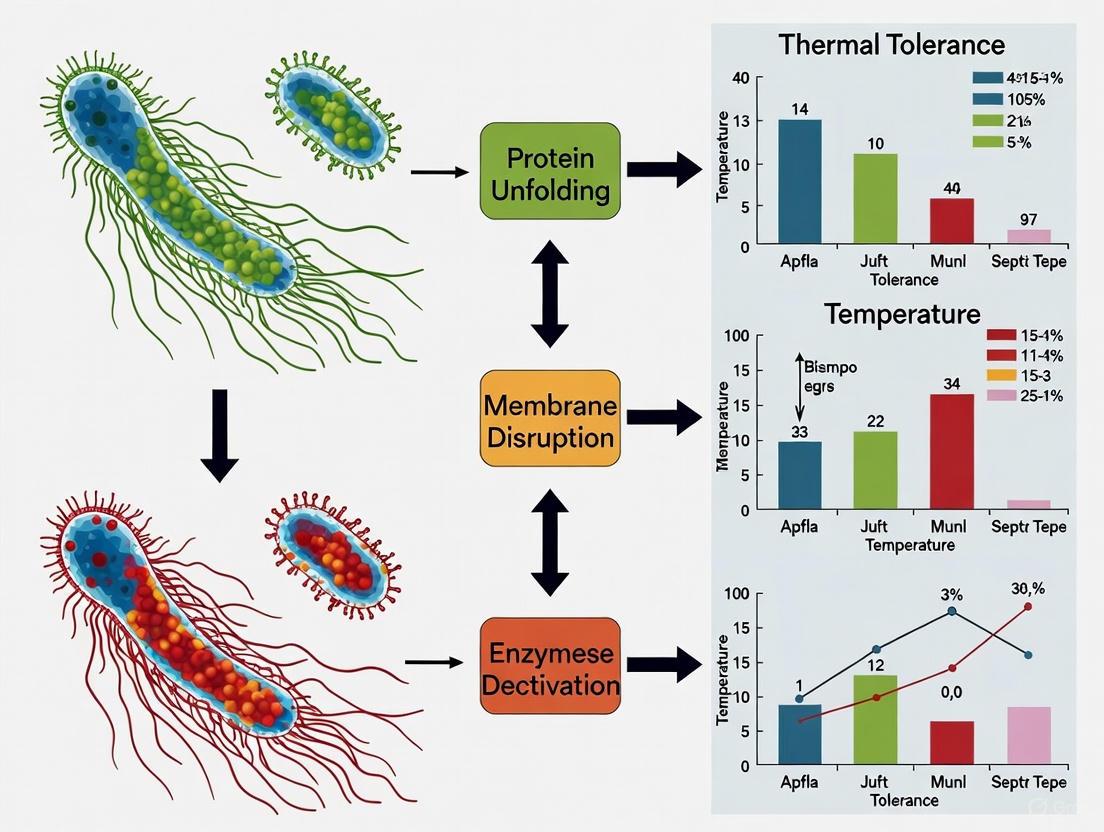
This article provides a comprehensive analysis of contemporary strategies to enhance the thermal stability of probiotic cultures, a critical challenge for researchers and drug development professionals.
Advanced Strategies for Improving Thermal Stability of Probiotic Cultures in Pharmaceutical Development
Abstract
This article provides a comprehensive analysis of contemporary strategies to enhance the thermal stability of probiotic cultures, a critical challenge for researchers and drug development professionals. It explores the fundamental molecular mechanisms of probiotic heat resistance, including heat-shock protein expression and membrane adaptations. The review systematically evaluates advanced methodological approaches such as novel encapsulation technologies using composite polysaccharide-protein systems and optimized cryoprotectant formulations. It further discusses troubleshooting and optimization protocols for long-term storage stability and presents rigorous validation frameworks for the comparative analysis of probiotic strains, including robust Bacillus spores versus traditional Lactobacillus. The synthesis of these core intents provides a foundational guide for developing thermally stable, efficacious probiotic pharmaceuticals.
Understanding the Challenge: Molecular Mechanisms of Probiotic Inactivation Under Heat Stress
Frequently Asked Questions (FAQs) on Probiotic Viability
FAQ 1: What is the minimum viable count required for a probiotic to be clinically effective? The minimum viable count required for a probiotic to confer a clinical effect is generally considered to be 10^6 CFU/mL in the small bowel and 10^8 CFU/g in the colon [1]. Consequently, probiotic products must be formulated to contain adequate numbers of live microorganisms, often defined as a minimum of 10^9 CFU per day, to ensure enough viable cells survive gastrointestinal transit to reach these target thresholds [1]. The relationship between ingested dose and target site concentration is summarized in Table 1.
FAQ 2: Why is plate count enumeration the standard method for assessing viability, and what are its limitations? Plate count enumeration, which measures Colony Forming Units (CFU), is the internationally validated standard for probiotic enumeration and is required by authorities for verifying label claims and shelf-life [1] [2]. Its primary strength is its direct measurement of a microorganism's ability to replicate, which is a key aspect of viability.
However, a significant limitation is the "viable but non-culturable" (VBNC) state [1]. Bacteria can enter a state where they are metabolically active and have membrane integrity but lose the ability to form colonies on a plate—a phenomenon known as the "great plate anomaly" [1]. Studies have shown that probiotic strains may lose culturability during storage while maintaining esterase activity, membrane integrity, and rRNA levels [1]. Therefore, relying solely on CFU can underestimate true viability, and a combination of methods is often recommended for a comprehensive assessment.
FAQ 3: What is the most common methodological error when testing probiotic gastric tolerance in vitro, and how can it be corrected? A critical and frequent error is the failure to properly neutralize simulated gastric or intestinal juices after the test period [3].
The bactericidal activity of these juices will continue during the subsequent plating and incubation steps if not neutralized, leading to a significant underestimation of surviving cells. To correct this, the experimental procedure must include a neutralizer with buffer and adsorbing capacity immediately after the contact time, as stipulated by standards like EN 1040:2005 [3]. A full preliminary assay is required to validate that the neutralizer itself is non-toxic and effectively stops the antimicrobial action.
FAQ 4: How does a product's formulation (food matrix, encapsulation) impact probiotic viability? The food matrix and encapsulation technologies play a crucial protective role. Research has demonstrated that strains within diverse fermented food matrices (e.g., cow milk, whey, soy drink) show high survival during in vitro gastrointestinal digestion, highlighting a strain-matrix synergy [4]. For instance, encapsulating L. rhamnosus B5H2 in gastric-resistant capsules or via spray-drying preserved viability above 8 Log CFU/mL after the simulated colon phase [4]. Similarly, storage temperature critically impacts viability and quality in probiotic-enriched juices, with refrigeration best preserving both probiotic stability and sensory quality [5].
Troubleshooting Common Experimental Issues
Table 1: Troubleshooting Guide for Probiotic Viability Experiments
| Problem | Potential Cause | Solution | Supporting Reference |
|---|---|---|---|
| Low viability recovery after in vitro gastric transit assay. | Carry-over effect of bactericidal activity from simulated juices to culture plates. | Incorporate a validated neutralization step immediately after exposure to simulated gastric or intestinal juice [3]. | |
| Discrepancy between high viability measured by flow cytometry and low CFU counts from plate counts. | Cells have entered a "Viable But Not Culturable" (VBNC) state due to processing or storage stresses. | Employ a combination of methods: plate counts for cultivability and molecular/flow cytometry methods (e.g., membrane integrity, esterase activity) for a broader viability assessment [1]. | |
| Probiotic strain fails to maintain viability during shelf-life stability studies. | Sensitivity to environmental stressors like oxygen, moisture, and temperature during storage. | Optimize formulation with protective ingredients, use advanced encapsulation (e.g., spray-drying, lyophilization), and ensure oxygen-impermeable, moisture-resistant packaging [6] [4]. | |
| Inconsistent results between labs when performing stress tolerance assays. | Lack of standardized protocols for factors like juice composition, contact time, and neutralization. | Adopt a detailed, standardized protocol and report all critical parameters (e.g., pH, bile concentration, incubation time, neutralizer formula) to ensure reproducibility [3] [7]. | |
| Final product does not meet labeled CFU claim despite high initial counts. | Viability loss during manufacturing (e.g., freeze-drying) or inadequate stability under recommended storage conditions. | Implement rigorous shelf-life and stability testing on the final product and optimize manufacturing conditions like fermentation media and drying protocols [1] [8]. |
Essential Experimental Protocols
Protocol: In Vitro Assessment of Gastric Juice Tolerance with Neutralization
This protocol is designed to accurately measure probiotic survival in simulated gastric juice while correcting for the common error of antimicrobial carry-over [3].
Materials:
- Probiotic suspension (at a known concentration, e.g., 10^8 CFU/mL)
- Simulated Gastric Juice (e.g., pepsin in a pH-adjusted buffer)
- Neutralizer Solution (e.g., containing buffers, surfactants, and inactivating agents specific to the antimicrobial used)
- Appropriate serial dilution buffers and culture media
Method:
- Preliminary Assay: Validate the non-toxicity of all components.
- Diluent Non-Toxicity: Incubate the probiotic suspension with the diluent for the longest test period. Plate and calculate viable count (Value "A").
- Neutralizer Non-Toxicity: Incubate the probiotic suspension with the neutralizer for the longest test period. Plate and calculate viable count (Value "B").
- Neutralized Juice Non-Toxicity: Mix gastric juice with the neutralizer. Then incubate this mixture with the probiotic suspension for the longest test period. Plate and calculate viable count (Value "C").
- The test is valid if values A, B, and C are not significantly different from each other.
- Main Assay:
- Stabilize all components (probiotic suspension, gastric juice, diluent, neutralizer) at the test temperature (typically 37°C).
- Inoculate a known volume of probiotic suspension into simulated gastric juice.
- Incubate the mixture for the desired contact time (e.g., 0, 30, 60, 120 minutes).
- Critical Neutralization Step: After the contact time, immediately add a validated volume of neutralizer to the mixture to stop the antimicrobial activity.
- Perform serial decimal dilutions in a neutral buffer.
- Plate onto appropriate culture media and incubate under optimal conditions for the probiotic strain.
- Calculate the number of residual CFU/mL and express survival as a percentage of the initial count.
The workflow for this protocol, including the critical neutralization step, is outlined below.
Protocol: Assessing Thermo-Tolerance via Stability During Storage
This protocol evaluates the impact of temperature on probiotic viability, which is critical for determining shelf-life and the need for refrigeration.
Materials:
- Final probiotic product (e.g., powder, encapsulated, or in a food matrix)
- Incubators set to 4°C (refrigeration), 25°C (room temperature), and 37°C (accelerated stability)
- Appropriate culture media and materials for plate count enumeration
Method:
- Baseline Measurement: Determine the initial viable count (CFU/g or CFU/mL) of the product using plate count enumeration.
- Storage: Divide the product into aliquots and store them in controlled environments at 4°C, 25°C, and 37°C.
- Sampling: At predetermined time points (e.g., Day 0, 7, 14, 21, 28, and monthly thereafter), retrieve samples from each storage condition.
- Enumeration: Perform plate count enumeration on each sample to determine the viable count.
- Data Analysis: Plot the log CFU over time for each temperature to determine degradation kinetics and predict shelf-life. Monitor changes in product pH or other quality parameters if relevant [5].
The Scientist's Toolkit: Research Reagent Solutions
Table 2: Essential Reagents and Materials for Probiotic Viability Research
| Reagent / Material | Function / Explanation | Application Example |
|---|---|---|
| Selective Agar Media (e.g., MRS, BSM, TSA) | Contains specific nutrients and inhibitors to selectively enumerate a target probiotic genus (e.g., Lactobacillus, Bifidobacterium, Bacillus) from a multi-strain product or complex matrix [2]. | Quantifying individual strains in a multi-strain probiotic by using genus-specific agar with supplements (e.g., vancomycin for Ligilactobacillus salivarius) [2]. |
| Neutralizer Solution | Stops the antimicrobial activity of simulated gastric/intestinal juices or disinfectants instantly to prevent carry-over effects and ensure accurate viability counts post-exposure [3]. | Added immediately after in vitro gastric transit assay to neutralize pepsin and low pH before serial dilution and plating [3]. |
| Simulated Gastric Juice | A standardized solution (typically containing pepsin, NaCl, and HCl at pH ~3) to model the survival of probiotics during passage through the human stomach [3]. | In vitro assessment of gastric tolerance as a key screening step for potential probiotic strains. |
| Simulated Intestinal Fluid | A standardized solution (typically containing pancreatin and bile salts) to model the survival and potential tolerance of probiotics in the small intestine [1]. | In vitro assessment of bile tolerance, a crucial property for probiotics intended to act in the small intestine. |
| Encapsulation Materials (e.g., Alginate, Chitosan, Maltodextrin) | Biocompatible polymers used to create a protective physical barrier (microcapsules or coating) around probiotic cells, shielding them from environmental stressors like heat, oxygen, and gastric acid [4] [6]. | Spray-drying probiotics with maltodextrin to create a shelf-stable powder that maintains high viability after simulated gastrointestinal digestion [4]. |
| MALDI-TOF MS | A rapid, reliable, and cost-effective analytical technique for the confirmation of probiotic species and strain identity, ensuring the product contains the labeled microorganisms [2]. | Post-market quality control; verifying the identity of isolates from a commercial probiotic product against a reference spectral library [2]. |
Visualizing the States of Bacterial Viability
A key challenge in probiotic research is that bacterial viability is not a binary state. The following diagram outlines the different physiological states a bacterial cell can enter, moving beyond the simple dichotomy of "live" and "dead" as defined by plate counts. This is essential for interpreting discrepancies between different viability measurement methods [1].
Core Concepts: The Molecular Basis of Thermotolerance
What is the heat-shock response and how is it activated?
The heat-shock response (HSR) is an evolutionarily conserved mechanism that protects cells from the harmful effects of various stressors, including heat, chemicals, UV radiation, and oxidizing agents [9]. When a cell experiences proteotoxic stress, such as a sudden temperature increase, it triggers an immediate halt in regular protein transcription and translation to reduce the burden of protein damage [9]. This response is regulated by specialized transcription factors called heat shock factors (HSFs), which bind to promoter regions of heat shock genes known as heat shock elements (HSEs) [9] [10].
In vertebrates, HSF1 serves as the primary regulator for heat shock, while HSF2 and HSF4 are more involved in development and differentiation processes [9]. The activation mechanism involves:
- HSF1 trimerization: Normally an inert monomer, HSF1 forms a trimer upon stress exposure
- Nuclear translocation: The trimer moves to the cell nucleus
- DNA binding: It binds to HSEs in promoter regions
- Hyperphosphorylation: This final step fully activates transcription of heat shock protein genes [10] [11]
What are heat shock proteins and how do they function as molecular chaperones?
Heat shock proteins (HSPs) are a specific set of proteins synthesized in response to stress induction, functioning as molecular chaperones that play crucial roles in thermotolerance and protecting cells from harmful insults [9]. They are classified by molecular weight into families including HSP100, HSP90, HSP70, HSP60, and small HSPs [9].
The primary functions of HSPs include:
- Protein folding: Assisting newly synthesized polypeptides to attain their native conformation
- Misfolded protein elimination: Refolding or facilitating degradation of damaged proteins
- Apoptosis modulation: Influencing programmed cell death pathways
- Cell signaling regulation: Modulating various signal transduction pathways [9]
Under normal conditions, HSPs, particularly Hsp70 and Hsp90, bind to and inhibit HSF1. During stress, they are titrated away by misfolded proteins, freeing HSF1 to activate the heat shock response—a classic feedback loop known as chaperone titration [11].
Figure 1: Heat Shock Response Pathway. Cellular stress generates misfolded proteins that titrate HSPs away from HSF1, allowing its activation and subsequent HSP synthesis, creating a feedback loop that restores proteostasis.
Experimental Protocols & Methodologies
How do I measure thermal tolerance in biological systems?
Different model organisms require specific approaches for assessing thermal tolerance:
For microbial cultures (probiotics):
- Temperature exposure assays: Expose cultures to temperatures ranging from 50-60°C for varying durations (15 seconds to 30 minutes) [12] [13]
- Viability assessment: Plate on appropriate media after heat exposure to determine colony-forming units (CFU)
- D-value calculation: Determine the time required at a specific temperature to achieve a 1-log reduction in viable counts [12]
- Enzyme activity assays: Measure functional thermostability of key enzymes like α-galactosidase after heat exposure [12]
For ectothermic organisms:
- Critical Thermal Maximum (CTmax): The temperature that causes loss of equilibrium or righting response [14] [15]
- Experimental protocol: Place organisms in tanks and increase temperature gradually (~2.7-3.4°C per hour) from acclimation temperature (e.g., 12°C) until loss of equilibrium is observed [14]
- Control parameters: Maintain constant oxygen levels (~9-10 mg L⁻¹ O₂), monitor nitrates/nitrites, and standardize acclimation periods [14]
What is a standard workflow for probiotic thermotolerance testing?
Figure 2: Probiotic Thermotolerance Testing Workflow. Comprehensive protocol for assessing both viability and functional enzyme stability after heat exposure.
Troubleshooting Guides
Why is my probiotic culture losing viability during processing?
Problem: Excessive cell death during thermal processing stages.
Solutions:
- Pre-adaptation culture: Gradually expose cultures to sublethal heat stress (5-10°C above optimal) to induce HSP expression before main heat challenge [16]
- Protective media formulation: Add cryoprotectants (e.g., maltodextrin, whey protein) during freeze-drying to stabilize membrane integrity [13]
- Optimize drying method: Consider fluidized bed drying as an alternative to freeze-drying for better thermal tolerance preservation in some strains [13]
- Matrix protection: Incorporate probiotics into feed matrices that provide physical protection during pelleting processes [13]
How can I enhance the thermotolerance of my probiotic strains?
Strategy 1: Stress Pre-conditioning
- Heat acclimation: Expose cells to mild heat stress (40-45°C for 30-60 minutes) to induce HSP synthesis before major heat challenge [16]
- Cross-protection: Use other stressors like mild acid or osmotic stress to induce general stress response pathways [16]
Strategy 2: Genetic Optimization
- Strain selection: Prioritize naturally thermotolerant strains like Saccharomyces spp. and Pediococcus pentosaceus that show superior heat resistance [13]
- Adaptive laboratory evolution: Serial passage cultures at increasingly higher temperatures to select for thermotolerant mutants [16]
Strategy 3: Process Optimization
- Culture phase harvesting: Use freshly grown cells rather than rehydrated cultures, as they demonstrate better thermostability [12]
- Protective formulation: Utilize exopolysaccharide-producing strains or add protective sugars (trehalose, sucrose) during processing [16]
Quantitative Data Reference
What are the typical thermal tolerance parameters for common probiotics?
Table 1: Thermal Tolerance Profiles of Probiotic Microorganisms
| Strain | Temperature | Exposure Time | Viability Loss | Key Findings | Source |
|---|---|---|---|---|---|
| Saccharomyces spp. | 50-60°C | 15 sec - 5 min | 0-0.3 log reduction | Highest thermal resistance among tested strains | [13] |
| Pediococcus pentosaceus | 50-60°C | 15 sec - 5 min | Minimal reduction | Produces heat-stable exopolysaccharides | [13] |
| Lactobacillus casei | 50°C | 35 min (D-value) | 1 log reduction | Highest α-galactosidase thermostability | [12] |
| Lactobacillus casei | 55°C | 29 min (D-value) | 1 log reduction | Maintained enzyme activity better than viability | [12] |
| Lactobacillus casei | 60°C | 9.3 min (D-value) | 1 log reduction | Enzyme activity less affected than viable cells | [12] |
| Bifidobacterium breve S46 | Optimal activity | - | - | Highest α-galactosidase activity (1.26 U/mg protein) | [12] |
How do HSP families contribute to thermotolerance mechanisms?
Table 2: Heat Shock Protein Families and Their Protective Functions
| HSP Family | Key Members | Primary Functions in Thermotolerance | Regulation | Cellular Location | |
|---|---|---|---|---|---|
| HSP100 | Hsp104, ClpB | Protein disaggregase; recovers functional protein from aggregates | Stress-inducible | Cytosol, organelles | [17] |
| HSP90 | HtpG, Hsp90 | Client protein stabilization; regulates HSF1 activity | Constitutive & inducible | Cytosol, nucleus | [9] [18] |
| HSP70 | DnaK, Hsp70 | Protein folding; prevents aggregation; co-regulates HSF1 | Constitutive (Hsc70) & inducible (Hsp70) | Cytosol, nucleus, organelles | [9] [17] |
| HSP60 | GroEL, Hsp60 | Chaperonin; facilitates folding in enclosed chambers | Constitutive & inducible | Mitochondria, chloroplasts | [17] |
| Small HSPs | Hsp20, Hsp27 | Prevent protein aggregation; membrane stabilization | Stress-inducible | Cytosol, nucleus | [9] |
The Scientist's Toolkit: Essential Research Reagents
Table 3: Key Research Reagents for Thermotolerance Studies
| Reagent/Category | Specific Examples | Application & Function | Experimental Notes | |
|---|---|---|---|---|
| Culture Media | MRS broth, MRS-Cys | Optimal growth for lactic acid bacteria and bifidobacteria | Supplement with 0.05% L-cysteine for anaerobic cultures | [12] |
| Viability Assays | Plate counting, MRS agar | Quantify surviving cells after heat stress | Use high-shear homogenization for accurate cell dispersion | [12] |
| Enzyme Assays | pNPG substrate | Measure α-galactosidase activity stability | Stop reaction with sodium carbonate; measure at 420nm | [12] |
| Protein Analysis | Bradford reagent, Sonication equipment | Extract and quantify cellular proteins | Sonicate in ice bath (4°C) with 4 cycles of 3min on/1min off | [12] |
| Stress Indicators | HSP-specific antibodies, ELISA kits | Detect and quantify HSP expression | Monitor HSF1 trimerization as activation marker | [9] [10] |
| Protective Compounds | Trehalose, Maltodextrin, Whey protein | Cryoprotectants during freeze-drying | Improve viability during thermal processing | [13] |
Frequently Asked Questions
How quickly does the heat shock response activate?
The HSR activates very rapidly. Studies show that HSF1 trimerization and nuclear translocation occur immediately upon stress reception, with these initial steps happening on a timescale much faster than the transcriptional response [10]. Significant HSP synthesis can be detected within minutes of stress exposure, with some studies reporting up to 15-fold induction of HSP synthesis within the first hour [16] [11].
Can I use HSP expression as a biomarker for thermal stress?
Yes, HSP expression serves as an excellent biomarker for proteotoxic stress, including thermal stress. The level of HSP induction directly correlates with the severity of stress exposure [9] [14]. However, note that:
- Different HSP families have varying induction thresholds
- Some HSPs are constitutively expressed at basal levels
- The response is influenced by prior stress exposure history
- Tissue and organism specificity exists in HSP expression patterns [14] [11]
Why do some strains show better thermotolerance than others?
Strain-specific thermotolerance differences arise from multiple factors:
- HSP repertoire diversity: Variations in types and inducibility of different HSP families
- Membrane composition: Strains that adjust fatty acid saturation ratios maintain membrane fluidity at higher temperatures [16]
- Compatible solute accumulation: Production of trehalose, proline, and other osmolytes that stabilize proteins
- Antioxidant systems: Enhanced capacity to neutralize reactive oxygen species generated during heat stress [13] [16]
- Exopolysaccharide production: Some strains produce protective EPS that shield cells from heat damage [13]
What is the relationship between thermotolerance and probiotic efficacy?
Thermotolerance directly impacts probiotic efficacy through multiple mechanisms:
- Viability maintenance: Adequate live cell counts (typically >10⁹ CFU/g) are required for health benefits [16]
- Enzyme preservation: Thermostable enzymes like α-galactosidase must survive processing to function in the gut [12]
- Membrane integrity: Undamaged membranes ensure proper attachment to intestinal epithelium
- Stress response readiness: Pre-adapted cells may better withstand gastrointestinal stresses [13] [16]
Successful probiotic development therefore requires careful attention to thermal tolerance throughout processing, storage, and application stages.
For researchers focused on improving the thermal stability of probiotic cultures, maintaining membrane integrity is a fundamental challenge. The cytoplasmic membrane serves as the primary barrier between the living cell and its environment, and its fluidity is critically dependent on lipid composition and environmental conditions. When probiotics are exposed to thermal stress during industrial processing, storage, or transportation, the physical state of their membrane lipids can be compromised, leading to loss of viability and functionality. This technical resource center provides targeted guidance on how fatty acid composition governs membrane fluidity responses to thermal stress, offering practical methodologies and troubleshooting advice to support your research in developing more robust probiotic formulations.
The fundamental principle governing this relationship is homeoviscous adaptation – the process by which organisms, including bacteria, maintain optimal membrane fluidity despite temperature fluctuations [19] [20]. For probiotic bacteria subjected to heat stress during spray drying, pasteurization, or storage, understanding and manipulating these adaptation mechanisms is crucial for improving survival rates. This guide synthesizes current research and practical methodologies to help researchers address the specific challenges of membrane stabilization under thermal stress.
Core Concepts: Membrane Fluidity and Thermal Response
What is membrane fluidity?
Membrane fluidity refers to the viscosity of the lipid bilayer of a cell membrane, which directly affects the rotation and diffusion of proteins and other biomolecules within the membrane, thereby influencing their functions [21]. In practical terms, fluidity determines how easily lipids and proteins can move within the membrane matrix, which is essential for nutrient transport, cellular respiration, and signal transduction.
How temperature affects membrane physical state
Temperature shifts directly impact the physical state of membrane lipids. At lower temperatures, membrane lipids become more ordered and rigid, potentially reaching a gel-like state. Conversely, at higher temperatures, lipids acquire thermal energy and move more freely, resulting in a more fluid and disordered membrane [21]. Each membrane lipid composition has a specific transition temperature (Tm) – the midpoint temperature where the membrane transitions from a gel to a fluid state [20]. For probiotics, exceeding this critical temperature can lead to membrane dysfunction and cell death.
How fatty acid composition determines membrane fluidity
The relationship between fatty acid structure and membrane fluidity follows these fundamental principles:
- Saturated fatty acids (no double bonds) have straight chains that pack tightly together, resulting in more rigid membranes with higher melting points [21] [22].
- Unsaturated fatty acids (with one or more double bonds) contain kinks in their hydrocarbon chains that prevent tight packing, increasing membrane fluidity and lowering melting points [21] [22].
- Shorter chain fatty acids are less stiff and less viscous because they are more susceptible to changes in kinetic energy and have less surface area for stabilizing molecular interactions [21].
Table 1: Fatty Acid Characteristics and Their Impact on Membrane Properties
| Fatty Acid Characteristic | Effect on Membrane Fluidity | Effect on Transition Temperature | Molecular Basis |
|---|---|---|---|
| Saturated (no double bonds) | Decreases | Increases | Straight chains pack tightly |
| Unsaturated (double bonds) | Increases | Decreases | Kinks prevent tight packing |
| Shorter chain length | Increases | Decreases | Reduced intermolecular forces |
| Longer chain length | Decreases | Increases | Increased stabilizing interactions |
| Branched chains | Increases | Decreases | Disrupts ordered packing |
Experimental Protocols: Assessing Membrane Properties
Protocol: Measuring membrane fluidity
Method 1: Fluorescence Polarization This widely used technique measures the rotational freedom of fluorescent probes incorporated into the membrane, providing information about the microviscosity of their immediate environment [19].
- Reagents needed: 1,6-diphenyl-1,3,5-hexatriene (DPH) or similar fluorescent probes; appropriate buffer solutions
- Procedure:
- Harvest bacterial cells during mid-logarithmic growth phase
- Incorporate DPH probe into membrane by incubation (typically 30-60 minutes)
- Measure fluorescence polarization using a spectrofluorometer with polarizers
- Calculate anisotropy values - lower anisotropy indicates higher fluidity
- Applications: Ideal for monitoring fluidity changes in response to thermal stress or adaptation in probiotic cultures [19]
Method 2: Electron Spin Resonance (ESR) ESR involves observing spin probe behavior in the membrane, providing complementary data to fluorescence methods on different timescales [21].
- Reagents: Stearic acid spin labels with doxyl moiety at specific carbon positions (5,7,9,12,13,14,16)
- Procedure:
- Incorporate spin probes into bacterial membranes
- Measure ESR spectra and analyze linewidths
- Calculate rotational correlation times of spin probes
- Key advantage: Can reveal fluidity gradients across the lipid bilayer [21]
Method 3: Deuterium Nuclear Magnetic Resonance (²H-NMR) This technique examines deuterated lipids in membranes and provides detailed information about molecular orientation and dynamics [21].
Protocol: Analyzing fatty acid composition
Gas Chromatography-Mass Spectrometry (GC-MS) of Fatty Acid Methyl Esters (FAMEs)
This standard method provides quantitative and qualitative data on membrane fatty acid composition, essential for correlating compositional changes with fluidity measurements.
- Reagents: Methanol, acetyl chloride, hexane, standards for fatty acid identification
- Procedure:
- Extraction: Harvest bacterial cells and extract total lipids using chloroform-methanol mixture
- Transesterification: Convert fatty acids to methyl esters using acidic methanol
- Analysis: Inject FAME samples into GC-MS system with appropriate capillary column
- Identification and Quantification: Compare retention times and mass spectra with standards
- Data analysis: Calculate unsaturation index (UI) = Σ(double bonds in FA species × % abundance of FA species)/100 [19]
Protocol: Assessing thermal stability of probiotics
Viability Measurement During Thermal Challenge
- Procedure:
- Prepare probiotic cultures in appropriate growth medium
- Expose to controlled temperature treatments (typically 50-60°C for moderate heat stress)
- Remove aliquots at specific time intervals and immediately cool in ice bath
- Perform serial dilutions and plate on appropriate agar medium
- Calculate D-values (time required for 1 log reduction in viable counts) [12]
Table 2: Thermal Stability Parameters for Probiotic Strains
| Probiotic Strain | Temperature | D-value | Application Notes | Citation |
|---|---|---|---|---|
| Lactobacillus casei | 50°C | 35 minutes | Highest thermostability among tested lactobacilli | [12] |
| Lactobacillus casei | 55°C | 29 minutes | Retains viability during moderate heat exposure | [12] |
| Lactobacillus casei | 60°C | 9.3 minutes | Useful for short-term thermal processing | [12] |
| Bifidobacterium breve S46 | 37°C | N/A | Highest α-galactosidase activity (1.26 U/mg protein) | [12] |
Research Reagent Solutions
Table 3: Essential Reagents for Membrane Fluidity and Thermal Stability Research
| Reagent/Category | Specific Examples | Research Application | Technical Notes |
|---|---|---|---|
| Fluorescent Probes | DPH (1,6-diphenyl-1,3,5-hexatriene) | Membrane fluidity measurement | Requires polarization-capable fluorometer |
| Spin Probes | Stearic acid with doxyl moiety | ESR fluidity measurements | Can probe different membrane depths |
| Fatty Acid Standards | Saturated and unsaturated FAME mix | GC-MS calibration | Essential for quantitative analysis |
| Stress Adaptation Agents | Osmotic stressors (NaCl, sorbitol) | Pre-adaptation protocols | Enhances cross-protection against heat |
| Membrane Stabilizers | Cholesterol (for eukaryotic systems) | Membrane stability studies | Not applicable to most probiotics |
| Antioxidants | Vitamin E, glutathione | Oxidative stress protection | Protects against secondary heat damage |
| Cryoprotectants | Glycerol, trehalose | Storage stability improvement | Enhances survival during freeze-drying |
Thermal Adaptation Pathways in Bacteria
Troubleshooting Guides & FAQs
FAQ 1: Why do my probiotic cultures show poor survival after spray drying?
Primary Cause: Rapid dehydration combined with thermal stress causes membrane phase transitions and protein denaturation.
Solutions:
- Pre-adaptation: Gradually expose cultures to sublethal heat stress (40-45°C) before processing to induce heat shock protein expression [16].
- Osmotic preconditioning: Use mild osmotic stress (0.2-0.5M NaCl) to trigger cross-protection mechanisms [23].
- Protectant formulation: Incorporate thermoprotectants like trehalose or inulin in the growth or drying medium [24].
- Membrane composition modulation: Grow cultures with unsaturated fatty acid precursors to increase membrane fluidity before heat exposure.
FAQ 2: How can I stabilize membranes during high-temperature processing?
Strategies for Enhanced Thermal Tolerance:
- Fatty acid supplementation: Incorporate specific fatty acids in growth media. For example, cis-vaccenic acid (C18:1) supplementation in E. coli improves high-temperature stability [20].
- Antioxidant protection: Add vitamin E (0.1-0.5%) to drying matrices to reduce oxidative damage during thermal processing [23].
- Matrix engineering: Use protein-carbohydrate conjugates (e.g., pea protein-inulin) for microencapsulation, which demonstrated improved thermal protection for Lactobacillus reuteri [24].
- Fluidized bed drying: Consider as an alternative to spray drying, as it demonstrated 2.5 log CFU/g higher viability after 52 weeks storage at 25°C compared to freeze drying [23].
FAQ 3: What is the optimal approach to measure membrane fluidity changes in response to thermal stress?
Method Selection Guide:
- For rapid screening: Fluorescence polarization with DPH offers good throughput and sensitivity for detecting fluidity changes [19].
- For detailed mechanism studies: Combine ESR with GC-MS fatty acid analysis to correlate molecular dynamics with compositional changes [21].
- For intact systems: Deuterium NMR provides the most detailed information but requires specialized instrumentation and deuterated lipid precursors [21].
Common pitfalls to avoid:
- Ensure consistent growth phase when harvesting cells as membrane composition changes throughout growth cycle
- Control for oxygen exposure during fluidity measurements as oxidation can alter membrane properties
- Include appropriate internal standards in GC-MS analysis for accurate quantification
- Maintain consistent temperature during fluidity measurements as small variations affect results
FAQ 4: How can I improve long-term storage stability of probiotic formulations at ambient temperatures?
Evidence-Based Approaches:
- Optimized drying protocols: Fluidized bed drying combined with osmotic stress adaptation yielded 0.83 log CFU/g higher viability compared to unstressed cells after storage at 25°C [23].
- Microencapsulation matrices: Rice protein-inulin conjugates demonstrated superior protective effects for Lactobacillus reuteri during storage at both refrigeration and room temperatures [24].
- Antioxidant supplementation: Vitamin E fortification in stabilization matrix improved stability by 0.18 log CFU/g during 20 weeks storage at 25°C [23].
- Avoid incompatible additives: Menthol and vitamin C had detrimental effects on storage stability of Weissella cibaria in chewing gum formulations [25].
FAQ 5: What fatty acid profile changes indicate successful thermal adaptation?
Expected Compositional Shifts:
- For heat adaptation: Increase in saturated and/or branched-chain fatty acids to reduce excessive fluidity at high temperatures [16].
- For cold adaptation: Increase in unsaturated fatty acid content to maintain fluidity at low temperatures [26].
- In LAB and Bifidobacteria: Modification of iso/anteiso fatty acid ratios in response to temperature changes [16].
- Key indicator: Changes in weighted average melting temperature (WAMT) of membrane fatty acids correlating with growth temperature [26].
The strategic manipulation of membrane fatty acid composition represents a powerful approach for enhancing the thermal stability of probiotic cultures. By understanding the fundamental relationships between fatty acid structure, membrane fluidity, and thermal tolerance, researchers can develop more robust formulations that withstand industrial processing and storage conditions. The methodologies and troubleshooting guides presented here provide a foundation for systematic investigation of membrane-related thermal adaptation mechanisms. Future research directions should focus on the molecular mechanisms of thermosensing in probiotic strains, high-throughput screening of membrane-stabilizing compounds, and the development of novel delivery systems that maintain membrane integrity throughout the product lifecycle. As the demand for probiotic-functional foods and pharmaceuticals continues to grow, mastering the control of membrane integrity under thermal stress will remain a critical research priority.
FAQs: Core Concepts and Troubleshooting
FAQ 1: What are the fundamental physiological differences that make bacterial spores so much more heat-resistant than vegetative cells?
Spores possess multiple specialized structures that vegetative cells lack, creating a formidable barrier to heat. The key differences are summarized below:
| Feature | Vegetative Cells | Bacterial Spores |
|---|---|---|
| Core Hydration | High water content [27] | Low water content (25-45%); protoplast dehydration [28] [27] |
| Core Composition | Standard cytoplasm | High levels of dipicolinic acid (Ca²⁺-DPA) chelates [28] [27] |
| DNA Protection | Normal chromosomal state | Saturated with α/β-type small acid-soluble proteins (SASP) [28] [27] |
| Cortex Structure | Not applicable | Specialized peptidoglycan with muramic-δ-lactam [28] |
| Thermal Adaptation | Limited capacity | Sporulation temperature impacts resistance; higher temperatures yield more resistant spores [29] [30] [27] |
FAQ 2: In my experiments, I observe high variability in heat resistance even among spores of the same species. What are the primary factors causing this?
Your observation is a common experimental challenge driven by several factors:
- Genetic Factors: The presence of specific operons, is a major determinant. For example, the spoVA2mob operon can increase heat resistance, and its copy number can cause D-values to be up to 100-fold higher in strains carrying it [31].
- Sporulation Conditions: The temperature [29] [30] and medium composition [29] [31] during sporulation significantly impact resistance. Spores formed at higher temperatures generally show greater heat resistance.
- Mineral Content: The specific mineral composition of the spore core, particularly calcium content, is critical [29].
FAQ 3: I am working to improve the heat stability of probiotic cultures. What strategies can I employ based on the principles of spore physiology?
While probiotics like Lactobacillus and Bifidobacterium are vegetative cells, several strategies can enhance their heat tolerance:
- Stress Adaptation: Pre-exposing probiotic cells to sublethal stresses can improve subsequent survival. Adaptation to sublethal heat or acidic conditions has been shown to increase stability during processing [32].
- Selective Pressure and Mutagenesis: Isolating naturally robust strains or using random mutagenesis can yield derivatives with improved heat, oxygen, or acid tolerance [32].
- Optimized Stabilization Matrices: Using specific encapsulation matrices can dramatically improve stability. Fluidized bed drying has been shown to retain 2.5 log cfu/g higher viability after 52 weeks of storage compared to freeze-drying [23].
Experimental Protocols
Protocol 1: Determining D-Values and z-Values for Heat Resistance
Objective: To quantify and compare the heat resistance of different microbial strains or spores.
Background:
- The D-value (Decimal Reduction Time) is the time required at a given temperature to reduce the microbial population by 90% (1 log10 cycle) [33].
- The z-value is the temperature change required to change the D-value by one log10 cycle [33].
Materials:
- Research Reagent Solutions:
Methodology:
- Preparation: Grow the microbial culture to the desired phase (e.g., stationary phase for vegetative cells) or prepare a pure spore suspension.
- Heat Treatment: Dispense samples into thin-walled tubes. Immerse tubes in a pre-tempered water bath set at the target temperature (e.g., 60°C for vegetative cells, 100°C+ for spores).
- Sampling: At predetermined time intervals, remove samples and immediately cool in an ice-water bath.
- Enumeration: Perform serial dilutions and plate on nutrient agar. Incubate plates under optimal conditions for the organism and count colonies.
- Data Analysis: Plot the log10 of the number of survivors versus time. The negative reciprocal of the slope of the resulting line is the D-value at that temperature.
- z-value Determination: Repeat the experiment at several different temperatures. Plot the log10 of the D-values versus temperature. The negative reciprocal of the slope of this line is the z-value.
Protocol 2: Investigating the Role of Minerals in Spore Heat Resistance
Objective: To evaluate the effect of core demineralization and remineralization on spore heat resistance [29].
Materials:
- Research Reagent Solutions:
Methodology:
- Spore Preparation: Sporulate B. subtilis on soil infusion agar at different temperatures (e.g., 30°C, 37°C). Harvest and purify spores via repeated centrifugation and washing.
- Demineralization: Titrate native (N) spores with 0.033 N HCl until pH stabilizes at 4.0 for ~5 hours at room temperature. Wash to obtain H-spores [29].
- Remineralization: Immerse H-spores in 10 mM acetate solutions of specific cations (Ca, Mg, Mn, K) for 5 hours at room temperature. Wash to obtain remineralized spores [29].
- Analysis:
- Mineral Content: Solubilize spores and analyze cation content using Inductively Coupled Plasma Mass Spectrometry (ICP-MS) [29].
- Heat Resistance: Subject N, H, and remineralized spores to heat treatment (e.g., 85°C) and determine D-values as in Protocol 1.
Visual Guide: Mechanisms of Heat Resistance
This diagram illustrates the multi-factorial mechanisms contributing to the superior heat resistance of bacterial spores compared to vegetative cells.
Data Tables: Quantitative Resistance Parameters
| Bacterial Species | Temperature (°C) | D-value (Minutes) | z-value (°C) |
|---|---|---|---|
| Campylobacter spp. | 60 | <0.01–0.11 | 4.1–4.7 |
| Escherichia coli | 60 | 0.7–2.7 | 3.2–5.2 |
| Salmonella enterica | 60 | 0.1–3.3 | 3.8–6.3 |
| Listeria monocytogenes | 60 | 0.5–15 | 5.2–5.8 |
| Staphylococcus aureus | 60 | 0.2–6.0 | 3.6–8.5 |
| Enterococcus faecium | 60 | 5.0–30 | 4.3–8.0 |
| Bacterial Species | Temperature (°C) | D-value (Minutes) | z-value (°C) |
|---|---|---|---|
| Bacillus subtilis | 100 | 3.31–>100 | 6.7–10.1 |
| Geobacillus stearothermophilus | 121 | 0.1–5.0 | 7.3–12.2 |
| Clostridium botulinum (proteolytic) | 121 | <0.01–0.22 | 7.6–12.1 |
Genetic and Proteomic Insights into Conserved Heat-Shock Response Pathways
FAQs: Heat-Shock Response in Probiotic Research
1. What is the heat-shock response and why is it important for probiotic stability? The heat-shock response (HSR) is a universal, highly conserved cellular defense mechanism activated when cells encounter elevated temperatures or other protein-damaging stressors. It involves the rapid increased production of heat-shock proteins (HSPs) that function primarily as molecular chaperones [34]. For probiotic bacteria, a robust HSR is crucial for maintaining thermal stability during industrial processes like fermentation, freeze-drying, and spray-drying, as it helps prevent the misfolding and aggregation of cellular proteins, thereby protecting viability [35] [16].
2. What is the core regulatory mechanism behind the heat-shock response? The core regulation across diverse organisms, including bacteria and humans, relies on a chaperone titration feedback loop [36]. Under normal conditions, the key transcriptional regulator (e.g., HSF1 in humans, σ32 in E. coli) is kept inactive by binding to HSPs like HSP70. During heat stress, misfolded proteins compete for and titrate these HSPs away from the regulator. This frees the regulator (e.g., allowing HSF1 to trimerize or σ32 to bind RNA polymerase) to activate the transcription of HSP genes [34] [36]. Newly synthesized HSPs then refold damaged proteins and, once the crisis is over, rebind the regulator to attenuate the response [36].
3. Which heat-shock proteins are most critical and what are their functions? The table below summarizes the key HSPs and their roles in mitigating proteotoxic stress [34].
Table 1: Key Heat-Shock Proteins and Their Functions
| Heat-Shock Protein | Primary Function | Role in Proteostasis |
|---|---|---|
| HSP70 (DnaK in bacteria) | Primary chaperone system | Binds to hydrophobic regions of nascent or misfolded proteins; prevents aggregation, aids refolding, and directs terminally damaged proteins for degradation [34]. |
| HSP90 | Chaperone | Works with HSP70; specializes in keeping certain signal transduction proteins in a stable, unfolded state until activation [34]. |
| HSP60 (GroEL/GroES in bacteria) | Chaperonin | Forms a barrel-shaped complex that provides an isolated compartment for a single protein to fold correctly, shielded from the crowded cytoplasm [34]. |
4. How can I experimentally profile the heat-shock response in my probiotic strain? A comprehensive approach combines physiological assays with omics technologies. A proven methodology involves:
- Stress Preconditioning: Expose mid-log phase cultures to a sub-lethal heat stress (e.g., 50°C for 30 minutes for Lactobacillus rhamnosus) [35].
- Viability Assessment: Compare the survival rates of pre-stressed vs. non-stressed cultures after a lethal challenge (e.g., storage in a dried form) using standard plate counts [35].
- Proteomic Analysis: Use two-dimensional gel electrophoresis (2D-GE) to separate proteins from control and stressed cell lysates. Proteins showing significant up- or down-regulation can be identified via mass spectrometry [37] [35]. This method has successfully identified the induction of GroEL and DnaK in shocked L. rhamnosus [35].
5. Beyond protein misfolding, what other cellular components are damaged by heat? Heat stress increases membrane fluidity, which can compromise its function as a barrier and lead to cell death. Probiotics adapt by modifying their membrane lipid composition, often increasing the saturation of fatty acids to reduce fluidity [16]. Some HSPs, known as lipochaperones, may also assist in stabilizing membranes under heat stress [16].
Troubleshooting Guide: Common Experimental Issues
Table 2: Troubleshooting Common Problems in HSR Experiments
| Problem | Potential Cause | Suggested Solution |
|---|---|---|
| Low viability after heat stress | The applied heat shock is too severe or sudden. | Optimize the preconditioning protocol. Use a gradual temperature upshift or a lower priming temperature (e.g., 45°C instead of 50°C) to allow the adaptive response to activate [35]. |
| High variability in HSP expression between replicates | Inconsistent cell growth stages at the time of stress. | Ensure all cultures are shocked at the same optical density (OD), typically mid-log phase, to achieve uniform physiology [35] [38]. |
| Weak or absent signal in proteomic analysis | Insufficient protein resolution or low abundance of HSPs. | Use high-resolution 2D gels and consider radiolabeling with [35S]methionine/cysteine during the shock to specifically tag newly synthesized proteins, enriching the HSP signal [35]. |
| Poor long-term stability of pre-adapted cultures | The HSR offers short-term protection but other damage accumulates. | Combine heat preconditioning with other strategies, such as osmotic preconditioning (e.g., with 0.6 M NaCl), which can induce cross-protection and promote the accumulation of protective carbohydrates like trehalose [35]. |
The Scientist's Toolkit: Essential Research Reagents
Table 3: Key Reagents for Probiotic Heat-Shock Research
| Reagent / Material | Function / Application |
|---|---|
| Two-Dimensional Gel Electrophoresis (2D-GE) | High-resolution separation of complex protein mixtures from cell lysates to visualize changes in the proteome following heat stress [37] [35]. |
| Mass Spectrometry (MS) | Identification of proteins of interest (e.g., spots from 2D gels), enabling the specific mapping of HSPs and other stress-responsive proteins [37]. |
| Olink Explore 3072 Assay | A high-multiplex, antibody-based proteomic platform for simultaneously quantifying 2,938 proteins from plasma or other samples, useful for comprehensive biomarker discovery [39]. |
| HSP-Specific Antibodies | Tools for Western Blotting or ELISA to confirm the expression and quantify levels of specific HSPs like HSP70 (DnaK) or HSP60 (GroEL) [35]. |
| [35S]Methionine/Cysteine | Radiolabeling compounds used to pulse-label newly synthesized proteins during or immediately after heat shock, simplifying the detection of stress-induced proteins on 2D gels [35]. |
Visualizing Core Signaling Pathways
The Conserved Heat-Shock Response Regulatory Circuit
Experimental Workflow for Probiotic Thermotolerance Profiling
Protective Technologies: From Encapsulation to Formulation for Enhanced Stability
Frequently Asked Questions (FAQs)
FAQ 1: What are the main advantages of using composite polysaccharide-protein systems over single-polymer hydrogels for probiotic encapsulation?
Composite polysaccharide-protein systems offer synergistic advantages that single-polymer systems lack. Proteins provide excellent structural stability, emulsifying properties, and buffering capacity, while polysaccharides contribute superior mechanical strength, acid resistance, and controlled release properties [40]. This combination results in significantly enhanced encapsulation efficiency (often exceeding 90%), improved thermal stability, and superior protection during gastrointestinal transit compared to single-polymer systems [41] [42]. The non-covalent electrostatic interactions and potential covalent bonding between proteins and polysaccharides create a denser, more protective network that better shields probiotics from environmental stresses [43].
FAQ 2: How can I improve the survival rate of probiotics during high-temperature processing, such as spray drying?
To enhance thermal stability during spray drying, utilize composite wall materials that form robust, thermally stable networks. Whey protein cross-linked with κ-carrageenan has demonstrated exceptional performance, achieving survival rates up to 91.85% during spray drying and maintaining viability above 8.68 log CFU/g after 120 days of storage at 4°C [44]. The sulfate groups of κ-carrageenan enable robust electrostatic cross-linking near whey protein's isoelectric point (pH 4.5–5.2), forming thermally stable 3D networks that resist spray-drying phase separation and stabilize bacterial membranes via hydrogen bonding [44]. Optimizing the protein-to-polysaccharide ratio (e.g., 2:5 for WP-KC) and adjusting process parameters like inlet air temperature are also critical factors [44] [40].
FAQ 3: What are some effective strategies for achieving targeted colon release of encapsulated probiotics?
Targeted colon release can be achieved through several advanced strategies. pH/enzyme-responsive systems utilizing polysaccharides like alginate, chitosan, or pectin remain stable in the acidic gastric environment but swell and degrade in the neutral pH of the intestines due to enzyme activity or pH-triggered polymer dissolution [41] [45]. Dual-coating systems with an inner protein layer and outer polysaccharide layer provide sequential release mechanisms [40]. Additionally, integrating prebiotics creates synbiotic hydrogels that are specifically metabolized by probiotics in the colon, enhancing both targeted release and subsequent colonization [41] [42]. Multilayer calcium alginate hydrogels, for instance, degrade slowly at pH 6.8 (simulating small intestinal fluid) and rapidly at pH 7.2 (simulating colonic fluid) [45].
Troubleshooting Guides
Problem: Low Encapsulation Efficiency or Poor Probiotic Viability
Potential Causes and Solutions:
Cause: Suboptimal Wall Material Composition
Cause: Excessive Porosity in Microcapsules
- Solution: Implement dual-coating strategies or layer-by-layer assembly to create denser, multilayered membranes [40] [45]. Sodium alginate's linear stiffness can generate porous microcapsules during spray drying, so consider composite systems or alternative polysaccharides like κ-carrageenan that form more compact networks [44].
Cause: Incompatible Processing Conditions
- Solution: For spray drying, optimize inlet temperature, feed rate, and atomization pressure. Incorporate prebiotics like extracellular polysaccharides (EPS) that promote probiotic proliferation and metabolism during processing [46].
Problem: Inadequate Thermal Stability During Processing or Storage
Potential Causes and Solutions:
Cause: Insufficient Cross-linking in Hydrogel Matrix
- Solution: Utilize combined cross-linking strategies. Ionic cross-linking (e.g., Ca²⁺ for alginate) combined with covalent cross-linking (e.g., Maillard conjugation, UV-induced polymerization) creates more robust networks [42] [46]. Whey protein-κ-carrageenan composites exhibit exceptional thermal stability, with no endothermic or exothermic processes up to 142.63°C [44].
Cause: Protein Denaturation at High Temperatures
- Solution: Select thermally stable protein-polysaccharide combinations. Whey protein-κ-carrageenan complexes reorganize into mechanically robust fractal particles at 75°C without protein loss [44]. The polysaccharide component helps stabilize protein structure against thermal denaturation.
Cause: Oxidative Degradation
- Solution: Reduce porosity to minimize oxygen permeation. Smooth, non-porous microcapsules formed from materials like sodium caseinate or compact composite systems provide better oxidative stability than porous structures [40].
Problem: Premature Release in Upper GI Tract or Insufficient Colon Targeting
Potential Causes and Solutions:
Cause: Inadequate Acid Resistance
- Solution: Employ polysaccharides with proven gastric resistance properties. Alginate-based hydrogels remain stable in acidic media (pH 1.0-2.5) but swell and dissolve at intestinal pH (6.8-7.4) [45]. Chitosan coatings on alginate beads further restrict acid diffusion through the hydrogel matrix [45].
Cause: Poor Enzyme-Specific Degradation
- Solution: Design systems responsive to specific colonic enzymes. Cellulose-based hydrogels can be chemically altered to control porosity and degradation profiles, making them ideal for colon-specific delivery as they resist upper GI enzymes but are degraded by colonic bacterial enzymes [47].
Cause: Insufficient Mechanical Strength
- Solution: Enhance structural integrity through protein-polysaccharide complexes. Protein components provide structural support while polysaccharides contribute to stability and controlled release properties [40]. Covalent-ionic cross-linked alginate hydrogels demonstrate superior acid resistance and mechanical stability for targeted delivery [48].
Experimental Protocols & Data Presentation
Quantitative Comparison of Wall Material Performance
Table 1: Protective Efficacy of Different Whey Protein-Polysaccharide Complexes for Lactobacillus paracasei F50 [44]
| Wall Material System | Viable Cell Density After Spray Drying (log CFU/g) | Survival Rate After Spray Drying (%) | Viability After 120 Days at 4°C (log CFU/g) | Key Characteristics |
|---|---|---|---|---|
| Whey Protein-κ-carrageenan (WP-KC) | 9.62 | 91.85 | >8.68 | Uniform microcapsules, high colloidal stability, excellent thermal resistance |
| Whey Protein-Xanthan gum (WP-XG) | Data not fully quantified in source | Data not fully quantified in source | Lower than WP-KC | Enhanced thermal stability but limited hydrophobic domain exposure |
| Whey Protein-Low-methoxyl pectin (WP-LMP) | Data not fully quantified in source | Data not fully quantified in source | Lower than WP-KC | Forms pH-sensitive electrostatic complexes at pH 3 |
| Whey Protein-Sodium alginate (WP-SA) | Data not fully quantified in source | Data not fully quantified in source | Lower than WP-KC | Linear stiffness generates porous microcapsules, risk of structural collapse |
Table 2: Advanced Hydrogel Systems for Enhanced Probiotic Protection [42] [46] [48]
| Hydrogel System | Encapsulation Efficiency (%) | Key Protective Features | Targeted Release Mechanism |
|---|---|---|---|
| Polysaccharide-Protein Composite Hydrogels | 80-98 | Enhanced thermal & storage stability, improved survival in GI transit | pH/enzyme response, colon-targeted delivery |
| HAEPS@L.sei Probiotic Hydrogel | Not specified | Multi-crosslinked network (hydrogen bonding + covalent), injectable, excellent mechanical properties | Sustained release maintaining skin microbiome balance |
| Express Microcolony Service (EMS) | Not specified | Stress-relaxing, acid-resistant covalent-ionic alginate, facilitates microcolony self-organization | Tunable nutrient supply & ECM support for optimized colonization |
Materials:
- Whey protein (purity ≥90%)
- κ-carrageenan (purity ≥98%)
- Lactobacillus paracasei F50 (or your target strain)
- De Man-Rogosa-Sharpe (MRS) medium
- Lactic acid (1% w/v)
- Sodium carboxymethyl cellulose
- β-cyclodextrin
Procedure:
Probiotic Culture Preparation:
- Activate stored L. paracasei F50 in MRS liquid medium.
- Incubate at 37°C until the end of the logarithmic period (final cell concentration: ~1.7 × 10¹⁰ CFU/mL).
- Centrifuge 45 mL of fermentation liquid at 2000×g for 8 minutes at 4°C.
- Discard supernatant, retain bacterial sediment.
- Wash with 0.85% normal saline, repeat twice.
- Resuspend in 5 mL normal saline.
Wall Material Preparation:
- Prepare 0.5% (w/v) κ-carrageenan solution.
- Prepare 3% (w/v) whey protein solution.
- Slowly add 40 mL whey protein into 100 mL κ-carrageenan solution.
- Homogenize for 1 minute.
Complex Formation:
- Add 15 mL bacterial suspension to the protein-polysaccharide mixture (maintain protein:polysaccharide ratio of 2:5).
- Add 1% (w/v) lactic acid to stimulate electrostatic binding.
- Adjust pH to 4.0 (optimal for complex coacervation).
- Add 10 mL of sodium carboxymethyl cellulose (thickening stabilizer) and 100 mL of 10% (w/v) β-cyclodextrin.
- Stir at 600 rpm to form liquid microcapsules.
Spray Drying:
- Use appropriate spray drying parameters (inlet temperature: 100-250°C, depending on specific equipment).
- Collect dried microcapsules from the cyclone separator.
Quality Control:
- Characterize microcapsules using SEM for morphology.
- Use IR spectroscopy to confirm molecular interactions between WP and KC.
- Perform DSC to verify thermal stability.
- Measure particle size and zeta potential for colloidal stability.
The Scientist's Toolkit: Research Reagent Solutions
Table 3: Essential Materials for Probiotic Encapsulation Research
| Reagent/Material | Function/Application | Key Considerations |
|---|---|---|
| Whey Protein (WP) | Structural matrix providing buffering capacity and adhesion to probiotics | Purity ≥90%; exposes hydrophobic domains during spray drying for enhanced probiotic adhesion [44] |
| κ-Carrageenan (KC) | Anionic polysaccharide for electrostatic complex formation | Purity ≥98%; sulfate groups enable robust cross-linking with proteins near their isoelectric point [44] |
| Sodium Alginate | Ionic-gelling polysaccharide for pH-responsive encapsulation | M/G ratio affects gel strength; forms acid-stable gels with Ca²⁺ but dissolves at intestinal pH [45] |
| Chitosan | Cationic polysaccharide for coating anionic hydrogels | Antimicrobial properties may affect probiotics if in direct contact; use double-stage coating methods [45] |
| Extracellular Polysaccharides (EPS) | Prebiotic hydrogel matrix promoting probiotic proliferation | Microbial-derived EPS (e.g., from B. velezensis) shows high affinity for probiotics and enhances metabolic activity [46] |
| Hyaluronic Acid Methacrylate (HAMA) | Photocrosslinkable polymer for enhanced mechanical properties | Enables secondary covalent cross-linking under light-induced conditions for robust hydrogels [46] |
| Calcium Chloride (CaCl₂) | Cross-linking agent for ionic gelation of alginate | Concentration affects gel porosity and strength; typically used at 0.5-2.0% w/v for hydrogel beads [45] |
Research Workflow and Pathway Diagrams
Probiotic Encapsulation Workflow
Hydrogel Protection Mechanisms
FAQ: Material Science for Probiotic Thermal Stability
1. Why are alginate and chitosan combined in probiotic encapsulation systems? Alginate and chitosan form a polyelectrolyte complex through electrostatic interactions between the protonated amine groups (-NH³⁺) of chitosan and the carboxylate groups (-COO⁻) of alginate [49]. This combination is particularly beneficial for thermal stability as it creates a more robust matrix. The alginate layer provides stability in acidic environments [50], while the chitosan coating enhances the structural integrity of the system and can slow the release of encapsulated contents [51], offering additional protection during thermal stress.
2. How do lipid matrices contribute to thermal protection? Nanostructured lipid carriers (NLCs) composed of solid and liquid lipids create a protective matrix that reduces the thermal loss of sensitive compounds. For instance, one study demonstrated that lipid matrices reduced the thermal loss of encapsulated tea tree oil by approximately 1.8-fold [52]. This protective effect is crucial for probiotics and their heat-sensitive enzymes, such as α-galactosidase, during warming processes.
3. What characteristics make a material suitable for protecting probiotics during thermal stress? Effective protective materials should be biocompatible, biodegradable, and non-toxic to probiotics [50] [53]. They should form stable matrices under varying pH conditions [50] and provide controlled release properties [53]. From a thermal perspective, materials that enhance structural integrity and reduce heat transfer to the encapsulated probiotics are essential. The ability to form a dense, cross-linked network that acts as a thermal barrier is a key property.
Troubleshooting Guides
Common Experimental Challenges and Solutions
Problem: Low Encapsulation Efficiency of Bioactive Compounds
| Possible Cause | Diagnostic Steps | Solution |
|---|---|---|
| Incorrect polymer ratio | Measure encapsulation efficiency (EE%) using ultrafiltration/HPLC [54] | Optimize alginate:chitosan ratio; 1.5% chitosan & 0.9% Tween 80 yielded high EE [52] |
| Rapid gelation | Observe particle formation under TEM; check for irregular morphology [50] | Adjust calcium chloride concentration (0.2M CaCl₂ used successfully [51]) and stirring speed during ionic gelation |
| Drug-polymer incompatibility | Conduct FTIR analysis to identify unwanted interactions [53] | Pre-screen compatibility; use hydrophobic drug carriers like NLCs for quercetin [52] |
Problem: Poor Thermal Stability of Encapsulated Probiotics
| Possible Cause | Diagnostic Steps | Solution |
|---|---|---|
| Insufficient matrix density | Perform TGA to analyze thermal degradation profile [51] | Increase cross-linking density; add coatings [49] |
| Matrix degradation at high T° | Conduct in vitro release studies at different temperatures [12] | Incorporate lipid matrices (e.g., shea butter/argan oil NLCs) to reduce thermal loss [52] |
| Probiotic-matrix mismatch | Compare D-values at 50-60°C across strains [12] | Select thermotolerant strains (e.g., L. casei has D-value of 35min at 50°C [12]) |
Problem: Inconsistent Particle Size and Morphology
| Possible Cause | Diagnostic Steps | Solution |
|---|---|---|
| Uneven mixing during gelation | Measure PDI using dynamic light scattering [54] | Standardize stirring speed (1200 rpm used for nanoparticles [53]) and sonication parameters |
| Variable polymer concentration | Use TEM/SEM to visualize morphology [50] | Maintain precise alginate (3.0 mg/ml) and chitosan (0.8 mg/ml) concentrations [53] |
| Aggregation during storage | Monitor zeta potential; values >±30mV indicate good stability [52] | Adjust pH to 5.5 [54] and include cryoprotectants for lyophilization |
Thermal Stability Testing Protocol
Objective: Evaluate the thermal protection efficacy of alginate-chitosan-lipid matrices for probiotic cultures.
Materials:
- Probiotic cultures (e.g., Lactobacillus casei, Bifidobacterium breve)
- Polymer solutions: Sodium alginate (3.0 mg/mL, pH 5.1), Chitosan (0.8 mg/mL in 1% acetic acid, pH 5.4)
- Cross-linking solution: Calcium chloride (0.2M)
- Lipid matrices: Shea butter/argan oil mixture (for NLC formulations)
- Equipment: Water bath with temperature control, Colony counting equipment, HPLC system for enzyme activity
Methodology:
- Prepare encapsulation systems:
- Ionic gelation: Add CaCl₂ dropwise to alginate solution while stirring (1200 rpm, 30 min) [53]
- Polyelectrolyte complexation: Add chitosan solution to pre-gel and stir for 1 hour [53]
- For lipid systems: Melt shea butter with argan oil (40°C), add to aqueous phase with vortex mixing, sonicate (40% amplitude, pulses) [52]
Encapsulate probiotics:
- Resuspend probiotic pellets in polymer or lipid matrices prior to gelation/emulsification
- For double coating: Use layer-by-layer technique with chitosan then alginate [54]
Thermal challenge testing:
Assess viability and functionality:
Calculate thermal resistance parameters:
- Determine D-values (time required for 1-log reduction at specific temperatures)
- Calculate Z-values (temperature increase needed for 10-fold reduction in D-value) [12]
Experimental Protocols for Key Characterization Techniques
Protocol 1: Ionic Gelation for Alginate-Chitosan Nanoparticles
This protocol is adapted from methods used for drug encapsulation [50] [53] and can be adapted for probiotic protection.
Reagents Required:
- Sodium alginate solution (3.0 mg/mL in distilled water, pH adjusted to 5.1 with HCl)
- Chitosan solution (0.8 mg/mL in 1% acetic acid, pH adjusted to 5.4 with NaOH)
- Calcium chloride solution (3.35 mg/mL in distilled water)
- Probiotic culture (centrifuged and resuspended in appropriate medium)
Procedure:
- Prepare calcium alginate pre-gel by adding calcium chloride solution (2 mL) dropwise to sodium alginate solution (10 mL) while stirring at 1200 rpm for 30 minutes [53].
- Add the probiotic suspension to the pre-gel mixture under gentle stirring.
- Add chitosan solution (4 mL) to the resultant calcium alginate pre-gel and stir for an additional 1 hour to form polyelectrolyte complexes [53].
- Allow the resultant opalescent suspension to equilibrate overnight for uniform particle formation.
- Collect nanoparticles by centrifugation at 3000× g for 10 minutes [54].
- Resuspend in appropriate buffer for storage or further characterization.
Quality Control:
- Particle size: 118-255 nm (by TEM) [50]
- Zeta potential: +11.8 to -21.2 mV (depending on coating) [52]
- Morphology: Spherical particles (confirm by TEM) [50]
Protocol 2: Evaluation of Thermal Stability
Reagents Required:
- Encapsulated and free probiotic samples
- MRS broth and agar plates
- pNPG substrate for α-galactosidase assay
- 50 mM Sodium phosphate buffer (pH 6.0)
Procedure:
- Heat exposure: Place 0.15 mL samples in Eppendorf tubes and incubate at temperatures ranging from 50-60°C for specific time points [12].
- Cooling: Immediately cool samples in an ice bath after heating [12].
- Viability assessment:
- Dilute 0.1 mL cell suspension with 9.9 mL of 0.1% sterile peptone water
- Perform high-shear homogenization at 27,000 RPM for 30 seconds
- Make serial dilutions in 0.1% sterile peptone water
- Plate on MRS agar and incubate at 37°C anaerobically (85% N₂, 10% H₂, 5% CO₂) for 48h [12]
- Enzyme stability assessment:
- Prepare crude enzyme extracts by sonication (output amplitude 6, 4 cycles of 3 minutes on/1 minute off) [12]
- Centrifuge at 14,000× g for 20 minutes at 4°C
- Assess α-galactosidase activity using pNPG assay: Mix 50 μL enzyme extract with 150 μL 2% pNPG, incubate at 37°C for 20 minutes [12]
- Stop reaction with 200 μL 0.1 mol/L sodium carbonate, measure absorbance at 420nm
Data Analysis:
- Calculate D-values from survival curves at each temperature
- Compare protective efficacy of different matrices by comparing D-values of encapsulated vs. free probiotics
Research Reagent Solutions
| Reagent | Function | Application Notes |
|---|---|---|
| Sodium Alginate | Poly-anionic matrix former; provides acid stability [50] | Use low viscosity (0.02 Pa·s for 1% solution); concentration 0.5-2.5% w/v [49] |
| Chitosan | Poly-cationic coating; mucoadhesive properties [53] | Degree of deacetylation ≥95%; MW 50,000-190,000 Da; concentration 0.5-2.5% w/v [49] [52] |
| Shea Butter | Solid lipid for NLCs; provides moisturizing effects [52] | Combine with argan oil (liquid lipid) for optimal matrix properties [52] |
| Calcium Chloride | Ionic crosslinker for alginate gelation [51] | Use 0.2M solution for controlled gelation [51] |
| Glycerol | Plasticizer for polymer films [49] | Concentration 0.5-2.5% v/v; improves flexibility [49] |
| Tween 80 | Surfactant for emulsion stabilization [52] | Concentration 0.9% for particle size <300nm [52] |
Visualization of Experimental Workflows
Probiotic Encapsulation and Thermal Testing Workflow
Mechanisms of Thermal Protection in Probiotic Encapsulation Systems
Quantitative Data on Cryoprotectant Performance
The protective efficacy of various cryoprotectant components and their combinations has been quantitatively assessed in multiple studies. The data below summarize key findings on survival rates and stability under different storage conditions.
Table 1: Cryoprotectant Formulation Efficacy for Different Microorganisms
| Strain / Cell Type | Optimal Cryoprotectant Formulation | Survival Rate / Outcome | Storage Condition & Duration | Key Findings |
|---|---|---|---|---|
| Probiotic Strains (Bacillus, Lactobacillus, Staphylococcus) [55] | 5% glucose + 5% sucrose + 7% skim milk powder + 2% glycine | Highest viability and functional integrity | -80°C for 12 months | Optimal protection; reduced oxidative & gastrointestinal stress; preserved adhesion and antimicrobial activity. |
| Lactococcus lactis ZFM559 [56] | 4.2% trehalose + 2.0% mannitol + 11.9% skim milk + 4.1% monosodium glutamate | 81.02 ± 0.32% survival post-freeze-drying | -20°C for 30 days | Maintained cell shape, membrane integrity, and Na+/K+-ATPase activity; higher glass transition temperature (Tg). |
| Lactobacillus rhamnosus & L. casei [57] | Skim milk (alone or with trehalose/lactose) | ≤ 0.9 log reduction | 4°C for 39 weeks | Best performance during long-term refrigerated storage. |
| Lactobacillus rhamnosus & L. casei [57] | Glucose (alone or with milk) | No viable cells left | 22°C for 39 weeks | Poorest performance during non-refrigerated storage. |
Table 2: Impact of Storage Temperature on Probiotic Stability
| Storage Temperature | Impact on Viability and Stability | Recommended Use |
|---|---|---|
| -80°C [55] | Optimal long-term stability; minimal viability loss and functional decline over 12 months. | Primary choice for long-term master cell banks and critical samples. |
| -20°C [55] [56] | Good stability for certain formulations; viability loss can occur in suboptimal conditions. | Suitable for short-to-mid-term storage with optimized cryoprotectants. |
| 4°C (Refrigeration) [55] [57] | Remarkably higher stability than room temperature; significant protection over 39 weeks. | Ideal for temporary storage or ready-to-use products with robust formulations. |
| 22°C (Room Temperature) [55] [57] | Severe viability loss; can lead to complete cell death in weeks or months. | Not recommended for any long-term storage. |
Experimental Protocols
Protocol: Optimizing a Cryoprotectant Formulation Using Response Surface Methodology
This methodology is used to systematically determine the optimal concentrations of multiple cryoprotectant components for maximizing the survival rate of a specific strain [56].
Workflow Overview:
Detailed Steps:
- Candidate Identification and Initial Screening: Based on literature and preliminary experiments, select candidate cryoprotectants (e.g., trehalose, mannitol, skim milk, glutamic acid). Perform single-factor experiments where the concentration of one cryoprotectant is varied while others are kept constant to understand its individual effect on the survival rate [56].
- Experimental Design: Use a statistical design for Response Surface Methodology (RSM), such as a Central Composite Design (CCD) or Box-Behnken Design. This design will define the specific combinations and concentrations of the cryoprotectants to be tested [56].
- Sample Preparation and Freeze-Drying:
- Culture Preparation: Grow the bacterial strain (e.g., Lactococcus lactis) in an appropriate broth (e.g., MRS broth) to the early stationary phase [55].
- Harvesting: Centrifuge the culture (e.g., 10,000 × g for 10 minutes at 4°C) to pellet the cells. Wash the pellet twice with sterile saline or buffer [55].
- Cryoprotectant Resuspension: Resuspend the concentrated cell pellet in the various cryoprotectant solutions as specified by the experimental design [56].
- Freeze-Drying: Pre-freeze the suspensions (e.g., at -20°C or -80°C for several hours). Lyophilize the frozen samples using a freeze-dryer. Primary drying might be conducted at a collector temperature of -50°C under a vacuum (e.g., 2 × 10⁻² Torr) for several hours, followed by secondary drying [55].
- Response Measurement: After lyophilization, rehydrate the powder using a sterile phosphate-buffered saline (PBS) or growth medium. Determine the viable count using the standard plate count method and calculate the percentage survival rate relative to the initial count before freeze-drying [56].
- Data Analysis and Optimization: Input the survival rate data into statistical software. Fit the data to a quadratic model and perform analysis of variance (ANOVA) to identify significant terms. The software will generate a predictive model and pinpoint the concentration of each component that maximizes the survival rate [56].
- Validation Experiment: Prepare the predicted optimal formulation and run a freeze-drying experiment in triplicate to verify that the observed survival rate matches the predicted value [56].
Protocol: Evaluating Long-Term Storage Stability
This protocol assesses the performance of optimized cryoprotectant formulations over time under different storage temperatures [55] [57].
Detailed Steps:
- Sample Generation: Prepare multiple identical vials of the microbial culture using the optimized cryoprotectant formulation and the freeze-drying process described in Section 2.1. Include a control formulation (e.g., cells in PBS or a suboptimal protectant) for comparison [55].
- Storage Conditions: Divide the vials into groups and store them at key temperatures: -80°C, -20°C, 4°C, and room temperature (~22-25°C) [55] [57].
- Viability Monitoring: At predetermined intervals (e.g., 1, 3, 6, 9, and 12 months), retrieve at least three vials from each storage condition.
- Rehydrate the samples immediately after retrieval.
- Perform serial dilution and plate counts on appropriate agar to determine the viable cell count (CFU/mL).
- Calculate the log reduction compared to the count immediately after freeze-drying [57].
- Functional Stability Assessment (Optional): For critical strains, assess the retention of probiotic functionality at the end of the storage period or at intermediate time points. Key assays include:
- Stress Resistance: Survival under simulated gastric (low pH, pepsin) and intestinal (bile salts) conditions [55].
- Adhesion Capacity: Ability to adhere to mucosal models or intestinal cell lines [55].
- Antimicrobial Activity: Inhibition of pathogen growth through well-diffusion or co-culture assays [55].
Troubleshooting Guides and FAQs
FAQ 1: Why is a combination of cryoprotectants better than a single agent?
Different cryoprotectants operate through distinct yet complementary mechanisms, creating a synergistic protective effect [58].
- Penetrating Agents (e.g., Glycerol, DMSO): Enter the cell and depress the freezing point, reducing the amount of intracellular ice formed. They help to stabilize intracellular proteins and structures [58] [59].
- Non-Penetrating Agents (e.g., Trehalose, Sucrose, Skim Milk): Remain outside the cell. They work primarily by preferential exclusion, where they are excluded from the immediate vicinity of the cell membrane and protein surfaces. This stabilizes the native structure of biomolecules and induces gentle cell dehydration. During freezing, they form a viscous, glassy matrix (vitrification) that physically suppresses ice crystal growth and prevents mechanical damage [58] [56].
- Skim Milk: Provides a protein-rich matrix that forms a protective film around cells, buffering against rapid osmotic changes during freezing and rehydration [55].
Using a single agent may only address one type of stress. A cocktail provides a multi-faceted defense system, mitigating osmotic shock, ice crystal damage, and protein denaturation simultaneously [55] [58].
FAQ 2: Our post-thaw viability is low, even with a standard cryoprotectant recipe. What should we check first?
Low viability can stem from multiple factors. Follow this systematic troubleshooting guide to identify the root cause.
Troubleshooting Logic:
Actionable Checks:
- Check 1: Cell Pre-Culture and Harvest Health
- Growth Phase: Ensure cells are harvested at the correct growth phase, typically the early stationary phase, as they are most robust and stress-resistant at this stage. Cells in the death phase have poor survival [55] [59].
- Harvesting: Avoid harsh centrifugation. Use appropriate g-forces and durations (e.g., 10,000 × g for 10 min at 4°C) and wash cells gently with isotonic buffers to prevent pre-stress [55].
- Check 2: Cryoprotectant Formula and Osmotic Balance
- Strain Specificity: Recognize that cryoprotectant efficacy is often strain-specific. A formula that works for Lactobacillus may not be optimal for Bacillus [55]. Use the RSM protocol (Section 2.1) for optimization.
- Osmotic Shock: When adding the cryoprotectant solution to the cell pellet, add it dropwise while gently agitating the tube to allow cells to gradually equilibrate and avoid sudden osmotic shock [59].
- Check 3: Freeze-Thaw Cycle Parameters
- Cooling Rate: Use a controlled-rate freezer or an isopropanol-filled "Mr. Frosty" container placed in a -80°C freezer. A cooling rate of -1°C/min is often ideal for many eukaryotic cells and sensitive probiotics. Slow cooling prevents lethal intracellular ice formation [59].
- Thawing: Thaw frozen vials rapidly in a 37°C water bath with gentle agitation. Once only a small ice crystal remains, immediately transfer the vial to a bench and dilute the cryoprotectant by adding pre-warmed culture medium dropwise while swirling. This rapid thawing and gentle dilution prevent re-crystallization and osmotic damage during rehydration [59].
FAQ 3: What is the single most critical factor for long-term stability of freeze-dried cultures?
While the cryoprotectant cocktail is vital, storage temperature is the most critical factor for long-term stability once the product is sealed [55] [57].
Multiple studies conclusively show that storage at -80°C provides the highest stability for complex probiotic cultures over 12 months [55]. For less critical storage or shorter durations, 4°C (refrigeration) is vastly superior to room temperature. One study showed that formulations that preserved viability with minimal loss at 4°C led to complete cell death at 22°C over 39 weeks [57]. The degradation reactions and residual metabolic activity that lead to cell death are dramatically slowed at these low temperatures.
The Scientist's Toolkit: Research Reagent Solutions
Table 3: Essential Materials for Cryoprotectant Optimization
| Reagent / Material | Function & Mechanism | Example Application & Note |
|---|---|---|
| Trehalose | Non-penetrating disaccharide; protects via vitrification and water replacement, stabilizing membranes and proteins. | Key component in many optimized formulations for probiotics [56] [57]. |
| Sucrose | Non-penetrating disaccharide; acts as an osmoprotectant and contributes to glassy matrix formation. | Common, cost-effective component; often used with skim milk [55] [57]. |
| Skim Milk Powder | Multi-component matrix; proteins form a protective film, while lactose contributes to vitrification. | Almost universal base component; provides excellent external protection [55] [57]. |
| DMSO | Penetrating agent; reduces intracellular ice formation. Can be cytotoxic at high concentrations/ temperatures. | Standard for cell therapy (e.g., iPSCs); less common for food-grade probiotics due to toxicity [58] [59]. |
| Mannitol | Non-penetrating polyol; acts as a bulking agent and contributes to structural stability in freeze-dried cake. | Used to improve product physical structure and prevent collapse during lyophilization [56]. |
| Amino Acids (e.g., Glycine, Glutamate) | Small molecules; can act as osmotic balancers, membrane stabilizers, and increase glass transition temperature (Tg). | Glycine and monosodium glutamate are found in high-performance cocktails [55] [56]. |
| Controlled-Rate Freezer | Equipment that provides a precise, reproducible cooling rate (e.g., -1°C/min), critical for maximizing cell survival. | Essential for standardizing research and process scale-up; alternatives like "Mr. Frosty" offer a simpler option [59]. |
Troubleshooting Guides
Guide 1: Addressing Low Probiotic Viability in Heat-Processed Synbiotic Foods
Problem: Probiotic counts fall below the therapeutic threshold (10⁶ CFU/g) after incorporation into foods that undergo thermal processing.
- Potential Cause 1: The probiotic strain is not thermally robust.
- Solution: Replace vegetative cells (e.g., Lactobacillus acidophilus) with spore-forming probiotics (e.g., Bacillus subtilis or Bacillus coagulans spores). Spores demonstrate significantly greater heat resistance, with some B. subtilis strains showing a reduction of less than 2 log CFU/g after 12 months of storage, even in baked goods [60].
- Potential Cause 2: The prebiotic component does not offer adequate protection during heating.
- Solution: Utilize prebiotics like fructooligosaccharides (FOS) or inulin, which can form protective matrices. Consider co-encapsulating the probiotic and prebiotic within a dedicated heat- and acid-resistant shell to create a more robust synbiotic microsphere [61] [62].
Guide 2: Overcoming Poor Gastrointestinal Survival in Synbiotic Formulations
Problem: In vitro GI models show high probiotic mortality in the stomach's acidic environment, despite promising in vitro thermal stability.
- Potential Cause: The formulation lacks adequate acid protection.
- Solution: Implement dual-layer encapsulation technologies. An effective strategy involves a synbiotic core (probiotic + prebiotic) encapsulated by an acid-resistant shell layer and a subsequent heat-resistant bilayer shell. This protects the probiotics through both processing and GI transit [62].
Guide 3: Managing Variable Experimental Results in Animal Studies
Problem: Inconsistent outcomes in animal models (e.g., murine colitis) when assessing the anti-inflammatory effects of synbiotics.
- Potential Cause 1: The viability of the probiotic has dropped between formulation administration and the time of feeding.
- Solution: Validate the viable count of the synbiotic formulation immediately before animal gavage or diet mixture. Establish and adhere to strict storage conditions, as viability is highly dependent on time and temperature [60] [63].
- Potential Cause 2: The prebiotic is not selectively favoring the administered probiotic strain.
- Solution: Re-evaluate the prebiotic-probiotic pairing. Select prebiotics like GOS or XOS that are known to be selectively utilized by your specific probiotic strain (e.g., Bifidobacterium or Lactobacillus species) to ensure synergy [61] [63].
Frequently Asked Questions (FAQs)
FAQ 1: What are the key differences between using probiotic spores versus vegetative cells in synbiotic research?
Using probiotic spores versus vegetative cells presents distinct advantages and considerations for researchers, particularly concerning stability and application.
| Feature | Spore-Forming Probiotics (e.g., Bacillus spp.) | Vegetative Cell Probiotics (e.g., Lactobacillus spp.) |
|---|---|---|
| Thermal Stability | Extremely high. Spores survive harsh processing (e.g., baking, UHT) [60]. | Low. Cells are inactivated at high temperatures; require encapsulation or non-thermal processing [60] [16]. |
| GI Tract Survival | High. Spores are resistant to stomach acid and bile, germinating in the intestines [60]. | Variable. Often requires encapsulation technologies to ensure significant survival [62]. |
| Storage Stability | Superior. Can remain stable for over 12 months at ambient temperatures with minimal viability loss [60]. | Poorer. Often requires refrigerated storage to maintain viability [60]. |
| Research Considerations | Ideal for studies involving thermal processing or long-term storage without refrigeration. | Essential for researching traditional dairy-based or refrigerated functional foods. |
FAQ 2: Which prebiotics are most effective for enhancing the thermal stability of specific probiotic genera?
The effectiveness of a prebiotic is often strain-specific. The table below summarizes well-documented, effective pairings.
| Probiotic Genus | Recommended Prebiotics | Documented Synergistic Effect |
|---|---|---|
| Bifidobacterium | Fructooligosaccharides (FOS), Galactooligosaccharides (GOS), Xylooligosaccharides (XOS) [61] [63] | Selective stimulation of growth and enhanced viability during storage and GI transit [61]. |
| Lactobacillus | Inulin, FOS, GOS [61] [63] | Improved survival in acidic conditions and under heat stress [63] [62]. |
| Bacillus | Inulin, GOS [61] [62] | Enhanced stability in synbiotic microspheres and food matrices [62]. |
| Saccharomyces boulardii | FOS, Inulin [61] | Increased survival and persistence in the gut [61]. |
FAQ 3: What are the critical parameters to monitor when developing a synbiotic encapsulation protocol?
Key parameters to monitor include:
- Encapsulation Yield: Should be high (>98%) to ensure efficient probiotic loading [62].
- Particle Size: Typically targeted between 30-35 μm for microcapsules to balance protection and release properties [62].
- Viability Under Stress: Assess the log reduction of viable counts after exposure to low pH (e.g., pH 2) and heat stress (e.g., 70°C). Encapsulation should significantly reduce viability loss compared to free cells [62].
- Controlled Release: The encapsulation material (e.g., methacrylic-alginic copolymer) should disintegrate in the weak acid environment of the intestines to release the probiotics [62].
FAQ 4: How does the choice of prebiotic influence the production of health-promoting metabolites like SCFAs?
Prebiotics are fermented by gut bacteria, including co-administered probiotics, to produce Short-Chain Fatty Acids (SCFAs) like butyrate, acetate, and propionate [63]. The type of prebiotic fiber influences the rate and profile of SCFA production. For instance, inulin and FOS fermentation are strongly associated with increased acetate and butyrate levels, which are crucial for strengthening the epithelial barrier and regulating immune cell signaling [63].
Experimental Protocols
Protocol 1: Evaluating Thermal Stability of Synbiotic Formulations in a Food Matrix
Objective: To determine the viability of a probiotic strain in a synbiotic vs. probiotic-only formulation when incorporated into a model baked food (e.g., cookie or cracker) during storage [60].
Materials:
- Spray-dried probiotic culture (e.g., Bacillus subtilis spores, Lactobacillus acidophilus).
- Prebiotic (e.g., Inulin, FOS).
- Cookie/cracker ingredients (all-purpose flour, sucrose, shortening, etc.).
- Culture media: Tryptic Soy Agar (TSA) for Bacillus, de Man, Rogosa and Sharpe (MRS) agar for Lactobacillus.
Methodology:
- Formulation: Add the probiotic (2% w/w) and prebiotic (e.g., 5% w/w) to the flour before dough preparation [60].
- Baking: Bake the cookies/crackers according to a standardized method (e.g., AACC 10-54.01 for cookies) [60].
- Storage: Store the products at different temperatures (e.g., -18°C, 4°C, 25°C) for up to 12 months [60].
- Viability Assessment:
- At predetermined time points, homogenize a sample of the baked product.
- Perform serial dilution and plate on the appropriate culture media.
- Incubate plates (TSA at 37°C for 24-48h; MRS at 37°C for 48h) and count colonies.
- Report results as log CFU/g and track the time until counts fall below 10⁶ CFU/g [60].
Protocol 2: In Vitro Assessment of GI Survival Using a Synbiotic Microcapsule
Objective: To compare the survival rate of encapsulated probiotics vs. free probiotics through a simulated gastrointestinal tract (GIT) [62].
Materials:
- Free probiotic powder.
- Synbiotic microcapsules (probiotic + prebiotic encapsulated in an acid-resistant shell).
- Simulated Gastric Fluid (SGF, pH 2.0, with pepsin).
- Simulated Intestinal Fluid (SIF, pH 6.8-7.2, with pancreatin and bile salts).
- Appropriate culture media (MRS/TSA agar).
Methodology:
- Gastric Phase: Incubate samples (free and encapsulated probiotics) in SGF at 37°C with agitation for 2 hours.
- Intestinal Phase: Transfer the gastric-treated samples to SIF and incubate at 37°C with agitation for another 2 hours.
- Viability Measurement:
- After each phase, neutralize the pH, perform serial dilutions, and plate on culture media.
- Calculate the log reduction in viable count after GIT transit compared to the initial count.
- Analysis: Synbiotic microcapsules are expected to show a significantly lower log reduction (e.g., 3 log cycles) compared to free cells (e.g., 5-6 log cycles) [62].
Signaling Pathways and Workflows
Diagram 1: Probiotic Heat Shock Response
This diagram illustrates the molecular mechanisms that enable probiotic bacteria to survive sudden increases in temperature, a critical factor for thermal stability.
Diagram 2: Synbiotic Experimental Workflow
This diagram outlines a comprehensive experimental workflow for developing and testing a synbiotic formulation, from selection to efficacy assessment.
The Scientist's Toolkit: Research Reagent Solutions
| Reagent / Material | Function in Synbiotic Research |
|---|---|
| Spore-Forming Probiotics(e.g., Bacillus subtilis HU58, Bacillus coagulans GBI-30) | Provides inherent thermal and GI stability, enabling use in processed foods and ensuring viable delivery to the gut [60]. |
| Prebiotic Fibers(e.g., FOS, GOS, XOS, Inulin) | Selectively utilized by probiotics, enhances their survival and metabolic activity, and serves as a protective matrix during processing [61] [63]. |
| Encapsulation Polymers(e.g., Methacrylic-alginic copolymer, Sodium Alginate) | Forms a protective shell around probiotics, shielding them from heat, oxygen, and low pH during processing and GI transit [62]. |
| Culture Media(TSA for Bacillus, MRS for Lactobacillus) | Allows for selective growth and accurate enumeration of viable probiotic cells from complex matrices like food or intestinal samples [60]. |
| Simulated Gastrointestinal Fluids(SGF at pH 2.0, SIF at pH 6.8-7.2) | Provides a standardized in vitro model for assessing probiotic survival through the stomach and intestinal phases without the need for animal studies [62]. |
Technical Comparison Table
The following table summarizes the key operational parameters and outcomes of spray-drying (SD), freeze-drying (FD), and electrostatic spray drying (ESD) for probiotic processing.
| Parameter | Spray-Drying (SD) | Freeze-Drying (FD) | Electrostatic Spray Drying (ESD) |
|---|---|---|---|
| General Process Description | Liquid feed atomized and dried with hot air in a single step [64]. | Frozen product dried via sublimation under vacuum in a batch process [65] [66]. | Atomization using electrostatic charge, often with lower-temperature drying gas [67] [68]. |
| Typical Inlet/Process Temperature | 110°C - 170°C [67] [69] | -30°C to -80°C (freezing); primary drying at -70°C [67] [65] | ~90°C [67] |
| Typical Outlet/Temp. During Active Drying | ~85°C [67] | Sublimation under vacuum [65] | 42°C - 44°C [67] |
| Process Duration | Continuous process (seconds) [67] | Long (24 - 72 hours) [67] [66] | Continuous process [67] |
| Energy Consumption (per liter water removed) | 1.2 kWh/L [68] | 16.9 kWh/L [68] | 10.9 kWh/L [68] |
| Energy Efficiency (CFU/kWh) | 4.8 x 10⁷ [68] | 1.1 x 10¹⁰ [68] | 4.6 x 10¹⁰ [68] |
| Viability Post-Processing | High cell loss (e.g., 4.49 log CFU/g reduction) [67] | High viability preservation [67] | High viability preservation (e.g., 8.64 log CFU/g with skim milk) [67] |
| Key Advantages | High efficiency, low cost, continuous operation, good for industry [67] [64] | High viability, minimal thermal stress, industry "gold standard" [67] [66] | High viability with lower temperatures, scalable, continuous process [67] [68] |
| Key Disadvantages | High thermal stress causes significant viability loss [67] [70] | High energy cost, time-consuming, batch process [67] [68] | Higher energy cost than conventional SD [68] |
Troubleshooting Guides & FAQs
Spray-Drying
Q: We are experiencing unacceptably low viability of Lacticaseibacillus rhamnosus GG after spray-drying. What are the key parameters to optimize?
A: Low viability is frequently caused by thermal and osmotic stresses. To troubleshoot, systematically adjust the following parameters:
- Inlet/Outlet Temperature: This is often the primary culprit. High inlet temperatures (e.g., 170°C) leading to high outlet temperatures (e°C) can devastate cultures [67]. If possible, lower the inlet temperature. Studies have shown successful drying of other strains like Lactiplantibacillus plantarum at 130°C [69].
- Protective Matrix (Wall Materials): The choice of encapsulating agent is critical. Skim milk is a highly effective protectant for many lactic acid bacteria. One study showed a huge reduction (4.49 log CFU/g) with maltodextrin, while skim milk provided superior protection with minimal loss [67]. A blend of 30% whey and 10% maltodextrin has also been shown to improve survival after drying and during gastrointestinal transit [64].
- Atomization Pressure: Higher atomization pressure (e.g., 1.4 bar) can create smaller droplets, leading to faster drying and potentially reduced thermal exposure, improving survival rates [64].
Experimental Protocol: Optimizing SD Parameters for Probiotic Viability
- Objective: To determine the optimal inlet temperature and wall material combination for maximizing viability of your probiotic strain.
- Materials: Probiotic culture, maltodextrin, skim milk, whey protein, pilot-scale spray dryer.
- Method:
- Prepare feed solutions with different protective matrices (e.g., 10% maltodextrin, 10% skim milk, a blend of 30% whey/10% maltodextrin) [69] [64].
- Set the spray dryer to a specific inlet temperature (e.g., 130°C) and maintain a constant feed flow rate and atomization pressure (e.g., 1.4 bar) [69] [64].
- Collect the dried powder from each run.
- Determine viability pre- and post-drying using standard plate count (CFU/g) [65].
- Repeat the experiment at different inlet temperatures (e.g., 110°C, 120°C, 130°C) [69].
- Expected Outcome: You will identify the temperature and wall material that yields the highest post-drying viability, enabling a robust and reproducible process.
Freeze-Drying
Q: Our freeze-dried Lactobacillus rhamnosus GG samples show inconsistent viability. We suspect the freezing step is a major variable. How can we control it?
A: Cell damage during freezing is a complex process influenced by ice crystal formation. The freezing rate and conditions are paramount [65].
- Freezing Rate & Technique: Uncontrolled slow freezing (e.g., placing samples in a -80°C freezer) can lead to large, damaging ice crystals. Controlled-rate freezing (2°C/min to -80°C) or ultra-rapid freezing in liquid nitrogen (-196°C) can result in much higher survival rates. One study found liquid nitrogen freezing yielded a 90.94% survival rate for LGG [65].
- Cryoprotectants: The resuspension medium is critical. Using phosphate-buffered saline (PBS) can significantly increase viable cell loss compared to water or specialized protective solutions. The addition of cryoprotectants like trehalose and skim milk can dramatically enhance survival post-freeze-drying [65].
Experimental Protocol: Systematic Evaluation of Freezing Parameters
- Objective: To identify the optimal pre-freezing conditions and cryoprotectant for maximizing LGG survival in freeze-drying.
- Materials: LGG culture, skim milk, trehalose, PBS, liquid nitrogen, controlled-rate freezer, -80°C freezer, freeze dryer.
- Method:
- Harvest and concentrate the LGG cells. Resuspend the pellets in different media: water (control), PBS, 10% trehalose, and 10% skim milk [65].
- Subject each suspension to different freezing techniques:
- Uncontrolled-rate freezing at -80°C for 24h.
- Controlled-rate freezing at 2°C/min to -80°C.
- Ultra-rapid freezing by immersing in liquid nitrogen for 1 minute, then transferring to -80°C [65].
- Freeze-dry all samples using identical parameters (e.g., -70°C, 48 hours) [65].
- Determine the survival rate by comparing pre-freezing and post-freeze-drying viability via plate counts.
- Expected Outcome: This protocol will pinpoint the most protective resuspension medium and freezing method for your strain, reducing process variability.
Electrospray and Electrostatic Spray Drying
Q: Is electrostatic spray drying a viable alternative to traditional methods for heat-sensitive probiotics, and what are its operational principles?
A: Yes, ESD is positioned as a promising substitute that bridges the gap between SD and FD. It uses electrostatic charge and lower temperatures to achieve high viability [67] [68].
- Principle: An electrostatic force is established within the droplet. The water molecules (high dipole moment) migrate to the droplet's surface for easier evaporation, allowing for complete drying at lower temperatures (~90°C inlet, ~43°C outlet). This minimizes thermal stress on the probiotic cells [67].
- Viability and Efficiency: While conventional SD is the most energy-efficient for removing water, ESD is the most efficient when normalized against recovered viable probiotics, producing over 1000 times more CFU per kWh than SD in one pilot-scale study [68].
- Voltage: Studies show that viability is maintained regardless of the applied electric voltage (3 kV or 12 kV), indicating the process is robust across different field strengths [67].
The Scientist's Toolkit: Essential Research Reagents & Materials
| Reagent/Material | Function in Probiotic Stabilization |
|---|---|
| Skim Milk | A highly effective protective agent. Its proteins form a rigid, viscous layer that protects cells from thermal and osmotic stress during drying and storage [67] [65]. |
| Trehalose | A disaccharide cryoprotectant. It stabilizes cell membranes by replacing water molecules, forming a glassy state that protects cellular structures during dehydration [65]. |
| Maltodextrin | A common carbohydrate wall material used for encapsulation. It provides a physical barrier and helps to form a stable powder matrix [67] [69]. |
| Whey Protein Concentrate (WPC) | Used as an encapsulating agent. It provides excellent protective effects against high humidity during long-term storage, significantly enhancing shelf-life [71]. |
| Sodium Alginate | A polysaccharide used in wet electrospraying. It forms hydrogel capsules via cross-linking with divalent cations (e.g., CaCl₂), protecting probiotics in harsh environments [72]. |
| Synergistic Stabilizer Blends | Commercial blends (e.g., oligofructans, maltodextrin, inulin, pea fiber) designed to provide comprehensive cryo-, lyo-, and storage protection [70]. |
Process Selection and Optimization Workflow
The following diagram outlines a logical decision pathway for selecting and optimizing a drying process based on research priorities.
Optimizing Stability: Protocols for Storage, Handling, and Strain Selection
Troubleshooting Guides
Guide 1: Addressing Poor Probiotic Viability After Long-Term Storage
Problem: Significant loss of probiotic viability in research samples after several months of storage.
- Potential Causes and Solutions:
| Cause | Diagnostic Steps | Solution |
|---|---|---|
| Inappropriate storage temperature for the strain | Check viability logs for specific strain. Compare recovery rates at -80°C vs. 4°C. | Use -80°C for long-term storage of vegetative cells (e.g., Lactobacillus). Bacillus spores are stable at 4°C and 25°C [60]. |
| Inadequate protective agents during preservation | Review freeze-drying or cryopreservation protocol. | Add cryo-/lyo-protectants like skim milk, sugars, or glycerol [73] [74]. |
| High moisture content in dried samples | Perform Karl Fischer titration on stored samples. | For dried cultures, ensure moisture content is optimally low before storage [73]. |
Guide 2: Managing Variable Survival Rates Under Simulated Gastrointestinal Conditions
Problem: Inconsistent probiotic survival rates when assessing stability in simulated gastric juice.
- Potential Causes and Solutions:
| Cause | Diagnostic Steps | Solution |
|---|---|---|
| Strain-specific sensitivity to acid and bile salts | Test pure cultures in controlled pH and bile salt solutions. | Select intrinsically robust strains (e.g., spore-formers); consider microencapsulation [75] [24]. |
| Loss of cell surface hydrophobicity due to storage stress | Measure cell surface hydrophobicity after storage [76]. | Control pre-storage culture conditions (pH, temperature) to enhance hydrophobicity and subsequent gut adhesion potential [76]. |
| Damage during previous processing steps | Check viability after each processing step (e.g., drying, storage). | Implement pre-adaptation strategies (e.g., mild heat stress) to enhance subsequent stress resistance [16]. |
Frequently Asked Questions (FAQs)
Q1: What is the critical minimum viable count for probiotics to be effective in research applications? A: For functional studies, a minimum of 10^6 to 10^7 Colony Forming Units (CFU) per gram or milliliter is often targeted to ensure a sufficient dose for observing health benefits [24] [77].
Q2: For a Bacillus spore-forming probiotic, is it necessary to use -80°C storage for long-term stability? A: Not necessarily. Research shows that Bacillus subtilis spores exhibited exceptional stability, with less than a 2-log reduction after 12 months of storage at 4°C and even 25°C in low-water-activity matrices like crackers and cookies [60]. Reserve -80°C for more sensitive vegetative cells.
Q3: How does the storage matrix (e.g., food vs. powder) influence the choice of temperature? A: The matrix is critical. A protective matrix (e.g., low water activity in baked goods or microencapsulation) can significantly enhance stability at higher temperatures [60] [24]. Always validate stability in your specific matrix.
Q4: What are the primary mechanisms of cell death during storage at different temperatures? A: Mechanisms vary by temperature:
- 25°C: Increased metabolic activity leading to cellular damage and oxidative stress [60] [16].
- 4°C: Slower but ongoing enzymatic and oxidative processes.
- -80°C: Mainly due to ice crystal formation and recrystallization during freezing and thawing, which can damage cell membranes [73] [74].
Q5: Why do some lactobacilli show improved gut adhesion properties when cultured at higher temperatures before storage? A: Studies indicate that higher cultivation temperatures (within a sub-lethal range) and alkaline pH can positively modulate the cell surface hydrophobicity of lactobacilli, which is a key factor in non-specific adhesion to the intestinal mucosa [76].
| Probiotic Strain | Cell Type | Storage Temperature | Log Reduction After 12 Months | Viability Maintained Above 10^6 CFU/g? |
|---|---|---|---|---|
| L. acidophilus LA-1 | Vegetative Cell | 25°C | Fell below threshold in 2-4 months | No |
| L. acidophilus LA-1 | Vegetative Cell | 4°C | Fell below threshold in 2-4 months | No |
| L. acidophilus LA-1 | Vegetative Cell | -18°C | Fell below threshold in 2-4 months | No |
| B. coagulans BC30 | Spore | 25°C | >4 log reduction | No (in most cases) |
| B. coagulans BC30 | Spore | 4°C | >4 log reduction | No (in most cases) |
| B. coagulans BC30 | Spore | -18°C | >4 log reduction | No (in most cases) |
| B. subtilis HU58 | Spore | 25°C | <2 log reduction | Yes |
| B. subtilis HU58 | Spore | 4°C | <2 log reduction | Yes |
| B. subtilis HU58 | Spore | -18°C | <2 log reduction | Yes |
| B. subtilis 1 | Spore | 25°C | <2 log reduction | Yes |
| B. subtilis 1 | Spore | 4°C | <2 log reduction | Yes |
| B. subtilis 1 | Spore | -18°C | <2 log reduction | Yes |
Table 2: Comparative Analysis of Probiotic Preservation Methods
| Preservation Method | Typical Survival Rate | Key Stress Factors | Recommended Protectants | Best Suited For |
|---|---|---|---|---|
| Freeze Drying (Lyophilization) | High (but batch-dependent) [74] | Freezing, dehydration [73] | Skim milk, sucrose, trehalose [74] | Long-term storage of most cultures; high-value products |
| Spray Drying | Variable (can be optimized) [73] [74] | Heat, dehydration, osmotic shock [73] | Skim milk, trehalose, gums [73] | Large-scale, cost-effective production of bulk starters |
| Fluidized Bed Drying | Moderate to High [13] | Dehydration, mild heat [13] | Milk proteins, sugars [13] | Granular products where powder flowability is desired |
| Freezing (-80°C and below) | Very High [73] | Ice crystal formation, osmotic shock [73] | Glycerol, DMSO, skim milk [73] | Master stock cultures; critical research samples |
Detailed Experimental Protocols
Objective: To evaluate the impact of different storage temperatures on the viability of various probiotic strains over 12 months.
Workflow:
Materials:
- Probiotic Strains: Commercial, spray-dried powders (e.g., Lactobacillus acidophilus, Bacillus subtilis spores).
- Food Matrix: Cookie or cracker dough, prepared according to standardized recipes (e.g., AACC Method 10-54.01).
- Culture Media: de Man, Rogosa and Sharpe (MRS) agar for lactobacilli; Tryptic Soy Agar (TSA) for Bacillus species.
- Equipment: Aerobic incubator (37°C), anaerobic jar system, colony counter.
Procedure:
- Inoculation: Incorporate spray-dried probiotic powder into the dry ingredients of the dough at a concentration of 2% (w/w).
- Baking: Bake the products according to the standard protocol to simulate processing stress.
- Storage: Divide the final products and store them in controlled environments at -18°C, 4°C, and 25°C.
- Sampling: Collect samples at predetermined time points over 12 months (e.g., 0, 1, 2, 4, 6, 8, 10, 12 months).
- Enumeration: Homogenize samples in peptone water, perform serial dilutions, and plate on appropriate media. Incubate plates (MRS for 48h, TSA for 24-48h) and count CFUs.
- Analysis: Calculate the log reduction (log N0 - log Nt, where N0 is initial count and Nt is count at time t). Determine the time point at which viability drops below 10^6 CFU/g.
Objective: To determine how storage conditions affect the cell surface hydrophobicity of probiotic bacteria, a property linked to gut adhesion.
Workflow:
Materials:
- Probiotic Strains: e.g., Lactobacillus acidophilus La-5.
- Growth Media: MRS broth.
- Chemicals: Phosphate Buffered Saline (PBS), Potassium Nitrate (KNO₃), xylene.
- Equipment: Centrifuge, spectrophotometer, vortex mixer.
Procedure:
- Culture and Harvest: Grow probiotic strains in MRS broth under specified conditions (e.g., 37°C, 24h, anaerobic). Harvest cells by centrifugation at 1,500 × g for 10 minutes.
- Wash: Wash the cell pellet twice with PBS to remove media components.
- Resuspend and Measure: Resuspend the clean cells in 10 mL of 0.1 M KNO₃. Measure the initial absorbance (A₀) at 600 nm.
- Hydrophobicity Assay: Add 3 mL of xylene to the cell suspension. Vortex the mixture vigorously for 20 seconds and then allow it to incubate at room temperature for 20 minutes for phase separation.
- Final Measurement: Carefully collect 1 mL from the aqueous (lower) phase and measure its absorbance (A₁) at 600 nm.
- Calculation: Calculate the cell surface hydrophobicity (H%) using the formula: H% = [1 - (A₁/A₀)] × 100.
Research Reagent Solutions
Table 3: Essential Reagents for Probiotic Stability Research
| Reagent / Material | Function in Research | Example Application / Note |
|---|---|---|
| Cryoprotectants (e.g., Glycerol, Skim Milk) | Protect cells from ice crystal damage during freezing and freeze-drying [73] [74]. | Standard additive for -80°C stock culture preparation. |
| Lyoprotectants (e.g., Trehalose, Sucrose) | Stabilize membrane and protein structures by replacing water hydrogen bonds during dehydration [73]. | Key component in freeze-drying formulations to enhance storage stability. |
| MRS Broth/Agar | Standard culture medium for the growth and enumeration of Lactobacilli and other lactic acid bacteria [60] [76]. | Used for viability counts in storage stability experiments. |
| Tryptic Soy Agar (TSA) | General-purpose medium for the growth and enumeration of Bacillus species [60]. | Used for viability counts of spore-forming probiotics. |
| Inulin & Whey Protein Isolate | Form protective matrices for microencapsulation, enhancing survival during processing, storage, and GI transit [24] [77]. | Used in developing advanced delivery systems for sensitive strains. |
| PBS Buffer & Xylene | Key components for measuring Microbial Adhesion to Hydrocarbon (MATH) to assess cell surface hydrophobicity [76]. | Used in protocols evaluating probiotic functionality after storage. |
Troubleshooting Guides
Why is my probiotic viability decreasing during storage at room temperature?
A drop in viability at room temperature (approximately 20°C) is expected if protective measures are not in place. Research consistently shows that storage temperature is a critical factor for maintaining probiotic stability.
- Root Cause: The metabolic activity and chemical degradation processes that compromise cell integrity accelerate at higher temperatures.
- Evidence: A study on Weissella cibaria demonstrated a stark contrast in stability between refrigerated and room-temperature storage. While no changes in viability were detected during storage at 4°C for 5 months, the viability of bacteria stored at 20°C decreased significantly, with counts falling to approximately 50% after 3 months [25].
- Solution: For long-term storage, maintain probiotics at 4°C or lower. If room temperature storage is unavoidable, consider protective technologies such as microencapsulation or biofilm-based delivery systems to enhance stability [78] [79].
Why do some additives in my formulation cause a rapid loss of probiotic viability?
Certain common additives, while safe for human consumption, can create a hostile microenvironment for probiotics. Menthol and Vitamin C (ascorbic acid) are two such compounds known to have detrimental effects.
- Root Cause: The specific mechanisms can vary. For vitamin C, the negative impact is concentration-dependent and may be related to its acidity or role in oxidative stress under certain conditions. The exact mechanism for menthol's detrimental effect is less clear but is empirically observed [25] [79].
- Evidence: When freeze-dried Weissella cibaria was mixed with various additives and stored at 20°C for two weeks, the results were dramatic [25]:
- Viability with menthol dropped to ~12%.
- Viability with vitamin C dropped to ~48%.
- In contrast, viability with stabilizers like xylitol or magnesium stearate remained high (>80-100%).
- Solution: Conduct compatibility screening for all excipients before full formulation. Replace detrimental additives with probiotic-friendly alternatives such as xylitol, sorbitol, or magnesium stearate [25]. Always test the concentration-dependent effects of antioxidants like vitamin C [79].
Frequently Asked Questions (FAQs)
What is the minimum viable cell count required for a probiotic product to be effective?
According to general consensus in the field, probiotic products should contain a minimum of 10^7 to 10^9 colony-forming units (CFU) per gram or milliliter at the time of consumption to confer a health benefit. It is further recommended that at least 10^6 CFU/mL survive to the small bowel and 10^8 CFU/g to the colon [25] [1].
Besides plate counts, how else can I assess probiotic viability?
Plate counts only detect bacteria that can replicate under the specific culture conditions. To get a comprehensive view of viability, a combination of methods is recommended:
- Membrane Integrity: Use flow cytometry with fluorescent stains to differentiate between cells with intact and compromised membranes [1].
- Metabolic Activity: Assess enzyme activity (e.g., esterase) or reduction of specific dyes to measure metabolic function, which can reveal "viable but non-culturable" (VBNC) cells [1].
- Cell Morphology: Use scanning electron microscopy (SEM) to observe physical changes and aggregation of cells [80].
Are there advanced delivery systems that can protect against harsh additives and storage conditions?
Yes, biofilm-based delivery systems are emerging as a highly promising "fourth generation" of probiotic delivery. In this state, bacteria are encased in a self-produced matrix that acts as a protective barrier.
- Benefits: Biofilm probiotics demonstrate significantly greater tolerance to environmental stresses, including harsh gastrointestinal conditions, and can exhibit improved adhesion and immunomodulatory activity compared to their free-living (planktonic) counterparts [78] [80].
- Application: These systems can be incorporated into food matrices or further encapsulated using food-grade materials for enhanced stability [78].
The following table summarizes key quantitative data from a study investigating the effect of various chewing gum additives on the storage stability of freeze-dried Weissella cibaria at 20°C [25].
Table 1: Impact of Additives on Weissella cibaria Viability Over 4 Weeks at 20°C
| Additive Mixed With Powder | Viability After 2 Weeks (% Relative to Control) | Viability After 3 Weeks (% Relative to Control) | General Stability Conclusion |
|---|---|---|---|
| Control (No additive) | 100% (Baseline) | 100% (Baseline) | Stable |
| Xylitol | Not Specified (Generally Stable) | Not Specified (Generally Stable) | Stable for 3 weeks |
| Sorbitol | 78.8% | Not Specified | Moderate stability |
| Menthol | ~12% | Not Specified | Strongly Detrimental |
| Vitamin C (Ascorbic Acid) | ~48% | Not Specified | Detrimental |
| Sugar Ester | Not Specified (Generally Stable) | Not Specified (Generally Stable) | Stable for 3 weeks |
| Magnesium Stearate | ~100% | ~100% | Highly Stable (No significant change over 4 weeks) |
Table 2: The Dual Role of Ascorbic Acid in Probiotic Protection Data compiled from [81] [79]
| Factor | Protective Effect (Lower/Moderate Concentrations) | Detrimental Effect (Higher Concentrations) |
|---|---|---|
| Mechanism | Acts as an antioxidant, scavenging free radicals and reducing oxidative stress on cells. | High concentrations may contribute to acidity and oxidative stress; reduces glass transition temperature (Tg) in spray-dried matrices, lowering stability. |
| Experimental Evidence | Microencapsulation of L. reuteri with 12 mg/mL ascorbic acid showed the highest cell survival after storage at 37°C for 2 months [79]. | Microencapsulation of L. reuteri with 24 mg/mL ascorbic acid led to the lowest survival after drying and storage, and promoted agglomeration [79]. |
| Source Dependency | Vitamin C from natural sources like rosehip showed the slowest degradation rate in fermented milk during 21 days of storage [81]. | Pure ascorbic acid was less stable in milk compared to vitamin C from rosehip or acerola [81]. |
Experimental Protocols
Protocol 1: Assessing Additive Compatibility and Storage Stability
This methodology is adapted from a study examining the stability of probiotic chewing gum and its components [25].
Objective: To evaluate the impact of specific additives on the viability of a probiotic strain during storage.
Materials:
- Freeze-dried probiotic powder (e.g., Weissella cibaria, Lactobacillus rhamnosus)
- Test additives (e.g., menthol, vitamin C, xylitol, magnesium stearate)
- Phosphate-buffered saline (PBS)
- De Man, Rogosa, Sharpe (MRS) agar or other appropriate culture media
- Sterile plastic tubes
- Anaerobic chamber or incubator (set to probiotic growth conditions, e.g., 37°C)
Procedure:
- Preparation of Mixtures: Aseptically mix the freeze-dried probiotic powder with an equal mass of each test additive individually. Keep a sample of pure probiotic powder as a control.
- Storage: Store all mixtures and the control in sterile plastic tubes at the desired temperature (e.g., 20°C) for the duration of the study (e.g., 4 weeks).
- Viability Assessment (Weekly): a. Aseptically remove a sample (~0.1 g) from each tube. b. Homogenize the sample in 1 mL of PBS to create a suspension. c. Perform serial dilutions in PBS. d. Spread appropriate dilutions onto MRS agar plates in duplicate. e. Incubate plates aerobically or anaerobically at 37°C for 24-48 hours.
- Data Analysis: Count the colony-forming units (CFU) and calculate the viability relative to the initial count (CFU/mL at time zero) or the control sample. Plot the log CFU over time to visualize stability.
Protocol 2: Evaluating Probiotic Gastrointestinal Tolerance Using the Biofilm State
This protocol is based on recent research comparing the tolerance of planktonic and biofilm probiotics [80].
Objective: To compare the survival of planktonic and biofilm-state probiotics under simulated gastrointestinal conditions.
Materials:
- Probiotic strain (e.g., Ligilactobacillus salivarius, Bifidobacterium longum)
- MRS or TPY broth
- Cell culture plates (96-well and 12-well)
- Simulated Gastric Juice (SGJ): PBS adjusted to pH 2.0-3.0 with HCl, containing pepsin (e.g., 3 mg/mL)
- Simulated Intestinal Juice (SIJ): PBS adjusted to pH 7.0-8.0, containing pancreatin and bile salts (e.g., 0.3% w/v)
- Crystal violet stain, Glutaraldehyde fixative, Ethanol series for SEM sampling.
Procedure:
- Culture Preparation:
- Planktonic Cells: Grow bacteria in liquid broth to the mid-logarithmic phase.
- Biofilm Cells: Inoculate bacteria into 12-well plates containing a sterile surface (e.g., a glass coverslip). Incubate for 48-72 hours to allow biofilm formation. Confirm formation via crystal violet staining [80].
- Harvesting:
- Planktonic: Centrifuge the liquid culture and resuspend the pellet in PBS.
- Biofilm: Gently wash the biofilm on the coverslip with PBS to remove non-adherent cells. Scrape the biofilm into PBS.
- Simulated GI Transit: a. Gastric Phase: Mix the probiotic suspension (planktonic or biofilm) with an equal volume of SGJ. Incubate at 37°C for a defined period (e.g., 90-120 minutes) with mild agitation. b. Intestinal Phase: After gastric treatment, adjust the pH to neutral. Centrifuge and resuspend the pellet/cells in SIJ. Incubate at 37°C for a defined period (e.g., 2-4 hours) with mild agitation.
- Viability Assessment: After each phase, perform serial dilution and plate counting on MRS agar as described in Protocol 1 to determine the survival rate.
Visualization of Experimental Workflows and Mechanisms
Diagram 1: Additive Impact on Viability
Diagram 2: Biofilm Protection Mechanism
The Scientist's Toolkit: Research Reagent Solutions
Table 3: Essential Materials for Probiotic Stability and Compatibility Research
| Reagent / Material | Function in Research | Key Considerations |
|---|---|---|
| MRS / TPY Broth & Agar | Standard culture media for the growth and enumeration of lactic acid bacteria and bifidobacteria. | Ensure anaerobic conditions during incubation for obligate anaerobes. Selectively can be modified for specific strains [25] [80]. |
| Freeze-Dried Probiotic Powder | The test organism in stability studies. Provides a standardized starting material. | Viability and stability are highly strain-dependent. Source from reputable culture collections [25] [1]. |
| Phosphate-Buffered Saline (PBS) | A neutral buffer for homogenizing samples, performing serial dilutions, and washing cells. | Maintains osmotic balance, preventing additional stress to cells during viability counts [25] [80]. |
| Xylitol & Magnesium Stearate | Probiotic-friendly additive controls. These compounds have been experimentally shown to have minimal negative impact on viability during storage [25]. | Useful as benchmark excipients when screening new, potentially detrimental additives. |
| Simulated Gastic & Intestinal Juices | To assess probiotic survival through the gastrointestinal tract. Typically include enzymes (pepsin, pancreatin) and bile salts at specific pH levels [80]. | Formulas can vary. pH, concentration of bile salts, and incubation time should be physiologically relevant and consistent. |
| Crystal Violet Stain | A dye used in colorimetric assays to quantify biofilm formation on abiotic surfaces [80]. | Measures total biofilm biomass (cells and matrix). Does not distinguish between live and dead cells. |
FAQs: Core Concepts and Troubleshooting
Q1: Why is a one-size-fits-all approach ineffective for probiotic production? Probiotic strains, even within the same species, possess unique physiological and metabolic characteristics. Research demonstrates that optimal conditions for growth, cryoprotection, and storage are highly strain-dependent [82]. For instance, a cryoprotectant formulation that maximizes viability for one Lactobacillus strain may be ineffective for another, necessitating individualized protocol optimization to ensure high cell yield and stability [83] [82].
Q2: What are the most common factors causing low biomass yield in lab-scale fermentations? Low biomass yield typically stems from suboptimal growth conditions. Key factors to investigate include:
- Carbon Source: The preferred carbohydrate substrate is strain-specific. For example, L. salivarius showed boosted growth with sucrose, while L. agilis preferred mannose [83].
- Culture Conditions: Parameters like pH (controlled vs. free), temperature, and incubation time must be optimized. Studies show that shortening cultivation time to 12 hours with the correct carbon source can significantly increase yield for some lactobacilli [83] [82].
- Nitrogen Source: The type and concentration of yeast extracts or other nitrogen sources can dramatically impact growth and require systematic testing [82].
Q3: How can we improve the thermal stability of probiotic cultures during processing? Improving thermal stability involves leveraging the bacteria's innate stress response mechanisms and technological adaptations:
- Molecular Mechanisms: Beneficial bacteria express Heat-Shock Proteins (HSPs) like chaperones DnaK and GroEL in response to temperature upshifts. These proteins help refold denatured proteins and maintain cellular integrity [16].
- Strain Selection & Adaptation: Using inherently thermotolerant strains (e.g., some Bacillus species) or pre-adapting cells to minor heat stress can enhance resistance [16].
- Process Optimization: Techniques like microencapsulation and the use of specific cryoprotectants during freeze-drying can shield cells from heat and dehydration damage [84] [85].
Q4: What is the primary reason for low viability after freeze-drying? The primary reason is cellular damage from freezing and dehydration during the lyophilization process. Using an suboptimal cryoprotectant formulation is a common culprit. The protective effect of agents like skim milk, sugars (e.g., trehalose, sucrose), and amino acids (e.g., monosodium glutamate) is highly strain-specific [83] [85] [82]. A formulation optimized for Lactobacillus may not protect Bifidobacterium or Bacillus effectively.
Q5: Which storage conditions are critical for maintaining long-term viability? Temperature is the most critical factor. Consistently low storage temperatures are essential:
- Studies show that storage at 4°C or lower (-20°C to -80°C) is necessary to maximize stability [83] [85].
- Room temperature storage leads to a rapid and significant decline in viability and functional properties [85].
- The optimal cryoprotectant matrix can offer some protection at higher temperatures, but refrigeration remains crucial for long-term stability [83].
Troubleshooting Guides
Table 1: Troubleshooting Biomass Production and Viability
| Problem | Possible Cause | Solution |
|---|---|---|
| Low Biomass Yield | Suboptimal carbon source | Conduct metabolic profiling (e.g., BIOLOG assays) or screen agro-industrial residues like molasses or corn syrup to identify strain-specific preferred substrates [83] [82]. |
| Incorrect pH during culture | Implement pH control (e.g., at neutrality) for acid-sensitive strains to prevent growth auto-inhibition [82]. | |
| Low Post-Freeze-Drying Viability | Ineffective cryoprotectant | Use response surface methodology (e.g., Box-Behnken Design) to optimize a strain-specific cryoprotectant mix of skim milk, sucrose, and trehalose [83]. |
| Cell damage during processing | Centrifuge cells gently and use protective agents during harvesting. For freeze-drying, ensure a slow, controlled freezing step before primary drying [85]. | |
| Rapid Viability Loss During Storage | Storage temperature too high | Move stocks to -80°C or -20°C. For short-term, use 4°C with an optimized cryoprotectant matrix [83] [85]. |
| Moisture content in lyophilized powder | Ensure complete secondary drying during lyophilization to achieve moisture content below 2-3% [85]. | |
| Loss of Probiotic Functionality | Sublethal stress during production | Monitor functional traits (e.g., adhesion, acid tolerance) post-production. Optimize the entire process from fermentation to drying to minimize cumulative stress [85]. |
Table 2: Strain-Specific Optimized Protocols from Recent Research
| Strain | Optimal Carbon Source | Optimal Cryoprotectant Formulation | Key Storage Condition | Reference |
|---|---|---|---|---|
| Lactobacillus salivarius | Sucrose | 0.14 g/mL skim milk, 0.08 g/mL sucrose, 0.09 g/mL trehalose | 4°C | [83] |
| Lactobacillus agilis | Mannose | 0.15 g/mL skim milk, 0.08 g/mL sucrose, 0.07 g/mL trehalose | 4°C | [83] |
| L. fermentum CRL2085 | Molasses (3%) | Sucrose + Fructose + Trehalose + WPC* + 10% MSG | -20°C or below | [82] |
| L. mucosae CRL2069 | Molasses (3%) | 1.2% WPC* + 10% Trehalose | -20°C or below | [82] |
| Bacillus spp. Mix | Not Specified | 5% Glucose, 5% Sucrose, 7% Skim Milk, 2% Glycine | -80°C (optimal) | [85] |
WPC: Whey Protein Concentrate; *MSG: Monosodium Glutamate*
Experimental Workflows
Diagram: Strain-Specific Optimization Workflow
The Scientist's Toolkit: Research Reagent Solutions
Table 3: Essential Reagents for Probiotic R&D
| Reagent / Material | Function in Research | Key Consideration |
|---|---|---|
| Agro-Industrial Substrates (Molasses, Corn Syrup, Whey) | Low-cost carbon/nitrogen sources in fermentation media to replace expensive components like MRS broth [82]. | Composition can vary between batches; requires quality control. |
| Cryoprotectants (Skim Milk, Trehalose, Sucrose, MSG) | Protect bacterial cells from ice crystal damage and dehydration during freeze-drying [83] [85] [82]. | Effectiveness is highly strain-specific; requires optimization. |
| Heat-Shock Protein (HSP) Assays (e.g., Antibodies for DnaK, GroEL) | To detect and quantify the expression of heat-shock proteins, validating thermal adaptation strategies [16]. | Indicates stress response; optimal pre-stress level must be determined to avoid toxicity. |
| Response Surface Methodology (RSM) Software (e.g., Minitab, Design-Expert) | Statistical technique to efficiently design experiments and optimize complex multi-variable processes like cryoprotectant formulation [83] [82]. | Reduces experimental runs and identifies interaction effects between factors. |
Frequently Asked Questions (FAQs)
Q1: Why is lyophilization the preferred method for preserving probiotic cultures? Lyophilization, or freeze-drying, is preferred because it removes water, dramatically slowing down metabolic activity and degradation processes. This allows probiotic cultures to be stored for extended periods—often exceeding two years at room temperature—without the need for a continuous cold chain, facilitating easier storage, transport, and handling [86] [87]. For probiotics intended for pharmaceutical products or research, this process helps maintain viability and functional integrity from production through to the end of the shelf life.
Q2: What are the most critical steps in the lyophilization workflow that impact cell viability? The most critical steps are the preparation of the cell suspension with a suitable protective medium, the controlled freezing rate, and the conditions of primary and secondary drying. Inadequate cryoprotection or rapid freezing can lead to intracellular ice crystal formation that damages cell membranes. Similarly, overly aggressive drying (high temperature or excessive time) can cause dehydration stress and protein denaturation, leading to significant viability loss [88] [89].
Q3: How do I choose between different excipients and cryoprotectants? Excipient selection should be based on the specific organism and desired final product properties. A combination of matrix formers and lyoprotectants is often most effective. Matrix formers (e.g., mannitol, skim milk, bovine serum albumin) provide structural support to the dried "cake," while lyoprotectants (e.g., sucrose, trehalose, inulin) stabilize biomolecules and cell membranes during freezing and dehydration [88] [90]. The optimal combination often requires empirical testing, as effectiveness can be strain-dependent [85].
Q4: What are the best practices for storing lyophilized cultures to ensure long-term stability? Lyophilized cultures must be stored in absolutely airtight, moisture-proof containers, such as flame-sealed glass ampoules or rubber-stoppered serum vials with crimp seals. Plastic is not suitable for long-term storage as water vapor can diffuse through it [88] [90]. Storage at low temperatures (e.g., 4°C, -20°C, or ideally -80°C) further extends stability, but properly sealed samples can remain viable for many years at room temperature if protected from moisture, oxygen, and light [85].
Q5: Why is rehydration a critical step, and how should it be performed? Rehydration is a high-stress transition for dried cells. The sudden influx of water can damage cell membranes if not managed correctly. To maximize viability, use a rehydration medium that osmotically matches the original culture conditions, such as the original culture broth (e.g., MRS for lactobacilli) or a mild saline solution (e.g., 0.9% NaCl) [90]. Allowing the lyophilized pellet to rehydrate for several minutes at a controlled temperature before resuspension can significantly improve recovery rates.
Troubleshooting Guides
Problem 1: Low Viability After Lyophilization
Potential Causes and Solutions:
- Inadequate Cryoprotection: The chosen cryoprotectant formulation may not be optimal for your specific bacterial strain.
- Overly Rapid Freezing: Very fast freezing (e.g., with liquid nitrogen) can create small ice crystals that damage cell membranes and make drying more difficult.
- Solution: Implement a controlled freezing ramp, for example, reducing temperature from ambient to -40°C over 30-60 minutes [88].
- Cell Harvesting at Wrong Growth Phase: Cells harvested outside their most robust phase are more susceptible to lyophilization stress.
- Solution: Harvest bacterial cultures during the early stationary phase, as they are typically most resilient [90].
Problem 2: Lyophilized Cake Collapses or Melts During Drying
Potential Causes and Solutions:
- Exceeding Collapse Temperature: The product temperature during primary drying has risen above the critical temperature (e.g., the glass transition temperature, T_g) of the frozen concentrate.
- Solution: Lower the shelf temperature during primary drying. The acceptable temperature is formulation-dependent; for example, sucrose-based formulations require lower temperatures (e.g., -25°C) than those with Microbial Freeze Drying Buffer (e.g., -15°C) [90].
- High Concentration of Low-Molecular-Weight Solutes: Salts in the buffer can concentrate during freezing and lower the collapse temperature.
- Solution: Where possible, use minimal salt concentrations or replace them with excipients that do not depress the collapse temperature [88].
Problem 3: Poor Viability After Long-Term Storage
Potential Causes and Solutions:
- Improper Sealing and Moisture Ingress: This is the most common cause of failure during storage.
- Suboptimal Storage Temperature: While lyophilized products are stable at room temperature, colder storage can further extend shelf life.
- Solution: For maximum longevity, store at -20°C or -80°C. Studies show that storage at -80°C best preserves both viability and probiotic functional properties [85].
Problem 4: Lyophilized Product Does Not Rehydrate Easily
Potential Causes and Solutions:
- Hydrophobic Cake Structure: The formulation may have collapsed or lack sufficient hydrophilic components.
Experimental Protocols for Probiotic Lyophilization
Protocol 1: Standardized Lyophilization of Probiotic Bacteria
This protocol is adapted from established methods for preserving probiotic strains like Lactobacillus and Bacillus [91] [85] [90].
1. Cell Harvesting and Preparation:
- Cultivation: Grow the probiotic strain in a suitable liquid medium (e.g., MRS broth) to the early stationary phase [85] [90].
- Harvesting: Centrifuge the culture (e.g., 4,500 rpm for 15 min at 4°C) to pellet the cells. Discard the supernatant [91].
- Washing: Wash the cell pellet once or twice with a sterile saline solution (0.9% NaCl) or sterile phosphate-buffered saline (PBS) to remove residual culture media [85].
- Suspension: Resuspend the final cell pellet in a chosen lyoprotectant medium at a high cell density (typically ~10^9 CFU/mL). The table below lists common media options.
Table 1: Common Lyophilization Media for Bacterial Preservation
| Medium Name | Composition | Key Characteristics |
|---|---|---|
| 10% Skim Milk [90] | 10 g skim milk in 100 mL water. | Traditional, inexpensive; good cake formation but can yield lower viability. |
| 10% Sucrose [90] | 10 g sucrose in 100 mL water. | Good lyoprotectant; sample can melt if drying temperature is too high. |
| Reagent 18 (ATCC) [88] [90] | 0.75% Trypticase Soy Broth, 10% Sucrose, 5% BSA. | High-performance formulation; BSA is expensive and requires filter sterilization. |
| Microbial Freeze-Drying Buffer [88] [90] | Commercial formulation similar to Reagent 18 but without animal protein. | Effective and animal-free; ready-to-use. |
| Synbiotic Formulation [86] | Alginate/Gellan Gum microcapsules with 4% Fructo-oligosaccharide (FOS). | Enhances survival during freeze-drying and gastrointestinal transit. |
2. Freezing and Lyophilization Process:
- Aliquoting: Dispense 0.25 - 0.5 mL of the cell suspension into sterile glass vials or ampoules [88].
- Freezing: Place the vials on a pre-cooled shelf in the freeze-dryer and freeze to -40°C using a controlled ramp of ~1°C per minute. Hold at -40°C for 1 hour to ensure complete freezing [90].
- Primary Drying: Turn on the vacuum until the chamber pressure is below 200 mtorr. Gradually increase the shelf temperature to the formulation-specific setpoint (e.g., -15°C to -25°C) for primary drying. Maintain these conditions for several hours (often overnight) to sublime the frozen water [88] [90].
- Secondary Drying: Gradually increase the shelf temperature to 20°C-25°C for several hours to desorb residual moisture. The total cycle time is typically 24-48 hours [88].
- Sealing: Once drying is complete, seal vials under vacuum using a stoppering mechanism or flame-seal glass ampoules [88] [90].
3. Post-Lyophilization Analysis:
- Viability Count: Rehydrate a vial immediately after lyophilization using a suitable broth or saline solution. Perform serial dilutions and plate counts to determine the survival rate [85].
- Moisture Content: Determine the residual moisture content, ideally aiming for below 3% [87].
- Long-Term Stability: Store sealed vials at different temperatures (e.g., 4°C, 25°C, -80°C) and assess viability at regular intervals over the desired shelf life [85].
Protocol 2: Evaluating Cryoprotectant Efficacy for Probiotic Strains
This protocol is designed to systematically compare different excipients for a specific probiotic strain, a crucial step for improving thermal stability [85].
Methodology:
- Prepare Cryoprotectant Solutions: Prepare a panel of sterile cryoprotectant solutions based on promising candidates from the literature (see Table 2 for examples).
- Standardize Cell Suspension: Harvest and wash a bulk culture as in Protocol 1. Divide the cell pellet into equal portions and resuspend each in a different cryoprotectant solution.
- Lyophilize: Lyophilize all samples simultaneously using the same standardized cycle.
- Analyze Survival: Rehydrate and plate for viability counts immediately after lyophilization (Time Zero) and after accelerated storage (e.g., 1-3 months at a elevated temperature like 37°C).
- Assess Functionality: For the most promising candidates, test the retention of key probiotic properties, such as resistance to simulated gastric juice, bile salt tolerance, and adhesion to epithelial cells [85].
Table 2: Quantitative Data on Cryoprotectant Efficacy from Recent Studies
| Cryoprotectant Formulation | Storage Condition | Viability / Survival Rate | Key Findings |
|---|---|---|---|
| Neusilin NS2N + Saccharose [91] | 6 months at 4°C | No significant decrease | Physicochemical properties were suitable for encapsulation. |
| 4% FOS in Alginate/Gellan Gum Microcapsules [86] | Post-freeze-drying | 83.36% survival | A 28% increase compared to microcapsules without FOS. |
| 5% Glucose, 5% Sucrose, 7% Skim Milk, 2% Glycine [85] | 12 months at -80°C | Optimal protection | Effectively reduced oxidative and gastrointestinal stress; preserved probiotic traits. |
| 5% Glucose, 5% Sucrose, 7% Skim Milk, 2% Glycine [85] | 12 months at 4°C | Significant viability loss | Highlighted critical role of ultra-low temperature storage. |
Workflow Visualization
The following diagram illustrates the complete lyophilization workflow from cell preparation to storage, integrating key decision points and parameters.
Lyophilization Workflow for Probiotic Cultures
The Scientist's Toolkit: Essential Research Reagents & Materials
Table 3: Key Reagents and Materials for Probiotic Lyophilization
| Item | Function/Application | Examples / Key Characteristics |
|---|---|---|
| Lyoprotectants | Stabilize cell membranes and proteins during freezing and dehydration by forming a protective glassy matrix. | Sucrose, Trehalose, Inulin, Fructo-oligosaccharides (FOS) [91] [86] [90]. |
| Matrix Formers | Provide structural support to form a stable, porous "cake" that facilitates drying and rehydration. | Mannitol, Skim Milk (20%), Bovine Serum Albumin (BSA), Neusilin (magnesium aluminometasilicate) [91] [88] [90]. |
| Cultivation Media | For growing probiotic biomass to the optimal growth phase prior to harvesting. | MRS Broth/Agar (for Lactobacilli), Trypticase Soy Broth [91] [85] [90]. |
| Lyophilization Vials | Primary container for the process and storage. Must be impermeable to water vapor. | Glass serum vials with split stoppers (for shelf dryers), glass ampoules (for flame-sealing) [88] [90]. |
| Encapsulation Polymers | Used to create a protective physical barrier (microcapsules) around cells, enhancing stability. | Sodium Alginate, Gellan Gum, Chitosan (for coating) [86]. |
| Desiccant | Used inside storage containers to absorb any residual or incoming moisture, protecting the product. | Silica gel, Calcium Chloride dihydrate [92]. |
Accelerated Stability Testing Models for Predicting Long-Term Shelf-Life
What is Accelerated Stability Testing? Accelerated stability testing is a method where a product is exposed to elevated stress conditions (e.g., higher temperatures) to rapidly induce degradation. The resulting data is used to model and predict the product's shelf-life under normal storage conditions, saving significant time compared to real-time studies [93] [94].
Why is it Crucial for Probiotic Research? For probiotic cultures, maintaining viability is the cornerstone of efficacy. Stability testing helps researchers understand how viability declines over time and under various environmental stresses. This is vital for developing probiotic products that deliver a sufficient dose of live microorganisms to confer health benefits throughout their shelf-life [60] [32]. Traditional real-time stability testing can be a bottleneck in development, making accelerated models an essential tool for efficient innovation [95].
Troubleshooting Guides
Guide 1: Addressing Low Predictive Accuracy of Models
Problem: Your accelerated stability model's predictions do not align with subsequent real-time stability data.
| Potential Cause | Diagnostic Steps | Corrective Action |
|---|---|---|
| Overly Simple Model | Check if degradation pathways are complex (e.g., multiple impurities). Analyze if a single-temperature model is used. | Move beyond basic Arrhenius. Use multi-factorial designs (multiple temperatures, humidity levels) and modern AI/ML tools that can handle non-linear degradation [93] [95]. |
| Insufficient Stress Data | Review the number of stress conditions and time points used to build the model. | Expand the study design. Use a full Accelerated Stability Assessment Program (ASAP) approach with conditions like 40°C, 50°C, and 60°C at various humidities to capture more degradation behavior [93]. |
| Matrix-Strain Incompatibility | Evaluate if the protective matrix (e.g., encapsulation, food product) is failing under stress. | Reformulate the product. Incorporate advanced encapsulation matrices like methacrylic-alginic copolymers or dual-layer shells designed for heat resistance [62]. |
Guide 2: Managing Rapid Viability Loss in Probiotics During Stability Studies
Problem: Probiotic counts fall below the therapeutic threshold (often 10^6 CFU/g) during accelerated or real-time studies.
| Potential Cause | Diagnostic Steps | Corrective Action |
|---|---|---|
| Suboptimal Storage Temperature | Analyze viability data across different storage temperatures (e.g., -18°C, 4°C, 25°C). | Identify strain-specific optimal conditions. For example, B. subtilis spores may be stable at 25°C, while Lactobacillus vegetative cells often require 4°C or lower [60]. |
| Low Intrinsic Stress Tolerance | Compare the thermal tolerance of your strain to known robust strains (e.g., Saccharomyces spp. vs. Lactobacillus) in aqueous solution [13]. | Implement strain improvement. Select naturally robust strains, use stress pre-treatments (sub-lethal heat shock), or employ selective pressure to develop derivatives with higher thermal tolerance [32]. |
| Inadequate Protection | Test the viability of free cells versus encapsulated cells after exposure to heat or low pH. | Apply microencapsulation. Use technologies such as fluidized bed protein-coating or synbiotic cores with dual protective shells to shield probiotics from heat and oxygen [62]. |
Detailed Experimental Protocols
Protocol 1: Accelerated Stability Assessment Program (ASAP) for Shelf-Life Prediction
This protocol is adapted from modern pharmaceutical practices and can be tailored for probiotic products [93].
1. Objective: To build a predictive stability model for a probiotic formulation using an ASAP approach to estimate its shelf-life at recommended storage conditions.
2. Materials and Reagents:
- Probiotic Formulation: The final product (e.g., encapsulated powder, fortified food sample).
- Stability Chambers or Incubators: Precisely controlled for temperature and humidity.
- Viable Count Plating Equipment: Sterile diluents, agar plates (e.g., MRS, TSA), spreaders, incubator.
- Packaging: Final retail packaging and inert control packaging (e.g., glass vials).
3. Methodology:
- Step 1: Study Design
- Prepare samples in the final retail packaging.
- Expose samples to a range of stress conditions. A suggested full design includes [93]:
- 5 ± 3°C (Long-term control)
- 25 ± 2°C / 60% ± 5% RH
- 30 ± 2°C / 65% ± 5% RH
- 40 ± 2°C / 75% ± 5% RH
- 50 ± 2°C / 75% ± 5% RH
- 60 ± 2°C / 75% ± 5% RH
- For the higher temperatures (40°C and above), testing intervals are typically shorter (e.g., 7, 14, 21 days) [93].
Step 2: Data Collection
- At each predefined time point, retrieve samples and determine the probiotic viability via standard plate count (CFU/g).
- Also record any qualitative changes (color, odor, texture).
- Continue real-time storage data collection for model validation.
Step 3: Data Analysis and Modeling
- Plot the log of viability (CFU/g) against time for each storage condition.
- Use specialized software (e.g., ASAPprime) or statistical packages to fit the data to kinetic models, such as the moisture-modified Arrhenius equation.
- The model will extrapolate the degradation rate at the intended storage temperature (e.g., 4°C) to predict the time until viability falls below the minimum therapeutic threshold.
4. Workflow Diagram: The following diagram illustrates the sequential workflow for conducting an ASAP study.
Protocol 2: Evaluating Probiotic Thermotolerance in a Feed Matrix
This protocol simulates industrial processing conditions to screen for robust probiotic strains [13].
1. Objective: To assess the heat resistance of probiotic strains in a liquid medium and after incorporation into a feed/food matrix.
2. Materials and Reagents:
- Probiotic Strains: Lactic acid bacteria and yeast strains.
- Liquid Culture Media: e.g., MRS Broth for LAB, YPD Broth for yeasts.
- Feed or Food Matrix: A representative model of the final product.
- Water Baths or Incubators: Set to target temperatures (e.g., 50°C, 60°C, 70°C, 80°C).
- Freeze Dryer.
3. Methodology:
- Step 1: Liquid Culture Heat Resistance
- Grow probiotic strains to the desired growth phase.
- Take 1 mL aliquots of the liquid culture and expose them to different temperatures (e.g., 50°C, 60°C, 70°C, 80°C) for varying durations (e.g., 15 seconds, 5 minutes).
- Immediately cool the samples on ice after exposure.
- Perform serial dilution and plate counts to determine viability loss (log reduction).
- Step 2: Matrix Incorporation and Pelleting Simulation
- Freeze-dry the most thermotolerant strains from Step 1.
- Incorporate the freeze-dried probiotics into the feed/food matrix at a defined concentration (e.g., 2% w/w) [60].
- Subject the inoculated matrix to a simulated pelleting process or heat treatment in an oven, mimicking the time-temperature profile of the actual industrial process.
- Analyze the viability of probiotics in the matrix before and after the heat treatment.
4. Data Interpretation:
- Strains showing less than 2-log reduction in the liquid heat resistance test are considered highly thermotolerant [13].
- Successful strains in the matrix simulation should maintain counts above the therapeutic dose after processing.
Frequently Asked Questions (FAQs)
Q1: How does predictive modeling differ from standard accelerated stability testing? Standard accelerated testing often relies on a single degradation model (like the Arrhenius equation) to extrapolate from high-temperature data. Predictive modeling, especially with AI/ML, uses complex computational tools to analyze data from multiple stress conditions and can identify and model multiple, non-linear degradation pathways. This provides a more accurate and reliable forecast for complex biologics like probiotics [95].
Q2: What is the minimum data required to build a reliable accelerated stability model? You need high-quality, molecule-specific data from a wisely designed short-term study. This includes results from multiple temperatures and humidity levels, with key stability indicators (like viability CFU/g, impurity profiles) measured at several time points for each condition. The more comprehensive the initial data, the more robust the model will be [93] [95].
Q3: Are these predictive stability models accepted by regulatory agencies? Yes, regulatory agencies like the FDA and EMA are increasingly open to the use of predictive stability models, especially for fast-tracked drugs. Acceptance hinges on providing a strong scientific justification for the model and validating its predictions against real-time data. The upcoming revisions to ICH Q1/Q5C guidelines are expected to provide more formal guidance on these advanced modeling approaches [95].
Q4: We see high variability in viability results between replicate samples. How can we improve precision? High variability can stem from inconsistent sampling, enumeration techniques, or intrinsic heterogeneity in the product. To improve precision:
- Standardize Protocols: Follow established standards (like ASTM E691) for conducting interlaboratory studies to ensure your test method is precise [96].
- Replicate Extensively: Include a sufficient number of replicates at each time point.
- Control Environment: Ensure strict control over incubation conditions and use validated, precise analytical methods for plating and counting.
Q5: How early in development can accelerated stability models be implemented? Predictive modeling can and should be initiated very early, even during candidate selection. Early implementation helps select intrinsically more stable strains or formulations, de-risking the development process from the start. The insights gained can guide formulation development and provide an early, data-backed estimate of the potential shelf-life [95].
The Scientist's Toolkit: Essential Research Reagents & Materials
The following table lists key materials and their functions in probiotic stability and encapsulation research, as identified from the search results.
| Item | Function & Application |
|---|---|
| Tryptic Soy Agar (TSA) | A general culture medium for enumerating Bacillus spores after stress exposure [60]. |
| de Man, Rogosa and Sharpe (MRS) Agar | A selective medium used for the cultivation and viability counting of Lactobacillus and other lactic acid bacteria [60]. |
| Sodium Alginate | A common polymer used for the microencapsulation of probiotics via ionotropic gelation (e.g., with calcium chloride), providing a physical barrier against environmental stresses [62]. |
| Methacrylic-Alginic Copolymer | Used to create an advanced, pH-sensitive polymer shell for microcapsules that protects probiotics from high temperatures and digestive enzymes during processing and storage [62]. |
| Prebiotics (e.g., Inulin) | Often used as a "synbiotic" core material in encapsulation; helps protect probiotics and selectively promotes their growth during storage and in the gut [62]. |
| Fluidized Bed Dryer/Coater | Equipment used to apply a protective coating of denatured protein onto probiotic microparticles, enabling survival through UHT processing and ambient storage [62]. |
| Phosphate-Buffered Saline (PBS) | A balanced salt solution used for washing bacterial cell pellets and preparing suspensions to maintain osmotic balance and pH during sample preparation [97]. |
| Skim Milk | A common cryoprotectant and encapsulation matrix component that helps protect bacterial cells during freeze-drying and storage [62]. |
Advanced Modeling & Decision Pathway
For researchers ready to move beyond basic models, the following diagram outlines a strategic pathway for implementing advanced predictive stability.
Evidence-Based Selection: Validating Thermostable Strains and Formulations
Troubleshooting Guides for D-Value Determination
Problem 1: Inconsistent or Non-Linear Death Curves
- Issue: The plot of log survivors vs. time is not linear, deviating from first-order kinetics.
- Potential Cause: The microbial population may consist of subpopulations with varying heat resistance, or the heating process may not be instantaneous.
- Solution:
- Pre-heat all reagents and equipment to the target temperature to ensure a rapid temperature climb.
- Consider using non-linear models, such as the Weibull model, which can better fit concave or convex survival curves [98] [99].
- Verify the homogeneity of your cell suspension to ensure clumping does not create subpopulations with different heat exposures.
Problem 2: D-Values are Higher Than Literature Values
- Issue: The calculated D-value suggests the microbe is more heat-resistant than expected.
- Potential Cause: The composition of the suspension medium, particularly low water activity (aw) or high fat/sugar content, can significantly increase thermal tolerance [100] [99].
- Solution:
- Standardize the suspension matrix. For probiotic research, use a relevant food or pharmaceutical model system and report its aw and pH.
- Confirm the environmental conditions. Ensure the aw, pH, and chemical composition of your test medium are documented and consistent.
Problem 3: Low Cell Viability Counts After Heating
- Issue: The number of colonies on recovery plates is too low to generate a reliable death curve.
- Potential Cause: The recovery medium or conditions may not support the repair of sublethally injured cells, leading to an overestimation of death [101].
- Solution:
- Supplement recovery agar with compounds like starch, catalase, or pyruvate to neutralize residual stress and help injured cells recover.
- Avoid using highly selective media for initial counts post-heating. Use a nutritious, non-selective medium first.
- Plate samples immediately after heat treatment to prevent further degradation of injured cells.
Frequently Asked Questions (FAQs)
Q1: What exactly do D- and z-values represent in probiotic research? A1: The D-value (decimal reduction time) is the time required at a specific temperature to achieve a 90% (or 1-log) reduction in the viable probiotic population. For example, a D60°C = 5 minutes means it takes 5 minutes at 60°C to kill 90% of the cells [102] [98]. The z-value is the temperature change required to effect a tenfold change in the D-value. It quantifies the temperature sensitivity of the microbe and is critical for calculating process lethality across different temperatures [100] [98].
Q2: Why is it critical to use standardized metrics when comparing the heat resistance of different probiotic strains? A2: Using standardized D- and z-values allows for a direct, objective comparison of thermal resistance between different probiotic strains, formulations, and processing conditions [12]. This is essential for:
- Strain Selection: Identifying robust strains for products that may undergo warming.
- Process Design: Defining the time-temperature conditions for manufacturing steps like pasteurization or drying.
- Stability Predictions: Modeling shelf-life and viability under various storage conditions.
Q3: My probiotic product is freeze-dried. How does water activity (aw) affect thermal death kinetics? A3: Low water activity (aw) dramatically increases the heat resistance of microorganisms, including probiotics. In low-aw environments, D-values can be orders of magnitude higher than in high-aw environments [99]. For instance, research on Salmonella in toasted oats cereal showed D-values increased significantly at aw 0.11 compared to aw 0.33 [99]. Therefore, you must measure and report the aw of your samples during thermal testing, as data generated in aqueous buffers may not translate to a dry powder.
Q4: Are live cells always necessary for a probiotic effect, or can heat-inactivated cells still be beneficial? A4: Emerging evidence suggests that heat-inactivated (or "paraprobiotic") cells can confer certain health benefits, primarily through modulation of the immune system and pathogen neutralization via their cell wall components [101] [103]. However, live cells are typically required for benefits that depend on metabolic activity in the gut, such as the enzymatic breakdown of non-digestible oligosaccharides [12] [38]. The choice depends on the intended health outcome.
Quantitative Data on Probiotic Heat Resistance
The following table summarizes published D-values for selected probiotic bacteria, demonstrating how heat resistance varies by strain and temperature.
Table 1: D-Values of Probiotic Bacteria in a Model System
| Probiotic Strain | Temperature (°C) | D-Value (Minutes) | Notes |
|---|---|---|---|
| Lactobacillus casei | 50 | 35.0 | Measured in MRS broth culture at pH 4.5 [12] |
| Lactobacillus casei | 55 | 29.0 | Measured in MRS broth culture at pH 4.5 [12] |
| Lactobacillus casei | 60 | 9.3 | Measured in MRS broth culture at pH 4.5 [12] |
| Bifidobacterium longum R0175 | 50-60 | Varies | D-values were significantly higher when cells were suspended in phosphate buffer (pH 6.0) vs. MRS broth (pH 4.5) [12] |
Table 2: Comparative z-Values of Microorganisms
| Organism Type | Example | Approximate z-Value (°C) | Context |
|---|---|---|---|
| Bacterial Spores | Clostridium botulinum | 10.0 | Reference value for sterilization (F0 calculations) [100] |
| Mesophiles | Various (e.g., E. coli) | 4.0 - 8.0 | In high aw systems [100] |
| Yeast | Saccharomyces cerevisiae | 4.7 | In orange juice [100] |
Experimental Protocol: Determining D- and z-Values for Probiotics
This protocol outlines a standard methodology for determining the thermal death kinetics of a probiotic strain in a liquid model system.
1. Culture Preparation and Sample Preparation
- Inoculate the probiotic strain into an appropriate broth (e.g., MRS for lactobacilli) and incubate under optimal conditions until the late logarithmic or early stationary phase [12].
- Centrifuge the culture and wash the cell pellet in a sterile buffer (e.g., 50 mM sodium phosphate, pH 6.0). Resuspend the cells in the chosen buffer or a relevant food model system to a high, standardized concentration (e.g., ~108 CFU/mL) [12] [99].
2. Heat Treatment and Sampling
- Dispense small volumes (e.g., 0.15 mL) of the cell suspension into thin-walled PCR tubes to ensure rapid heat transfer.
- Place the tubes in a preheated thermal cycler or water bath set to the target temperature (e.g., 50°C, 55°C, 60°C) [12].
- At predetermined time intervals (e.g., 0, 5, 10, 20, 30 minutes), remove replicate tubes and immediately cool them in an ice-water bath to halt thermal inactivation.
3. Viability Count and Data Analysis
- Serially dilute the cooled samples in a neutral peptone water solution.
- Plate appropriate dilutions onto agar media and incubate under optimal conditions for colony formation [12] [101].
- Count the colonies and plot log10 CFU/mL versus time for each temperature.
- The D-value is the negative reciprocal of the slope of the linear regression line (Time = -1/slope) [98].
- To calculate the z-value, plot log10 D-value versus temperature. The z-value is the negative reciprocal of the slope of this line (z = -1/slope) [100] [98].
Experimental Workflow for D- & z-Value Determination
The Scientist's Toolkit: Essential Research Reagents and Materials
Table 3: Key Reagents for Thermal Resistance Studies
| Item | Function in Experiment |
|---|---|
| MRS Broth/Agar | Standard culture medium for the growth and enumeration of lactobacilli and other probiotics [12]. |
| Anaerobic Chamber/Gas Pak | Provides an oxygen-free atmosphere (e.g., 85% N2, 10% H2, 5% CO2) for cultivating bifidobacteria and other anaerobes [12]. |
| 50 mM Sodium Phosphate Buffer (pH 6.0) | A standardized washing and resuspension medium to control for pH effects during heat treatment [12]. |
| Precision Water Bath or Thermal Cycler | Provides accurate and stable temperatures for the duration of the heat challenge [12] [99]. |
| Peptone Water (0.1%) | A neutral diluent for serially diluting samples after heat treatment to prevent osmotic shock [12]. |
| Saturated Salt Solutions (e.g., LiCl, MgCl2) | Placed in desiccators to create controlled humidity environments for equilibrating samples to specific water activities (aw) [99]. |
Factors Influencing D-Value
Technical Troubleshooting Guides
Guide 1: Addressing Low Viability of Probiotics in Baked Products
Problem: A significant reduction in the viability of probiotic cultures is observed in the final baked product, falling below the therapeutic minimum (10⁶ CFU/g).
Solution: Consider switching to a spore-forming probiotic strain and optimize the baking parameters.
- Recommended Action: Replace traditional probiotic strains (e.g., Lactobacillus acidophilus) with a spore-forming Bacillus coagulans strain. Spores have inherently higher resistance to heat, as demonstrated in a study where B. coagulans spores remained above 10⁶ CFU/g after baking, while L. acidophilus experienced up to 5 log reductions [104].
- Process Optimization: Adjust baking time and temperature. Research indicates that baking at 235°C caused an average viability reduction of 1.5 log for Bacillus spores, which is significantly lower than the reduction seen in non-spore-forming bacteria [104]. Minimize baking time wherever possible to reduce thermal exposure.
Guide 2: Managing Viability Loss During Long-Term Storage
Problem: Probiotic viability in the functional food product declines rapidly during its shelf life, especially at ambient temperatures.
Solution: Select a inherently stable probiotic strain and define optimal storage conditions.
- Recommended Action: Utilize Bacillus spores for products requiring ambient storage. Studies show that Bacillus spores exhibit the greatest stability during storage, with less than 2 log reductions over 12 months in cookies and crackers, whereas L. acidophilus fell below the therapeutic level within 2-4 months [60].
- Storage Conditions: For Bacillus coagulans strains, storage at -18°C is optimal for preserving viability. While more stable than vegetative cells at 25°C, some B. coagulans strains can still show >4 log reductions at ambient temperatures over a year [60]. Therefore, refrigerated or frozen storage is recommended for maximum shelf life.
Guide 3: Overcoming Inaccurate Viability Enumeration in Multi-Strain Products
Problem: The standard plate count method fails to provide strain-specific viability counts in a multi-strain probiotic blend, making it impossible to monitor the stability of individual strains.
Solution: Adopt culture-independent, strain-specific enumeration techniques.
- Recommended Action: Implement viability-based quantitative PCR (qPCR) methods. These methods use viability dyes (e.g., PMAxx) to distinguish DNA from live and dead cells, allowing for accurate, strain-specific enumeration [105] [106].
- Protocol: This method is particularly useful for quality control, as it can detect discrepancies between total cells and viable cells in a product, a common issue that plate counts cannot resolve [105]. It is also less laborious and provides results in approximately 6 hours [105].
Frequently Asked Questions (FAQs)
Q1: What is the primary advantage of using Bacillus coagulans over traditional probiotics like Lactobacillus in functional foods?
A1: The key advantage is its superior stability, conferred by its spore-forming capability. The spore coat protects the bacterial core from harsh processing conditions, including high heat during baking and low pH in the gastrointestinal tract. Research confirms that Bacillus spores show significantly higher resistance to heat, salt, and storage stresses compared to Lactobacillus acidophilus [104] [60] [107].
Q2: What is the minimum viable cell count required for a probiotic to be effective?
A2: The widely accepted minimum therapeutic threshold is 10⁶ CFU (Colony Forming Units) per gram of product [104] [60]. This ensures an adequate number of viable cells reach the intestines to confer a health benefit.
Q3: My plate count results are inconsistent. Are there more reliable methods to count viable bacteria?
A3: Yes. The plate count method has limitations, as it only counts bacteria capable of replicating under the specific growth conditions provided. Many cells may enter a "Viable But Not Culturable" (VBNC) state, where they are metabolically active but do not form colonies [1] [106]. Alternative methods like flow cytometry and viability PCR can measure viability based on membrane integrity or enzymatic activity, providing a more accurate and strain-specific count of live cells [105] [106].
Q4: Besides heat, what other factors during food production can reduce the viability of Bacillus coagulans?
A4: While highly resistant, Bacillus coagulans viability can be significantly affected by salt content and the combination of baking time and temperature. One study noted that salt content alone caused an average 3 log reduction in a B. coagulans strain [104]. Water activity and fat content of the food matrix are also important factors to consider during product formulation [104].
Quantitative Stability Data
The following tables summarize key quantitative data on the stability of Bacillus coagulans under various stresses, providing a benchmark for your research.
Table 1: Stability Under Processing Conditions
Data from a study evaluating the impact of five variables on probiotic viability [104].
| Strain | Average Log Reduction (All Conditions) | Log Reduction from Baking at 235°C | Key Stressors |
|---|---|---|---|
| Bacillus coagulans GBI-30, 6086 | 2.39 log | ~1.5 log (average for Bacillus) | Salt content, baking time/temperature |
| Bacillus subtilis 1 | < 1 log | < 1 log | Highly resistant to all factors |
| Lactobacillus acidophilus | 2.5 log (avg.), up to 5 log | Up to 5 log | All factors, especially baking |
Table 2: Long-Term Storage Stability in Baked Goods
Data from a 12-month study on probiotic viability in cookies and crackers under different storage temperatures [60].
| Strain | Form | Log Reduction after 12 Months (< 18°C) | Falls Below 10⁶ CFU/g? |
|---|---|---|---|
| Bacillus coagulans GBI-30, 6086 | Spore | > 4 log (at 25°C) | Remains above (at -18°C) |
| Bacillus subtilis 1 | Spore | < 2 log (all temps) | No |
| Lactobacillus acidophilus LA-1 | Vegetative Cell | Falls below threshold in 2-4 months | Yes |
Experimental Workflow & Protocols
Diagram: Workflow for Probiotic Stability Testing
Core Protocol: Evaluating Thermal Stability During Baking
This protocol is adapted from methods used in recent studies to assess probiotic viability in baked goods [104] [60].
Objective: To quantify the viability loss of probiotic strains after incorporation into a food product and exposure to a baking process.
Materials:
- Probiotic strains in spray-dried or powdered form (e.g., Bacillus coagulans, Lactobacillus acidophilus as a control).
- Base ingredients for cookie or cracker dough (flour, water, sugar, shortening, salt, leavening agents).
- Electric mixer, baking oven.
- Stomacher or homogenizer.
- Sterile phosphate-buffered saline (PBS) or peptone water for serial dilution.
- Appropriate culture media: Tryptic Soy Agar (TSA) for Bacillus spp., De Man, Rogosa and Sharpe (MRS) agar for L. acidophilus.
- Incubator set to 37°C.
Method:
- Dough Preparation: Prepare a standard cookie or cracker dough recipe according to a defined method (e.g., AACC International method 10-54.01) [60].
- Inoculation: Incorporate the probiotic powder into the flour at a concentration of 2% (w/w) prior to dough mixing to ensure homogeneous distribution [60].
- Baking: Scale the dough and bake according to the protocol. It is critical to record the exact baking temperature and time (e.g., 235°C for a specified duration) [104].
- Initial Viability (Time=0): Immediately after baking and cooling, homogenize a representative sample of the baked product with dilution buffer. Perform serial dilutions and plate in duplicate on the appropriate culture media.
- Incubation and Enumeration:
- For Bacillus spores: Plate heat-treated (80°C for 10 min) and non-heat-treated samples to differentiate between total spores and vegetative cells [108].
- Incubate TSA plates at 37°C for 24-48 hours. Incubate MRS plates anaerobically at 37°C for 48 hours [60].
- Count colonies and calculate the viable count in CFU/g.
- Calculation: Determine the log reduction using the formula: Log Reduction = log₁₀(N₀) - log₁₀(N) where N₀ is the viable count per gram before baking, and N is the viable count per gram after baking.
The Scientist's Toolkit: Research Reagent Solutions
Table 3: Essential Materials for Probiotic Stability Research
| Item | Function / Application | Example from Literature |
|---|---|---|
| Tryptic Soy Agar (TSA) | Culture medium for enumeration of Bacillus spores and vegetative cells. | Used for incubating B. coagulans and B. subtilis at 37°C [60]. |
| De Man, Rogosa and Sharpe (MRS) Agar | Selective medium for cultivation of Lactobacillus and other lactic acid bacteria. | Used for incubating L. acidophilus at 37°C under anaerobic conditions [60]. |
| PMAxx Dye | Viability dye for qPCR; penetrates only dead cells with compromised membranes, binding their DNA and preventing amplification. | Used at 50 μM concentration to differentiate between live and dead cells for accurate, strain-specific enumeration [105]. |
| Strain-Specific qPCR Primers/Probes | For specific identification and quantification of a target probiotic strain within a multi-strain blend or complex matrix. | Designed for Bifidobacterium longum UABl-14 to allow specific monitoring in finished products [105]. |
| MRS Broth (pH 5.5) | Selective isolation and purification of Bacillus coagulans from environmental samples. | Used with incubation at 55°C for 48 hours for initial strain screening [109]. |
Troubleshooting Common Experimental Challenges
FAQ: Why do my probiotic viability results show high variability between replicate experiments?
High variability often stems from inconsistent conditions during the critical heat stress phase or gastrointestinal simulation. Ensure precise temperature control during thermal challenge using calibrated water baths or thermal cyclers, and verify pH adjustments are made consistently during the gastric phase transition. Encapsulated probiotics may also exhibit batch-to-batch variations in shell thickness and integrity, affecting protection uniformity [62] [110]. Implement quality control checks on encapsulation batches using microscopy and measure encapsulation yield (>98% is achievable with optimized methods) to minimize this variability [62].
FAQ: How can I improve the survival of thermosensitive strains during in vitro gastric phase simulation?
For thermosensitive strains, consider dual-layer encapsulation strategies that combine heat-resistant and acid-resistant properties. A synbiotic core surrounded by an acid-resistant shell layer and a heat-resistant bilayer shell has demonstrated success in protecting vulnerable strains through both processing and digestive challenges [62]. Additionally, incorporating milk-derived proteins like skim milk in your encapsulation matrix can provide superior protection against both oxygen and acid stresses [62].
FAQ: What is the appropriate sampling frequency during dynamic gastrointestinal models?
For dynamic models simulating gastric emptying, collect samples at 0, 30, 60, and 120 minutes during the gastric phase, and at 30-minute intervals during the intestinal phase (0-180 minutes). For colonic fermentation studies, extend sampling to 4, 8, 12, and 24 hours. Always collect samples in triplicate for statistical reliability and immediately plate for viability assessment to prevent continued enzymatic activity from affecting results [111] [112].
FAQ: My encapsulated probiotics show good thermal protection but poor intestinal release. How can I optimize this balance?
This common issue indicates your encapsulation matrix may be overly robust. Shift to pH-sensitive polymers like methacrylic-alginic copolymers that remain stable in acidic environments but disintegrate in the neutral-to-weakly-alkaline intestinal conditions [62]. Alternatively, optimize your alginate-based microcapsules to a controlled particle size of 30-35μm, which has demonstrated improved pH-sensitive release characteristics in intestinal conditions while maintaining thermal protection [62].
FAQ: What are the key validation steps to confirm my in vitro results correlate with potential in vivo performance?
Beyond standard viability counts, incorporate these validation measures: (1) Assess membrane integrity post-digestion using flow cytometry with propidium iodide staining; (2) Measure functional activity through short-chain fatty acid production profiles after colonic fermentation; (3) Verify adhesion capacity to human epithelial cell lines (such as Caco-2) following gastrointestinal transit simulation [110]. Correlation with in vivo outcomes improves when multiple validation methods align.
Experimental Protocols for Assessing Heat Stability and Enteric Performance
Standardized Thermal Challenge Protocol
This protocol evaluates probiotic viability after exposure to controlled heat stress, simulating food processing conditions.
Materials Required:
- Thermostatically controlled water bath (±0.5°C accuracy)
- Sterile phosphate-buffered saline (PBS, pH 7.2)
- Plate count agar or appropriate selective media
- Anaerobic chamber or gas-packed systems for oxygen-sensitive strains
Methodology:
- Prepare probiotic suspensions in PBS at approximately 10⁸ CFU/mL
- Aliquot 1mL samples into sterile, thermally stable tubes
- Expose samples to target temperatures (50°C, 60°C, 70°C, 80°C) for 5, 10, and 15 minutes
- Immediately cool samples in ice water bath to terminate heat exposure
- Perform serial dilutions in sterile peptone water and plate in duplicate
- Incubate plates under optimal conditions for 48-72 hours
- Count colonies and calculate log reduction using: Log N₀/N, where N₀ is initial count and N is post-treatment count
Interpretation: Strains showing <3 log reduction after 70°C for 10 minutes are considered thermally robust. Data should be plotted as survival curves for each temperature to determine thermal death kinetics [16].
Static In Vitro Gastrointestinal Simulation Protocol (Adapted from INFOGEST)
This standardized protocol assesses probiotic survival through simulated gastrointestinal transit.
Simulated Digestive Fluids Preparation:
- Salivary Fluid: Contains mucin, electrolytes, and α-amylase (pH 6.8)
- Gastric Fluid: Pepsin in electrolyte solution (pH 2.0-3.0 for fasted state; pH 5.0 for fed state)
- Intestinal Fluid: Pancreatin and bile salts in electrolyte solution (pH 7.0)
Methodology:
- Oral Phase: Mix probiotic sample with simulated salivary fluid (1:1 ratio) and incubate 5 minutes at 37°C with gentle agitation
- Gastric Phase: Combine oral bolus with simulated gastric fluid (1:1 ratio), adjust to pH 3.0, and incubate 2 hours at 37°C with slow agitation
- Intestinal Phase: Mix gastric chyme with simulated intestinal fluid (1:1 ratio), adjust to pH 7.0, and incubate 2 hours at 37°C with slow agitation
- Sample at each phase transition for viability assessment via plate counting
- Calculate gastrointestinal survival rate: (CFUpost-intestinal/CFUinitial) × 100%
Critical Parameters: Maintain strict pH control, use freshly prepared digestive enzymes, and standardize agitation speed (typically 150-200 rpm) to simulate peristalsis [111] [112].
Encapsulation Efficiency Assessment Protocol
Materials: Calcium chloride, sodium alginate, coating polymers (e.g., chitosan, methacrylic-alginic copolymer)
Methodology:
- Prepare probiotics in sodium alginate solution (1.5-2.0% w/v)
- Extrude through syringe pump into calcium chloride solution (0.1M) to form beads
- Harden beads for 30 minutes, then wash with sterile water
- For shell formation, incubate beads in polymer solution (e.g., 0.5% chitosan in acetic acid)
- Determine encapsulation efficiency:
- Count unencapsulated cells in supernatant after extrusion
- Calculate: EE (%) = [(Total cells - Free cells)/Total cells] × 100
- Assess bead morphology and size distribution using optical microscopy
Optimization: Target encapsulation efficiency >95% with uniform particle size distribution (30-35μm ideal for pH-sensitive release) [62] [110].
Table 1: Thermal Tolerance Profiles of Common Probiotic Strains
| Strain Type | Temperature Challenge | Exposure Time | Viability Loss (log CFU/g) | Protection Method |
|---|---|---|---|---|
| Lactobacillus spp. | 70°C | 5 minutes | 2.1-3.5 | None (free cells) |
| Lactobacillus spp. | 70°C | 5 minutes | 0.8-1.5 | Alginate-inulin encapsulation |
| Bifidobacterium spp. | 70°C | 5 minutes | 3.2-4.7 | None (free cells) |
| Bifidobacterium spp. | 70°C | 5 minutes | 1.2-2.3 | Dual-layer encapsulation |
| Bacillus spp. | 70°C | 15 minutes | 0.5-1.2 | Native spore formation |
| Thermophilic strains | 70°C | 10 minutes | 0.3-1.0 | Natural heat resistance |
Table 2: Gastrointestinal Survival Rates of Various Probiotic Formulations
| Formulation Type | Gastric Survival (%) | Intestinal Survival (%) | Overall GI Transit Survival (%) |
|---|---|---|---|
| Free cells | 15-35% | 45-65% | 5-20% |
| Alginate microspheres | 45-70% | 70-85% | 30-60% |
| Chitosan-alginate dual layer | 65-85% | 75-90% | 50-75% |
| Methacrylic-alginic copolymer | 75-95% | 80-95% | 60-90% |
| Synbiotic core with dual shell | 80-98% | 85-98% | 70-95% |
Table 3: Comparison of In Vitro Digestion Models for Probiotic Assessment
| Model Type | Complexity Level | Key Parameters | Advantages | Limitations |
|---|---|---|---|---|
| Static mono-compartmental | Low | Fixed pH, enzyme concentrations | Simple, reproducible, high-throughput | Does not simulate dynamic GI physiology |
| Static multi-compartmental | Medium | Sequential pH changes, enzyme additions | Simulates GI transit, moderate complexity | No fluid transport or shear forces |
| Dynamic multi-compartmental | High | pH gradients, peristaltic mixing, gastric emptying | Closest to in vivo conditions, real-time monitoring | Expensive, technically demanding, low throughput |
Research Reagent Solutions
Table 4: Essential Research Materials for Probiotic Thermal-GI Stability Studies
| Reagent/Category | Specific Examples | Function/Application | Technical Considerations |
|---|---|---|---|
| Encapsulation polymers | Sodium alginate, chitosan, methacrylic-alginic copolymer, prebiotic fibers | Protect probiotics from thermal and GI stresses | Viscosity, gelling properties, pH sensitivity |
| Prebiotic components | Inulin, date seed powder, oligosaccharides | Support probiotic growth and function during GI transit | Molecular weight, fermentation rate, compatibility |
| Simulated digestive enzymes | Pepsin, pancreatin, mucin, bile extracts | Reproduce GI conditions for viability assessment | Activity units, purity, sourcing consistency |
| Culture media | MRS, BHI, selective media with antibiotics | Quantify viable counts before/after challenges | Selectivity, recovery efficiency, oxygen sensitivity |
| Stress response indicators | Molecular chaperones, HSP detection kits, membrane integrity dyes | Assess physiological response to stressors | Sensitivity, quantification method, specificity |
Experimental Workflows and Mechanisms
Frequently Asked Questions (FAQs)
1. What are the primary factors causing probiotic viability loss during the manufacturing of tablets and baked goods? Probiotic viability is primarily challenged by high temperatures encountered during baking and pelleting, mechanical pressure during tablet compression, and low water activity during storage. Different probiotic strains exhibit varying degrees of resistance; for instance, yeast strains like Saccharomyces boulardii generally show greater thermotolerance than many bacterial strains such as Lactobacillus acidophilus [13] [60]. Furthermore, factors like oxygen content and the physical forces during mixing and compression can significantly reduce viable cell counts [32] [87].
2. Which probiotic strains are best suited for application in baked goods due to their thermal stability? Spore-forming Bacillus species are among the most robust choices for baked goods. Studies show that Bacillus subtilis spores experience a reduction of less than 2 log CFU/g over 12 months in cookies and crackers, whereas Lactobacillus acidophilus vegetative cells can fall below the therapeutic minimum (10^6 CFU/g) within just 2 to 4 months under the same conditions [60]. Among non-spore formers, yeasts like Saccharomyces spp. and certain lactic acid bacteria like Pediococcus pentosaceus have demonstrated superior heat resistance [13].
3. How does the tablet compression force affect the viability of probiotics in nutraceutical tablets? High compression force during tablet manufacturing is detrimental to probiotic survival. Research indicates that using a high compression force (above 20 kN) results in tablets with high friability and, critically, a significant decrease in probiotic stability. In contrast, employing low (around 10 kN) or medium (approximately 15 kN) compression forces produces tablets with acceptable mechanical resistance and far better probiotic viability [87].
4. What is the role of excipients in protecting probiotics in solid dosage forms? Excipients are crucial for maintaining viability. They function as protective carriers, bulking agents, and stabilizers. Microcrystalline cellulose and spray-dried lactose (Flowlac) are excellent for improving flowability and as fillers. Mannitol is widely favored for its low hygroscopicity, which protects moisture-sensitive probiotics. Lubricants like magnesium stearate and talc are essential for preventing powder adhesion during manufacturing, but their concentration must be optimized to avoid negative effects on viability [87].
5. What storage conditions are recommended to maximize the shelf-life of probiotic products? Low-temperature storage is universally beneficial. For example, storing probiotic-enriched crackers and cookies at -18°C best preserves the viability of most strains, including Bacillus coagulans [60]. Furthermore, packaging must provide an effective barrier against oxygen and moisture. Glass and aluminium foil offer nearly 100% protection, while polymers like high-density polyethylene (HDPE) and polypropylene (PP) are common flexible alternatives [87].
Troubleshooting Guides
Problem: Rapid Viability Loss in Baked Goods During Storage
Possible Causes and Solutions:
- Cause 1: Use of a heat-sensitive probiotic strain.
- Cause 2: Inadequate storage temperature and packaging.
Problem: Low Recovery of Viable Probiotics from Finished Tablets
Possible Causes and Solutions:
- Cause 1: Excessive compression force during tableting.
- Solution: Optimize the tableting process. Reduce the compression force to a low or medium level (10-15 kN) and use the direct compression method to avoid exposing probiotics to additional stressors like water or high heat from other granulation techniques [87].
- Cause 2: Poor choice of excipients or formulation.
- Solution: Reformulate with protective excipients. Incorporate stabilizers like maltodextrin or rice maltodextrin as fillers. Use mannitol for its low hygroscopicity and excellent stability. Ensure a balanced mix of lubricants (e.g., magnesium stearate, talc, silicon dioxide) to guarantee good powder flow without compromising viability [87].
Problem: Significant Viability Reduction During the Manufacturing Process Itself
Possible Causes and Solutions:
- Cause 1: Thermal and oxidative stress during processing.
- Solution: Implement pre-adaptation and microencapsulation. Subject bacterial cultures to sub-lethal stress (e.g., heat, acid) during fermentation to induce a robust stress response. Employ microencapsulation techniques using biomaterials like alginate or k-carrageenan to create a physical barrier that protects cells from heat and mechanical shear [32] [113].
- Cause 2: Lack of strain-specific data for the production process.
- Solution: Conduct preliminary strain-specific survival assays. Before scaling up, test the viability of your specific probiotic strain(s) in the actual product matrix under simulated processing conditions (e.g., using a temperature-controlled water bath) to determine the optimal time-temperature parameters [13].
Table 1: Thermal Tolerance of Probiotic Strains in Aqueous Solution
| Strain Type | Specific Strains | Temperature & Time Exposure | Viability Loss (log CFU) | Key Findings |
|---|---|---|---|---|
| Yeasts (YEA) | Saccharomyces boulardii, S. cerevisiae | 50-60°C for 15 sec to 5 min | 0.2 - 0.3 log | Maintained original cell counts; highest thermal resistance [13] |
| Lactic Acid Bacteria (LAB) | Pediococcus pentosaceus | 70°C for 15 sec | 0.4 log | Showed the highest thermal tolerance among tested LAB [13] |
| Lactic Acid Bacteria (LAB) | Lactiplantibacillus plantarum | 70°C for 15 sec | 3.0 log | Significant reduction, indicating high heat sensitivity [13] |
Table 2: Storage Stability of Probiotics in Cookies and Crackers
| Probiotic Strain | Form | Storage Temp | 12-Month Viability Loss (log CFU/g) | Time to Fall Below 10^6 CFU/g |
|---|---|---|---|---|
| Bacillus subtilis 1 | Spores | 25°C, 4°C, -18°C | < 2.0 log | Remained above threshold [60] |
| Bacillus coagulans BC30 | Spores | 25°C | > 4.0 log | Varies by product matrix [60] |
| Lactobacillus acidophilus LA-1 | Vegetative Cells | 25°C | > 6.0 log | 2 months (crackers), 4 months (cookies) [60] |
Detailed Experimental Protocols
Protocol 1: Assessing Thermal Tolerance in a Liquid Matrix
This method evaluates the intrinsic heat resistance of probiotic strains before incorporation into complex matrices [13].
- Culture Preparation: Grow the probiotic strain in a suitable liquid medium until it reaches the mid- to late-exponential phase.
- Stress Exposure: Aliquot the culture into sterile tubes and immerse them in a temperature-controlled water bath set to the target temperatures (e.g., 50°C, 60°C, 70°C, 80°C) for defined periods (e.g., 15 seconds, 5 minutes).
- Rapid Cooling: Immediately after exposure, cool the tubes in an ice-water bath to halt thermal stress.
- Viability Enumeration: Perform serial decimal dilutions of the stressed and unstressed (control) cultures in a sterile peptone solution. Plate appropriate dilutions onto agar media suitable for the strain. Incubate plates under optimal conditions and count the resulting colonies (CFU/ml).
- Data Analysis: Calculate the log reduction as: Log N0 - Log N, where N0 is the CFU/ml of the control and N is the CFU/ml after heat exposure.
Protocol 2: Simulating Pelleting or Baking Process in a Feed/Flour Matrix
This protocol tests survival under conditions mimicking industrial pelleting or baking [13].
- Matrix Inoculation: Thoroughly mix the freeze-dried probiotic powder into a sterile feed or flour matrix at the desired concentration.
- Heat Treatment: Place the inoculated matrix in a thin layer in a heat-stable container. Condition it in an oven or incubator set to the target temperature (e.g., 70-90°C) for a specific time (e.g., 30-120 seconds) that simulates the actual process.
- Sample Recovery and Extraction: After heating, immediately cool the sample. Homogenize a weighed amount of the matrix with a sterile dilution solution (e.g., 0.1% peptone water) using a stomacher or vortex mixer to extract the bacteria.
- Viability Enumeration: Perform serial dilutions of the homogenate and plate as described in Protocol 1 to determine the surviving population.
The Scientist's Toolkit: Research Reagent Solutions
Table 3: Essential Materials for Probiotic Stability Research
| Item | Function & Rationale | Example Use-Cases |
|---|---|---|
| Spore-forming Probiotics (Bacillus subtilis, B. coagulans) | High innate resistance to heat, pressure, and oxygen; ideal for challenging processes like baking [60]. | Primary strain for high-temperature applications like cookies and crackers. |
| Protective Excipients (Mannitol, Microcrystalline Cellulose) | Mannitol provides low hygroscopicity. Microcrystalline cellulose acts as a filler and improves flowability for tableting [87]. | Formulating stable, direct-compression tablets; protecting powders during storage. |
| Encapsulation Biomaterials (Alginate, k-Carrageenan) | Form a protective gel matrix around cells, shielding them from heat, oxygen, and gastric acids [113]. | Microencapsulation of sensitive strains to enhance survival in baked goods and during digestion. |
| Oxygen/Moisture Barrier Packaging (Glass vials, Aluminium foil, HDPE/PP polymers) | Prevents degradation of probiotics by environmental oxygen and moisture during storage, extending shelf-life [87]. | Primary packaging for finished probiotic tablets and powders. |
Visual Workflows: Strategies and Testing
Probiotic Protection Strategies
Viability Testing Workflow
Frequently Asked Questions (FAQs)
Q1: What are the primary mechanisms through which probiotics lose functionality when exposed to heat? Heat stress impacts probiotics through multiple mechanisms. Elevated temperatures increase membrane fluidity, which can disrupt cellular integrity and function. This also leads to the denaturation of critical proteins, including enzymes essential for metabolism and survival. Without effective countermeasures, this damage becomes irreversible, ultimately causing cell death. The cellular response involves the rapid production of heat-shock proteins (HSPs), such as chaperones DnaK and GroEL, which work to refold damaged proteins, and ATP-dependent proteases that degrade proteins beyond repair [16].
Q2: Beyond simple viability counts, what methods can assess if a heat-stressed probiotic remains functionally active? Viability (CFU counts) only confirms that the bacterium is alive, not that it retains its intended beneficial functions. A robust functional assessment should include:
- Enzyme Activity Assays: Quantifying the activity of bacterial enzymes, such as α-galactosidase, which is known to retain activity even when viable counts are reduced by heat [12].
- Stress Tolerance Tests: Evaluating the survival of heat-challenged probiotics through in vitro models that simulate gastric acid and bile salts in the human gastrointestinal (GI) tract [114] [115].
- Metabolomic Profiling: Using techniques like LC-MS to analyze the production of key bioactive metabolites (e.g., 1,4-DHNA, indolelactic acid) post-heat challenge, which is a direct indicator of functional metabolic activity [116].
Q3: Can probiotics that are inactivated by heat still provide health benefits? Yes, a growing body of evidence suggests that heat-inactivated (or "paraprobiotic") cells can confer health benefits. The inactivated bacterial cells and their components, such as cell wall fragments, peptidoglycans, and exopolysaccharides, can still modulate the host immune system and help neutralize pathogens [103]. Some clinical studies have shown that heat-killed probiotics can be as effective as live ones in managing conditions like acute diarrhea in children, certain allergic responses, and even in supporting muscle recovery [103].
Q4: What is a D-value, and how is it used in thermal stability studies? The D-value is a critical parameter in thermal death kinetics. It is defined as the time required at a given temperature to reduce the population of a microorganism by 90% (or 1 log cycle). For instance, if a probiotic has a D-value of 29 minutes at 55°C, it means that for every 29 minutes it spends at that temperature, its viable count drops tenfold. This value helps researchers predict and compare the heat resistance of different probiotic strains under specific conditions [12].
Table 1: Experimentally Determined D-values for Selected Probiotics
| Probiotic Strain | Temperature | D-value | Medium/Condition |
|---|---|---|---|
| Lactobacillus casei [12] | 55°C | 29 minutes | MRS Broth (pH 4.5) |
| Lactobacillus casei [12] | 60°C | 9.3 minutes | MRS Broth (pH 4.5) |
| Bifidobacterium longum R0175 [12] | 55°C | 7.4 minutes | MRS Broth (pH 4.5) |
| Bifidobacterium longum R0175 [12] | 55°C | 17.8 minutes | Phosphate Buffer (pH 6.0) |
Troubleshooting Common Experimental Problems
Problem: High and unpredictable mortality of probiotics during thermal challenge.
- Potential Cause 1: Inconsistent heating medium. The pH and composition of the heating medium significantly impact thermostability.
- Solution: Standardize the heating suspension. Using a phosphate buffer (pH 6.0) instead of spent MRS broth (pH ~4.5) can markedly improve the survival of some strains, as evidenced by the increased D-value for B. longum in Table 1 [12].
- Potential Cause 2: Non-homogeneous cell suspension during heating.
- Solution: Ensure a well-mixed, homogeneous cell suspension. Use small volume samples (e.g., 0.15 mL in thin-walled PCR tubes) in a thermocycler or water bath with high-precision temperature control to ensure rapid and even heat transfer [12].
Problem: Poor correlation between probiotic viability and functional efficacy in animal models.
- Potential Cause: Viability counts (CFUs) do not measure key bioactive metabolites or stress tolerance.
- Solution: Implement a multi-faceted functional integrity assessment.
- Pre-screen with GI model: Subject the heat-challenged probiotics to an in vitro simulated GI tract (gastric acid followed by bile salts) and then plate for viability. This identifies cells robust enough to potentially survive digestion [114] [115].
- Profile metabolites: Use LC-MS to quantify the production of health-relevant metabolites like 1,4-dihydroxy-2-naphthoic acid (1,4-DHNA) or indolelactic acid (ILA) post-heat treatment, as their production is a direct functional readout [116].
Problem: Low encapsulation efficiency when developing a protective delivery system.
- Potential Cause 1: The encapsulation material or process itself is harmful to probiotics.
- Solution: Carefully select biocompatible materials. For example, while chitosan is a popular polymer, it has inherent antimicrobial properties. Strategies to mitigate this include combining it with other protective materials like alginate or using it in a layer-by-layer coating rather than direct encapsulation [114].
- Potential Cause 2: The particle size is too small for effective probiotic encapsulation.
- Solution: Optimize the encapsulation technique. Probiotics are large (1-10 µm) compared to drug molecules. Techniques like extrusion or emulsion gelation often produce more suitable, larger particles (>~20 µm) for high probiotic loading, though this must be balanced against the negative impact on the sensory properties of functional foods [114].
Experimental Protocols for Key Assessments
Protocol A: Determining Thermal Death Kinetics (D-value)
Objective: To quantify the heat resistance of a probiotic strain at a specific temperature.
Materials:
- Thermostatically controlled water bath or PCR thermocycler
- Sterile phosphate buffer (e.g., 50 mM, pH 6.0)
- MRS agar plates and diluent (0.1% peptone water)
Method:
- Culture Preparation: Grow the probiotic strain to mid- or late-log phase. Centrifuge, wash, and resuspend the cells in sterile phosphate buffer to a known high density (e.g., ~10^9 CFU/mL).
- Heat Challenge: Aliquot a small volume (e.g., 0.15 mL) of the suspension into thin-walled PCR tubes. Place the tubes in a pre-heated thermocycler or water bath set to the target temperature (e.g., 55°C, 60°C).
- Time-Course Sampling: Remove tubes in duplicate at predetermined time intervals (e.g., 0, 5, 10, 20, 30 minutes). Immediately cool them in an ice bath to halt thermal inactivation.
- Viability Enumeration: Serially dilute the samples in 0.1% peptone water. Use a homogenization step (e.g., vortexing or brief sonication) to ensure a single-cell suspension. Pour or spread plates on MRS agar and incub under appropriate conditions (e.g., anaerobically for bifidobacteria) [12].
- Data Analysis: Plot the log10 of the viable count (CFU/mL) against time. The D-value is the negative reciprocal of the slope of the resulting line (
D-value = -1/slope).
Protocol B: Assessing Functional Enzyme Activity Post-Heat Stress
Objective: To measure the activity of a key bacterial enzyme (e.g., α-galactosidase) after thermal challenge.
Materials:
- p-Nitrophenyl-α-D-galactopyranoside (pNPG) substrate
- Sodium carbonate solution (0.1 M)
- Spectrophotometer
- Sonication equipment
Method:
- Heat Challenge & Cell Lysis: Subject a known volume of probiotic culture to a defined heat treatment. Centrifuge to pellet cells. Wash and resuspend the pellet in phosphate buffer. Disrupt the cells using sonication on ice, and centrifuge at high speed (e.g., 14,000× g) to remove cell debris. The supernatant is the crude enzyme extract [12].
- Enzyme Reaction: Mix 50 µL of the enzyme extract with 150 µL of pNPG substrate (2% w/v). Incubate at 37°C for 20 minutes.
- Reaction Termination & Measurement: Stop the reaction by adding 200 µL of 0.1 M sodium carbonate. The enzyme hydrolyzes pNPG, releasing yellow-colored p-nitrophenol.
- Quantification: Measure the absorbance of the solution at 420 nm. One unit of enzyme activity is defined as the amount of enzyme that releases 1 μmol of p-nitrophenol per minute under the assay conditions [12].
Visualizing the Probiotic Heat-Stress Response
Diagram: Probiotic Cellular Response to Heat Stress
The Scientist's Toolkit: Essential Research Reagents
Table 2: Key Reagents for Probiotic Thermostability Research
| Reagent / Material | Function in Research | Example Application / Note |
|---|---|---|
| Cryoprotectants (e.g., Trehalose) [103] | Protects bacterial cells during freeze-drying and from heat stress by stabilizing membranes and proteins. | Added to growth medium or formulation prior to drying. Enhances shelf-stability. |
| Prebiotics (e.g., Inulin, FOS) [110] [117] | Serves as a selective substrate for probiotics. In co-encapsulation, it supports growth and stress resistance during/after thermal challenge. | Used in co-encapsulation systems to create synbiotics. |
| Encapsulation Polymers (e.g., Alginate, Chitosan) [114] [117] | Forms a physical barrier (microbeads, nanocoatings) that shields probiotics from heat and other environmental stresses. | Chitosan's antimicrobial properties require careful formulation to avoid harming the probiotic [114]. |
| Metal-Phenolic Networks (MPNs) [114] | Used for single-cell nanoencapsulation, creating a protective shell that enhances survival during processing and storage. | An advanced coating technology for superior physical protection. |
| Stress Response Inducers [16] | Sub-lethal stresses (e.g., mild heat, osmotic stress) applied during cultivation can upregulate HSP production, priming cells for greater subsequent heat tolerance. | Used in strain adaptation protocols to develop more robust probiotics. |
Conclusion
Enhancing the thermal stability of probiotic cultures is a multi-faceted endeavor requiring an integrated approach from fundamental microbiology to applied pharmaceutical science. Key takeaways confirm that no single solution exists; success hinges on combining strain-specific intrinsic properties with advanced extrinsic protection technologies. The compelling data on spore-forming probiotics like Bacillus coagulans and Bacillus subtilis highlight their inherent advantages for high-temperature applications, while sophisticated encapsulation strategies using composite biopolymers offer a universal path to shield more sensitive strains like Lactobacillus and Bifidobacterium. Future progress will be driven by leveraging synthetic biology to develop next-generation thermotolerant probiotics and refining targeted delivery systems for clinical applications. For biomedical researchers, the imperative is to translate these stabilization strategies into robust, shelf-stable probiotic pharmaceuticals that maintain therapeutic efficacy from manufacturing through to patient delivery, ultimately expanding their utility in managing gastrointestinal, metabolic, and immune-related disorders.
References
- 1. Assessing Viability and Stress Tolerance of Probiotics—A ... [https://pmc.ncbi.nlm.nih.gov/articles/PMC8829321/]
- 2. Assessing Bacterial Viability and Label Accuracy in Human ... [https://www.mdpi.com/2076-2607/13/8/1933]
- 3. How to Assess in vitro Probiotic Viability and the Correct ... [https://pmc.ncbi.nlm.nih.gov/articles/PMC7062668/]
- 4. Protective effect on intestinal barrier and cell viability of ... [https://www.sciencedirect.com/science/article/pii/S2212429225017602]
- 5. Probiotic Enrichment of Jamun Juice With Streptococcus ... [https://pubmed.ncbi.nlm.nih.gov/40761493/]
- 6. How Shelf Stable Probiotics Works — In One Simple Flow ... [https://www.linkedin.com/pulse/how-shelf-stable-probiotics-works-one-simple-flow-2025-htg6f]
- 7. Best practices for designing better clinical trials of ... [https://www.gutmicrobiotaforhealth.com/best-practices-for-designing-better-clinical-trials-of-probiotics-and-prebiotics/]
- 8. Comprehensive Guide to Microbiology Testing and Probiotics [https://beaconpointlabs.com/microbiology-testing-everything-you-should-know-about-probiotics/]
- 9. Heat Shock Response and Heat Shock Proteins: Current Understanding and Future Opportunities in Human Diseases - PMC [https://pmc.ncbi.nlm.nih.gov/articles/PMC11050489/]
- 10. Mathematical Modeling of the Eukaryotic Heat-Shock Response [https://pmc.ncbi.nlm.nih.gov/articles/PMC1305221/]
- 11. Lessons Learned from Two Decades of Modeling the Heat- ... [https://www.mdpi.com/2218-273X/12/11/1645]
- 12. Thermostability of Probiotics and Their α-Galactosidases ... [https://pmc.ncbi.nlm.nih.gov/articles/PMC3948641/]
- 13. Evaluating the impact of temperatures and exposure times ... [https://www.sciencedirect.com/science/article/abs/pii/S0167701225000569]
- 14. Acute thermal tolerance [https://www.protocols.io/view/acute-thermal-tolerance-c6zyzf7w.html]
- 15. Methods and pitfalls of measuring thermal preference and ... [https://www.sciencedirect.com/science/article/abs/pii/S0306456516303205]
- 16. Thermotolerant Probiotic—The Potential of Improving ... [https://www.mdpi.com/2311-5637/11/6/313]
- 17. Molecular chaperones: guardians of the proteome in normal ... [https://pmc.ncbi.nlm.nih.gov/articles/PMC4754035/]
- 18. Guardians of tumor suppressor stability and function - PubMed [https://pubmed.ncbi.nlm.nih.gov/39352796/]
- 19. Membrane Fluidity - an overview | ScienceDirect Topics [https://www.sciencedirect.com/topics/agricultural-and-biological-sciences/membrane-fluidity]
- 20. Control of Membrane Lipid Fluidity by Molecular Thermosensors - PMC [https://pmc.ncbi.nlm.nih.gov/articles/PMC522199/]
- 21. Membrane fluidity - Wikipedia [https://en.wikipedia.org/wiki/Membrane_fluidity]
- 22. Membrane Fluidity – IB HL Biology Revision Notes [https://www.savemyexams.com/dp/biology/ib/23/hl/revision-notes/form-and-function/membranes-and-membrane-transport/membrane-fluidity/]
- 23. Improving ambient temperature stability of probiotics with ... [https://www.sciencedirect.com/science/article/pii/S1756464612001478]
- 24. Enhanced viability and stability of the Lactobacillus reuteri ... [https://www.frontiersin.org/journals/sustainable-food-systems/articles/10.3389/fsufs.2024.1284069/full]
- 25. Comparison of Temperature and Additives Affecting the ... [https://pmc.ncbi.nlm.nih.gov/articles/PMC3539096/]
- 26. Exogenous fatty acids affect membrane properties and cold adaptation of Listeria monocytogenes | Scientific Reports [https://www.nature.com/articles/s41598-022-05548-6]
- 27. Heat Shock Proteins Do Not Influence Wet ... [https://pmc.ncbi.nlm.nih.gov/articles/PMC94938/]
- 28. Heat Activation and Inactivation of Bacterial Spores [https://pmc.ncbi.nlm.nih.gov/articles/PMC8904049/]
- 29. Effects of Minerals on Resistance of Bacillus subtilis ... [https://pmc.ncbi.nlm.nih.gov/articles/PMC201192/]
- 30. Altered heat in resistance and spores of a mutant... vegetative cells [https://link.springer.com/article/10.1007/BF02092164]
- 31. #18: Heat of resistance : Are we ‘straining’ for... bacterial spores [https://www.linkedin.com/pulse/heat-resistance-bacterial-spores-we-straining-answers-dr-tim]
- 32. Enhancing probiotic stability in industrial processes - PMC [https://pmc.ncbi.nlm.nih.gov/articles/PMC3747747/]
- 33. Physiology of the Inactivation of Vegetative by Thermal... Bacteria [https://pmc.ncbi.nlm.nih.gov/articles/PMC5742775/]
- 34. Heat shock response - Wikipedia [https://en.wikipedia.org/wiki/Heat_shock_response]
- 35. Heat and Osmotic Stress Responses of Probiotic ... [https://pmc.ncbi.nlm.nih.gov/articles/PMC143580/]
- 36. Lessons Learned from Two Decades of Modeling the Heat ... [https://pmc.ncbi.nlm.nih.gov/articles/PMC9687914/]
- 37. Proteome analysis in the study of the bacterial heat-shock ... [https://pubmed.ncbi.nlm.nih.gov/12533799/]
- 38. Best Practices for Probiotic Research in Athletic and ... [https://www.frontiersin.org/journals/nutrition/articles/10.3389/fnut.2022.809983/full]
- 39. A dataset of proteomic changes during human heat stress ... [https://www.nature.com/articles/s41597-023-02809-5]
- 40. Exploring dual-coating strategies for probiotic ... [https://link.springer.com/article/10.1007/s44187-025-00540-1]
- 41. Advances in polysaccharide-based biopolymers for ... [https://www.sciencedirect.com/science/article/pii/S2665927125002175]
- 42. Advances in Food-Grade Hydrogel Encapsulation of ... [https://www.sciencedirect.com/science/article/pii/S2667025925000573]
- 43. Protein-polysaccharide complexes and conjugates [https://www.sciencedirect.com/science/article/pii/S2666154324005477]
- 44. Protective Effect of Whey Protein and Polysaccharide ... [https://www.mdpi.com/2304-8158/14/9/1555]
- 45. Application of Polysaccharide-Based Hydrogels as ... [https://www.mdpi.com/2310-2861/4/2/47]
- 46. Highly active probiotic hydrogels matrixed on bacterial EPS ... [https://pmc.ncbi.nlm.nih.gov/articles/PMC10831122/]
- 47. Perspective on Constructing Cellulose-Hydrogel-Based Gut ... [https://pmc.ncbi.nlm.nih.gov/articles/PMC8154558/]
- 48. A multicellular self-organized probiotic platform for oral ... [https://www.nature.com/articles/s41467-025-62349-x]
- 49. Enhancing the functional properties of chitosan-alginate ... [https://pmc.ncbi.nlm.nih.gov/articles/PMC12226113/]
- 50. Development and characterization of alginate / chitosan ... [https://www.sciencedirect.com/science/article/abs/pii/S1773224719303533]
- 51. Chitosan-Coated Alginate Matrices with Protein-Based ... [https://www.mdpi.com/1996-1944/18/3/591]
- 52. Nanostructured lipid carriers containing chitosan or sodium ... [https://www.sciencedirect.com/science/article/abs/pii/S0141813021009417]
- 53. Chitosan-Alginate Nanoparticles as a Novel Drug Delivery ... [https://pmc.ncbi.nlm.nih.gov/articles/PMC3614711/]
- 54. Sodium Alginate/Chitosan-Coated Liposomes for Oral ... [https://www.mdpi.com/1999-4923/15/7/2010]
- 55. Optimization of cryoprotectants and storage temperatures ... [https://pmc.ncbi.nlm.nih.gov/articles/PMC12244651/]
- 56. Optimization of Cryoprotectants for Freeze-Dried Potential ... [https://papers.ssrn.com/sol3/papers.cfm?abstract_id=4628082]
- 57. Impact of different cryoprotectants on the survival of freeze ... [https://pubmed.ncbi.nlm.nih.gov/25380798/]
- 58. Cryoprotectant Optimization for Biopharma Stability [https://allanchem.com/cryoprotectant-optimization-for-biopharma-stability/]
- 59. Improving Cell Recovery: Freezing and Thawing ... [https://pmc.ncbi.nlm.nih.gov/articles/PMC8909336/]
- 60. Storage Temperature Effects on Bacillus Spores and ... [https://pmc.ncbi.nlm.nih.gov/articles/PMC12451811/]
- 61. Probiotics, prebiotics and synbiotics- a review - PMC [https://pmc.ncbi.nlm.nih.gov/articles/PMC4648921/]
- 62. Thermal Resistant Probiotic Encapsulation - XRAY [https://xray.greyb.com/probiotics/thermal-resistant-encapsulation]
- 63. Synbiotic Diets: The Combined Power of Probiotics and ... [https://www.news-medical.net/health/Synbiotic-Diets-The-Combined-Power-of-Probiotics-and-Prebiotics-for-Gut-Health.aspx]
- 64. Encapsulation improves viability and stability of spray-dried ... [https://pmc.ncbi.nlm.nih.gov/articles/PMC12112376/]
- 65. Impact of Freezing and Freeze Drying on Lactobacillus ... [https://pmc.ncbi.nlm.nih.gov/articles/PMC12111118/]
- 66. Freeze drying adds stability to growing probiotic and ... [https://nutraceuticalbusinessreview.com/freeze-drying-adds-stability-to-growing-probiotic-and-prebiotic-market-173486]
- 67. Comparison of Electrostatic Spray Drying ... [https://pmc.ncbi.nlm.nih.gov/articles/PMC10453923/]
- 68. Comparison of energy consumption and probiotic stability ... [https://www.sciencedirect.com/science/article/pii/S0023643824012209]
- 69. Research Determination of spray-drying parameters for ... [https://www.sciencedirect.com/science/article/pii/S0022030225000827]
- 70. Spray Drying for Improved Viability of Probiotics - XRAY - GreyB [https://xray.greyb.com/probiotics/spray-drying-viability]
- 71. Encapsulation by electrospray coating atomization of ... [https://www.sciencedirect.com/science/article/abs/pii/S1466856416306518]
- 72. Electrospinning and Electrospraying [https://pmc.ncbi.nlm.nih.gov/articles/PMC10224468/]
- 73. Drying techniques of probiotic bacteria as an important ... [https://www.sciencedirect.com/science/article/abs/pii/S0378517316302770]
- 74. Different Methods of Probiotics Stabilization [https://www.intechopen.com/chapters/39611]
- 75. evaluation for thermostability and gastrointestinal survival... Comparative [https://pubmed.ncbi.nlm.nih.gov/33580694/]
- 76. Effects of different environmental stresses on cell surface ... [https://bmcmicrobiol.biomedcentral.com/articles/10.1186/s12866-025-04117-x]
- 77. Advancing Probiotic Delivery in Functional Yogurt [https://www.mdpi.com/2304-8158/14/8/1423]
- 78. Biofilm-based probiotic delivery system and its application ... [https://www.sciencedirect.com/science/article/abs/pii/S221242922401602X]
- 79. Antioxidant activity and the survival-enhancing effect of ... [https://www.sciencedirect.com/science/article/pii/S0023643822005801]
- 80. Effects of Biofilm Formation on Gastrointestinal Tolerance ... [https://pmc.ncbi.nlm.nih.gov/articles/PMC12076125/]
- 81. Effect of Vitamin C Source on Its Stability during Storage and ... [https://pmc.ncbi.nlm.nih.gov/articles/PMC8538519/]
- 82. Optimization of Probiotic Lactobacilli Production for In-Feed ... [https://www.mdpi.com/2673-8007/3/2/24]
- 83. Optimization of Production Parameters for Probiotic ... [https://pmc.ncbi.nlm.nih.gov/articles/PMC6767249/]
- 84. Exploring the future of probiotics with innovations in ... [https://www.sciencedirect.com/science/article/pii/S2212429225012052]
- 85. Optimization of cryoprotectants and storage temperatures for ... [https://journals.plos.org/plosone/article?id=10.1371/journal.pone.0328216]
- 86. Effect of prebiotics on probiotic viability during freeze ... [https://www.sciencedirect.com/science/article/abs/pii/S0144861725003637]
- 87. The Stability of Probiotics in Pharmaceutical Products [https://www.pharmaexcipients.com/news/stability-probiotics/]
- 88. Bacteria Lyophilization Overview [https://isolab.ess.washington.edu/resources/manuals/OPS_Diagnostics_BacteriaLyophilizationOverview.html]
- 89. Lyophilization Cycle Optimization of Cell-Derived Products [https://www.pharmtech.com/view/lyophilization-cycle-optimization-cell-derived-products]
- 90. Bacterial Freeze Drying Protocol [https://opsdiagnostics.com/notes/ranpri/rpbacteriafdprotocol.htm]
- 91. Preparation and Evaluation of a Dosage Form ... [https://pmc.ncbi.nlm.nih.gov/articles/PMC10053861/]
- 92. Lyophilized human cells stored at room temperature ... [https://pmc.ncbi.nlm.nih.gov/articles/PMC6101130/]
- 93. Accelerated Predictive Stability Testing [https://pmc.ncbi.nlm.nih.gov/articles/PMC11858995/]
- 94. Accelerated Physical Stability Testing [https://microchemlab.com/test/accelerated-physical-stability-testing/]
- 95. Beyond Arrhenius: The Future of Shelf Life Prediction Models [https://www.leukocare.com/blog/shelf-life-prediction-model]
- 96. ASTM E691-23: Interlaboratory Study to Determine Test ... [https://blog.ansi.org/ansi/astm-e691-interlaboratory-precision-test-method/]
- 97. The Effects of Non-Viable Probiotic Lactobacillus paracasei ... [https://www.mdpi.com/2076-3417/15/16/9221]
- 98. Decimal Reduction Time - an overview [https://www.sciencedirect.com/topics/engineering/decimal-reduction-time]
- 99. Thermal Death Kinetics of Three Representative ... [https://pmc.ncbi.nlm.nih.gov/articles/PMC9416204/]
- 100. Thermal Death - an overview [https://www.sciencedirect.com/topics/engineering/thermal-death]
- 101. Assessing Viability and Stress Tolerance of Probiotics—A ... [https://www.frontiersin.org/journals/microbiology/articles/10.3389/fmicb.2021.818468/full]
- 102. D-value (microbiology) [https://en.wikipedia.org/wiki/D-value_(microbiology)]
- 103. Does Heat Kill Probiotics? Yes. Does It Matter? Maybe Not [https://drruscio.com/does-heat-kill-probiotics/]
- 104. Determining the viability and stability of Bacillus in baked ... [https://www.sciencedirect.com/science/article/pii/S0023643825002038]
- 105. Real-time PCR methods for identification and stability ... [https://www.frontiersin.org/journals/microbiology/articles/10.3389/fmicb.2024.1360241/full]
- 106. Probiotic and postbiotic analytical methods - PubMed Central [https://pmc.ncbi.nlm.nih.gov/articles/PMC10773886/]
- 107. In vitro safety and functional characterization of the novel ... [https://pmc.ncbi.nlm.nih.gov/articles/PMC10809412/]
- 108. Fermentation process optimization of a bacteriostatic Bacillus ... [https://pmc.ncbi.nlm.nih.gov/articles/PMC12511497/]
- 109. Isolation, functional evaluation, and fermentation process ... [https://journals.plos.org/plosone/article?id=10.1371/journal.pone.0286944]
- 110. Nanoencapsulation of Biotics: Feasibility to Enhance Stability ... [https://pmc.ncbi.nlm.nih.gov/articles/PMC12473147/]
- 111. A review of in-vitro digestibility models on diverse foods ... [https://link.springer.com/article/10.1007/s44187-025-00454-y]
- 112. Application of In Vitro Digestion Models in the Evaluation ... [https://www.mdpi.com/2304-8158/13/13/2135]
- 113. Stability of probiotics through encapsulation [https://www.sciencedirect.com/science/article/abs/pii/S0963996924012535]
- 114. Enteric Delivery of Probiotics: Challenges, Techniques ... [https://pmc.ncbi.nlm.nih.gov/articles/PMC12248913/]
- 115. Probiotics in Functional Foods: Survival Assessment and ... [https://www.mdpi.com/2076-3417/12/1/455]
- 116. Industrial production and functional profiling of probiotic ... [https://www.nature.com/articles/s41598-025-99826-8]
- 117. Co-encapsulation of probiotics with functional components [https://pubs.rsc.org/en/content/articlehtml/2025/tb/d5tb01747e?page=search]