Beyond Self-Reporting: Discovering Novel Dietary Biomarkers with Metabolomics for Precision Nutrition and Drug Development
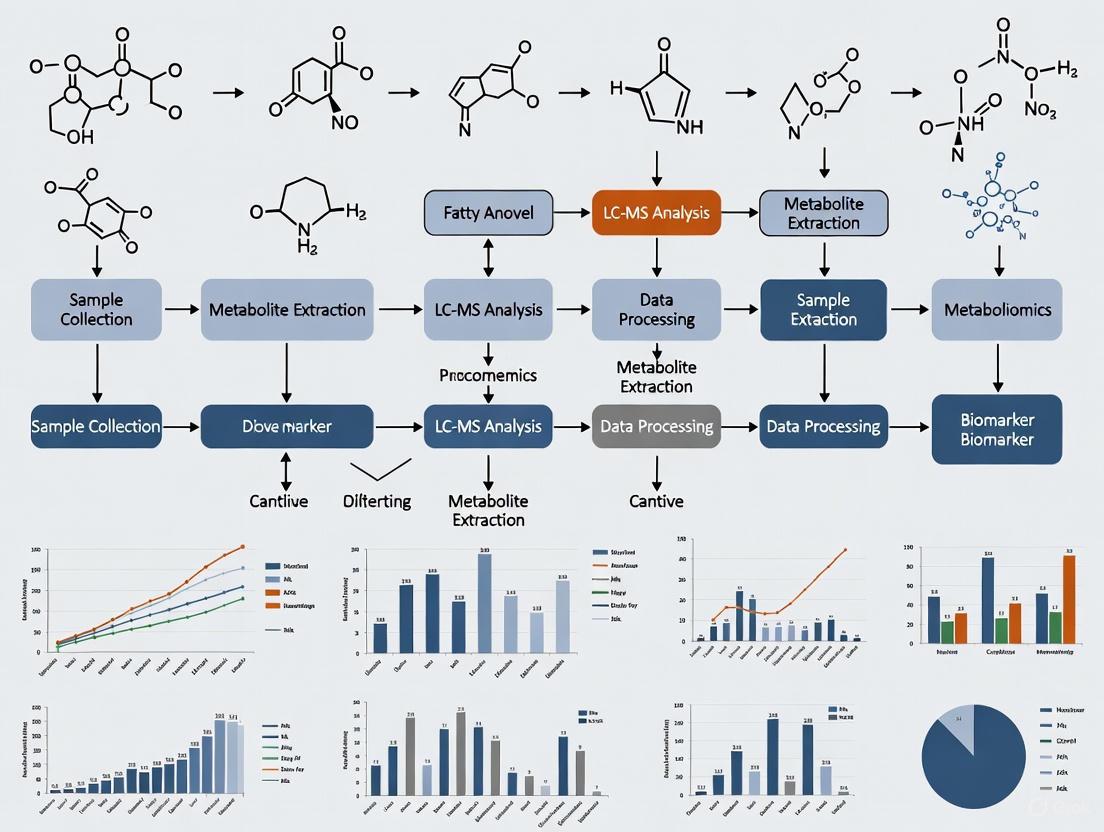
This article explores the transformative role of metabolomics in discovering and validating novel dietary biomarkers, moving beyond traditional self-reported dietary assessments.
Beyond Self-Reporting: Discovering Novel Dietary Biomarkers with Metabolomics for Precision Nutrition and Drug Development
Abstract
This article explores the transformative role of metabolomics in discovering and validating novel dietary biomarkers, moving beyond traditional self-reported dietary assessments. It covers the foundational need for objective biomarkers in nutritional science and biomedical research, detailing the advanced mass spectrometry and NMR methodologies driving this field. The content addresses key challenges in data complexity and biomarker validation, while highlighting systematic validation frameworks like the Dietary Biomarkers Development Consortium (DBDC). For researchers and drug development professionals, this synthesis provides a comprehensive overview of how dietary biomarkers are refining clinical trials, enabling precision nutrition, and offering new endpoints for therapeutic development.
The Critical Need for Objective Dietary Biomarkers in Modern Research
The Limitations of Self-Reported Dietary Data in Clinical Research
The accurate assessment of dietary intake is a fundamental requirement for advancing nutritional science, developing evidence-based dietary guidelines, and understanding the complex relationships between diet and health. For decades, clinical research has predominantly relied on self-reported dietary assessment instruments including 24-hour recalls, food frequency questionnaires (FFQs), and dietary records [1]. These methods have contributed significantly to our understanding of nutrition but contain substantial limitations that impede research progress and the development of precise nutritional recommendations.
Within the context of modern nutritional research, these limitations have stimulated a paradigm shift toward the discovery and validation of objective dietary biomarkers using metabolomics. This technical guide examines the core limitations of self-reported dietary data and explores how metabolomic approaches are paving the way for a new era of precision nutrition, enabling more accurate dietary assessment and enhancing our ability to investigate diet-disease relationships [2].
Fundamental Limitations of Self-Reported Dietary Data
Systematic Measurement Error and Energy Underreporting
Perhaps the most documented limitation of self-reported dietary data is the systematic underreporting of energy intake, which varies substantially across population subgroups and introduces significant bias into research findings.
| Characteristic of Underreporting | Findings from Validation Studies |
|---|---|
| Overall Prevalence | Systematic underreporting of energy intake (EIn) is common across adults and children [3]. |
| Relationship with BMI | Underreporting increases with body mass index (BMI) [3]. |
| Macronutrient Specificity | Not all foods are underreported equally; protein is least underreported [3]. |
| Comparison to Biomarkers | Self-reported protein intake underestimated actual consumption by 47% compared to urinary nitrogen biomarkers in one study [3]. |
Studies comparing self-reported intake against recovery biomarkers such as doubly labeled water (for energy) and urinary nitrogen (for protein) have consistently demonstrated that self-reported energy intake is often significantly lower than measured energy expenditure [3]. This underreporting is not random but exhibits systematic patterns, being more pronounced in individuals with higher body mass index and those concerned about their body weight [3]. The systematic nature of this error introduces bias that attenuates diet-disease relationships and compromises the validity of research findings.
Methodological Weaknesses Across Assessment Tools
Each self-report assessment method carries distinct limitations that affect data accuracy and suitability for different research contexts.
| Assessment Method | Core Limitations | Primary Error Type |
|---|---|---|
| 24-Hour Recall | Relies on memory; single day not representative of usual intake; requires multiple administrations [1]. | Random error [1] |
| Food Frequency Questionnaire (FFQ) | Limited food list; portion size estimation errors; socially desirable responses; systematic error [1] [2]. | Systematic error [1] |
| Food Records | Reactivity (participants change diet during recording); high participant burden; literacy requirements [1] [4]. | Systematic error [1] |
The inherent reactivity in food records—where participants alter their normal eating patterns because they are recording their intake—represents a particularly challenging form of bias as it fundamentally changes the behavior being measured [1]. FFQs suffer from limitations in the food list, portion size estimation, and systematic errors related to social desirability and memory [1] [2]. While 24-hour recalls are less susceptible to reactivity, they capture only recent intake and require multiple administrations to estimate usual intake, creating substantial participant and researcher burden [1].
Food Composition Variability and Data Processing Limitations
Beyond self-reporting errors, the accurate conversion of reported food consumption to nutrient intake faces significant challenges due to the inherent variability in food composition.
| Source of Variability | Impact on Dietary Data Accuracy |
|---|---|
| Natural Variation | Nutrient content varies due to cultivar/breed, growing conditions, seasonality, and maturity at harvest [5] [6]. |
| Food Processing & Preparation | Cooking methods, storage conditions, and processing techniques alter nutrient composition [5]. |
| Database Limitations | Most databases use single point estimates (mean values) that cannot capture true variability in food composition [6]. |
The chemical composition of foods is complex and variable, dependent on factors including cultivar, climate, growing conditions, storage, processing, and culinary preparation [6]. This variability introduces substantial uncertainty into nutrient intake estimates. For instance, apples harvested simultaneously from the same tree can show more than a two-fold difference in micronutrient content [6]. When researchers use food composition databases that provide only single point estimates (mean values), they implicitly assume food consistency that does not exist in nature, introducing additional error into dietary assessments.
Impact on Dietary Pattern and Rank Classification
In nutritional epidemiology, researchers often use relative intake (e.g., quintiles or percentiles) rather than absolute intake to mitigate measurement error [6]. However, simulation studies demonstrate that the high variability in food composition makes estimates of relative intake unreliable. Depending on the actual foods consumed, the same diet could place the same study participant in the bottom or top quintile of intake for specific nutrients [6]. This unreliability in ranking participants compromises one of the fundamental approaches used in nutritional epidemiology to study diet-disease relationships.
Metabolomics as a Pathway to Objective Dietary Assessment
The Case for Dietary Biomarkers in Clinical Research
The limitations of self-reported dietary data have stimulated intense interest in developing objective biomarkers of food intake. Metabolomics, defined as the comprehensive analysis of metabolites in a biological system, has emerged as a key technology for dietary biomarker discovery [7] [2]. Metabolites serve as functional readouts at the interface of diet, microbiome, and human metabolism, providing a more objective measure of dietary exposure [2].
Nutritional biomarkers offer several distinct advantages over self-reported methods:
- Objective measurement not reliant on memory or motivation
- Capture systemic availability of nutrients after digestion and absorption
- Account for inter-individual differences in metabolism and microbiome
- Provide integrated measures of intake from different food sources
Methodological Approaches for Dietary Biomarker Discovery
The discovery and validation of dietary biomarkers follows structured experimental approaches that leverage metabolomic technologies.
The Dietary Biomarkers Development Consortium (DBDC) exemplifies a systematic approach to biomarker development, implementing a 3-phase process [8]:
- Candidate Discovery: Controlled feeding trials with prespecified amounts of test foods followed by metabolomic profiling of blood and urine specimens to identify candidate compounds.
- Evaluation: Assessment of candidate biomarkers' ability to identify individuals consuming biomarker-associated foods using controlled feeding studies of various dietary patterns.
- Validation: Testing candidate biomarkers' validity to predict recent and habitual consumption of specific test foods in independent observational settings.
Metabolomic Technologies and Workflows
Metabolomic approaches to dietary biomarker discovery employ sophisticated analytical platforms and bioinformatics tools.
| Technology/Reagent | Function in Dietary Biomarker Research |
|---|---|
| Mass Spectrometry (MS) | High-sensitivity detection and quantification of small molecule metabolites; often coupled with separation techniques [9]. |
| Liquid Chromatography-MS (LC-MS) | Separation of complex biological mixtures prior to mass spectrometry analysis; enhances metabolite coverage [8]. |
| Nuclear Magnetic Resonance (NMR) | Robust, reproducible metabolite profiling; requires minimal sample preparation; lower sensitivity than MS [2]. |
| Ultra-HPLC (UHPLC) | High-resolution separation of metabolites; often coupled with MS for improved metabolome coverage [8]. |
| Hydrophilic-Interaction LC (HILIC) | Separation of polar metabolites; complements reverse-phase chromatography [8]. |
| Doubly Labeled Water | Gold-standard recovery biomarker for energy expenditure; validates energy intake assessment [3]. |
| Urinary Nitrogen | Recovery biomarker for protein intake validation [3]. |
The general workflow for metabolomic-based dietary biomarker discovery involves sample collection from appropriate biological matrices (typically urine or plasma), metabolite extraction, data acquisition using MS or NMR platforms, data preprocessing, statistical analysis, biomarker identification, and validation in independent cohorts [9].
Integrating Metabolomics into Nutritional Study Designs
Controlled Feeding Studies for Biomarker Discovery
Controlled feeding studies represent the gold standard for dietary biomarker discovery, as they enable researchers to control exposure and directly link food consumption to metabolic signatures [7]. In these studies, participants consume predefined amounts of specific test foods, and biospecimens (blood, urine) are collected at predetermined timepoints for metabolomic analysis [8]. These studies allow researchers to:
- Establish dose-response relationships between food intake and biomarker levels
- Characterize pharmacokinetic parameters of food-derived metabolites
- Identify metabolites with appropriate kinetic properties for biomarker use
- Control for confounding from other dietary components
Cohort Studies for Biomarker Validation
Observational cohort studies that include both dietary assessment and biospecimen collection provide valuable resources for validating candidate dietary biomarkers [7]. By comparing metabolic profiles between consumers and non-consumers of specific foods, researchers can identify metabolites associated with food intake in free-living populations [7]. This approach also enables investigation of how well self-reported intake correlates with biomarker levels across diverse populations, highlighting the limitations of traditional assessment methods [6].
The Scientist's Toolkit: Essential Reagents and Technologies
Successful dietary biomarker research requires specialized reagents and technologies.
| Category | Specific Examples | Research Application |
|---|---|---|
| Analytical Instruments | LC-MS/MS, UHPLC, NMR spectrometers | Metabolite separation, detection, and quantification [8] [9] |
| Stable Isotopes | Deuterium (²H), ¹⁸O-labeled water | Doubly labeled water method for energy expenditure [3] |
| Biofluid Collection | Urine, plasma, serum kits | Standardized sample acquisition for metabolomics [8] |
| Chromatography Columns | HILIC, reverse-phase columns | Metabolite separation prior to mass spectrometry [8] |
| Bioinformatics Tools | Metabolomic databases, statistical packages | Metabolite identification, data processing, and pattern recognition [7] |
Self-reported dietary data contain significant limitations that impede advances in nutritional science and the development of evidence-based dietary recommendations. Systematic measurement errors, food composition variability, and methodological weaknesses across assessment tools introduce bias and attenuate diet-disease relationships in clinical research. Metabolomics approaches to dietary biomarker discovery offer a promising pathway toward more objective dietary assessment, enabling researchers to overcome many limitations of traditional methods. As the field progresses, the integration of validated dietary biomarkers with self-report instruments in a complementary framework will enhance the accuracy of dietary assessment and advance the goal of precision nutrition, ultimately leading to more personalized and effective dietary recommendations for health promotion and disease prevention.
Dietary biomarkers are defined as measurable and quantifiable biological indicators of dietary intake or nutritional status [10]. They serve as an objective tool for assessing associations between diet and health outcomes, moving beyond traditional self-report methods like food frequency questionnaires (FFQs) and dietary recalls, which are susceptible to systematic errors and misreporting [10] [11]. The field has evolved from a "single-nutrient approach" to one that captures the complexity of overall dietary patterns, acknowledging the synergistic and antagonistic effects of nutrients and foods consumed in combination [10]. This evolution has been accelerated by advances in high-throughput metabolomics, which provides a broad profile of metabolites present in biological specimens, many of which are associated with dietary intake [12] [10].
Metabolomics, the study of small molecules synthesized by an organism, has particularly revolutionized dietary biomarker discovery by enabling the identification of hundreds to thousands of metabolites simultaneously from blood, urine, or other body fluids [10] [13]. The "food metabolome" - the subset of the metabolome deriving from diet - is extraordinarily complex, comprising more than 25,000 compounds, most of which are further metabolized in the human body [11]. This complexity presents both a challenge and an opportunity for developing robust biomarkers that can reflect intake of specific foods, nutrients, or overall dietary patterns with sufficient accuracy for nutritional epidemiology and precision nutrition applications [8] [12].
Current Landscape of Dietary Biomarker Research
Types and Classifications of Dietary Biomarkers
Dietary biomarkers can be categorized based on their biological and methodological characteristics. Direct biomarkers of dietary exposure measure consumed nutrients or their immediate metabolites, while biomarkers of nutritional status are indicators affected by metabolism and nutrient-nutrient interactions [10]. Another classification system distinguishes between recovery biomarkers (e.g., doubly labeled water for energy intake, 24-hour urinary nitrogen for protein intake), which quantify total excretion or balance, and concentration biomarkers, which reflect circulating or excreted levels influenced by intake, metabolism, and individual physiological factors [14] [11].
The table below summarizes the major categories of dietary biomarkers with representative examples:
Table 1: Classification of Dietary Biomarkers with Examples
| Biomarker Category | Definition | Representative Examples | Key Characteristics |
|---|---|---|---|
| Recovery Biomarkers | Measures based on known recovery of intake in biological samples | Doubly labeled water (energy), 24-h urinary nitrogen (protein) [11] | Considered objective gold standards; not available for most nutrients |
| Concentration Biomarkers | Circulating or excreted levels influenced by intake and metabolism | Carotenoids, vitamin C, specific food metabolites [10] [14] | More common but influenced by non-dietary factors |
| Food Intake Biomarkers | Metabolites specific to particular foods or food groups | Proline betaine (citrus fruits), alkylresorcinols (whole grains) [14] | Varying specificity; some are highly food-specific |
| Dietary Pattern Biomarkers | Multiple metabolites collectively indicating overall diet quality | Poly-metabolite scores for ultra-processed foods [15] [16] | Captures complexity of dietary patterns; emerging area |
Limitations of Traditional Dietary Assessment
Self-reported dietary assessment methods have well-documented limitations that dietary biomarkers aim to address. Studies comparing self-reported energy intake to objective measures from doubly labeled water have revealed substantial systematic biases, particularly underreporting that correlates with body mass index [11]. In the Women's Health Initiative cohorts of postmenopausal women, for instance, energy intake was underestimated by 30-40% among overweight and obese participants when using food frequency questionnaires [11]. Similar underestimation patterns have been observed with food records and 24-hour recalls. This systematic bias thoroughly invalidates corresponding studies of association between self-reported energy intake and clinical outcomes if uncorrected [11].
Beyond energy intake, traditional methods struggle to accurately capture intake of specific nutrients and complex dietary patterns due to errors in portion size estimation, memory recall, and social desirability bias [10] [15]. These limitations have prompted the National Institutes of Health and other research organizations to prioritize the development of objective biomarker measures that can complement or replace self-report methods in nutritional research [8] [14].
Methodological Framework for Biomarker Discovery and Validation
Discovery Approaches and Experimental Designs
Controlled feeding studies represent the gold standard design for initial dietary biomarker discovery [8] [13]. In these studies, participants consume prespecified amounts of test foods or dietary patterns, with extensive biospecimen collection for subsequent metabolomic analysis. The Dietary Biomarkers Development Consortium (DBDC) has implemented a structured 3-phase approach that exemplifies rigorous biomarker development [8]:
- Phase 1: Identification - Controlled feeding trials administer test foods in prespecified amounts to healthy participants, followed by metabolomic profiling of blood and urine specimens to identify candidate compounds and characterize their pharmacokinetic parameters [8].
- Phase 2: Evaluation - The ability of candidate biomarkers to identify individuals consuming biomarker-associated foods is evaluated using controlled feeding studies of various dietary patterns [8].
- Phase 3: Validation - The validity of candidate biomarkers to predict recent and habitual consumption of specific test foods is evaluated in independent observational settings [8].
This systematic approach significantly expands the list of validated biomarkers of intake for foods commonly consumed in target populations, helping advance understanding of how diet influences human health [8].
Analytical Technologies and Platforms
Metabolomic profiling for dietary biomarker discovery primarily relies on mass spectrometry (MS) platforms, often coupled with liquid chromatography (LC) separation techniques [8] [17]. These platforms may be targeted (quantifying a predetermined set of metabolites) or global/untargeted (capturing a broad range of metabolites without prior selection) [11]. The AbsoluteIDQ p180 kit, for instance, is a commonly used targeted metabolomics kit that enables quantification of 40 acylcarnitines, 21 amino acids, 19 biogenic amines, 1 hexose, 90 glycerophospholipids, and 15 sphingolipids [17].
Table 2: Key Analytical Techniques in Dietary Biomarker Research
| Technique | Acronym | Primary Application | Key Advantages |
|---|---|---|---|
| Liquid Chromatography-Mass Spectrometry | LC-MS | Broad metabolomic profiling; targeted and untargeted approaches | High sensitivity; broad metabolite coverage |
| Electrospray Ionization | ESI | Interface for LC-MS; ionizes samples from liquid phase | Compatible with biological fluids; soft ionization |
| Tandem Mass Spectrometry | MS/MS | Structural elucidation of metabolites | Provides fragmentation patterns for identification |
| Ultra-High Performance Liquid Chromatography | UHPLC | Separation prior to MS detection | Enhanced resolution and sensitivity over HPLC |
| Hydrophilic-Interaction Liquid Chromatography | HILIC | Separation of polar compounds | Complements reversed-phase chromatography |
Recent applications also incorporate machine learning algorithms to identify patterns of metabolites predictive of specific dietary intakes. For example, researchers at the National Institutes of Health used machine learning to develop poly-metabolite scores - composite biomarkers based on multiple metabolites - that accurately differentiated individuals consuming diets high in ultra-processed foods from those consuming unprocessed diets [15] [16].
Advanced Applications: From Single Foods to Dietary Patterns
Biomarkers for Specific Foods and Food Groups
Substantial progress has been made in identifying biomarkers for specific foods and food groups. A systematic review of urinary biomarkers identified numerous metabolites with utility in assessing intake of broad food categories, including citrus fruits, cruciferous vegetables, whole grains, and soy foods [14]. Plant-based foods are often represented by polyphenol metabolites in urine, while other foods are distinguishable by innate food composition, such as sulfurous compounds in cruciferous vegetables or galactose derivatives in dairy [14].
However, the ability of urinary biomarkers to clearly distinguish individual foods within broader categories remains limited. For example, while biomarkers can identify citrus fruit consumption, they may not reliably differentiate between oranges and grapefruits [14]. This limitation highlights the challenge of specificity in dietary biomarker development, as many metabolites are not specific to a single food but rather reflect broader food groups or shared biochemical pathways.
Biomarkers for Dietary Patterns
The most advanced frontier in dietary biomarker research focuses on developing biomarkers for overall dietary patterns rather than single foods or nutrients. This approach aligns with modern dietary guidelines that emphasize overall eating patterns rather than individual nutrient consumption [10]. A landmark achievement in this area is the development of poly-metabolite scores for ultra-processed food consumption by NIH researchers [15] [16].
In this work, researchers used data from complementary observational and experimental studies to identify metabolites in blood and urine associated with ultra-processed food intake [15] [16]. The experimental component involved a domiciled feeding study where 20 participants were admitted to the NIH Clinical Center and randomized to consume either a diet high in ultra-processed foods (80% of calories) or a diet with no ultra-processed foods (0% of energy) for two weeks, immediately followed by the alternate diet [16]. Using machine learning, the researchers identified patterns of hundreds of metabolites predictive of high ultra-processed food intake and calculated poly-metabolite scores that could accurately differentiate between the highly processed and unprocessed diet conditions within trial subjects [15] [16].
Technical Protocols for Key Experiments
Protocol for Controlled Feeding Study with Metabolomic Profiling
Controlled feeding studies represent a cornerstone methodology for dietary biomarker discovery. The following protocol outlines key methodological considerations based on the DBDC approach and the NIH ultra-processed food study [8] [16]:
Participant Selection and Randomization:
- Recruit healthy participants with diverse characteristics relevant to the target population
- Implement randomization procedures to control for order effects in crossover designs
- For the NIH ultra-processed food study, 20 participants were randomized to sequence of diet conditions in a crossover design [16]
Dietary Interventions:
- Prepare test foods or entire dietary patterns in prespecified amounts
- For pattern-based biomarkers, design contrasting diets (e.g., 80% vs. 0% energy from ultra-processed foods) [16]
- Control for potential confounding factors: calorie content, macronutrient composition, feeding times
Biospecimen Collection and Processing:
- Collect blood and urine specimens at multiple timepoints to capture pharmacokinetic profiles
- Follow standardized protocols for sample processing and storage
- In the DBDC, specimens collected during feeding trials undergo metabolomic profiling to identify candidate compounds [8]
Metabolomic Analysis:
- Employ LC-MS platforms for broad metabolite coverage
- Use both targeted and untargeted approaches
- Apply quality control measures including pooled quality control samples, internal standards, and batch correction
Data Processing and Biomarker Identification:
- Process raw metabolomic data using bioinformatic pipelines for peak detection, alignment, and normalization
- Apply statistical analyses to identify metabolites associated with dietary interventions
- Use machine learning algorithms to develop poly-metabolite scores for complex dietary patterns [15] [16]
Controlled Feeding Study Workflow for Biomarker Discovery
Protocol for Biomarker Validation in Observational Studies
Once candidate biomarkers are identified through controlled feeding studies, they must be validated in free-living populations [8] [13]:
Study Population:
- Recruit participants from diverse populations to test generalizability
- The NIH validation study included 718 older adults from the Interactive Diet and Activity Tracking in AARP (IDATA) Study [16]
Dietary Assessment:
- Collect detailed dietary intake information using multiple assessment methods
- Include FFQs, 24-hour recalls, or food diaries to capture habitual intake
- Assess specific foods or dietary patterns targeted by the candidate biomarkers
Biospecimen Collection:
- Collect blood and/or urine specimens under standardized conditions
- Consider multiple collections to account within-person variability
Biomarker Assays:
- Analyze biospecimens for candidate biomarkers using validated analytical methods
- Ensure laboratory personnel are blinded to dietary assessment data
Statistical Analysis:
- Assess correlations between biomarker levels and reported dietary intake
- Evaluate diagnostic performance using receiver operating characteristic curves
- Test whether biomarkers add predictive value beyond self-report measures
The Scientist's Toolkit: Essential Research Reagents and Materials
Table 3: Essential Research Reagents for Dietary Biomarker Discovery
| Reagent/Kit | Manufacturer | Primary Application | Key Features |
|---|---|---|---|
| AbsoluteIDQ p180 Kit | BIOCRATES Life Sciences AG | Targeted metabolomics of plasma/serum | Quantifies 40 acylcarnitines, 21 amino acids, 19 biogenic amines, 1 hexose, 90 glycerophospholipids, 15 sphingolipids [17] |
| EPIC-Norfolk FFQ | EPIC-Norfolk Study | Habitual dietary intake assessment | 130 food items; validated for nutrient estimation in UK populations [18] |
| Doubly Labeled Water | Multiple suppliers | Objective energy expenditure measurement | Gold standard for total energy expenditure assessment [11] |
| LC-MS/MS Systems | Various (Sciex, Thermo, Agilent) | Untargeted and targeted metabolomics | High-resolution mass spectrometry for broad metabolite coverage [8] [17] |
| Stable Isotope-Labeled Standards | Multiple suppliers | Quantitative mass spectrometry | Internal standards for precise metabolite quantification |
Methodological Challenges and Future Directions
Despite significant advances, dietary biomarker research faces several methodological challenges. Specificity remains a key issue, as many metabolites are not unique to single foods but may originate from multiple dietary sources or endogenous metabolism [10] [18]. For example, in studies of (poly)phenol intake, many metabolites come from multiple sources or even non-polyphenol sources such as food additives, drugs, or endogenous metabolism [18]. This lack of specificity necessitates the use of biomarker panels or poly-metabolite scores rather than relying on single metabolites [10] [15].
Other methodological challenges include the short half-life of many food-related metabolites, which makes it difficult to reflect long-term habitual intake [18], and the substantial inter-individual variability in metabolite production and clearance due to genetics, gut microbiota, and other host factors [13]. Additionally, comprehensive and accessible food composition databases linking foods to their metabolite profiles are still limited, hindering biomarker identification and validation [13].
Future directions in the field include:
- Larger controlled feeding studies testing a variety of foods and dietary patterns across diverse populations [13]
- Standardized approaches for biomarker validation to support reproducibility and comparability across studies [13]
- Methodological work on statistical procedures for intake biomarker discovery, particularly for complex dietary patterns [13]
- Integration of dietary biomarkers with other omics techniques (genomics, proteomics) to better understand diet-health relationships [13]
- Development of more chemical standards covering a broader range of food constituents and human metabolites [13]
As the field advances, multidisciplinary research teams with expertise in nutrition, metabolomics, bioinformatics, and statistics will be critical for producing robust, reproducible biomarkers that can transform nutritional epidemiology and precision nutrition [13].
Poly-metabolite Score Development for Ultra-Processed Foods
Metabolomics as a Bridge Between Dietary Intake and Biological Response
Metabolomics, the systematic analysis of low molecular weight biochemical compounds in biological samples, has emerged as a crucial technology for bridging the gap between dietary intake and biological response [19]. As the most time-sensitive of the -omics technologies, metabolomics provides a dynamic snapshot of an individual's physiological status, reflecting the influence of dietary components, genetic makeup, gut microbiota, and environmental factors [19]. Nutritional metabolomics specifically integrates metabolic profiling with nutrition in complex biosystems to discover new biomarkers of nutritional exposure and status, thereby helping to disentangle the molecular mechanisms by which diet affects health and disease [19]. This technical guide explores how metabolomics serves as a critical bridge connecting dietary patterns to physiological outcomes, with particular emphasis on its application in discovering novel dietary biomarkers for precision nutrition.
The fundamental premise of nutritional metabolomics is that the food metabolome—comprising metabolites derived from food consumption and their subsequent metabolism in the human body—provides an objective measure of dietary intake that complements traditional assessment methods like food frequency questionnaires (FFQs) and food records [19]. Unlike self-reported dietary data, which is subject to recall bias and measurement error, metabolite profiling accounts for intrinsic variability in metabolism by measuring downstream components or metabolic products of foods, potentially more accurately reflecting true exposure [19]. This approach is particularly valuable for advancing precision nutrition, which aims to personalize dietary recommendations based on individual biological characteristics [20].
Core Principles and Methodologies
Analytical Platforms in Metabolomics
Metabolomics relies primarily on two analytical platforms: mass spectrometry (MS) coupled with chromatography, and nuclear magnetic resonance (NMR) spectroscopy [19] [21]. Each platform offers distinct advantages and limitations for different applications in nutritional biomarker discovery.
Table 1: Comparison of Major Analytical Platforms in Nutritional Metabolomics
| Platform | Separation Method | Key Applications | Advantages | Limitations |
|---|---|---|---|---|
| LC-MS | Liquid Chromatography | Moderately polar to highly polar compounds: lipids, fatty acids, vitamins, polyphenols | Broad metabolite coverage; high sensitivity | Requires sample preparation; matrix effects |
| GC-MS | Gas Chromatography | Volatile compounds or derivatized metabolites: organic acids, sugars, amino acids | High resolution; reproducible fragmentation patterns | Requires derivatization for many metabolites; limited to volatile compounds |
| NMR | Not required | Intact tissue samples; structural elucidation | Non-destructive; highly reproducible; minimal sample preparation | Lower sensitivity; limited dynamic range |
LC-MS is particularly suitable for detecting moderately polar to highly polar compounds, including fatty acids, alcohols, phenols, vitamins, organic acids, polyamines, nucleotides, polyphenols, terpenes, and flavonoids [21]. The inherent limitation of GC-MS is that it only detects volatile compounds or compounds that can be derivatized into volatiles, making it suitable for amino acids, organic acids, fatty acids, sugars, polyols, amines, and sugar phosphates [21]. NMR spectroscopy, while having lower sensitivity compared to MS techniques, offers advantages as a non-destructive technique requiring minimal sample preparation, with high reproducibility and the ability to provide structural information quickly [21].
Study Designs for Biomarker Discovery
Nutritional metabolomics employs various study designs to identify and validate dietary biomarkers, each with distinct strengths for establishing causal relationships between diet and metabolic responses.
Controlled Feeding Studies: These interventions administer test foods in prespecified amounts to healthy participants, followed by metabolomic profiling of blood and urine specimens [8]. Crossover designs are often favored over parallel designs as they effectively deal with intersubject variation by having each participant serve as their own control [19]. Biofluids can be collected before and after consumption of the food of interest in acute studies, while in short- and medium-term trials, biofluids are typically collected at baseline and the end of the intervention period [19].
Observational Studies: These studies compare low and high consumers of nutrients/foods using FFQs, food records, and other dietary assessment tools, then characterize objective biomarkers reflective of habitual intake [19]. These designs can identify metabolite signatures associated with overall dietary patterns and are particularly valuable for establishing multimetabolite biomarker panels that may offer better estimation than single biomarkers [19].
The Dietary Biomarkers Development Consortium (DBDC) has implemented a structured 3-phase approach to biomarker discovery and validation: Phase 1 involves controlled feeding trials to identify candidate compounds and characterize their pharmacokinetic parameters; Phase 2 evaluates the ability of candidate biomarkers to identify individuals consuming biomarker-associated foods using controlled feeding studies of various dietary patterns; and Phase 3 validates candidate biomarkers' ability to predict recent and habitual consumption in independent observational settings [8].
Figure 1: Workflow for Dietary Biomarker Discovery and Validation
Experimental Protocols and Workflows
Sample Collection and Preparation
Proper sample collection and preparation are critical for generating reliable metabolomics data. The most common biofluids used in nutritional metabolomics are urine, serum, and plasma, each offering distinct advantages [19]. Urine contains a higher concentration of nonmetabolites and nonnutrient compounds derived from food phytochemicals, with most metabolites excreted faster than in plasma, making them valuable as acute markers of frequently consumed foods [19]. Blood contains a higher concentration of metabolically active compounds, with lipid-soluble metabolites present only in plasma, not urine [19].
Sample preparation protocols vary depending on the analytical platform and biofluid. For LC-MS analysis of plasma/serum, proteins are typically precipitated using organic solvents like methanol or acetonitrile, followed by centrifugation to remove precipitated proteins [21]. For urine analysis, samples may be diluted with water or buffer to reduce ionic strength [21]. GC-MS analysis often requires derivatization to increase volatility of metabolites, commonly using silylation agents [21]. NMR sample preparation is minimal, typically involving mixing with buffer and deuterated solvent for field frequency locking [21].
Data Acquisition and Processing
Metabolomics data acquisition generates complex datasets requiring sophisticated processing pipelines. For MS-based platforms, raw data acquisition involves detecting metabolites based on mass-to-charge ratio (m/z), retention time, and MS/MS fragmentation patterns [22]. Data preprocessing includes noise reduction, retention time correction, peak detection and integration, and chromatographic alignment using software tools like XCMS, MZmine, or MS-DIAL [21] [22].
Quality control (QC) samples are essential throughout the analytical process to monitor platform performance, balance analytical bias, and correct for signal noise [21]. Data normalization is then performed to reduce systematic bias or technical variation, with methods including probabilistic quotient normalization, total area normalization, or internal standard normalization [22]. Following normalization, mass spectrometry peak data undergo compound identification by comparison to authentic standard data in in-house libraries or public databases like the Human Metabolome Database (HMDB), METLIN, or KEGG [21].
Table 2: Key Bioinformatics Tools for Metabolomics Data Analysis
| Tool Name | Primary Function | Specific Applications |
|---|---|---|
| XCMS | Peak detection and alignment | LC-MS data preprocessing, retention time correction, peak grouping |
| MetaboAnalyst | Statistical analysis and interpretation | Multivariate analysis, pathway enrichment, biomarker analysis |
| GNPS | Spectral annotation | Molecular networking, MS/MS spectral matching, community data sharing |
| MZmine | Data preprocessing | Modular pipeline for LC-MS data, peak detection, alignment, gap filling |
| CytoScape | Network visualization | Biological network analysis, integration with other omics data |
Statistical Analysis and Interpretation
Metabolomics data analysis employs both univariate and multivariate statistical approaches. Univariate methods include t-tests, ANOVA, fold change analysis, and correlation analysis to examine individual metabolites [22] [23]. Multivariate methods such as Principal Component Analysis (PCA), Partial Least Squares-Discriminant Analysis (PLS-DA), and Orthogonal PLS-DA (OPLS-DA) are used to identify global metabolic patterns and visualize sample clustering [22] [23]. Machine learning techniques including random forests, support vector machines (SVM), and deep learning algorithms are increasingly employed for biomarker discovery and classification of metabolic profiles [22] [20].
Pathway analysis tools like MetaboAnalyst map metabolite changes onto biochemical pathways, helping researchers understand the biological context of observed metabolic alterations [23]. Enrichment analysis identifies metabolic pathways overrepresented with significant metabolites, while network analysis visualizes relationships between metabolites within biological systems [23].
Biomarker Discovery: From Food Intake to Metabolic Signatures
Metabolite Biomarkers of Specific Foods and Food Groups
Research has identified numerous metabolite biomarkers associated with consumption of specific foods and food groups. The most extensively studied food groups include fruits, vegetables, meat, fish, bread, whole grain cereals, nuts, wine, coffee, tea, cocoa, and chocolate [19]. For example, proline betaine in urine serves as a biomarker for citrus fruit consumption, with excretion peaking within a few hours after intake and almost completely excreted within 24 hours [19]. Alkylresorcinols have been established as biomarkers for whole-grain wheat and rye intake, while specific acylcarnitines and phospholipids are associated with fish consumption [19].
A challenge in food-specific biomarker discovery is that many foods share common metabolites; for instance, vitamin C, several carotenoids, and flavonoids are common to many fruits and vegetables, making them useful as generic biomarkers of total fruit and vegetable intake but not specific to individual types [19]. This highlights the importance of developing multimetabolite biomarker panels that can collectively provide more specific signatures of food intake.
Metabolite Signatures of Dietary Patterns
Beyond specific foods, metabolomics can characterize signatures of overall dietary patterns. Sixteen studies have evaluated metabolite signatures associated with various dietary patterns, including vegetarian, lactovegetarian, omnivorous, Western, prudent, Nordic, and Mediterranean diets [19]. These studies reveal that specific metabolic profiles can distinguish between different dietary patterns, providing objective measures of adherence to particular eating plans.
The Mediterranean diet, for instance, is associated with distinct lipid profiles, including specific fatty acid patterns and phospholipid compositions [19]. Vegetarian diets show characteristic metabolite profiles related to plant protein metabolism and phytochemical exposure [19]. These dietary pattern biomarkers are particularly valuable for nutritional epidemiology, as they capture the complexity and synergistic effects of overall diet rather than focusing on individual nutrients or foods.
Table 3: Established Metabolite Biomarkers for Selected Foods and Dietary Patterns
| Food/ Dietary Pattern | Key Metabolite Biomarkers | Biological Matrix | Time Course |
|---|---|---|---|
| Citrus Fruits | Proline betaine, hydroxyproline | Urine | Acute (hours) |
| Whole Grains | Alkylresorcinols, benzoxazinoids | Plasma, Urine | Medium-term (days) |
| Fish | Long-chain acylcarnitines, phospholipids | Serum, Plasma | Medium-term (days) |
| Cruciferous Vegetables | Sulforaphane metabolites, S-methylcysteine | Urine | Acute (hours) |
| Mediterranean Diet | Specific lipid species, oleic acid metabolites | Serum, Plasma | Long-term (weeks-months) |
| Vegetarian Diet | TMAO (lower levels), specific plant metabolites | Serum, Urine | Long-term (weeks-months) |
Advanced Applications and Innovations
Integration with Other Omics Technologies
Metabolomics is increasingly integrated with other omics technologies to provide comprehensive insights into the molecular mechanisms linking diet to health outcomes. Integration with genomics through metabolome-wide association studies (MWAS) and metabolite quantitative trait loci (mQTL) mapping identifies genetic variants that influence metabolic responses to dietary components [23]. Mendelian randomization approaches can then leverage these genetic variants to assess causal relationships between metabolites and health outcomes [23].
MetaboAnalyst and similar platforms enable joint pathway analysis by integrating gene expression data with metabolite lists, providing a more complete picture of biological pathways affected by dietary interventions [23]. This multi-omics integration is particularly powerful for understanding how genetic background modifies individual responses to specific dietary patterns, a key aspect of precision nutrition.
Machine Learning and Deep Learning Approaches
Advanced computational methods are revolutionizing the prediction of metabolic responses to dietary interventions. Traditional machine learning methods like Random Forest (RF) and Gradient-Boosting Regressor (GBR) have been used to predict postprandial responses of metabolic markers [20]. More recently, deep learning approaches have shown superior performance, particularly when training sample sizes are limited [20].
The McMLP (Metabolite response predictor using coupled Multilayer Perceptrons) method represents a significant advancement in predicting metabolite responses to dietary interventions based on baseline microbial composition and metabolome data [20]. This two-step approach first predicts how the gut microbiome composition changes in response to a dietary intervention, then uses the predicted microbiome state to forecast the resulting metabolomic profile [20]. Such methods have the potential to inform the design of microbiota-based personalized dietary strategies for precision nutrition.
Figure 2: Deep Learning Framework for Predicting Metabolic Responses
The Scientist's Toolkit: Essential Research Reagents and Materials
Table 4: Essential Research Reagents and Materials for Nutritional Metabolomics
| Reagent/Material | Function | Application Notes |
|---|---|---|
| Methanol (HPLC grade) | Protein precipitation; metabolite extraction | Preferable for polar metabolite extraction; used in 2:1 ratio with plasma/serum |
| Chloroform | Lipid extraction | Used in Folch or Bligh-Dyer methods for comprehensive lipidomics |
| Deuterated Solvents | NMR spectroscopy | Provides field frequency lock; enables quantitative NMR |
| Internal Standards | Quantification and quality control | Stable isotope-labeled compounds for targeted analysis |
| Derivatization Reagents | Volatilization for GC-MS | MSTFA, BSTFA commonly used for silylation |
| Solid Phase Extraction Cartridges | Sample clean-up | Remove interfering compounds; fractionate metabolite classes |
| Quality Control Pooled Samples | Monitoring analytical performance | Created by pooling aliquots of all study samples |
Metabolomics provides a powerful bridge between dietary intake and biological response by offering an objective, comprehensive strategy for measuring diet-related metabolic changes. Through advanced analytical platforms, sophisticated data processing pipelines, and integration with other omics technologies, nutritional metabolomics has significantly expanded our ability to discover and validate biomarkers of dietary intake and compliance. The field continues to evolve with innovations in deep learning, microbial community modeling, and multi-omics integration, promising enhanced capabilities for predicting individual responses to dietary interventions. As these methodologies become more refined and accessible, metabolomics will play an increasingly central role in advancing precision nutrition and understanding the complex relationships between diet, metabolism, and health.
Diet is a complex exposure that significantly affects health outcomes across the lifespan. The discovery and validation of objective biomarkers that can reliably reflect intake of specific nutrients, foods, and overall dietary patterns represent a critical advancement in nutritional science [24]. Metabolomics, defined as the comprehensive study of small molecules of both endogenous and exogenous origin, has emerged as a powerful methodology for identifying these biomarkers by providing a snapshot of an individual's nutritional and physiological state [25]. Unlike traditional self-reported dietary assessment methods, which are prone to significant inaccuracies and memory bias, metabolomic profiling offers an unbiased, objective alternative that captures the complex interactions between dietary components and metabolic responses [26]. This technical guide examines the core applications of metabolomics in dietary biomarker research across three critical domains: precision nutrition, clinical trials, and public health, providing researchers with methodological frameworks, experimental protocols, and resource guidance for advancing this rapidly evolving field.
The fundamental premise of metabolomics in dietary assessment lies in its ability to detect and quantify metabolic signals that are closer to the culmination of the disease process than genomic or proteomic markers [25]. These compounds represent a range of intermediate metabolic pathways that may serve as biomarkers of exposure, susceptibility, or disease, making them invaluable for deciphering metabolic outcomes with phenotypic change [25]. Technological advances in analytical platforms, including liquid chromatography-mass spectrometry (LC-MS) and nuclear magnetic resonance (NMR) spectroscopy, coupled with improved sample preparation, robotic sample-delivery systems, and automated data processing, have now made large-scale metabolomic phenotyping feasible in epidemiological settings [25]. These developments are catalyzing a transformation from subjective dietary assessment to objective biomarker-based evaluation, with profound implications for understanding diet-disease relationships and developing targeted nutritional interventions.
Metabolomic Biomarkers in Precision Nutrition
Precision nutrition represents a paradigm shift from one-size-fits-all dietary recommendations toward tailored interventions based on an individual's unique metabolic phenotype, genetics, gut microbiota composition, and lifestyle factors [27]. Metabolomics serves as the cornerstone of this approach by providing detailed insights into how individuals respond differentially to identical foods and nutrients. Research has demonstrated significant variability in postprandial metabolic responses to the same meals among individuals, shaped by distinct metabolic and microbiome profiles [26]. For instance, while some individuals experience sharp glucose spikes after consuming specific carbohydrates, others exhibit minimal responses, highlighting the limitations of universal dietary guidelines and the necessity for personalized nutritional approaches.
Metabotyping for Personalized Dietary Guidance
Metabotyping involves classifying individuals into distinct metabolic phenotypes based on a comprehensive analysis of factors including diet, anthropometric measures, clinical parameters, metabolomics data, and gut microbiota composition [26]. This classification enables the delivery of highly targeted dietary interventions, as individuals sharing similar metabotypes often exhibit common metabolic responses to specific foods or nutrients. Research has shown that individuals classified into "intermediate" and "unfavorable" metabotypes demonstrate significantly higher postprandial glucose concentrations in response to an oral glucose tolerance test, with the unfavorable subgroup displaying the highest glycemic response [26]. This stratification allows researchers and clinicians to identify individuals who would benefit most from specific dietary modifications, such as fiber supplementation or carbohydrate restriction.
The process of metabotyping typically integrates multiple data modalities through advanced computational approaches. As illustrated below, this integration creates a comprehensive metabolic profile that informs personalized nutritional recommendations:
Food-Specific Biomarkers and Dietary Patterns
Metabolomics research has established that dietary intake is better reflected through food group biomarkers than isolated nutrients, capturing the synergistic interactions between dietary components that influence metabolic response [26]. Table 1 summarizes well-validated metabolomic biomarkers for specific foods and dietary patterns, which provide objective measures of dietary exposure beyond self-reported intake.
Table 1: Validated Metabolomic Biomarkers for Foods and Dietary Patterns
| Food Item/Pattern | Key Biomarkers | Biological Matrix | Research Context |
|---|---|---|---|
| Citrus Fruits | Proline betaine | Urine, Blood | Controlled feeding studies [26] |
| Fish/Seafood | Omega-3 fatty acids (EPA, DHA), TMAO | Blood | Prospective cohorts [26] |
| Whole Grains/Fiber | Short-chain fatty acids (SCFAs), Hippurate | Urine, Feces | Intervention studies [26] |
| Coffee | Trigonelline, Nicotinamide metabolites | Blood, Urine | Population-based studies [26] |
| Red Meat | Carnitines, TMAO precursors | Blood, Urine | Observational cohorts [26] |
| Mediterranean Diet | Betaines, Oleic acid, Linoleic acid | Blood | PREDIMED trial [27] |
| Nordic Diet | Betaines, α-Linolenic acid, Rye biomarkers | Blood, Urine | Scandinavian cohorts [26] |
| Healthy Dietary Patterns | 17-Metabolite signature | Blood | Cohort studies (HEI, aMED, DASH) [26] |
Beyond specific food biomarkers, metabolomics can evaluate overall diet quality through standardized scoring systems. A large cohort study by Kim et al. identified 17 metabolites significantly associated with better diet scores across four major healthy dietary indices (Healthy Eating Index, Alternative Healthy Eating Index, Dietary Approaches to Stop Hypertension, and alternate Mediterranean diet) [26]. These metabolite signatures directly reflect dietary habits as the molecules taken up with the diet feed into universal core metabolic pathways, providing an objective way to measure diet quality and its impact on health.
Biomarker Validation in Clinical Trials
The validation of dietary biomarkers requires rigorous methodological approaches implemented through controlled clinical trials. The Dietary Biomarkers Development Consortium (DBDC) represents the first major coordinated effort to systematically discover and validate biomarkers for foods commonly consumed in the United States diet through a structured, multi-phase approach [24] [8]. This consortium employs standardized protocols across multiple research centers to ensure the reliability, reproducibility, and generalizability of newly identified biomarkers, addressing a critical gap in nutritional epidemiology.
Experimental Design for Biomarker Discovery
The DBDC implements a comprehensive three-phase validation framework for dietary biomarker development. The experimental workflow progresses from initial discovery to population validation, with rigorous controls at each stage:
Detailed Experimental Protocol: Controlled Feeding Study
The following protocol outlines the standard methodology for Phase 1 biomarker discovery trials, as implemented by the DBDC [24] [8]:
Study Population: Recruit healthy participants (typically n=20-50 per study arm) with specific inclusion/exclusion criteria. Participants are generally free from chronic metabolic diseases, not taking medications that interfere with study outcomes, and maintaining stable weight.
Study Design: Implement randomized, controlled, crossover or parallel-arm feeding trials with washout periods. The DBDC utilizes three distinct controlled feeding trial designs administering test foods in prespecified amounts.
Intervention: Administer specific test foods or complete dietary patterns in precisely controlled amounts. For example, the Fruit and Vegetable Biomarker Discovery trial (NCT05621863) tests various servings of fruits and vegetables.
Sample Collection: Collect blood (plasma/serum) and urine specimens at baseline and at multiple timepoints post-intervention (e.g., 2h, 4h, 6h, 8h, 24h, 48h) to characterize pharmacokinetic parameters.
Sample Preparation:
- Blood Processing: Collect blood by venipuncture after required fasting. Separate serum within 2 hours with centrifugation at 3000 rpm for 10 minutes at room temperature. Transfer supernatant and recentrifuge at 14,000 rpm for 10 minutes at 4°C. Aliquot and store at -80°C until analysis [28].
- Urine Processing: Collect mid-stream urine samples. Centrifuge at 14,000 rpm for 10 minutes at 4°C to remove particulate matter. Aliquot supernatant and store at -80°C.
Metabolomic Profiling:
- Employ untargeted LC-MS analysis using platforms such as ACQUITY UPLC I-Class system coupled with tandem ESI-QTOF mass spectrometry.
- Utilize both reverse-phase (e.g., ACQUITY UPLC HSS T3 column) and hydrophilic interaction liquid chromatography (HILIC) for comprehensive metabolite separation.
- Analyze in both positive and negative ionization modes with mass range 50-1000 m/z at resolution ≥10,000.
- Incorporate quality control samples (pooled reference samples) throughout the analytical sequence to monitor instrument performance.
Data Processing:
- Convert raw MS data to mzXML format using MSConvert (ProteoWizard).
- Perform peak detection, alignment, and integration using XCMS package in R with parameters: peakwidth = c(5,20), noise = 1000, snthresh = 3, ppm = 20.
- Annotate metabolites using reference databases (HMDB, KEGG) with metID package (ms1.match.ppm = 15, rt.match.tol = 30).
Statistical Analysis:
- Conduct univariate analysis (paired t-tests, ANOVA) to identify significantly altered metabolites.
- Apply multivariate methods (PCA, PLS-DA) to identify metabolite patterns discriminating intervention groups.
- Perform pharmacokinetic modeling to characterize absorption, distribution, metabolism, and excretion parameters of candidate biomarkers.
Analytical Considerations for Biomarker Validation
When validating dietary biomarkers in clinical trials, researchers must address several methodological challenges. Specificity refers to a biomarker's ability to uniquely identify intake of a particular food, distinguishing it from confounding sources. Sensitivity reflects the lowest level of intake that can be reliably detected, while kinetic reliability ensures consistent time-response relationships across populations [24]. The DBDC addresses these challenges through rigorous experimental designs that characterize the pharmacokinetic parameters of candidate biomarkers and evaluate their performance across diverse dietary patterns in Phase 2 studies [8]. This systematic approach significantly expands the list of validated biomarkers of intake for foods consumed in the United States diet, advancing understanding of how diet influences human health.
Public Health and Population-Based Applications
Metabolomic biomarkers of diet have transformative potential for public health initiatives, epidemiological research, and nutritional surveillance systems. In population-based studies, these biomarkers serve as objective measures of dietary exposure that overcome the limitations of self-reported data, which frequently contains substantial measurement errors and systematic biases [26]. Large-scale metabolomic profiling in prospective cohorts enables researchers to establish stronger associations between dietary patterns and chronic disease risk, informing evidence-based dietary guidelines and targeted public health interventions.
Several major initiatives are advancing the application of metabolomics in population health research. The COnsortium of METabolomics Studies (COMETS) promotes collaboration among prospective cohort studies that follow participants for a range of outcomes and perform metabolomic profiling [25]. This extramural-intramural partnership facilitates open exchange of ideas, knowledge, and results to accelerate the study of metabolomics profiles associated with chronic disease phenotypes such as heart disease, diabetes, and cancer. Similarly, the Metabolomics Quality Assurance & Quality Control Consortium (mQACC) engages the metabolomics community to communicate and promote the development, dissemination, and harmonization of quality assurance and quality control best practices, particularly in untargeted metabolomics [25].
The NIH Common Fund established the Metabolomics Program in 2012 to increase national capacity in metabolomics through comprehensive metabolomics resource cores, technology development, reference standards synthesis, and training activities [25]. This investment has created critical infrastructure, including the University of California San Diego's Metabolomics Workbench, which serves as a national repository for metabolomics data with the goal of making all NIH-supported metabolomics data publicly accessible and available for reuse [25]. These resources provide researchers with standardized protocols, computational tools, and data sharing platforms essential for robust population-based metabolomic research.
Diagnostic and Screening Applications
Beyond dietary assessment, metabolomic biomarkers show significant promise for disease screening and early detection in public health contexts. A recent study investigating serum metabolomics-based diagnostic biomarkers for colorectal cancer (CRC) exemplifies this application [28]. The research employed untargeted metabolomic profiling of serum samples from 715 participants (248 CRC patients and 467 noncancer controls) using LC-MS, identifying 26 CRC-associated serum metabolites. These metabolites mapped to dysregulated pathways including primary bile acid biosynthesis and taurine/hypotaurine metabolism, suggesting active reprogramming of host-microbiota metabolic axes in CRC pathogenesis [28].
The diagnostic model developed in this study demonstrated exceptional performance, achieving area under the receiver operating characteristic curve (AUROC) values of 0.96-0.97 and accuracies up to 92.5% across multiple machine learning methods [28]. The integration of cell-free DNA (cfDNA) methylation markers yielded a multi-omics model with slightly enhanced performance (AUROC=0.98), though the gain over the metabolomics-only model was modest, underscoring the standalone potential of metabolomic profiling for non-invasive cancer screening [28]. This approach illustrates how metabolomic signatures can facilitate early detection of nutrition-related cancers, potentially expanding screening coverage and reducing the burden of late-stage diagnosis.
Implementing robust metabolomic studies for dietary biomarker discovery requires specialized reagents, analytical platforms, and computational resources. The following toolkit summarizes essential materials and their applications in nutritional metabolomics research:
Table 2: Essential Research Reagents and Resources for Nutritional Metabolomics
| Resource Category | Specific Examples | Application in Dietary Biomarker Research |
|---|---|---|
| Analytical Platforms | UPLC-MS (Waters ACQUITY), HILIC/RP columns, NMR spectroscopy | Separation and detection of complex metabolite mixtures from biological samples [28] |
| Sample Collection Devices | Mitra VAMS tips, qDBS Capitainer, TASSO-M20 | Volumetric absorptive microsampling for standardized dried blood spot collection [26] |
| Metabolite Databases | Human Metabolome Database (HMDB), Kyoto Encyclopedia of Genes and Genomes (KEGG) | Metabolite identification and pathway analysis [28] |
| Data Processing Tools | XCMS, metID, ProteoWizard MSConvert | Peak detection, alignment, and metabolite annotation [28] |
| Quality Control Materials | Pooled quality control samples, reference standards | Monitoring analytical performance and batch effects [28] |
| Bioinformatic Resources | Metabolomics Workbench, COMETS Analytics | Data sharing, collaboration, and meta-analyses [25] |
| Statistical Software | R packages (statTarget, MetaboAnalystR) | Data normalization, multivariate analysis, and biomarker modeling [28] |
Emerging Technologies and Methodological Innovations
The field of nutritional metabolomics continues to evolve with several emerging technologies enhancing research capabilities. Dried blood spot (DBS) sampling has gained prominence as a practical alternative to traditional venipuncture, particularly for at-home consumer testing and large-scale population studies [26]. DBS methods involve collecting small volumes of blood through finger-prick onto specialized sampling devices, with samples stable at ambient temperatures, eliminating the need for cold-chain logistics. Innovations such as volumetric absorptive microsampling (VAMS) and capillary-based devices provide standardized collection without professional phlebotomy, greatly expanding the potential for remote sampling in nutritional interventions and epidemiological studies.
Multi-omics integration represents another frontier, combining metabolomic data with genomic, transcriptomic, proteomic, and microbiome analyses to create comprehensive molecular portraits of nutritional status [29]. This approach is particularly valuable for understanding host-microbiota interactions in response to dietary interventions, as gut microbes significantly influence the metabolism of dietary components and generate bioactive metabolites with systemic effects [29]. Advanced machine learning algorithms, including Support Vector Machines (SVM), Random Forest (RF), and eXtreme Gradient Boosting (XGBoost), are increasingly applied to analyze these complex multi-omics datasets and develop predictive models of dietary response and disease risk [28].
Metabolomics has fundamentally transformed approaches to dietary assessment, biomarker discovery, and nutritional science. The applications outlined in this technical guide—from precision nutrition and clinical trials to public health initiatives—demonstrate the versatility and power of metabolomic approaches for advancing understanding of diet-health relationships. As the field continues to mature, with consortia like the DBDC establishing rigorous validation frameworks and quality control standards, the list of validated dietary biomarkers will expand, enabling more accurate monitoring of dietary exposures in both research and clinical settings.
Future directions in nutritional metabolomics will likely focus on several key areas: enhanced standardization and harmonization of analytical methodologies across laboratories; development of more comprehensive reference databases for metabolite identification; integration of multi-omics data through advanced computational approaches; and translation of research findings into practical clinical and public health applications. The ongoing development of accessible sampling methods, such as dried blood spots, coupled with advancements in analytical sensitivity and computational power, will further democratize metabolomic approaches, making them more accessible for large-scale epidemiological studies and personalized nutrition applications. Through these continued innovations, metabolomics will play an increasingly central role in shaping evidence-based dietary recommendations, targeted nutritional interventions, and strategies for preventing diet-related chronic diseases.
Advanced Metabolomics Technologies and Workflows for Biomarker Discovery
Mass spectrometry (MS) has become an indispensable tool in modern metabolomics, providing the analytical foundation for discovering novel dietary biomarkers. These biomarkers are crucial for moving beyond error-prone self-reported dietary data to objective measures of food intake, thereby advancing precision nutrition research [30]. The integration of advanced MS platforms with chromatographic separation techniques enables researchers to detect and quantify thousands of metabolites in biological samples, revealing specific biochemical patterns that reflect dietary exposures.
The Dietary Biomarkers Development Consortium (DBDC) exemplifies the strategic application of these technologies, implementing a multi-phase approach to discover and validate food intake biomarkers using controlled feeding trials and metabolomic profiling [30]. This systematic effort highlights how liquid chromatography-mass spectrometry (LC-MS) and gas chromatography-mass spectrometry (GC-MS) serve as complementary techniques for comprehensive metabolomic coverage. The DBDC specifically employs LC-MS with hydrophilic-interaction liquid chromatography (HILIC) protocols to identify polar molecules associated with food consumption, demonstrating the practical application of these platforms in large-scale nutritional studies [30].
Recent technological advancements have further expanded the capabilities of MS-based metabolomics. High-resolution mass spectrometry (HRMS) now enables the identification of character metabolites at exceedingly low abundances, which remain undetectable by conventional platforms, while artificial intelligence and machine learning facilitate processing of vast metabolomic datasets to identify robust biomarkers [31]. These developments are particularly valuable for dietary biomarker research, where metabolites of interest often appear at low concentrations in complex biological matrices.
Core Mass Spectrometry Platforms in Metabolomics
Liquid Chromatography-Mass Spectrometry (LC-MS)
LC-MS combines the superior separation capabilities of liquid chromatography with the detection and identification power of mass spectrometry, making it particularly well-suited for analyzing complex biological samples. This platform operates by separating compounds in a liquid mobile phase through a chromatographic column before ionization and mass analysis. The historical development of LC-MS has been marked by significant innovations, particularly the introduction of electrospray ionization (ESI) and atmospheric pressure chemical ionization (APCI) techniques, which enabled the analysis of large, polar biomolecules that were previously challenging to study [32].
In the context of dietary biomarker discovery, LC-MS offers distinct advantages for detecting polar, thermally unstable, and high molecular weight compounds that are commonly found in food metabolomes. The technology's ability to detect a broad spectrum of nonvolatile hydrophobic and hydrophilic metabolites with high sensitivity and specificity makes it indispensable for nutritional metabolomics [32]. Recent advancements in ultra-high-pressure liquid chromatography (UHPLC) have further enhanced separation efficiency, enabling the study of complex and less abundant bio-transformed metabolites that may serve as biomarkers of specific food intake [32].
Instrumentation and Advancements
Modern LC-MS systems have evolved significantly, with various mass analyzers offering different capabilities tailored to specific research needs:
- Quadrupole (Q) and Triple Quadrupole (QQQ): Widely used for targeted analysis with excellent quantitative capabilities
- Time-of-Flight (TOF): Provides high mass accuracy and resolution for untargeted screening
- Orbitrap: Offers ultra-high resolution and mass accuracy for complex sample analysis
- Hybrid Systems: Combinations such as Q-TOF and quadrupole-Orbitrap provide versatile platforms for both targeted and untargeted analyses [32]
The continuous improvement in LC-MS instrumentation has dramatically increased sensitivity and resolution, enabling detection of analytes at picogram and femtogram levels [32]. This enhanced sensitivity is particularly valuable for dietary biomarker research, where food-derived metabolites may be present at very low concentrations in biological fluids.
Table 1: Key LC-MS Instrument Advancements and Their Applications in Dietary Biomarker Research
| Technology | Key Features | Relevance to Dietary Biomarkers |
|---|---|---|
| Ultra-HPLC (UHPLC) | Reduced analysis times (2-5 min per sample), improved separation efficiency | High-throughput screening of large sample cohorts |
| High-Resolution MS | Superior mass accuracy, detailed structural information | Confident identification of novel food-derived metabolites |
| Tandem MS (MS/MS) | Structural elucidation through fragmentation patterns | Verification of biomarker chemical identity |
| Ion Mobility | Additional separation dimension based on shape and size | Improved detection of isomers in complex mixtures |
Gas Chromatography-Mass Spectrometry (GC-MS)
GC-MS couples gas chromatography separation with mass spectrometric detection, creating a powerful platform for analyzing volatile, thermally stable, and relatively non-polar compounds. The technique involves vaporizing samples and separating components in a gaseous mobile phase through a temperature-controlled column before ionization (typically electron ionization) and mass analysis [33]. GC-MS is particularly valued for its high separation efficiency and the reproducibility of fragmentation patterns in EI mass spectra, which facilitates spectral library matching and compound identification [34].
For dietary biomarker applications, GC-MS excels at profiling primary metabolites including organic acids, amino acids, sugars, and fatty acids—many of which represent key intermediates in metabolic pathways influenced by dietary intake. The technique's high quantitative accuracy and robustness make it well-suited for detecting subtle metabolic shifts in response to specific dietary components [33]. While the need for derivatization to increase volatility for certain metabolites adds an extra step to sample preparation, this process is well-established for many compound classes relevant to nutrition research.
Experimental Workflow and Method Optimization
A comprehensive GC-MS metabolomics workflow for biological samples involves multiple critical steps, as demonstrated in recent research on blood metabolomics [34]. The optimized protocol includes:
- Sample Preparation: Protein precipitation and metabolite extraction using appropriate solvents
- Derivatization: A two-step procedure involving methoximation using methoxyamine hydrochloride followed by silylation with N-methyl-N-(trimethylsilyl) trifluoroacetamide (MSTFA)
- GC-MS Analysis: Separation and detection using optimized temperature gradients and ionization parameters
- Data Processing: Peak detection, alignment, and identification using commercial spectral libraries [34]
Stability assessment represents a crucial consideration in GC-MS metabolomics. Recent studies have systematically evaluated derivative stability under various storage conditions, finding that derivatized samples remain stable for 24-48 hours in the freezer, while dried extracts exhibit greater variability [34]. These findings inform best practices for large-scale studies where extended analytical runs are necessary.
High-Resolution Mass Spectrometry and Advanced Applications
HRMS Technology and Capabilities
High-resolution mass spectrometry represents a significant advancement in analytical technology, providing exceptional mass accuracy and resolution that enables more confident compound identification. HRMS instruments, including Time-of-Flight (TOF), Orbitrap, and Fourier Transform Mass Spectrometry (FTMS) systems, can measure the mass-to-charge ratio of ions with precision sufficient to determine elemental composition, dramatically reducing false positives in biomarker discovery [31].
The application of HRMS in dietary biomarker research has been transformative, particularly for untargeted metabolomics approaches. These instruments can detect thousands of metabolites simultaneously while providing the mass accuracy needed for structural elucidation. When coupled with liquid chromatography, HRMS enables comprehensive profiling of complex biological samples, capturing the subtle metabolic changes induced by specific dietary interventions [31]. The technology's ability to identify character metabolites at exceedingly low abundances makes it possible to discover biomarkers that were previously undetectable, opening new avenues for understanding diet-health relationships.
Large-Scale Applications in Nutritional Research
Recent technological innovations have enabled the application of MS-based metabolomics at unprecedented scale. A groundbreaking study utilizing rapid LC-MS (rLC-MS) analyzed 26,042 plasma samples, demonstrating the power of high-throughput metabolomics for large-scale nutritional epidemiology [35]. This research identified distinct metabolic phenotypes ("metabotypes") that correlate with dietary patterns and disease states, while also developing a machine learning-based metabolic aging clock that accurately predicts accelerated aging in various chronic diseases [35].
The rLC-MS platform used in this study captured over 15,000 metabolites and lipids per sample, providing what the authors described as "the first deep view into the comprehensive landscape of human small molecule chemistry" [35]. This approach exemplifies how advances in MS technology, combined with sophisticated data analysis, are expanding the possibilities for dietary biomarker research. The ability to analyze tens of thousands of samples with comprehensive metabolomic coverage enables researchers to identify robust associations between dietary exposures and metabolic responses across diverse populations.
Table 2: Comparison of Mass Spectrometry Platforms for Dietary Biomarker Research
| Parameter | LC-MS | GC-MS | HRMS (e.g., Q-TOF, Orbitrap) |
|---|---|---|---|
| Ideal Compound Types | Polar, large, or thermally unstable molecules [33] | Volatile, thermally stable, and non-polar compounds [33] | Broad range with structural elucidation capabilities [31] |
| Sample Preparation | Usually minimal preparation [33] | Often requires derivatization [33] | Varies by application, can be minimal or extensive |
| Sensitivity | Ultra-sensitive for biomolecules [33] | High for volatile analytes [33] | Exceptional sensitivity with high mass accuracy |
| Throughput | Moderate to high | Moderate | High, especially with modern systems |
| Biomarker Identification | Excellent for novel biomarker discovery | Excellent for known library matching | Superior for unknown identification and structural elucidation |
| Key Dietary Applications | Peptide sequencing, biomarker analysis [33] | Residual solvent, impurity profiling [33] | Comprehensive metabolomic profiling, novel food biomarker discovery [31] |
Experimental Design and Methodologies for Dietary Biomarker Discovery
Controlled Feeding Studies and Metabolomic Profiling
The discovery and validation of dietary biomarkers requires carefully controlled experimental designs that establish causal relationships between food intake and metabolic signatures. The Dietary Biomarkers Development Consortium (DBDC) has implemented a systematic three-phase approach that serves as a model for rigorous dietary biomarker research [30]:
- Phase 1: Identification - Controlled feeding trials with prespecified amounts of test foods administered to healthy participants, followed by metabolomic profiling of blood and urine specimens to identify candidate biomarkers and characterize their pharmacokinetic parameters.
- Phase 2: Evaluation - Assessment of candidate biomarkers' ability to identify individuals consuming biomarker-associated foods using controlled feeding studies of various dietary patterns.
- Phase 3: Validation - Evaluation of candidate biomarkers' validity to predict recent and habitual consumption of specific test foods in independent observational settings [30].
This phased approach ensures that potential biomarkers meet criteria proposed by Dragsted et al., including plausibility, dose-response, time-response, analytic detection performance, chemical stability, robustness, and temporal reliability in free-living populations consuming complex diets [30]. The DBDC employs LC-MS with HILIC chromatography as a primary analytical platform throughout these phases, leveraging its sensitivity and broad metabolite coverage for comprehensive biomarker discovery.
The Scientist's Toolkit: Essential Research Reagents and Materials
Successful implementation of MS-based dietary biomarker research requires carefully selected reagents and materials to ensure analytical reliability and reproducibility. The following table details key components of the experimental toolkit:
Table 3: Essential Research Reagents and Materials for MS-Based Dietary Biomarker Studies
| Reagent/Material | Function | Application Notes |
|---|---|---|
| Methoxyamine hydrochloride | Methoximation reagent for GC-MS | Protects carbonyl groups during derivatization; enhances stability [34] |
| MSTFA (N-methyl-N-(trimethylsilyl)trifluoroacetamide) | Silylation reagent for GC-MS | Increases volatility of polar compounds; essential for analyzing sugars, organic acids [34] |
| HILIC Chromatography Columns | Separation of polar compounds in LC-MS | Ideal for polar food-derived metabolites; used in DBDC protocols [30] |
| Stable Isotope-Labeled Internal Standards | Quantification and quality control | Corrects for matrix effects and instrument variability; essential for accurate quantification |
| Biocompatible LC Systems | Reduced analyte adsorption | Specialized materials (MP35N, gold, ceramic) for sensitive analysis; available in modern HPLC systems [36] |
| Quality Control Pooled Samples | Monitoring analytical performance | Assesses instrument stability across large batches; critical for long-term studies |
Mass spectrometry platforms including LC-MS, GC-MS, and high-resolution instruments provide complementary analytical capabilities that collectively enable comprehensive investigation of the food metabolome. The strategic application of these technologies in controlled dietary studies, as exemplified by the Dietary Biomarkers Development Consortium, is systematically expanding the repertoire of validated biomarkers for objective assessment of food intake. Continued advancement in MS instrumentation, coupled with sophisticated data analysis approaches, promises to further accelerate the discovery and validation of dietary biomarkers, ultimately strengthening the scientific foundation for nutritional recommendations and personalized nutrition strategies.
The integration of these platforms in large-scale studies, such as the rLC-MS analysis of over 26,000 samples, demonstrates the growing capacity to capture the complex interplay between diet and metabolism at population scale [35]. As these technologies continue to evolve, they will undoubtedly uncover deeper insights into how dietary patterns influence human health, enabling more effective strategies for disease prevention and health promotion through precision nutrition.
Nuclear Magnetic Resonance (NMR) Spectroscopy for Metabolic Profiling
Nuclear Magnetic Resonance (NMR)-based metabolomics has emerged as a powerful analytical technique in nutritional science, enabling comprehensive profiling of metabolites in biological samples. It provides a robust method for comprehending the biochemical effects of food and nutrient consumption on health and illness [37]. Metabolomics, the extensive study of low-molecular-weight metabolites in biological systems, records the body's dynamic responses to nutrient consumption, facilitating a comprehensive understanding of how the human body interacts with food [37]. As the end product of gene expression, protein function, and environmental influences, the metabolome provides the most direct functional representation of the phenotype, serving as an optimal perspective for examining the biochemical impacts of diet [37]. This technical guide details the application of NMR spectroscopy for metabolic profiling within the specific context of discovering novel dietary biomarkers.
Principles of NMR in Metabolomics
Fundamental Theory
NMR spectroscopy exploits the magnetic properties of certain atomic nuclei, such as hydrogen-1 (¹H) or carbon-13 (¹³C). When placed in a strong magnetic field and exposed to radiofrequency pulses, these nuclei absorb and re-emit energy at characteristic frequencies known as chemical shifts [38]. The chemical shift, splitting patterns (J-coupling), and integration values in ¹H and ¹³C NMR provide detailed information about the number of hydrogen or carbon environments, electronics around the atoms, neighboring atoms, bond connectivity, and stereochemistry [38]. This information forms a unique spectral fingerprint that can be used to identify and quantify metabolites in complex biological mixtures.
NMR vs. Other Analytical Platforms
In nutritional metabolomics, NMR spectroscopy and Mass Spectrometry (MS) provide complementary benefits [37]. The table below summarizes their comparative advantages:
Table 1: Comparison of NMR and MS Metabolomic Platforms
| Feature/Parameter | NMR Spectroscopy | Mass Spectrometry (MS) |
|---|---|---|
| Sample Preparation | Minimal, non-destructive [37] | Complex, often destructive [37] |
| Quantification | Absolute, without external standards [37] [38] | Requires standards or internal calibrants [38] |
| Sensitivity | Typically micromolar range (lower) [37] | Nanomolar to picomolar (higher) [37] |
| Structural Detail | Excellent for full molecular framework and stereochemistry [38] | Limited to molecular weight and fragmentation [38] |
| Reproducibility | High, ideal for longitudinal studies [37] | Susceptible to ion suppression and matrix effects [37] |
| Throughput | High, easily automated [37] | Variable, depends on chromatographic step [37] |
| Metabolite Coverage | Dozens to ~100+ quantifiable metabolites [39] | Hundreds to thousands of compounds [37] |
Methodological Workflow for NMR-Based Metabolic Profiling
A standardized workflow is crucial for generating robust, reproducible metabolomic data suitable for dietary biomarker discovery.
Sample Preparation and Experimental Setup
Proper sample handling is foundational. For plasma or serum NMR metabolomics, protocols should follow standardized in vitro diagnostic research (IVDr) procedures to ensure consistency [39].
Table 2: Key Research Reagents and Materials for NMR Metabolomics
| Reagent/Material | Function | Example Usage |
|---|---|---|
| Deuterated Solvent (D₂O) | Provides a signal lock for the NMR spectrometer; minimizes solvent background in ¹H-NMR [39]. | Used in phosphate buffer for preparing biofluid samples [39]. |
| Internal Standard | Enables absolute quantification of metabolites. Common standards include TSP (sodium trimethylsilylpropionate-[2,2,3,3-²H₄]) or DSS (sodium trimethylsilylpropanesulfonate) [37] [39]. | Added to plasma/buffer mixture at a known concentration (e.g., 4.6 mM TSP) [39]. |
| Phosphate Buffer | Maintains a constant pH, which is critical for chemical shift stability [39]. | 75 mM Na₂HPO₄ buffer, pH 7.4 ± 0.1 [39]. |
| Sodium Azide (NaN₃) | Prevents microbial growth in samples during storage and analysis [39]. | Added to phosphate buffer (e.g., 2 mM) [39]. |
A typical protocol for plasma preparation is as follows [39]:
- Sample Thawing: Thaw plasma samples on ice to maintain metabolite stability.
- Mixing: Combine 225 µL of plasma with 225 µL of chilled phosphate buffer (e.g., 75 mM Na₂HPO₄, 2 mM NaN₃, 4.6 mM TSP in H₂O/D₂O 4:1, pH 7.4).
- Loading: Transfer the mixture into a standard 5 mm NMR tube (e.g., Bruker SampleJet tubes).
- Storage: Store prepared samples at 5°C in an automated sample changer until measurement, which should occur within 24 hours.
Data Acquisition and Spectral Processing
Data acquisition is typically performed using high-field NMR spectrometers (e.g., 600 MHz) equipped with an automated sample handler and a temperature-controlled probe [39]. Standard operational procedures ensure data consistency [39]:
- Temperature Control: The probe temperature is precisely set and maintained at 310.00 K ± 0.05.
- Field Homogeneity: The magnetic field is carefully shimmed for each sample to achieve optimal spectral resolution.
- Pulse Sequence: Standard one-dimensional (1D) ¹H-NMR experiments with water suppression (e.g., the NOESY-presat pulse sequence) are routinely used for metabolic profiling.
- Quality Control (QC): A reference QC sample (e.g., commercial human plasma pool) is analyzed at regular intervals (e.g., after every 34 study samples) to monitor instrumental drift and data quality throughout the acquisition run [39].
Diagram 1: NMR Metabolomics Workflow
Metabolite Identification and Quantification
Following data acquisition, spectra are processed (Fourier transformation, phasing, baseline correction) and referenced to an internal standard (e.g., TSP at δ 0.0 ppm) [39]. Quantification can be performed using various methods:
- Absolute Quantification: The concentration of a metabolite is calculated by comparing the integral of its characteristic signal to the integral of a known concentration of the internal standard [37]. Software like the Bruker IVDr B.I. QUANT-PS can automatically quantify a predefined set of metabolites [39].
- Lipoprotein Analysis: Specialized algorithms (e.g., B.I. LISA) can deconvolute the broad lipid signals in plasma spectra to quantify numerous lipoprotein subclasses and their components (e.g., free cholesterol, phospholipids) simultaneously with small molecule metabolites [39].
Application in Dietary Biomarker Discovery
A primary application of nutritional metabolomics, or nutrimetabolomics, is the identification and validation of Biomarkers of Food Intake (BFIs). These provide objective, quantifiable measures of the consumption of specific foods or dietary patterns, overcoming the limitations of self-reported dietary assessment tools like food frequency questionnaires [37].
NMR has been successfully used to identify robust, food-specific biomarkers by capturing quantitative metabolite data in a robust, non-destructive fashion with minimal sample preparation [37]. The following table summarizes key dietary biomarkers identifiable via NMR:
Table 3: Select Biomarkers of Food Intake (BFIs) Identified via NMR
| Food/Food Group | Key Biomarker Metabolites | Biological Sample | Significance |
|---|---|---|---|
| Coffee | Hippurate, Trigonelline, Citrate [37] | Urine, Plasma | Validates self-reported coffee intake; reflects coffee metabolism and gut microbiota activity. |
| Citrus Fruits | Proline Betaine [37] | Urine, Plasma | A highly specific biomarker for citrus consumption. |
| Fish | TMAO, DMA, Histidine [39] | Plasma, Urine | Objective measure of fish and seafood intake. |
| Red Meat | Carnitine, Acetylcarnitine, TMAO [39] | Plasma, Urine | Reflects meat consumption and related gut microbiome metabolism. |
| Whole Grains | Alkylresorcinols (via metabolites) | Plasma, Urine | Indicates intake of whole grain wheat and rye products. |
The power of quantitative ¹H-NMR in population studies is exemplified by research such as the Nagahama Study. This study applied NMR metabolomics to plasma from 302 healthy Japanese individuals, testing associations between 129 quantified metabolites and lipoprotein parameters and 944 intermediate phenotypes [39]. It confirmed known associations, such as the positive correlation between the branched-chain amino acids (leucine, valine) and Body Mass Index (BMI), and also proposed that specific lipoprotein subclasses (e.g., HDL-1 and LDL-4) could improve cardiometabolic risk evaluation [39]. Such studies demonstrate how NMR profiling of healthy cohorts can identify metabolite biomarkers predictive of early disease manifestations.
Diagram 2: Dietary Biomarker Discovery Pathway
NMR spectroscopy is a powerful, reproducible, and quantitative platform for metabolic profiling that plays an essential role in advancing nutritional science. Its ability to simultaneously quantify a wide array of small molecule metabolites and lipoprotein subclasses in a high-throughput manner makes it ideally suited for large-scale epidemiological studies and dietary intervention trials aimed at discovering novel biomarkers of food intake. As the field progresses, the integration of NMR data with other omics platforms, along with advances in analytical technology and data analysis, will further enhance its value in developing objective measures of dietary exposure and paving the way for personalized nutrition strategies.
In nutritional science, establishing robust connections between diet and health outcomes has been persistently hampered by a fundamental challenge: the inherent limitations of self-reported dietary data. Tools such as food frequency questionnaires and 24-hour recalls are susceptible to systematic measurement error, recall bias, and misreporting, often compromising the validity of diet-disease association studies [40]. The emerging field of nutritional metabolomics offers a transformative solution through the discovery and validation of objective dietary biomarkers—measurable biological indicators of food intake. Among the methodologies for biomarker development, controlled feeding studies stand as the gold standard for establishing causal links between dietary exposures and their corresponding metabolic signatures.
These studies provide the rigorous experimental control necessary to characterize the complex pharmacokinetic parameters of dietary compounds, including their appearance, peak concentration, and clearance in biological fluids [8]. Within the broader thesis of discovering novel dietary biomarkers using metabolomics research, controlled feeding studies represent the foundational evidence-generating mechanism that bridges observational associations with causal inference. This whitepaper examines the methodological framework, experimental protocols, and practical applications of controlled feeding studies in advancing precision nutrition.
The Scientific Framework for Biomarker Discovery
The Dietary Biomarkers Development Consortium (DBDC) Initiative
The Dietary Biomarkers Development Consortium (DBDC) exemplifies the systematic approach required for comprehensive biomarker discovery. As the first major coordinated effort to improve dietary assessment through biomarker discovery for commonly consumed foods, the DBDC has implemented a structured three-phase framework [8] [24]:
Phase 1: Identification - Controlled feeding trials administer test foods in prespecified amounts to healthy participants, followed by metabolomic profiling of blood and urine specimens to identify candidate compounds and characterize their pharmacokinetic parameters.
Phase 2: Evaluation - The ability of candidate biomarkers to identify individuals consuming biomarker-associated foods is evaluated using controlled feeding studies of various dietary patterns.
Phase 3: Validation - The validity of candidate biomarkers to predict recent and habitual consumption of specific test foods is evaluated in independent observational settings.
This phased approach ensures that biomarkers progress through increasingly rigorous testing environments, establishing their utility across controlled conditions and free-living populations.
Experimental Designs in Controlled Feeding Studies
Controlled feeding studies employ several specialized designs to address different research questions in biomarker development:
Randomized Crossover Trials: Participants receive multiple dietary interventions in random sequence, with washout periods between interventions. This design efficiently controls for inter-individual variation by allowing participants to serve as their own controls [41].
Domiciled Feeding Studies: Participants are admitted to clinical research centers where all aspects of food intake and environment are controlled. The NIH study on ultra-processed foods utilized this design, with subjects consuming either 80% or 0% of energy from ultra-processed foods for two-week periods in random order [15] [16].
Prespecified Dose-Response Designs: Test foods are administered in systematically varied amounts to establish quantitative relationships between intake levels and biomarker concentrations.
Table 1: Key Characteristics of Controlled Feeding Study Designs
| Study Design | Key Features | Primary Applications | Example Studies |
|---|---|---|---|
| Randomized Crossover | Participants receive interventions in random sequence; incorporates washout periods | Comparing metabolic responses to distinct dietary patterns | Healthy vs. Typical Australian Diet comparison [41] |
| Domiciled Feeding | Complete control of food intake and environment; often conducted in clinical research centers | Studying metabolic effects of specific dietary components (e.g., ultra-processed foods) | NIH UPF feeding study (80% vs. 0% UPF energy) [15] |
| Dose-Response | Systematic variation in test food amounts administered to participants | Establishing quantitative relationships between intake and biomarker levels | DBDC Phase 1 pharmacokinetic studies [8] |
Methodological Protocols and Experimental Workflows
Standardized Experimental Protocol for Biomarker Discovery
The following diagram illustrates the generalized workflow for controlled feeding studies designed for dietary biomarker discovery:
Detailed Methodological Components
Participant Recruitment and Eligibility
Controlled feeding studies typically enroll healthy adults with specific BMI ranges (e.g., 18.5-39.9 kg/m²) and without metabolic conditions that might confound results [42]. The Harvard T.H. Chan School of Public Health's Dietary Biomarkers Study, for instance, recruited participants who could commit to frequent study visits and food pickups in Boston, with compensation provided for time and involvement [42].
Dietary Intervention Design
The composition of experimental diets is meticulously planned:
- Test Foods: Common foods under investigation include chicken, beef, salmon, whole wheat bread, oats, potatoes, corn, cheese, soy products, and yogurt [42].
- Dietary Patterns: Studies often contrast distinct dietary patterns, such as the Healthy Australian Diet (HAD) based on national guidelines versus the Typical Australian Diet (TAD) reflecting apparent population intake [41].
- Ultra-Processed Food Interventions: The NIH study employed extreme contrasts (0% vs. 80% energy from ultra-processed foods) to elicit pronounced metabolic differences [16].
Biospecimen Collection and Processing
Standardized protocols govern the collection, processing, and storage of biological samples:
- Blood Collection: Typically performed after fasting periods, with plasma separated and aliquoted for various analyses.
- Urine Collection: Both 24-hour collections and spot urine samples are employed, with each approach offering distinct advantages for capturing different metabolite classes [14].
- Storage Conditions: Immediate freezing at -80°C preserves metabolite stability until analysis.
Metabolomic Profiling Techniques
Advanced analytical platforms form the core of biomarker detection:
- Liquid Chromatography-Mass Spectrometry (LC-MS): Both ultra-high performance liquid chromatography (UHPLC) and hydrophilic interaction liquid chromatography (HILIC) separate complex biological mixtures prior to mass analysis [8].
- Tandem Mass Spectrometry (MS/MS): Provides structural characterization of metabolites through fragmentation patterns.
- Targeted vs. Untargeted Approaches: Targeted methods quantify predefined metabolites, while untargeted approaches comprehensively capture metabolic features for discovery purposes [17].
Analytical Approaches and Data Integration
Statistical and Bioinformatics Workflow
The analytical pipeline for deriving biomarkers from feeding study data involves multiple steps of increasing complexity:
Key Statistical Methodologies
Elastic Net Regression: This regularized regression technique effectively handles high-dimensional metabolomic data, selecting discriminatory metabolites that distinguish between dietary interventions. The Australian feeding trial identified 65 discriminatory metabolites (31 plasma, 34 urine) using this approach [41].
Machine Learning Classification: Algorithms such as stochastic gradient descent classifiers achieve high predictive performance (AUC = 0.84) in classifying metabolic syndrome based on metabolite profiles [17].
Poly-Metabolite Scores: Instead of relying on single metabolites, researchers develop scores combining multiple metabolites to enhance predictive power. The NIH study created separate poly-metabolite scores for blood and urine that accurately differentiated between ultra-processed and unprocessed diet phases [15].
Regression Calibration Methods: Advanced statistical approaches correct for systematic measurement error in self-reported dietary data using biomarker measurements from feeding studies as calibration standards [40].
Table 2: Analytical Techniques for Biomarker Development from Feeding Studies
| Analytical Technique | Technical Approach | Applications in Biomarker Development | Key Advantages |
|---|---|---|---|
| Elastic Net Regression | Regularized regression combining L1 and L2 penalties | Identification of discriminatory metabolites between dietary patterns | Handles high-dimensional data; selects correlated predictive features |
| Poly-Metabolite Scoring | Machine learning-derived weighted combinations of multiple metabolites | Developing composite measures of dietary patterns (e.g., ultra-processed food intake) | Captures complexity of dietary exposures; improves predictive power |
| Pharmacokinetic Modeling | Nonlinear mixed-effects models of metabolite appearance and clearance | Characterizing time-course of biomarker response to food intake | Establishes optimal sampling times; informs dose-response relationships |
| Pathway Enrichment Analysis | Overrepresentation analysis of metabolites in biochemical pathways | Identifying biological processes affected by dietary interventions | Provides mechanistic insights into diet-health relationships |
Research Reagent Solutions and Essential Materials
Successful execution of controlled feeding studies requires specialized reagents and materials throughout the experimental workflow:
Table 3: Essential Research Reagents and Materials for Controlled Feeding Studies
| Category | Specific Items | Function/Application | Technical Specifications |
|---|---|---|---|
| Analytical Chemistry | UHPLC columns (C18, HILIC) | Separation of complex biological mixtures prior to mass spectrometry | High resolution; reproducible retention times |
| Mass spectrometry standards | Instrument calibration and metabolite quantification | Stable isotope-labeled internal standards | |
| AbsoluteIDQ p180 kit | Targeted metabolomics of 180+ metabolites | Standardized platform for epidemiological studies [17] | |
| Biospecimen Collection | EDTA tubes (blood) | Plasma separation for metabolomic analysis | Preserves metabolite stability |
| Cryogenic vials | Long-term storage of biospecimens | Maintains sample integrity at -80°C | |
| Urine collection containers | 24-hour and spot urine collection | Material compatibility with metabolomic analysis | |
| Dietary Materials | Standardized food ingredients | Consistent composition across feeding periods | Documented nutrient composition |
| Food preparation equipment | Commercial-grade kitchen equipment | Ensures consistency and safety of prepared foods |
Case Studies and Research Applications
Ultra-Processed Food Biomarker Development
The NIH research provides a compelling case study in applying controlled feeding methodology to develop biomarkers for complex dietary exposures [15] [16]. Researchers conducted a domiciled feeding study with 20 adults who consumed both a diet high in ultra-processed foods (80% of energy) and a diet with no ultra-processed foods (0% of energy) for two weeks each in random order. Through metabolomic profiling of blood and urine samples, the team identified hundreds of metabolites correlating with ultra-processed food intake. Machine learning algorithms distilled these into poly-metabolite scores that accurately differentiated between diet phases within trial subjects. This objective measure has significant potential to advance studies of ultra-processed foods and health outcomes by complementing or reducing reliance on self-reported dietary data.
Diet Quality Biomarker Scoring
The Australian randomized crossover trial contrasted a Healthy Australian Diet (HAD) aligned with national guidelines against a Typical Australian Diet (TAD) in 34 healthy adults [41]. The researchers developed a composite diet quality biomarker score from 65 discriminatory metabolites identified through elastic net regression. This biomarker score demonstrated significant associations with improved cardiometabolic markers, including reductions in systolic and diastolic blood pressure, LDL-cholesterol, triglycerides, and fasting glucose. The study illustrates how controlled feeding studies can generate biomarker scores that reflect overall diet quality while simultaneously capturing connections to health outcomes.
Food-Specific Biomarker Discovery
The Harvard Dietary Biomarkers Study represents a systematic effort to discover biomarkers for specific commonly consumed foods, including chicken, beef, salmon, whole wheat bread, oats, potatoes, corn, cheese, soybeans, and yogurt [42]. By administering these foods in controlled settings and performing intensive metabolomic profiling, researchers aim to characterize the absorption, digestion, and metabolic responses that can serve as objective indicators of intake. This targeted approach addresses the critical need for validated biomarkers of specific foods to complement pattern-based biomarkers.
Controlled feeding studies represent an indispensable methodological foundation for advancing dietary biomarker discovery within the framework of nutritional metabolomics. Through rigorous experimental control, standardized protocols, and advanced analytical techniques, these studies enable researchers to establish causal relationships between dietary exposures and metabolic responses, transforming our capacity for objective dietary assessment. The systematic three-phase approach exemplified by the DBDC—progressing from initial discovery under controlled conditions to evaluation in varied dietary patterns and ultimately validation in free-living populations—provides a robust roadmap for biomarker development.
As precision nutrition continues to evolve, controlled feeding studies will play an increasingly critical role in generating the foundational evidence needed to move beyond one-size-fits-all dietary recommendations toward personalized nutrition strategies. The integration of controlled feeding designs with cutting-edge metabolomic technologies promises to unlock new insights into the complex interplay between diet, metabolism, and health, ultimately empowering more effective and individualized dietary interventions.
Bioinformatics and AI in Analyzing Complex Metabolomic Data
Metabolomics, the large-scale study of small-molecule metabolites, has emerged as a powerful tool in biomedical research, providing a real-time snapshot of an organism's physiological state [43]. Unlike genomics or proteomics, which offer long-term or predictive biological data, metabolomics is dynamic, revealing immediate metabolic shifts in response to lifestyle, medication, diet, and environmental exposures [43]. This characteristic makes it particularly valuable for discovering novel dietary biomarkers, which can indicate dietary intake, nutritional status, and metabolic responses to specific foods or nutrients. The global metabolomics market is projected to grow significantly, reaching $9.79 billion by 2034, reflecting its increasing importance in personalized and preventive medicine [43].
In the context of dietary biomarker discovery, metabolomics offers a direct readout of the biochemical interactions between diet and the human body. It helps identify metabolite signatures that serve as objective indicators of food consumption, going beyond traditional dietary assessment methods like food frequency questionnaires, which are often prone to recall bias [43]. The integration of artificial intelligence (AI) and bioinformatics has accelerated the analysis of complex metabolomic data, enabling researchers to decipher patterns and identify subtle metabolic changes induced by specific dietary components [44]. This synergy is paving the way for a new era of precision nutrition, where dietary recommendations can be tailored to an individual's unique metabolic phenotype.
Key Analytical Technologies and Platforms in Metabolomics
The foundation of robust metabolomic analysis, including dietary biomarker discovery, lies in advanced analytical technologies and careful experimental design. The two primary platforms for metabolomic analysis are Mass Spectrometry (MS) and Nuclear Magnetic Resonance (NMR) spectroscopy, each with distinct advantages and limitations [21].
- MS-based metabolomics is often coupled with separation techniques like Liquid Chromatography (LC-MS) or Gas Chromatography (GC-MS). LC-MS is suitable for detecting moderately polar to highly polar compounds, including lipids, amino acids, and carbohydrates, while GC-MS is ideal for volatile compounds or those that can be derivatized into volatile forms, such as organic acids and sugars [21]. MS offers high sensitivity and the ability to identify a wide range of metabolites, making it a powerful tool for detecting low-abundance dietary biomarkers.
- NMR spectroscopy is a nondestructive technique that requires minimal sample preparation and offers high reproducibility. It is particularly useful for structural elucidation of metabolites and quantitative analysis. However, it generally has lower sensitivity compared to MS [21].
For dietary biomarker studies, the choice between targeted and untargeted metabolomics is crucial.
- Untargeted metabolomics provides a comprehensive, hypothesis-generating approach, capturing as many metabolites as possible to discover novel biomarkers associated with dietary patterns [9].
- Targeted metabolomics focuses on the precise quantification of a predefined set of metabolites, offering higher sensitivity and reproducibility for validating specific dietary biomarkers [9].
Table 1: Key Analytical Platforms in Metabolomics for Dietary Biomarker Discovery
| Technology | Key Strengths | Key Limitations | Common Applications in Dietary Biomarker Research |
|---|---|---|---|
| LC-MS | High sensitivity, broad metabolite coverage, versatile | Requires sample preparation, instrument cost high | Discovery of novel biomarkers, lipidomics, polyphenol metabolism |
| GC-MS | High resolution for volatile compounds, robust libraries | Often requires chemical derivatization | Analysis of organic acids, short-chain fatty acids, sugars |
| NMR | Non-destructive, highly reproducible, quantitative | Lower sensitivity compared to MS | Quantitative profiling of major dietary metabolites, structural analysis |
Bioinformatics Workflow for Metabolomic Data Analysis
The analysis of metabolomic data involves a multi-step bioinformatics workflow to transform raw data into biologically meaningful insights. This process is critical for identifying reliable dietary biomarkers.
Data Preprocessing and Quality Control
Raw data from MS or NMR instruments must be preprocessed to extract meaningful metabolite information. Key steps include:
- Noise Reduction and Peak Detection: Software tools like XCMS, MZmine, and MAVEN are used to filter noise, detect metabolite peaks, and align chromatographic runs [21].
- Retention Time Correction and Alignment: Corrects for minor shifts in retention time across multiple samples to ensure accurate peak matching.
- Metabolite Identification: Identified peaks are compared against authentic standards in in-house libraries or public databases (e.g., Human Metabolome Database). The Metabolomics Standards Initiative (MSI) defines confidence levels for metabolite identification, from identified metabolites (level 1) to unknown compounds (level 4) [21].
- Quality Control (QC): QC samples are analyzed throughout the batch to monitor technical variation. Metabolite features with high variance in QC samples are typically removed, and data normalization is applied to reduce systematic bias [21].
Statistical Analysis and Visualization
Following preprocessing, statistical analysis is performed to identify significant metabolites.
- Univariate Analysis: Methods like t-tests or ANOVA are used to test for significant differences in individual metabolites between groups (e.g., high vs. low intake of a specific food). Results are often visualized using volcano plots, which display statistical significance (-log10(p-value)) against the magnitude of change (fold-change), helping prioritize metabolites that are both statistically significant and biologically relevant [45].
- Multivariate Analysis: These techniques handle the high-dimensionality of metabolomic data.
- Principal Component Analysis (PCA): An unsupervised method that reduces data dimensionality to reveal inherent clustering of samples and identify outliers [45].
- Partial Least Squares-Discriminant Analysis (PLS-DA): A supervised method that maximizes separation between predefined sample groups and identifies metabolites most responsible for the discrimination, which is crucial for biomarker discovery [45].
- Pathway and Network Analysis: Identifies metabolic pathways enriched with differentially expressed metabolites (e.g., using KEGG or MetaCyc databases). This helps place potential dietary biomarkers into a biological context, revealing affected pathways such as fatty acid oxidation, amino acid metabolism, or the TCA cycle [45].
The following diagram illustrates the core bioinformatics workflow for metabolomic data analysis.
Artificial Intelligence and Machine Learning Applications
AI and machine learning (ML) have become indispensable for analyzing the complex, high-dimensional data generated in metabolomics studies, enabling the discovery of robust dietary biomarkers with high predictive power.
Machine Learning for Biomarker Discovery and Classification
ML algorithms can model complex, non-linear relationships in metabolomic data that traditional statistics might miss. Common algorithms applied in metabolomics include:
- Tree-based ensemble methods like XGBoost, Random Forest, and LightGBM are frequently used for classification tasks (e.g., classifying individuals based on dietary patterns) and for ranking metabolite importance [46].
- Gradient Boosting algorithms such as KTBoost have demonstrated high performance in metabolomic studies, with one study on Down syndrome reporting an accuracy of 90.4% and an AUC of 95.9% for classifying samples based on their metabolic profiles [46].
The power of these models lies in their ability to integrate multiple subtle metabolic changes into a single predictive signature, which is often more informative than any single metabolite for assessing complex traits like dietary intake.
Explainable AI (XAI) for Interpretable Models
A significant challenge with complex ML models is their "black box" nature, which can limit their trustworthiness and clinical adoption. Explainable AI (XAI) methods, such as SHapley Additive exPlanations (SHAP), address this by quantifying the contribution of each metabolite to the model's predictions [46]. In dietary biomarker discovery, SHAP analysis can reveal which specific metabolites are the strongest drivers for classifying a high-fruit diet or a high-fat diet, providing both a predictive model and biological insight into the underlying metabolic alterations. This makes the model's decisions transparent and interpretable for researchers [46].
Integrated AI and Multi-Omics Approaches
The true potential of AI in nutritional metabolomics is realized when metabolomic data is integrated with other omics layers (genomics, proteomics, transcriptomics) and microbiome data. AI-driven integrative models can uncover system-level responses to diet, identifying how genetic predisposition, gut microbiota composition, and protein expression interact to shape an individual's metabolic response to nutrition [43] [44]. This holistic approach is key to advancing personalized nutrition.
Table 2: Performance Comparison of Machine Learning Classifiers in a Metabolomics Study
| Machine Learning Model | Reported Accuracy | Reported AUC | Key Utility in Dietary Biomarker Research |
|---|---|---|---|
| KTBoost | 90.4% | 95.9% | High-performance classification of metabolic states [46] |
| XGBoost | Information in source [46] | Information in source [46] | Handling complex, non-linear relationships in metabolite data |
| Random Forest | Information in source [46] | Information in source [46] | Robust feature importance ranking for biomarker identification |
| LightGBM | Information in source [46] | Information in source [46] | Efficient processing of large-scale metabolomic datasets |
Experimental Protocol for a Dietary Biomarker Discovery Study
A robust experimental protocol is essential for generating high-quality, reproducible data in dietary metabolomics. The following provides a detailed methodology.
Study Design and Sample Collection
- Design: A controlled intervention study or a large-scale cross-sectional cohort with detailed dietary records (e.g., 24-hour recalls, food diaries).
- Participants: Recruit participants based on specific inclusion/exclusion criteria (e.g., age, health status, dietary habits). Obtain informed consent and ethical approval.
- Sample Type: Collect biofluids such as blood plasma or serum (for systemic metabolism), urine (for short-term dietary intake and excretion), and feces (for gut microbiome-related metabolites) [9].
- Sample Handling: Standardize sample collection, processing, and storage protocols (e.g., immediate centrifugation, snap-freezing in liquid nitrogen, storage at -80°C) to maintain metabolite stability.
Metabolomic Data Acquisition
This protocol uses LC-MS for untargeted metabolomics.
- Sample Preparation: Thaw samples on ice. For plasma/serum, precipitate proteins using cold methanol or acetonitrile. Centrifuge to remove debris. Transfer the supernatant for analysis [21].
- LC-MS Analysis:
- Chromatography: Use a reversed-phase C18 column for lipid-soluble metabolites or a HILIC column for water-soluble metabolites. Employ a gradient elution with water and acetonitrile (both with 0.1% formic acid) to separate metabolites.
- Mass Spectrometry: Operate the mass spectrometer in both positive and negative ionization modes to maximize metabolite coverage. Use data-dependent acquisition (DDA) or data-independent acquisition (DIA) to collect MS/MS spectra for metabolite identification.
Data Processing and AI-Driven Analysis
- Data Preprocessing: Process raw LC-MS data using software like MZmine or XCMS for peak picking, alignment, and gap filling. Export a peak intensity table (features = m/z and retention time vs. samples).
- ML Model Training and XAI:
- Split the data into training and test sets (e.g., 80/20).
- Train multiple classifiers (e.g., Random Forest, XGBoost) on the training set to predict dietary groups (e.g., high vs. low consumers).
- Evaluate model performance on the held-out test set using accuracy, precision, recall, and AUC.
- Apply SHAP analysis to the best-performing model to identify the top metabolites (potential biomarkers) contributing to the classification.
The following diagram maps the logical relationship between the analytical phases in a dietary biomarker study, from the initial biological question to the final biological insight, highlighting the iterative role of AI and bioinformatics.
The Scientist's Toolkit: Essential Reagents and Materials
Successful metabolomic studies rely on a suite of specialized reagents, software, and databases. The following table details key resources for a dietary biomarker discovery pipeline.
Table 3: Essential Research Reagent Solutions for Metabolomics
| Category / Item | Function / Description | Example Use in Dietary Biomarker Workflow |
|---|---|---|
| IROA Isotopic Labeling Kits | Incorporates isotopic standards into samples to correct for technical variation and enable accurate quantification [47]. | Improves data quality and reduces false positives in case-control studies of dietary interventions. |
| QC Reference Materials | Pooled samples from all study samples or commercial standard reference materials analyzed intermittently during the run. | Monitors instrument stability and corrects for analytical drift over time in large cohort studies [21]. |
| Mass Spectrometry Solvents | Ultra-purity HPLC/MS grade solvents (water, acetonitrile, methanol) and additives (formic acid, ammonium acetate). | Essential for LC-MS mobile phases to minimize background noise and ion suppression. |
| Metabolite Standard Libraries | Commercial libraries of authentic chemical standards for metabolites. | Required for confident level 1 identification of putative dietary biomarkers [21]. |
| Data Analysis Software (e.g., MZmine, XCMS) | Open-source software for processing raw MS data (peak detection, alignment, normalization) [21]. | Converts raw instrument files into a data matrix of metabolite features for statistical analysis. |
| Statistical & ML Platforms (e.g., R, Python, KNIME) | Programming environments with packages/libraries for statistical testing, machine learning, and SHAP analysis. | Used for the entire data analysis pipeline, from univariate tests to training AI models [46] [45]. |
| Metabolic Pathway Databases (e.g., KEGG, HMDB) | Public repositories of metabolic pathways and metabolite information. | Annotates identified biomarkers and places them in a biological context (e.g., "linoleic acid metabolism") [45]. |
The integration of advanced bioinformatics and artificial intelligence has fundamentally transformed the analysis of complex metabolomic data. This powerful synergy moves beyond simple metabolite quantification to enable the discovery of subtle, yet biologically significant, dietary biomarkers. By leveraging robust analytical platforms, sophisticated data processing workflows, and interpretable machine learning models, researchers can now decipher the complex metabolic signatures of diet with unprecedented precision. This technical guide outlines the critical components of this approach—from experimental design and data acquisition to AI-driven analysis and biological interpretation—providing a framework for advancing the field of nutritional metabolomics. The continued evolution of these computational and AI-based methodologies promises to unlock deeper insights into individual responses to diet, ultimately driving the development of truly personalized nutritional strategies for health promotion and disease prevention.
Accurately measuring dietary intake represents one of the most significant challenges in nutritional epidemiology and precision medicine. Poor diet quality ranks among the most important modifiable risk factors for chronic diseases, yet researchers primarily rely on self-reported assessment methods such as food frequency questionnaires (FFQs), 24-hour recalls, and food diaries [30]. These methods are plagued by systematic and random measurement errors, including under-reporting, poor estimation of portion sizes, and recall biases [30] [48]. The limitations of subjective reporting have created an urgent need for objective biomarkers that can reliably reflect intake of specific nutrients, foods, and dietary patterns with sufficient accuracy to confidently link nutrition to health outcomes [30] [49].
The Dietary Biomarkers Development Consortium (DBDC) represents the first major coordinated effort to address these fundamental limitations through systematic discovery and validation of food intake biomarkers for foods commonly consumed in the United States diet [30] [8]. Established in 2021 through funding from the National Institute of Diabetes and Digestive and Kidney Diseases (NIDDK) and the USDA-National Institute of Food and Agriculture (USDA-NIFA), this multi-center consortium employs advanced metabolomic technologies coupled with controlled feeding trials to identify compounds that can serve as sensitive and specific biomarkers of dietary exposures [30]. This case study examines the DBDC's methodological framework, experimental protocols, and strategic approach to dietary biomarker discovery and validation within the broader context of advancing precision nutrition through metabolomics research.
DBDC Organizational Structure and Consortium Infrastructure
The DBDC operates through a sophisticated organizational structure designed to facilitate multi-site collaboration while maintaining scientific rigor and methodological consistency. The consortium comprises three primary study centers at leading academic institutions: Harvard University (in collaboration with the Broad Institute of MIT and Harvard), the Fred Hutchinson Cancer Center (in collaboration with the University of Washington), and the University of California Davis (in collaboration with the USDA Agricultural Research Service) [30]. Each center maintains an independent infrastructure with specialized cores focusing on dietary intervention trials, metabolomic profiling, statistical analyses, and administration [30].
A Data Coordinating Center (DCC) at Duke University spearheads administrative activities, including data quality control, safety monitoring, and the development of a centralized data repository [30]. The DCC ensures efficient and standardized data capture across all sites and will ultimately submit trial data to both the NIDDK Central Repository and Metabolomics Workbench to create a publicly accessible database for the broader research community [30]. The consortium's governance includes a Steering Committee with representatives from all participating institutions and funding agencies, an Executive Committee for strategic planning, and specialized working groups focusing on dietary interventions, metabolomics, and data harmonization [30].
Diagram: DBDC Organizational Structure showing governance, operational components, and specialized working groups.
This coordinated infrastructure enables the DBDC to implement standardized protocols across multiple research sites while maintaining the flexibility to address different biomarker discovery targets. Each study center focuses on specific food groups, with UC Davis concentrating on fruits and vegetables, while other centers investigate biomarkers for proteins, carbohydrates, and dairy [48]. The harmonized approach ensures that data generated across sites can be integrated and compared, maximizing the research impact and utility of the resulting biomarker database.
Methodological Framework: Three-Phase Biomarker Discovery and Validation Pipeline
The DBDC employs a systematic three-phase approach to biomarker discovery and validation, progressing from initial identification of candidate compounds to real-world validation in free-living populations. This comprehensive framework ensures that only biomarkers meeting stringent validation criteria advance toward clinical and research applications [30].
Phase 1: Biomarker Discovery and Pharmacokinetic Characterization
Phase 1 focuses on identifying candidate biomarkers through controlled feeding trials where participants consume test foods in prespecified amounts [30]. These studies employ randomized controlled dietary intervention designs with healthy participants receiving specific foods or food combinations while researchers collect serial blood and urine specimens over 24-hour periods [30] [49]. The UC Davis center, for example, administers different servings of fruit and vegetable mixtures (e.g., 1 fruit/3 vegetables, 2 fruit/2 vegetables, 3 fruit/1 vegetable) within a standard mixed meal setting using an inverse dosing gradient [49]. Biological samples are collected at fasting and at multiple postprandial timepoints (1, 2, 4, 6, and 8 hours after test meals), with extended urine collection continuing up to 24 hours [49].
Metabolomic profiling of these samples utilizes both liquid chromatography-mass spectrometry (LC-MS) and hydrophilic-interaction liquid chromatography (HILIC) protocols to maximize coverage of food-associated metabolites [30]. The Metabolomics Working Group coordinates analytical methods across sites to enhance harmonization of metabolite identifications based on MS/MS ion patterns and retention times [30]. Data analysis in this phase characterizes pharmacokinetic parameters of candidate biomarkers, including dose-response relationships, time-response curves, detection limits, and inter-individual variability [30] [49]. Advanced statistical modeling, including generalized linear models with Bayesian regression, helps rank compounds according to their food group discriminating ability and determines optimal sampling times [49].
Phase 2: Biomarker Evaluation in Varied Dietary Patterns
Phase 2 assesses the performance of candidate biomarkers identified in Phase 1 under conditions of varying background diets [30]. This phase employs controlled feeding studies where participants are randomized to different dietary patterns, typically comparing a Typical American Diet (TAD) with a high-quality Dietary Guidelines for Americans (DGA) diet [30] [49]. These studies evaluate whether candidate biomarkers remain predictive of target food consumption when participants consume complex diets with different compositions and nutrient profiles.
At the UC Davis center, researchers recruit 40 volunteers who undergo a 2-week period consuming their usual diet while completing automated ASA24 dietary assessments [49]. Participants then receive a baseline test meal followed by randomization to either TAD or DGA meal patterns for one week [49]. Compliance is monitored through daily food checklists, menu deviation records, and objective measures including urinary potassium, urinary nitrogen, red blood cell fatty acid profiles, and serum carotenoids [49]. After the feeding period, participants repeat the test meal challenge with identical sample collection protocols to assess how habitual diet impacts biomarker levels in both fasted states and following acute food challenges [49].
Phase 3: Validation in Observational Settings
Phase 3 represents the final validation stage, where candidate biomarkers are evaluated in independent observational settings to determine their ability to predict recent and habitual consumption of specific test foods in free-living populations [30]. This phase typically involves cross-sectional studies in diverse cohorts where biomarker levels are compared against traditional dietary assessment tools such as FFQs and 24-hour recalls [30] [49].
The validation process assesses biomarkers against established criteria including plausibility, dose-response, time-response, robustness, reliability, stability, analytical performance, and reproducibility [50]. Additionally, researchers evaluate intra- and inter-individual variability in biomarker levels, which is crucial for determining how many repeated measures are needed to assess habitual intake accurately [50]. Successful biomarkers from this phase are archived in publicly accessible databases with detailed metadata on their validation parameters and performance characteristics [30].
Diagram: DBDC Three-Phase Approach showing progression from discovery to real-world validation.
Table 1: DBDC Three-Phase Biomarker Validation Pipeline
| Phase | Primary Objective | Study Design | Key Measurements | Statistical Approaches |
|---|---|---|---|---|
| Phase 1: Discovery | Identify candidate biomarkers and characterize PK parameters [30] | Controlled feeding with prespecified test foods [30] | Serial blood/urine collection over 24h; metabolomic profiling [49] | Kinetic modeling; generalized linear models; Bayesian regression [49] |
| Phase 2: Evaluation | Assess biomarker performance across varied dietary patterns [30] | Randomized controlled trials with different background diets [49] | Fasted and postprandial samples before/after diet period; compliance measures [49] | Univariate and multivariate methods; adjustment for confounding factors [30] |
| Phase 3: Validation | Evaluate biomarker utility in free-living populations [30] | Cross-sectional studies in diverse cohorts [49] | Biomarker levels compared to FFQs and 24-hour recalls [49] | Assessment against validation criteria; reliability analysis [50] |
Experimental Protocols and Analytical Methodologies
Controlled Feeding Trial Design
The DBDC employs rigorously controlled feeding studies to eliminate the confounding factors inherent in observational dietary research. At the UC Davis center, researchers recruit adult males and females aged 18 and above who undergo comprehensive baseline assessments including FFQs and 3-day Automated Self-Administered 24-hour Dietary Assessment Tool (ASA24) recalls to characterize their habitual diets [49]. Participants then complete multiple intervention arms in random order, with each arm featuring a specific test meal configuration and a minimum 48-hour washout period between interventions [49].
During each test session, participants provide a fasting blood sample followed by consumption of a standardized test meal containing precisely measured portions of target foods. Subsequent blood samples are collected at 1, 2, 4, 6, and 8 hours after meal consumption, with participants remaining at the research facility under supervised conditions [49]. Urine is collected in pooled samples at intervals of 0-2, 2-4, 4-6, and 6-8 hours, followed by take-home collection kits for the 8-24 hour period [49]. Throughout the testing period, participants consume standardized meals and snacks low in the target food groups to prevent interference with biomarker measurements [49].
Metabolomic Profiling and Biomarker Identification
Metabolomic analysis represents the core analytical methodology for biomarker discovery in the DBDC framework. Each study center employs sophisticated metabolomic platforms, primarily utilizing liquid chromatography-mass spectrometry (LC-MS) and hydrophilic-interaction liquid chromatography (HILIC) to achieve broad coverage of food-associated metabolites [30]. The UC Davis center utilizes a combination of LC-MS/MS and untargeted HILIC approaches, with additional techniques to identify unknown metabolites through high-resolution MS/MS data collections with ramped collision energies and SWATH-based LC-TripleTOF MS [49].
A critical innovation in the DBDC approach is the development of strategies for semi-quantitative determination of food-associated compounds for which commercially available standards are unavailable [49]. This addresses a significant knowledge gap in the field and expands the range of detectable biomarkers. The metabolomic workflow includes extensive quality assurance/quality control (QA/QC) protocols to ensure analytical precision and stability across multiple batches and study sites [49]. Data analysis integrates food composition databases to verify biomarker specificity to target food groups and employs advanced statistical models to account for inter-individual variability stemming from genetics, lifestyle, environmental exposures, gut microbiome composition, and absorption, distribution, metabolism, and excretion (ADME) profiles [49].
Table 2: Key Analytical Platforms and Methodologies in DBDC Research
| Platform/Technology | Specific Application | Key Parameters | Utility in Biomarker Discovery |
|---|---|---|---|
| Liquid Chromatography-Mass Spectrometry (LC-MS) | Broad-spectrum metabolomic profiling [30] | Reverse-phase chromatography; electrospray ionization (ESI) [30] | Detection of diverse food-derived metabolites including lipids, amino acids, and secondary metabolites |
| Hydrophilic-Interaction Liquid Chromatography (HILIC) | Polar metabolite analysis [30] | Hydrophilic stationary phases; organic mobile phases [30] | Enhanced detection of polar food metabolites not retained in reverse-phase LC |
| High-Resolution MS/MS | Structural identification of unknown metabolites [49] | Ramped collision energies; accurate mass measurements [49] | Characterization of novel biomarkers without available standards |
| SWATH-based LC-TripleTOF MS | Comprehensive metabolite data acquisition [49] | Data-independent acquisition; systematic coverage [49] | Permanent recording of full spectral information for retrospective analysis |
Biomarker Validation Criteria and Statistical Approaches
The DBDC employs rigorous statistical methods and validation criteria to ensure the quality and utility of discovered biomarkers. The consortium adheres to validation criteria proposed by Dragsted et al. and enhanced by subsequent researchers, including plausibility (specificity to the target food), dose-response relationships, time-response characteristics, robustness across populations, reliability, stability, analytical performance, and reproducibility [50]. Additionally, the DBDC assesses intra- and inter-individual variability in biomarker levels, which is crucial for determining the number of repeated measures needed to characterize habitual intake accurately [50].
Statistical approaches include generalized linear models adjusted for subject metadata using Gaussian, log-link Gaussian, log-normal, log-link inverse Gaussian, and log-link Gamma methods, with participants included as random effects [49]. Researchers evaluate the influence of baseline metabolite levels on intervention-associated changes in biomarkers and select models with the lowest Bayesian information criterion [49]. Effect sizes are estimated using Bayesian regression with credible intervals >95%, providing robust probability estimates for biomarker-diet relationships [49]. For biomarkers intended to assess habitual intake, researchers determine the number of repeated samples needed to achieve a Reliability Index of 0.8, with evidence suggesting that three 24-hour urine samples or multiple spot urine samples may suffice for many food biomarkers [50].
Research Reagent Solutions and Essential Materials
The DBDC utilizes a comprehensive suite of research reagents and analytical tools to support its biomarker discovery pipeline. These materials enable standardized sample collection, processing, and analysis across multiple research sites, ensuring data comparability and reproducibility.
Table 3: Essential Research Reagents and Analytical Tools in DBDC Studies
| Category | Specific Reagents/Tools | Application/Function | Key Features |
|---|---|---|---|
| Chromatography Systems | Liquid Chromatography (LC) systems; HILIC columns [30] | Separation of complex biological mixtures prior to mass spectrometry | High resolution; reproducibility; compatibility with mass spectrometry |
| Mass Spectrometry Platforms | LC-MS/MS; LC-QTOF MS; LC-TripleTOF MS [49] | Detection and quantification of food-derived metabolites | High mass accuracy; sensitivity; dynamic range; structural elucidation capability |
| Sample Collection Materials | EDTA tubes for blood; sterile containers for urine [49] | Standardized biological sample collection and preservation | Maintain sample integrity; prevent degradation; ensure analytical reproducibility |
| Dietary Assessment Tools | Automated Self-Administered 24-h Dietary Assessment Tool (ASA-24); Food Frequency Questionnaires (FFQs) [49] | Assessment of self-reported dietary intake for comparison with biomarkers | Validation against objective measures; comprehensive nutrient databases |
| Reference Standards | Commercially available metabolite standards; in-house characterized compounds [49] | Identification and quantification of specific biomarkers | Certified purity; concentration verification; stability characterization |
| Quality Control Materials | Pooled quality control samples; internal standards [49] | Monitoring analytical performance across batches | Assessment of precision, accuracy, and instrumental drift |
Applications and Implications for Precision Nutrition Research
The biomarker discovery efforts of the DBDC have significant implications for advancing precision nutrition and dietary-related research. Validated food intake biomarkers enable researchers to move beyond the limitations of self-reported dietary data, providing objective measures that can transform multiple aspects of nutrition science [50].
In intervention studies, dietary biomarkers provide objective verification of participant compliance with prescribed diets, addressing a major limitation in nutritional trials where adherence has traditionally relied on self-reporting [50]. Biomarkers also facilitate the development of objective predictive models for dietary intake that do not depend on memory-based dietary assessment methods [50]. In large epidemiological studies, biomarkers can be used to calibrate self-reported data, correcting for measurement errors and providing more accurate estimates of diet-disease relationships [50].
The DBDC's focus on foods commonly consumed in the United States diet, selected according to USDA MyPlate Guidelines, ensures that the resulting biomarkers will have direct applicability to public health nutrition research and monitoring [30]. The consortium's commitment to data sharing through public databases like the Metabolomics Workbench further amplifies the impact of its research by providing the broader scientific community with access to comprehensive biomarker data and validation parameters [30]. As the list of validated dietary biomarkers expands, researchers will be better equipped to investigate complex relationships between diet, metabolic health, and disease risk, ultimately supporting the development of more effective, personalized nutritional recommendations and interventions.
Navigating Challenges in Dietary Biomarker Research and Analysis
Addressing Biofluid and Tissue Matrix Complexity
The discovery of novel dietary biomarkers using metabolomics is fundamentally challenged by the inherent complexity of biological matrices. Biofluids such as plasma, serum, and urine contain diverse molecular species across a wide concentration range, alongside proteins, lipids, and other compounds that can interfere with analysis. Within the context of nutritional metabolomics, this complexity is compounded by the dynamic nature of dietary exposures, where food-derived metabolites appear, transform, and clear within specific temporal windows. The endocannabinoid system, for instance, illustrates these challenges perfectly, as its ligands are present in picomolar to nanomolar concentrations and are susceptible to rapid degradation and matrix effects [51].
Selecting the appropriate biofluid represents a critical first decision point in experimental design, as different matrices reflect distinct physiological compartments and temporal exposures. Studies comparing paired biofluids have demonstrated a lack of linear relationships between endocannabinoid concentrations in different matrices, with no significant correlations observed between serum and cerebrospinal fluid (CSF) concentrations of AEA, or between plasma and salivary concentrations of AEA and 2-AG in response to stress [51]. This confirms that the biological information captured is highly matrix-dependent, necessitating careful selection based on research objectives rather than convenience alone.
Biofluid Selection Considerations
Comparative Analysis of Biofluid Matrices
The choice of biofluid significantly impacts the ability to detect and quantify dietary biomarkers, as each matrix offers distinct advantages and limitations for metabolomic analysis. The following table summarizes key characteristics of common biofluids used in dietary biomarker research:
Table 1: Biofluid Matrix Comparison for Dietary Metabolomics
| Biofluid | Key Advantages | Major Limitations | Representative Dietary Biomarkers | Sample Preparation Complexity |
|---|---|---|---|---|
| Plasma | Comprehensive metabolic coverage; reflects recent intake | High protein/lipid content; requires anticoagulants; venipuncture stress may alter concentrations [51] | Branched-chain amino acids, lipids, carnitine [52] | High (protein precipitation, phospholipid removal) |
| Serum | Similar to plasma; larger sample volumes typically available | Clotting removes proteins but may lose bound metabolites; venipuncture stress effects [51] | Similar to plasma; used in paired comparisons with urine [53] | High (similar to plasma) |
| Urine | Non-invasive; reflects recent excretion; lower protein content | Dilution variability (requires creatinine normalization); less comprehensive for lipids | Food-specific metabolites; dose-response relationships measurable [8] | Medium (creatinine normalization, concentration steps) |
| Saliva | Minimal invasiveness; suitable for frequent sampling | Limited metabolome coverage; contamination from oral microbiome; collection method variability | Potential for stress-responsive endocannabinoids [51] | Low to Medium |
| CSF | Direct reflection of brain metabolism | Highly invasive; limited volume; specialized collection required | Neurometabolites; central nervous system biomarkers | High (low analyte concentrations) |
Recent methodological advances have enabled more informed biofluid selection through systematic comparisons. The CATalog database approach, developed from paired urine, plasma, and serum samples processed in parallel, creates harmonized peptide libraries that enable cross-fluid normalization and quantitative comparisons [53]. This workflow demonstrates that when processed correctly, urine can sometimes represent blood biofluid proteins without requiring venipuncture or sample depletion of highly abundant proteins, offering a less invasive alternative for certain biomarker applications [53].
Impact of Pre-Analytical Variables
Biofluid collection procedures introduce significant variability that must be controlled for reliable biomarker quantification. For blood-based matrices, the venipuncture procedure itself can trigger stress responses that alter endocannabinoid concentrations, potentially skewing baseline measurements [51]. This is particularly problematic for dietary studies seeking to establish accurate pre-prandial baselines. Ciradian rhythms additionally influence metabolite concentrations, requiring consistent collection times across study participants [54].
For urinary biomarkers, normalization approaches are essential to account for dilution variability. Creatinine normalization remains the standard approach, though specific gravity normalization presents an alternative [54]. The timing of collection relative to dietary intake is equally critical, as urinary excretion patterns reflect different temporal windows than blood-based measurements.
Sample Preparation and Analytical Techniques
Sample Preparation Methodologies
Robust sample preparation is essential to address matrix complexity and enhance detection of low-abundance dietary biomarkers. The core preparation workflow involves multiple critical steps to isolate metabolites while removing interfering compounds:
Diagram 1: Sample Preparation Workflow
Protein Precipitation and Extraction
Protein precipitation represents the most common initial step for blood-based matrices, typically using optimized methanol-water-chloroform combinations to extract both hydrophilic and hydrophobic compounds [52]. After centrifugation, a biphasic mixture separates into upper (aqueous) and lower (organic) layers, allowing comprehensive metabolite extraction [52]. For endocannabinoid analysis, which targets low-abundance lipid mediators, more specialized approaches are necessary. Liquid-liquid extraction (LLE) and solid-phase extraction (SPE) provide enhanced purification to remove interfering lipids and proteins [51].
The chemical instability of certain metabolites necessitates specific handling conditions. For endocannabinoids, maintaining a slightly acidic pH using additives such as 0.1% formic acid, triethylamine, or trifluoroacetic acid (TFA) in organic solvents increases stability and improves recovery [51]. The lipophilic nature of these molecules leads to association with various proteins, requiring efficient separation during sample preparation. The presence of unsaturated bonds in AEA and 2-AG makes them particularly susceptible to oxidation during storage or freeze-thaw cycles, emphasizing the need for careful sample handling [51].
Addressing Matrix Effects
Matrix effects represent a significant challenge in mass spectrometric analysis, where co-eluting compounds suppress or enhance ionization of target analytes. The complex nature of biofluids necessitates rigorous sample preparation techniques to minimize these effects [51]. For quantitative accuracy, the use of stable isotope-labeled internal standards is essential, as they correct for variability in extraction efficiency and ionization suppression [51].
The choice of organic solvents must align with the chemical properties of target biomarkers. Endocannabinoids are soluble in organic compounds including methanol, acetonitrile, and isopropanol [51]. Processing samples in these polar organic solvents reduces degradation via non-enzymatic hydrolysis, which readily occurs under basic and aqueous conditions [51].
Chromatographic Separation and Mass Spectrometric Analysis
Effective separation prior to mass spectrometric analysis is crucial for resolving complex mixtures of dietary biomarkers and reducing ion suppression. The selection of chromatographic method depends on the physicochemical properties of target metabolites:
Table 2: Analytical Separation Techniques for Dietary Metabolomics
| Separation Technique | Best Suited For | Common Stationary Phases | Key Considerations |
|---|---|---|---|
| Reversed-Phase LC (RP-LC) | Non-polar metabolites; lipids; endocannabinoids [51] | C18 columns [52] | Standard approach; handles most lipid-soluble dietary biomarkers |
| Hydrophilic Interaction LC (HILIC) | Polar metabolites; amino acids; organic acids | Silica, amide, cyano | Complementary to RP-LC; captures polar dietary metabolites |
| Gas Chromatography (GC) | Less polar biomolecules; volatile compounds; after derivatization | DB-5, similar low-polarity | Requires derivatization for many metabolites; excellent resolution |
| Capillary Electrophoresis (CE) | Ionic compounds; polar metabolites | Fused silica capillaries | Limited loading capacity; niche application |
Ionization and Detection Strategies
Following chromatographic separation, mass spectrometric detection requires optimal ionization for different metabolite classes. Electrospray ionization (ESI) represents the most common approach for liquid chromatography-mass spectrometry (LC-MS) applications, operating in both positive and negative modes to cover diverse metabolite classes [52] [8]. Mass analyzers including time of flight (TOF), quadrupole time of flight (QTOF), orbitrap, and triple quadrupole (QQQ) instruments provide different trade-offs between mass accuracy, sensitivity, and dynamic range [52].
For untargeted discovery metabolomics, high-resolution mass analyzers (TOF, QTOF, orbitrap) provide accurate mass measurements that facilitate metabolite identification [52]. For targeted validation studies, triple quadrupole instruments operating in multiple reaction monitoring (MRM) mode offer superior sensitivity and quantitative precision [52]. The Dietary Biomarkers Development Consortium (DBDC) employs these technologies in a structured three-phase approach to identify, evaluate, and validate food biomarkers using controlled feeding studies [8].
Data Processing and Normalization Strategies
Handling Missing Values and Data Quality
Metabolomics datasets frequently contain missing values that must be addressed prior to statistical analysis. The nature of these missing values falls into three categories, each requiring different handling strategies:
Diagram 2: Missing Value Handling Strategy
Missing completely at random (MCAR) values are independent of observed or unobserved variables and result from purely random events such as sample processing errors [54]. Missing at random (MAR) values can be connected to observed data, such as ion suppression of co-eluting signals [54]. Most problematic are missing not at random (MNAR) values, which are linked to unobserved values themselves, typically because metabolite concentrations fall below the method's limit of detection [54].
Appropriate imputation strategies depend on the missing value mechanism. For MCAR and MAR data, k-nearest neighbors (kNN) and random forest imputation methods generally perform well [54]. For MNAR data resulting from values below detection limits, imputation using a percentage of the lowest concentration for a particular metabolite often represents the most appropriate approach [54]. Columns with metabolites exhibiting predominantly missing values (e.g., >35% missing) are typically filtered out before statistical analysis [54].
Normalization and Batch Effect Correction
Normalization aims to remove unwanted technical variation while preserving biological signals of interest. In dietary metabolomics, both pre-acquisition and post-acquisition normalization strategies are employed:
Pre-acquisition normalization methods include sample aliquoting based on volume, mass, cell count, protein amount, or metabolite concentration (e.g., creatinine for urine) [54]. For blood-based matrices, sample volume normalization is most common, though some studies advocate protein-based normalization [54].
Post-acquisition normalization addresses analytical variation introduced during sample processing and data acquisition. Quality control (QC) samples, typically prepared by pooling small aliquots of all biological samples, are analyzed throughout the analytical sequence to monitor instrument performance and enable batch effect correction [54]. The use of internal standards added during sample preparation corrects for variability in extraction efficiency and ionization suppression [54].
Advanced normalization algorithms include quantile normalization, linear regression-based methods, and batch correction algorithms such as Combat, which model and remove systematic variation between analytical batches while preserving biological signals [54].
Experimental Design for Dietary Biomarker Discovery
Controlled Feeding Studies
The discovery and validation of dietary biomarkers requires carefully controlled experimental designs that isolate the metabolic signatures of specific foods or dietary patterns. The Dietary Biomarkers Development Consortium (DBDC) has implemented a structured three-phase approach:
Table 3: Phases of Dietary Biomarker Development
| Phase | Primary Objective | Study Design | Key Outputs |
|---|---|---|---|
| Phase 1: Discovery | Identify candidate compounds associated with specific foods | Controlled feeding with test foods in prespecified amounts; pharmacokinetic characterization [8] | Candidate biomarkers; pharmacokinetic parameters |
| Phase 2: Evaluation | Assess ability to identify individuals consuming biomarker-associated foods | Controlled feeding of various dietary patterns [8] | Specificity and sensitivity assessments |
| Phase 3: Validation | Evaluate prediction of recent and habitual consumption | Observational studies in independent cohorts [8] | Validated biomarkers for population studies |
Controlled feeding studies provide the strongest evidence for causal relationships between dietary intake and metabolic signatures. In a randomized crossover trial comparing Healthy Australian Diet (HAD) and Typical Australian Diet (TAD) patterns, elastic net regression identified 65 discriminatory metabolites (31 plasma, 34 urine) that distinguished between the dietary patterns [41]. A composite diet quality biomarker score derived from these metabolites showed significant associations with improved cardiometabolic markers, including reductions in systolic and diastolic blood pressure, LDL-cholesterol, triglycerides, and fasting glucose [41].
Quality Assurance and Quality Control
Robust quality assurance procedures are essential throughout the experimental workflow. For mass spectrometry-based analyses, this includes:
System suitability testing using reference standards to verify instrument performance before sample analysis. Blank samples (extraction blanks, solvent blanks) to identify background contamination. Quality control samples (pooled QCs, reference standards) analyzed at regular intervals throughout the analytical sequence to monitor system stability. Technical replicates to assess analytical precision. Randomization of sample analysis order to avoid confounding between experimental groups and analytical batch effects.
Documentation of pre-analytical variables including sample collection time, processing time, storage conditions, and freeze-thaw cycles is equally critical, as these factors can introduce substantial variability in metabolite measurements [51].
The Scientist's Toolkit: Essential Research Reagents and Materials
Table 4: Essential Research Reagents for Dietary Metabolomics
| Reagent/Material | Function | Application Notes |
|---|---|---|
| Methanol (with formic acid) | Protein precipitation; metabolite extraction | Acidified methanol (0.1% formic acid) enhances stability of acid-sensitive metabolites [51] |
| Chloroform | Lipid extraction; biphasic separation | Used in Folch or Bligh-Dyer methods for comprehensive lipidomics [52] |
| Stable isotope-labeled internal standards | Quantification normalization; recovery correction | Essential for accurate quantification; should cover major metabolite classes [51] |
| C18 solid-phase extraction cartridges | Sample cleanup; fractionation | Reduces matrix effects; removes phospholipids that cause ion suppression [51] |
| UHPLC C18 columns | Chromatographic separation | High-resolution separation for complex biofluid matrices [52] [41] |
| Creatinine assay kits | Urine normalization | Corrects for dilution variability in spot urine samples [54] |
| Quality control reference materials | System suitability; batch correction | Pooled human plasma/serum; NIST SRM 1950 for metabolomics [54] |
| Enzyme inhibitors | Stabilization of labile metabolites | For endocannabinoids: FAAH/MAGL inhibitors prevent degradation [51] |
Addressing biofluid and tissue matrix complexity requires integrated strategies spanning biofluid selection, sample preparation, analytical methodology, and data processing. The successful discovery and validation of dietary biomarkers depends on rigorous control of pre-analytical variables, implementation of robust sample preparation techniques that account for the chemical properties of target metabolites, and application of appropriate data normalization procedures to remove technical variation. Controlled feeding studies, such as those implemented by the Dietary Biomarkers Development Consortium, provide the foundation for establishing causal relationships between dietary intake and metabolic signatures. As metabolomic technologies continue to advance, along with computational methods for handling complex datasets, the capacity to identify robust dietary biomarkers will expand, ultimately strengthening the evidence base for dietary recommendations and precision nutrition approaches.
Managing Inter-Individual Variability in Metabolic Responses
Inter-individual variability in metabolic responses represents a significant challenge and opportunity in nutritional science and precision medicine. A person's metabolic rate corresponds to the whole-body level sum of all oxidative reactions occurring at the cellular level, and interindividual variability in these processes can be significant even after controlling for known factors [55]. This variability manifests in how individuals respond differentially to dietary interventions, exercise regimens, and pharmaceutical treatments. In the context of metabolic health, understanding this variability is crucial as it may predict disease risk and be useful in the personalization of preventative and treatment strategies [55].
The exploration of inter-individual variability holds particular importance for discovering novel dietary biomarkers through metabolomics research. Metabolite signatures that have close proximity to a subject's phenotypic informative dimension are especially useful for predicting diagnosis and prognosis of diseases as well as monitoring treatments [9]. The metabolome represents the upstream input from environment and downstream output of genome, making it an ideal platform for investigating how individual differences in metabolic responses to dietary components can inform personalized nutrition strategies. This technical guide examines the sources, assessment methodologies, and strategic approaches for managing this variability in research and clinical applications.
Biological Determinants
Inter-individual variability in metabolic responses originates from complex interactions between multiple biological factors. Genetic polymorphisms significantly influence enzymatic activity, nutrient transport efficiency, and receptor sensitivity, creating divergent metabolic phenotypes across individuals. Evidence from exercise science illustrates this principle clearly: in studies of exercise interventions for blood glucose control in type 2 diabetes, approximately one-third of participants showed no improvement or even deterioration in key metrics like HbA1c, fasting glucose, and 2-hour OGTT glucose despite good adherence to the intervention [56].
The gut microbiome represents another major source of variability, as microbial communities directly influence the metabolism of dietary components, production of bioactive metabolites, and nutrient absorption efficiency. The collection of bioactive small molecule metabolites—including nucleotides, carbohydrates, amino acids, and fatty acids—provides a readout of these complex interactions [9]. Additionally, physiological factors such as age, sex, body composition, and hormonal status further modulate individual metabolic responses, creating a complex landscape of variability that researchers must navigate.
Environmental and Behavioral Influences
Lifestyle factors and environmental exposures introduce additional layers of variability that often interact with biological determinants. Dietary patterns, meal timing, physical activity levels, sleep quality, and circadian rhythms all contribute to metabolic heterogeneity. Pharmaceutical interventions, including anti-hyperglycemic drugs, can further modify individual metabolic responses to nutrition [56]. The problem is compounded by the fact that demographic variability must be addressed independently during metabolite biomarker discovery, as factors like age, sex, and BMI significantly impact the metabolome [57].
Environmental exposures including xenobiotics, pollutants, and food additives interact with metabolic pathways, while psychosocial factors such as chronic stress can modulate endocrine responses that influence metabolism. These diverse influences highlight the necessity of comprehensive phenotyping in studies investigating metabolic responses to dietary interventions, as uncontrolled variables can obscure true treatment effects and biomarker signatures.
Metabolomics Approaches for Investigating Variability
Analytical Platforms and Technologies
Metabolomics has emerged as a powerful specialized tool for metabolic biomarker and pathway analysis, capable of revealing the mechanisms of human various diseases and deciphering therapeutic potentials [9]. The two primary analytical approaches in metabolomics—targeted and untargeted—offer complementary insights into metabolic variability. Untargeted metabolomics provides a comprehensive view of the metabolome, revealing previously unknown metabolic information, while targeted approaches focus on precise quantification of predefined metabolite panels with higher sensitivity and reproducibility [9].
The major analytical platforms for metabolomic investigation include mass spectrometry (MS) coupled with various separation techniques and nuclear magnetic resonance (NMR) spectroscopy. Mass spectrometry platforms, particularly when coupled with liquid or gas chromatography, enable sensitive detection and quantification of hundreds to thousands of metabolites in complex biological samples [9]. Recent technological advancements include high-resolution mass spectrometry and mass spectrometry imaging (MSI), which allows for simultaneous visualization of spatial distribution of small metabolite molecules in tissues [9]. NMR spectroscopy, while generally less sensitive than MS, provides robust quantitative analysis and structural elucidation capabilities, making it valuable for biomarker discovery and metabolic pathway analysis [9].
Experimental Design Considerations
Robust experimental design is critical for reliable investigation of inter-individual variability in metabolic responses. Sample size determination represents a particular challenge, as insufficient power can lead to false discoveries and irreproducible results. Recent large-scale studies in clinical metabolomics have demonstrated that sample sizes approaching 300-600 participants may be necessary to achieve adequate statistical power (0.8-0.95) for detecting metabolomic differences, particularly when considering demographic subgroups [57].
Longitudinal study designs with repeated measures within individuals help distinguish true inter-individual differences from intra-individual variability. Appropriate control groups, whether wait-list controls, crossover designs, or active comparators, are essential for attributing observed changes to the intervention rather than natural fluctuations over time. Standardization of pre-analytical conditions—including sample collection, processing, and storage protocols—is crucial, as significant degradation of metabolites can occur if established procedures are not followed [57]. The metabolomics quality assurance and quality control consortium (mQACC) has been established to address key quality assurance and quality control issues in untargeted metabolomics [57].
Table 1: Key Analytical Platforms for Metabolic Phenotyping
| Platform | Key Strengths | Limitations | Applications in Variability Research |
|---|---|---|---|
| LC-MS (Liquid Chromatography-Mass Spectrometry) | Broad metabolite coverage, high sensitivity | Matrix effects, requires method optimization | Discovery of novel dietary biomarkers, comprehensive metabolic profiling |
| GC-MS (Gas Chromatography-Mass Spectrometry) | Excellent separation, reproducible fragmentation | Requires derivatization, limited to volatile compounds | Metabolic fingerprinting, quantification of known metabolite panels |
| NMR Spectroscopy | Quantitative, non-destructive, structural information | Lower sensitivity, limited dynamic range | Pathway analysis, absolute quantification, longitudinal studies |
| MS Imaging | Spatial information, tissue localization | Semi-quantitative, complex data analysis | Tissue-specific metabolic responses, nutrient distribution studies |
Methodologies for Assessing Metabolic Responses
Metabolic Challenge Tests
Metabolic challenge tests provide dynamic assessments of metabolic flexibility and responsiveness, offering valuable insights beyond fasting measurements. The oral glucose tolerance test (OGTT) remains a fundamental tool, with measurements of glucose, insulin, and C-peptide at baseline and timed intervals after a glucose load providing information about beta-cell function, insulin sensitivity, and glucose disposal capacity [56]. For enhanced mechanistic insight, mixed meal tolerance tests incorporating carbohydrates, proteins, and fats can evaluate integrated metabolic responses to more physiologically relevant stimuli.
Stable isotope tracer methodologies enable precise quantification of metabolic flux rates through specific pathways. By introducing isotopically labeled nutrients (e.g., ^13C-glucose, ^2H- or ^13C-fatty acids, ^15N-amino acids) and tracking their incorporation into metabolites, researchers can quantify nutrient oxidation, conversion, and partitioning in real-time. These approaches are particularly valuable for understanding how inter-individual differences in pathway activity contribute to variable responses to dietary interventions.
High-Frequency Phenotyping Protocols
High-frequency phenotyping captures temporal dynamics in metabolic responses that single timepoint measurements miss. Continuous glucose monitoring (CGM) provides second-by-second interstitial glucose measurements, revealing individual glycemic variability patterns in response to identical meals. Wearable sensors for heart rate, physical activity, and sleep complement metabolic data, enabling researchers to account for lifestyle influences on metabolic outcomes.
Detailed body composition assessment using DEXA, MRI, or CT scanning provides information about fat distribution and lean mass, which significantly influences metabolic responses. Muscle and adipose tissue biopsies, when ethically and practically feasible, enable molecular analyses including transcriptomics, proteomics, and metabolomics on relevant tissues, offering mechanistic insights into observed systemic variability.
Table 2: Standardized Protocols for Metabolic Response Assessment
| Assessment Method | Primary Parameters Measured | Protocol Specifications | Data Interpretation Considerations |
|---|---|---|---|
| Oral Glucose Tolerance Test (OGTT) | Glucose, insulin, C-peptide dynamics | 75g glucose load; samples at 0, 30, 60, 90, 120 min | Matsuda index, insulinogenic index, AUC calculations |
| Hyperinsulinemic-Euglycemic Clamp | Insulin sensitivity | Target glucose 90-95 mg/dL; insulin infusion 40-120 mU/m²/min | Glucose disposal rate (M-value), insulin sensitivity index |
| Indirect Calorimetry | Energy expenditure, substrate utilization | 30-45 minute measurement after 30 min rest | RQ calculation, carbohydrate vs. fat oxidation rates |
| Stable Isotope Tracer Studies | Nutrient flux, pathway kinetics | ^13C, ^2H, or ^15N labeled compounds; frequent sampling | Kinetic modeling, flux rate calculation, precursor-product relationships |
| Continuous Glucose Monitoring | Glycemic variability, meal responses | 5-14 day wear period; meal timing documentation | Mean amplitude of glycemic excursions, time in range, postprandial responses |
Data Analysis and Interpretation Strategies
Statistical Approaches for Heterogeneous Data
Advanced statistical methods are required to extract meaningful insights from heterogeneous metabolic response data. Multivariate analysis techniques including Principal Component Analysis (PCA) and Partial Least Squares Discriminant Analysis (PLS-DA) help identify metabolite patterns associated with response phenotypes. Mixed-effects models appropriately account for both fixed effects (e.g., treatment, time) and random effects (e.g., individual variability), providing robust estimation in repeated measures designs.
Cluster analysis approaches can identify distinct responder subgroups based on patterns of metabolic changes, moving beyond simplistic "responder/non-responder" dichotomies. Machine learning algorithms, including random forests and support vector machines, can integrate high-dimensional metabolomic data with clinical and demographic variables to develop prediction models for individual responses. These approaches are particularly valuable for building personalized nutrition recommendations based on an individual's metabolic phenotype.
Pathway and Network Analysis
Metabolic pathway analysis moves beyond individual metabolites to understand system-level adaptations. Enrichment analysis identifies biochemical pathways overrepresented in response signatures, while topological analysis pinpoints key hub metabolites that may exert disproportionate influence on metabolic networks. Integration with other omics datasets (genomics, transcriptomics, proteomics) through correlation networks and multi-omics factor analysis provides a more comprehensive understanding of the molecular basis for inter-individual variability.
Dynamic network modeling captures how metabolic relationships shift in response to interventions, revealing how the same dietary intervention can produce different outcomes depending on an individual's baseline metabolic state. These approaches help transition from correlative associations to mechanistic understanding of variable responses, ultimately supporting the development of more effective personalized nutrition strategies.
Visualization of Metabolic Workflows
Research Workflow for Metabolic Variability Studies
Biomarker Discovery and Validation
Candidate Biomarker Identification
The discovery of robust biomarkers predictive of metabolic responses requires a systematic, multi-stage approach. Untargeted metabolomics serves as a discovery engine to identify metabolite features associated with response phenotypes without a priori hypotheses. Differential abundance analysis compares metabolite levels between predefined response groups (e.g., high vs. low responders), while correlation analysis identifies metabolites whose changes align with clinical endpoints across a continuum.
Feature selection techniques help prioritize the most promising candidate biomarkers from thousands of detected metabolites. Stability selection, LASSO regression, and recursive feature elimination identify metabolites that consistently associate with response phenotypes while controlling for false discovery. The biological plausibility of candidate biomarkers—including their position in known metabolic pathways and previously documented functions—should inform prioritization alongside statistical considerations.
Validation and Translation
Rigorous validation is essential before biomarkers can inform clinical or personalized nutrition recommendations. Technical validation establishes assay performance characteristics including precision, accuracy, sensitivity, and linearity for candidate biomarkers. Biological validation confirms associations in independent cohorts with different demographic characteristics, ensuring generalizability beyond the discovery population.
Prospective studies test whether biomarker-guided interventions outperform one-size-fits-all approaches, providing the strongest evidence of clinical utility. The evolving field of clinical metabolomics will continue to evolve as GCLP standards for CLIA laboratories remain under development, with the potential for FDA-approved metabolomic profiles for clinical use and monitoring of therapy [57]. This validation pathway ensures that biomarkers for managing inter-individual variability meet the rigorous standards required for implementation in research and clinical practice.
Table 3: Essential Research Reagent Solutions
| Reagent Category | Specific Examples | Application in Metabolic Research | Technical Considerations |
|---|---|---|---|
| Stable Isotope Tracers | ^13C-glucose, ^2H-Palmitate, ^15N-amino acids | Metabolic flux analysis, nutrient partitioning studies | Isotopic purity, position of label, infusion protocols |
| Internal Standards | Deuterated metabolites, ^13C-labeled internal standards | Quantification correction, sample recovery monitoring | Coverage of analyte classes, concentration optimization |
| Sample Preparation Kits | Protein precipitation plates, lipid extraction kits | Standardized metabolite extraction | Reproducibility, recovery efficiency, automation compatibility |
| Quality Control Materials | Pooled reference plasma, quality control samples | Batch-to-batch normalization, data quality assessment | Stability, characterization of expected values |
| Chromatography Columns | HILIC, reversed-phase C18, lipid specialty columns | Metabolite separation prior to mass spectrometry | Retention time stability, peak shape, separation efficiency |
Managing inter-individual variability in metabolic responses requires a multifaceted approach integrating rigorous study design, advanced metabolomic technologies, and appropriate statistical frameworks. The investigation of this variability represents not merely a methodological challenge but a fundamental opportunity to advance nutritional science beyond population-wide recommendations toward personalized strategies optimized for individual metabolic phenotypes. The evidence clearly indicates that a one-size-fits-all approach to nutrition intervention is inadequate, with studies consistently demonstrating that approximately 30-40% of participants may not respond beneficially to standardized interventions [56].
The path forward requires larger, more comprehensively phenotyped cohorts studied with standardized methodologies to ensure reproducibility across populations. Integration of metabolomic data with other omics platforms—genomics, epigenomics, proteomics—will provide more complete understanding of the molecular networks underlying variable responses. Ultimately, these advances will support the development of targeted interventions capable of addressing the specific metabolic characteristics of individual response phenotypes, maximizing therapeutic benefit while minimizing adverse outcomes. As the field progresses, the systematic management of inter-individual variability will transform nutritional science from general population recommendations to truly personalized nutrition strategies optimized for individual metabolic architectures.
Data Integration Hurdles in Multi-Omics Studies
The discovery of novel dietary biomarkers is pivotal for advancing precision nutrition, yet it is fundamentally constrained by the challenges of multi-omics data integration. This in-depth technical guide delineates the principal bioinformatics hurdles—including data heterogeneity, the absence of standardized preprocessing protocols, and the complexity of selecting appropriate integration methods—that researchers encounter when harmonizing metabolomic data with other omics layers. Framed within the context of dietary biomarker discovery, this whitepaper provides a detailed examination of these obstacles, summarizes proven experimental protocols from contemporary research, and proposes a structured framework of computational solutions. The objective is to equip scientists and drug development professionals with the methodological clarity and technical strategies necessary to enhance the robustness, reproducibility, and biological interpretability of their integrative analyses, thereby accelerating the identification and validation of biomarkers that reliably reflect nutrient intake.
Precision nutrition aims to tailor dietary interventions to individual metabolic needs, a goal that hinges on the discovery of objective biomarkers of food intake [8]. Metabolomics, the comprehensive profiling of small-molecule metabolites, sits at the functional apex of biological regulation and is exceptionally well-suited for reflecting dietary exposures. However, the relationship between diet and health is complex, influenced by genetics, epigenetics, and the proteome. Consequently, a multi-omics approach—integrating metabolomic data with genomics, transcriptomics, and proteomics—is increasingly recognized as essential for uncovering robust, physiologically relevant dietary biomarkers [58]. Such integration can reveal how genetic predispositions influence metabolic responses to nutrients or how protein-level changes modulate nutrient utilization, providing a systems-level understanding that no single omics layer can offer in isolation.
Despite its promise, the path to successful integration is fraught with technical and methodological challenges. The harmonization of disparate omics datasets, each with unique data structures, scales, noise profiles, and batch effects, presents a significant bioinformatics bottleneck that can stall discovery efforts, particularly for researchers without specialized computational expertise [58]. This guide systematically addresses these hurdles, providing a technical roadmap for navigating the complexities of multi-omics integration within the specific domain of dietary biomarker development.
Core Data Integration Challenges and Solutions
The integration of multi-omics data is not a single task but a series of interconnected challenges, each requiring careful consideration and tailored solutions. The table below summarizes the primary hurdles and their corresponding strategic solutions.
Table 1: Key Multi-Omics Integration Challenges and Strategic Solutions
| Challenge | Impact on Dietary Biomarker Discovery | Proposed Solution |
|---|---|---|
| Lack of Pre-processing Standards [58] | Introduces variability that obscures true biological signals from nutrient intake, complicating the cross-study validation of candidate biomarkers. | Implement tailored pre-processing pipelines for each omics modality (e.g., specific normalization for metabolomic peak data) and utilize batch effect correction algorithms. |
| Data Heterogeneity & Noise [58] | Metabolites may be detectable post-prandially but corresponding genomic or proteomic signals might be absent or delayed, leading to misleading conclusions about biomarker specificity. | Employ probabilistic models (e.g., MOFA) that can handle different data distributions and missing values inherent in multi-omics data from feeding trials. |
| Complex Choice of Integration Method [58] | Misapplication of an unsupervised method (e.g., MOFA) when a supervised approach (e.g., DIABLO) is needed to directly link multi-omics features to a specific dietary pattern. | Select methods based on the study design (matched/unmatched samples) and primary goal (exploratory vs. biomarker prediction). Leverage platforms that offer multiple methods. |
| Biological Interpretation [58] | Difficulty in translating integrated statistical factors into actionable biological mechanisms, such as a specific pathway linking a nutrient to a metabolic health outcome. | Combine integration outputs with pathway (e.g., arginine biosynthesis) and network analyses to ground findings in established biology. |
Types of Multi-Omics Data Integration
The choice of integration strategy is fundamentally guided by study design, which can be categorized into two primary types:
- Matched Multi-Omics: Data profiles (e.g., metabolomics, proteomics) are acquired concurrently from the same set of biological samples (e.g., blood and urine specimens from the same participants in a feeding trial) [58]. This design preserves the biological context and is arguably more desirable for dietary biomarker studies, as it enables the direct investigation of associations between, for instance, gene expression and metabolite abundance in response to a controlled diet. The appropriate computational approach for this design is often vertical integration, which jointly analyzes the different omics layers from the same samples.
- Unmatched Multi-Omics: Data originates from different, unpaired samples or studies [58]. This is more common in meta-analyses where different omics measurements may come from separate cohorts. This design requires more complex diagonal integration techniques to combine data across different technologies, cells, and studies, which can introduce additional confounding factors.
Experimental Protocols for Biomarker Discovery
The discovery and validation of dietary biomarkers require a rigorous, phased experimental approach, as exemplified by the Dietary Biomarkers Development Consortium (DBDC) [8]. The following workflow and detailed methodologies outline this process, with a focus on how multi-omics integration is applied.
Detailed Methodologies for Key Phases
Phase 1: Candidate Biomarker Discovery (Controlled Feeding Trial)
- Objective: To identify candidate compounds that are sensitive and specific to the intake of a test food.
- Protocol:
- Study Population: Recruit healthy participants and administer a test food in prespecified amounts.
- Sample Collection: Collect serial blood and urine specimens at fixed time points (e.g., 0h, 2h, 4h, 6h, 8h) post-prandially to capture the pharmacokinetic profile of potential biomarkers.
- Metabolomic Profiling: Analyze specimens using high-throughput technologies such as Electrospray Ionization Liquid Chromatography-Mass Spectrometry (ESI-LC/MS). The AbsoluteIDQ p180 kit, for example, can quantify up to 185 metabolites, including acylcarnitines, amino acids, and glycerophospholipids [59].
- Data Acquisition: Measure metabolite concentrations. Identify candidate biomarkers by comparing post-prandial levels to baseline, using statistical tests (e.g., Wilcoxon signed-rank test) to find compounds with significant and time-dependent changes.
- Pharmacokinetic (PK) Analysis: Characterize the absorption, distribution, and elimination of candidate biomarkers by modeling their concentration-time curves. This determines the optimal sampling window and strengthens the causal link to intake.
Phase 2: Biomarker Evaluation (Controlled Dietary Patterns)
- Objective: To assess the ability of candidate biomarkers to identify individuals consuming the biomarker-associated food within the context of complex, mixed diets.
- Protocol:
- Study Design: Implement controlled feeding studies where participants are randomized to follow different dietary patterns (e.g., Healthy Eating Index (HEI) based diet vs. a Typical American Diet (TAD)) that either include or omit the test food.
- Multi-Omics Integration: In this phase, metabolomic candidate biomarkers can be integrated with other omics data (e.g., proteomic data from the same samples) using a supervised method like DIABLO. This helps identify a multi-omics signature that more accurately classifies dietary exposure than a single metabolite alone [58].
- Statistical Analysis: Calculate the specificity and sensitivity of each candidate biomarker (and multi-omics signature) for detecting the test food intake using receiver operating characteristic (ROC) curves.
Phase 3: Biomarker Validation (Observational Settings)
- Objective: To evaluate the validity of candidate biomarkers for predicting recent and habitual consumption in free-living populations.
- Protocol:
- Cohort Study: Utilize an independent observational cohort with banked biospecimens and detailed dietary assessment data (e.g., from food frequency questionnaires (FFQs) or 24-hour recalls).
- Modeling: Use regression models (e.g., fixed-effects models) to assess the relationship between biomarker levels and reported nutrient intake, adjusting for covariates like age, sex, and BMI [59].
- Machine Learning Validation: Apply machine learning models (e.g., a stochastic gradient descent classifier) to the multi-omics signature to predict MetS status or dietary patterns, evaluating performance via metrics like the Area Under the Curve (AUC) [59].
Successful multi-omics studies rely on a suite of wet-lab and computational tools. The following table details essential components for a dietary biomarker research pipeline.
Table 2: Essential Research Reagents and Computational Tools for Multi-Omics Biomarker Discovery
| Category | Item / Tool | Function / Application |
|---|---|---|
| Analytical Kits & Reagents | AbsoluteIDQ p180 Kit [59] | Targeted metabolomics kit for quantifying 185+ metabolites (acylcarnitines, amino acids, biogenic amines, etc.) via LC-MS/MS. |
| Ultra-HPLC (UHPLC) Systems [8] | High-resolution chromatography for separating complex metabolomic mixtures prior to mass spectrometry. | |
| Bioinformatics Software & Platforms | Omics Playground [58] | An integrated, code-free platform for multi-omics data analysis, offering state-of-the-art integration methods (MOFA, DIABLO, SNF) and visualization. |
| R/Bioconductor Packages | Open-source software for statistical computing and bioinformatics analysis (e.g., mixOmics for DIABLO, MOFA2 for factor analysis). |
|
| Computational Methods | MOFA (Multi-Omics Factor Analysis) [58] | Unsupervised Bayesian method to infer latent factors that capture shared and unique sources of variation across multiple omics data types. |
| DIABLO (Data Integration Analysis for Biomarker Discovery) [58] | Supervised method using multiblock sPLS-DA to integrate datasets in relation to a categorical outcome (e.g., high vs. low consumers). | |
| SNF (Similarity Network Fusion) [58] | Network-based method that constructs and fuses sample-similarity networks from each omics dataset to identify consistent patterns. |
The journey to discovering novel dietary biomarkers through multi-omics studies is a technically demanding endeavor, defined by significant data integration hurdles. These challenges—spanning from the initial lack of preprocessing standards to the final, critical step of biological interpretation—can be systematically addressed. By adopting a phased experimental approach, leveraging controlled feeding trials, and strategically applying sophisticated computational methods like MOFA and DIABLO, researchers can transform heterogeneous multi-omics data into actionable biological insight. As the field progresses, the continued development and validation of these integrative frameworks are essential for unlocking the full potential of precision nutrition, ultimately enabling dietary recommendations and interventions that are tailored to an individual's unique metabolic profile.
Strategies for Differentiating Dietary from Endogenous Metabolites
The discovery of robust dietary biomarkers is paramount for advancing objective dietary assessment in nutritional research and drug development. A central challenge in this pursuit is the precise differentiation of diet-derived metabolites from endogenous host metabolites. This technical guide delineates strategic frameworks and methodologies for disentangling these metabolite sources, a critical step for validating biomarkers within metabolomics-driven research. By integrating controlled study designs, advanced analytical techniques, and sophisticated data analysis, researchers can effectively identify novel biomarkers of intake, thereby enhancing the scientific foundation for personalized nutrition and health interventions.
The human metabolome represents a complex interface between endogenous metabolic processes and exogenous exposures, principally diet. Upon consumption, dietary components are metabolized by both host and gut microbial systems, generating a vast array of metabolites [60]. The primary challenge in dietary biomarker discovery lies in unequivocally identifying metabolites that are specific to the intake of a particular food or dietary pattern amidst the background of endogenous metabolic noise. This differentiation is complicated by significant inter-individual variation driven by factors such as genetics, baseline metabolic phenotype (metabotype), gut microbiota composition, and lifestyle [60]. This guide outlines a systematic approach to address this challenge, providing a roadmap for researchers to identify and validate specific biomarkers of food intake (BFIs).
Analytical and Metabolomics Platforms for Comprehensive Profiling
No single analytical technology can capture the entire metabolome. Therefore, a multi-platform approach is essential for broad coverage.
Table 1: Key Analytical Platforms in Dietary Biomarker Discovery
| Analytical Platform | Key Applications in Differentiation | Strengths | Limitations |
|---|---|---|---|
| Liquid Chromatography-Mass Spectrometry (LC-MS) | Profiling of semi-polar and polar metabolites (e.g., phytochemicals, acids) [8] [61] | High sensitivity and resolution; broad metabolite coverage; capable of MS/MS for structural elucidation | Requires method optimization; matrix effects can influence detection |
| Gas Chromatography-Mass Spectrometry (GC-MS) | Analysis of volatile compounds, fatty acids, organic acids, sugars [62] | Excellent separation efficiency; robust spectral libraries for compound identification | Often requires chemical derivatization, which can be time-consuming |
| Nuclear Magnetic Resonance (NMR) Spectroscopy | Quantitative analysis of major metabolites (e.g., lipids, organic acids); structural determination [45] | Highly reproducible and quantitative; non-destructive; minimal sample preparation | Lower sensitivity compared to MS; limited coverage of low-abundance metabolites |
The application of nontargeted metabolomics is particularly powerful as it allows for the agnostic profiling of hundreds to thousands of metabolites in a single analysis, enabling the discovery of unprecedented metabolite species that may serve as novel biomarkers [60]. Subsequent targeted analyses are then used to validate these candidate biomarkers with high precision and accuracy.
Core Strategic Frameworks for Differentiation
Controlled Feeding Studies as the Gold Standard
Controlled feeding studies (CFSs) are the cornerstone for discovering and validating dietary biomarkers. In a CFS, participants consume a fully controlled diet, or specific test foods are administered in prespecified amounts, allowing for a direct link between intake and subsequent metabolic changes [8] [13].
Key Protocol Considerations:
- Dose-Response and Pharmacokinetics: Administer test foods at varying doses to identify metabolites whose concentrations scale with intake. Collect serial blood and urine samples to understand the absorption, distribution, metabolism, and excretion (pharmacokinetics) of candidate biomarkers [8].
- Dietary Control: Provide participants with all meals to ensure complete dietary control and minimize background noise from other foods.
- Washout Periods: Incorporate periods of a standardized diet or fasting before and after test food administration to establish a stable metabolic baseline.
Cross-Sectional and Cohort Study Validation
While CFSs are ideal for discovery, the validity of candidate biomarkers must be evaluated in free-living populations. This involves using observational studies to assess the correlation between self-reported intake of a specific food (via 24-hour recalls or food frequency questionnaires) and the levels of the candidate biomarker [62]. Advanced statistical models are then used to evaluate the biomarker's sensitivity and specificity for classifying individuals as consumers or non-consumers.
Integration of Omics Data
Integrating metabolomic data with other omics layers, such as genomics and microbiomics, provides a systems biology approach to understanding inter-individual variation in dietary metabolite responses. For instance, genetic polymorphisms can influence enzyme activity, while an individual's gut microbiome composition directly determines the production of many microbial metabolites from dietary precursors like fiber and polyphenols [60] [13].
Key Experimental Protocols
Protocol for an Acute Controlled Feeding Trial
This protocol is designed to identify short-term biomarkers of food intake.
- Participant Recruitment: Recruit healthy participants. Stratify by factors known to cause variation (e.g., sex, gut microbiota enterotype) if statistical power allows.
- Baseline Sampling: After an overnight fast, collect baseline (t=0) blood (plasma/serum) and urine samples.
- Test Food Administration: Administer a single, defined dose of the test food. The control group should receive a placebo or a different food.
- Serial Bio-specimen Collection: Collect postprandial blood and urine samples at multiple time points (e.g., 1, 2, 4, 6, 8, and 24 hours).
- Sample Analysis: Perform nontargeted metabolomic analysis (e.g., using LC-MS) on all bio-specimens.
- Data Processing and Analysis: Use bioinformatic pipelines to process raw data, align features, and perform statistical analyses (e.g., ANOVA, paired t-tests) to identify metabolites that change significantly from baseline in the intervention group but not in the control group.
Protocol for a Chronic Dietary Intervention Study
This protocol assesses biomarkers for habitual intake or dietary patterns.
- Study Design: Implement a randomized, controlled, crossover or parallel-arm trial.
- Intervention Period: Participants follow a specific dietary pattern (e.g., Mediterranean diet, high-fat diet) for a sustained period (weeks to months). All food is provided.
- Bio-specimen Collection: Collect fasting blood and 24-hour urine samples at the beginning (baseline) and end of each intervention period.
- Metabolomic Profiling: Conduct nontargeted metabolomics on the collected samples.
- Statistical Modeling: Use multivariate statistics (e.g., PCA, PLS-DA) to identify the metabolic profile that distinguishes the intervention diet from the control diet. Metabolites contributing most to this separation are candidate biomarkers for the dietary pattern.
Data Analysis and Visualization for Differentiation
Effective data analysis and visualization are critical for interpreting complex metabolomics data and differentiating metabolite sources [61] [45].
Table 2: Key Data Analysis Techniques for Differentiating Metabolites
| Analysis Method | Purpose in Differentiation | Key Outputs |
|---|---|---|
| Univariate Statistics | Identify individual metabolites that change significantly with dietary intake. | p-values, fold-changes; visualized with Volcano Plots and Box Plots [45]. |
| Multivariate Statistics (PCA, PLS-DA) | Discern overall metabolic patterns and identify metabolites that collectively differentiate dietary groups. | Score plots (sample clustering), Loading plots (metabolite contribution) [45]. |
| Hierarchical Clustering | Group samples with similar metabolic profiles and identify co-regulated metabolites. | Heatmaps that visualize metabolite abundance across samples and groups [45]. |
| Pathway Analysis | Place differentially abundant metabolites into biological context to determine if they map to known dietary or endogenous pathways. | Pathway enrichment plots, metabolic pathway diagrams with highlighted metabolites [45]. |
| Network Analysis | Visualize interactions and relationships between metabolites, highlighting hubs and potential dietary-derived modules. | Metabolic network graphs showing nodes (metabolites) and edges (reactions/interactions) [45]. ``` |
Diagram 1: A generalized workflow for the discovery and validation of dietary biomarkers, highlighting the progression from study design to a validated biomarker database.
Diagram 2: Pathways for the generation of dietary, host-endogenous, and microbial-derived metabolites from a single dietary input, illustrating the challenge of differentiation.
The Scientist's Toolkit: Essential Reagents and Materials
Table 3: Key Research Reagent Solutions for Dietary Metabolomics
| Reagent/Material | Function in Workflow | Specific Application Example |
|---|---|---|
| Stable Isotope-Labeled Compounds (e.g., ¹³C, ¹⁵N) | Act as internal standards for absolute quantification and to trace the metabolic fate of specific dietary compounds. | Using ¹³C-labeled polyphenols to track their conversion into microbial and host metabolites in plasma [13]. |
| Standard Reference Materials | Provide known chemical standards for compound identification and method validation. | Used to confirm the retention time and mass spectrum of a candidate biomarker like alkylresorcinols (whole-grain biomarkers) [13] [62]. |
| Solid Phase Extraction (SPE) Kits | Purify and pre-concentrate metabolites from complex biological samples (blood, urine) prior to analysis. | Removing salts and proteins from urine samples to improve the detection of polar dietary acids. |
| Quality Control (QC) Pools | A pooled sample created from aliquots of all study samples, analyzed repeatedly throughout the analytical run. | Monitors instrument stability and corrects for signal drift during large-scale nontargeted metabolomics runs [61]. |
| Bioinformatic Software & Databases | Process raw data, perform statistical analyses, and annotate metabolites. | Tools like XCMS for feature detection; databases like HMDB or FoodDB for metabolite annotation [61] [45]. |
The precise differentiation of dietary metabolites from endogenous compounds is a multifaceted challenge that requires a concerted strategy of rigorous controlled studies, state-of-the-art analytical profiling, and advanced bioinformatic interpretation. By adhering to the frameworks and protocols outlined in this guide, researchers can systematically discover and validate robust dietary biomarkers. The expansion of a validated biomarker toolkit will fundamentally improve the objectivity of dietary assessment, thereby strengthening research into the links between diet, health, and disease, and accelerating the development of targeted nutritional therapies and interventions.
Optimizing Biomarker Specificity and Sensitivity
The discovery of novel dietary biomarkers via metabolomics is fundamentally constrained by the dual challenges of achieving high specificity and sensitivity. Specificity refers to a biomarker's ability to uniquely identify a target food intake, while sensitivity measures its ability to detect correct intake at low concentrations. In dietary assessment, these parameters are paramount because diet constitutes a complex, variable exposure of correlated components, making it difficult to isolate signals from individual foods or nutrients [30]. Many existing dietary biomarkers lack the requisite sensitivity or specificity, and current assessment methods still rely heavily on self-reported data, which are prone to significant measurement error [30]. This technical guide outlines a systematic framework for optimizing these critical parameters, focusing on controlled discovery pipelines, advanced multi-omics technologies, and rigorous validation protocols essential for researchers and drug development professionals.
Core Concepts and Quantitative Benchmarks
A biomarker's performance is quantitatively evaluated against several key parameters. The following table summarizes these core metrics and the current performance landscape of dietary biomarkers.
Table 1: Key Performance Metrics for Biomarker Evaluation
| Performance Metric | Definition | Quantitative Benchmark for Validation | Common Challenge in Dietary Biomarkers |
|---|---|---|---|
| Sensitivity | The probability of correctly identifying intake when the food has been consumed. | High (>80%) ability to detect true positive intake [63]. | Low sensitivity to intake at physiologically relevant concentrations [30]. |
| Specificity | The probability of correctly excluding intake when the food has not been consumed. | High (>80%) ability to avoid false positives from confounding foods [63]. | Low specificity; markers elevated by multiple foods or non-dietary factors [30]. |
| Dose-Response | A consistent, measurable relationship between the amount of food consumed and the biomarker level. | Demonstration of a statistically significant (p < 0.05) relationship in controlled feeding trials [30]. | Characterization of pharmacokinetic parameters is often incomplete [30]. |
| Time-Response | The predictable change in biomarker concentration over time following ingestion. | Mapping of postprandial kinetics to identify optimal sampling windows [30]. | Lack of data on rise time, peak concentration, and clearance rate for many candidate biomarkers. |
A Phased Experimental Protocol for Biomarker Validation
A robust, multi-phase experimental protocol is required to address the challenges in Table 1 and optimize biomarker specificity and sensitivity. The Dietary Biomarkers Development Consortium (DBDC) framework serves as a model for this process [8] [30].
Phase 1: Discovery and Candidate Identification
Objective: To identify novel candidate biomarkers with high specificity for target foods through tightly controlled human feeding studies and untargeted metabolomics.
Detailed Methodology:
- Controlled Feeding Trial: Administer a single test food or a simplified diet containing the food of interest in prespecified amounts to healthy participants [30].
- Biospecimen Collection: Collect serial blood (plasma/serum) and urine specimens at predetermined time points (e.g., 0, 30min, 1h, 2h, 4h, 6h, 8h, 24h) to capture pharmacokinetic profiles [30].
- Metabolomic Profiling: Analyze biospecimens using high-resolution liquid chromatography-mass spectrometry (LC-MS) with both reverse-phase and hydrophilic-interaction liquid chromatography (HILIC) to capture a broad spectrum of metabolites [30].
- Data Analysis: Perform univariate and multivariate statistical analyses (e.g., ANOVA, linear mixed-models) to identify metabolites that show a statistically significant change in concentration post-consumption versus baseline. Metabolites fulfilling the dose-response and time-response criteria are selected as candidate biomarkers [30].
Phase 2: Performance Evaluation in Complex Diets
Objective: To evaluate the ability of candidate biomarkers to detect intake of the target food when administered within various complex dietary patterns.
Detailed Methodology:
- Dietary Pattern Administration: Conduct controlled feeding studies where participants consume different dietary patterns (e.g., Typical American Diet, Mediterranean Diet) with and without the incorporation of the target food [30].
- Specificity Testing: Measure the levels of candidate biomarkers in biospecimens. The key analysis is to determine if the biomarker remains elevated only when the target food is consumed, even against the background metabolic noise of a complex diet.
- Assay Optimization: Refine LC-MS protocols and analytical methods to improve the reproducibility, sensitivity, and quantitative accuracy for the leading candidate biomarkers.
Phase 3: Validation in Free-Living Populations
Objective: To validate the predictive validity of candidate biomarkers for assessing recent and habitual consumption in independent, observational cohort studies.
Detailed Methodology:
- Observational Study Design: Collect biospecimens and detailed dietary data (e.g., 24-hour recalls, food frequency questionnaires) from free-living participants in an observational cohort [30].
- Biomarker Measurement & Calibration: Analyze biospecimens for the candidate biomarkers and calibrate biomarker levels against self-reported intake data.
- Validation Statistics: Assess the biomarker's performance by calculating its sensitivity, specificity, and predictive values for identifying consumers of the target food. The biomarker should demonstrate high temporal reliability and robustness in this real-world setting [30].
The following diagram illustrates this integrated experimental workflow.
Technological Innovations Enhancing Biomarker Performance
Emerging technologies are pivotal for pushing the boundaries of biomarker specificity and sensitivity.
Multi-Omics Integration
Relying on a single data type is a major source of poor specificity. Integrating data from genomics, proteomics, metabolomics, and transcriptomics enables the identification of composite biomarker signatures that more accurately reflect the complex biological response to dietary intake [63] [64]. This systems biology approach is crucial for identifying novel, specific therapeutic targets and biomarkers [64].
Artificial Intelligence and Machine Learning
AI and ML revolutionize biomarker discovery by mining complex, high-dimensional datasets for hidden patterns.
- Predictive Analytics: AI enables sophisticated models that forecast biological responses based on integrated biomarker and intake data [64].
- Automated Data Interpretation: ML algorithms facilitate the automated analysis of complex metabolomic datasets, drastically reducing the time required for biomarker discovery and validation [63] [64].
- Pattern Recognition: These tools can identify subtle, multi-analyte signatures that are highly specific to a food source but invisible to traditional univariate analysis [63].
Advanced Profiling Technologies
- Liquid Biopsy Approaches: While prominent in oncology, the concept of non-invasive liquid profiling is applicable to nutrition. Advances in technologies like exosome profiling can increase the sensitivity and specificity of detecting food-derived molecules in biofluids [64].
- Single-Cell Analysis: Though more common in tumor biology, the principle of analyzing individual cells provides deeper insights into heterogeneous tissue responses to dietary components, potentially identifying rare cell populations or specific pathways affected by intake [64].
The confluence of these technologies creates a powerful paradigm for biomarker discovery, as shown in the following data integration workflow.
The Scientist's Toolkit: Essential Research Reagents and Materials
Successful execution of the described experimental protocols requires specific, high-quality research materials. The following table details key reagents and their functions in dietary biomarker research.
Table 2: Essential Research Reagents and Materials for Dietary Biomarker Studies
| Research Reagent / Material | Function and Application in Biomarker Research |
|---|---|
| Liquid Chromatography-Mass Spectrometry (LC-MS) | The core analytical platform for untargeted and targeted metabolomic profiling. It separates complex mixtures (LC) and identifies/quantifies metabolites with high sensitivity and specificity (MS) [30]. |
| Hydrophilic-Interaction LC (HILIC) Columns | A complementary chromatography technique to standard reverse-phase LC. Essential for retaining and separating highly polar metabolites that are often missed in reverse-phase methods, thus expanding metabolome coverage [30]. |
| Stable Isotope-Labeled Standards | Chemically identical to the analyte but with a heavier isotope (e.g., ^13^C, ^15^N). Used for absolute quantification, correcting for matrix effects, and monitoring analytical performance in MS-based assays. |
| Structured Dietary Intervention Meals | Precisely formulated meals administered in controlled feeding trials (Phases 1 & 2). They are the critical tool for establishing a direct causal link between food intake and biomarker levels, enabling dose-response and kinetic studies [8] [30]. |
| Automated Self-Administered 24-h Dietary Assessment Tool (ASA-24) | A self-reported dietary assessment tool used in observational cohorts (Phase 3). It provides a benchmark against which objectively measured biomarker levels are calibrated and validated [8]. |
| Bioinformatics Software Suites | Software platforms (e.g., XCMS, MetaboAnalyst) for processing raw MS data, including peak picking, alignment, normalization, and statistical analysis to identify significant metabolite features [30]. |
Optimizing the specificity and sensitivity of novel dietary biomarkers is a methodologically demanding but achievable goal. It requires a rigorous, phased approach that moves from controlled discovery to real-world validation, leveraging advances in multi-omics integration, AI-driven data mining, and sensitive analytical technologies. By adhering to this structured framework and utilizing the essential research tools outlined, scientists can develop robust, objective biomarkers that will ultimately refine nutritional epidemiology and empower the development of personalized dietary interventions.
Systematic Validation Frameworks and Cross-Species Biomarker Translation
Metabolomics, defined as the systematic analysis of low-molecular-weight metabolites in biological samples, has emerged as a powerful platform for discovering novel biomarkers in complex diseases and physiological states [65]. This scientific discipline represents the endpoint of the omics cascade, making it the closest reflection of an organism's phenotype at a specific time [65]. In the context of dietary assessment, metabolomics offers unprecedented opportunities to identify objective biomarkers of food intake that can overcome the limitations of traditional self-reporting methods such as food frequency questionnaires and dietary recalls. These nutritional biomarkers provide critical insights into actual nutrient absorption and metabolism, reflecting individual variations in digestion, gut microbiota activity, and metabolic pathways.
The Discovery, Biomarker Development, and Confirmation (DBDC) framework establishes a rigorous three-phase validation pipeline specifically designed to translate putative metabolite signatures into validated, clinically useful dietary biomarkers. This structured approach ensures that candidate biomarkers progress through increasingly stringent validation stages, from initial analytical confirmation to real-world application across diverse populations. The pipeline incorporates advanced mass spectrometry technologies, sophisticated statistical modeling, and systematic validation protocols to deliver biomarkers with the specificity, sensitivity, and reliability required for both research and clinical applications [65] [23].
Analytical Foundations: Platforms and Databases
Core Analytical Technologies
Metabolomic analysis for dietary biomarker discovery relies primarily on two advanced analytical platforms: mass spectrometry (MS) and nuclear magnetic resonance (NMR) spectroscopy. High-resolution mass spectrometry coupled with separation techniques such as liquid chromatography (LC-MS) or gas chromatography (GC-MS) provides the sensitivity, specificity, and dynamic range necessary to detect and quantify the vast chemical diversity of food-derived metabolites in complex biological matrices [65]. Recent technological improvements have enabled more comprehensive coverage of the metabolome, with modern systems capable of detecting thousands of metabolite features simultaneously from minimal sample volumes [65]. NMR spectroscopy offers complementary advantages of minimal sample preparation, high reproducibility, and the ability to provide structural information without prior separation, making it particularly valuable for initial metabolic profiling and biomarker discovery [65].
The DBDC pipeline leverages these platforms in a tiered approach, with untargeted metabolomics employed during the discovery phase to capture broad metabolic profiles, and targeted mass spectrometry methods deployed in later validation phases for precise quantification of candidate biomarkers. Ultra-performance liquid chromatography systems coupled to tandem mass spectrometers (UPLC-MS/MS) provide the robust quantitative performance required for clinical validation studies, with rigorous quality control procedures including stable isotope-labeled internal standards, pooled quality control samples, and standard reference materials to ensure analytical validity [23].
Essential Metabolomic Databases
Comprehensive metabolite databases are fundamental to biomarker identification and biological interpretation throughout the DBDC pipeline. The Human Metabolome Database (HMDB) serves as a primary resource, containing detailed information about over 41,000 metabolite entries found in the human body, with extensive clinical, chemical, and biochemical data [66]. Food-specific databases such as FooDB provide critical information on food constituents, chemistry, and biology, with data on over 26,500 food compounds and their food associations [66]. The Milk Composition Database (MCDB) offers specialized information on metabolites found in dairy products, containing 2,355 metabolite entries with reference spectra and citations [66]. These databases enable the initial identification of food-derived metabolites and facilitate the biological interpretation of metabolic signatures throughout the validation pipeline.
Table 1: Essential Databases for Dietary Biomarker Discovery
| Database Name | Scope | Metabolite Entries | Key Applications |
|---|---|---|---|
| Human Metabolome Database (HMDB) | Human metabolites | 41,000+ | Metabolite identification, clinical correlation |
| FooDB | Food constituents | 26,500+ | Food-metabolite matching, dietary pattern analysis |
| Milk Composition Database (MCDB) | Dairy metabolites | 2,355 | Dairy intake biomarker verification |
| Serum Metabolome Database | Human serum metabolites | 4,651 | Serum biomarker contextualization |
| Urine Metabolome Database | Human urine metabolites | 3,100 | Urinary biomarker contextualization |
Bioinformatics and Statistical Tools
MetaboAnalyst represents a critical bioinformatics resource throughout the DBDC pipeline, providing web-based tools for comprehensive metabolomics data analysis, interpretation, and integration with other omics data [23]. The platform supports the entire analytical workflow from raw data processing to biological interpretation, including statistical analysis modules for both univariate (fold change, t-tests, ANOVA) and multivariate methods (PCA, PLS-DA, OPLS-DA) [23]. For biomarker performance evaluation, MetaboAnalyst provides receiver operating characteristic (ROC) curve analysis, including both classical univariate ROC analysis and modern multivariate approaches based on machine learning algorithms such as Random Forests and Support Vector Machines [23]. Pathway analysis and enrichment modules enable biological interpretation of significant metabolites within the context of known metabolic pathways, facilitating the understanding of how dietary biomarkers relate to underlying physiological processes [23].
The Three-Phase Validation Pipeline
Phase 1: Discovery and Biomarker Identification
The initial discovery phase employs untargeted metabolomics to identify candidate biomarkers associated with specific food intake. This hypothesis-generating stage utilizes high-resolution mass spectrometry to comprehensively profile metabolites in biological samples from controlled feeding studies or well-characterized observational cohorts [65]. Experimental protocols typically involve plasma or serum collection from participants following defined dietary interventions, with sample preparation including protein precipitation, liquid-liquid extraction, or solid-phase extraction to isolate the metabolome while maintaining compatibility with LC-MS analysis [65]. Chromatographic separation is achieved using reversed-phase chromatography for lipophilic compounds and hydrophilic interaction liquid chromatography (HILIC) for polar metabolites, with mass detection typically performed using high-resolution instruments such as Q-TOF or Orbitrap mass analyzers to obtain accurate mass measurements for compound identification [65].
Data processing in this phase includes peak detection, alignment, and normalization using software such as XCMS or MetaboAnalyst's LC-MS Spectral Processing module, which performs peak picking, peak alignment, and peak annotation through an auto-optimized workflow [23]. Multivariate statistical methods including principal component analysis (PCA) and partial least squares-discriminant analysis (PLS-DA) are applied to identify metabolite features that distinguish between dietary exposure groups. Univariate statistics including fold-change calculations and false discovery rate correction further refine candidate biomarker lists. Metabolite identification is performed by matching accurate mass, isotopic patterns, and fragmentation spectra against databases such as HMDB, FooDB, and spectral libraries [66]. The output of Phase 1 is a prioritized list of candidate biomarkers with supporting statistical evidence and preliminary identifications.
Phase 2: Analytical Validation and Assay Development
The second phase focuses on developing robust, quantitative methods for candidate biomarkers and establishing their analytical validity. This involves transitioning from untargeted discovery approaches to targeted quantification using liquid chromatography coupled to tandem mass spectrometry (LC-MS/MS) with multiple reaction monitoring (MRM) for enhanced sensitivity and specificity [65]. Method development includes optimization of chromatography to separate isomers and isobaric compounds, selection of optimal fragment ions for MRM transitions, and determination of linear dynamic range, limit of detection, and limit of quantification [23]. Stable isotope-labeled internal standards are incorporated for each analyte to correct for matrix effects and ionization efficiency variations.
Assay validation protocols evaluate precision (intra- and inter-day), accuracy (through spike-recovery experiments), matrix effects, extraction efficiency, and sample stability under various storage and handling conditions [23]. This phase also includes the establishment of standard operating procedures for sample collection, processing, and storage to minimize pre-analytical variability. The performance of the quantitative assay is verified in a pilot study comparing samples from individuals with known high and low intake of the target food, providing initial evidence of the biomarker's ability to classify dietary exposure. The output of Phase 2 is a fully validated quantitative analytical method with established performance characteristics and standard operating procedures.
Table 2: Analytical Validation Parameters for Targeted Biomarker Assays
| Validation Parameter | Acceptance Criteria | Experimental Approach |
|---|---|---|
| Precision (Intra-day) | CV < 15% | Analysis of 6 replicates at low, medium, high concentrations |
| Precision (Inter-day) | CV < 15% | Analysis over 3 separate days at 3 concentrations |
| Accuracy | 85-115% recovery | Spike-recovery experiments in biological matrix |
| Linearity | R² > 0.99 | Calibration curves across expected physiological range |
| Limit of Detection | Signal-to-noise > 3:1 | Serial dilution of analyte in matrix |
| Limit of Quantification | Signal-to-noise > 10:1, CV < 20% | Serial dilution with precision assessment |
| Matrix Effects | 85-115% of neat solution | Post-column infusion; comparison to neat standards |
| Stability | >85% recovery after storage | Short-term, long-term, freeze-thaw stability |
Phase 3: Clinical Validation and Real-World Application
The final validation phase evaluates biomarker performance in independent, free-living populations with diverse characteristics. This stage employs large-scale epidemiological studies or specifically designed validation cohorts that represent the intended-use population for the biomarker [65]. Study protocols typically include repeated biospecimen collection alongside detailed dietary assessment using multiple methods (24-hour recalls, food records, FFQ) to enable comparative evaluation of biomarker performance [65]. The experimental design must account for potential confounding factors including age, sex, BMI, health status, and inter-individual variability in metabolism.
Statistical analysis in this phase focuses on evaluating the biomarker's sensitivity, specificity, and predictive value for classifying dietary intake. Receiver operating characteristic (ROC) analysis determines the biomarker's ability to discriminate between consumers and non-consumers of the target food, with area under the curve (AUC) values ≥0.7 considered acceptable, ≥0.8 good, and ≥0.9 excellent [23]. Correlation analyses assess the relationship between biomarker levels and intake quantities, while calibration equations are developed to convert biomarker concentrations into quantitative intake estimates. For biomarkers intended to measure long-term intake, within-person reproducibility is assessed through repeated measures over time [65]. The output of Phase 3 is a fully validated dietary biomarker with known performance characteristics, established calibration equations, and defined applications in nutritional research and public health.
Practical Implementation: The Scientist's Toolkit
Essential Research Reagents and Materials
Successful implementation of the DBDC validation pipeline requires carefully selected reagents, materials, and analytical standards. The following table summarizes critical components of the dietary biomarker researcher's toolkit:
Table 3: Essential Research Reagents and Materials for Dietary Biomarker Validation
| Category | Specific Examples | Function/Purpose | Technical Considerations |
|---|---|---|---|
| Internal Standards | Stable isotope-labeled analogs (¹³C, ¹⁵N, ²H) | Quantification correction, matrix effect compensation | Should be added early in extraction; ideally differ by ≥3 Da |
| Quality Control Materials | Pooled plasma, NIST SRM 1950, in-house QC pools | Monitoring analytical performance, batch-to-batch variation | Should represent study samples; use for long-term precision |
| Sample Preparation | Methanol, acetonitrile, formic acid, solid-phase extraction cartridges | Metabolite extraction, cleanup, matrix removal | Optimization required for different metabolite classes |
| Chromatography | C18 columns, HILIC columns, guard columns | Compound separation, isomer resolution | Column chemistry selection critical for specific biomarkers |
| Mass Spec Calibration | ESI tuning mix, calibration standards | Mass accuracy, instrument performance | Regular calibration essential for untargeted work |
| Reference Standards | Pure chemical standards for candidate biomarkers | Method development, identification confirmation | Source from reputable suppliers; document purity |
Methodological Considerations and Best Practices
Implementation of the three-phase validation pipeline requires careful attention to methodological details at each stage. During Phase 1 discovery, sample size calculation should consider the high-dimensional nature of metabolomic data, with minimum of 20-30 samples per group recommended to achieve adequate statistical power for multivariate analysis [65]. Quality control procedures including pooled quality control samples and technical replicates are essential to monitor and correct for analytical drift throughout data acquisition batches [23]. In Phase 2, the selection of stable isotope-labeled internal standards should prioritize compounds that co-elute with target analytes and experience similar matrix effects, with deuterated standards requiring careful attention to potential hydrogen-deuterium exchange issues in LC-MS analysis [23].
For Phase 3 clinical validation, study designs should incorporate appropriate blinding procedures for laboratory analysis, account for diurnal variation in biomarker levels through standardized collection times, and include contingency plans for sample mishandling or analysis failures [65]. Data management protocols must ensure secure storage of raw instrument files, processed data, and associated metadata, with version control for all processing parameters and statistical scripts. Integration with complementary omics data through tools such as MetaboAnalyst's joint pathway analysis can strengthen biological plausibility and support biomarker qualification [23].
The DBDC's three-phase validation pipeline provides a rigorous framework for translating putative metabolic signatures into validated dietary biomarkers with established real-world applications. This systematic approach progresses from hypothesis generation through analytical validation to clinical confirmation, ensuring that resulting biomarkers meet the stringent requirements of nutritional epidemiology, clinical research, and public health monitoring. The integration of advanced mass spectrometry platforms, comprehensive metabolite databases, and sophisticated bioinformatics tools throughout the pipeline enables the development of biomarkers with sufficient specificity, sensitivity, and reliability to serve as objective measures of dietary intake.
As metabolomic technologies continue to evolve, with improvements in instrumental sensitivity, computational power, and database completeness, the throughput and efficiency of this validation pipeline will accelerate correspondingly. Future developments including miniature mass spectrometers, point-of-care sampling devices, and artificial intelligence-driven pattern recognition may eventually enable real-time dietary assessment through biomarker monitoring. The structured approach described in this technical guide establishes a foundation for these advances while ensuring the scientific rigor and methodological standardization necessary for meaningful dietary biomarker development. Through continued refinement and application of this validation pipeline, metabolomics will increasingly transform our ability to measure dietary exposure and understand its relationship to health and disease.
Pharmacokinetic and Dose-Response Characterization of Candidate Biomarkers
The discovery and validation of novel dietary biomarkers represent a cornerstone of modern precision nutrition research. Utilizing metabolomics, researchers can identify objective indicators of dietary intake, moving beyond traditional self-reported data to quantify nutrient exposure and metabolism accurately. This guide details the core principles and methodologies for the pharmacokinetic (PK) and dose-response characterization of candidate biomarkers, a critical process for establishing their validity and utility in nutritional science and drug development. The data generated through these rigorous processes are essential for modeling dose-response effects and understanding the relationship between nutrient intake and health status [67].
A fundamental concept in this field is that the analytical validation of assays measuring biomarkers is fundamentally different from the validation of pharmacokinetic assays used for drug concentration measurement [68]. The Context of Use (COU), defined as a concise description of a biomarker's specified use in drug development, is paramount and dictates a fit-for-purpose validation strategy rather than a one-size-fits-all approach [68]. This distinction is crucial for researchers to appreciate, as applying PK assay validation frameworks directly to biomarker assays can be a false assumption that fails to address the performance of the assay for the endogenous analyte of interest [68].
Key Differences: Biomarker vs. Pharmacokinetic Assay Validation
The validation of biomarker assays necessitates different analytical approaches and stringency compared to pharmacokinetic assays. The table below summarizes the core distinctions that researchers must consider.
Table 1: Fundamental Differences Between Biomarker and Pharmacokinetic Assay Validation
| Aspect | Pharmacokinetic (PK) Assays | Biomarker Assays |
|---|---|---|
| Primary Context of Use (COU) | Measure drug concentration for PK analysis [68] | Varied COUs: understand mechanisms of action, patient stratification, pharmacodynamic effect, drug safety, efficacy [68] |
| Reference Standard | Fully characterized reference standard identical to the analyte (the drug) [68] | Reference material (e.g., synthetic, recombinant) may differ from endogenous analyte in structure, folding, glycosylation [68] |
| Validation Approach | Spike-recovery of reference standard to assess performance [68] | Performance must be characterized for the endogenous analyte; reliance on endogenous quality controls [68] |
| Accuracy Assessment | Absolute accuracy can be demonstrated [68] | Often only relative accuracy is achievable [68] |
| Critical Unique Assessment | Not typically required | Parallelism assessment is critical to demonstrate similarity between endogenous analytes and calibrators [68] |
| Terminology | Method Validation | Fit-for-Purpose (FFP) Validation is recommended; use of "qualification" is inappropriate for assays [68] |
Experimental Framework for Dietary Biomarker Characterization
A robust, multi-phase framework is recommended for the discovery and validation of novel dietary biomarkers. The Dietary Biomarkers Development Consortium (DBDC) has pioneered a systematic approach to achieve this goal [8].
The Three-Phase DBDC Workflow
The following diagram illustrates the logical workflow for the discovery and validation of dietary biomarkers, as implemented by the DBDC.
Phase 1: Discovery and Pharmacokinetic Characterization Controlled feeding trials are implemented where specific test foods are administered to healthy participants in prespecified amounts [8]. Blood and urine specimens collected during these trials undergo untargeted metabolomic profiling to identify candidate compounds associated with food intake [8]. This phase also involves characterizing the pharmacokinetic parameters (e.g., absorption, distribution, metabolism, excretion) of these candidate biomarkers [8].
Phase 2: Evaluation in Controlled Dietary Patterns The ability of the candidate biomarkers to identify individuals consuming the associated foods is evaluated using controlled feeding studies representing various dietary patterns [8]. This phase tests the specificity and sensitivity of the biomarkers in a more complex, but still controlled, environment.
Phase 3: Validation in Independent Observational Studies The final phase assesses the validity of candidate biomarkers to predict recent and habitual consumption of specific test foods in free-living populations within independent observational settings [8]. This step is critical for demonstrating real-world utility.
For PK model calibration and validation, publicly available databases of chemical time-series concentration data are invaluable resources. One such database includes data from 567 studies in humans or test animals for 144 environmentally-relevant chemicals and their metabolites, incorporating all major administration routes and concentration measurements in blood/plasma, tissues, and excreta [69]. The curation workflow for such data often involves a combination of custom machine learning to identify relevant literature and manual curation to extract usable concentration-time results [69].
Analytical Methodologies and Protocols
The selection of appropriate analytical methods is determined by the chemical nature of the candidate biomarker and the required sensitivity. A fit-for-purpose approach is essential.
Core Analytical Technologies
The following table outlines key analytical platforms used in comprehensive biomarker assessment, as demonstrated in field and laboratory settings.
Table 2: Key Analytical Methods for Biomarker Quantification
| Analytical Platform | Measured Biomarkers / Characteristics | Key Performance Metrics (from MiNDR Trials) |
|---|---|---|
| Automated Clinical Chemistry Analyzers | Conventional serum/plasma biomarkers (Vitamin D, B12, folate, iron, inflammation markers, iodine, bone turnover) [67] | Interassay CV of QC materials: 4-10% [67] |
| Ultra-Performance Liquid Chromatography (UPLC) | Plasma vitamers (A, E, B2, B6); Urinary biomarkers (B1, B2, B3) [67] | Interassay CV of QC materials: 2-11% [67] |
| Inductively Coupled Plasma Mass Spectrometry (ICP-MS) | Serum mineral panels [67] | Interassay CV of QC materials: 4-10% [67] |
| 96-Well Plate Functional Assays | Functional assays for Vitamin B1, B2, B12, iron, selenium [67] | Interassay CV of QC materials: 4-10% [67] |
| Point-of-Care Tests | Hemoglobin in venous blood [67] | - |
Critical Assay Validation Parameters
For biomarker assays, the following parameters require careful consideration during method validation, with approaches tailored to the endogenous analyte:
- Standard Curve Performance: Assessed when calibrators are available, but with recognition of potential differences from the endogenous analyte.
- Relative Accuracy and Precision: Evaluated using samples containing the endogenous analyte of interest and endogenous quality controls [68].
- Specificity and Selectivity: Demonstrated against the biological matrix.
- Parallelism: A critical assessment for ligand binding or hybrid LBA-mass spectrometry assays to demonstrate similarity between the endogenous analytes and the calibrators [68].
- Analyte Stability: The stability of the endogenous analyte in the sample matrix must be established [68].
The Scientist's Toolkit: Key Research Reagents and Materials
Table 3: Essential Research Reagents for Biomarker Characterization
| Reagent / Material | Function in Research |
|---|---|
| Stable Isotope-Labeled Standards | Internal standards for mass spectrometry-based assays to improve quantitative accuracy. |
| Certified Reference Materials | Calibrators used to establish standard curves for quantitative analysis [68]. |
| Endogenous Quality Control (QC) Pools | QC samples made from actual study matrix to monitor assay performance for the endogenous analyte over time [68]. |
| Characterized Biological Specimens | Biobanked blood, plasma, serum, and urine samples from controlled feeding trials for assay validation [8]. |
| Ligand Binding Reagents | Antibodies, aptamers, or other capture molecules for specific biomarker immunoassays. |
| 96-Well Plate Assay Kits | Functional assays configured for high-throughput analysis of vitamin and mineral status [67]. |
Data Analysis and Dose-Response Modeling
The ultimate goal of biomarker characterization is to define the quantitative relationship between nutrient dose and biomarker response, which can then be applied to health outcomes.
Modeling Dose-Response Relationships
Dose-response modeling is a fundamental aspect of risk-benefit assessment (RBA) for nutrients, requiring rigorous establishment of quantitative associations between dietary intake and health outcomes [70]. These relationships are often complex and not invariably linear, exhibiting nonlinear curves, threshold effects, and modulation by nutrient sources and food matrices [70]. For instance, zinc has been reported to exhibit a U-shaped relationship with colorectal cancer risk, while cereal fiber shows particularly strong protective effects against the same disease [70].
Establishing Quantitative Relationships
The process for compiling and synthesizing quantitative dose-response data involves:
- Comprehensive Literature Review: Systematic searches of databases like PubMed, Scopus, and Web of Science for meta-analyses reporting quantitative dose-response relationships [70].
- Prioritization of High-Quality Evidence: Selection of studies with a low risk of bias (e.g., using the ROBIS tool) that provide clear quantitative data, such as relative risks or hazard ratios per intake increment [70].
- Data Extraction: Capturing data on dietary nutrient intake, health outcomes, effect estimates across intake levels, and confidence intervals [70].
This synthesized evidence forms a foundation for assessing the risk-benefit profiles of various dietary scenarios [70].
Regulatory and Practical Considerations
For biomarkers intended to support regulatory approval, early consultation with agencies is recommended, particularly when validation presents unique challenges or when a regulatory decision hinges on the biomarker data [68]. It is critical to use the term "fit-for-purpose validation" rather than "qualification" for assays, to avoid confusion with the formal regulatory process of biomarker qualification [68]. Sponsors should include justifications for their chosen validation approaches in method validation reports submitted for regulatory filing [68].
The journey of a biomarker from discovery in animal models to clinical application in human studies is fraught with challenges, creating a significant translational gap that hinders progress in biomedical research and drug development. Despite remarkable advances in biomarker discovery, less than 1% of published biomarkers, particularly in fields like oncology, successfully transition into clinical practice [71]. This high failure rate represents not only a substantial scientific challenge but also has real-world consequences, including delayed treatments for patients, wasted research investments, and reduced confidence in otherwise promising diagnostic and therapeutic approaches [71].
Within the specific context of dietary biomarker discovery using metabolomics, this translational challenge is particularly pronounced. Diet represents a complex exposure with tremendous interpersonal variability, and current assessment methods rely heavily on self-reported instruments that are susceptible to systematic and random measurement errors [8] [30]. The emergence of metabolomic technologies offers unprecedented opportunities for identifying objective biomarkers of food intake, but translating these findings from controlled animal studies to free-living human populations requires careful experimental design and validation strategies [30] [72]. This whitepaper provides a comprehensive technical guide for researchers navigating the complex process of translating biomarkers from animal models to human studies, with special emphasis on metabolomic approaches for dietary biomarker discovery.
Fundamental Challenges in Biomarker Translation
Biological and Methodological Disparities
The translational gap in biomarker research stems from multiple fundamental challenges that create discordance between preclinical findings and clinical utility. Biological differences between animal models and humans represent a primary hurdle, encompassing genetic, immune system, metabolic, and physiological variations that significantly affect biomarker expression and behavior [71]. For instance, the genetic homogeneity of inbred animal strains contrasts sharply with the genetic diversity of human populations, potentially leading to biomarkers that perform well in controlled preclinical environments but fail in heterogeneous human cohorts [71].
Methodological limitations further exacerbate the translational challenge. Preclinical studies typically employ highly controlled conditions to ensure clear and reproducible results, but this controlled environment fails to capture the complex reality of human diseases and exposures. In the context of dietary biomarkers, human diets exhibit tremendous variability in composition, timing, and quantity, while human populations display diversity in genetics, microbiome composition, metabolism, and comorbidities—all factors that influence biomarker performance [71] [8]. Additionally, the biomarker validation process lacks standardized methodologies compared to the well-established phases of drug development, with researchers often using dissimilar strategies and evidence benchmarks for validation [71].
Table 1: Key Challenges in Translating Biomarkers from Animal Models to Human Studies
| Challenge Category | Specific Challenges | Impact on Biomarker Translation |
|---|---|---|
| Biological Differences | Genetic diversity between species | Biomarker specificity may not cross species |
| Immune system variations | Differential inflammatory responses affect biomarker profiles | |
| Metabolic and physiological differences | Altered pharmacokinetics and biomarker dynamics | |
| Methodological Limitations | Over-reliance on traditional animal models with poor human correlation | Poor prediction of human responses [71] |
| Lack of robust validation frameworks | Inadequate reproducibility across cohorts [71] | |
| Disease heterogeneity in humans vs. preclinical models | Biomarkers fail in real-world patient populations [71] | |
| Technical Barriers | Species-specific analytical sensitivity | Detection limits may vary between species |
| Platform variability in omics technologies | Inconsistent metabolite identification and quantification |
Specific Challenges in Dietary Biomarker Research
The field of dietary biomarker discovery faces additional specialized challenges. Unlike pharmaceutical interventions where doses can be precisely controlled, dietary exposures involve complex mixtures of compounds with varying bioavailability and metabolism. Few metabolites have met the rigorous criteria proposed for valid biomarkers of food intake, including plausibility, dose-response relationship, time-response characteristics, analytical performance, chemical stability, robustness, and temporal reliability in free-living populations consuming complex diets [30]. Furthermore, most dietary biomarker studies have not adequately examined pharmacokinetic and dose-response relationships between food intake and metabolite levels, which are essential for developing methods to quantify and calibrate measurement errors in self-reported dietary assessment instruments [30].
Advanced Models and Strategies to Bridge the Translational Gap
Human-Relevant Model Systems
Overcoming the limitations of traditional animal models requires the implementation of more human-relevant model systems that better recapitulate human biology. Patient-derived organoids represent a significant advancement, as these 3D structures recapitulate the identity of the organ or tissue being modeled and more reliably retain characteristic biomarker expression compared to two-dimensional culture models [71]. These systems have demonstrated utility in predicting therapeutic responses, guiding personalized treatment selection, and identifying prognostic and diagnostic biomarkers [71].
Patient-derived xenograft (PDX) models, established by implanting human tumor tissues into immunodeficient mice, effectively recapitulate cancer characteristics, tumor progression, and evolution observed in human patients, producing what researchers describe as "the most convincing" preclinical results [71]. PDX models have proven particularly valuable for biomarker validation, playing pivotal roles in investigating HER2 and BRAF biomarkers, as well as predictive, metabolic, and imaging biomarkers [71]. The demonstrated value of PDX models is exemplified by studies showing that KRAS mutant PDX models do not respond to cetuximab, suggesting that preclinical studies could have expedited the discovery and validation of KRAS mutation as a marker of resistance [71].
Three-dimensional co-culture systems that incorporate multiple cell types (including immune, stromal, and endothelial cells) provide comprehensive models of the human tissue microenvironment and have become essential for replicating in vivo environments with physiologically accurate cellular interactions [71]. These advanced systems have been successfully employed to identify chromatin biomarkers for treatment-resistant cancer cell populations, demonstrating their utility in biomarker discovery [71].
Integrated Multi-Omics Approaches
The complexity of biological systems necessitates moving beyond single-target approaches to biomarker discovery. Multi-omics strategies that integrate genomics, transcriptomics, proteomics, and metabolomics provide comprehensive molecular profiling that can identify context-specific, clinically actionable biomarkers that might be missed with single-platform approaches [71]. The depth of information obtained through multi-omics approaches enables identification of potential biomarkers for early detection, prognosis, and treatment response, ultimately contributing to more effective clinical decision-making [71]. Recent studies have demonstrated that multi-omic approaches can identify circulating diagnostic biomarkers in gastric cancer and discover prognostic biomarkers across multiple cancers [71].
In dietary biomarker research, metabolomics has emerged as a particularly powerful tool. Metabolomic profiling, coupled with feeding trials and high-dimensional bioinformatics analyses, paves the way for discovering compounds that can serve as sensitive and specific biomarkers of dietary exposures [8] [30]. The Dietary Biomarkers Development Consortium (DBDC) represents a pioneering effort in this space, conducting systematic controlled feeding studies to characterize blood and urine metabolite patterns associated with a variety of foods across diverse populations [30].
Functional and Longitudinal Validation Strategies
Moving beyond single timepoint measurements represents a critical advancement in biomarker validation. Longitudinal sampling strategies that repeatedly measure biomarkers over time provide a dynamic view of biomarker changes in response to disease progression or intervention, revealing subtle alterations that may indicate pathological development or recurrence before clinical symptoms appear [71]. This approach offers a more complete and robust picture than static measurements, significantly enhancing translation to clinical settings [71].
Functional validation approaches complement traditional correlative methods by providing evidence of a biomarker's biological activity and functional role in disease processes or treatment responses [71]. This shift from correlative to functional evidence strengthens the case for real-world utility, with many functional tests already demonstrating significant predictive capabilities [71]. For dietary biomarkers, this includes understanding the pharmacokinetic parameters of candidate biomarkers associated with specific foods, including dose-response relationships and temporal patterns [8].
Cross-species integration methods, such as cross-species transcriptomic analysis, provide powerful strategies for bridging animal and human biomarker data [71]. These approaches integrate data from multiple species and models to deliver a more comprehensive understanding of biomarker behavior. For example, serial transcriptome profiling with cross-species integration has been successfully used to identify and prioritize novel therapeutic targets in neuroblastoma [71].
Table 2: Advanced Strategies for Improving Biomarker Translation
| Strategy | Technical Approach | Application in Biomarker Development |
|---|---|---|
| Human-Relevant Models | Patient-derived organoids | Retain characteristic biomarker expression for personalized medicine approaches [71] |
| Patient-derived xenografts (PDX) | Recapitulate human disease progression and biomarker expression [71] | |
| 3D co-culture systems | Model complex tissue microenvironments for biomarker discovery [71] | |
| Multi-Omics Integration | Genomics, transcriptomics, proteomics, metabolomics | Identify context-specific, clinically actionable biomarkers [71] |
| Cross-platform harmonization | Enhance reproducibility across laboratories and platforms | |
| Pathway and network analysis | Identify biomarker panels with improved sensitivity/specificity | |
| Longitudinal & Functional Validation | Repeated biomarker measurements over time | Capture dynamic biomarker responses to interventions [71] |
| Functional assays (e.g., knock-down, inhibition) | Establish biological relevance beyond correlation [71] | |
| Cross-species integration | Bridge animal and human biomarker data [71] |
Methodological Framework for Dietary Biomarker Translation
The Dietary Biomarkers Development Consortium Approach
The Dietary Biomarkers Development Consortium (DBDC) has established a systematic, three-phase framework for the discovery and validation of dietary biomarkers that serves as an exemplary model for translational biomarker research [8] [30]. This comprehensive approach addresses the critical challenges in moving from initial discovery to clinical application.
Phase 1: Discovery and Pharmacokinetic Characterization involves controlled feeding trials where test foods are administered in prespecified amounts to healthy participants, followed by metabolomic profiling of blood and urine specimens to identify candidate compounds [8] [30]. Data from these studies characterize the pharmacokinetic parameters of candidate biomarkers associated with specific foods, establishing fundamental relationships between intake and biomarker levels [8]. This phase typically employs liquid chromatography-mass spectrometry (LC-MS) and hydrophilic-interaction liquid chromatography (HILIC) protocols to ensure comprehensive metabolite coverage [30].
Phase 2: Evaluation in Complex Diets assesses the ability of candidate biomarkers to identify individuals consuming biomarker-associated foods using controlled feeding studies of various dietary patterns [8]. This critical step determines whether biomarkers retain specificity and sensitivity when tested against background dietary noise, moving beyond simplified single-food interventions to more realistic dietary contexts [8].
Phase 3: Validation in Observational Settings evaluates the validity of candidate biomarkers to predict recent and habitual consumption of specific test foods in independent observational settings [8]. This phase represents the ultimate test of translational potential, examining biomarker performance in free-living populations with all the associated complexities and variabilities of real-world conditions [8].
Analytical and Statistical Considerations
Robust analytical methodologies are essential for successful biomarker translation. The DBDC employs harmonized metabolomic protocols across multiple study centers, using liquid chromatography-mass spectrometry (LC-MS) and hydrophilic-interaction liquid chromatography (HILIC) to increase the likelihood of identifying similar molecules and molecule classes [30]. A dedicated Metabolomics Working Group coordinates strategies for identifying sensitive and specific food biomarkers and optimizes data and metabolomics analyses [30]. Despite standardization efforts, site-to-site differences in instrumentation, columns, protocols, and chemical libraries are expected to yield variances in specific metabolite identifications across platforms, necessitating systems to enhance harmonization of metabolite identifications based on MS/MS ion patterns and retention times [30].
Data analysis and harmonization present additional challenges in translational biomarker research. The DBDC has established a Data Analysis/Harmonization Working Group tasked with developing data dictionaries and data analysis plans for all study phases [30]. This group provides leadership in harmonizing data collection and analysis methods for identifying food-associated markers and implementing a coordinated approach for analyzing data [30]. Furthermore, all trial data are archived in publicly accessible databases as resources for the broader research community, supporting transparency and collaboration [30].
The Scientist's Toolkit: Essential Research Reagents and Platforms
Successful translation of biomarkers from animal models to human studies requires access to specialized research reagents, analytical platforms, and experimental models. The following table summarizes key resources essential for conducting robust translational biomarker research.
Table 3: Essential Research Reagents and Platforms for Translational Biomarker Research
| Category | Specific Tools/Reagents | Function and Application |
|---|---|---|
| Advanced Model Systems | Patient-derived organoids | 3D culture systems that retain tissue-specific biomarker expression for personalized medicine approaches [71] |
| Patient-derived xenografts (PDX) | In vivo models that recapitulate human disease progression and biomarker expression [71] | |
| 3D co-culture systems | Complex models incorporating multiple cell types to mimic tissue microenvironments [71] | |
| Analytical Platforms | Liquid chromatography-mass spectrometry (LC-MS) | High-sensitivity detection and quantification of metabolites for biomarker discovery [30] |
| Hydrophilic-interaction liquid chromatography (HILIC) | Complementary separation technique for polar metabolites in biomarker studies [30] | |
| Nuclear magnetic resonance (NMR) spectroscopy | Structural elucidation of metabolites and quantitative metabolic profiling [73] | |
| Bioinformatic Tools | Cross-species transcriptomic analysis | Integration of biomarker data across animal models and human studies [71] |
| AI/ML algorithms for pattern recognition | Identification of complex biomarker signatures in high-dimensional data [71] | |
| Metabolic pathway analysis software | Contextualization of biomarker findings within biological pathways [72] | |
| Biological Specimens | Longitudinal biofluid collections (plasma, urine) | Dynamic assessment of biomarker changes over time [71] [30] |
| Tissue biopsies from human-relevant models | Histological validation and spatial distribution analysis of biomarkers [71] | |
| Microbiome samples | Investigation of gut-derived biomarkers and host-microbiome interactions [74] |
The successful translation of biomarkers from animal models to human studies requires a multifaceted approach that addresses biological, methodological, and analytical challenges. The implementation of human-relevant models, integrated multi-omics strategies, and systematic validation frameworks represents the path forward for improving the predictive validity of preclinical biomarkers. In the specific context of dietary biomarker discovery, the structured approach exemplified by the Dietary Biomarkers Development Consortium provides a template for rigorous biomarker development that moves progressively from controlled discovery to real-world validation.
Future advances in biomarker translation will likely be driven by emerging technologies, particularly artificial intelligence and machine learning approaches that can identify complex patterns in high-dimensional data that might elude traditional analytical methods [71]. Additionally, the growing emphasis on data sharing and collaboration through public databases and consortia will accelerate validation and qualification of promising biomarkers [71] [30]. As these technologies and frameworks mature, they hold the promise of bridging the translational gap, ultimately accelerating the path of biomarkers from preclinical discovery to clinical application and patient benefit.
Biomarkers serve as quantifiable indicators of biological processes, pathogenic conditions, or pharmacological responses to therapeutic intervention. In clinical practice, they are indispensable tools for disease detection, risk stratification, treatment monitoring, and prognostic assessment. The evolution of biomarker science has progressed from single-molecule measurements to complex multi-analyte algorithms and, most recently, to large-scale omics-based profiling. This technical guide examines the established benchmarks in protein biomarker science through the lens of ovarian cancer diagnostics, where carbohydrate antigen 125 (CA125) and human epididymis protein 4 (HE4) have set performance standards. Simultaneously, it explores how emerging metabolomic approaches are revolutionizing dietary assessment—a domain historically reliant on subjective self-reporting methods. The rigorous validation frameworks and clinical algorithms developed for protein biomarkers like CA125 and HE4 provide an essential roadmap for the systematic discovery and validation of novel dietary biomarkers using metabolomics.
Established Biomarker Benchmarks: CA125 and HE4 in Ovarian Cancer Diagnostics
Performance Characteristics of Individual Biomarkers
Ovarian cancer remains a leading cause of gynecological cancer-related mortality, primarily due to late-stage diagnosis. Effective pre-operative differentiation between benign and malignant ovarian masses is crucial for improving patient outcomes [75]. In this context, CA125 and HE4 have emerged as cornerstone biomarkers with complementary characteristics.
Table 1: Diagnostic Performance of Individual Ovarian Cancer Biomarkers
| Biomarker | Full Name | Sensitivity | Specificity | Area Under Curve (AUC) | Primary Clinical Utility |
|---|---|---|---|---|---|
| CA125 | Carbohydrate Antigen 125 | 0.82 | 0.643 (1 - 0.357) | 0.8128 | High sensitivity but limited specificity; elevated in various benign conditions |
| HE4 | Human Epididymis Protein 4 | 0.775 | 0.968 | 0.8586 | Higher specificity; better differentiation from benign conditions |
CA125, first described in 1981 by Bast et al., was initially detected using a radioimmunoassay with a threshold of 35 U/mL [76]. Despite its high sensitivity (0.82), CA125 has a high false-positive rate (0.357), limiting its diagnostic specificity [75]. This limitation stems from the fact that CA125 elevations occur in various benign gynecological conditions including benign ovarian tumors, pelvic inflammatory disease, endometriosis, and even physiological states like pregnancy and menstruation [76].
HE4, a glycoprotein encoded by the WFDC2 gene, demonstrates a different performance profile. While expressed in various tissues including the female genitourinary tract, respiratory tract, and renal epithelium, HE4 is over-expressed primarily in pathological tissue, particularly ovarian carcinomas [76]. HE4 exhibits higher specificity (0.968) compared to CA125, though with slightly lower sensitivity (0.775) [76]. This enhanced specificity translates to an improved diagnostic odds ratio (DOR = 17.00) compared to CA125 [75].
Integrated Diagnostic Algorithms: ROMA and RMI
Recognizing the limitations of individual biomarkers, researchers have developed integrated algorithms that combine multiple biomarkers with clinical parameters to enhance diagnostic accuracy.
Table 2: Composite Diagnostic Algorithms in Ovarian Cancer
| Algorithm | Full Name | Components | AUC | Key Advantages |
|---|---|---|---|---|
| RMI | Risk of Malignancy Index | CA125 + Menopausal Status + Ultrasound Findings | 0.8508 | Incorporates imaging data for improved risk stratification |
| ROMA | Risk of Ovarian Malignancy Algorithm | CA125 + HE4 + Menopausal Status | 0.8619 | Highest AUC; combines complementary biomarkers with clinical parameter |
The Risk of Ovarian Malignancy Algorithm (ROMA) incorporates both CA125 and HE4 measurements along with menopausal status to generate a predictive probability score. The algorithm utilizes specific calculations based on menopausal status [76]:
- Premenopausal: Predictive index (PI) = -12.0 + (2.38 × LN(HE4)) + (0.0626 × LN(CA125))
- Postmenopausal: PI = -8.09 + (1.04 × LN(HE4)) + (0.732 × LN(CA125))
- Predicted probability = 100 × exp(PI)/(1 + exp(PI))
ROMA achieves the highest area under the curve (AUC = 0.8619) among the evaluated diagnostic approaches, followed by HE4 (AUC = 0.8586) and RMI (AUC = 0.8508), while CA125 has the lowest AUC (0.8128) as a standalone test [75]. The combination of biomarkers in the ROMA index can yield specificity and positive predictive values reaching 100% in some clinical settings [76].
It is noteworthy that optimal cutoff values for these biomarkers may vary across ethnic populations. A study in Nigeria found that the cutoff values corresponding to the highest accuracy for CA125 and HE4 were 126 U/mL and 42 pM/L respectively—significantly different from reference values obtained predominantly from white populations [76].
Figure 1: Integrated Diagnostic Workflow for Ovarian Mass Evaluation
Experimental Protocols and Methodologies
Analytical Techniques for Protein Biomarker Quantification
The accurate measurement of protein biomarkers requires robust immunoassay platforms with appropriate sensitivity and specificity characteristics. Established methodologies for CA125 and HE4 quantification include:
Micro Particle Enzyme Immunoassay for CA125: The Abbott Axsym system utilizes micro particle enzyme immunoassay technology for CA125 quantification. This method involves capturing CA125 antigen using specific antibodies conjugated to microparticles, followed by enzymatic detection that generates a measurable signal proportional to CA125 concentration [76].
Electro-Chemiluminescent Immunoassay for HE4: The fully automated ARCHITECT instrument employs electro-chemiluminescent microparticle immunoassay technology for HE4 measurement. This technique uses an electrochemiluminescent label that emits light upon electrochemical stimulation, providing high sensitivity and a broad dynamic range for HE4 quantification [76].
Both assays require strict pre-analytical conditions, including phlebotomy before commencement of any medications, collection of venous blood samples following an overnight fast, centrifugation at 2,500 rpm for 10 minutes, and serum storage at -20°C until analysis [76].
Metabolomic Approaches for Dietary Biomarker Discovery
Metabolomic profiling for dietary biomarker discovery employs complementary analytical platforms to capture the diverse chemical space of food-derived metabolites:
UHPLC-MS/MS Metabolomic Profiling: Ultra-high performance liquid chromatography coupled with tandem mass spectrometry (UHPLC-MS/MS) enables comprehensive analysis of complex metabolite mixtures in biological samples. This platform provides high sensitivity, resolution, and broad coverage of both polar and non-polar metabolites [41].
Experimental Designs for Biomarker Discovery: The Dietary Biomarkers Development Consortium (DBDC) implements a structured 3-phase approach for dietary biomarker validation:
- Phase 1: Controlled feeding trials administer test foods in prespecified amounts to healthy participants, followed by metabolomic profiling of blood and urine specimens to identify candidate compounds and characterize their pharmacokinetic parameters [8].
- Phase 2: Evaluation of candidate biomarkers' ability to identify individuals consuming biomarker-associated foods using controlled feeding studies of various dietary patterns [8].
- Phase 3: Validation of candidate biomarkers' predictive value for recent and habitual consumption of specific test foods in independent observational settings [8].
This rigorous framework ensures that candidate biomarkers demonstrate both analytical validity and biological relevance before implementation in larger epidemiological studies.
The Emergence of Dietary Biomarkers: A Metabolomics Perspective
From Dietary Patterns to Objective Biomarker Scores
Traditional dietary assessment has relied predominantly on self-reported instruments such as food frequency questionnaires (FFQs) and 24-hour recalls, which are subject to significant measurement error, recall bias, and systematic under-reporting [8]. Metabolomic approaches are revolutionizing this field by providing objective measures of dietary exposure.
Recent research has demonstrated that specific metabolomic signatures can distinguish between distinct dietary patterns. A randomized crossover feeding trial comparing the Healthy Australian Diet (HAD) with the Typical Australian Diet (TAD) identified 65 discriminatory metabolites (31 plasma, 34 urine) that distinguished between these dietary patterns [41]. A composite diet quality biomarker score derived from these metabolites showed significant associations with improved cardiometabolic markers, including reductions in systolic and diastolic blood pressure, LDL-cholesterol, triglycerides, and fasting glucose [41].
Similarly, researchers have developed poly-metabolite scores for ultra-processed food consumption by identifying patterns of metabolites in blood and urine that correlate with the percentage of energy from ultra-processed foods in the diet [16]. These scores can accurately differentiate between highly processed and unprocessed diet conditions in controlled feeding studies, providing an objective tool for assessing dietary quality in population studies [16].
Parallels Between Clinical and Dietary Biomarker Development
The development and validation pathways for dietary biomarkers mirror established approaches in clinical biomarker research:
Figure 2: Parallel Development Pathways for Clinical and Dietary Biomarkers
The Scientist's Toolkit: Essential Research Reagents and Platforms
Table 3: Essential Research Tools for Biomarker Discovery and Validation
| Tool/Category | Specific Examples | Primary Function | Application Context |
|---|---|---|---|
| Immunoassay Platforms | Abbott Axsym System, ARCHITECT Instrument | Quantitative measurement of protein biomarkers | CA125 and HE4 quantification in clinical samples |
| Mass Spectrometry Systems | UHPLC-MS/MS | High-resolution metabolomic profiling | Dietary biomarker discovery in feeding studies |
| Biobanking Resources | Standardized collection tubes, -20°C/-80°C freezers | Preservation of biological sample integrity | Serum/plasma/urine storage for biomarker studies |
| Bioinformatics Tools | Elastic net regression, Machine learning algorithms | Multivariate pattern recognition | Poly-metabolite score development |
| Reference Materials | Certified calibrators, Quality control materials | Assay standardization and quality assurance | Cross-laboratory method harmonization |
The biomarker landscape is evolving rapidly, driven by technological advances in multi-omics platforms, artificial intelligence, and high-throughput screening methodologies. Multi-omics approaches that integrate proteomics, metabolomics, lipidomics, and transcriptomics are revealing unprecedented insights into disease biology and exposure-disease relationships [77]. These technologies are moving biomarker science beyond static endpoints toward dynamic, multidimensional assessment of biological states.
AI-powered solutions are increasingly being integrated into biomarker development pipelines, enhancing diagnostic interpretations and reinforcing next-generation biomarker tools [78]. Partnerships between diagnostic companies and AI specialists, such as the collaboration between Aignostics and Mayo Clinic, exemplify this trend [78]. Similarly, non-invasive diagnostics are gaining traction, with initiatives like the ARPA-H OCULAB program focusing on tear-based markers for continuous health monitoring [78].
The progression from established protein biomarkers like CA125 and HE4 to novel metabolomic signatures of dietary intake demonstrates both the conceptual parallels and technical evolution in biomarker science. Just as ROMA and RMI integrated multiple biomarkers with clinical parameters to enhance diagnostic accuracy, poly-metabolite scores now combine multiple metabolite concentrations to provide objective measures of dietary exposure. These advances promise to transform our understanding of diet-disease relationships by replacing error-prone self-reported data with quantifiable biochemical measurements.
The continued discovery and validation of novel biomarkers—whether for disease detection or exposure assessment—will depend on maintaining rigorous analytical standards, implementing structured validation frameworks, and leveraging technological innovations across multiple domains. The benchmarks established by CA125 and HE4 provide both a methodological roadmap and a performance standard for the next generation of biomarker research.
Establishing Biomarker Reliability, Robustness, and Temporal Dynamics
In the evolving field of precision nutrition, the discovery of novel dietary biomarkers via metabolomics represents a transformative approach to objective dietary assessment. Unlike traditional methods that rely on self-reported intake, metabolomic biomarkers provide a quantitative measure of food consumption and nutrient metabolism, offering insights into biological responses to diet [8] [41]. However, the journey from biomarker discovery to clinical and research application necessitates rigorous establishment of three fundamental properties: reliability, robustness, and temporal dynamics. Reliability ensures consistent performance across measurements; robustness guarantees functionality across diverse populations and conditions; and temporal dynamics capture the time-dependent fluctuations in biomarker levels that reflect metabolic processing [79] [80]. This technical guide provides an in-depth framework for establishing these properties within the context of dietary biomarker research, offering experimental protocols, statistical considerations, and validation strategies essential for researchers and drug development professionals.
The development of validated dietary biomarkers enables more precise investigation of diet-disease relationships and moves the field toward personalized nutritional recommendations [41] [72]. As highlighted by the Dietary Biomarkers Development Consortium (DBDC), an organized approach to biomarker discovery and validation is crucial for advancing nutritional science [8]. This guide synthesizes current methodologies from leading consortia and recent research to provide a comprehensive roadmap for establishing biomarker credibility that meets the rigorous standards required for both scientific acceptance and clinical translation.
Statistical Frameworks for Establishing Biomarker Robustness
Longitudinal Analysis Methods for Temporal Dynamics
Longitudinal omics studies generate rich datasets with unique characteristics, including high-dimensional feature space, temporal variation, and heterogeneous sample collection patterns. The OmicsLonDA (Omics Longitudinal Differential Analysis) framework addresses these challenges through a semi-parametric approach specifically designed to identify not only which omics features are differentially regulated between groups but also during which specific time intervals these differences occur [79]. This method is particularly valuable for dietary biomarkers, as it can capture postprandial responses and other time-dependent metabolic patterns.
The OmicsLonDA methodology employs four key steps: (1) adjustment of measurements based on each subject's personal profile using baseline correction or min-max scaling; (2) fitting of Gaussian smoothing spline regression models to longitudinal data; (3) permutation testing to generate empirical distributions of test statistics for each time interval; and (4) inference of significant time intervals for omics features [79]. This approach effectively handles common data inconsistencies in longitudinal studies such as non-uniform sampling intervals, missing data points, subject dropout, and varying numbers of samples per subject. Benchmarking results demonstrate high specificity (>0.99) and sensitivity (>0.87) across diverse temporal patterns, making it suitable for modeling metabolic responses to dietary interventions [79].
Table 1: Key Metrics for Biomarker Performance Evaluation
| Metric | Calculation | Interpretation in Dietary Context |
|---|---|---|
| Sensitivity | Proportion of true consumers correctly identified | Ability to detect actual consumption of target food/nutrient |
| Specificity | Proportion of non-consumers correctly identified | Ability to correctly exclude when food/nutrient not consumed |
| Area Under Curve (AUC) | Area under ROC curve (0.5-1.0) | Overall classification performance for dietary intake |
| Positive Predictive Value | Proportion of positive tests that are true consumers | Probability person consumed food given positive biomarker |
| Negative Predictive Value | Proportion of negative tests that are true non-consumers | Probability person did not consume food given negative biomarker |
| Calibration | Agreement between predicted and observed probabilities | How well biomarker level predicts actual consumption amount |
Power Analysis Considerations for Validation Studies
Appropriate power calculation is essential for designing validation studies that can reliably detect biomarker effects. A critical consideration is that hazard ratios alone are insufficient for determining sample size needs. For time-to-event analyses, power calculations must incorporate median survival times across all relevant subgroups rather than relying solely on hazard ratio ratios (HRR) or individual hazard ratios [81]. For dietary biomarkers, this translates to ensuring sufficient power across different consumption patterns, demographic groups, and intervention statuses.
Statistical plans should pre-specify all parameters including subgroup proportions, biomarker prevalence in control and treatment groups, survival time distributions, censoring time distributions, total sample size, and type I error rate [81]. For composite biomarkers derived from multiple metabolites, control of false discovery rates (FDR) is essential when evaluating high-dimensional metabolomic data. Analyses should retain continuous biomarker values whenever possible, as dichotomization for clinical decision making is best implemented in later validation stages to preserve statistical power and information content [80].
Methodological Approaches for Establishing Temporal Dynamics
Controlled Feeding Studies for Biomarker Discovery
The Dietary Biomarkers Development Consortium (DBDC) has established a rigorous 3-phase approach for identifying and validating food biomarkers that serves as a model for establishing temporal dynamics [8]. This systematic framework progresses from initial discovery to comprehensive validation:
Phase 1: Candidate Identification - Controlled feeding trials administer test foods in prespecified amounts to healthy participants, followed by metabolomic profiling of blood and urine specimens to identify candidate compounds. This phase characterizes pharmacokinetic parameters of candidate biomarkers associated with specific foods, establishing preliminary temporal dynamics [8].
Phase 2: Evaluation - The ability of candidate biomarkers to identify individuals consuming biomarker-associated foods is evaluated using controlled feeding studies of various dietary patterns. This phase assesses how biomarker levels fluctuate in response to different consumption patterns and dietary backgrounds [8].
Phase 3: Validation - The validity of candidate biomarkers to predict recent and habitual consumption of specific test foods is evaluated in independent observational settings. This final phase confirms temporal dynamics in free-living populations and establishes reliability under real-world conditions [8].
Table 2: Experimental Designs for Establishing Biomarker Temporal Dynamics
| Study Design | Key Features | Temporal Information Gained |
|---|---|---|
| Acute Feeding Challenge | Single test food administration with frequent sampling over 4-24 hours | Pharmacokinetic profile, absorption, metabolism, and elimination patterns |
| Short-term Controlled Feeding | 1-4 week intervention with predetermined sampling schedule | Adaptation effects, steady-state accumulation, medium-term dynamics |
| Crossover Trials | Participants receive multiple interventions in random sequence | Intra-individual variation, response consistency across different diets |
| Longitudinal Cohort Studies | Observational design with repeated measures over months or years | Long-term stability, seasonal variation, habitual intake patterns |
Mechanistic Modeling Integration
Incorporating mechanistic models into longitudinal metabolomics data analysis enhances pattern discovery and interpretation. As demonstrated in research coupling time-resolved metabolomics measurements from meal challenge tests with simulated data from human whole-body metabolic models, joint analysis of real and simulated data improves performance in identifying biologically meaningful patterns [82]. This approach is particularly valuable for establishing temporal dynamics as it provides a physiological framework for interpreting time-dependent metabolite changes.
The tensor factorization approach arranges time-resolved metabolomics data as a third-order tensor (subjects × metabolites × time samples) and couples this with simulated data generated using mechanistic metabolic models [82]. This methodology maintains interpretability while leveraging prior biological knowledge, resulting in enhanced identification of patterns related to clinical phenotypes such as BMI. The approach demonstrates particular utility in scenarios with incomplete measurements, a common challenge in longitudinal nutritional studies [82].
Validation Frameworks and Performance Standards
Analytical Validation Protocols
Robust biomarker validation requires careful attention to potential biases that can arise during patient selection, specimen collection, specimen analysis, and outcome evaluation. Randomization and blinding represent two crucial tools for minimizing bias, with specimens from controls and cases randomly assigned to testing platforms to ensure equal distribution of potential confounding factors [80]. Personnel generating biomarker data should remain blinded to clinical outcomes to prevent assessment bias during analytical procedures.
For predictive biomarkers, validation must occur through analysis of interaction effects between treatment and biomarker status in randomized clinical trials [80]. The example of the IPASS study demonstrates this approach, where a significant interaction between EGFR mutation status and treatment response established the predictive utility of the biomarker [80]. In nutritional contexts, this translates to demonstrating that biomarker levels modify response to dietary interventions, enabling truly personalized nutrition recommendations.
Clinical Translation Considerations
Translation of biomarkers from research to clinical application faces several barriers, including inadequate validation across diverse populations, affordability concerns, and insufficient demonstration of responsiveness at the individual level [83]. Overcoming these challenges requires attention to key evaluation criteria including feasibility, validity, mechanism, generalizability, responsiveness, and cost [83]. Biomarkers of aging research has identified data sharing as a particular challenge, with legal barriers such as GDPR and HIPAA complicating access to large, diverse datasets needed for comprehensive validation [83].
Recommended strategies to enhance clinical translation include establishing federated data portals that house data behind firewalls while allowing controlled access, adopting standardized measurement protocols through resources like the NIH's PhenX Toolkit, and implementing tracking systems that provide academic credit for data sharing efforts [83]. These approaches facilitate the large-scale collaboration necessary to validate biomarkers across diverse populations and settings, ultimately strengthening the evidence base for clinical application.
Experimental Protocols and Research Workflows
Integrated Workflow for Dietary Biomarker Validation
The following diagram illustrates the comprehensive workflow for establishing reliability, robustness, and temporal dynamics of dietary biomarkers, integrating multiple methodological approaches:
Essential Research Reagent Solutions
Table 3: Key Research Reagents and Platforms for Dietary Biomarker Research
| Reagent/Platform | Specifications | Application in Biomarker Research |
|---|---|---|
| UHPLC-MS/MS Systems | Ultra-high performance liquid chromatography coupled with tandem mass spectrometry | Comprehensive metabolomic profiling for biomarker discovery and quantification |
| Stable Isotope Labels | 13C, 15N, or 2H labeled compounds | Tracing metabolic pathways, determining kinetics, and quantifying specific metabolites |
| Biobanking Materials | Standardized collection tubes, preservatives, storage at -80°C | Preservation of sample integrity for longitudinal and multi-site studies |
| Multi-Omic Assay Kits | Commercially available platforms for genomics, proteomics, metabolomics | Integrated biomarker panels combining different molecular layers |
| Quality Control Materials | Pooled reference samples, calibration standards | Monitoring analytical performance and enabling cross-study comparisons |
The establishment of biomarker reliability, robustness, and temporal dynamics represents a methodological imperative for advancing precision nutrition through metabolomics. The frameworks, statistical approaches, and experimental protocols outlined in this guide provide a roadmap for researchers seeking to develop dietary biomarkers that meet rigorous scientific standards. As the field evolves, several emerging trends promise to further enhance biomarker development: the integration of artificial intelligence and wearable sensors for continuous monitoring [27], the application of federated learning approaches to overcome data sharing barriers [83], and the development of multi-omic biomarker panels that capture the complexity of dietary exposure and metabolic response [72].
The convergence of controlled feeding studies, longitudinal sampling designs, advanced statistical modeling, and systematic validation frameworks creates an unprecedented opportunity to objectively measure dietary intake and its biological effects. By adhering to rigorous methodological standards and embracing collaborative science, researchers can translate the promise of dietary biomarkers into tools that fundamentally advance our understanding of nutrition and health, ultimately enabling personalized dietary recommendations that improve human health and prevent chronic disease.
Conclusion
The discovery of novel dietary biomarkers through metabolomics represents a paradigm shift in nutritional science and biomedical research, offering an objective means to quantify dietary exposure and its biological effects. The systematic, multi-phase validation framework exemplified by the Dietary Biomarkers Development Consortium provides a robust pathway for translating candidate biomarkers into clinically and research-relevant tools. Future directions will focus on expanding the biomarker repertoire for diverse foods and dietary patterns, integrating artificial intelligence for enhanced data analysis, and applying these biomarkers to refine personalized nutrition strategies and improve the precision of clinical trials. For researchers and drug development professionals, these advances promise to transform our understanding of diet-disease relationships and accelerate the development of targeted interventions.
References
- 1. Overview of Dietary Assessment Methods for Measuring ... [https://pmc.ncbi.nlm.nih.gov/articles/PMC8338737/]
- 2. Paving the Way to Precision Nutrition Through Metabolomics [https://www.frontiersin.org/journals/nutrition/articles/10.3389/fnut.2019.00041/full]
- 3. Traditional Self-Reported Dietary Instruments Are Prone to ... [https://pmc.ncbi.nlm.nih.gov/articles/PMC7350526/]
- 4. Qualitative approaches to dietary assessment [https://www.fao.org/4/y5825e/y5825e07.htm]
- 5. Common Limitations and Challenges of Dietary Clinical ... [https://pmc.ncbi.nlm.nih.gov/articles/PMC8453651/]
- 6. Reliance on self-reports and estimated food composition ... [https://elifesciences.org/reviewed-preprints/92941]
- 7. Metabolomics as a tool in the identification of dietary ... [https://pubmed.ncbi.nlm.nih.gov/27221515/]
- 8. The Dietary Biomarkers Development Consortium: An ... [https://www.sciencedirect.com/science/article/pii/S2475299125028951]
- 9. Small molecule metabolites: discovery of biomarkers and ... [https://www.nature.com/articles/s41392-023-01399-3]
- 10. Biomarkers of dietary patterns: a systematic review of ... [https://pmc.ncbi.nlm.nih.gov/articles/PMC9263887/]
- 11. Intake Biomarkers for Nutrition and Health: Review ... [https://www.mdpi.com/2218-1989/14/5/276]
- 12. -Based Metabolomics in Nutritional... Dietary Biomarkers [https://pubmed.ncbi.nlm.nih.gov/29688616/]
- 13. Perspective: Dietary Biomarkers of Intake and Exposure— ... [https://www.sciencedirect.com/science/article/pii/S2161831322002514]
- 14. Urinary metabolites as biomarkers of dietary intake [https://www.frontiersin.org/journals/nutrition/articles/10.3389/fnut.2025.1596543/full]
- 15. Diets high in ultra-processed foods, which are ... [https://www.nih.gov/news-events/news-releases/nih-researchers-develop-biomarker-score-predicting-diets-high-ultra-processed-foods]
- 16. Biomarker for Diets High in Ultra-processed Foods - NCI [https://dceg.cancer.gov/news-events/news/2025/biomarker-ultra-processed-foods]
- 17. Metabolomics and nutrient intake reveal metabolite–nutrient ... [https://nutritionj.biomedcentral.com/articles/10.1186/s12937-025-01189-3]
- 18. Comparison between dietary assessment methods and ... [https://pubs.rsc.org/en/content/articlehtml/2023/fo/d2fo02755k]
- 19. Use of Metabolomics in Improving Assessment of Dietary ... [https://pmc.ncbi.nlm.nih.gov/articles/PMC5975233/]
- 20. Predicting metabolite response to dietary intervention ... [https://www.nature.com/articles/s41467-025-56165-6]
- 21. Guide to Metabolomics Analysis: A Bioinformatics Workflow [https://pmc.ncbi.nlm.nih.gov/articles/PMC9032224/]
- 22. Metabolomics Data Analysis & Interpretation [https://www.arome-science.com/metabolomics-faqs/metabolomics-data-analysis-interpretation-full-workflow-explained/]
- 23. MetaboAnalyst [https://www.metaboanalyst.ca/]
- 24. The Dietary Biomarkers Development Consortium [https://pubmed.ncbi.nlm.nih.gov/40641655/]
- 25. Metabolomics in Population-Based Research [https://epi.grants.cancer.gov/metabolomics/]
- 26. Precision nutrition – Unlocking health through metabolomics [https://biocrates.com/precision-nutrition-through-metabolomics/]
- 27. Precision Nutrition Forum and PREDIMED Omics Symposium ... [https://hsph.harvard.edu/nutrition/events/precision-nutrition-forum-and-predimed-omics-symposium/]
- 28. Serum metabolomics-based diagnostic biomarkers for ... [https://pmc.ncbi.nlm.nih.gov/articles/PMC12597806/]
- 29. Advancing Metabolic/Microbial Biomarker Applications in ... [https://www.mdpi.com/journal/metabolites/special_issues/8S6T55177U]
- 30. The Dietary Biomarkers Development Consortium [https://pmc.ncbi.nlm.nih.gov/articles/PMC12242990/]
- 31. Applications in Food Analysis and Biomarker Discovery [https://pubmed.ncbi.nlm.nih.gov/39874461/]
- 32. Recent Advances in Liquid Chromatography–Mass ... [https://pmc.ncbi.nlm.nih.gov/articles/PMC12204688/]
- 33. GC-MS vs LC-MS [https://resolvemass.ca/gc-ms-vs-lc-ms/]
- 34. Analytical workflow for comprehensive blood metabolomics ... [https://www.sciencedirect.com/science/article/abs/pii/S0021967325002729]
- 35. Mass Spectrometry Metabolomics Study Across >26K ... [https://sapient.bio/resources/mass-spectrometry-metabolomics-publication/]
- 36. New HPLC, MS, and CDS Products from 2024–2025 [https://www.chromatographyonline.com/view/new-hplc-ms-and-cds-products-from-2024-2025-a-brief-review]
- 37. The Application of NMR-Based Metabolomics in the Field ... [https://www.mdpi.com/2673-8392/5/4/174]
- 38. 2025 Pharma Trends: Structure elucidation services by NMR [https://resolvemass.ca/structure-elucidation-services-by-nmr/]
- 39. Quantitative 1H-NMR spectroscopy identifies metabolites ... [https://www.nature.com/articles/s41598-025-12305-y]
- 40. Using Controlled Feeding Study for Biomarker Development ... [https://pmc.ncbi.nlm.nih.gov/articles/PMC10270384/]
- 41. Metabolomic Profiling and Diet Quality Scoring in a ... [https://pubmed.ncbi.nlm.nih.gov/41031481/]
- 42. Dietary Biomarkers Study [https://hsph.harvard.edu/research/eat-biomarkers/]
- 43. : Powering Preventive and Personalized Medicine with... Metabolomics [https://www.linkedin.com/pulse/metabolomics-powering-preventive-personalized-medicine-hema-dubey-j8fdf]
- 44. Artificial Intelligence in Metabolomics : A Current Review [https://pubmed.ncbi.nlm.nih.gov/39071116/]
- 45. Visualizing Metabolomics Data: Graphical Insights [https://metabolomics.creative-proteomics.com/resource/visualizing-metabolomics-data-graphical-insights.htm]
- 46. Identification of metabolomics-based biomarker discovery in ... [https://pmc.ncbi.nlm.nih.gov/articles/PMC12015134/]
- 47. How Metabolomic Data Analysis Fuels Biomedical Research [https://www.iroatech.com/blog/how-metabolomic-data-analysis-is-transforming-biomedical-discoveries/]
- 48. Background Information [https://dietarybiomarkerconsortium.org/secondary-page/]
- 49. UC Davis Dietary Biomarkers Development Center [https://portal.nifa.usda.gov/web/crisprojectpages/1026941-uc-davis-dietary-biomarkers-development-center.html]
- 50. Biomarkers of food intake: current status and future ... [https://www.cambridge.org/core/product/1432DCE9F648085E0010A9B080D8DE74]
- 51. Experimental and Pre-Analytical Considerations of ... [https://www.mdpi.com/2813-3137/3/1/11]
- 52. Metabolomics in Endocrinology: The Way Forward - PMC [https://pmc.ncbi.nlm.nih.gov/articles/PMC12410955/]
- 53. Harmonized peptide libraries enable practical biofluid ... [https://www.sciencedirect.com/science/article/pii/S1535947625001859]
- 54. Best practices and tools in R and Python for statistical ... [https://www.nature.com/articles/s41467-025-63751-1]
- 55. Deconstructing interindividual variability in energy metabolism: implications for metabolic health - PubMed [https://pubmed.ncbi.nlm.nih.gov/37315156/]
- 56. Frontiers | Sources of Inter-individual Variability in the Therapeutic Response of Blood Glucose Control to Exercise in Type 2 Diabetes: Going Beyond Exercise Dose [https://www.frontiersin.org/journals/physiology/articles/10.3389/fphys.2018.00896/full]
- 57. Current Status of Metabolomic Biomarker Discovery [https://pmc.ncbi.nlm.nih.gov/articles/PMC7345110/]
- 58. Multi-Omics: Challenges and Solutions [https://bigomics.ch/blog/key-challenges-in-multi-omics-data-integration/]
- 59. Metabolomics and nutrient intake reveal metabolite–nutrient ... [https://pmc.ncbi.nlm.nih.gov/articles/PMC12366009/]
- 60. Profiling of Endogenous and Gut Microbial Metabolites to ... [https://pmc.ncbi.nlm.nih.gov/articles/PMC7490160/]
- 61. Effective data visualization strategies in untargeted ... [https://pmc.ncbi.nlm.nih.gov/articles/PMC11610048/]
- 62. The Role of Metabolomics in Determination of New Dietary ... [https://pubmed.ncbi.nlm.nih.gov/28091346/]
- 63. Cancer Biomarkers: Reflection on Recent Progress, Emerging ... [https://pmc.ncbi.nlm.nih.gov/articles/PMC12468363/]
- 64. Challenges and Future Trends in Biomarker Analysis for ... [https://blog.crownbio.com/challenges-and-future-trends-in-biomarker-analysis-for-clinical-research-whats-ahead-in-2025]
- 65. Metabolomics for Biomarker Discovery: Moving to the Clinic [https://pmc.ncbi.nlm.nih.gov/articles/PMC4452245/]
- 66. Human Metabolome Database [https://metabolomicscentre.ca/software-databases/databases/]
- 67. Micronutrient Biomarker Selection and Assay Methods and ... [https://pubmed.ncbi.nlm.nih.gov/41140913/?utm_source=FeedFetcher&utm_medium=rss&utm_campaign=None&utm_content=12GmDGiSiGA6am11BkZ8ET5vekaJMhE3XQV2YGBgoEIJDIF5a&fc=None&ff=20251027185607&v=2.18.0.post22+67771e2]
- 68. Why is Biomarker Assay Validation Different from that of ... [https://link.springer.com/article/10.1208/s12248-025-01135-5]
- 69. Database of pharmacokinetic time-series data and parameters ... [https://pmc.ncbi.nlm.nih.gov/articles/PMC7170868/]
- 70. Mapping the Quantitative Dose–Response Relationships ... [https://www.mdpi.com/2304-8158/14/8/1420]
- 71. Bridging the Gap: Translating Preclinical Biomarkers to ... [https://blog.crownbio.com/bridging-the-gap-translating-preclinical-biomarkers-to-clinical-success]
- 72. Metabolomics-Based Biomarkers for Nutrition and Health [https://www.mdpi.com/journal/metabolites/special_issues/O9582209M1]
- 73. Metabolomic Biomarker Market Future Projections 2025– ... [https://www.linkedin.com/pulse/metabolomic-biomarker-market-future-projections-20252033-07l2f]
- 74. Translational Molecular and Fluid Biomarkers for Age-Related ... [https://pmc.ncbi.nlm.nih.gov/articles/PMC12649867/]
- 75. Comparative Meta-Analysis of Carbohydrate Antigen 125 ... [https://pubmed.ncbi.nlm.nih.gov/40385783/]
- 76. Comparison of the diagnostic accuracy of HE4 with CA125 ... [https://ecancer.org/es/journal/article/1568-comparison-of-the-diagnostic-accuracy-of-he4-with-ca125-and-validation-of-the-roma-index-in-differentiating-malignant-and-benign-epithelial-ovarian-tumours-among-patients-in-lagos-nigeria]
- 77. Insights from Biomarkers & Precision Medicine 2025 [https://www.signifyresearch.net/insights/biomarkers-billions-and-breakthroughs-insights-from-biomarkers-precision-medicine-2025/]
- 78. U.S. Biomarkers Market Forecast 2025-2034 Featuring ... [https://finance.yahoo.com/news/u-biomarkers-market-forecast-2025-133200666.html]
- 79. Robust identification of temporal biomarkers in longitudinal ... [https://pmc.ncbi.nlm.nih.gov/articles/PMC9344853/]
- 80. Biomarker Discovery and Validation: Statistical Considerations [https://pmc.ncbi.nlm.nih.gov/articles/PMC8012218/]
- 81. Strategies for power calculations in predictive biomarker ... [https://pmc.ncbi.nlm.nih.gov/articles/PMC5348326/]
- 82. Longitudinal Metabolomics Data Analysis Informed by ... [https://pubmed.ncbi.nlm.nih.gov/39852345/]
- 83. Challenges and recommendations for the translation of ... [https://pmc.ncbi.nlm.nih.gov/articles/PMC12262637/]