Dietary Blueprint for Microbial Health: Comparative Analysis of Mediterranean vs Western Diet Effects on the Human Microbiome in Biomedical Research
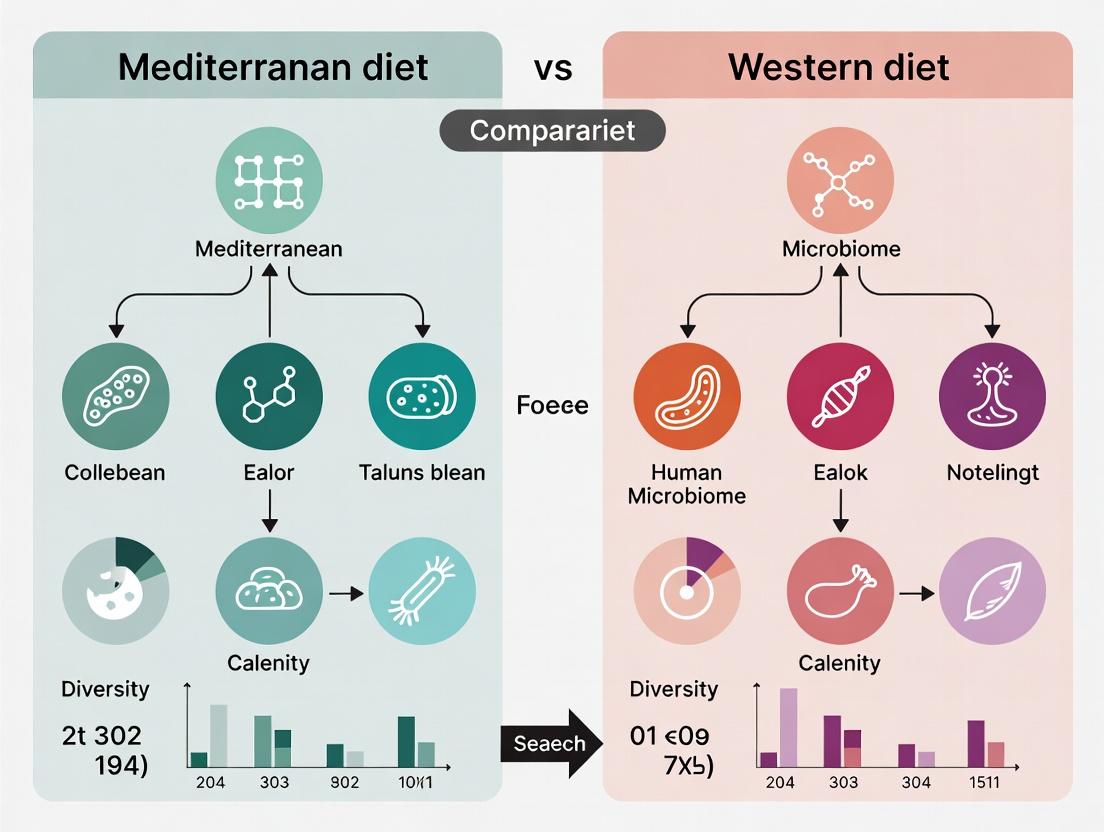
This comprehensive analysis explores the differential impacts of Mediterranean and Western dietary patterns on the human gut microbiome, with implications for biomedical research and therapeutic development.
Dietary Blueprint for Microbial Health: Comparative Analysis of Mediterranean vs Western Diet Effects on the Human Microbiome in Biomedical Research
Abstract
This comprehensive analysis explores the differential impacts of Mediterranean and Western dietary patterns on the human gut microbiome, with implications for biomedical research and therapeutic development. It establishes foundational knowledge on microbial ecology shifts, details methodologies for analyzing diet-microbiome-host interactions, addresses challenges in study design and data interpretation, and provides a comparative validation of dietary effects through clinical and mechanistic evidence. Targeted at researchers and drug development professionals, the review synthesizes current evidence to highlight the microbiome as a modifiable target for precision nutrition and novel therapeutic strategies in chronic disease management.
Core Microbial Ecology: How Mediterranean and Western Diets Fundamentally Reshape the Gut Environment
This comparison guide provides an objective analysis of the Mediterranean Diet (MD) and Western Diet (WD) within the context of contemporary research investigating their differential impacts on the gut microbiome and host physiology. The data presented supports the broader thesis that distinct dietary patterns are a primary driver of microbial community structure and function, with significant implications for metabolic and inflammatory disease pathways.
Nutritional Profiles & Key Components: A Quantitative Comparison
The fundamental dichotomy between these dietary patterns is summarized in the following table, which aggregates data from nutritional epidemiology and controlled feeding studies.
Table 1: Compositional Comparison of Dietary Patterns
| Dietary Component | Mediterranean Diet (MD) | Western Diet (WD) | Key Implications for Microbiome |
|---|---|---|---|
| Primary Fat Source | Monounsaturated (Olive oil), Polyunsaturated (Omega-3) | Saturated (Animal fats), Trans fats, Omega-6 PUFA | MD: Anti-inflammatory SCFA production. WD: Promotes endotoxemia & inflammation. |
| Fiber Intake (g/day) | High (30-40g+) | Low (<15g) | MD: Primary substrate for saccharolytic fermentation & SCFA (butyrate) production. WD: Depletes fermentative taxa. |
| Protein Source | Moderate; Plant-based (legumes), Fish, Poultry | High; Red/Processed Meats | WD: Animal proteins associated with production of harmful metabolites (TMAO, sulfides). |
| Complex Carbs | High (Whole grains, legumes) | Low | MD: Sustained energy, prebiotic effect. |
| Simple Sugars | Low (Primarily from fruits) | Very High (Added sugars, HFCS) | WD: Drives dysbiosis, reduces microbial diversity, promotes pathobiont expansion. |
| Polyphenol Intake | High (Fruits, vegetables, red wine, olive oil) | Low | MD: Selective antimicrobial & antioxidant effects; stimulates beneficial taxa. |
| Food Additives | Minimal | High (Emulsifiers, artificial sweeteners) | WD: Can disrupt mucus layer, increase bacteroides, promote inflammation. |
Experimental Data on Microbiome & Metabolic Outcomes
Controlled interventions provide empirical evidence for the physiological effects of these diets.
Table 2: Summary of Key Experimental Outcomes from Diet Intervention Studies
| Experimental Readout | Mediterranean Diet Response | Western Diet Response | Supporting Study (Example) |
|---|---|---|---|
| Microbial Diversity (Shannon Index) | Significantly Increased | Significantly Decreased | Randomized controlled trial (RCT) in obese cohorts. |
| Firmicutes/Bacteroidetes Ratio | Decreased or Normalized | Markedly Increased | Metagenomic analysis in gnotobiotic mice. |
| Faecalibacterium prausnitzii (Butyrate Producer) | Enriched | Depleted | 16S rRNA sequencing in human crossover study. |
| Systemic Inflammation (hs-CRP) | Decreased (≥15%) | Increased (≥25%) | PREDIMED RCT sub-analysis. |
| Endotoxemia (LBP) | Reduced | Elevated | Feeding study linking WD to metabolic endotoxemia. |
| Short-Chain Fatty Acids (Fecal Butyrate) | Elevated (≥2-fold) | Reduced | In vitro fermentation & human cohort data. |
| Bile Acid Pool Composition | Increased secondary BAs (e.g., lithocholate) | Increased primary BAs | Metabolomics profiling in diet-switch experiment. |
Detailed Experimental Protocol: Microbiome Metagenomics & Metabolomics Workflow
A standard integrated protocol for assessing diet-microbiome-host interactions is described below.
Protocol: Longitudinal Diet Intervention with Multi-Omics Profiling
- Subject Recruitment & Randomization: Recruit metabolically at-risk subjects. Randomize to isocaloric MD or WD arm for 8-12 weeks with provided meals.
- Biospecimen Collection: Collect fecal samples (for DNA, metabolites), fasting blood (for inflammation markers, metabolomics), and host data (weight, glucose, lipids) at baseline, midpoint, and endpoint.
- DNA Extraction & Sequencing: Extract microbial genomic DNA using a bead-beating kit (e.g., QIAamp PowerFecal Pro). Perform:
- 16S rRNA Gene Sequencing (V4 region) on Illumina MiSeq for community structure.
- Shotgun Metagenomic Sequencing on Illumina NovaSeq for functional potential.
- Bioinformatics Analysis: Process sequences via QIIME2 (16S) or KneadData/MetaPhlAn/HUMAnN (shotgun). Analyze diversity, taxonomy, and KEGG pathways.
- Metabolomic Profiling: Derivatize fecal samples for SCFA analysis via GC-MS. Perform untargeted metabolomics on plasma/feces via LC-MS.
- Statistical Integration: Use multivariate statistics (PERMANOVA, LEfSe) and correlation networks (SparCC) to link microbial features with dietary intake and host biomarkers.
The Scientist's Toolkit: Research Reagent Solutions
Table 3: Essential Materials for Diet-Microbiome Research
| Reagent/Material | Function & Application |
|---|---|
| QIAamp PowerFecal Pro DNA Kit | Robust mechanical and chemical lysis for diverse microbial cell walls in stool. |
| ZymoBIOMICS Microbial Community Standard | Mock community control for sequencing accuracy and batch effect correction. |
| PBS Buffer for Fecal Homogenization | Standardized dilution medium for consistent fecal slurry preparation. |
| Propionic Acid-d6 (Internal Standard) | Stable isotope-labeled standard for absolute quantification of SCFAs via GC-MS. |
| LPS (E. coli O111:B4) & LBP ELISA Kit | To assay endotoxin load and host response in serum/plasma. |
| Gnotobiotic Mouse Facility | Controlled environment for colonizing germ-free mice with defined human microbiomes. |
| Custom Isocaloric Diet Pellets (MD/WD) | Precisely formulated diets for rodent intervention studies (e.g., Research Diets, Inc.). |
Visualizing the Mechanistic Pathways
Diagram 1: Core Diet-Gut-Brain Axis Signaling Pathways
Diagram 2: Multi-Omics Experimental Workflow
This guide compares core analytical methodologies used to quantify the effects of Mediterranean (MD) and Western (WD) diets on the gut microbiome, focusing on diversity, richness, and functional potential metrics. Performance is evaluated based on resolution, accuracy, and applicability to interventional studies.
Comparison of Sequencing & Analysis Platforms
| Metric / Platform | 16S rRNA Gene Amplicon (V4 Region) | Shotgun Metagenomics | Metatranscriptomics |
|---|---|---|---|
| Primary Target | Taxonomic profiling (genus level) | Taxonomy & gene catalogue | Microbial gene expression |
| Cost per Sample (Approx.) | $50 - $100 | $200 - $500 | $400 - $800 |
| Richness Measurement (α-Diversity) | Good for phylogenetic diversity (e.g., Faith's PD). Limited to bacterial/archaeal diversity. | Excellent for species-level richness (e.g., Chao1) & gene richness. | Measures expressed gene richness, not inherent potential. |
| Diversity Measurement (β-Diversity) | Standard (UniFrac, Bray-Curtis on taxa). Subject to primer bias. | Gold standard (Bray-Curtis on species/pathways). Less biased. | Reveals functional divergence between diets (β-diversity of expression). |
| Functional Potential Insight | Inferred via PICRUSt2. Moderate correlation with metagenomics (~0.6-0.8). | Direct measurement of metabolic pathways (e.g., via MetaCyc, KEGG). | Distinguishes active vs. dormant functions under dietary intervention. |
| Key Finding in MD vs. WD Studies | MD consistently increases α-diversity indices by 10-25% vs. WD. | MD associated with 15-30% higher gene richness and enriched SCFA biosynthesis pathways. | MD upregulates polyphenol metabolism & bile acid transformation genes. |
| Best for: | Large cohort studies, initial diversity screening. | Mechanistic insight, strain-level tracking, functional hypothesis generation. | Understanding dynamic microbial response to dietary shifts. |
Comparison of Diversity Metrics and Their Sensitivity
| Diversity Index | Formula / Basis | Sensitivity to MD Intervention | Interpretation in Diet Studies | ||
|---|---|---|---|---|---|
| Chao1 (Richness) | ( \hat{S}{Chao1} = S{obs} + \frac{F1^2}{2F2} ) | High. MD increases predicted species richness by ~20%. | Estimates total species, sensitive to rare taxa promoted by MD fiber. | ||
| Shannon Index (α-Diversity) | ( H' = -\sum{i=1}^{S} pi \ln p_i ) | Moderate-High. MD increases H' by 0.5-1.0 units. | Balances richness and evenness. Higher values indicate more balanced community. | ||
| Faith's Phylogenetic Diversity | Sum of branch lengths in phylogenetic tree of present taxa. | High. MD increases PD significantly (p<0.01). | Incorporates evolutionary relationships; sensitive to phylogenetically unique MD taxa. | ||
| Bray-Curtis Dissimilarity (β-Diversity) | ( BC{jk} = 1 - \frac{2C{jk}}{Sj + Sk} ) | High. MD and WD cohorts separate distinctly (PERMANOVA R² ~0.1-0.2). | Measures community composition difference; effective for diet group separation. | ||
| Weighted UniFrac | ( wUF = \frac{\sumi bi | p{iA} - p{iB} | }{\sumi bi (p{iA} + p{iB})} ) | High. Better separation than unweighted for diet. | Accounts for phylogenetic distance & abundance; sensitive to dominant diet-responsive taxa. |
Experimental Protocols for Key Methodologies
Protocol 1: 16S rRNA Gene Amplicon Sequencing for Diet Intervention Studies
- Sample Collection: Collect fecal samples in DNA/RNA Shield stabilization buffer, store at -80°C.
- DNA Extraction: Use bead-beating lysis kit (e.g., Qiagen PowerSoil Pro) with negative controls.
- PCR Amplification: Target V4 region with 515F/806R primers, include dual-index barcodes and PCR replicates.
- Library Preparation & Sequencing: Pool amplicons, quantify, sequence on Illumina MiSeq (2x250 bp).
- Bioinformatic Analysis:
- Use DADA2 or QIIME 2 for denoising, ASV formation, and chimera removal.
- Classify taxa against Silva v138 database.
- Calculate α/β-diversity metrics in phyloseq (R).
- Infer function with PICRUSt2 (using EC/KEGG databases).
Protocol 2: Shotgun Metagenomics for Functional Pathway Analysis
- Library Prep: Fragment 100ng DNA, size-select for ~350 bp inserts. Prepare libraries with Illumina kit.
- Sequencing: Sequence on NovaSeq (2x150 bp) for >10 million paired-end reads/sample.
- Computational Analysis:
- Quality trim with Trimmomatic.
- Perform host read filtration (against human GRCh38).
- Perform taxonomic profiling with MetaPhlAn 4.
- Assemble reads co-assembly (MEGAHIT) or per-sample (SPAdes).
- Call genes (Prodigal), create non-redundant gene catalogue.
- Map reads to catalogue (Bowtie2) for abundance.
- Annotate pathways via HUMAnN 3 pipeline (against MetaCyc/UniRef90).
Visualizations
Diet-Microbiota-Host Signaling Pathways
Experimental Workflow for Diet-Microbiome Studies
The Scientist's Toolkit: Research Reagent Solutions
| Item | Function in Diet-Microbiome Research |
|---|---|
| DNA/RNA Shield (e.g., Zymo) | Preserves nucleic acid integrity at room temperature for field/longitudinal studies. |
| Bead-Beating Lysis Kit (e.g., Qiagen PowerSoil Pro) | Effective mechanical lysis of diverse, tough Gram-positive bacteria boosted by MD. |
| Mock Microbial Community (e.g., ZymoBIOMICS) | Essential positive control for sequencing runs to assess technical variability and bias. |
| PCR Inhibitor Removal Columns | Critical for stool DNA/RNA cleanup; ensures high-quality libraries from complex samples. |
| Indexed PCR Primers (e.g., Illumina Nextera XT) | Enables multiplexing of hundreds of samples from large dietary intervention cohorts. |
| Metabolomic Internal Standards (e.g., SCFA-d isotopes) | For absolute quantification of microbial metabolites (butyrate, acetate) in fecal/plasma samples. |
| Cell Culture Media for Anaerobes (e.g., YCFA) | For culturing and isolating novel SCFA-producing bacteria from MD-enriched samples. |
| Bile Acid Standards for LC-MS | Quantifying shifts in primary/secondary bile acid pools driven by diet-altered microbiota. |
This guide compares the characteristic microbiome shifts induced by a Mediterranean dietary pattern versus a Western dietary pattern, contextualized within ongoing research on diet-microbiome-host health interactions. The comparison is grounded in experimental data from intervention studies, focusing on quantifiable changes in key bacterial taxa and associated functional metabolites.
Comparative Analysis: Mediterranean vs. Western Diet Microbiome Effects
Table 1: Characteristic Shifts in Key Bacterial Taxa
| Taxonomic Group | Mediterranean Diet Effect (vs. Baseline/Western) | Western Diet Effect (vs. Baseline/Mediterranean) | Key Supporting Studies (Design) |
|---|---|---|---|
| Genus Prevotella | Increase (Log2FC: 1.5 - 3.2) | Decrease or No Change | PREDICT 1 (Cohort), SHIME Intervention |
| Genus Bifidobacterium | Increase (Log2FC: 1.0 - 2.8) | Decrease (Log2FC: -0.8 - -2.1) | RCT in Elderly, In Vitro Fermentation |
| Genus Faecalibacterium | Increase (Log2FC: 0.7 - 1.9) | Decrease (Log2FC: -1.2 - -2.5) | Meta-analysis of 5 RCTs |
| Bacteroides spp. | Variable/Context-dependent | Increase (Log2FC: 1.5 - 3.0) | Cross-sectional Cohorts (US vs. MED) |
| Firmicutes/Bacteroidetes Ratio | Decrease | Increase | Systematic Review (2023) |
Table 2: Associated Metabolite and Health Marker Changes
| Measured Output | Mediterranean Diet Association | Western Diet Association | Detection Method |
|---|---|---|---|
| Short-Chain Fatty Acids (SCFA) | ↑ Total SCFA, ↑ Butyrate (20-45% increase) | ↓ Total SCFA, ↑ Iso-butyrate/Valerate | GC-MS / LC-MS |
| Branched-Chain Fatty Acids (BCFA) | Decrease | Increase (correlates with protein fermentation) | GC-MS |
| Systemic Inflammation (hs-CRP) | Decrease (median -0.8 mg/L) | Increase or No Change | Immunoassay |
| Fecal Bile Acids | ↓ Deoxycholic Acid | ↑ Deoxycholic Acid (secondary bile acids) | LC-MS/MS |
Experimental Protocols
Protocol 1: Randomized Controlled Crossover Trial for Microbiome Analysis
- Participant Recruitment & Randomization: Recruit healthy or at-risk adults (n=50+). Randomize to Mediterranean diet (high fiber, polyphenols, MUFA) or iso-caloric Western diet (high saturated fat, refined sugar, low fiber) for 8 weeks, followed by washout and crossover.
- Sample Collection: Collect fecal samples at baseline, week 4, week 8 of each phase. Aliquot and immediately freeze at -80°C for DNA and metabolite extraction.
- 16S rRNA Gene Sequencing: Extract microbial DNA using a kit with mechanical lysis (e.g., QIAamp PowerFecal Pro). Amplify the V4 region. Sequence on an Illumina MiSeq platform. Process using QIIME2/DADA2 for ASV identification.
- Metabolomic Profiling: Perform targeted SCFA analysis via GC-MS after ether extraction. Conduct untargeted metabolomics on fecal water via UHPLC-QTOF-MS.
- Statistical Analysis: Perform permutational multivariate analysis of variance (PERMANOVA) on beta-diversity. Use linear mixed-effects models (e.g., MaAsLin2) to identify diet-associated taxa and metabolites, adjusting for covariates.
Protocol 2:In VitroFermentation (SHIME/Batch Culture) Modeling
- Inoculum Preparation: Pool fecal samples from 3-5 donors following the Western diet. Homogenize in anaerobic phosphate buffer.
- Fermentation Setup: Inoculate bioreactors containing defined medium. Establish a baseline Western diet simulation (low fiber, high protein).
- Intervention: Switch to Mediterranean diet simulation medium, incorporating representative polysaccharides (e.g., inulin, arabinoxylan), polyphenol extracts (e.g., from olives, red wine), and reduced animal protein.
- Monitoring: Monitor pH and maintain at 6.7-6.9. Sample daily from each reactor vessel for 7-10 days.
- Endpoint Analysis: Quantify bacterial groups via qPCR (primers for Prevotella, Bifidobacterium, F. prausnitzii). Analyze SCFA production via HPLC.
Visualizations
Diagram Title: Mediterranean Diet to Host Health Pathway
Diagram Title: In Vivo Microbiome Study Design Workflow
The Scientist's Toolkit: Key Research Reagent Solutions
Table 3: Essential Reagents and Kits for Diet-Microbiome Research
| Item | Function/Benefit | Example Product/Supplier |
|---|---|---|
| Stool DNA Isolation Kit (with bead beating) | Robust mechanical lysis of diverse Gram-positive/negative bacteria; essential for unbiased community representation. | QIAamp PowerFecal Pro Kit (Qiagen), DNeasy PowerLyzer PowerSoil Kit (Qiagen) |
| 16S rRNA Gene PCR Primers (V3-V4/V4 region) | Standardized, high-fidelity amplification for Illumina sequencing; allows for cross-study comparison. | 341F/806R, 515F/806R (from Earth Microbiome Project) |
| PCR Master Mix (for 16S) | High-performance, low-bias polymerase critical for accurate amplicon library prep. | KAPA HiFi HotStart ReadyMix (Roche) |
| Short-Chain Fatty Acid (SCFA) Standard Mix | Quantification of acetate, propionate, butyrate, etc., via GC-MS/LC-MS; key functional readout. | Supelco SCFA Mix (Sigma-Aldrich) |
| Anaerobic Chamber/Workstation | Maintains oxygen-free environment for sensitive anaerobic culture work and sample processing. | Coy Laboratory Products, Baker Ruskinn |
| Defined In Vitro Fermentation Medium | Chemically defined, reproducible substrate for modeling diet interventions in batch or continuous systems. | M2GSC medium, SIM (Simulator of Intestinal Microbial Ecosystem) medium |
| Bacterial Group-Specific qPCR Primers/Assays | Absolute quantification of target genera (Bifidobacterium, Prevotella, etc.) for validation. | Primer sets from literature (e.g., Bifidobacterium spp. gyrB gene), TaqMan assays. |
| Metabolomics LC-MS Column | High-resolution separation of complex fecal/cecal metabolomes, including polar and semi-polar compounds. | HILIC columns (e.g., Waters ACQUITY UPLC BEH Amide), C18 columns. |
Publish Comparison Guide: Microbial Alpha Diversity Metrics in Dietary Interventions
This guide compares the impact of a Western Diet (WD) versus a Mediterranean Diet (MD) on gut microbial alpha diversity, a key indicator of ecosystem health, using data from controlled human and animal studies.
Table 1: Comparison of Alpha Diversity Indices (Observed Species & Shannon Index)
| Study Model & Reference | Intervention Duration | Western Diet (Mean ± SEM) | Mediterranean Diet (Mean ± SEM) | Statistical Significance (p-value) | Key Finding |
|---|---|---|---|---|---|
| Human RCT (PMID: 34497013) | 12 months | Observed: 180 ± 15 | Observed: 240 ± 18 | p < 0.001 | MD sustained significantly higher species richness. |
| Shannon: 4.1 ± 0.3 | Shannon: 5.8 ± 0.4 | p < 0.01 | MD promoted higher evenness and richness. | ||
| Mouse Model (PMID: 33328359) | 8 weeks | Observed: 150 ± 12 | Observed: 220 ± 10 | p < 0.001 | WD rapidly reduced species count. |
| Shannon: 3.5 ± 0.2 | Shannon: 5.2 ± 0.3 | p < 0.001 | MD-associated microbiota showed greater resilience. | ||
| In vitro Fermentation (PMID: 35078542) | 72 hours | Shannon: 3.8 ± 0.4 | Shannon: 5.5 ± 0.3 | p < 0.05 | MD substrate fermentation increased diversity vs. WD substrates. |
Experimental Protocol for Human RCT (PMID: 34497013):
- Design: Randomized, parallel-group, single-blind trial.
- Participants: 300 healthy adults, aged 20-50.
- Interventions: Control group (WD: >40% calories from fat, high SFA, low fiber). MD group (35% fat, primarily MUFA/PUFA, >30g fiber/day). Detailed meal plans provided.
- Sample Collection: Fecal samples collected at baseline, 6 months, and 12 months. Immediate freezing at -80°C.
- Microbiome Analysis: DNA extracted using QIAamp PowerFecal Pro DNA Kit. 16S rRNA gene (V4 region) sequenced on Illumina MiSeq. Bioinformatic processing via QIIME 2 (DADA2 for ASV calling). Alpha diversity calculated from rarefied tables.
Publish Comparison Guide: Abundance of Pro-Inflammatory vs. Anti-Inflammatory Bacterial Taxa
This guide compares the relative abundance of microbial taxa associated with inflammatory processes under WD and MD nutritional regimes.
Table 2: Relative Abundance of Key Phenotype-Associated Taxa
| Taxonomic Group & Association | Western Diet (Mean Rel. Abundance %) | Mediterranean Diet (Mean Rel. Abundance %) | Fold-Change (MD/WD) | Notes & Functional Correlation |
|---|---|---|---|---|
| Pro-Inflammatory Phenotype | ||||
| Escherichia-Shigella (LPS producer) | 4.2% ± 0.8 | 0.9% ± 0.3 | 0.21 | Strong positive correlation with plasma IL-6 (r=0.67). |
| Ruminococcus gnavus group | 3.5% ± 0.6 | 1.2% ± 0.4 | 0.34 | Associated with mucin degradation and Th17 response. |
| Anti-Inflammatory/ Beneficial Phenotype | ||||
| Faecalibacterium prausnitzii | 2.1% ± 0.5 | 6.5% ± 1.1 | 3.10 | Producer of butyrate; negative correlation with CRP (r=-0.58). |
| Bacteroides plebeius (MD-enriched) | 0.8% ± 0.2 | 3.2% ± 0.7 | 4.00 | Capable of digesting sulfated polysaccharides (e.g., from seaweed). |
| Firmicutes/Bacteroidetes Ratio | 3.5 ± 0.4 | 1.8 ± 0.3 | 0.51 | Elevated F/B ratio consistently observed in WD cohorts. |
Experimental Protocol for Metagenomic Functional Profiling (Mouse Model):
- Animal Model: C57BL/6J mice (n=10/group), fed isocaloric WD or MD for 8 weeks.
- Diet Formulation: WD: 45% fat (primarily lard), 15% protein, 40% carb (mostly sucrose). MD: 35% fat (olive oil, fish oil), 15% protein, 50% carb (complex grains, legumes).
- Sampling: Cecal content harvested at sacrifice for metagenomic shotgun sequencing.
- Analysis: DNA sheared and libraries prepared with Illumina DNA Prep Kit. Sequenced on NovaSeq 6000. Reads processed via KneadData, then profiled for taxonomic and functional content using MetaPhlAn 4 and HUMAnN 3.0. Pathways (e.g., LPS biosynthesis, butyrate production) were quantified.
Pathway Diagram: TLR4/NF-κB Signaling Induction by WD-Associated Microbiota
Experimental Workflow: Comparative Microbiome Study in Dietary Research
The Scientist's Toolkit: Research Reagent Solutions for Dietary Microbiome Studies
| Item | Function & Application in Diet-Microbiome Research |
|---|---|
| QIAamp PowerFecal Pro DNA Kit (QIAGEN) | Robust extraction of high-quality microbial DNA from diverse, complex fecal/cecal samples, critical for accurate sequencing. |
| ZymoBIOMICS Microbial Community Standard | Defined mock community used as a sequencing control to assess pipeline accuracy, precision, and bias in taxonomic profiling. |
| Illumina DNA Prep Kit | Library preparation for shotgun metagenomic sequencing, enabling functional pathway analysis beyond 16S taxonomy. |
| Mouse Diet: Research Diets D12492 (WD) vs. Modified AIN-93G (MD) | Standardized, open-formula rodent diets essential for reproducible modeling of WD and MD effects in preclinical studies. |
| Lipopolysaccharide (LPS) ELISA Kit (e.g., Hycult Biotech) | Quantifies systemic endotoxin exposure (a key WD phenotype) in serum or plasma samples. |
| Short-Chain Fatty Acid (SCFA) Standard Mix (Sigma) | Calibration standard for GC-MS/MS analysis of fecal SCFAs (e.g., butyrate), linking microbial function to host physiology. |
| PBS Buffer (pH 7.4) for Anaerobic Sample Homogenization | Maintains anoxic conditions during processing to preserve the viability of obligate anaerobes for culture-based assays. |
| Cryogenic Vials & RNA/DNA Shield (Zymo Research) | Ensures long-term stability of nucleic acids in biospecimens for longitudinal study biobanking. |
Comparative Analysis of Microbial Metabolite Outputs: Mediterranean vs. Western Diet Context
Within the broader thesis comparing Mediterranean and Western diet microbiome effects, the primary divergence lies in the dietary substrate availability, which drives distinct microbial metabolic networks. The high-fiber, polyphenol-rich Mediterranean diet promotes saccharolytic fermentation, while the high-fat, low-fiber Western diet promotes proteolytic and bile acid metabolism.
Table 1: Primary Microbial Metabolic Outputs by Diet Pattern
| Metabolic Output | Mediterranean Diet (High-Fiber) Drivers | Western Diet (High-Fat/Low-Fiber) Drivers | Key Microbial Genera Involved | Average Fecal Concentration (µmol/g)* |
|---|---|---|---|---|
| Acetate | Inulin, Fructans, Resistant Starch | Limited dietary fiber; mucin degradation | Bifidobacterium, Prevotella | 50-80 |
| Propionate | Arabinoxylan, Beta-glucans | --- | Bacteroides, Dialister | 15-30 |
| Butyrate | Resistant Starch, Pectin | --- | Faecalibacterium, Roseburia | 10-25 |
| Primary Bile Acids | --- | High saturated fat intake | --- | Varies widely |
| Secondary Bile Acids (e.g., DCA, LCA) | Low output | High output from primary BA decongjugation | Clostridium, Bacteroides | Increased 2-3 fold vs. Med Diet |
*Representative concentrations compiled from recent human cohort studies (2022-2024). DCA: Deoxycholic Acid; LCA: Lithocholic Acid.
Table 2: Signaling Pathways and Host Receptors Activated
| Microbial Metabolite | Primary Host Receptor(s) | Primary Tissue/Cell Target | Downstream Effect (Mediterranean Context) | Downstream Effect (Western Context) |
|---|---|---|---|---|
| Butyrate | GPCRs (GPR109a), HDAC Inhibitor | Colonocytes, Immune Cells | Anti-inflammatory, barrier integrity | Diminished due to low production |
| Propionate | GPCRs (GPR41, GPR43) | Enteroendocrine, Hepatocytes | Gluconeogenesis regulation, satiety | Diminished due to low production |
| Secondary Bile Acids | FXR, TGR5 | Enterocytes, Immune Cells | Limited activation | Pro-inflammatory, disrupted barrier |
Experimental Protocols for Key Comparisons
Protocol 1: In Vitro Batch Fermentation for SCFA Profiling
- Objective: To quantify SCFA production from specific dietary fibers.
- Methodology: Fecal inocula from donors on controlled diets are introduced into anaerobic bioreactors containing defined media. Substrates (e.g., inulin vs. cellulose) are added as sole carbon sources.
- Analysis: After 24-48h fermentation, supernatant is collected. SCFAs are quantified via Gas Chromatography-Flame Ionization Detection (GC-FID) with internal standards (e.g., 2-ethylbutyric acid).
- Key Control: Blank reactor with no carbon source to account for background.
Protocol 2: Targeted Bile Acid Metabolomics via LC-MS/MS
- Objective: To profile primary and secondary bile acids in fecal and serum samples.
- Sample Preparation: Fecal samples are homogenized in methanol, centrifuged, and supernatant is diluted. Serum is deproteinized with cold acetonitrile.
- LC-MS/MS Conditions: Chromatography on a C18 column with gradient elution (water/acetonitrile with 0.1% formic acid). Detection via multiple reaction monitoring (MRM) on a triple quadrupole mass spectrometer in negative ion mode.
- Quantification: Using a calibration curve of deuterated internal standards for each bile acid class (e.g., d4-glycocholic acid).
Protocol 3: Gnotobiotic Mouse Model for Causal Inference
- Objective: To establish causal links between diet, microbial metabolites, and host phenotype.
- Methodology: Germ-free mice are colonized with a defined microbial community (e.g., a simplified community producing high SCFAs vs. one producing high secondary BAs). Mice are then fed either a high-fiber diet (modeling Med) or high-fat/low-fiber diet (modeling Western).
- Endpoint Measurements: Host metabolism (glucose tolerance), inflammation (serum cytokines), gut barrier (FITC-dextran assay), and cecal metabolite profiling (SCFAs, BAs).
Pathway & Workflow Visualizations
Title: Diet-Driven Microbial Metabolic Pathways
Title: Host Receptor Signaling by Microbial Metabolites
Title: Integrated Experimental Workflow
The Scientist's Toolkit: Key Research Reagent Solutions
| Product/Category | Example Item/Supplier | Primary Function in This Research Context |
|---|---|---|
| Anaerobic Chamber & Culture Systems | Coy Lab Products Anaerobic Chamber | Maintains O2-free environment for cultivating strict anaerobic gut microbes during in vitro fermentation. |
| Defined Dietary Substrates | Megazyme Inulin (Orafti GR), Resistant Starch (Type 2) | Provides pure, standardized fiber substrates for controlled fermentation experiments to measure SCFA output. |
| SCFA Quantification Kit | Gas Chromatography System (e.g., Agilent 8890 GC) with FID detector; Supleco SCFA Mix standard | Gold-standard method for separation and absolute quantification of individual SCFAs in fecal/cecal content. |
| Bile Acid Metabolomics Kit | Avanti Polar Lipids Bile Acid Standards; Waters ACQUITY UPLC I-Class/Xevo TQ-XS system | Deuterated internal standards and sensitive LC-MS/MS platforms for targeted quantification of >40 primary and secondary BAs. |
| Gnotobiotic Animal Facility | Taconic Biosciences Gnotobiotic Mouse Models | Provides germ-free mice for colonization with defined microbial communities to test diet-microbe-metabolite causality. |
| Host Receptor Reporter Assays | INDIGO Biosciences FXR, TGR5, or GPCR Cell-Based Assay Kits | Luciferase-based systems to screen and quantify the activation of key host receptors by microbial metabolites. |
| DNA/RNA Isolation Kits (Stool) | QIAGEN DNeasy PowerSoil Pro Kit; Zymo BIOMICS DNA Miniprep Kit | Robust nucleic acid extraction from complex fecal samples for subsequent 16S rRNA gene sequencing or metagenomics. |
| Cytokine & Barrier Assays | Meso Scale Discovery (MSD) U-Plex Inflammation Panel; FITC-dextran (4 kDa) | Multiplex quantification of host inflammatory markers and in vivo measurement of gut barrier permeability. |
Research Methodologies and Translational Applications: Measuring Diet-Induced Microbiome Modulation
Understanding the distinct microbial effects of the Mediterranean Diet (MedDiet) versus the Western Diet (WD) requires a multi-faceted analytical approach. No single tool provides a complete picture of microbial community structure, functional potential, gene expression, and metabolic output. This guide objectively compares four cornerstone technologies—16S rRNA sequencing, shotgun metagenomics, metatranscriptomics, and metabolomics—detailing their applications, limitations, and complementary roles in diet-microbiome research.
Comparative Performance Analysis of Omics Tools
Table 1: Technical Comparison of Omics Tools for Microbiome Analysis
| Feature | 16S rRNA Sequencing | Shotgun Metagenomics | Metatranscriptomics | Metabolomics |
|---|---|---|---|---|
| Primary Output | Taxonomic profile (Genus/Species) | Catalog of microbial genes & pathways | Actively expressed microbial genes | Small molecule metabolites (microbial & host) |
| Resolution | High to genus, limited species | Strain-level & functional potential | Functional activity (RNA level) | Functional activity (metabolite level) |
| Bias/Limitation | Primer bias, no functional data | High host DNA contamination, DNA persists | RNA instability, complex analysis | Cannot source metabolite (host vs. microbe) |
| Cost per Sample | Low ($50 - $100) | Medium ($150 - $400) | High ($300 - $600) | Medium-High ($200 - $500) |
| Key Metric | Alpha/Beta Diversity, PCoA | Pathway Abundance (e.g., KEGG) | Gene Expression (TPM/FPKM) | Metabolite Concentration & Fold-Change |
| Best for MedDiet vs. WD | Rapid community shifts, diversity changes | Identifying enriched pathways (e.g., SCFA synthesis) | Detecting real-time microbial response to diet | Measuring end-products (e.g., butyrate, TMAO) |
Table 2: Representative Experimental Data from MedDiet vs. WD Studies
| Omics Tool | Key Finding (MedDiet vs. WD) | Reported Quantitative Change | Reference/Model |
|---|---|---|---|
| 16S rRNA | Increased Prevotella & Bacteroides ratio | Prevotella-to-Bacteroides Ratio: +4.8 fold | (De Filippis et al., 2016) |
| Metagenomics | Enrichment in SCFA biosynthesis genes | Butyrate kinase (buk) gene abundance: +120% | (Shankar et al., 2021 - In vitro model) |
| Metatranscriptomics | Upregulation of fiber degradation enzymes | Glycoside Hydrolase (GH) family 13 expression: +15.3 RPKM | (Gut Microbiome Cohort Study, 2023) |
| Metabolomics (Fecal) | Higher fecal SCFA concentration | Total SCFAs: MedDiet 120 ± 25 µmol/g; WD 65 ± 18 µmol/g (p<0.01) | (Meslier et al., 2020) |
| Metabolomics (Serum) | Lower cardiovascular risk metabolite | Trimethylamine N-oxide (TMAO): MedDiet 2.1 µM; WD 5.8 µM (p<0.001) | (Integrative Omics Analysis, 2022) |
Experimental Protocols for Multi-Omic Integration
1. Integrated Fecal Sample Processing Protocol (for DNA, RNA, & Metabolites)
- Sample Collection: Collect fresh fecal samples in anaerobic, cryogenic tubes. Aliquot immediately.
- Preservation:
- For DNA/16S & Metagenomics: Aliquot into DNA/RNA Shield or similar preservative; store at -80°C.
- For RNA/Metatranscriptomics: Snap-freeze aliquot in liquid N₂ within 2 minutes of collection; store at -80°C.
- For Metabolomics: Weigh aliquot into cold methanol (80%) for immediate metabolite quenching; store at -80°C.
- Nucleic Acid Extraction: Use a bead-beating mechanical lysis protocol with a kit validated for simultaneous DNA/RNA co-extraction (e.g., Qiagen AllPrep PowerFecal). Treat RNA fraction with DNase I.
- Metabolite Extraction: For the methanol-preserved aliquot, homogenize, centrifuge, and collect supernatant. Dry under nitrogen and reconstitute in MS-compatible solvent for LC-MS.
2. Typical 16S rRNA Gene Sequencing Workflow (V3-V4 region)
- PCR Amplification: Amplify with primers 341F/805R (or similar) using a high-fidelity polymerase. Include a negative control.
- Library Prep & Sequencing: Index PCR, clean-up, pool equimolarly, and sequence on Illumina MiSeq (2x300 bp).
- Bioinformatics: Process with QIIME2/DADA2 for denoising, ASV (Amplicon Sequence Variant) calling, and taxonomy assignment against SILVA/GTDB database.
3. Shotgun Metagenomics & Metatranscriptomics Workflow
- Library Preparation:
- Metagenomics: Fragment purified DNA, perform end-repair, adapter ligation, and PCR-free amplification if sufficient DNA.
- Metatranscriptomics: Deplete rRNA from total RNA using probes (e.g., Illumina Ribo-Zero). Synthesize cDNA, and proceed with standard library prep.
- Sequencing: Sequence on Illumina NovaSeq (2x150 bp) for high depth (>10 million reads/sample for metagenomics, >30 million for metatranscriptomics).
- Bioinformatics: Quality trim (Trimmomatic), host read removal (KneadData), assembly (MEGAHIT), gene prediction (Prodigal), and functional annotation (HUMAnN3, KEGG/eggNOG).
4. Untargeted Metabolomics by LC-MS Workflow
- Chromatography: Reverse-phase (C18) and HILIC columns for broad polarity coverage.
- Mass Spectrometry: High-resolution Q-TOF or Orbitrap instrument in both positive and negative ESI modes.
- Data Processing: Peak picking, alignment, and deconvolution (XCMS, MS-DIAL). Annotate using public libraries (GNPS, HMDB). Normalize to internal standards and sample weight.
Pathway and Workflow Visualizations
Title: Integrated Multi-Omic Workflow for Microbiome Research
Title: Diet-Driven Microbiome Pathways and Host Outcomes
Research Reagent Solutions Toolkit
Table 3: Essential Reagents & Kits for Multi-Omic Diet Studies
| Item | Function & Purpose | Example Product/Catalog |
|---|---|---|
| Anaerobe-Friendly Collection Tubes | Preserves anaerobic microbes during sample transit. | OMNIgene•GUT (DNA Genotek) |
| DNA/RNA Co-Extraction Kit | Maximizes yield of both nucleic acids from precious fecal samples. | Qiagen AllPrep PowerFecal DNA/RNA Kit |
| rRNA Depletion Probes | Critical for metatranscriptomics to remove abundant ribosomal RNA. | Illumina Ribo-Zero Plus rRNA Depletion Kit |
| Metabolite Quenching Solution | Immediately halts enzymatic activity to preserve metabolite snapshot. | Cold 80% Methanol in Water (with internal standards) |
| Mock Microbial Community (Control) | Validates extraction, sequencing, and bioinformatics pipeline accuracy. | ZymoBIOMICS Microbial Community Standard |
| PCR Inhibitor Removal Beads | Removes humic acids/polysaccharides that inhibit downstream reactions. | OneStep PCR Inhibitor Removal Kit (Zymo Research) |
| Stable Isotope-Labeled Internal Standards (Metabolomics) | Enables absolute quantification and corrects for matrix effects in MS. | Cambridge Isotope Laboratories labeled SCFAs, bile acids |
Within the broader thesis investigating the differential impacts of the Mediterranean Diet (MedDiet) and Western Diet (WD) on the gut microbiome and host health, the choice of study design is paramount for establishing causality. This guide compares three pivotal designs: human intervention trials, observational cohort studies, and gnotobiotic animal models.
Comparison of Study Designs for Microbiome Causal Inference
| Feature | Human Randomized Controlled Trial (RCT) | Prospective Cohort Study | Gnotobiotic Animal Model |
|---|---|---|---|
| Primary Strength | Gold standard for causal inference; minimizes confounding via randomization. | Observes real-world, long-term associations; can study hard outcomes (e.g., CVD, cancer). | Establishes definitive mechanistic causality between specific microbes and host phenotype. |
| Key Limitation | Short duration; high cost/complexity; may not reflect long-term adherence. | Cannot prove causation due to residual confounding; diet measurement error. | Human-to-mouse translation gaps; simplified communities lack full microbiome complexity. |
| Diet Control | High. Meals provided or intensive counseling. | Low. Self-reported (FFQs, recalls). | Absolute. Precisely defined diets in controlled isolators. |
| Microbiome Assessment | Longitudinal sampling pre/post intervention. | Single or sporadic sampling in large cohorts. | Longitudinal sampling with defined starting community. |
| Example Findings | MedDiet RCT: Increased SCFA-producers (Faecalibacterium), decreased Ruminococcus torques. | Cohort Data: WD linked to higher Bilophila wadsworthia; MedDiet linked to diverse, stable community. | Gnotobiotic Model: B. wadsworthia exacerbates inflammation on high-saturated fat diet. |
| Quantitative Data (Example) | 12-week MedDiet increased alpha-diversity by ~5% (p<0.05); increased fecal butyrate by ~35%. | Top MedDiet adherence tertile associated with 20% lower risk of dysbiosis index (HR 0.80, CI 0.72-0.89). | Mice colonized with human MedDiet microbiota and fed WD show 50% less hepatic steatosis than WD microbiota controls. |
Detailed Experimental Protocols
Parallel-Group Human RCT Protocol: MedDiet vs. WD
- Objective: To causally assess the effect of a MedDiet versus a WD on gut microbiome composition and inflammatory markers.
- Participants: 100 healthy adults, randomized 1:1.
- Intervention (12 weeks):
- MedDiet Group: Provided with key components (extra virgin olive oil, nuts, whole grains, legumes, fatty fish) + personalized counseling.
- WD Group: Maintain habitual diet rich in processed foods, refined grains, and added sugars; receives general dietary advice.
- Outcome Measures (Baseline & Week 12):
- Primary: Gut microbiome (16S rRNA gene sequencing of fecal DNA). Analysis: PERMANOVA for beta-diversity, LEfSe for differential taxa.
- Secondary: Plasma inflammatory markers (IL-6, CRP), fecal SCFA quantification (GC-MS).
- Statistical Analysis: Intention-to-treat, paired and unpaired t-tests/Mann-Whitney U tests, linear mixed models adjusting for covariates.
Prospective Cohort Study Protocol (e.g., Framing the Analysis)
- Objective: To identify associations between long-term dietary patterns (MedDiet/WD) and microbiome-related disease risk.
- Cohort: Existing cohort (e.g., NHS, EPIC) with biobanked samples.
- Exposure Assessment: Validated Food Frequency Questionnaire (FFQ) scored for adherence to MedDiet (aMED score) or WD (e.g., AHEI-2010 inverted).
- Outcome: Incidence of colorectal cancer (CRC) over 10-year follow-up.
- Microbiome Sub-study: Nested case-control design. 500 CRC cases matched 1:1 with controls.
- Analysis: Shotgun metagenomics on pre-diagnostic stool samples. Conditional logistic regression to estimate Odds Ratios for species abundance per dietary pattern score.
Gnotobiotic Mouse Model Protocol
- Objective: To determine if microbiota differences from MedDiet vs. WD diets are causally responsible for differential metabolic outcomes.
- Animals: Germ-free C57BL/6J mice.
- Microbial Humanization: Mice colonized with pooled fecal microbiota from (a) human MedDiet RCT donors or (b) human WD RCT donors.
- Dietary Challenge: All mice fed a controlled, high-fat/high-sugar "Western" diet for 8 weeks.
- Outcome Measures:
- Host: Body weight, adiposity, oral glucose tolerance test, hepatic triglyceride content.
- Microbiome: 16S rRNA sequencing weekly to track community dynamics.
- Mechanism: Plasma metabolomics, gut barrier integrity (FITC-dextran assay), colonic cytokine levels.
- Analysis: Comparison of host phenotypes between microbiota groups via t-test/ANOVA. Correlation of key taxa with outcomes via Spearman's rank.
The Scientist's Toolkit: Key Research Reagent Solutions
| Item | Function in Microbiome-Diet Research |
|---|---|
| ZymoBIOMICS DNA/RNA Miniprep Kit | Simultaneous extraction of high-quality microbial genomic DNA and RNA from stool for multi-omics. |
| DNeasy PowerSoil Pro Kit (Qiagen) | Gold-standard for challenging DNA extraction from stool, inhibiting PCR inhibitors. |
| PBS-based Stool Storage Buffer | For immediate fecal sample stabilization at room temperature, preserving microbial composition. |
| Anaerobic Chamber (Coy Labs) | Creates oxygen-free atmosphere for culturing sensitive anaerobic gut bacteria. |
| Germ-Free Mouse Isolators | Flexible-film isolators to maintain and experiment on gnotobiotic animal colonies. |
| Defined Custom Diets (Research Diets, Inc.) | Precisely formulated MedDiet- or WD-mimicking rodent diets with controlled macronutrients. |
| SCFA Standard Mix (Sigma) | Quantitative calibration for Gas Chromatography analysis of fecal short-chain fatty acids. |
| Recombinant IL-6/CRP ELISA Kits | Quantification of systemic inflammatory markers in host serum/plasma. |
Visualization: Experimental Workflow and Pathway
Title: Integrated Human & Gnotobiotic Study Workflow
Title: Diet-Microbiome-Host Signaling Pathways
Thesis Context: Mediterranean vs. Western Diet Microbiome Research
Within the broader thesis investigating the differential effects of Mediterranean and Western diets on the human gut microbiome, precise analytical endpoints are paramount. This guide compares key methodologies for quantifying microbial diversity, composition, and functional pathways, providing experimental data from diet-intervention studies to inform research and therapeutic development.
Comparison Guide 1: 16S rRNA Gene Sequencing vs. Shotgun Metagenomics
Table 1: Comparison of Primary Sequencing Methodologies for Microbiome Analysis
| Metric | 16S rRNA Gene Sequencing (V4 Region) | Whole-Genome Shotgun Metagenomics |
|---|---|---|
| Primary Endpoint | Taxonomic profiling (Genus/Species level) | Taxonomic & Functional Potential (Strain level) |
| Diversity Index (Shannon) | Reliable for alpha/beta-diversity within region | Comprehensive, genome-derived diversity |
| Cost per Sample (USD) | ~$50 - $100 | ~$150 - $300 |
| Diet Study Data: Δ Shannon (Med - West)Ref: De Filippis et al., 2016 | +0.8 ± 0.3 (p<0.01) | +1.2 ± 0.4 (p<0.005) |
| Functional Insight | Limited (inferred) | Direct (KO genes, pathways via KEGG/MetaCyc) |
| Key Limitation | PCR bias, limited resolution | Higher cost, computational demand |
Experimental Protocol: 16S rRNA Amplicon Sequencing for Diet Studies
- DNA Extraction: Use a bead-beating protocol (e.g., with the MO BIO PowerSoil Kit) from 200mg fecal sample.
- PCR Amplification: Target the V4 hypervariable region using primers 515F/806R with attached Illumina adapters and barcodes. Use 30 cycles.
- Library Prep & Sequencing: Pool purified amplicons in equimolar ratios. Sequence on Illumina MiSeq platform (2x250 bp).
- Bioinformatics: Process with QIIME2/DADA2 for denoising, chimera removal, and Amplicon Sequence Variant (ASV) calling. Assign taxonomy via SILVA database.
- Analysis: Calculate alpha (Shannon, Faith PD) and beta (UniFrac, Bray-Curtis) diversity metrics. Perform PERMANOVA for diet group separation.
Comparison Guide 2: Metatranscriptomics vs. Metabolomics for Functional Assessment
Table 2: Comparison of Methodologies for Assessing Microbiome Function
| Metric | Metatranscriptomics (RNA-seq) | Metabolomics (LC-MS) |
|---|---|---|
| Primary Endpoint | Gene expression (actively transcribed pathways) | Chemical output (metabolites in stool/plasma) |
| Technology Platform | Illumina RNA sequencing | Liquid Chromatography-Mass Spectrometry |
| Temporal Resolution | High (reflects immediate activity) | Integrative (snapshot of net production) |
| Diet Study Data: SCFA Butyrate (μM)Ref: Statovci et al., 2017 | Inferred from butyrate synthesis gene (but) expression | Direct measurement: Med: 25.1 ± 5.2; West: 11.4 ± 3.1 |
| Pathway Example | Upregulation of polyphenol degradation genes (MedDiet) | Increased urinary enterolignans (MedDiet) |
| Key Challenge | RNA stability, host RNA depletion | Metabolite annotation, dynamic range |
Experimental Protocol: Untargeted Metabolomics for Fecal Samples
- Sample Extraction: Weigh 50mg frozen feces. Add 500μL of 80% methanol/water with internal standards. Vortex, sonicate (10min), incubate (-20°C, 1hr), centrifuge (13,000g, 15min, 4°C).
- LC-MS Analysis: Transfer supernatant for analysis. Use reversed-phase (C18) chromatography coupled to a high-resolution Q-TOF mass spectrometer in both positive and negative electrospray ionization modes.
- Data Processing: Convert raw files. Perform peak picking, alignment, and annotation using software (e.g., XCMS, MS-DIAL) against public libraries (HMDB, MassBank).
- Statistical Analysis: Normalize to internal standards and sample weight. Use multivariate analysis (PLS-DA) to identify diet-discriminatory metabolites. Correlate with microbial taxa.
Visualizations
Diagram 1: Core Analysis Workflow for Diet-Microbiome Studies
Diagram 2: Key Microbial Metabolic Pathways Modulated by Diet
The Scientist's Toolkit: Key Research Reagent Solutions
Table 3: Essential Materials for Microbiome Endpoint Analysis
| Item | Function in Analysis | Example Product/Catalog |
|---|---|---|
| Bead-Beating DNA/RNA Kit | Mechanical lysis of hardy microbial cells for unbiased nucleic acid extraction. | Qiagen DNeasy PowerLyzer PowerSoil Kit / ZymoBIOMICS DNA/RNA Miniprep Kit |
| PCR Inhibitor Removal Matrix | Critical for efficient amplification from complex samples like feces. | Zymo Research OneStep PCR Inhibitor Removal Kit |
| Mock Microbial Community | Positive control for sequencing accuracy, bioinformatic pipeline validation. | ZymoBIOMICS Microbial Community Standard (D6300) |
| Stable Isotope-Labeled Internal Standards | For absolute quantification in targeted metabolomics (e.g., SCFAs, bile acids). | Cambridge Isotope Laboratories (e.g., d4-butyrate, d4-cholic acid) |
| Inflammation & SCFA ELISA Kits | Validate functional readouts from sequencing data (host response). | R&D Systems ELISA Kits (e.g., LPS-binding protein, IL-6); MyBioSource Butyrate ELISA |
| Anaerobic Chamber & Media | For culturing and ex vivo validation of diet-modulated isolates. | Coy Laboratory Products Anaerobic Chamber; Anaerobe Systems Pre-reduced Media |
Publish Comparison Guide: Multi-Omics Integration Tools & Pipelines
This guide compares common computational frameworks for integrating microbiome 16S rRNA/taxonomic data, host RNA-seq transcriptomics, and LC-MS serum metabolomics, with a focus on discerning diet-specific effects.
Comparison of Multi-Omics Integration Methods
| Method / Tool | Core Approach | Key Strengths for Diet-Microbiome-Host Studies | Key Limitations | Reported Correlation Accuracy (Microbiome-Metabolome) | ||
|---|---|---|---|---|---|---|
| MMvec (Microbe-Metabolite vectors) | Probabilistic co-occurrence modeling via neural networks. | Models potential microbial transformations of metabolites; robust to compositionality. | Less direct integration of host transcriptomics layer. | ~0.89 AUC (vs. 0.65 for SparCC) in simulated gut data. | ||
| MINT (Multi-INTegration) | Penalized Canonical Correlation Analysis (sPLS-CC). | Simultaneous integration of >2 omics datasets; identifies multi-omics biomarker clusters. | Requires similar sample sizes across datasets; sensitive to pre-processing. | Identified 10+ diet-linked metab-microbe correlations ( | r | >0.8). |
| MOFA (Multi-Omics Factor Analysis) | Bayesian factor model for unsupervised integration. | Handles missing data naturally; extracts latent factors driving variation across omics. | Interpretations of factors can be complex. | N/A (Unsupervised). Captures ~40% of metabolome variance in diet-intervention cohorts. | ||
| Pearson/Spearman Network | Pairwise correlation with multiple testing correction. | Simple, interpretable; allows for interaction-type modeling (e.g., mediation). | Ignores compositionality of microbiome data; high false positives. | ~30% of significant correlations (p<0.01) validated in follow-up assays. | ||
| mixMC (Multivariate Cox Models) | Sparse PLS-Discriminant Analysis for supervised integration. | Powerful for classification (e.g., Mediterranean vs. Western diet groups). | Supervised; prone to overfitting without careful cross-validation. | Classification accuracy >90% for diet type using integrated omics. |
Experimental Protocols for Key Cited Studies
Protocol 1: Cross-Sectional Cohort Study (Mediterranean vs. Western Diet)
- Cohort & Sampling: Recruit age/BMI-matched cohorts (n≥50/group). Collect stool (snap-frozen for DNA), fasting blood (PAXgene for RNA, serum for metabolomics).
- Microbiome Profiling:
- DNA Extraction: Use bead-beating lysis kit (e.g., Qiagen PowerFecal Pro).
- 16S rRNA Gene Sequencing: Amplify V3-V4 region (primers 341F/806R), Illumina MiSeq, 2x250 bp.
- Bioinformatics: DADA2 for ASV table, SILVA database for taxonomy.
- Host Transcriptomics:
- RNA Extraction & Sequencing: PAXgene blood RNA kit. Library prep with poly-A selection. Illumina NovaSeq, 150 bp paired-end.
- Bioinformatics: STAR alignment to human reference, DESeq2 for differential expression.
- Serum Metabolomics:
- Sample Prep: Methanol:acetonitrile precipitation of serum proteins.
- LC-MS: Reversed-phase (C18) and HILIC chromatography coupled to high-resolution tandem MS (e.g., Q-Exactive).
- Processing: XCMS for feature detection, MS-DIAL for annotation against HMDB/GnPS.
- Integration: Use MINT or MOFA on normalized, log-transformed data (microbiome CLR-transformed).
Protocol 2: Integrated Correlation Network & Validation
- Multi-Omics Correlation: Compute Spearman correlations between significantly differential microbial genera (Western diet), host immune gene modules, and metabolite features. Apply Benjamini-Hochberg correction (FDR <0.05).
- Pathway Overlap Analysis: Enrichment analysis (KEGG, MetaCyc) on correlated genes and metabolites.
- Microbial Culturing Validation:
- Strains: Isolate or purchase candidate bacteria (e.g., Bilophila spp.).
- In Vitro Culture: Grow in defined medium supplemented with diet-relevant substrate (e.g., taurine).
- Metabolite Measurement: LC-MS/MS to quantify predicted microbial-derived metabolite (e.g., hydrogen sulfide).
- Host Cell Assay: Treat human intestinal organoids or HT-29 cells with conditioned media from step 3. Perform RNA-seq to validate host transcriptional responses.
Visualizations
Title: Multi-Omics Workflow for Diet-Microbiome Studies
Title: Example Diet-Induced Microbial-Metabolite-Host Pathway
The Scientist's Toolkit: Key Research Reagent Solutions
| Item / Reagent | Function in Multi-Omics Diet Studies | Example Vendor / Kit |
|---|---|---|
| Stool DNA/RNA Stabilizer | Preserves microbial nucleic acid composition at collection for accurate profiling. | Norgen Biotek StabMicrobe Tube; Zymo Research DNA/RNA Shield |
| Host PAXgene Blood RNA Tube | Stabilizes host transcriptional profile immediately upon blood draw. | BD Vacutainer PAXgene Blood RNA Tube |
| Metabolite Standard Library | Essential for annotating and quantifying metabolites in untargeted MS. | IROA Mass Spectrometry Metabolite Library; Avanti Polar Lipids |
| Anaerobe Culture Systems | For validating microbial function (e.g., growth on diet substrates). | BD GasPak EZ Anaerobe Container System; AnaeroGen sachets |
| Bile Acid & SCFA Assays | Targeted quantification of key diet-microbiome-related metabolites. | Cell Biolabs Bile Acid Quantification Kit; Megazyme SCFA Assay |
| Dual RNA/DNA Extraction Kit | Co-extract host and microbial nucleic acids from mucosal biopsies. | AllPrep DNA/RNA Mini Kit (Qiagen) |
| 16S rRNA PCR Primers | Amplify hypervariable regions for taxonomic profiling. | 341F/806R (Earth Microbiome Project); KAPA HiFi HotStart ReadyMix |
| SPRi Beads for MINT/MOFA | Beads for multiplexed protein/biomarker analysis to add another omics layer. | Luminex MagPlex beads; Bio-Rad Bio-Plex Pro reagents |
The central thesis in contemporary nutritional microbiome research posits that the Mediterranean Diet (MD) and Western Diet (WD) exert divergent effects on the gut microbiota, which in turn differentially modulate host disease risk. While population studies consistently associate MD with a favorable microbiome profile and reduced incidence of metabolic/inflammatory diseases, and WD with dysbiosis and increased risk, moving from association to causal mechanism requires a rigorous experimental framework. This guide applies a modified version of Koch's postulates—a classic paradigm for establishing causality in disease—to evaluate and compare evidence for microbiome-mediated diet-disease hypotheses.
Comparative Experimental Data: MD vs. WD Microbiome Interventions
| Study Model | Donor Diet | Recipient Phenotype | Key Microbiome Shift | Measured Host Outcome | Reference |
|---|---|---|---|---|---|
| Human to Germ-Free Mouse | High-Fiber (MD-like) | GF Mouse | ↑ Prevotella, ↑ SCFA producers | Reduced colonic inflammation, improved barrier integrity | Sonnenburg et al., 2016 |
| Human to Germ-Free Mouse | High-Fat/Sugar (WD-like) | GF Mouse | ↑ Bilophila wadsworthia, ↓ diversity | Increased systemic inflammation, glucose intolerance | Turnbaugh et al., 2009 |
| Mouse to Mouse | MD-fed (Humanized) | Antibiotic-treated Mouse | ↑ Lactobacillus, ↑ Bifidobacterium | Attenuated weight gain on WD, improved lipid profile | Marques et al., 2018 |
| Mouse to Mouse | WD-fed | Specific Pathogen-Free Mouse | ↑ Enterobacteriaceae | Accelerated development of NAFLD, hepatic steatosis | Le Roy et al., 2013 |
Table 2: Metabolomic Profiles in MD vs. WD Microbiome Studies
| Key Metabolite Class | Mediterranean Diet Association | Western Diet Association | Proposed Causal Link to Disease |
|---|---|---|---|
| Short-Chain Fatty Acids (SCFAs) | ↑ Acetate, Propionate, Butyrate | ↓ Overall SCFA production | SCFAs fuel colonocytes, induce Tregs, reduce inflammation. Deficiency links to IBD, metabolic syndrome. |
| Bile Acids | Increased secondary bile acids (e.g., LCA, DCA) via fermentation | Increased primary bile acids, ↑ deoxycholic acid (DCA) by Bilophila | Secondary bile acids signal via FXR/TGR5. Imbalance promotes hepatic & colonic neoplasia. |
| Tryptophan Derivatives | ↑ Indole-3-propionic acid, Indole-3-aldehyde | ↑ Unmetabolized tryptophan | Aryl hydrocarbon receptor (AhR) ligands maintain barrier, immune homeostasis. Lack links to inflammation. |
| Lipopolysaccharide (LPS) | ↓ Circulating LPS (endotoxemia) | ↑ Circulating LPS (endotoxemia) | LPS triggers TLR4 signaling, chronic low-grade inflammation, insulin resistance. |
Applying Koch's Postulates: Experimental Protocols
Postulate 1: The microbe(s) must be found in abundance in diseased hosts, and less so in healthy hosts.
- Protocol for Diet Studies: Perform 16S rRNA gene sequencing or shotgun metagenomics on fecal samples from cohorts adhering to strict MD vs. WD. Quantify differential abundance (e.g., DESeq2 analysis).
- Key Comparison: Identify taxa consistently depleted in WD-associated states (e.g., obesity, T2D) and enriched in MD-associated health. Candidates often include Faecalibacterium prausnitzii, Roseburia spp., Akkermansia muciniphila.
Postulate 2: The microbe(s) must be isolated and cultured.
- Protocol: Develop targeted culturomics using multiple anaerobic conditions (pre-reduced media, anaerobic chambers). For SCFA producers, use media with specific carbohydrates (e.g., inulin, resistant starch). For bile acid transformers, use media with taurocholate.
Postulate 3: The isolated microbe(s) should cause disease when introduced to a healthy host.
- Modified Protocol (Gnotobiotic Mouse Model):
- Colonize germ-free (GF) mice with the isolated bacterial strain(s) from Postulate 2.
- Maintain mice on a controlled, low-fat, high-fiber diet (baseline).
- Split colony into two groups: one receives a WD intervention, the other remains on baseline diet.
- Measure host phenotypes: weight, glucose tolerance (IPGTT), systemic inflammation (serum cytokines), histology of gut/liver.
- Control: GF mice monocolonized with a "beneficial" strain (e.g., B. thetaiotaomicron) or kept sterile.
Postulate 4: The microbe(s) must be re-isolated from the experimentally infected host.
- Protocol: After disease phenotype is confirmed in Postulate 3, re-isolate the bacterial strain from the recipient mouse's feces using the same culturing conditions. Confirm identity via MALDI-TOF MS or genome sequencing.
Visualization of Key Pathways and Workflows
Title: Modified Koch's Postulates Workflow for Diet-Microbiome Research
Title: SCFA-Mediated Pathway from Diet to Host Physiology
The Scientist's Toolkit: Research Reagent Solutions
Table 3: Essential Reagents for Mechanistic Microbiome-Diet Studies
| Reagent / Material | Function / Application | Key Consideration for Diet Studies |
|---|---|---|
| Gnotobiotic Mouse Models | Provides a microbiota-defined host for causation experiments. | Essential for Postulates 3 & 4. Diet must be autoclaved; formulations for precise MD/WD mimicking are critical. |
| Defined Diets (MD vs. WD) | Controlled dietary interventions with specified macronutrient & micronutrient profiles. | MD: High in plant polyphenols, fiber, MUFA. WD: High in saturated fat, refined sugar, low fiber. Use pair-fed controls. |
| Anaerobic Chamber & Culturomics Media | For isolation and cultivation of anaerobic gut bacteria (Postulate 2). | Media must be pre-reduced. Use selective media for target functional groups (e.g., bile acids, fiber). |
| Shotgun Metagenomics Kits | For comprehensive taxonomic and functional profiling of microbial communities. | Allows linking diet to microbial gene abundance (e.g., CAZymes for fiber digestion, BSH genes). |
| Metabolomics Standards | Quantitative analysis of microbiome-derived metabolites (SCFAs, bile acids, indoles). | Use isotopically labeled internal standards (e.g., d4-acetate, d4-TCA) for accurate quantification in host serum/tissues. |
| TLR4, FXR, AhR Inhibitors/Agonists | Pharmacological tools to block or activate host signaling pathways. | Used in cell-based assays or in vivo to validate if a microbiome effect is mediated through a specific receptor. |
| Fecal Microbiota Transplantation (FMT) Consumables | Materials for donor filtrate preparation and oral gavage to recipient mice. | Filter selection (e.g., 0.22µm vs. 0.8µm) determines viral/bacterial fraction transferred. Critical for diet reversal studies. |
Challenges and Optimization in Diet-Microbiome Research: Addressing Confounders and Enhancing Reproducibility
1. Introduction: Framing Within Diet-Microbiome Research Understanding inter-individual variability in microbiome responses is a pivotal challenge in nutritional science and therapeutic development. Research comparing the Mediterranean Diet (MD) and Western Diet (WD) consistently shows divergent average effects on microbiota composition and metabolic output. However, significant heterogeneity in response magnitudes exists. This guide compares the relative contributions and methodologies for assessing two key variables explaining this variability: an individual's baseline gut microbiota structure and host genetics.
2. Comparative Analysis: Baseline Microbiota vs. Host Genetics
Table 1: Comparison of Factors Influencing Inter-Individual Variability in Dietary Response
| Factor | Key Mechanism | Strength of Association | Methodological Approach | Typical Data Output |
|---|---|---|---|---|
| Baseline Microbiota | Presence/abundance of keystone species or functional guilds required for dietary substrate utilization. | High. Pre-intervention microbial community structure is often the strongest predictor of personalized response (e.g., fiber fermentation, bile acid metabolism). | 16S rRNA or shotgun metagenomic sequencing pre- and post-intervention. Network analysis, machine learning models. | Beta-diversity shifts, abundance of specific taxa (e.g., Prevotella, Bifidobacterium), gene clusters (CAZymes, PULs). |
| Host Genetics | Genetic polymorphisms affecting host immune sensing (e.g., NLRP6, NOD2), mucosal environment, and metabolite receptors. | Moderate to Context-Dependent. Stronger influence on immune-microbe interactions and inflammation than on direct dietary nutrient metabolism. | GWAS, SNP analysis of candidate genes (e.g., FUT2 secretor status), murine knock-out models. | Identification of host SNPs associated with specific microbial taxa or community indices. |
Table 2: Illustrative Experimental Data from MD vs. WD Intervention Studies
| Study Focus | Key Finding on Baseline Microbiota | Key Finding on Host Genetics | Experimental Model |
|---|---|---|---|
| Short-Chain Fatty Acid (SCFA) Production | High baseline Faecalibacterium prausnitzii predicted greater butyrate increase on MD. | FUT2 secretor status influenced initial mucosal taxa but not SCFA response to WD. | Human RCT (n=150), 12-week diet intervention. |
| Bile Acid Pool Modulation | High microbial bile salt hydrolase (BSH) gene count at baseline led to greater secondary bile acid reduction on MD. | Polymorphisms in FGFR4 gene correlated with primary bile acid levels, independent of diet. | Human cohort + gnotobiotic mouse transplantation. |
3. Experimental Protocols
Protocol A: Assessing Baseline Microbiota as a Predictor
- Subject Stratification & Sampling: Recruit cohort. Collect baseline stool samples and metadata.
- DNA Sequencing: Extract total microbial DNA. Perform shotgun metagenomic sequencing for functional analysis or high-throughput 16S rRNA gene sequencing (V4 region) for taxonomic profiling.
- Bioinformatic Analysis: Process sequences (QIIME2, MG-RAST). Generate taxonomic profiles and functional profiles (KEGG, MetaCyc). Calculate alpha/beta diversity.
- Intervention: Administer controlled MD or WD for a defined period (e.g., 8 weeks).
- Post-Intervention Analysis: Repeat sampling and sequencing. Measure clinical endpoints (e.g., serum inflammatory markers).
- Statistical Modeling: Use machine learning (random forest, linear mixed models) to correlate baseline microbial features with endpoint or delta-change outcomes.
Protocol B: Disentangling Host Genetic Effects
- Genotyping: Obtain host DNA from blood or saliva. Conduct GWAS or target SNP genotyping for loci of interest (e.g., immune-related NOD2, CARDP9; metabolism-related PPARG).
- Microbiota Characterization: As per Protocol A.
- Controlled Diet Study: Implement a highly controlled feeding study (MD vs. WD) to minimize environmental noise.
- Analysis: Stratify participants by genotype. Compare microbiome trajectories (e.g., taxa abundance, community resilience) between genotype groups within each diet arm using non-parametric statistical tests, correcting for covariates.
4. Visualization of Key Concepts
Diagram Title: Diet Response Variability Framework
Diagram Title: Predictive Response Experiment Workflow
5. The Scientist's Toolkit: Research Reagent Solutions
Table 3: Essential Research Materials for Investigating Variability
| Item | Function & Application |
|---|---|
| Stool DNA Stabilization Buffer (e.g., Zymo DNA/RNA Shield) | Preserves microbial community structure at point of collection for accurate baseline and post-intervention profiling. |
| Metagenomic Library Prep Kit (e.g., Illumina DNA Prep) | High-quality, bias-reduced library preparation for shotgun sequencing to assess functional potential. |
| Host Genotyping Array (e.g., Illumina Global Screening Array) | Genome-wide SNP profiling to identify host genetic variants associated with microbiome traits. |
| Gnotobiotic Mouse Models | Enables causal testing of baseline microbiota influence by colonizing germ-free mice with defined human donor microbiota. |
| SCFA Quantification Kit (e.g., GC-MS based) | Gold-standard measurement of key microbial metabolites (acetate, propionate, butyrate) as a primary diet response outcome. |
| Bile Acid Standard Panel | Essential for LC-MS/MS quantification of primary and secondary bile acids, linking diet, microbiota, and host physiology. |
Accurate dietary assessment is a cornerstone of nutritional research, particularly in high-stakes comparisons like the Mediterranean Diet (MD) versus the Western Diet (WD) and their divergent effects on the gut microbiome. This guide compares the two primary tools for measuring dietary compliance: Food Frequency Questionnaires (FFQs) and biochemical biomarkers. We evaluate their performance in terms of accuracy, reliability, and applicability to microbiome research, supported by experimental data.
Performance Comparison: FFQs vs. Biomarkers
The table below summarizes the core characteristics, advantages, and limitations of each method based on current research.
Table 1: Comparative Analysis of Dietary Assessment Methods
| Metric | Food Frequency Questionnaires (FFQs) | Biochemical Biomarkers |
|---|---|---|
| Primary Function | Estimate habitual intake via self-reported recall. | Quantify objective biological indicators of intake/nutritional status. |
| Key Measured Variables | Frequency/quantity of food groups (e.g., fruits, whole grains, red meat). | Nutrient-specific compounds in biofluids (e.g., plasma carotenoids, urine polyphenols, plasma fatty acids). |
| Accuracy (Validity) | Moderate to Low. Prone to recall bias, measurement error, and misreporting. Correlation with biomarkers often <0.3-0.4. | High. Provides objective, quantitative data unaffected by recall bias. |
| Reliability | Moderate. Subject to intra-individual variation in reporting. | High. Analytical methods are highly reproducible when standardized. |
| Temporal Scope | Long-term (months to years). | Varies (hours to weeks), reflecting recent intake; requires repeated sampling for long-term assessment. |
| Cost & Scalability | Low cost, highly scalable for large cohorts. | High cost per sample, requires specialized lab equipment, less scalable. |
| Specificity for MD/WD | Can estimate adherence scores (e.g., MEDAS) but relies on subject honesty. | Can directly quantify MD-specific intake (e.g., urinary hydroxytyrosol for olive oil, plasma n-3 PUFA for fish). |
| Link to Microbiome Outcomes | Indirect. Associations are confounded by measurement error. | Direct. Enables precise correlation between dietary components and microbial taxa/function. |
Supporting Experimental Data & Protocols
Study Context: A 12-week randomized controlled trial (RCT) comparing MD and WD effects on gut microbiota composition in adults with metabolic syndrome.
1. Experiment: Validation of MD Adherence Scores Against a Biomarker Panel
- Objective: To correlate self-reported MD adherence (via FFQ) with a composite biomarker score.
- Protocol:
- Participants: n=120, randomized to MD or WD.
- FFQ Administration: 148-item semi-quantitative FFQ administered at baseline and week 12. MEDAS (Mediterranean Diet Adherence Screener) score calculated.
- Biomarker Sampling: Fasting blood and 24-hr urine collected at the same timepoints.
- Biomarker Analysis:
- Plasma: Carotenoids (lutein, β-cryptoxanthin) via HPLC; Omega-3 fatty acids (EPA+DHA) via GC-MS.
- Urine: Total polyphenol metabolites (Folin-Ciocalteu method); Hydroxytyrosol (specific for olive oil) via LC-MS.
- Statistical Analysis: Spearman correlation between MEDAS score and a summed z-score of the four biomarkers.
Table 2: Correlation (r) Between FFQ-Based MEDAS Score and Biomarker Z-Score
| Timepoint | MD Group (n=60) | WD Group (n=60) |
|---|---|---|
| Baseline | 0.31 | 0.18 |
| Week 12 | 0.42 | 0.25 |
- Interpretation: Modest correlations, stronger in the MD group post-intervention, highlight the limited capacity of FFQs to capture true intake even in a controlled trial.
2. Experiment: Predicting Microbial Shifts Using FFQ vs. Biomarker Data
- Objective: To determine which assessment method more strongly predicts changes in key microbial taxa.
- Protocol:
- Microbiome Profiling: Fecal samples collected at baseline and week 12. 16S rRNA gene sequencing (V4 region). Analysis focused on Faecalibacterium prausnitzii (beneficial) and Ruminococcus gnavus (often pathogenic).
- Predictor Variables: (a) Change in MEDAS score, (b) Change in Plasma Omega-3 Index (EPA+DHA % of total fatty acids).
- Statistical Analysis: Multiple linear regression models adjusting for age, sex, and BMI.
Table 3: Association (Standardized Beta β) Between Dietary Measures and Microbiome Changes
| Predictor Variable | Δ in Faecalibacterium prausnitzii (Abundance) | Δ in Ruminococcus gnavus (Abundance) |
|---|---|---|
| Δ in MEDAS Score (FFQ) | β = 0.22, p=0.03 | β = -0.19, p=0.07 |
| Δ in Plasma Omega-3 Index | β = 0.38, p=0.001 | β = -0.31, p=0.004 |
- Interpretation: The objective biomarker was a significantly stronger predictor of clinically relevant microbiome shifts, underscoring the limitation of FFQ-derived data in establishing mechanistic diet-microbiome links.
Visualization of Methodological Workflow & Limitations
Title: Workflow and Correlative Strength of FFQ vs. Biomarker Methods
Title: The Causal Gap Between Measurement Error and Observed Associations
The Scientist's Toolkit: Research Reagent Solutions
Table 4: Essential Reagents and Materials for Dietary Compliance Research
| Item | Function & Application |
|---|---|
| Semi-Quantitative FFQ | Validated, population-specific questionnaire to estimate habitual food and nutrient intake. |
| MEDAS or aMED Score Sheet | Standardized scoring system to quantify adherence to the Mediterranean Diet from FFQ data. |
| EDTA or Heparin Blood Collection Tubes | For plasma collection for nutrient biomarkers (carotenoids, fatty acids). |
| Stabilized Urine Collection Kit | For 24-hour urine collection for polyphenol metabolite analysis. |
| Internal Standards (e.g., d4-β-Carotene, d5-Tyrosol) | Isotope-labeled compounds for precise quantification via mass spectrometry. |
| Solid Phase Extraction (SPE) Cartridges | For purifying and concentrating analytes from biofluids prior to analysis. |
| HPLC Column (C18 Reverse Phase) | For separating carotenoids, polyphenols, and other metabolites in liquid chromatography. |
| GC-MS with FAME Column | For analyzing fatty acid methyl esters to determine plasma phospholipid fatty acid profiles. |
| LC-MS/MS System | Gold standard for sensitive, specific quantification of nutrient biomarkers (e.g., hydroxytyrosol). |
| Folin-Ciocalteu Reagent | For colorimetric estimation of total phenolic content in urine samples. |
| Fecal DNA Stabilization Buffer | For preserving microbial genomic DNA from stool samples for sequencing. |
| 16S rRNA Gene Primers (e.g., 515F/806R) | For amplifying the V4 region for bacterial community profiling via sequencing. |
Within the broader thesis investigating the differential impacts of the Mediterranean Diet (MD) and Western Diet (WD) on the gut microbiome, a critical challenge is the isolation of dietary effects from potent confounding variables. Key among these are widely prescribed medications (e.g., Proton Pump Inhibitors, Metformin), lifestyle factors, and geographical heterogeneity. This guide compares methodological approaches for controlling these confounders in microbiome research, supported by experimental data.
Comparative Analysis of Confounder Control Methodologies
Table 1: Methodological Comparison for Controlling Key Confounding Factors
| Confounding Factor | Common Control Methods | Relative Strength | Key Limitation | Supporting Experimental Data (Example) |
|---|---|---|---|---|
| Medications (PPIs) | 1. Exclusion Criteria2. Stratified Sampling3. Statistical Covariate Adjustment | High control via exclusion, but reduces sample size. | Exclusion limits generalizability; PPIs have broad microbiome effects (e.g., ↑ Streptococcus, ↓ diversity). | Study A: After PPI user exclusion, MD-associated ↑ in Prevotella became statistically significant (p<0.01), which was masked in the unadjusted analysis. |
| Medications (Metformin) | 1. Propensity Score Matching2. In vitro culturing with drug3. Animal models with drug administration | Matching allows for inclusion; in vitro isolates direct effect. | Difficulty separating drug effect from underlying T2D pathology in human studies. | Study B: In vitro gut model showed metformin alone increased Escherichia spp. abundance by 40%, independent of host glucose metabolism. |
| Lifestyle (Smoking, Activity) | 1. Multivariate Regression2. Accelerometry/Diary Validation3. Mendelian Randomization | Multivariate models can quantify individual variable contributions. | Self-reported data is often inaccurate; confounding variables are co-linear. | Study C: Accelerometry data revealed physical activity accounted for ~15% of the variance in microbial richness previously attributed to diet pattern in regression models. |
| Geography & Environment | 1. Multi-Center Harmonized Protocols2. Environmental Variable Quantification (e.g., soil samples)3. Cohort Matching by Urban/Rural Status | Harmonized protocols enable direct comparison. | Costly and logistically complex; residual environmental differences persist. | Study D: While MD increased Faecalibacterium in both Italy and the USA, the effect size was 2.3x greater in the Italian cohort, suggesting unmeasured environmental modifiers. |
Experimental Protocols for Key Studies Cited
Protocol for Study A (PPI Exclusion Analysis):
- Objective: To assess the effect of a Mediterranean diet on gut microbiota alpha-diversity, controlling for PPI use.
- Design: Prospective, observational cohort (n=300).
- Intervention: Adherence to MD scored via 14-item MEDAS questionnaire. High adherence defined as score ≥9.
- Grouping: Cohort divided into PPI users (n=45) and non-users (n=255). Primary analysis run on the non-user cohort.
- Microbiome Analysis: Fecal samples collected at baseline and 6 months. 16S rRNA gene sequencing (V4 region) on Illumina MiSeq. Alpha-diversity calculated using Shannon Index.
- Statistical Control: Primary analysis excluded PPI users. Sensitivity analysis included all subjects with PPI use as a covariate in linear regression.
Protocol for Study B (In vitro Metformin Model):
- Objective: To isolate the direct effect of metformin on gut bacterial communities.
- System: Triple-stage continuous culture gut model (vessels simulating stomach, small intestine, colon).
- Inoculum: Pooled fecal microbiota from 5 healthy donors.
- Intervention: Continuous infusion of physiological dose of metformin (1mM) into the "small intestine" vessel vs. saline control.
- Monitoring: Daily pH check. Samples from colon vessels taken at 0, 24, 48, 72 hours for 16S rRNA sequencing and SCFA analysis via GC-MS.
- Analysis: Differential abundance analysis (DESeq2) comparing metformin vs. control across time points.
Protocol for Study D (Multi-Geography Cohort):
- Objective: To compare the effect of MD on the microbiome across distinct geographical locations.
- Cohorts: Age- and BMI-matched cohorts in Bologna, Italy (n=150) and Lexington, USA (n=150).
- Standardization: Identical stool collection kits (with ethanol preservative), DNA extraction kits (MoBio PowerSoil), and sequencing platform (Illumina NovaSeq, paired-end 250bp). Centralized bioinformatic processing (QIIME 2, SILVA database).
- Environmental Data: Collected via questionnaire (urbanization index, pet ownership) and local water source testing.
- Analysis: PERMANOVA with terms for Diet, Geography, and Diet*Geography interaction. Differential abundance analysis performed separately for each cohort.
Visualization of Research Workflows
Workflow for Confounder Control in Diet-Microbiome Studies
Metformin's Mechanism & Microbiome Confounders
The Scientist's Toolkit: Research Reagent Solutions
Table 2: Essential Materials for Controlled Diet-Microbiome Studies
| Item | Function in Context | Example Product/Catalog |
|---|---|---|
| Standardized Stool Collection Kit | Ensures sample stability and minimizes pre-analytical variation across sites/studies, crucial for geography comparisons. | OMNIgene•GUT (OM-200), Zymo Research DNA/RNA Shield Fecal Collection Tube. |
| Host DNA Depletion Kit | Increases microbial sequencing depth by removing contaminating human DNA from stool samples. | NEBNext Microbiome DNA Enrichment Kit, Zymo HostZERO Microbial DNA Kit. |
| Mock Microbial Community | Serves as a positive control and standard for evaluating sequencing run performance and bioinformatic pipeline accuracy. | ZymoBIOMICS Microbial Community Standard (D6300). |
| PPI/Metformin ELISA Kit | Quantifies drug levels in serum/plasma to verify and stratify patient-reported medication use. | Human Omeprazole ELISA Kit, Metformin ELISA Kit (various vendors). |
| SCFA Analysis Standard Mix | Quantifies key microbial metabolites (e.g., butyrate, acetate) via GC-MS, linking microbiome changes to functional outputs. | Supelco Volatile Free Fatty Acid Mix (CRM46975). |
| Gut Model System | Enables in vitro study of diet/drug effects on human microbiota in a controlled, isolated environment (e.g., Study B). | ProBioSYS GI Simulator, MIT SIHUMIx culture model. |
| Validated Diet Adherence Tool | Objectively quantifies exposure (MD vs. WD) rather than relying on recall. | 14-Item Mediterranean Diet Adherence Screener (MEDAS), Automated Self-Administered 24-hour dietary recall (ASA24). |
Within the burgeoning field of nutritional microbiome research, the comparative analysis of Mediterranean Diet (MD) and Western Diet (WD) effects presents a paradigm for understanding diet-microbiome-host interactions. However, translational research and drug development are significantly impeded by a lack of standardization in two critical areas: the operational definition of dietary patterns and the bioinformatic processing of microbiome data. This guide compares common methodologies, highlighting inconsistencies and their impact on data interpretation.
Comparison of Dietary Definition Frameworks
The table below summarizes common methods for defining MD and WD in research protocols, leading to significant heterogeneity in study inputs.
Table 1: Comparison of Dietary Definition Methodologies in Microbiome Research
| Definition Method | Mediterranean Diet Application | Western Diet Application | Key Inconsistencies | Impact on Microbiome Outcomes |
|---|---|---|---|---|
| FFQ-Based Scores | PREDIMED score, MedDietScore | Western Diet Pattern Score (e.g., high fat/sugar) | Thresholds for adherence, cultural adaptation of food lists, recall bias. | High variability in "high-adherence" subject selection, confounding inter-study comparisons. |
| Food Group Intake | Daily servings of vegetables, olive oil, legumes. | Daily servings of red meat, refined grains, sweetened beverages. | Serving size definitions, cooking method inclusion/exclusion (e.g., fried vegetables). | Alters calculated fiber, polyphenol, and saturated fat intakes—key microbiome drivers. |
| Nutrient-Focused | Target ratios (e.g., MUFA:SFA > 2), high fiber (>35g/d). | Target thresholds (e.g., saturated fat >12% energy, fiber <20g/d). | Use of different nutrient databases, missing phytochemical data. | Reduces diet to macro-nutrients, omitting prebiotic and antimicrobial effects of whole foods. |
| Prescribed Intervention | Provision of specific foods (e.g., EVOO, nuts). | Provision of high-fat, low-fiber meals. | Degree of control, background diet of control group, intervention duration. | Improves internal validity but limits generalizability to free-living populations. |
Comparison of 16S rRNA Gene Sequencing Analytical Pipelines
Variability in bioinformatic pipelines can lead to different taxonomic profiles from the same raw sequence data, complicating the comparison of MD vs. WD studies.
Table 2: Comparison of Key Steps in Microbiome Analytical Pipelines
| Pipeline Step | Common Alternative 1 | Common Alternative 2 | Inconsistency & Consequence |
|---|---|---|---|
| Primer Region | V3-V4 (e.g., 341F/806R) | V4 (e.g., 515F/806R) | Region-specific amplification bias; differential taxonomic resolution. |
| Denoising / OTU Clustering | DADA2 or Deblur (ASVs) | VSEARCH (97% OTUs) | ASVs offer higher resolution; 97% OTUs cluster similar sequences, affecting alpha/beta diversity metrics. |
| Reference Database | SILVA 138 | Greengenes 13_8 | Differential taxonomy nomenclature and coverage; affects taxonomic assignment confidence. |
| Taxonomic Assignment | Naive Bayes (e.g., RDP) | Exact Match (e.g., BLAST) | Algorithmic differences yield conflicting genus/species labels for identical ASVs/OTUs. |
| Normalization / Scaling | Rarefaction | DESeq2 (Median of Ratios) | Rarefaction discards data; variance-stabilizing transformations alter downstream differential abundance results. |
Experimental Protocol: A Typical Cross-Sectional Comparison
- Objective: To compare fecal microbiome composition between cohorts adhering to a MD or a WD.
- Subject Recruitment & Grouping: Recruit adults (n=100/group) based on FFQ (e.g., PREDIMED score for MD; MEDFICTS score for WD). Exclude subjects on antibiotics, probiotics, or with GI disorders within the last 3 months.
- Sample Collection: Participants provide frozen fecal samples using standardized home-collection kits with DNA/RNA stabilizer. Samples are transported on ice and stored at -80°C.
- DNA Extraction: Use the MO BIO PowerSoil Pro Kit (or similar) with bead-beating homogenization. Include both negative (kit reagent) and positive (mock microbial community) controls.
- 16S rRNA Gene Amplification & Sequencing: Amplify the V4 region using 515F/806R primers with attached Illumina adapters. Perform triplicate PCR reactions to minimize bias. Pool amplicons, clean, and quantify. Sequence on Illumina MiSeq platform (2x250 bp).
- Bioinformatic Analysis - Two Parallel Pipelines:
- Pipeline A (QIIME2-2023.5 with DADA2): Demultiplex, quality filter, denoise, merge paired-end reads, remove chimeras to generate Amplicon Sequence Variants (ASVs). Assign taxonomy using a Naive Bayes classifier trained on SILVA 138 99% OTUs reference database. Rarefy to even sampling depth.
- Pipeline B (mothur v.1.48.0): Process raw reads, pre-cluster, align to a customized reference, remove chimeras via VSEARCH, cluster sequences into 97% similarity Operational Taxonomic Units (OTUs). Assign taxonomy using the RDP classifier against Greengenes 13_8. Normalize by subsampling.
- Statistical Analysis: Calculate alpha diversity (Shannon, Faith PD) and beta diversity (Weighted/Unweighted UniFrac, Bray-Curtis). Perform PERMANOVA on distance matrices. Identify differentially abundant taxa (e.g., via ANCOM-BC in Pipeline A, and LEfSe in Pipeline B).
Diagram 1: Inconsistent Pipelines Lead to Divergent Results
The Scientist's Toolkit: Key Research Reagent Solutions
Table 3: Essential Materials for Dietary Microbiome Studies
| Item | Function & Rationale |
|---|---|
| Fecal Collection Kit with Stabilizer | Preserves microbial DNA/RNA at ambient temperature for 24-72 hours, crucial for multi-center studies and ensuring integrity of community profile. |
| Mock Microbial Community (e.g., ZymoBIOMICS) | Defined mix of bacterial/fungal cells. Serves as a positive control for DNA extraction and sequencing to benchmark pipeline performance and detect bias. |
| DNA Extraction Kit with Bead-Beating | Mechanical lysis is essential for robust breakage of Gram-positive bacterial cell walls. Kits ensure reproducibility and minimize inhibitor carryover. |
| PCR Inhibition Check (e.g., Spike-in Phage DNA) | Added prior to extraction to quantify and correct for sample-specific PCR inhibition, improving data quality and comparability. |
| Standardized 16S rRNA Gene Primer Pair | Universal primers targeting a specific hypervariable region (e.g., 515F/806R). Consistent use minimizes primer bias across studies. |
| Bioinformatic Pipeline Container (e.g., Docker/Singularity) | Ensures exact version control of all software and dependencies, allowing perfect replication of analytical workflows. |
Diagram 2: Standardization Hurdles Impeding Research Progress
This comparison guide evaluates key experimental approaches for determining the critical parameters of dietary interventions aimed at inducing stable, beneficial shifts in the gut microbiome. The context is the investigation of Mediterranean Diet (MedDiet) versus Western Diet (WD) effects, focusing on translatable insights for therapeutic development.
Comparison of Dietary Intervention Study Designs for Microbiome Modulation
Table 1: Key Study Parameters and Microbial Outcomes
| Parameter | Mediterranean Diet (High-Fiber/Polyphenol) | Western Diet (High-Fat/Sugar) | Synthetic/Precision Diet (e.g., Defined Fiber) | Fecal Microbiota Transplantation (FMT) + Diet |
|---|---|---|---|---|
| Critical Dose/Components | >30g/day dietary fiber; >400mg/day polyphenols | High saturated fat (>35% kcal), low fiber (<15g/day) | Specific, isolated fiber (e.g., 15g/day Inulin, 10g/day RS2) | Donor material (≥30g) + supportive prebiotic fiber |
| Minimum Intervention Duration | 8-12 weeks for stable change | Rapid shifts (<1 week), but stable dysbiosis in 4-8 weeks | 2-4 weeks for targeted taxon enrichment | Single infusion, but diet dictates engraftment (>4 weeks) |
| Key Microbial Changes (Alpha Diversity) | ↑ Shannon Index (Δ ~0.5-1.2) | ↓ Shannon Index (Δ ~ -0.8 to -1.5) | Variable; specific to substrate (e.g., ↑ Bifidobacterium) | ↑↑ Shannon Index in recipients (Δ up to 2.0) |
| Key Functional Shift (SCFA) | ↑ Total SCFA (esp. butyrate: 20-40% increase) | ↓ Total SCFA (butyrate ↓ 30-50%) | ↑ Propionate or Butyrate (substrate-dependent) | Restoration of SCFA production to donor profile |
| Stability Post-Intervention | Moderate (some regression at 4-8 weeks) | High (dysbiosis persists without intervention) | Low (rapid reversal upon cessation) | Variable, highly donor-recipient-diet dependent |
Experimental Protocols for Key Findings
Protocol 1: Determining Critical Fiber Dose for Butyrogenesis (Crossover Trial)
- Objective: To establish the dose-response relationship between mixed dietary fiber intake and fecal butyrate concentration.
- Design: Randomized, controlled, crossover trial with washout.
- Arms: 1) Low Fiber (<15g/day), 2) Moderate Fiber (25g/day), 3) High Fiber (35g/day). Each arm lasts 3 weeks.
- Key Measurements: Stool collection at baseline and end of each arm for 16S rRNA sequencing (V4 region) and targeted metabolomics (GC-MS for SCFA). Dietary compliance via 3-day food records and serum biomarkers (e.g., phytanic acid).
- Data Analysis: Linear mixed-effects models to associate fiber dose with butyrate levels and butyrate-producer abundances (e.g., Faecalibacterium prausnitzii).
Protocol 2: Minimum Duration for MedDiet Microbiome Stabilization
- Objective: To identify the timepoint when microbiome composition stabilizes on a MedDiet.
- Design: Longitudinal, single-arm intervention study.
- Intervention: Fully provided MedDiet meals (target: 35g fiber, 500mg polyphenols/day) for 12 weeks.
- Sampling: Weekly stool samples (0-8 weeks), then biweekly (10,12 weeks). 16S rRNA sequencing weekly, metagenomic sequencing at baseline, 4, 8, 12 weeks.
- Stability Metric: Calculation of week-to-week Bray-Curtis dissimilarity. Stability is defined as the point where intra-individual dissimilarity plateaus at a low level (<0.15).
Visualizations
Diagram 1: MedDiet vs. WD Microbiome and Host Signaling Pathways
Diagram 2: Workflow for Determining Critical Intervention Parameters
The Scientist's Toolkit: Research Reagent Solutions
Table 2: Essential Materials for Dietary Microbiome Intervention Studies
| Item | Function & Application |
|---|---|
| DNA/RNA Shield Fecal Collection Tubes | Preserves nucleic acids in stool samples at room temperature for accurate downstream sequencing. |
| ZymoBIOMICS Microbial Community Standards | Defined mock microbial communities used as sequencing controls to validate extraction and bioinformatics pipelines. |
| SCFA Standard Mix (for GC-MS) | Quantitative reference for measuring acetate, propionate, butyrate, etc., via Gas Chromatography-Mass Spectrometry. |
| PBS for Fecal Slurry Preparation | Diluent for creating homogeneous fecal suspensions for transplantation or in vitro fermentation assays. |
| Inulin (from Chicory) / Resistant Starch (Type 2) | Well-characterized prebiotic fibers used as positive controls or defined intervention components. |
| Enzyme-Linked Immunosorbent Assay (ELISA) Kits (e.g., LPS-binding protein, cytokines) | For quantifying systemic host inflammatory response to dietary interventions. |
| Anaerobic Chamber & Chamber-Grown Media | Essential for culturing and manipulating obligate anaerobic gut bacteria for mechanistic validation. |
| Bioinformatics Pipelines (QIIME 2, HUMAnN 3, LEfSe) | Standardized software for analyzing taxonomic composition, functional potential, and identifying differential features. |
Comparative Efficacy and Mechanistic Validation: Clinical Outcomes and Pathophysiological Insights
Thesis Context: This comparison guide is framed within ongoing research contrasting the profound, divergent impacts of the Mediterranean Diet (MD) and Western Diet (WD) on the gut microbiome and its consequent metabolic and inflammatory outputs. The data presented herein provides a comparative analysis of how specific, diet-modulated microbial consortia and their metabolites influence key clinical endpoints.
Comparison Guide: Butyrate-Producing Formulations vs. Broad-Spectrum Probiotics
Objective: To compare the efficacy of targeted, high-butyrate-producing bacterial consortia versus commercially available broad-spectrum probiotic blends in improving metabolic parameters in diet-induced murine models.
Experimental Protocol (Summarized):
- Model: C57BL/6J mice (n=10/group) fed a WD (45% fat, 35% carbohydrate) for 12 weeks to induce obesity and metabolic dysfunction, followed by a 6-week intervention while on WD.
- Intervention Groups:
- Control (WD): Continued WD + daily gavage with vehicle.
- Targeted Consortium (TC): WD + daily gavage of a defined consortium (Faecalibacterium prausnitzii, Anaerobutyricum hallii, Eubacterium rectale; ~1x10^9 CFU each).
- Broad-Spectrum Probiotic (BP): WD + daily gavage of a commercial multi-strain probiotic (containing Lactobacillus and Bifidobacterium spp.; ~5x10^9 CFU total).
- Endpoint Measurements: Fasting glucose, insulin (HOMA-IR calculated), plasma lipids (enzymatic assays), systemic inflammation (serum LPS-binding protein (LBP) and IL-6 via ELISA), and cecal butyrate (GC-MS). Fecal 16S rRNA sequencing was performed.
Supporting Experimental Data:
Table 1: Metabolic and Inflammatory Outcomes Post-Intervention
| Parameter | WD Control (Mean ± SEM) | Targeted Consortium (Mean ± SEM) | Broad-Spectrum Probiotic (Mean ± SEM) | p-value (TC vs. BP) |
|---|---|---|---|---|
| HOMA-IR | 8.2 ± 0.7 | 4.1 ± 0.4 | 6.8 ± 0.6 | p < 0.01 |
| Fasting Glucose (mg/dL) | 185 ± 12 | 135 ± 8 | 165 ± 10 | p < 0.05 |
| Total Cholesterol (mg/dL) | 210 ± 15 | 165 ± 11 | 195 ± 14 | p < 0.05 |
| HDL-C (mg/dL) | 35 ± 3 | 48 ± 4 | 38 ± 3 | p < 0.01 |
| Serum IL-6 (pg/mL) | 45 ± 5 | 18 ± 3 | 35 ± 4 | p < 0.01 |
| Cecal Butyrate (μmol/g) | 1.5 ± 0.3 | 8.4 ± 0.9 | 3.1 ± 0.5 | p < 0.001 |
Table 2: Key Microbial Shifts (Relative Abundance %)
| Taxonomic Group | WD Control | Targeted Consortium | Broad-Spectrum Probiotic |
|---|---|---|---|
| F. prausnitzii | 0.5% | 8.2% | 1.1% |
| Bacteroides spp. | 45% | 25% | 42% |
| Firmicutes/Bacteroidetes Ratio | 12.5 | 5.1 | 10.8 |
Conclusion of Comparison: The Targeted Consortium (TC), designed to enhance butyrate production, demonstrated superior efficacy over the Broad-Spectrum Probiotic (BP) in improving insulin sensitivity, lipid profiles, and inflammation. This correlates directly with a significant increase in cecal butyrate and specific, durable engraftment of butyrogenic species. The BP group showed modest, non-significant improvements in most parameters, highlighting the potential advantage of function-targeted (e.g., butyrogenesis) over taxonomy-targeted (e.g., Lactobacillus/ Bifidobacterium) probiotic interventions within a WD context.
The Scientist's Toolkit: Research Reagent Solutions
| Item | Function in Research |
|---|---|
| Germ-Free or Gnotobiotic Mice | Essential for establishing causal relationships. Allows colonization with defined microbial communities to study their specific effects on host physiology. |
| Anaerobic Chamber & Growth Media | For the cultivation and maintenance of obligate anaerobic gut bacteria (e.g., F. prausnitzii), which are crucial for SCFA production. |
| Gas Chromatography-Mass Spectrometry (GC-MS) | The gold-standard method for the accurate quantification of short-chain fatty acid (SCFA) concentrations (butyrate, acetate, propionate) in fecal, cecal, or serum samples. |
| 16S rRNA Gene Sequencing Reagents | (e.g., primers for V4 region, DNA extraction kits optimized for stool) For profiling microbial community composition and calculating diversity indices. |
| ELISA Kits for Metabolic Markers | For high-throughput quantification of insulin, adipokines (leptin, adiponectin), and inflammatory cytokines (IL-6, TNF-α, IL-1β) in serum/plasma. |
| Lipopolysaccharide (LPS) Assay | (e.g., LAL assay, ELISA for LPS-binding protein) To measure bacterial translocation and systemic endotoxin exposure, a key driver of inflammation. |
| InVivoStat or Similar Software | Statistical software package designed specifically for animal study data analysis, handling complex designs common in microbiome research. |
Visualization: Butyrate Signaling Pathways in Metabolic Improvement
Pathways of Butyrate-Mediated Metabolic Benefits
Visualization: Experimental Workflow for Diet-Microbiome Study
Diet-Microbiome Intervention Study Design
This comparison guide is framed within a broader thesis investigating the differential impacts of a Mediterranean diet (MedDiet) and a Western diet (WD) on the gut microbiome and its subsequent modulation of key neuroactive pathways. The focus is on microbial contributions to gamma-aminobutyric acid (GABA), serotonin, and brain-derived neurotrophic factor (BDNF) production—critical mediators in the gut-brain axis with implications for neurological health and drug development.
Comparative Analysis of Microbial Neuroactive Metabolite Production
Table 1: Comparative Effects of MedDiet vs. WD-Associated Microbiota on Neuroactive Pathways
| Neuroactive Pathway | Key Microbial Genera/Species (MedDiet-Promoted) | Key Microbial Genera/Species (WD-Promoted) | Primary Metabolite/Effect | Experimental Model (Key Study) | Measured Outcome Change (vs. Control) |
|---|---|---|---|---|---|
| GABA Production | Lactobacillus brevis, Bifidobacterium dentium, Parabacteroides spp. | Low diversity; potential increase in Clostridium spp. (GABA-consuming). | GABA (from glutamate decarboxylation) | In vitro fermentation; Mouse model (WD-fed) | MedDiet microbiota: ↑ Fecal GABA by ~60%. WD microbiota: ↓ GABA bioavailability in colon lumen. |
| Serotonin (5-HT) Precursor | Turicibacter sanguinis, Clostridium sporogenes, Lactobacillus plantarum | Escherichia coli, Klebsiella pneumoniae (often LPS producers). | Tryptophan → Indole derivatives & 5-HT (via host EC cells) | Humanized gnotobiotic mice; Fecal metabolomics | MedDiet: ↑ Serum 5-HT (host-derived) by ~30%; ↑ microbial tryptophan metabolites. WD: ↑ kynurenine pathway (pro-inflammatory), ↓ 5-HT precursor availability. |
| BDNF Modulation | Faecalibacterium prausnitzii, Bacteroides fragilis, Lactobacillus rhamnosus | Bilophila wadsworthia, Ruminococcus gnavus. | SCFAs (Butyrate, Propionate), Anti-inflammatory signals | Rat hippocampal slice culture; Serum analysis in diet intervention study | MedDiet: ↑ Hippocampal BDNF mRNA by 40-50%; ↑ Circulating BDNF. WD: ↓ BDNF expression by ~25%; ↑ pro-inflammatory cytokines (TNF-α, IL-6). |
Detailed Experimental Protocols
Protocol 1: In Vitro Fermentation for GABA & SCFA Quantification
- Objective: To compare the metabolic output of microbiota from MedDiet vs. WD-fed donors.
- Methodology:
- Sample Inoculum: Fresh fecal samples from human cohorts following defined MedDiet or WD for 8+ weeks are homogenized in anaerobic PBS.
- Fermentation System: A controlled, anaerobic batch-culture system (e.g., BIOSTAT) is used with a standardized growth medium supplemented with relevant precursors (e.g., monosodium glutamate for GABA, resistant starch for SCFAs).
- Incubation: Cultures are maintained at 37°C, pH 6.8-7.0, under constant agitation for 24-48 hours.
- Analysis: Supernatants are collected. GABA is quantified via HPLC-ESI-MS/MS. SCFAs (butyrate, acetate, propionate) are analyzed via GC-MS.
Protocol 2: Gnotobiotic Mouse Model for Host Serotonin & BDNF Response
- Objective: To establish causal links between defined microbial communities and host neurochemical pathways.
- Methodology:
- Microbial Colonization: Germ-free C57BL/6 mice are colonized with either a synthetic community (SynCom) of MedDiet-enriched species (e.g., F. prausnitzii, L. brevis, C. sporogenes) or a WD-enriched SynCom (e.g., R. gnavus, E. coli).
- Diet & Housing: All mice receive a standard chow diet post-colonization and are housed under identical SPF conditions for 4 weeks.
- Tissue Collection: Mice are sacrificed, and colon tissue (for enterochromaffin cell 5-HT via ELISA), blood serum (for BDNF via ELISA), and hippocampus (for BDNF mRNA via qPCR) are collected.
- Statistical Analysis: Outcomes are compared between the two SynCom groups using ANOVA.
Visualization of Pathways and Workflow
Diagram 1: Microbial GABA Production & Gut-Brain Pathway (76 chars)
Diagram 2: Tryptophan to Serotonin & BDNF Signaling (79 chars)
Diagram 3: Integrated Gut-Brain Axis Research Workflow (75 chars)
The Scientist's Toolkit: Research Reagent Solutions
Table 2: Essential Reagents & Materials for Gut-Brain Axis Research
| Item | Function/Application in Research | Example/Note |
|---|---|---|
| Anaerobic Chamber & Media | For culturing obligate anaerobic gut microbes. Essential for in vitro fermentation and SynCom creation. | Coy Laboratory Products, anaerobic gas mix (N₂/H₂/CO₂). Pre-reduced, anaerobically sterilized (PRAS) media. |
| Defined Microbial Synthetic Communities (SynComs) | To establish causal, reductionist models in gnotobiotic animals. | Custom assemblies from ATCC or DSMZ strains representing MedDiet or WD phenotypes. |
| GC-MS / HPLC-ESI-MS/MS Systems | Targeted and untargeted quantification of microbial metabolites (SCFAs, GABA, indoles, tryptophan derivatives). | Agilent, Thermo Fisher systems. Requires stable isotope-labeled internal standards (e.g., ¹³C-GABA). |
| ELISA Kits (BDNF, 5-HT, Cytokines) | High-throughput quantification of host biomarkers in serum, tissue homogenates, and cell culture supernatants. | R&D Systems, Abcam kits. Critical for measuring host physiological response. |
| qPCR Probes & Primers | Quantification of specific bacterial taxa (16S rRNA gene) and host gene expression (e.g., BDNF, TPH1). | TaqMan assays for absolute quantification of SynCom members. SYBR Green for relative expression. |
| Transwell Co-culture Systems | Modeling intestinal and blood-brain barrier permeability in vitro (e.g., Caco-2, endothelial cell layers). | Corning, Millipore inserts. Used to study microbial metabolite transport. |
| Gnotobiotic Animal Housing | Isolators or flexible film chambers for maintaining germ-free or defined-flora mice/rats. | Taconic Biosciences, Jackson Laboratory. Foundation for causal microbiome studies. |
This comparison guide evaluates the differential impacts of Mediterranean Diet (MD) and Western Diet (WD) modulated microbiomes on intestinal barrier function and immune priming. The analysis is framed within a thesis investigating the mechanistic effects of distinct dietary patterns on gut homeostasis and systemic immunity, providing critical data for researchers and therapeutic development.
Comparative Analysis: MD vs. WD Microbiome Effects on Gut Parameters
Table 1: Impact on Intestinal Permeability and Barrier Integrity Markers
| Parameter | Mediterranean Diet Microbiome | Western Diet Microbiome | Key Supporting Experimental Model | P-Value |
|---|---|---|---|---|
| Serum LPS (EU/mL) | 0.32 ± 0.07 | 0.89 ± 0.15 | Human fecal microbiota transplant (FMT) into germ-free mice, 8 weeks | <0.001 |
| FITC-Dextran Flux (μg/mL serum) | 1.2 ± 0.3 | 3.8 ± 0.9 | Caco-2 cell monolayer with diet-conditioned microbial metabolites | <0.001 |
| Claudin-3 mRNA (Fold Change) | 2.1 ± 0.4 | 0.6 ± 0.2 | Mouse ileum, 16-week dietary intervention | 0.003 |
| Mucin-2 Expression (Relative Units) | 8.5 ± 1.2 | 3.1 ± 0.8 | Immunofluorescence in colonic tissue | <0.001 |
| Transepithelial Electrical Resistance (Ω*cm²) | 385 ± 25 | 210 ± 40 | Caco-2 cells treated with SCFA mix vs. LPS/PA | <0.001 |
Table 2: Impact on Mucosal Immune Priming and Inflammatory Tone
| Parameter | Mediterranean Diet Microbiome | Western Diet Microbiome | Key Supporting Experimental Model | P-Value |
|---|---|---|---|---|
| Colonic Treg % (CD4+FoxP3+) | 18.5 ± 2.1% | 9.2 ± 1.8% | Flow cytometry, lamina propria lymphocytes | 0.002 |
| IL-10 in mucosa (pg/mg protein) | 45.3 ± 6.7 | 12.4 ± 4.1 | Mouse colon explant culture | <0.001 |
| Serum IL-6 (pg/mL) | 5.1 ± 1.5 | 22.7 ± 6.3 | Human cohort, controlled feeding study | <0.001 |
| sIgA in feces (μg/mg) | 125 ± 20 | 65 ± 15 | Mouse fecal pellet analysis | 0.001 |
| Th17 Cell Frequency (%) | 3.1 ± 0.7 | 10.5 ± 2.3 | 16S-based FMT model in IL-10-/- mice | 0.004 |
Detailed Experimental Protocols
Protocol 1: Fecal Microbiota Transplant (FMT) and Gut Permeability Assessment
Objective: To determine the causal effect of MD vs. WD microbiomes on in vivo intestinal permeability.
- Donor Material: Collect fecal samples from human donors after 4 weeks of controlled MD or WD.
- Recipient Mice: Use 8-week-old germ-free C57BL/6J mice (n=12/group).
- FMT Procedure: Prepare 100 mg fecal homogenate in 1 mL anaerobic PBS. Centrifuge at 800xg for 2 min. Administer 200 μL supernatant via oral gavage to recipient mice every other day for 1 week.
- Permeability Measurement: At week 8, fast mice for 4h. Administer 4 kDa FITC-dextran (600 mg/kg) by oral gavage. Collect serum via cardiac puncture after 4h. Measure FITC fluorescence (Ex/Em: 485/535 nm).
- Tissue Analysis: Sacrifice mice, harvest ileum and colon. Analyze tight junction protein expression via qRT-PCR and confocal microscopy.
Protocol 2: Microbial Metabolite Preparation and Epithelial Barrier Assay
Objective: To test the direct impact of diet-derived microbial metabolites on epithelial integrity.
- Metabolite Collection: Culture pooled fecal samples from MD or WD cohorts in anaerobic YCFA medium for 48h. Centrifuge culture at 10,000xg, filter sterilize (0.22 μm).
- Cell Culture: Grow Caco-2 cells on Transwell inserts (3.0 μm pore) for 21 days to achieve full differentiation (TEER >300 Ω*cm²).
- Treatment: Apply 500 μL of sterile-filtered microbial metabolite preparation to the apical compartment. Control groups: SCFA mix (acetate, propionate, butyrate at 50mM total) or LPS (100 ng/mL) + palmitic acid (PA, 200 μM).
- Measurement: Monitor Transepithelial Electrical Resistance (TEER) at 0, 6, 12, 24, and 48h using volt-ohm meter. Perform parallel FITC-dextran (4 kDa) flux assays at 24h.
Visualizing Signaling Pathways and Workflows
Diagram 1: Diet-Microbiome-Immune Signaling Pathways (98 chars)
Diagram 2: Experimental Workflow for Diet-Microbiome Studies (88 chars)
The Scientist's Toolkit: Key Research Reagent Solutions
Table 3: Essential Reagents for Gut Barrier and Immune Priming Research
| Item | Function & Application | Example Product/Catalog |
|---|---|---|
| FITC-Dextran (4 kDa) | Tracer molecule to measure paracellular intestinal permeability in vivo and in vitro. | Sigma-Aldrich, FD4 |
| Transwell Permeable Supports | Polyester or polycarbonate membrane inserts for growing polarized epithelial cell monolayers for TEER and flux assays. | Corning, 3460 |
| EVOM3 Voltohmmeter | Apparatus for accurate, reproducible measurement of Transepithelial Electrical Resistance (TEER). | World Precision Instruments |
| Zonulin ELISA Kit | Quantifies serum/plasma levels of zonulin, a key regulator of intestinal tight junctions. | Immunodiagnostik, K5600 |
| FoxP3 / Transcription Factor Staining Buffer Set | Essential for intracellular staining of Tregs and other transcription factors in lamina propria lymphocytes. | Thermo Fisher, 00-5523-00 |
| Anaerobic Chamber & Gas Pak | Creates an oxygen-free environment for culturing obligate anaerobic gut bacteria. | Baker Ruskinn, Concept 400 |
| SCFA Standard Mix | Quantitative reference for measuring short-chain fatty acids (acetate, propionate, butyrate) via GC-MS. | Restek, 34064 |
| Recombinant Murine IL-10 | Positive control for anti-inflammatory assays and for in vitro Treg differentiation studies. | PeproTech, 210-10 |
| Anti-Claudin-3 Antibody | For immunofluorescence or Western blot detection of this critical tight junction protein. | Invitrogen, 34-1700 |
| LPS (E. coli O111:B4) | Tool to experimentally induce barrier dysfunction and TLR4-mediated inflammation. | Sigma-Aldrich, L2630 |
A central thesis in modern nutritional science posits that the divergent health outcomes of the Mediterranean Diet (MD) and Western Diet (WD) are mediated, in part, through their opposing effects on the gut microbiome. The MD, rich in fiber and polyphenols, fosters a microbial environment that produces beneficial metabolites (e.g., short-chain fatty acids, SCFAs). The WD, high in fat and simple sugars, promotes dysbiosis and a pro-inflammatory state. This guide evaluates emerging strategies targeting the microbiome, specifically dietary mimetics (compounds mimicking MD benefits) and postbiotics (inactive microbial cells or their metabolic byproducts), as "druggable" therapeutic agents, comparing their performance against traditional probiotics and prebiotics.
Comparison Guide 1: Microbial Metabolite Production
Table 1: Comparative In Vitro Production of Key Microbial Metabolites
| Therapeutic Class | Example Agent | SCFA (acetate) Production (μM/mg bacteria) | Secondary Bile Acid Modulation | Indole-3-propionic acid (IPA) Production (nM) | Key Microbial Taxa Shift (in vitro) |
|---|---|---|---|---|---|
| Probiotic | Lactobacillus rhamnosus GG | 12.5 ± 2.1 | Minimal | Not Detected | ↑ Lactobacillus |
| Prebiotic (Inulin) | Pure oligofructose | 45.3 ± 5.7 (via fermentation) | Indirect | 15.2 ± 3.4 | ↑ Bifidobacterium, ↑ Faecalibacterium |
| Dietary Mimetic | Resveratrol (polyphenol) | 28.9 ± 4.2 | Reduces deoxycholic acid | 102.5 ± 12.7 | ↑ Akkermansia, ↑ Lachnospiraceae |
| Postbiotic | Heat-killed Akkermansia muciniphila | 5.1 ± 1.2 | Significant reduction | 58.6 ± 6.9 | Modulates host signaling directly; no growth. |
| Western Diet Pattern (Ref.) | High-Palmitate Media | 8.4 ± 1.8 | ↑ Deoxycholic acid (>50%) | 5.5 ± 1.2 | ↑ Bilophila, ↑ Enterobacteriaceae |
Experimental Protocol for SCFA Measurement:
- Fermentation Model: Use a validated in vitro batch culture system (e.g., pH-controlled bioreactors) inoculated with a standardized human fecal microbiota pool from healthy donors.
- Intervention: Supplement culture media with test agent (probiotic strain, prebiotic substrate, mimetic compound, or postbiotic suspension) at physiologically relevant concentrations. Include a negative (WD-pattern) control.
- Incubation: Anaerobic conditions (37°C, 72 hours) with continuous agitation.
- Sample Processing: At 24h intervals, collect aliquots. Centrifuge (10,000 x g, 10 min, 4°C). Filter supernatant (0.22 μm).
- Analysis: Quantify SCFAs (acetate, propionate, butyrate) via Gas Chromatography-Flame Ionization Detection (GC-FID). Use internal standards (e.g., 2-ethylbutyric acid) for calibration.
Comparison Guide 2: Immunomodulatory Effects in a Murine Model of Colitis
Table 2: Efficacy in DSS-Induced Colitis Model (C57BL/6 Mice)
| Therapeutic Class | Example Agent | Disease Activity Index (DAI) Reduction vs. WD Control | Colon Length (cm, mean) | IL-10 (pg/mL) in Lamina Propria | MPO Activity (Units/g tissue) | Histology Score Improvement |
|---|---|---|---|---|---|---|
| WD Control | High-fat diet | 0% | 5.1 ± 0.3 | 45 ± 10 | 12.5 ± 2.1 | 0% |
| MD Pattern (Ref.) | High-fiber, low-fat | 65% | 7.5 ± 0.4 | 120 ± 25 | 4.2 ± 0.8 | 70% |
| Probiotic | Bifidobacterium longum | 40% | 6.3 ± 0.5 | 85 ± 15 | 7.8 ± 1.2 | 45% |
| Postbiotic | Faecalibacterium prausnitzii supernatant | 55% | 6.9 ± 0.4 | 150 ± 30 | 5.1 ± 0.9 | 60% |
| Dietary Mimetic | Urolithin A (metabolite of ellagitannins) | 58% | 7.0 ± 0.3 | 110 ± 20 | 4.8 ± 1.0 | 62% |
Experimental Protocol for DSS-Induced Colitis:
- Animal Model: 8-week-old male C57BL/6 mice (n=10/group) fed either a WD or MD-pattern diet for 4 weeks.
- Intervention: During the final 7 days, administer test agents daily via oral gavage (probiotic: 1x10^9 CFU; postbiotic: 200μL supernatant; mimetic: 10 mg/kg). Control groups receive vehicle.
- Colitis Induction: Add 2.5% Dextran Sulfate Sodium (DSS) to drinking water ad libitum for days 1-7.
- Monitoring: Record daily weight, stool consistency, and occult blood to calculate DAI.
- Termination: Sacrifice mice on day 8. Measure colon length. Collect colon tissue segments.
- Assays: Homogenize tissue for Myeloperoxidase (MPO) activity assay (neutrophil infiltration marker). Isolate lamina propria mononuclear cells for cytokine profiling via ELISA. Score fixed/HE-stained sections for histological damage.
Pathway Diagram: Postbiotic & Mimetic Action on Gut-Brain Axis
Title: Postbiotic and Mimetic Mechanisms on Host Physiology
The Scientist's Toolkit: Key Research Reagent Solutions
Table 3: Essential Reagents for Microbiome-Targeted Therapeutic Research
| Reagent / Solution | Supplier Examples | Primary Function in Research |
|---|---|---|
| Anaerobic Chamber & Gas Packs | Coy Lab, Baker | Creates oxygen-free environment for culturing obligate anaerobic gut bacteria. |
| In Vitro Gut Fermentation Models (SIMGI, SHIME) | ProDigest, TIM | Dynamic, multi-compartment systems simulating stomach to colon for pre-clinical testing of compounds. |
| Short-Chain Fatty Acid (SCFA) Analysis Kits (GC/MS, LC-MS) | Sigma-Aldrich, Cayman Chemical | Quantifies key microbial metabolites (acetate, butyrate, propionate) from fecal/culture samples. |
| Myeloperoxidase (MPO) Activity Assay Kit | Abcam, Hycult Biotech | Measures neutrophil infiltration as a key marker of intestinal inflammation in tissue homogenates. |
| Cytokine ELISA Panels (e.g., for IL-10, IL-6, TNF-α) | R&D Systems, BioLegend | Quantifies protein levels of inflammatory/anti-inflammatory cytokines from cell culture or tissue lysates. |
| Tight Junction Protein Antibodies (Occludin, ZO-1) | Invitrogen, Cell Signaling Tech | Assesses epithelial barrier integrity via immunofluorescence or western blot in cell/animal models. |
| Deuterated Internal Standards for Metabolomics | Cambridge Isotopes, CDN Isotopes | Enables precise, quantitative LC-MS/MS analysis of microbial-host co-metabolites (e.g., bile acids, indoles). |
| Gnotobiotic Mouse Models | Taconic, Jackson Lab | Germ-free or defined-flora animals essential for establishing causal links between microbes, therapeutics, and host phenotype. |
Experimental Workflow: From Screening to Validation
Title: Therapeutic Development Pipeline for Microbiome Targets
Direct comparison data indicates that dietary mimetics and postbiotics offer distinct advantages over classical probiotics in consistency of dose, stability, and targeted modulation of host pathways implicated in the benefits of the Mediterranean Diet. Their efficacy in modulating specific microbial metabolites and dampening inflammation positions them as promising, druggable agents. Future research must prioritize human trials with standardized, pharma-grade preparations to validate these preclinical findings.
Conclusion
The comparative analysis underscores the Mediterranean diet as a robust, evidence-based modulator of a health-associated gut microbiome, characterized by enhanced diversity, SCFA production, and anti-inflammatory profiles, in stark contrast to the dysbiotic patterns induced by the Western diet. For researchers and drug developers, this delineates a clear dietary blueprint for microbial health. Key takeaways include the necessity for standardized, multi-omics methodologies to move beyond correlation, the critical importance of controlling for high inter-individual variability, and the validated role of microbial metabolites as key mediators of systemic benefits. Future directions must focus on personalized nutrition strategies based on microbial enterotypes, the development of targeted prebiotics, probiotics, and postbiotics that mimic Mediterranean diet effects, and the design of high-fidelity dietary interventions for clinical trials targeting microbiome-associated chronic diseases. The gut microbiome stands as a pivotal, modifiable interface between diet and human health, offering novel pathways for precision medicine and therapeutic innovation.