From the Ground Up: Optimizing Soil Health for Nutrient-Dense Crops and Biomedical Potential
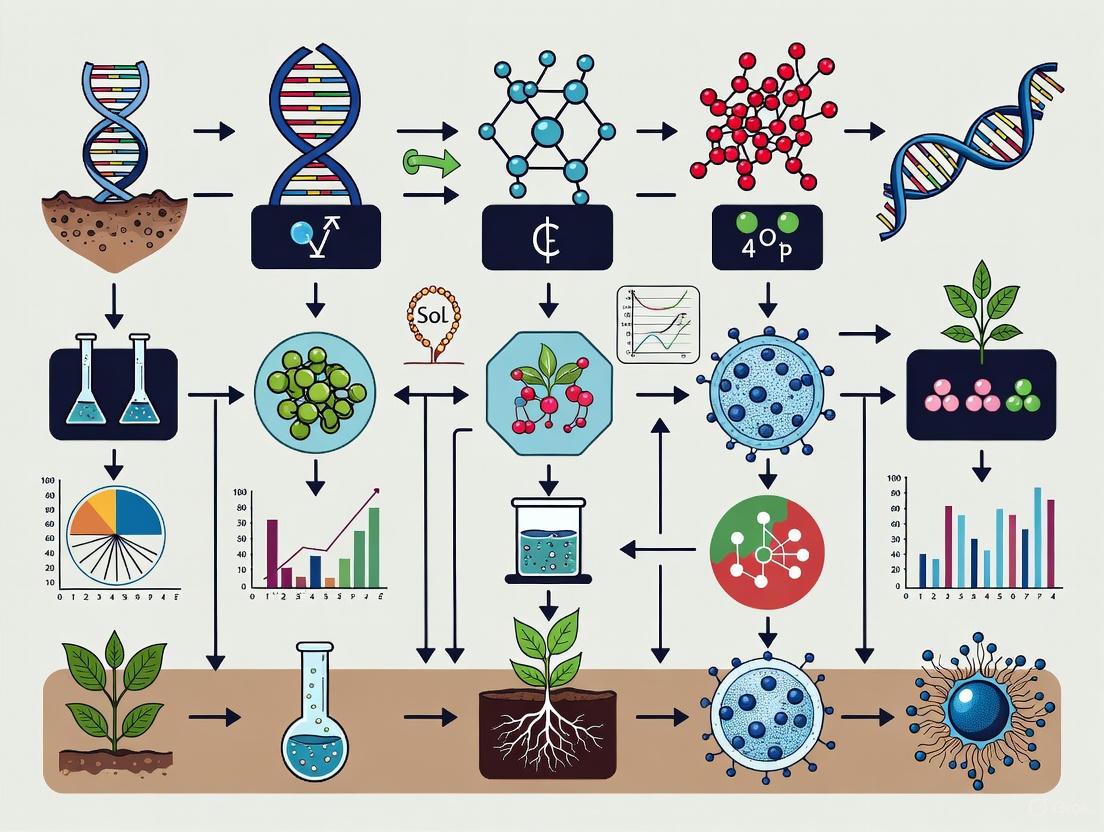
This article synthesizes current research on the critical link between agricultural soil management and the nutritional quality of food crops, with a specific focus on implications for biomedical and clinical...
From the Ground Up: Optimizing Soil Health for Nutrient-Dense Crops and Biomedical Potential
Abstract
This article synthesizes current research on the critical link between agricultural soil management and the nutritional quality of food crops, with a specific focus on implications for biomedical and clinical research. It explores the foundational science of how soil properties influence the density of essential vitamins, minerals, and bioactive phytochemicals. The content details practical soil health management systems, addresses challenges in implementation and optimization, and validates approaches through economic case studies and emerging scientific trends. Aimed at researchers, scientists, and drug development professionals, this review highlights the potential of soil management as a foundational strategy for enhancing the raw materials used in nutritional science and preventative health research.
The Soil-Food-Health Nexus: How Soil Biology and Chemistry Dictate Crop Nutrient Density
Soil health, defined as the continued capacity of soil to function as a vital living system that sustains biological productivity and supports plant health, is increasingly recognized as a fundamental factor influencing the nutritional quality of crops [1] [2]. Within the broader thesis of soil health management for enhanced crop nutrition, this review examines the mechanistic links between soil properties, nutrient bioavailability, and plant biosynthetic pathways. A growing body of evidence suggests that farming practices which rebuild soil organic matter and enhance soil biological activity can significantly increase the density of vitamins, minerals, and beneficial phytochemicals in crops [2]. This relationship extends beyond conventional nutrient management to encompass the complex interactions between soil physical structure, microbial communities, and root system functionality that collectively govern a plant's access to resources and its subsequent metabolic investments in defense-related compounds. By integrating insights from recent field studies and mechanistic research, this technical guide provides a comprehensive framework for researchers and drug development professionals seeking to understand and leverage the soil-plant nexus for enhanced crop nutritional quality.
Key Soil Health Parameters and Their Plant Physiological Impacts
The relationship between soil health and plant nutrient uptake operates through interconnected physical, chemical, and biological pathways. Understanding these parameters provides the foundation for targeted soil management strategies to enhance crop nutritional quality.
Table 1: Essential Soil Health Parameters and Their Mechanisms of Influence on Plant Nutrition
| Parameter | Measurement Methods | Direct Physiological Impact on Plants | Influence on Nutrient Biosynthesis |
|---|---|---|---|
| Soil Organic Matter | Loss on ignition; Wet combustion [2] | Increases cation exchange capacity, water retention; enhances root development | Provides carbon skeletons for secondary metabolite production |
| Microbial Activity & Diversity | Haney test (CO₂ respiration, water-extractable organic C/N) [2]; Molecular diagnostics [1] | Enhances mineralization of organically-bound nutrients; produces plant growth promoters | Induces defense-related phytochemical synthesis through microbial signaling |
| Soil Structure & Aggregate Stability | Wet-sieving; Visual evaluation of soil structure [3] | Improves soil aeration and root penetration; reduces soil strength impedance | Affects carbon allocation patterns between root exudates and shoot metabolites |
| Cation Exchange Capacity (CEC) | Ammonium acetate extraction; ICP-OES [4] | Determines nutrient retention and buffering capacity; reduces leaching losses | Influences mineral micronutrient availability for enzyme cofactors in biosynthesis pathways |
The integration of these parameters creates a soil health continuum that directly influences plant physiological processes. Research across paired farming systems has demonstrated that soils with enhanced health profiles—characterized by 3-12% soil organic matter (versus 2-5% in conventional soils) and Haney soil health scores of 11-30 (versus 3-14 in conventional soils)—consistently produce crops with significantly higher levels of certain vitamins, minerals, and phytochemicals [2]. The underlying mechanisms involve both improved nutrient availability and plant physiological responses to soil biological communities, particularly the complex signaling between roots and soil microbiota that triggers production of defense-related compounds with human health benefits [1] [2].
Experimental Evidence: Quantitative Assessments of the Soil Health-Nutrient Density Link
Recent field studies provide compelling quantitative evidence for the connection between soil management practices, soil health indicators, and enhanced nutrient density in crops.
Paired Farm System Comparisons
A systematic comparison of regenerative and conventional farming practices across eight paired farms in the United States revealed significant differences in both soil health metrics and crop nutritional profiles [2]. Regenerative practices, which combined no-till, cover crops, and diverse rotations, resulted in substantially improved soil health scores and crop nutrient density.
Table 2: Soil Health and Crop Nutrient Density in Paired Farming Systems [2]
| Farm Pair Location | Soil Organic Matter (%) | Haney Soil Health Score | Crop Analyzed | Key Nutritional Differences (Regenerative vs Conventional) |
|---|---|---|---|---|
| North Carolina | 6.2 vs 3.1 | 24 vs 11 | Corn | Higher vitamin E, K, and B vitamins; Increased magnesium, calcium |
| Iowa | 5.8 vs 3.4 | 18 vs 7 | Soybeans | Elevated total phenols and phytosterols; Higher manganese, zinc |
| Kansas | 6.9 vs 4.2 | 22 vs 9 | Sorghum | Enhanced carotenoid content; Improved phosphorus, iron levels |
| Montana | 5.5 vs 2.8 | 17 vs 6 | Peas | Increased vitamin C; Higher copper, potassium bioavailability |
| California | 6.1 vs 3.3 | 19 vs 8 | Cabbage | Superior phytochemical profile; Enhanced mineral micronutrients |
Biochar and Compost Amendment Studies
Field trials conducted at two urban farms in Sacramento, California, demonstrated the efficacy of specific soil amendments in enhancing both soil health parameters and crop nutrient content [4]. The study employed a randomized complete block design with four treatments (control, compost, biochar, and compost-biochar mix) to evaluate effects on soil properties and corn kernel nutrient composition.
Table 3: Soil Amendments and Crop Nutrient Enhancement in Sacramento Urban Agriculture Trial [4]
| Treatment | Application Rate | Key Soil Health Improvements | Corn Kernel Nutrient Enhancements |
|---|---|---|---|
| Control | No amendment | Baseline properties | Reference nutrient levels |
| Compost | 25 t ha⁻¹ (10 Mg C ha⁻¹) | Increased microbial activity; Moderate SOM improvement | Moderate increases in nitrogen-based compounds |
| Biochar | 12.5 t ha⁻¹ (10 Mg C ha⁻¹) | +22% water holding capacity; +18% CEC; +15% SOM | Significant increases in P, Mg, Ca, Fe (p<0.05) |
| Compost-Biochar Mix | 20 Mg C ha⁻¹ combined | Enhanced microbial metabolic activity; Improved community evenness; Optimal soil structure | Greatest increases in P, Mg, Ca, Fe; Enhanced phytochemical diversity |
The synergistic effect of combined compost and biochar amendments was particularly notable, creating a soil environment that supported both enhanced nutrient availability and improved plant nutrient uptake and utilization [4]. This suggests that integrated amendment strategies may offer the most promising approach for manipulating soil health to target specific nutritional outcomes in crops.
Methodological Toolkit: Experimental Protocols for Soil Health-Nutrient Uptake Research
Standardized Soil Health Assessment Protocol
Comprehensive soil health assessment requires an integrated approach that captures biological, chemical, and physical properties. The following protocol synthesizes methodologies from recent studies [4] [2]:
Soil Sampling: Collect composite topsoil samples (0-15 cm depth) from multiple locations within experimental plots using a standardized soil corer. Samples should be collected during consistent seasonal periods, preferably prior to planting and after harvest.
Biological Analysis:
- Microbial Respiration: Utilize the Haney test method [2] by incubating 40g of soil at 24°C for 24 hours and measuring CO₂ evolution via infrared gas analysis.
- Microbial Biomass: Determine water-extractable organic carbon (WEOC) and organic nitrogen (WEON) using C:N analysis of water extracts [2].
- Community Structure: Employ molecular methods (16S rRNA sequencing for bacteria, ITS for fungi) to characterize microbial diversity [1].
Chemical Analysis:
- Soil Organic Matter: Quantify via loss on ignition at 400°C for 16 hours [2].
- Cation Exchange Capacity: Measure using ammonium acetate extraction at pH 7.0 followed by elemental analysis via ICP-OES [4].
- Nutrient Availability: Extract plant-available nutrients (NO₃⁻-N, NH₄⁺-N, P, K) using appropriate extractants followed by spectrophotometric or ICP analysis [4].
Physical Analysis:
- Aggregate Stability: Assess via wet-sieving method to determine water-stable aggregates.
- Water Holding Capacity: Determine by saturating soil cores and measuring water retention at field capacity [4].
- Bulk Density: Calculate as the dry weight of soil per unit volume.
Crop Nutrient Analysis Protocol
Standardized protocols for crop nutrient analysis are essential for generating comparable data across studies [2]:
Sample Collection: Harvest crop tissues at consistent physiological stages from multiple plants within treatment plots. Immediately freeze in liquid nitrogen to preserve labile compounds.
Sample Preparation: Lyophilize tissues and grind to a fine powder in a stainless steel blender under liquid nitrogen to prevent nutrient degradation.
Nutritional Analysis:
- Mineral Elements: Digest samples in nitric acid via microwave digestion and analyze by ICP-OES [2].
- Vitamins: Utilize HPLC with amperometric detection for vitamins E and C; mass spectrometry for vitamins K and B complexes [2].
- Phytochemicals: Quantify total phenolics and carotenoids via UV-Vis spectrophotometry using established protocols [2].
- Fatty Acids: For oilseed or animal products, analyze fatty acid profiles via gas chromatography.
Research Reagent Solutions for Soil Health-Nutrient Uptake Studies
Table 4: Essential Research Reagents and Materials for Soil Health-Nutrient Uptake Studies
| Reagent/Material | Specific Application | Function in Experimental Protocol |
|---|---|---|
| Liquid Nitrogen | Plant tissue preservation | Rapid freezing to preserve labile nutrients and prevent enzymatic degradation during sample processing |
| Haney Test Reagents (H3A extractant) | Soil health assessment | Simulates root exudates to extract plant-available organic carbon and nitrogen fractions |
| Ammonium Acetate (1N, pH 7.0) | Cation Exchange Capacity (CEC) | Replacement of exchangeable cations for quantification of soil nutrient retention capacity |
| ICP-OES Standards | Mineral nutrient analysis | Calibration and quantification of macro/micronutrients in soil extracts and plant digests |
| HPLC/MS Grade Solvents | Vitamin and phytochemical analysis | High-purity mobile phases for separation and detection of heat-labile compounds |
| DNA Extraction Kits (MoBio PowerSoil) | Microbial community analysis | Isolation of high-quality DNA from soil for sequencing-based characterization of microbiota |
| Enzyme Assay Kits (β-glucosidase, phosphatase) | Microbial functional analysis | Quantification of extracellular enzyme activities related to C, N, P cycling |
Mechanistic Framework: Soil-Plant-Microbe Signaling Pathways
The relationship between soil health and plant nutrient biosynthesis is governed by interconnected signaling pathways that coordinate plant responses to soil conditions. The following diagram illustrates key mechanistic pathways through which soil health parameters influence nutrient uptake and biosynthesis.
The mechanistic framework illustrates how soil health components trigger a cascade of physiological responses in plants. Enhanced soil organic matter and improved soil structure influence root exudation patterns, which in turn shape microbial community composition and activity [1]. These microbial communities produce signaling molecules that activate plant defense responses, resulting in increased production of defense-related phytochemicals [2]. Simultaneously, improved nutrient mineralization and availability upregulate nutrient transporter activity, enhancing mineral uptake that serves as cofactors for enzymatic processes in vitamin and phytochemical biosynthesis pathways [4] [2]. The integrated outcome is a crop with enhanced nutritional density across multiple compound classes.
The direct link between soil health and plant nutrient uptake/biosynthesis represents a critical frontier in sustainable agriculture and nutritional science. Evidence from paired farming systems and amendment trials demonstrates that management practices enhancing soil organic matter, microbial activity, and soil physical structure consistently produce crops with elevated levels of minerals, vitamins, and phytochemicals [4] [2]. The mechanistic basis for this relationship involves complex soil-plant-microbe signaling pathways that influence both nutrient availability and plant metabolic investments in defense-related compounds.
Future research should prioritize several key areas: (1) developing more sensitive and standardized soil health indicators that reliably predict crop nutritional outcomes [1]; (2) elucidating specific microbial taxa and consortia that enhance nutrient density [1]; (3) quantifying tradeoffs between yield and nutrient density across different soil management regimes [5]; and (4) expanding research to include a broader range of crop species and agroecological contexts. For drug development professionals, these findings highlight the potential to strategically manage soil health to optimize crops for specific nutraceutical compounds, creating novel opportunities to enhance human health through agricultural management.
Soil degradation represents a pervasive and often overlooked threat to global food security and human health. Current estimates indicate that nearly 1.7 billion people reside in areas where land degradation is directly compromising crop yields and threatening food security [6]. This degradation is not merely a reduction in quantity but also in quality—a phenomenon known as nutrient dilution, where the nutritional value of crops is declining even as yields may be maintained through agricultural intensification. The crisis is extensive, with approximately one-third of the Earth's soil already at least moderately degraded, and over half of all agricultural land experiencing some form of degradation [7]. This silent emergency undermines the foundation of our food systems, as an astonishing 99 percent of the world's daily calorie intake can be traced back to soil [7].
The degradation process encompasses physical, chemical, and biological deterioration of soil resources. Chemically, essential plant nutrients are being depleted at alarming rates. Research indicates that global agricultural soils have experienced a 42 percent decrease in nitrogen, a 27 percent decrease in phosphorus, and a 33 percent decrease in sulfur [7]. These declines directly impact the nutritional quality of food crops, with studies documenting reductions in essential minerals and vitamins in fruits, vegetables, and grains over the past several decades [7]. This paper examines the interconnected mechanisms driving soil degradation and nutrient dilution, presents methodologies for assessment and remediation, and proposes an integrated framework for soil health management to enhance the nutritional quality of crops within broader research on sustainable food systems.
Mechanisms Linking Soil Health to Crop Nutritional Quality
Biochemical Pathways from Soil to Human Nutrition
The connection between soil health and crop nutritional quality operates through multiple biochemical pathways that influence nutrient uptake, assimilation, and transformation within plants. Soil serves as the primary reservoir for essential elements that plants absorb through their root systems, mediated by complex interactions with soil microorganisms. The rhizosphere—the zone of concentrated microbial activity surrounding plant roots—represents the most active interface for nutrient exchange between soil and plants [8]. In this critical zone, plants exude organic compounds to attract and feed microbes that, in turn, facilitate the solubilization and uptake of essential nutrients [9] [8].
The nutritional quality of crops is particularly dependent on the availability of both macronutrients and micronutrients in soil. Nitrogen availability directly influences protein synthesis in plants, while phosphorus is essential for energy transfer and genetic material. Sulfur plays a critical role in the synthesis of sulfur-containing amino acids (cysteine and methionine) and glucosinolates—sulfur-containing compounds in cruciferous vegetables that break down into molecules with anti-carcinogenic, antioxidant, and anti-inflammatory properties [10]. The depletion of these essential nutrients from agricultural soils directly compromises the synthesis of these health-promoting compounds in crops.
Climate change introduces additional complexity to these relationships, as rising temperatures and shifting precipitation patterns disrupt essential soil processes. For each 1°C increase in temperature, pest incidence is estimated to increase by 10-25% while major crop yields may decline by up to 7.4% [3]. These climate-induced stresses further compromise plant metabolic processes that determine nutritional quality, creating a feedback loop that exacerbates nutrient dilution in food crops.
Table 1: Documented Declines in Crop Nutrient Content (1950-1999)
| Nutrient | Average Reduction | Crop Examples | Primary Soil Driver |
|---|---|---|---|
| Calcium | 16% | Fruits, Vegetables | Reduced soil organic matter, acidification |
| Phosphorus | 27% | Grains, Legumes | Depletion of soil phosphorus reserves |
| Iron | 15% | Leafy Greens, Legumes | Impaired microbial iron cycling |
| Riboflavin | 38% | Cereals, Vegetables | Reduced microbial activity in rhizosphere |
| Vitamin C | 6% | Fruits, Vegetables | Oxidative stress from environmental pressures |
| Protein | 30-50% (in corn, 1920-2001) | Cereals | Nitrogen depletion and imbalance with carbon |
Impact of Agricultural Management Practices
Modern agricultural practices have dramatically accelerated the process of nutrient depletion through several interconnected mechanisms. Monoculture cropping systems deplete specific soil nutrients through continuous extraction of the same nutrient profiles, while reducing the biodiversity of soil microorganisms that support nutrient cycling [7]. The problem is self-reinforcing—as soils become degraded, they require increasing inputs of synthetic fertilizers to maintain yields, but these inputs often further disrupt soil biological communities and nutrient balance.
Synthetic fertilizers present a particular challenge to soil health and crop nutritional quality. While initially boosting plant growth, their intensive application can disrupt the delicate symbiotic relationships between plants and soil microbes [7]. Approximately 50% or more of applied nitrogen fertilizers leach into the environment rather than being taken up by crops, causing widespread pollution while simultaneously destroying vital soil microbes that mediate nutrient uptake [7]. This inefficient nutrient utilization creates a vicious cycle where plants become increasingly dependent on synthetic inputs while their capacity to naturally acquire nutrients from soil organic matter declines.
Tillage-based farming practices, used on 93% of the world's cropland, exacerbate these problems by reducing microbial populations, promoting soil erosion, and releasing greenhouse gases [7]. Tillage disrupts soil aggregate structures that protect organic matter and creates a hostile environment for the fungal networks that transport micronutrients to plant roots. The combined impact of these intensive practices is the simplification of soil ecosystems, reducing their functional capacity to support the complex biochemical processes that yield nutritionally complete crops.
Quantitative Assessment of Soil Degradation and Nutrient Depletion
Global Patterns in Soil Nutrient Status
The capacity of soils to support nutritious crop production varies dramatically across global agricultural systems, influenced by inherent soil characteristics, climate conditions, and management histories. Certain soil types are particularly crucial for global food production. Mollisols, characterized by rich accumulations of organic matter, are among the most intensively farmed soils globally, particularly in the Americas, Europe, and Asia, where they cover approximately 17% of the global land surface [11]. Similarly, Alfisols and Inceptisols, which cover approximately 15% of global land area, support intensive agriculture due to their favorable nutrient availability and physical structure [11].
Research reveals troubling patterns in how soil resources are allocated within the global food system. Soils richest in nitrogen and organic matter—which support the highest crop yields—are predominantly dedicated to producing livestock feed or biofuels rather than direct human nutrition [11]. For example, in the United States, less than 10% of calorie production from cropland is used for direct human consumption, with the majority being diverted to animal feed and industrial uses [11]. This represents a significant inefficiency in the nutrient utilization pathway from soil to human nutrition.
International trade further complicates these patterns, resulting in massive transfers of embedded soil nutrients across continents. Model estimates suggest that the movement of nitrogen, phosphorus, and potassium in agricultural products reached 8.8 teragrams (Tg) between 1997 and 2020, with this transfer doubling over that period [11]. This nutrient redistribution often moves resources from regions of production to consumption centers where nutrients accumulate in waste streams rather than being returned to agricultural soils, creating a one-way flow that depletes soils in production regions.
Table 2: Soil Health Indicators and Methodologies for Assessing Nutrient Availability
| Indicator | Methodology | Interpretation | Relationship to Crop Nutrition |
|---|---|---|---|
| Soil Organic Matter (SOM) | Loss-on-ignition (660-750°F for 2 hours) | Percentage of organic material in soil; >3.5% generally favorable | Primary reservoir of nutrients; correlates with nutrient retention |
| Soil Organic Carbon (SOC) | Dry combustion elemental analyzer (>1800°F) | 50% of SOM; energy source for soil microbes | Directly influences synthesis of plant compounds |
| Potentially Mineralizable Nitrogen (PMN) | Anaerobic incubation (104°F for 7 days) | Measure of N available from organic matter via microbial activity | Predicts seasonal nitrogen availability for protein synthesis |
| Permanganate Oxidizable Carbon (POXC) | Colorimetric reaction with potassium permanganate | Reactive fraction of SOC related to decomposition activity | Indicator of active carbon available for microbial nutrient cycling |
| Autoclaved Citrate Extractable (ACE) Protein | Extraction with citrate under high temperature/pressure | Mineralizable pool of organic soil nitrogen | Primary available N source for plant uptake and assimilation |
| Aggregate Stability | Wet-sieving methods | Resistance of soil aggregates to disintegration | Protects soil organic matter and creates habitat for microbes |
Methodologies for Assessing Soil Health and Nutrient Availability
A multifunctional indicator framework for soil health assessment moves beyond single metrics to evaluate the delivery of multiple ecosystem services simultaneously [12]. This approach enables researchers to identify trade-offs between different services—such as between immediate crop productivity and long-term nutrient cycling capacity—and to contextualize soil health within specific soil types and land uses. Advanced statistical approaches, including Bayesian Belief Networks, can integrate diverse data sources to create a comprehensive picture of soil functional capacity [12].
Laboratory assessment of soil health has evolved to include a suite of physical, chemical, and biological indicators that collectively reflect the soil's capacity to support nutritious crop production. The Potentially Mineralizable Carbon (MinC) test, also known as carbon respiration or the CO₂ burst test, measures microbial abundance and activity by quantifying the conversion of soil organic carbon to CO₂ under controlled laboratory conditions [13]. This indicator reflects the "biological engine" of the soil that drives nutrient cycling and availability. Similarly, the Potentially Mineralizable Nitrogen (PMN) test measures the portion of soil organic nitrogen that can be converted to plant-available forms, providing insight into a soil's capacity to supply nitrogen throughout the growing season [13].
These assessment methodologies provide the scientific foundation for developing targeted management strategies to address specific limitations in soil nutrient availability. By identifying constraints at the physical, chemical, and biological levels, researchers and land managers can implement precision interventions to enhance both crop productivity and nutritional quality.
Experimental Approaches and Research Methodologies
Soil Health Management Interventions
Research into soil health management has identified several core principles that support both agricultural productivity and crop nutritional quality. The USDA Natural Resources Conservation Service outlines four key principles for effective soil health management: (1) Maximize presence of living roots, (2) Minimize disturbance, (3) Maximize soil cover, and (4) Maximize biodiversity [8]. These principles work synergistically to create conditions that support robust nutrient cycling and reduce losses from the system.
Living roots maintain the rhizosphere—an area of concentrated microbial activity where peak nutrient and water cycling occurs [8]. By extending the duration of living root coverage through cover crops or extended rotations, farmers can provide a continuous food source for soil microbes that facilitate nutrient acquisition. Minimizing disturbance, particularly through reduced tillage or no-till practices, protects soil organic matter and the habitat for soil organisms, while also reducing erosion that preferentially removes nutrient-rich soil particles [8]. One study found that soils managed with no-till for several years contained more organic matter and moisture for plant use, supporting better nutrient cycling and root growth [8].
Maximizing soil cover through cover crops, crop residues, or living mulches protects soil from erosive forces, moderates soil temperature, and reduces moisture loss, creating more favorable conditions for nutrient uptake. Diverse cropping systems and cover crop mixtures enhance biodiversity both above and below ground, creating complementary root architectures and microbial communities that more efficiently capture and cycle nutrients [8]. Research demonstrates that biodiversity is ultimately the key to success in any agricultural system, as a diverse and fully functioning soil food web provides for nutrient, energy, and water cycling that allows soil to express its full productive and nutritional potential [8].
Diagram 1: Soil Management to Nutritional Quality Pathway
Soil Amendment and Remediation Strategies
Research on specific soil amendments demonstrates their potential for addressing nutrient deficiencies and enhancing crop nutritional quality. Studies conducted at Kentucky State University examined the effects of biochar and organic manure on soil health and heavy metal remediation [10]. While biochar applications showed benefits for soil properties, researchers noted that it could also inhibit important soil enzymes, indicating that its application requires careful management to avoid unintended consequences on soil biological activity [10].
Phytoremediation approaches using specific plant species offer promise for addressing soil contamination while potentially producing nutrient-dense crops. Research demonstrates that potato plants can effectively remove heavy metals from contaminated soils, though this highlights the importance of differentiating between crops grown for consumption versus those used specifically for environmental cleanup [10]. This distinction is critical for ensuring food safety while utilizing agricultural systems for soil restoration.
The integration of organic amendments with mineral fertilizers represents a balanced approach to addressing nutrient depletion while building long-term soil health. Research indicates that practices such as co-composting biochar with organic manure can help mitigate heavy metal contamination while improving soil fertility [10]. These integrated approaches support both immediate crop nutrient needs and the long-term capacity of soils to supply nutrients through biological processes.
Table 3: Research Reagent Solutions for Soil Health and Crop Nutrition Analysis
| Reagent/Equipment | Analytical Function | Application in Soil-Crop Research |
|---|---|---|
| Potassium Permanganate | Oxidizes labile carbon fractions | Quantification of Permanganate Oxidizable Carbon (POXC) as indicator of active soil carbon |
| Citrate Solution with Autoclaving | Extracts protein-like substances from soil | Measurement of ACE protein as mineralizable nitrogen pool |
| Elemental Analyzer | High-temperature combustion for carbon/nitrogen | Determination of total Soil Organic Carbon (SOC) and Total Nitrogen (TN) |
| Anaerobic Incubation Chamber | Maintains specific temperature/moisture conditions | Measurement of Potentially Mineralizable Nitrogen (PMN) under standardized conditions |
| CO₂ Respiration System | Sealed containers with gas measurement | Quantification of Mineralizable Carbon (MinC) as indicator of microbial activity |
| Wet-Sieving Apparatus | Separates soil aggregates by size class | Assessment of aggregate stability as indicator of soil physical structure |
| Potassium Bromide | Reference standard for spectral analysis | Calibration of instruments for precise nutrient quantification |
Field Study Protocols for Assessing Management Impacts
Well-designed field studies are essential for quantifying the impact of soil management practices on both soil health parameters and crop nutritional quality. A robust experimental approach should include standard protocols for assessing treatment effects across multiple growing seasons to account for temporal variability in soil processes and weather conditions.
Soil sampling protocols should collect composite samples from consistent depth increments (typically 0-15 cm for routine assessment, and 0-30 cm or deeper for carbon stock quantification) [13]. Sampling timing should be consistent relative to crop growth stages and management events, with preferred timing being before planting or after harvest to assess baseline conditions. For assessment of potentially mineralizable nitrogen, the anaerobic incubation method involves immersing soil samples in water and maintaining them at 104°F for seven days, then measuring the accumulation of ammonium [13]. This protocol provides a standardized approach for comparing nitrogen mineralization capacity across different management treatments.
For evaluation of crop nutritional quality, plant tissue sampling should target specific growth stages and plant parts relevant to human consumption. Analysis of mineral nutrients in plant tissues typically involves dry ashing or acid digestion followed by quantification using ICP-OES or similar instrumentation. Measurement of specific phytochemicals, such as the glucosinolates in cruciferous vegetables, requires specialized extraction and chromatographic techniques to quantify these health-promoting compounds [10].
Long-term monitoring is particularly valuable for detecting changes in soil health parameters that may evolve slowly over time. Studies examining the economic and environmental impacts of soil health practices have documented outcomes over periods of 5-15 years, revealing that benefits often increase with the duration of practice implementation [14]. This longitudinal approach provides critical insights into the trajectory of soil health improvement and its relationship to crop nutritional quality.
Economic and Environmental Outcomes of Soil Health Management
Economic Viability of Soil Health Practices
Case studies examining the economic impacts of soil health practices demonstrate their potential to improve farm profitability while enhancing environmental outcomes. An analysis of 26 soil health case studies, including 23 row crop farmers and 3 almond growers, found that the majority of producers achieved both yield increases and improved net income through adopting soil health management systems [14]. Among row crop producers, 20 of 23 farmers attributed yield increases to soil health practices, valued at $16 to $356 per acre based on national average crop prices [14]. The economic benefits were even more pronounced for almond growers, who saw yield increases valued at $519 to $1,156 per acre [14].
Return on investment (ROI) calculations provide further evidence of the economic efficiency of soil health investments. Among row crop farmers with positive net returns, ROI ranged from 7% to 345%, while almond growers achieved remarkable returns between 198% and 553% [14]. These figures demonstrate that well-managed soil health systems can deliver both ecological and economic benefits, addressing a critical barrier to adoption of more sustainable agricultural practices.
The specific economic benefits varied based on the practices implemented and local conditions. Farmers who adopted no-till or reduced tillage systems typically realized savings of $17 to $92 per acre in machinery, fuel, and labor costs by reducing field passes [14]. Those implementing precision nutrient management often reduced fertilizer expenses by $5 to $84 per acre through more efficient application [14]. These economic advantages, combined with potential premium prices for nutritionally enhanced crops, create compelling business cases for investment in soil health.
Diagram 2: Economic and Environmental Dimensions of Soil Health
Research Gaps and Future Directions
Despite growing evidence of the connections between soil health and crop nutritional quality, significant research gaps remain. A critical need exists for long-term, multidisciplinary studies that simultaneously track changes in soil health indicators, crop nutrient density, and economic outcomes across diverse production systems and agroecological regions [3] [9]. Such studies would provide stronger evidence for causal relationships and enable the development of predictive models for how specific management interventions influence nutritional outcomes.
Research on the mechanisms linking soil microbial communities to plant nutrient uptake and assimilation represents another priority area. While it is established that diverse cropping systems enhance soil ecology and microbial diversity [9], the specific microbial functions that influence the synthesis of health-promoting compounds in crops require further elucidation. Advanced techniques in metagenomics and metabolomics offer promising approaches for unraveling these complex relationships and identifying key microbial taxa and processes that can be targeted for management.
From a methodological perspective, development of rapid, cost-effective indicators of crop nutritional quality would facilitate more extensive monitoring and research. Current methods for analyzing phytochemical composition are often expensive and technically demanding, limiting their widespread application in field research and commercial agriculture. Innovation in sensing technologies, including spectral reflectance and hyperspectral imaging, may enable non-destructive assessment of nutritional parameters at field scales.
Finally, research is needed to better understand the socioeconomic and policy dimensions of transitioning to soil health-focused production systems. While technical solutions exist, their adoption faces barriers related to knowledge, economics, and policy incentives. Studies examining effective approaches for overcoming these barriers, particularly for small-scale farmers who produce over 50% of the world's food [11], are essential for scaling soil health practices globally.
The interconnected crises of soil degradation and nutrient dilution in global food systems demand urgent attention from researchers, policymakers, and agricultural practitioners. The evidence presented demonstrates that conventional agricultural approaches have inadvertently compromised the foundational resource that supports human nutrition—healthy soil. The decline in essential nutrients in food crops coincides with widespread degradation of agricultural soils, suggesting an intrinsic connection between soil health and the nutritional quality of the food it produces.
Addressing this challenge requires a fundamental shift toward holistic soil health management that integrates advanced agronomic practices, innovative technologies, and supportive policy frameworks [3]. The principles of maximizing living roots, minimizing disturbance, maintaining soil cover, and enhancing biodiversity provide a robust foundation for rebuilding soil health and restoring the nutrient density of food crops [8]. Emerging evidence suggests that such approaches can deliver both economic benefits for producers and environmental benefits for society, while simultaneously addressing the hidden crisis of nutrient dilution in our food supply.
For researchers, this field presents compelling opportunities to investigate the complex interactions between soil management, crop physiology, and human nutrition. Interdisciplinary collaborations spanning soil science, plant physiology, microbiology, nutrition, and economics will be essential for developing comprehensive solutions. By placing soil health at the center of agricultural research and innovation, we can work toward food systems that simultaneously deliver productivity, sustainability, and enhanced nutritional quality to meet the needs of a growing global population.
The pursuit of enhanced nutritional quality in crops has traditionally focused on managing primary macronutrients (NPK). However, contemporary research reveals that soil organic matter (SOM) and the soil microbial community are fundamental drivers in the production of plant bioactive compounds, presenting a new frontier for managing crop nutritional quality [15]. Soil organic matter serves as both a reservoir of nutrients and a substrate for the complex soil food web, creating a dynamic biological interface that influences the phytochemical composition of plants [16] [8]. This relationship between soil biology and plant chemistry opens transformative opportunities for agriculture aimed at producing crops with enhanced nutraceutical properties and for the discovery of novel bioactive compounds for pharmaceutical development [17] [18].
The formation and persistence of SOM are now recognized as being fundamentally shaped by microbial activity [19]. Microorganisms, through their metabolic processes and cellular residues, contribute directly to various SOM functional pools, including particulate organic matter (POM) and mineral-associated organic matter (MAOM) [19]. This microbial transformation of organic inputs creates a foundation for soil health that supports plant physiological processes essential for the synthesis of valuable secondary metabolites, including phenolics, alkaloids, and flavonoids with demonstrated human health benefits [17] [20] [21].
Soil Organic Matter: Foundation for Bioactive Compound Production
Composition and Functions of Soil Organic Matter
Soil organic matter is a complex mixture consisting of approximately 5% living organisms, 10% crop residues, 33-50% decomposing organic matter (the active fraction), and 33-50% stable organic matter (humus) [16]. This composition highlights SOM as a dynamic, living system rather than an inert material. The active fraction of organic matter readily changes mass and form as it decomposes, making it unstable in the soil but highly responsive to management practices such as tillage, cover crops, and crop rotations [16]. This rapid turnover contributes significantly to nutrient release for crops. In contrast, humus represents organic material converted by microorganisms to a resistant state of decomposition, acting as a long-term reservoir for nutrients, increasing water holding capacity, improving soil structure, and providing energy for soil organisms [16].
The well-documented benefits of organic matter can be summarized into five key functional areas [16]:
- Biological Function: Enhances microbial diversity and activity, with microorganisms excreting compounds that act as binding agents for soil particles, increasing aggregate stability, water infiltration, and water holding capacity.
- Nutrient Supply: Provides a valuable nutrient source through mineralization and contributes cation exchange capacity (CEC) for retaining positively charged ions like calcium, potassium, and magnesium.
- Soil Structure: Binds soil particles into stable aggregates, improving water infiltration and reducing surface crusting.
- Water Holding Capacity: Absorbs and holds up to 90% of its weight in water, releasing most absorbed water to plants.
- Erosion Control: Increases aggregate stability and water infiltration, reducing erosion potential by 20-33% when SOM increases from 1% to 3%.
Quantitative Benefits of Soil Organic Matter for Crop Nutrition
The relationship between SOM and crop nutritional quality is not merely theoretical but demonstrates quantifiable impacts. Research has established significant correlations between SOM fractions and the nutrient composition of food crops, with particular relevance for addressing hidden hunger through agricultural management [15].
Table 1: Quantitative Benefits of Soil Organic Matter on Crop Productivity and Nutritional Quality
| Soil Organic Matter Parameter | Impact on Crop | Quantitative Benefit | Human Health Relevance |
|---|---|---|---|
| Overall SOM Increase | Yield potential | Maximum yields achieved at ~3.75% SOM [16] | Foundation for food security |
| Organic Matter Nitrogen | Wheat yield & protein content | Positive relationship with yield and protein [15] | Addressing protein deficiency |
| Organic Matter Carbon | Wheat zinc content | 1% increase → Zinc for 0.2 additional persons/ha [15] | Combating micronutrient deficiency |
| Water Holding Capacity | Drought resilience | 1% SOM increase → 0.2-0.3 inch increase in available water [16] | Stabilizing yields under stress |
The nutritional impact extends beyond basic yields. Research in smallholder agricultural systems demonstrated that increasing organic matter carbon by 1% was associated with an increase in zinc content equivalent to the needs of 0.2 additional people per hectare, while increasing organic matter nitrogen by 1% was associated with an increase in protein equivalent to the daily needs of 0.1 additional people per hectare [15]. These findings position SOM management as a viable strategy for enhancing the nutritional density of food crops.
Microbial Pathways to Bioactive Compound Production
The Soil Food Web as a Metabolic Engine
Soil is "teaming with billions of bacteria, fungi, and other microbes that are the foundation of an elegant symbiotic ecosystem" [8]. This soil food web constitutes a metabolic engine that drives the cycling of carbon and nutrients, subsequently influencing plant metabolism and the synthesis of bioactive compounds. The rhizosphere—the zone of soil directly influenced by plant roots—represents the most active part of the soil ecosystem, where peak nutrient and water cycling occurs [8]. Plants exude compounds through their roots to attract and feed specific microbes that, in turn, provide nutrients and other bioactive compounds to the plant [8].
This relationship creates a sophisticated trading system where plants invest photosynthetic carbon to cultivate microbial communities that enhance their access to nutrients and water, while also influencing their secondary metabolite production. Microbial activity thus becomes a key determinant of the phytochemical profile of medicinal plants and food crops with nutraceutical value [17].
Fungal Traits and Soil Organic Matter Formation
Different microbial species possess distinct traits that influence their capacity to form various SOM functional pools. Research has identified that "multifunctional" fungal species with intermediate investment across key traits—including carbon use efficiency, growth rate, turnover rate, and biomass protein and phenol contents—promote SOM formation, functional complexity, and stability [19]. This challenges earlier categorical frameworks that described simple binary trade-offs between microbial traits, instead emphasizing the importance of synergies among microbial traits for the formation of functionally complex SOM.
Table 2: Key Fungal Traits Influencing Soil Organic Matter Formation and Stability
| Trait Category | Specific Traits | Relationship to SOM Pools |
|---|---|---|
| Physiological Traits | Carbon Use Efficiency (CUE), Growth Rate, Turnover Rate | Primary drivers of microbial residue inputs to soils; strongest predictors of total soil C [19] |
| Biochemical Traits | Biomass Protein Content, Phenol Content, Melanin Content | Influence organo-mineral interactions and stabilization in MAOM pool [19] |
| Morphological Traits | Hyphal Length, Hyphal Surface Area per Soil Volume | Affect physical protection of SOM and degree of microbe-mineral interactions [19] |
| Trait Integration | Trait Multifunctionality | Species with intermediate investment across multiple traits promote SOM functional complexity and stability [19] |
The relationship between microbial traits and SOM pool formation reveals that no single trait dictates SOM dynamics but rather synergistic combinations of traits determine outcomes. Physiological traits such as CUE act as initial filters on the pool of microbial residues available for incorporation into SOM, while biochemical and morphological traits regulate the subset of those residues that become stabilized in soils [19]. This sophisticated understanding enables more targeted management of soil microbial communities to enhance specific SOM functional pools.
From Soil to Medicine: The Pathway of Bioactive Compounds
Bioactive compounds derived from plants and microbial sources are required for the survival of the human race, with both serving as major sources of naturally occurring compounds for numerous biotechnological applications [17]. The soil environment directly influences the quality and potency of these compounds through multiple parameters, including heavy metal content, pH, organic matter composition, and the phytoremediation process [17].
Medicinal plants are abundant in secondary metabolites—including alkaloids, steroids, tannins, phenolic compounds, and flavonoids—that elicit specific physiological effects on the human body [21]. These phytochemicals, particularly in high concentrations, protect plants from free radical damage and hyperaccumulation, while also providing humans with compounds for treating harmful diseases [17]. Contemporary drug discovery continues to rely heavily on these natural product pathways, with genome mining and biosynthetic engineering opening new frontiers for discovering novel bioactive compounds from microbial sources [18].
Diagram 1: Relationship between soil health and human health. This pathway illustrates how soil health management influences soil organic matter and microbial communities, which subsequently affect plant physiology and the production of bioactive compounds with therapeutic benefits for human health.
Management Strategies for Enhancing Soil Health and Bioactive Compounds
The Four Principles of Soil Health Management
The USDA Natural Resources Conservation Service has established four core principles for effective Soil Health Management Systems that align directly with goals of enhancing bioactive compound production in plants [8]:
Maximize Presence of Living Roots: Living plants maintain a rhizosphere where peak nutrient and water cycling occurs. Growing long-season crops or cover crops following short-season crops provides consistent food for soil microbes, supporting the foundation species of the soil food web [8].
Minimize Disturbance: Tillage destroys soil organic matter and structure, damaging the habitat for soil organisms. Reduced tillage or no-till systems preserve organic matter, improve water infiltration, reduce erosion, and enhance nutrient cycling [8].
Maximize Soil Cover: Maintaining soil cover through cover crops, crop residues, and living mulches protects soil from wind and water erosion. Cover crops also contribute to restoring soil health by adding living roots and organic matter, improving water infiltration, and trapping excess nutrients [8].
Maximize Biodiversity: Increasing diversity through crop rotations, cover crop mixes, and integration of grazing animals helps prevent disease and pest problems. Diversity above ground improves diversity below ground, creating healthier soils and more resilient systems [8].
Practical Interventions for Increasing Soil Organic Matter
Building soil organic matter is a slow process that requires the addition of substantial plant biomass and protection from loss over time [16]. Several management practices specifically target SOM enhancement:
- Minimize tillage or adopt no-till: Slows the decomposition of soil organic residue and provides greater protection from erosion [16].
- Add crop residues: Include cover crops, organic amendments (e.g., residues, manure), or grow high biomass/yielding crop rotations. Crop residues protect the soil surface and add carbon back to the soil [16].
- Soil test and apply advanced crop nutrition: Identify and correct yield-limiting factors to encourage greater crop growth that can be returned to the soil. Adding essential nutrients can create more productive and sustainable cropping systems [16].
These practices collectively contribute to what is termed "ecological intensification"—an approach that leverages ecological processes to enhance agricultural productivity and sustainability, as opposed to relying solely on external inputs [15].
Experimental Approaches and Research Methodologies
Research Reagent Solutions for Soil Bioactivity Studies
Table 3: Essential Research Reagents and Methodologies for Studying Soil Microbes and Bioactive Compounds
| Research Tool Category | Specific Tools/Methods | Function/Application |
|---|---|---|
| Genomic Analysis Tools | AntiSMASH, DeepBGC, Genome Mining | Identify biosynthetic gene clusters (BGCs) in microbial genomes for novel bioactive compounds [18] |
| Metabolomics Platforms | LC-MS/MS, GNPS, Mass Spectrometry | Streamline dereplication and annotation of natural product libraries [18] |
| Soil Fractionation Methods | Particulate OM (POM), Mineral-Associated OM (MAOM) | Isolate and analyze different functional pools of soil organic matter [19] [15] |
| Microbial Cultivation | Axenic model soils, Selective media | Study individual microbial species' contributions to SOM formation and bioactivity [19] |
| Trait-Based Frameworks | Carbon Use Efficiency (CUE), Growth Rate, Biomass Chemistry | Link microbial identity and function to SOM formation and stabilization [19] |
Methodologies for Assessing Soil-Bioactive Relationships
Research on the relationship between soil properties and bioactive compound production employs sophisticated experimental designs:
Model Soil Incubations: Studies using individual species of fungi incubated in SOM-free model soils allow researchers to directly relate physiological, morphological, and biochemical traits of fungi to their SOM formation potentials [19]. This approach enables precise characterization of a suite of microbial traits including CUE, growth rate, turnover rate, extracellular enzyme production, biomass chemistry, melanin content, hyphal length, and surface area per soil volume [19].
Land-Use Gradient Studies: Research conducted along gradients of land use and land cover (e.g., distance from forests, different management intensities) helps identify how SOM fractions respond to environmental and management factors, and how these relate to crop nutrient composition [15]. These observational studies in working landscapes provide real-world validation of relationships discovered in controlled settings.
Phytochemical Analysis: Standardized methods for extracting and identifying plant secondary metabolites—including alkaloids, flavonoids, saponins, tannins, and glycosides—are essential for quantifying the production of bioactive compounds [17] [20]. These are complemented by bioassays testing antimicrobial activity through zone of inhibition measurements and minimum inhibitory concentration (MIC) determinations [17].
Diagram 2: Experimental workflow for soil-bioactivity research. This workflow outlines the key phases in researching relationships between soil properties, microbial communities, and plant bioactive compounds, from initial assessment through data integration to practical applications.
The investigation of soil ecosystems "beyond NPK" reveals a sophisticated interplay between soil organic matter, microbial communities, and the production of bioactive compounds in plants. Soil organic matter serves not merely as a nutrient source but as the foundational substrate for microbial communities whose traits directly influence both the quantity and functional complexity of SOM pools. The management of soil health through practices that maximize living roots, minimize disturbance, maintain soil cover, and enhance biodiversity creates conditions favorable for the production of bioactive compounds with significant human health applications.
This integrated understanding enables a more nuanced approach to agricultural management—one that recognizes the soil as a living system that can be strategically managed to enhance the nutritional and therapeutic quality of crops. For researchers and drug development professionals, these insights open new pathways for discovering novel bioactive compounds through better understanding of how soil management influences plant phytochemistry. The convergence of traditional agricultural knowledge with modern technologies in genomics, metabolomics, and bioinformatics creates unprecedented opportunities to harness the soil-plant system for improved human health outcomes while maintaining ecological sustainability.
The profound connection between soil health and human health represents a foundational principle in sustainable agriculture, yet its mechanistic underpinnings remain insufficiently explored in contemporary agricultural and biomedical research. Soil health is defined as the continued capacity of soil to function as a vital living ecosystem that sustains plants, animals, and humans [8]. This definition encompasses the soil's ability to regulate water, sustain plant and animal life, filter and buffer potential pollutants, cycle nutrients, and provide physical stability and support. Within this context, phytochemicals—bioactive non-nutrient compounds produced by plants—have emerged as critical mediators between agricultural practices and human health outcomes, particularly in cancer prevention [22]. The investigation of glucosinolates, a prominent class of sulfur-containing phytochemicals found predominantly in Brassica vegetables, provides a compelling model system for understanding how soil management practices can influence the production of cancer-preventive compounds in food crops [23] [24].
The concept that soil health directly influences the nutritional quality of food crops has evolved from philosophical assertion to scientific inquiry. Evidence suggests that farming systems utilizing soil health-building practices enhance not only soil organic matter and microbial activity but also the concentration of health-promoting phytochemicals in food crops [25]. This relationship is particularly relevant for glucosinolates, which require specific soil conditions and nutrient availability for optimal biosynthesis [23]. The emerging paradigm posits that deliberate soil management represents a powerful, yet underutilized, strategy for enhancing the chemopreventive potential of agricultural systems, creating a sustainable approach to cancer prevention through whole foods.
Glucosinolates: Chemistry, Biosynthesis, and Mechanisms of Cancer Prevention
Chemical Structure and Classification
Glucosinolates are a major class of sulfur- and nitrogen-containing secondary metabolites derived from amino acids and characterized by a core structure consisting of a β-D-thioglucose moiety, a sulfonated oxime group, and a variable side chain derived from different amino acid precursors [24]. These compounds are systematically classified based on their amino acid origin into three primary categories: aliphatic glucosinolates (derived from alanine, leucine, isoleucine, valine, or methionine), aromatic glucosinolates (derived from phenylalanine or tyrosine), and indolic glucosinolates (derived from tryptophan) [26]. In intact plant tissues, glucosinolates remain stable within cell vacuoles, separated from the enzyme myrosinase (thioglucoside glucohydrolase), which is compartmentalized in separate cells [24].
The chemopreventive properties of glucosinolates are not inherent to the intact compounds but are manifested through their enzymatic hydrolysis products, primarily isothiocyanates (ITCs), which are released when plant tissue is damaged through processing, chewing, or pathogen attack [26] [24]. The transformation occurs when myrosinase catalyzes the hydrolysis of the thioglucosidic bond in glucosinolates, resulting in unstable thiohydroximate-O-sulfonates that spontaneously rearrange to form ITCs, nitriles, or other products depending on physiological conditions [24]. These bioactive hydrolysis products, particularly ITCs, have demonstrated potent anticancer activities through multiple molecular mechanisms.
Anticancer Mechanisms of Glucosinolate Derivatives
Glucosinolate-derived ITCs exert chemopreventive effects through multiple complementary mechanisms that target various stages of carcinogenesis. The following table summarizes the primary molecular pathways through which these compounds demonstrate anticancer activity:
Table 1: Anticancer Mechanisms of Glucosinolate-Derived Isothiocyanates
| Mechanism | Molecular Targets | Biological Outcome | Representative Compounds |
|---|---|---|---|
| Carcinogen Detoxification | Induction of Phase II enzymes (e.g., GST, UGT, NQO1) via Nrf2/ARE pathway activation [26] [22] | Enhanced elimination of potential carcinogens | Sulforaphane, Erucin [24] |
| Cell Cycle Arrest | Modulation of cyclins, CDKs; p53 activation [27] | Inhibition of uncontrolled proliferation at G1/S or G2/M checkpoints | Iberin, Allyl-ITC [24] |
| Apoptosis Induction | Caspase activation; Bcl-2 family protein modulation; mitochondrial membrane disruption [27] [22] | Selective elimination of precancerous and cancerous cells | Phenethyl-ITC, Benzyl-ITC [24] |
| HDAC Inhibition | Inhibition of histone deacetylase activity [26] | Reactivation of silenced tumor suppressor genes | Sulforaphane [26] |
| Anti-inflammatory Effects | Suppression of NF-κB signaling; reduced COX-2 expression [22] | Decreased tumor-promoting inflammation | Indole-3-carbinol [24] |
| Antimicrobial Activity | Induction of stringent response in bacteria [24] | Modulation of gut microbiota; reduced inflammation | 3-Butenyl, 4-Pentenyl ITCs [24] |
The following diagram illustrates the primary molecular pathways through which glucosinolate hydrolysis products exert their cancer-preventive effects:
Soil Health Management Principles for Enhanced Phytochemical Production
Foundational Principles of Soil Health Management
The United States Department of Agriculture Natural Resources Conservation Service (USDA-NRCS) has established four core principles for effective soil health management that provide a framework for enhancing phytochemical production in agricultural systems [8]. These principles are designed to create conditions that support diverse soil biological communities, efficient nutrient cycling, and optimal plant health—all factors that influence secondary metabolite production in plants:
Maximize Presence of Living Roots: Maintaining living roots throughout the growing season sustains the rhizosphere—the zone of concentrated microbial activity surrounding plant roots. This region represents the most biologically active portion of the soil ecosystem, where root exudates attract and feed microbial communities that, in turn, enhance nutrient availability to plants [8]. These microbial associations can influence plant health and phytochemical production, including glucosinolate profiles [23].
Minimize Soil Disturbance: Reducing tillage intensity and frequency preserves soil organic matter, protects soil structure, and maintains habitat for beneficial soil organisms. Tillage disrupts fungal hyphal networks, destroys soil aggregates, and accelerates organic matter decomposition, ultimately reducing the soil's capacity to support diverse microbial communities that contribute to plant health and nutrient uptake [8].
Maximize Soil Cover: Maintaining protective residue cover or living plants on the soil surface year-round reduces erosion, conserves soil moisture, moderates soil temperature, and suppresses weeds. Soil cover also provides habitat for beneficial arthropods and microorganisms while reducing water evaporation and nutrient losses [8].
Maximize Biodiversity: Increasing the diversity of plants, animals, and microorganisms in agricultural systems enhances ecosystem resilience and function. Diverse crop rotations and cover crop mixtures support more complex soil food webs, which improve nutrient cycling efficiency, suppress soil-borne diseases, and reduce pest pressures [8]. This biodiversity supports plant health and influences secondary metabolite production.
Soil Factors Influencing Glucosinolate Content in Plants
Research using Boechera stricta (a wild perennial mustard) has demonstrated that soil variation among natural habitats can alter glucosinolate content by up to 2-fold, with physico-chemical soil properties rather than microbial communities being the primary determinant of this plasticity [23]. The following table summarizes key soil factors that influence glucosinolate accumulation in plants:
Table 2: Soil Properties Influencing Glucosinolate Accumulation in Plants
| Soil Factor | Effect on Glucosinolates | Mechanism | Experimental Evidence |
|---|---|---|---|
| Sulfur Availability | Increases total glucosinolate content [23] | Sulfur is incorporated directly into glucosinolate structures; limitation reduces biosynthesis | Fertilization increased leaf glucosinolates 20-50 fold in Brassica crops [23] |
| Nitrogen Availability | Variable effects depending on form, timing, and balance with sulfur [23] | Nitrogen comprises second essential element in glucosinolates; imbalance with sulfur disrupts optimal biosynthesis | Interaction effects observed; status of other nutrients affects impact [23] |
| Soil Organic Matter | Generally enhances glucosinolate production [25] | Improves soil structure, water retention, and nutrient availability; supports beneficial microbial communities | Organically managed soils show increased phytochemicals [25] |
| Micronutrient Availability | Alters glucosinolate profiles [23] | Cofactors for biosynthetic enzymes; influence plant stress responses | Potassium, selenium, molybdenum affect accumulation [23] |
| Soil Texture/Drainage | Impacts glucosinolate composition [23] | Affects root growth, nutrient leaching, water availability, and soil oxygenation | Variation among natural habitats correlates with glucosinolate differences [23] |
Experimental Approaches for Investigating Soil-Phytochemical Relationships
Soil Transplantation and Manipulation Studies
Controlled greenhouse experiments using soils collected from diverse natural habitats provide a powerful approach for investigating the effects of soil properties on phytochemical profiles. The following methodology outlines a comprehensive protocol for such investigations:
Table 3: Experimental Protocol for Soil-Phytochemical Relationship Studies
| Experimental Phase | Procedures | Parameters Measured | Applications |
|---|---|---|---|
| Soil Collection | Collect soils from diverse natural habitats (forests, meadows, riparian areas) where target species grow naturally [23] | Physico-chemical properties (texture, pH, organic matter, nutrient availability); microbial community composition | Identify naturally occurring soil variation affecting phytochemicals |
| Soil Treatments | Compare: (1) intact natural soils; (2) sterilized soils (eliminates biotic factors); (3) amended soils (specific nutrient additions) [23] | Plant growth parameters; glucosinolate profiles in leaves and roots; gene expression related to biosynthesis | Disentangle abiotic vs. biotic soil effects on phytochemistry |
| Plant Cultivation | Grow genetically diverse lines of target species (e.g., Boechera stricta) in different soil treatments under controlled conditions [23] | Biomass accumulation; glucosinolate quantity and composition; reproductive fitness (seed production) | Assess genetic variation for plasticity in response to soil environment |
| Data Analysis | Correlate soil properties with phytochemical profiles; quantify genetic vs. environmental contributions to variation; analyze fitness consequences [23] | Statistical models evaluating soil factors, genotype, and their interactions on glucosinolate accumulation | Identify soil management strategies for enhancing chemopreventive compounds |
Analytical Methods for Glucosinolate Quantification
Accurate quantification of glucosinolates and their hydrolysis products requires specialized analytical approaches. The following workflow outlines standard methodologies:
Bioactivity Assessment of Glucosinolate Profiles
Evaluating the cancer-preventive potential of glucosinolates requires assessment of their biological activity using established in vitro models. The following protocol describes a standardized approach for determining antiproliferative effects:
Cell Culture and Treatment Protocol [26]:
- Cell Line: Human colorectal adenocarcinoma cells (HT-29)
- Culture Conditions: Maintain in appropriate medium supplemented with 10% fetal bovine serum at 37°C in 5% CO₂
- Glucosinolate Preparation: Prepare individual and mixed glucosinolate solutions (0.5-50 μM concentration range) in buffer
- Myrosinase Activation: Incubate glucosinolates with myrosinase enzyme (0.025 U) for 2 hours at 37°C and neutral pH to generate hydrolysis products
- Treatment Conditions:
- IND: Individual glucosinolates digested separately then combined
- COMB: Individual glucosinolates digested separately then combined in specific proportions
- MIX: Glucosinolates pre-mixed then digested together to evaluate interactions during hydrolysis
- Viability Assessment: Measure antiproliferative effects using MTT assay or similar method after 24-72 hours treatment
- Data Analysis: Calculate combination indices to identify synergistic, additive, or antagonistic interactions among different glucosinolates
Breeding and Biotechnology Approaches for Optimizing Glucosinolate Profiles
Molecular Breeding for Enhanced Chemopreventive Properties
Traditional breeding approaches have been successfully employed to develop Brassica varieties with optimized glucosinolate profiles for enhanced human health benefits. Research has demonstrated that different glucosinolates interact in complex ways, with mixture analysis identifying an optimal ratio of approximately 81-84% glucoraphanin, 9-19% gluconapin, and 0-7% other glucosinolates to maximize antiproliferative activity against colorectal cancer cells [26]. Breeding programs targeting this specific profile have successfully developed isogenic broccoli lines (e.g., VB067) with a 44% increase in antiproliferative activity compared to initial breeding parents [26].
The following diagram illustrates the integrated approach to developing Brassica varieties with enhanced cancer-preventive properties:
Transgenic and Biotechnological Approaches
Beyond conventional breeding, several biotechnological strategies offer precision tools for manipulating glucosinolate pathways:
- Gene Overexpression: Introduction of key biosynthetic genes under constitutive or tissue-specific promoters to enhance flux through glucosinolate pathways [24]
- RNA Interference: Targeted suppression of competing pathways or transport proteins to redirect metabolic flux toward desired glucosinolates [24]
- Transcription Factor Engineering: Modulation of regulatory genes (e.g., MYB transcription factors) that coordinate the entire glucosinolate biosynthetic network [24]
- Microbial Host Engineering: Heterologous production of glucosinolates in microbial systems for functional studies and potential nutraceutical applications [24]
- Gene Editing: Use of CRISPR/Cas9 systems for precise modification of biosynthetic genes to create novel glucosinolate profiles [24]
The Scientist's Toolkit: Essential Research Reagents and Methodologies
Table 4: Essential Research Reagents for Glucosinolate and Soil Health Research
| Reagent/Category | Specific Examples | Research Application | Technical Considerations |
|---|---|---|---|
| Glucosinolate Standards | Glucoraphanin, Gluconapin, Progoitrin, Sinigrin, Glucoiberin [26] | HPLC quantification and identification; method validation | Purity >95% recommended; stable storage at -20°C in desiccator |
| Enzymes | Myrosinase from Sinapis alba (white mustard) seeds [26] | Hydrolysis of glucosinolates to bioactive isothiocyanates for bioactivity assays | Activity typically 2.5 U/mL; aliquot and store at -80°C; avoid freeze-thaw cycles |
| Cell Lines | HT-29 human colorectal adenocarcinoma cells [26] | Assessment of antiproliferative activity of glucosinolate hydrolysis products | Use passages 15-30; regular mycoplasma testing recommended |
| Soil Analysis Kits | Soil organic matter, NPK, micronutrient, pH test kits | Characterization of physico-chemical soil properties in experimental systems | Field kits suitable for rapid assessment; laboratory methods for precision |
| DNA Extraction Kits | Commercial soil DNA extraction kits (e.g., MoBio PowerSoil) | Microbial community analysis through amplicon sequencing | Ensure efficient lysis of Gram-positive bacteria and fungi |
| PCR Reagents | 16S/ITS primers, high-fidelity DNA polymerase, dNTPs | Amplification of bacterial and fungal marker genes for community profiling | Include positive and negative controls; replicate reactions recommended |
| Chromatography Supplies | C18 columns, guard columns, HPLC vials, solvents (MeOH, ACN) | Glucosinolate separation and quantification | Use high-purity solvents; column conditioning and maintenance critical |
The investigation of glucosinolates as interface molecules connecting soil health to human health represents a promising frontier in sustainable agriculture and preventive medicine. Evidence from controlled experiments demonstrates that soil properties significantly influence glucosinolate profiles in plants, with physico-chemical characteristics exerting stronger effects than microbial communities in some systems [23]. This understanding, coupled with advances in breeding and biotechnology, creates unprecedented opportunities to design agricultural systems that simultaneously enhance ecosystem health and human health.
Future research priorities should include:
- Long-Term Field Studies: Multi-year investigations across diverse agroecosystems to evaluate how soil management practices influence glucosinolate stability and bioactivity under realistic growing conditions
- Mechanistic Soil-Plant Studies: Detailed investigations into how specific soil properties (e.g., mineral nutrition, soil structure) influence signal transduction pathways regulating glucosinolate biosynthesis in plants
- Clinical Translation: Randomized controlled trials examining the health impacts of consuming Brassica vegetables grown under different soil management regimes, with particular focus on bioavailability and biomarker modulation
- Multi-Omics Integration: Application of metabolomics, transcriptomics, and microbiomics approaches to develop comprehensive models of soil-plant-phytochemical interactions
The integration of soil science with plant biochemistry and biomedical research represents a transdisciplinary approach to addressing complex challenges in public health and sustainable agriculture. By viewing agricultural systems as integrated networks connecting soil health to human health through phytochemical bridges, we can develop innovative strategies for cancer prevention that begin with management of the soil resource.
Heavy metal contamination in agricultural soils represents a critical environmental challenge with direct implications for global food security, ecosystem stability, and human health. Recent research indicates that approximately 14-17% of global cropland—roughly 242 million hectares—is contaminated by at least one toxic metal such as arsenic, cadmium, cobalt, chromium, copper, nickel, or lead at levels exceeding safety thresholds [28]. This widespread pollution poses substantial risks as these persistent contaminants enter food chains, threatening both agricultural productivity and public health.
The presence of heavy metals in soil systems disrupts the foundational principles of soil health, which is defined as the continued capacity of soil to function as a vital living ecosystem that sustains plants, animals, and humans [8]. Healthy soils perform five essential functions: regulating water, sustaining plant and animal life, filtering and buffering potential pollutants, cycling nutrients, and providing physical stability and support. Heavy metal contamination directly impairs these functions, particularly the soil's ability to filter pollutants and cycle nutrients, thereby compromising the nutritional quality of crops grown in affected areas. Within the context of soil health management for enhanced nutritional quality, understanding and mitigating heavy metal contamination becomes paramount for researchers and agricultural professionals dedicated to sustainable crop production.
Heavy metals enter agricultural systems through both geogenic (natural) and anthropogenic (human activity) pathways. Natural sources include the weathering of parent materials and volcanic eruptions, while anthropogenic sources encompass industrial activities, agricultural chemicals, and waste disposal [29] [30]. Understanding these sources is crucial for developing effective management strategies.
Agricultural Inputs: Chemical fertilizers, particularly those containing phosphate, represent significant contributors to heavy metal accumulation in soils. Fertilizers produced from phosphate rock retain all heavy metals present in the original rock, including cadmium, lead, and arsenic [30]. Pesticides and wastewater irrigation further introduce metallic contaminants into agricultural systems [29].
Industrial Activities: Mining, smelting, manufacturing, and fossil fuel combustion release substantial quantities of toxic metals into the environment. Industrial discharges and atmospheric deposition facilitate the widespread distribution of these contaminants onto agricultural lands [29] [31].
Geogenic Sources: Igneous and sedimentary rocks naturally contain varying concentrations of heavy metals. For instance, basaltic igneous rocks contain 30-160 ppm of lead, while granitic igneous rocks contain 4-30 ppm [29]. Weathering processes slowly release these metals into soil systems.
Global Distribution Patterns
Cadmium has been identified as the most widespread toxic metal, with particularly high prevalence in South and East Asia, parts of the Middle East, and Africa [28]. A comprehensive assessment of Liaoning Province, China—a typical industrial and agricultural region—found cadmium to be a primary contaminant of concern, with 7.0% of soil samples exceeding standards [32]. Between 900 million and 1.4 billion people worldwide reside in areas considered high-risk for heavy metal exposure through agricultural products [28].
Table 1: Heavy Metal Concentration Ranges (ppm) in Various Rock Types [29]
| Metal | Basaltic Igneous | Granite Igneous | Shales and Clays | Black Shales | Sandstone |
|---|---|---|---|---|---|
| Cd | 0.006–0.6 | 0.003–0.18 | 0.0–11 | <0.3–8.4 | - |
| Pb | 30–160 | 4–30 | 18–120 | 20–200 | - |
| Cu | 48–240 | 5–140 | 18–180 | 34–1500 | 2–41 |
| Zn | 2–18 | 6–30 | 16–50 | 7–150 | <1–31 |
Mechanisms of Heavy Metal Uptake and Toxicity in Plants
Heavy metals disrupt plant physiological processes through multiple mechanisms, ultimately affecting crop productivity and nutritional quality. Understanding these mechanisms is essential for developing strategies to mitigate metal uptake and toxicity.
Uptake and Translocation Pathways
Plants absorb heavy metals primarily through their root systems, with the rhizosphere serving as a critical interface for metal mobilization and uptake [30]. The process involves several coordinated mechanisms:
- Root Absorption: Metal ions in soil solution are absorbed by root cells through various transport proteins, including ZIP family transporters, NRAMPs, and HMAs [30].
- Xylem Loading: Once inside root cells, metals are loaded into the xylem for transport to aerial tissues, a process mediated by specific metal transporters.
- Phloem Mobility: Some metals (e.g., Cd, Ni) demonstrate significant phloem mobility, enabling redistribution to developing tissues and storage organs.
Hyperaccumulator plant species possess specialized mechanisms for enhanced metal uptake and sequestration, including increased production of metal-chelating molecules, enhanced transporter activity, and improved root architecture [30]. These species maintain a remarkable ability to thrive in metal-contaminated environments by absorbing and storing exceptionally high concentrations of heavy metals in their aerial parts without exhibiting toxicity symptoms.
Molecular and Physiological Toxicity Mechanisms
Heavy metals exert toxic effects through multiple pathways that disrupt cellular homeostasis:
- Oxidative Stress: Metals such as cadmium and lead induce the production of reactive oxygen species (ROS), including superoxide radicals, hydrogen peroxide, and hydroxyl radicals, causing oxidative damage to lipids, proteins, and nucleic acids [30] [31].
- Nutrient Uptake Interference: Heavy metals compete with essential nutrients for uptake and transport, leading to deficiencies in elements like iron, zinc, and calcium [30].
- Photosynthetic Inhibition: Metals disrupt chlorophyll biosynthesis, damage chloroplast ultrastructure, and inhibit photosynthetic electron transport, reducing photosynthetic efficiency and biomass production [30] [31].
- Enzyme Inhibition: Heavy metals bind to functional sulfhydryl groups in enzymes, disrupting metabolic pathways and cellular functions [31].
The following diagram illustrates the primary uptake and toxicity mechanisms of heavy metals in plants:
Assessment Methodologies for Heavy Metal Contamination
Accurate assessment of heavy metal contamination requires integrated approaches combining field sampling, analytical techniques, and risk evaluation frameworks. Standardized methodologies enable researchers to quantify contamination levels and associated risks to human health and ecosystems.
Soil Sampling and Analytical Protocols
Experimental Protocol 1: Representative Soil Sampling
- Sample Collection: Collect soil samples from the top 20 cm depth using a stainless-steel corer. At each sampling site, take 3-5 subsamples and combine to create a composite sample [32].
- Sample Preparation: Air-dry samples at room temperature, remove stones and debris, and homogenize using a porcelain mortar and pestle. Sieve through a 2-mm nylon mesh for analysis [32].
- Quality Assurance: Implement strict quality control measures including field blanks, duplicate samples, and certified reference materials to ensure data reliability.
Experimental Protocol 2: Heavy Metal Analysis via ICP-MS
- Sample Digestion: Digest 0.5 g of soil sample with 10 mL of HNO₃:HCl (3:1 v/v) in a microwave digestion system using a temperature-controlled program [33].
- Instrumental Analysis: Analyze digested samples using Inductively Coupled Plasma Mass Spectrometry (ICP-MS) with appropriate calibration standards, internal standards (e.g., Rh, In), and quality control materials [33].
- Detection Limits: ICP-MS provides detection capabilities at parts-per-billion (ppb) levels, making it suitable for quantifying trace metal concentrations in environmental samples [33].
Risk Assessment Frameworks
Comprehensive risk assessment integrates multiple evaluation methods to characterize the extent and implications of heavy metal contamination:
- Single Factor Index: Compares measured metal concentrations against regulatory standards (e.g., GB15618-2018 in China) to identify exceedances [32].
- Geo-accumulation Index: Evaluates metal enrichment by comparing current concentrations with background geological values [32].
- Potential Ecological Risk Index: Assesses ecological risks by incorporating metal toxicity coefficients and multi-metal interactions [32].
- Health Risk Assessment: Quantifies human health risks through hazard quotients (HQ) and hazard indices (HI) for non-carcinogenic effects, and cancer risk estimates for carcinogenic metals [32].
Table 2: Analytical Techniques for Heavy Metal Detection in Environmental Samples [33]
| Technique | Detection Principle | Detection Limits | Applications | Advantages | Limitations |
|---|---|---|---|---|---|
| ICP-MS | Mass spectrometry of ionized plasma | Parts per billion (ppb) | Research, regulatory compliance, comprehensive element analysis | Exceptional sensitivity, multi-element capability | High equipment and operational costs |
| AAS | Light absorption by atomic vapor | Parts per million (ppm) | Targeted analysis of specific metals | Lower cost, well-established methodology | Limited to single-element analysis |
| XRF | X-ray fluorescence emission | Variable (semi-quantitative) | Field screening, rapid assessment | Minimal sample preparation, portable options | Lower accuracy, not suitable for regulatory compliance |
The following diagram illustrates the integrated workflow for comprehensive heavy metal risk assessment:
Remediation Strategies for Heavy Metal Contaminated Soils
Various remediation approaches have been developed to address heavy metal contamination in agricultural soils, ranging from traditional methods to innovative biotechnological solutions. These strategies aim to reduce metal bioavailability, remove metals from soil, or stabilize them in non-toxic forms.
Phytoremediation Approaches
Phytoremediation utilizes plants and their associated microorganisms to remove, stabilize, or degrade contaminants in soil and water. This approach offers a cost-effective and environmentally sustainable alternative to conventional remediation methods [31].
- Phytoextraction: Hyperaccumulator plant species absorb and concentrate metals in their harvestable aerial tissues. Species such as Thlaspi caerulescens (cadmium), Pteris vittata (arsenic), and Sedum alfredii (zinc) demonstrate exceptional metal accumulation capabilities [30] [31].
- Phytostabilization: Plants immobilize metals in the rhizosphere through root absorption, precipitation, or complexation, reducing metal mobility and bioavailability [29] [31].
- Rhizofiltration: Plant roots absorb, concentrate, and precipitate metal contaminants from aqueous sources in their rhizosphere [29].
Experimental Protocol 3: Phytoextraction Field Trial
- Plant Selection: Choose appropriate hyperaccumulator species based on target metals and climatic conditions. For cadmium contamination, Thlaspi caerulescens or Sedum alfredii are suitable options [31].
- Field Establishment: Prepare contaminated site with standard agronomic practices. Sow seeds or transplant seedlings at recommended densities with appropriate fertilization excluding target contaminants.
- Harvest and Disposal: Harvest aerial biomass at peak metal accumulation, typically before senescence. Process biomass as hazardous waste or utilize for metal recovery (phytomining) if economically viable [31].
Microbial-Assisted Remediation
Microorganisms, including plant growth-promoting rhizobacteria (PGPR) and fungi, enhance phytoremediation efficiency through various mechanisms:
- Biosurfactant Production: Microbial surfactants increase metal bioavailability for plant uptake [30].
- Siderophore Secretion: Iron-chelating compounds also bind other metals, facilitating their mobilization and uptake [30].
- Organic Acid Production: Root exudates and microbial metabolites acidify the rhizosphere, enhancing metal solubility and phytoavailability [30].
Soil Amendment Strategies
Chemical and organic amendments can immobilize heavy metals in soils, reducing their bioavailability to crops:
- pH Adjustment: Maintaining soil pH between 5.5 and 6.5 reduces heavy metal bioavailability [33]. Lime application increases pH, promoting metal precipitation and adsorption.
- Organic Amendments: Biochar, compost, and manure addition enhances metal adsorption and provides sorptive surfaces for metal immobilization [30].
- Clay Minerals: Zeolites and bentonites have high cation exchange capacity, effectively immobilizing cationic metals in contaminated soils.
Preventive Strategies and Soil Health Management Framework
Preventing heavy metal contamination represents the most sustainable approach to ensuring crop safety and nutritional quality. Integrating soil health management principles provides a comprehensive framework for sustainable agricultural production.
Soil Health Management Principles
The USDA Natural Resources Conservation Service outlines four fundamental principles for managing soil health [8]:
- Maximize Soil Cover: Maintain vegetative cover or crop residues on soil surface year-round to protect against erosion and minimize contaminant transport.
- Minimize Disturbance: Reduce tillage intensity to maintain soil structure, organic matter, and microbial habitats while minimizing exposure of subsoil contaminants.
- Maximize Biodiversity: Enhance biological diversity through diversified crop rotations, cover crop mixtures, and integration of livestock where appropriate.
- Maximize Living Roots: Maintain active root systems throughout the year to support soil microbial communities and enhance nutrient cycling.
Practical Preventive Measures
Experimental Protocol 4: Pre-Planting Risk Assessment
- Site History Documentation: Compile historical data on land use, fertilizer and pesticide applications, and potential contamination sources [33].
- Soil and Water Testing: Conduct comprehensive analysis of soil and irrigation water for heavy metals prior to each planting cycle using certified laboratories [33].
- Remediation Planning: Based on test results, implement appropriate remediation strategies such as phytoextraction, soil amendment, or alternative planting systems before initiating crop production.
Implementation of controlled environment agriculture (CEA) systems, including greenhouse production and hydroponics, provides an effective approach for avoiding soil-borne metal contamination entirely [33]. These systems enable complete control over growing media and nutrient solutions, eliminating risks associated with contaminated soils.
Research Reagent Solutions and Essential Materials
Table 3: Essential Research Reagents and Materials for Heavy Metal Studies
| Reagent/Material | Function/Application | Technical Specifications | Research Context |
|---|---|---|---|
| ICP-MS Calibration Standards | Instrument calibration for quantitative analysis | Certified reference materials with known metal concentrations | Essential for accurate quantification of heavy metals in environmental samples [33] |
| Microwave Digestion System | Sample preparation for metal analysis | Temperature-controlled digestion with high-pressure vessels | Complete digestion of soil and plant samples prior to metal analysis [33] |
| CRMs (Certified Reference Materials) | Quality assurance and method validation | Matrix-matched materials with certified metal concentrations | Verification of analytical accuracy and precision [32] |
| Chelating Agents (EDTA, DTPA) | Soil extraction of bioavailable metals | Analytical grade reagents with minimal metal contamination | Assessment of bioavailable metal fractions in contaminated soils [31] |
| Hyperaccumulator Seeds | Phytoremediation research | Species-specific seeds with verified germination rates | Establishment of phytoextraction trials for metal removal [30] [31] |
| PGPR Inoculants | Microbial-assisted remediation research | Characterized bacterial strains with plant growth-promoting traits | Enhancement of plant metal uptake and tolerance in remediation studies [30] |
| Soil pH Adjusters | Manipulation of metal bioavailability | Reagent-grade calcium carbonate or sulfur compounds | Investigation of pH effects on metal mobility and plant uptake [33] |
| PCR Reagents | Molecular analysis of metal-responsive genes | Taq polymerase, dNTPs, specific primers for metal transporters | Study of gene expression responses to heavy metal stress in plants [30] |
Heavy metal contamination in agricultural soils presents a complex challenge that requires integrated approaches combining prevention, monitoring, and remediation. The extent of contamination globally—affecting approximately 15% of croplands—underscores the urgency of addressing this issue within the broader context of soil health management for enhanced nutritional quality [28].
Effective management of heavy metal risks necessitates a multidisciplinary approach that integrates soil science, plant physiology, microbiology, and environmental chemistry. By applying the principles of soil health management—maximizing soil cover, minimizing disturbance, maximizing biodiversity, and maintaining living roots—agricultural systems can enhance their resilience to metal contamination while improving overall soil function [8]. Continued research on metal uptake mechanisms, development of improved hyperaccumulator plants through biotechnology, and refinement of soil amendment strategies will further advance our ability to ensure the production of safe, nutritious crops from metal-affected soils.
The interconnectedness of global food systems means that contamination in one region can have far-reaching impacts through food trade networks. International collaboration in research, policy development, and implementation of soil conservation practices is essential to address this pervasive environmental challenge and protect both ecosystem health and human wellbeing.
Soil Health Management Systems: Practical Strategies for Enhancing Crop Nutritional Profiles
This technical guide provides a comprehensive framework for implementing the four core principles of Soil Health Management Systems (SHMS) to enhance crop nutritional quality. Designed for researchers and scientists, this whitepaper synthesizes current USDA NRCS methodologies with emerging research on the soil-health-nutrition nexus. We present detailed experimental protocols, standardized assessment metrics, and visualization tools to support quantitative research into how regenerative soil management influences the nutrient density of food crops, thereby contributing to the advancement of nutritional science and food-based healthcare interventions.
The foundational premise of modern agricultural science is that healthy soils produce nutritious foods [34]. Soil health is defined as the continued capacity of soil to function as a vital living ecosystem that sustains plants, animals, and humans [8]. However, industrial agricultural practices have contributed to soil degradation, which is a significant factor behind the declining nutritional quality of food and subsequent global health challenges, including micronutrient deficiencies affecting billions of people [34] [35].
A paradigm shift toward Soil Health Management Systems is critical for addressing these challenges. This guide details the application of the four core soil health principles established by the USDA Natural Resources Conservation Service (NRCS) [8], framing them within a research context aimed explicitly at enhancing the bioavailability of essential vitamins and minerals in crops. The integration of these principles represents a systems-based approach to rebuilding soil organic matter, fostering diverse soil microbiomes, and creating resilient agroecosystems capable of producing nutrient-dense foods.
The Four Pillars of Soil Health Management
The USDA NRCS identifies four fundamental principles for managing soil health [8]. When applied synergistically, these principles enhance the five essential soil functions: regulating water, sustaining plant and animal life, filtering and buffering potential pollutants, cycling nutrients, and providing physical stability and support [8].
Maximize Soil Cover
Theoretical Basis: Maximizing soil cover is a foundational practice for protecting the soil surface from erosive forces of wind and water, moderating soil temperature, conserving moisture, and providing a continuous food source for soil organisms. From a nutritional perspective, reduced soil erosion and increased water infiltration help retain soluble nutrients in the root zone, making them available for plant uptake and potentially increasing the concentration of minerals in crops.
Experimental Protocol: Quantifying Residue Impact on Microclimate and Nutrient Retention
- Objective: To determine the effect of varying degrees of soil cover on soil microclimate, moisture dynamics, and plant-available nutrient levels.
- Methodology:
- Plot Establishment: Set up a randomized complete block design with treatments of 0%, 50%, 75%, and 90% soil cover (achieved using standardized crop residues like wheat straw or corn stover).
- Microclimate Monitoring: Install soil moisture and temperature sensors at 5 cm and 15 cm depths in each plot, logging data hourly.
- Nutrient Leaching Measurement: Install suction lysimeters at a 30 cm depth to periodically collect soil solution for analysis of nitrate (NO₃⁻), ammonium (NH₄⁺), and orthophosphate (PO₄³⁻) concentrations.
- Plant Tissue Analysis: At key growth stages, collect plant tissue samples from test crops (e.g., lettuce, broccoli) and analyze for macro- and micronutrient content via ICP-OES.
- Key Metrics: Percent soil cover, volumetric water content, soil temperature, nutrient concentrations in soil solution and plant tissue.
Minimize Soil Disturbance
Theoretical Basis: Minimizing disturbance, primarily through the adoption of no-till or reduced-till practices, preserves soil structure, protects fungal hyphae networks, and enhances habitat for soil microbes. Tillage disrupts soil aggregates, accelerates the mineralization of soil organic matter (SOM), and can lead to the release of stored carbon and nutrients, making them vulnerable to leaching. Conservation tillage supports the formation of stable SOM, which is crucial for the long-term, slow release of nutrients tied to human health, such as selenium and zinc [34] [35].
Experimental Protocol: Assessing Tillage Impact on Microbial Biomass and Nutrient Cycling
- Objective: To evaluate the long-term impact of tillage regimes on microbial community structure and the mineralization of soil organic nitrogen and sulfur.
- Methodology:
- Treatment Design: Compare conventional tillage (e.g., moldboard plow) vs. no-till systems established for a minimum of 3 years.
- Soil Sampling: Collect intact soil cores (0-15 cm) seasonally.
- Microbial Analysis: Determine microbial biomass carbon and nitrogen (MBC/MBN) using the chloroform fumigation-extraction method. Profile the microbial community via phospholipid fatty acid (PLFA) analysis or 16S/ITS rRNA amplicon sequencing.
- Nutrient Cycling Assay: Conduct a 10-week laboratory incubation to measure potentially mineralizable nitrogen (PMN) and sulfur.
- Key Metrics: Soil aggregate stability, MBC/MBN, PMN, microbial community diversity indices (e.g., Shannon Index), and the abundance of functional genes (e.g., for nitrogen fixation).
Maximize Biodiversity
Theoretical Basis: Biodiversity above ground (in crops and cover crops) drives biodiversity below ground (in the soil microbiome). Diverse cropping systems and cover crop mixtures create a more varied and resilient soil food web, which enhances the catalytic potential for nutrient cycling [8] [36]. A diverse rhizosphere microbiome, including phosphate-solubilizing and nitrogen-fixing bacteria, is instrumental in making essential nutrients bioavailable for plant uptake, which can directly influence the nutritional profile of the harvested crop [9] [34].
Experimental Protocol: Evaluating Cover Crop Diversity on Rhizosphere Function
- Objective: To correlate plant species diversity in cover crop mixtures with rhizosphere microbiome function and subsequent nutrient density in a cash crop.
- Methodology:
- Cover Crop Treatments: Establish plots with a monoculture (e.g., cereal rye), a simple mix (e.g., rye + hairy vetch), and a complex mix (e.g., rye + vetch + radish + clover + buckwheat).
- Rhizosphere Sampling: Prior to termination, carefully harvest plants and collect the tightly adhering soil as the rhizosphere sample.
- Metagenomic & Metatranscriptomic Analysis: Extract DNA and RNA from rhizosphere samples for shotgun sequencing to assess the genetic potential and active functional pathways of the microbial community.
- Cash Crop Analysis: Plant a uniform cash crop (e.g., tomato or kale) and analyze fruit/leaf tissue for concentrations of target phytochemicals (e.g., lycopene, flavonoids, glucosinolates) and minerals.
- Key Metrics: Plant species richness and evenness, microbial alpha- and beta-diversity, relative abundance of nutrient-cycling genes, concentration of target nutrients and phytochemicals in the cash crop.
Maximize Presence of Living Roots
Theoretical Basis: The rhizosphere, the zone of soil influenced by plant roots, is the most biologically active region of the soil ecosystem. Living roots exude a wide array of compounds (sugars, amino acids, organic acids) that attract and feed beneficial microbes, which in turn facilitate nutrient acquisition for the plant [8]. Maintaining living roots for as many months of the year as possible through perennial crops or cover crops ensures a continuous, dynamic exchange in the rhizosphere, supporting robust nutrient cycles that are the foundation of plant nutrition [9].
Experimental Protocol: Profiling Root Exudates and Microbial Recruitment
- Objective: To characterize the exudate profiles of different cover crop species and link them to shifts in the rhizosphere microbiome and mineral availability.
- Methodology:
- Rhizotron Study: Grow cover crop species in rhizotrons with sterile growth media to allow for non-destructive observation of root growth.
- Exudate Collection: Use sterile techniques to collect root exudates in situ or employ solid-phase extraction methods from the growth solution.
- Chemical Profiling: Analyze exudate composition using Liquid Chromatography-Mass Spectrometry (LC-MS) to identify and quantify specific compounds (e.g., organic acids, flavonoids).
- Correlative Analysis: Statistically link specific exudate compounds to changes in the rhizosphere microbiome (from 16S rRNA sequencing) and bioavailable soil nutrients (from soil tests).
- Key Metrics: Root architecture traits, concentration and diversity of root exudates, relative abundance of microbial taxa, DTPA-extractable micronutrients.
Quantitative Assessment of Soil Health Indicators
To effectively link soil management to crop nutritional quality, researchers must employ a standardized set of sensitive physical, chemical, and biological indicators. The table below summarizes key metrics relevant to nutritional studies.
Table 1: Key Soil Health Indicators for Nutritional Quality Research
| Indicator Category | Specific Metric | Analytical Method | Relationship to Nutrient Cycling & Crop Nutrition |
|---|---|---|---|
| Physical | Aggregate Stability | Wet-sieving method | Improves porosity for root growth and gas exchange; protects SOM. |
| Bulk Density | Core method | Indicator of compaction; affects root penetration depth and nutrient foraging. | |
| Chemical | Soil Organic Matter (SOM) | Loss-on-ignition or Walkley-Black | Primary reservoir of soil nutrients; key for cation exchange capacity (CEC). |
| Potentially Mineralizable N (PMN) | Aerobic incubation | Measures soil's capacity to supply plant-available N. | |
| pH | 1:1 soil/water slurry | Governs availability of all mineral nutrients. | |
| Biological | Microbial Biomass C & N | Chloroform fumigation-incubation | Living repository of C and N; indicator of total microbial abundance. |
| Soil Respiration | CO₂ evolution incubation | Measure of overall microbial activity. | |
| Phospholipid Fatty Acid (PLFA) | Lipid extraction & GC analysis | Profile of living microbial community structure (bacteria, fungi, etc.). |
The Scientist's Toolkit: Essential Reagents and Materials
Table 2: Key Research Reagent Solutions for Soil Health and Nutrition Studies
| Reagent / Material | Function / Application |
|---|---|
| Munsell Soil Color Charts | Standardized system for describing soil color, which can indicate organic matter content and redox conditions (e.g., mottling indicates poor drainage) [37] [38]. |
| Potassium Chloride (KCl) Solution (2M) | Extraction solution for inorganic nitrogen (ammonium and nitrate) from soil samples for colorimetric analysis. |
| DTPA (Diethylenetriaminepentaacetic acid) Extractant | Chelating agent used to extract bioavailable micronutrients (Fe, Mn, Cu, Zn) from soil for ICP or AAS analysis. |
| Chloroform (CHCl₃) | Used in the fumigation step of the microbial biomass carbon and nitrogen determination protocol. |
| Phosphate Buffered Saline (PBS) | A buffer solution used for soil suspension serial dilutions for microbial plating and for preserving biological samples. |
Conceptual Workflows for Soil Health Research
The following diagrams illustrate the logical relationships between soil health management principles and their outcomes on soil function and crop nutrition.
Soil Health to Nutrition Pathway
Soil Health Assessment Workflow
Soil health management is a cornerstone of sustainable agriculture, directly influencing the nutritional quality of crops. Within this framework, diversified crop rotations and cover crop mixes are critical strategies for enhancing soil biodiversity, fertility, and ecosystem function. This technical guide synthesizes current research to provide a scientific foundation for designing these systems, with a focus on measurable outcomes for soil health and its subsequent impact on crop nutritional value. The evidence presented challenges simplistic assumptions, revealing that the relationship between plant diversity and soil function is complex, mediated by factors such as crop rotation phase, species identity, and management intensity [39] [40].
The Science of Crop Rotations and Soil Health
Mechanisms of Action
Diversified crop rotations influence soil health through multiple interconnected mechanisms. The inclusion of crops with different functional traits—such as legumes that fix atmospheric nitrogen—disrupts pest and pathogen cycles, enhances soil organic matter, and improves soil structure through varied root architectures [41]. These changes foster a more robust and diverse soil food web, which in turn drives nutrient cycling and makes essential minerals more bioavailable for plant uptake, a critical precursor to improved crop nutritional quality [42].
Key Benefits for Agroecosystems
The benefits of moving away from monoculture systems are well-documented. Legume-based rotations, for example, have been shown to significantly enhance soil fertility and biology. A six-year field study in Indian subtropical conditions demonstrated that systems like maize–peas–spring groundnut led to higher availability of macro- and micronutrients and substantially improved soil biological health, as indicated by increased microbial populations and enzymatic activities [42]. Furthermore, diversified rotations contribute to agricultural resilience, helping to mitigate yield losses under adverse climatic conditions [41].
Quantitative Evidence from Field Studies
Recent empirical studies provide quantitative data on the effects of crop diversity on soil health indicators. The tables below summarize key findings from long-term field experiments.
Table 1: Impact of Crop Rotation Diversity on Soil Biological and Chemical Properties
| Rotation Diversity Level | Soil Total Carbon | Microbial Biomass | Collembola & Mite Abundance | Earthworm Biomass | Key Study Findings |
|---|---|---|---|---|---|
| Simple (2 species) | Higher | Larger | Highest (Simple > Moderate > Diverse) | Not Specified | Crop rotation phase had more influence than diversity on soil biology [39] |
| Moderate (4 species) | Intermediate | Intermediate | Intermediate | Not Specified | - |
| Diverse (10 species) | Lower | Smaller | Lowest | Significant effect of rotation phase observed | - |
Table 2: Soil Health and Economic Performance of Selected Crop Rotations
| Cropping System | Soil Bulk Density (g/cm³) | Microbial Biomass Carbon (mg/kg) | System Productivity (Rice Equivalent Yield) | Net Returns (%) vs. Baseline | Key Context |
|---|---|---|---|---|---|
| Rice-Wheat (Baseline) | Higher | Lower | 118.29 q/ha (Baseline) | Baseline | Conventional system [42] |
| Maize–Peas–Spring Groundnut | 1.32 | 255.21 | 199.88 q/ha (+68.97%) | Not Specified (Higher B/C ratio) | Legume-integrated system [42] |
| Canola/Wheat/Peas/Wheat | Not Specified | Not Specified | Not Specified | +4.4% to +27.5% | 4-year rotation on Canadian prairie; profit boost varies by soil zone [43] |
Designing Effective Cover Crop Mixes: Monoculture vs. Polyculture
The intuitive assumption that more complex cover crop mixtures yield greater benefits is not always supported by scientific evidence. A large study in Pennsylvania evaluated multiple cover crop monocultures and polycultures and found that the mixtures produced less biomass than the best monocultures (e.g., canola and cereal rye) [40]. Furthermore, the mixtures did not provide increased ecosystem services—such as weed control, nitrogen scavenging, and nitrogen storage—over these top-performing monocultures [40].
The underlying ecological theory of niche differentiation, where diverse species use resources complementarily, often fails in annual cover crop systems. Because plants compete for the same fundamental resources (sunlight, water, nutrients), dominant species tend to suppress less competitive ones in mixed stands, leading to a net reduction in total biomass production [40]. Therefore, a single, well-chosen cover crop species can be sufficient and more economical than a complex mixture for providing targeted ecosystem services.
Table 3: Monoculture vs. Polyculture Cover Crop Performance
| Parameter | Cover Crop Monoculture | Cover Crop Polyculture (Mixture) | Agronomic Implication |
|---|---|---|---|
| Biomass Production | High (for best-adapted species) | Lower than best monoculture | Monoculture can be more efficient for biomass [40] |
| Ecosystem Services | High for specific services (e.g., rye for weed suppression) | Multifunctionality, but individual service level lower than best monoculture | Trade-off between single and multiple services [40] |
| Cost & Management | Lower seed cost, simpler seeding | Higher seed cost, complex seeding | Monocultures are more economical [40] |
| Basis for Selection | Functional trait matching to goal | Hope for complementarity and niche differentiation | Selection should be goal-oriented, not based on diversity alone [40] |
Practical Protocols for System Design and Assessment
Designing a Diversified Crop Rotation
The following workflow outlines a systematic approach for researchers to design and evaluate a diversified crop rotation system.
Experimental Protocol for Soil Health Assessment
This protocol provides a detailed methodology for assessing the impact of different crop rotations on soil health, suitable for multi-year field trials.
Objective: To quantify the effects of various crop rotation systems on soil physicochemical and biological health indicators. Duration: Minimum of 3-5 years to capture rotational phase effects [39] [44].
1. Experimental Design:
- Establish a Randomized Complete Block Design (RCBD) with a minimum of four replications to account for field variability [42].
- Treatments should include the crop rotations or cover crop systems under investigation, plus a conventional baseline (e.g., monoculture or dominant local system).
2. Soil Sampling:
- Collect soil samples from the root zone (0-15 cm and 15-30 cm depths) at the same phenological stage for each crop (e.g., flowering) or at the end of each growing season.
- Use a soil auger to take multiple cores per plot and composite them into a single sample. Pass the composite sample through a 2 mm sieve. Store samples at 4°C for biological assays and air-dry for chemical analysis.
3. Soil Physicochemical Analysis:
- Total Organic Carbon (TOC): Determine using the Walkley and Black wet oxidation method or by dry combustion [44] [42].
- Total Nitrogen (TN): Analyze using the Kjeldahl method or an elemental analyzer [44].
- Available Nutrients (N, P, K): Use standard extraction methods (e.g., modified alkaline permanganate for available N, Olsen's for available P, ammonium acetate for available K) followed by spectrophotometry or flame photometry [42].
- Bulk Density: Collect undisturbed core samples and use the core method [42].
4. Soil Biological Analysis:
- Microbial Biomass Carbon & Nitrogen (MBC, MBN): Quantify using the chloroform fumigation-extraction method [42].
- Microbial Populations: Enumerate bacteria, fungi, and actinomycetes using serial dilution and plate counting techniques (CFU/g soil) [42].
- Soil Enzymatic Activity: Assess key enzymes like dehydrogenase (using TPF formation), alkaline phosphatase (using PNP formation), and urease [42].
5. Data Analysis:
- Perform Analysis of Variance (ANOVA) to determine treatment effects.
- Use Principal Component Analysis (PCA) to identify the soil health indicators most influenced by the treatments [42].
- Conduct correlation analysis to explore relationships between soil properties, yield, and nutritional markers.
The Scientist's Toolkit: Research Reagent Solutions
Table 4: Essential Reagents and Materials for Soil Health Research
| Reagent / Material | Function / Application | Technical Notes |
|---|---|---|
| Potassium Dichromate (K₂Cr₂O₇) | Oxidation agent for quantifying Soil Organic Carbon via Walkley and Black method. | Handle as a hazardous chemical; requires proper disposal. Accuracy depends on complete oxidation of organic matter [42]. |
| Chloroform (CHCl₃) | Fumigant for lysing microbial cells in the Microbial Biomass Carbon & Nitrogen (MBC/MBN) assay. | Highly toxic; must be used in a fume hood. The difference in extractable C/N between fumigated and non-fumigated soils represents microbial biomass [42]. |
| TPF (Triphenyl Formazan) | The red-colored product formed in the Dehydrogenase Activity assay, measured spectrophotometrically. | Dehydrogenase enzyme activity is a key indicator of overall microbial metabolic activity in the soil [42]. |
| PNP (p-Nitrophenol) | The yellow-colored product in the Alkaline Phosphatase Activity assay, measured spectrophotometrically. | Phosphatase enzymes are crucial for the mineralization of organic phosphorus, making it plant-available [42]. |
| Selective Culture Media | (e.g., Nutrient Agar, Rose Bengal Agar, Kenknight's Agar) for isolating and enumerating specific microbial groups (bacteria, fungi, actinomycetes). | Incubation conditions (temperature, duration) are critical for accurate counts. Molecular methods can provide higher-resolution diversity data [42]. |
Designing effective diversified crop rotations and cover crop mixes requires a sophisticated, evidence-based approach that moves beyond simply maximizing species counts. The most successful systems are those that strategically select crop species based on their functional traits and carefully manage the rotation phase, with a clear understanding that long-term profitability and significant environmental benefits, including enhanced soil carbon storage, are achievable outcomes [43]. For research aimed at linking soil health to crop nutritional quality, a rigorous, multi-indicator assessment protocol is indispensable. By integrating these principles, agricultural scientists can develop robust cropping systems that not only maximize belowground biodiversity but also form the foundation for producing crops of superior nutritional quality.
The management of agricultural soils is a critical determinant of global food security and ecosystem sustainability. Within this context, the principle of minimizing soil disturbance has emerged as a cornerstone of sustainable agriculture, representing a fundamental departure from conventional tillage practices that have dominated agriculture for centuries. No-till farming is an agricultural method characterized by the absence of traditional plowing and minimal physical disturbance of the soil, where crops are planted directly into undisturbed residue from previous harvests [45]. Reduced tillage or conservation tillage encompasses practices that minimize the frequency and intensity of soil disturbance compared to conventional methods [46].
The scientific rationale for minimizing soil disturbance stems from understanding soil as a complex, living ecosystem rather than an inert growing medium. Conventional tillage operations profoundly alter soil's physical, chemical, and biological properties through mechanical manipulation using plows, discs, and other implements [47]. This disturbance negatively impacts critical soil functions by degrading the building blocks of soil structure—soil aggregates—and destroying the habitat for soil organisms [48] [46]. The soil macropores—narrow tunnels created by earthworms and decomposed roots that play a vital role in water infiltration, air exchange, and root growth—are particularly vulnerable to destruction through tillage operations [46].
This technical guide examines the science behind no-till and reduced tillage systems, with particular emphasis on their role within a broader soil health management framework aimed at enhancing the nutritional quality of crops. For researchers and drug development professionals, understanding these agricultural practices is essential as they fundamentally influence the biochemical composition of plant-based materials through their effects on soil ecosystem functioning and nutrient cycling.
The Impact of Tillage on Soil Properties and Processes
Physical and Chemical Alterations
The transition from undisturbed to tilled soil systems initiates a cascade of physical and chemical changes that compromise soil functionality. The immediate effect of tillage is the destruction of soil aggregate structure, which serves as the architectural foundation for productive soils [46]. Soil aggregates are cemented together by organic "glues" including fungal hyphae and microbial secretions, which are mechanically broken apart by tillage operations [48]. This structural degradation leads to the collapse of pore spaces, particularly macropores exceeding 60 μm in diameter, which are crucial for water infiltration and gas exchange [48].
The breakdown of soil structure has direct consequences for hydraulic properties. Tilled soils typically exhibit reduced infiltration rates and increased water runoff, leading to heightened erosion vulnerability and decreased plant-available water [48] [49]. Furthermore, the destruction of surface residue cover through tillage leaves soil directly exposed to raindrop impact, which can create surface crusts that further impede seedling emergence and gas exchange [48]. From a chemical perspective, tillage accelerates the oxidation of soil organic matter by incorporating residue into the soil and increasing aeration, thereby stimulating microbial activity and rapid decomposition of organic compounds that would otherwise contribute to long-term soil fertility [47].
Biological Ecosystem Disruption
The biological consequences of soil disturbance are profound, affecting the diverse community of organisms responsible for nutrient cycling and ecosystem functioning. Tillage operations physically disrupt the habitat of soil organisms, including earthworms, fungi, bacteria, and other microorganisms [45] [48]. Earthworm populations, which create beneficial biopores and enhance nutrient cycling, are particularly vulnerable to tillage-induced mortality and habitat destruction [46].
The fungal component of soil ecosystems undergoes significant changes under conventional tillage. Mycorrhizal fungi, which form symbiotic relationships with plant roots and extend far into the soil to mobilize water and nutrients, have their hyphal networks severed by tillage operations [45]. These fungi play a particularly important role in phosphorus uptake and may influence the production of secondary plant metabolites with nutritional and pharmaceutical relevance. The disruption of these biological networks compromises the soil's natural capacity to supply nutrients to plants, potentially altering their biochemical composition.
Table: Comparative Effects of Tillage Practices on Soil Properties
| Soil Property | Conventional Tillage | No-Till System |
|---|---|---|
| Soil Structure | Destroyed aggregates, compacted layers | Stable aggregates, preserved macropores |
| Organic Matter | Rapid decomposition, declining levels | Gradual accumulation, increasing levels |
| Water Infiltration | Reduced due to surface sealing | Enhanced through preserved pore networks |
| Erosion Risk | High due to bare soil exposure | Up to 90% reduction with residue cover [45] |
| Soil Biology | Disrupted food webs, reduced diversity | Thriving microbial and earthworm communities |
Quantitative Benefits: Evidence from Long-Term Research
Soil Organic Carbon Dynamics
The impact of conservation tillage on soil organic carbon (SOC) has been extensively quantified through long-term research. A comprehensive mega-analysis of 24 meta-analyses revealed that both no-till (NT) and reduced tillage (RT) significantly enhance SOC levels, with RT increasing SOC by 13.42%, followed by NT at 10.76% [50]. The dynamics of SOC sequestration under conservation tillage are depth-dependent, with NT increasing SOC by 22.32% in the 0-10 cm soil depth and by 6.11% in the 10-20 cm depth [50].
The effectiveness of these practices is moderated by contextual factors including climate, soil type, and management duration. NT demonstrates particularly strong SOC sequestration potential in specific cropping systems, with the most significant increase observed in maize systems (15.56%) [50]. The carbon sequestration potential of conservation tillage is further influenced by soil pH, with NT increasing SOC in neutral (12.87%) and alkaline (12.15%) soils but showing no significant effect in acidic soils [50]. Perhaps most importantly, research from the Kellogg Biological Station Long-Term Ecological Research (KBS LTER) site has demonstrated that soil organic matter gains achieved through long-term no-till management can be readily lost with a single tillage event, highlighting the fragility of these carbon pools once established [49].
Agroecosystem Performance Metrics
Long-term research provides compelling evidence for the agronomic and environmental benefits of reduced disturbance systems. The KBS LTER study, spanning over 30 years of continuous monitoring, offers particularly insightful data on system performance [49]. During the first 15 years of the study, no-till plots had comparable yields to conventionally tilled plots across corn, soybean, and wheat systems. However, after 15 years, no-till corn and soybeans began to consistently outyield their tilled counterparts [49].
Table: Yield Comparisons Between Conventional and No-Till Systems from KBS LTER (1989-2023)
| Crop | Time Period | Conventional Tillage (bu/A) | No-Till (bu/A) |
|---|---|---|---|
| Corn | 1989-2004 | 93.4 | 96.6 |
| Corn | 2005-2023 | 134.1 | 160.4 |
| Soybean | 1989-2004 | 33.4 | 36.7 |
| Soybean | 2005-2023 | 42.1 | 49.0 |
| Wheat | 1989-2004 | 52.2 | 49.7 |
| Wheat | 2005-2023 | 63.9 | 67.1 |
The water-related benefits of no-till systems are particularly noteworthy. Between 1995 and 2006, NT fields at the KBS LTER site had the highest infiltration rates of all cropping systems studied, similar to a nearby undisturbed forest [49]. This enhanced water dynamics capacity provides crops with greater resilience to weather extremes, as demonstrated during drought conditions in 2012 when no-till systems maintained higher water-holding capacity than conventional systems [49]. From a climate mitigation perspective, no-till fields consistently demonstrate a lower annual global warming impact than conventionally tilled systems, largely due to greater soil carbon accumulation and reduced fuel consumption [49].
Experimental Protocols and Methodologies
Measuring Soil Carbon Stocks and Fluxes
The quantification of soil organic carbon dynamics under different tillage regimes requires rigorous methodological approaches. A recent study examining the combined impact of no-tillage and cover crops on soil carbon stocks and fluxes employed a comparative field experiment at two distinct sites characterized by contrasting initial soil carbon contents [51]. Each site included adjoining maize fields where conservation (NT+CC) and conventional (CT) practices were implemented, allowing for direct comparison.
The experimental protocol involved measuring SOC stocks at depth increments from 0-90 cm, with particular attention to distribution across soil profiles. Soil samples were collected using standardized soil coring methods, processed to remove visible organic debris, and analyzed using dry combustion techniques to determine organic carbon content [51]. Simultaneously, soil respiration measurements were collected from April to October during the maize growing season using chamber-based methods that quantify CO₂ efflux from the soil surface [51]. Additional measurements included soil temperature and moisture content to account for environmental influences on respiratory fluxes.
This methodology revealed that the effects of conservation practices are strongly modulated by initial soil conditions. For soils with initial low SOC contents (<50 tC ha⁻¹ in the 0-30 cm layer), NT+CC practices significantly increased SOC stocks at the 0-90 cm depth (NT+CC: 42.7 ± 5.5, CT: 29.7 ± 4.8 t C ha⁻¹) and respiration rates (NT+CC: 0.86 ± 0.32, CT: 0.50 ± 0.34 g CO₂ m⁻² h⁻¹) [51]. In contrast, fields with initially high SOC contents showed no significant differences between management practices, suggesting a potential carbon saturation point or insufficient time since practice implementation [51].
Long-Term Ecological Monitoring
The KBS LTER program exemplifies the rigorous methodology required to document long-term tillage impacts. Established in 1988, the main KBS LTER experiment features four corn/soybean/wheat cropping systems with varying management practices, including conventional management (tilled) and no-till systems [49]. The experimental design incorporates replication, randomization, and consistent monitoring protocols across decades.
Key methodological components include:
- Yield monitoring using standardized harvest methods with calibrated equipment
- Soil sampling at predetermined depths and intervals for chemical, physical, and biological analyses
- Infiltration measurements using double-ring infiltrometers or tension infiltrometers
- Aggregate stability assessments through wet-sieving techniques
- Greenhouse gas flux measurements using static chambers and gas chromatography
- Economic analysis tracking input costs, labor requirements, and equipment investments
This comprehensive, long-term dataset has been essential for revealing temporal patterns in tillage system performance, including the significant finding that yield benefits from no-till systems often require more than a decade to manifest consistently [49]. The KBS LTER research demonstrates the critical importance of maintaining long-term experimental networks to capture the slowly emerging benefits of conservation management practices.
Synergistic Practices: Integration with Soil Health Management
Cover Cropping and Biodiversity Enhancements
The integration of cover crops with no-till systems creates powerful synergies that enhance overall soil health and functioning. Research indicates that cover crops—plants grown primarily to protect and improve soil rather than for harvest—complement no-till systems by maintaining continuous living roots in the soil profile, which support microbial communities and enhance soil organic matter [48]. Notably, the KBS LTER study found that tilled fields with cover crops accumulated more soil organic carbon than no-till fields without cover crops, suggesting that cover cropping alone or in combination with no-till may be more effective at building soil carbon over time than no-till alone [49].
Cover crops contribute to soil health through multiple mechanisms:
- Biological diversity: Introducing different plant species supports a wider range of soil organisms
- Nutrient cycling: Legume cover crops fix atmospheric nitrogen, while all cover crops scavenge nutrients from deeper soil layers
- Weed suppression: Dense cover crop stands compete with weeds and may release allelopathic compounds
- Erosion control: Living cover protects soil from water and wind erosion during fallow periods
The functional diversity of cover crops is particularly important. Grass cover crops like rye and oats develop extensive fibrous root systems that improve soil structure, while legume cover crops like clover and vetch fix atmospheric nitrogen, reducing fertilizer requirements [52]. Recent modeling studies indicate that grass cover crops combined with no-till led to the highest potential for limiting greenhouse gases but were associated with yield reductions, whereas legume cover crops with no-till provided higher crop yields but substantially lower climate benefits [52]. This highlights the tradeoffs that must be considered when designing conservation systems for multiple objectives.
Comprehensive Soil Health Management
The effectiveness of no-till systems is enhanced when implemented as part of a comprehensive soil health management framework that includes multiple complementary practices. The USDA Natural Resources Conservation Service outlines five principles for soil health management: (1) soil armor (maintaining residue cover), (2) minimizing disturbance, (3) plant diversity, (4) continual live roots, and (5) livestock integration [48]. Minimizing soil disturbance represents one critical component within this interconnected framework.
Different forms of disturbance must be addressed for comprehensive soil health management:
- Physical disturbance: Minimized through no-till or reduced tillage systems
- Chemical disturbance: Addressed through careful nutrient management and reduced pesticide use
- Biological disturbance: Mitigated through controlled grazing and maintenance of soil cover
The integration of livestock through carefully managed grazing patterns represents another potential synergy with no-till systems. Properly managed grazing of cover crops or crop residues can accelerate nutrient cycling while providing economic benefits, though precautions must be taken to prevent compaction and overgrazing [48]. This integrated approach to disturbance minimization creates conditions favorable for the development of robust soil food webs, which in turn support plant health and potentially influence the nutritional quality of harvested crops.
Implications for Crop Nutritional Quality Research
For researchers investigating the nutritional quality of crops, particularly those engaged in drug development from plant sources, understanding the influence of tillage practices is essential. The soil management practices employed in production systems fundamentally influence the biochemical environment in which plants grow, potentially altering the production of secondary metabolites with pharmaceutical relevance.
The mechanisms through which reduced tillage might influence plant chemistry include:
- Microbial partnerships: The enhanced mycorrhizal associations supported by no-till systems improve plant nutrient uptake, particularly of phosphorus and micronutrients, which may influence metabolic pathways
- Stress physiology: The moderated soil environment and improved water relations in no-till systems may alter plant stress responses, potentially affecting the production of defensive compounds
- Nutrient availability: The slower, more balanced nutrient release from soil organic matter in no-till systems contrasts with the rapid nutrient availability following fertilizer application in conventional systems, creating different nutritional environments for plant growth
While the search results do not provide direct evidence linking no-till practices to specific changes in crop nutritional quality, the documented improvements in soil health parameters suggest compelling mechanisms worthy of further investigation. Soil microbial communities, which are enhanced under no-till management, play known roles in influencing the production of plant secondary metabolites through induced systemic resistance and other plant-microbe interactions. Future research should explicitly examine how reduced disturbance systems influence the concentration of bioactive compounds in plants of pharmaceutical interest.
Visualization: Conservation Tillage Decision Pathway
Conservation Tillage Decision Pathway
This decision pathway illustrates how initial soil conditions and management choices influence carbon sequestration outcomes in conservation tillage systems, highlighting the context-dependent nature of practice effectiveness.
The Researcher's Toolkit: Essential Methodologies and Reagents
Table: Essential Research Tools for Tillage System Investigation
| Category | Tool/Reagent | Research Application | Technical Considerations |
|---|---|---|---|
| Field Equipment | No-till planter/drill | Planting through residue with minimal soil disturbance | Must cut through residue, place seed at consistent depth, provide good seed-soil contact [53] |
| Soil Sampling | Hydraulic soil corer | Collecting undisturbed soil samples for carbon analysis | Enables depth-specific sampling to 90+ cm; preserves soil structure [51] |
| Gas Flux Measurement | Soil respiration chamber | Quantifying CO₂ efflux from soil surface | Requires consistent deployment time; corrections for temperature/moisture [51] |
| Water Dynamics | Tension infiltrometer | Measuring water infiltration into soil | Detects differences in macroporosity between tillage systems [49] |
| Soil Structure | Wet-sieving apparatus | Assessing aggregate stability | Differentiates water-stable from unstable aggregates [49] |
| Carbon Analysis | Elemental analyzer | Quantifying soil organic carbon content | Dry combustion method; requires soil grinding and pretreatment [51] |
The science of minimizing soil disturbance through no-till and reduced tillage practices demonstrates significant benefits for soil health, carbon sequestration, and long-term agricultural sustainability. The evidence from long-term research reveals that these practices enhance soil organic carbon stocks, improve water dynamics, increase biological activity, and ultimately support comparable or superior crop yields after an initial transition period. However, the effectiveness of disturbance minimization is highly context-dependent, influenced by initial soil conditions, climate, management duration, and the integration of complementary practices like cover cropping.
For researchers focused on crop nutritional quality and drug development, the principles of minimal soil disturbance offer promising avenues for investigation. The demonstrated improvements in soil biological communities and nutrient cycling dynamics under conservation tillage systems may influence the production of bioactive plant compounds, though this relationship requires explicit examination in future studies. As agricultural systems evolve to meet both production and environmental goals, the strategic minimization of soil disturbance represents a critical component of sustainable management frameworks aimed at enhancing the functional properties of crop-derived materials.
The foundation of sustainable agriculture and enhanced nutritional quality of crops lies in the health of the soil. Within the context of a broader thesis on soil health management, this technical guide examines the scientific basis for using biochar, organic manure, and compost as strategic amendments for soil remediation and fertility enhancement. The "One Health Concept" posits that the health of soil, plants, animals, people, and ecosystems is indivisible [34]. Soil degradation, affecting 40% of global agroecosystems, directly compromises this concept by depleting essential micronutrients and introducing contaminants, ultimately diminishing the nutritional quality of food [34]. Soil health is defined as the continued capacity of soil to function as a vital living ecosystem that sustains plants, animals, and humans [8]. By addressing soil-related constraints through proven amendments, we can alleviate soil degradation and produce more nutritious and safe food, creating a direct link between soil management and human health.
Mechanisms of Action: How Amendments Remediate and Enhance Soil
Organic amendments enhance soil function through interconnected physical, chemical, and biological mechanisms. They directly improve the soil's foundation, influencing its structure, chemistry, and biological activity.
Physical Modifications
Amendments significantly improve soil's physical architecture. Biochar application has been demonstrated to reduce soil bulk density by 1.31%–8.58% and increase soil porosity, creating a more favorable environment for root penetration and growth [54]. Similarly, compost and manure improve soil aggregation and structure, which enhances water infiltration and reduces erosion [55] [16]. The improved structure, combined with the sponge-like properties of organic matter, dramatically increases the soil's water-holding capacity. Soils with higher organic matter can absorb and hold up to 90% of their weight in water, providing a crucial buffer against drought stress [16].
Chemical Modifications
These amendments are pivotal in correcting soil chemical imbalances. Biochar can moderate soil pH, with studies showing a decrease of 0.23%–1.31% in soil pH after application, which can help mitigate acidity in certain soils [54]. A primary chemical benefit is the enhancement of the soil's Cation Exchange Capacity (CEC). Organic matter particles contain sites of negative charges that attract and hold positively charged nutrient ions like calcium, potassium, and magnesium, preventing leaching and making them available to plants [16]. Furthermore, amendments act as a slow-release nutrient reservoir. For every 1% of organic matter in the top 6 inches of soil, approximately 10-20 lbs of nitrogen, 1-2 lbs of phosphorus, and 0.4-0.8 lbs of sulfur are mineralized and made available to plants annually [16].
Biological Modifications
The introduction of organic amendments fundamentally shifts the soil's biological landscape. They provide a carbon-rich food source that stimulates microbial abundance and diversity. A 2-year study on sunflower fields found that biochar application increased microbial diversity and the number of dominant bacterial taxa, while also shifting the relative abundance of specific phyla [54]. Compost is also prized for its ability to increase microbial diversity and support a robust soil food web [55]. This enhanced microbial activity is the engine behind critical ecosystem services such as nutrient cycling, organic matter decomposition, disease suppression, and the formation of stable soil aggregates.
Remediation of Contaminants
Beyond fertility, these amendments play a role in environmental remediation. Biochar has a high ammonium sorption capacity, allowing it to significantly reduce nitrate leaching, thus preventing groundwater pollution [54]. Its porous structure can also immobilize certain heavy metals, reducing their bioavailability and uptake by plants [34]. The rich microbial consortia in compost can contribute to the biodegradation of organic pollutants, while the stable humus in compost can bind contaminants, detoxifying the soil environment [8].
The following diagram synthesizes the primary and interacting mechanisms through which biochar, compost, and manure improve soil health and contribute to crop nutritional quality.
Comparative Analysis of Soil Amendments
A scientific understanding of the distinct properties of each amendment is crucial for selecting the right tool for specific soil health challenges. The following table provides a detailed, quantitative comparison of biochar, organic manure, and compost.
Table 1: Technical Comparison of Soil Amendments for Research and Application
| Parameter | Biochar | Organic Manure | Compost |
|---|---|---|---|
| Primary Composition | Carbon-rich material from thermochemical conversion of organic matter under limited oxygen [54] | Animal waste (feces, urine) often mixed with bedding materials like straw [55] | Stabilized product from controlled aerobic decomposition of organic wastes [55] |
| Typical NPK | Not a primary nutrient source; value lies in enhancing nutrient use efficiency [54] | ~2% N, 0.6% P, 1.5% K [55] | ~1.5% N, 0.9% P, 1.8% K [55] |
| Nutrient Release Dynamics | Very slow; enhances nutrient retention by reducing leaching; acts as a nutrient reservoir [54] | Moderate; partly immediate (ammonia-N), partly slow-release as organic fractions decompose [55] | Slow and steady release as stabilized organic matter undergoes mineralization [55] |
| Impact on Soil Structure | High: Reduces bulk density, increases porosity [54] | Medium: Improves aggregate stability over time [55] | High: Excellent for improving aggregation and water retention [55] [16] |
| Impact on Soil Biology | Increases microbial diversity and shifts community structure [54] | Fuels microbial activity but may introduce pathogens if raw [55] | Significantly increases microbial diversity and activity; low pathogen risk if properly composted [55] |
| Key Remediation Functions | Sorbts ammonium, reduces nitrate leaching [54]; can immobilize heavy metals | Improves overall soil health, which can aid in contaminant biodegradation | Improves soil biological activity for pollutant degradation; humus can bind contaminants |
| Application Rate (Field Scale) | 10-30 t ha⁻¹ demonstrated in research [54] | Varies greatly with manure type, moisture content, and target nutrient load | Varies with compost quality and soil needs; often 5-20 t ha⁻¹ |
| Experimental Considerations | Feedstock and pyrolysis temperature critically determine properties and effects. | Requires characterization of N-availability and C:N ratio; high salinity or ammonia can be a risk. | Stability and maturity are key parameters to avoid nitrogen immobilization. |
Experimental Protocols for Amendment Assessment
To ensure reproducible research and application, standardized methodologies for evaluating amendment efficacy are essential. Below are detailed protocols for a pot trial and a related field study.
Protocol 1: Pot Trial for Soil Properties and Plant Growth
Objective: To quantify the effects of different amendments and their application rates on soil physicochemical properties and early plant growth under controlled conditions.
Materials:
- Soil: Collected from the target field (e.g., 0-20 cm depth), air-dried, and sieved to <2mm.
- Amendments: Characterized biochar, compost, and manure (see Table 2).
- Pots: With a known volume and drainage.
- Plants: A fast-growing model crop (e.g., lettuce, ryegrass).
- Reagents: Materials for soil analysis (e.g., for pH, EC, CEC, microbial biomass).
Methodology:
- Soil Characterization: Perform baseline analysis of the soil for pH, EC, organic carbon, total N, available P, and texture.
- Amendment Characterization: Analyze amendments for pH, EC, total C and N, C:N ratio, and nutrient content.
- Experimental Design: A completely randomized design with, for example, 10 treatments and 4 replications:
- Control (soil only)
- Biochar at 1% and 2% w/w
- Compost at 2% and 4% w/w
- Manure at 1% and 2% w/w (based on N-equivalence to compost)
- Combination treatments (e.g., Biochar 1% + Compost 2%)
- Pot Setup: Mix soil and amendments thoroughly according to treatment specifications. Fill pots, tamp to a uniform bulk density, and bring to a predetermined field capacity.
- Planting & Growth: Sow seeds and thin to a fixed number of plants per pot after germination. Grow in a controlled environment greenhouse. Water regularly by weight to maintain soil moisture.
- Data Collection:
- Plant Metrics: At harvest, measure shoot and root biomass (dry weight), plant height, and leaf area. Tissue can be analyzed for nutrient and potential contaminant content.
- Soil Metrics: Post-harvest, collect soil from each pot for analysis of pH, EC, organic carbon, available nutrients, and potentially microbial community DNA.
Protocol 2: Field Trial for Yield and Nutrient Quality
Objective: To validate the effects of soil amendments on crop yield, nutritional quality, and soil health under field conditions.
Methodology:
- Site Selection: A representative field with uniform soil type and management history.
- Experimental Design: Randomized complete block design with 3-4 replications. Plot size should be sufficient for mechanized planting/harvesting.
- Treatments & Application: Similar to the pot trial, but with application rates converted to a per-hectare basis (e.g., Biochar at 10 and 20 t ha⁻¹, Compost at 5 and 10 t ha⁻¹). Amendments are broadcast and incorporated into the soil prior to planting.
- Crop Management: Follow standard regional practices for irrigation, pest, and weed control for the chosen crop (e.g., sunflower, maize).
- Data Collection:
- Soil Health: Collect composite soil samples from 0-15 cm depth pre-planting and post-harvest. Analyze for key health indicators (SOC, pH, bulk density, microbial biomass C, potentially mineralizable N).
- Crop Performance: Monitor plant growth stages. At physiological maturity, measure yield components from a defined area within each plot (e.g., aboveground biomass, grain yield) [54].
- Nutritional Quality: Analyze grain or edible parts for macro- (protein, oil) and micronutrients (Zn, Fe, Se) as well as potential contaminants (e.g., Pb, As) [34].
The workflow for implementing and evaluating these amendments in a research context is summarized in the following diagram.
The Scientist's Toolkit: Key Reagents and Materials
Selecting and properly characterizing amendments is fundamental to rigorous research. The following table outlines essential materials and their functions for studies in this field.
Table 2: Essential Research Reagents and Materials for Soil Amendment Studies
| Item | Technical Function in Research | Key Characterization Parameters |
|---|---|---|
| Biochar | Carbon-rich porous material used to improve soil structure, increase water retention, enhance nutrient retention (CEC), and serve as a habitat for microbes [54]. | Feedstock (e.g., wood, crop residue), Pyrolysis Temperature (critical for porosity and stability), pH, Surface Area, CEC, Ultimate Analysis (C, H, O, N, S). |
| Compost | Stabilized organic matter used to supply slow-release nutrients, improve soil aggregation, boost microbial biomass and diversity, and suppress soil-borne diseases [55]. | Stability/Maturity, C:N Ratio, Nutrient Content (NPK), Salinity (EC), pH, Pathogen Test (e.g., for E. coli, Salmonella). |
| Organic Manure | Organic nutrient source providing both immediately available (ammonia) and slowly mineralized nitrogen and other nutrients; builds soil organic matter [55] [56]. | Moisture Content, Total & Ammoniacal N, C:N Ratio, NPK Content, Salinity (EC), Presence of Weed Seeds. |
| Soil Sampling Kit | For collecting representative, uncontaminated soil samples at different depths for pre- and post-treatment analysis. | Augers (soil probe), core samplers (for bulk density), sample bags (whirl-pack, paper), coolers for temporary storage. |
| Plant Growth Pots/Containers | For conducting controlled greenhouse or growth chamber studies where environmental variables can be regulated. | Material (e.g., plastic, PVC), volume, must have drainage holes. |
| Soil Testing Reagents/Kits | For analyzing fundamental soil chemical properties before and after amendment application. | Reagents for pH, Electrical Conductivity (EC), Organic Carbon (e.g., Walkley-Black), Available P & K, Mineral N (NO₃⁻, NH₄⁺). |
| Molecular Biology Kits | For extracting and sequencing DNA/RNA from soil to characterize changes in microbial community structure and function in response to amendments [54]. | DNA/RNA Extraction Kits, PCR Reagents, Primers for 16S rRNA (bacteria) and ITS (fungi) regions. |
Implementation and Synthesis for Enhanced Crop Nutrition
Translating experimental results into practical application requires an understanding of integrated management and the barriers to adoption.
Integrated Management and Synergistic Effects
The combination of amendments often yields superior results compared to their individual application. For instance, blending compost and manure creates a powerful synergistic amendment. The manure supplies immediate, nitrogen-rich nutrition, while the compost stabilizes the blend and delivers slow-release nutrients, ensuring a balanced, season-long supply [55]. This mix also enhances nutrient use efficiency, as compost improves soil structure, reducing the leaching of manure-derived nutrients. Furthermore, composting manure prior to application significantly reduces pathogens, weed seeds, and odor issues, mitigating key barriers to manure use [55]. Research indicates that blending compost and manure can increase soil organic matter by up to 35% in a single growing season [55].
Practical Barriers and Solutions
Despite the documented benefits, practical barriers to the widespread use of amendments, particularly manure, persist. A 2025 survey of agricultural stakeholders identified the top barriers as: cost of transportation and application (91%), odors and air quality impairment (79%), and timeliness of application (74%) [56]. Other significant barriers include soil compaction from application equipment, poor application uniformity, and unpredictability of crop-available nutrients [56]. These challenges can be addressed through:
- Precision Application Technologies: Using modern spreaders with weigh cells and GPS control to improve uniformity and record application rates.
- Composting: Transforming raw manure into composted manure to reduce odor, kill weed seeds, and create a more stable product.
- Localized Production: Developing regional composting and biochar production facilities to reduce transportation costs.
- Enhanced Soil Testing: Adopting advanced soil tests (e.g., for potentially mineralizable N) to better predict nutrient release from organic sources.
The Pathway to Nutritional Quality
The ultimate goal of soil health management within the "One Health" framework is to improve the nutritional quality of food. Soil depletion is a key factor adversely affecting this quality [34]. The mechanisms linking soil amendments to improved crop nutrition are multifaceted. Healthy soils with robust microbial communities and high SOM enhance the bioavailability of essential micronutrients like zinc and iron for plant uptake [34]. Furthermore, practices like biofortification can be combined with soil amendment strategies; for example, growing crops that accumulate selenium in soils amended with biochar or compost to enhance selenium content in grains [34]. By remediating contaminated soils, amendments also reduce the uptake of toxic heavy metals such as lead (Pb) and arsenic (As), thereby producing safer food [34]. Therefore, managing soil health with organic amendments is not merely a strategy for increasing yield, but a critical intervention for addressing global malnutrition and producing nutrient-dense, safe food.
Micronutrient malnutrition, often termed "hidden hunger," represents a pervasive global health crisis, silently affecting billions worldwide [57]. Deficiencies in vital minerals and vitamins such as iron, zinc, iodine, and vitamin A lead to compromised immune function, stunted cognitive development, and decreased productivity, imposing significant social and economic burdens, particularly in low- and middle-income countries [57] [58]. The reliance on cereal-based staple foods, which often lack adequate concentrations of these essential micronutrients, exacerbates this problem [57]. Biofortification—the process of enhancing the nutrient density of food crops—has emerged as a powerful, sustainable, and cost-effective strategy to combat this challenge by leveraging agricultural practices and advanced technologies to improve the nutritional quality of food at its source [57] [58].
This guide examines the two principal pathways of biofortification: agronomic approaches, which use soil and crop management practices to increase nutrient uptake, and genetic approaches, which utilize breeding and biotechnology to enhance a plant's inherent capacity to accumulate nutrients [58]. Framed within the critical context of soil health management, this review synthesizes recent advances, detailed methodologies, and future directions, providing researchers and scientists with a comprehensive technical framework for enhancing the nutritional quality of crops.
Soil Health: The Foundation for Plant Nutrition
A holistic understanding of biofortification necessitates a foundational knowledge of soil health, defined as "the continued capacity of soil to function as a vital living ecosystem that sustains plants, animals, and humans" [8] [59]. The synergy between soil health and biofortification success is undeniable; a fully functioning soil supports robust plant growth and efficient nutrient cycling, which is essential for both agronomic and genetic biofortification outcomes [3].
Healthy soil is a complex, living system whose status is determined by interconnected physical, chemical, and biological properties [60]. Key indicators for researchers to monitor include:
- Physical Indicators: Aggregate stability, bulk density, and infiltration rate. These affect root penetration, water movement, and habitat for soil organisms [8] [60].
- Chemical Indicators: Soil pH, nutrient content (N, P, K, micronutrients), and cation exchange capacity (CEC). For instance, soil pH outside the optimal range of 6.0–7.5 can reduce nutrient availability and crop yield by up to 40% [60].
- Biological Indicators: Soil organic matter (SOM), microbial biomass, and earthworm activity. SOM is particularly crucial; a 1% increase can boost soil water retention capacity by up to 25% and is a primary food source for the soil food web [8] [60].
The principles of Soil Health Management Systems—minimizing disturbance, maximizing soil cover, maximizing biodiversity, and maximizing the presence of living roots—are not merely conservation practices but are fundamental to creating an environment where biofortification, particularly agronomic biofortification, can succeed [8] [59]. These principles enhance soil structure, foster diverse microbial communities, and improve nutrient cycling, thereby creating a more resilient system for nutrient-dense crop production [3].
Agronomic Biofortification: Methodologies and Mechanisms
Agronomic biofortification involves the application of soil and foliar fertilizers to increase the concentration of bioavailable micronutrients in the edible parts of plants [57]. It is a time-tested method that can deliver results rapidly and is particularly effective for nutrients like zinc, iodine, and selenium [57].
Core Strategies and Experimental Protocols
Table 1: Core Agronomic Biofortification Strategies and Protocols.
| Strategy | Detailed Methodology | Key Nutrients Targeted | Technical Considerations |
|---|---|---|---|
| Soil Application | Apply micronutrient-enriched fertilizers (e.g., ZnSO₄, Fe-EDTA) to soil based on comprehensive soil testing. Rates vary by crop and soil deficiency (e.g., 5–25 kg Zn/ha). Incorporate into soil pre-planting or use banding placement [57]. | Zinc, Iron, Selenium | Effectiveness depends on soil pH, organic matter, and CEC. High pH can immobilize Zn and Fe. |
| Foliar Application | Spray aqueous solutions of micronutrients (e.g., 0.5–1.0% ZnSO₄) directly onto crop foliage during critical growth stages (e.g., flowering, seed development). Use non-ionic surfactants to improve adhesion and uptake [57]. | Zinc, Iron | Timing is critical; application during reproductive stages is most effective for grain nutrient loading. |
| Nutripriming | Soak seeds in nutrient solutions (e.g., 0.05–0.1 M ZnSO₄) for a specified period (e.g., 8-12 hours) before sowing. This enhances seed nutrient content and improves early seedling vigor and resilience [57]. | Zinc, Iron | A low-cost method to ensure early nutrient availability, especially in low-nutrient soils. |
| Use of Advanced Fertilizers | Utilize specialized formulations like nano-fertilizers, chelated compounds (e.g., Fe-EDTA), and water-soluble fertilizers. These offer higher nutrient-use efficiency and better translocation within the plant [57]. | Zinc, Iron | Chelates prevent nutrient fixation in soil, making them more available for plant uptake, especially in challenging soil conditions. |
The Soil Health Nexus
The efficacy of agronomic biofortification is profoundly influenced by underlying soil health. For example, soil organic matter (SOM) acts as a reservoir for nutrients and water, while a diverse soil microbiome, including mycorrhizal fungi and rhizobia bacteria, plays a pivotal role in nutrient acquisition [59]. Mycorrhizal fungi, with hyphae 1/60 the diameter of a root hair, can scavenge phosphorus and micronutrients from a larger soil volume, directly enhancing nutrient uptake and supporting biofortification goals [59]. Practices such as cover cropping and reduced tillage, which are core to soil health management, improve soil structure and biology, thereby creating a more favorable environment for the efficient use of applied nutrient amendments [8] [3].
Genetic Biofortification: Methodologies and Mechanisms
Genetic biofortification encompasses a suite of technologies aimed at genetically enhancing a crop's ability to accumulate specific micronutrients in its edible parts. This approach offers a more permanent solution but requires a longer development timeline and faces distinct regulatory and adoption challenges [58].
Core Strategies and Experimental Protocols
Table 2: Core Genetic Biofortification Strategies and Protocols.
| Strategy | Detailed Methodology | Key Tools & Reagents | Target Crops & Nutrients |
|---|---|---|---|
| Conventional Breeding | Cross-breeding cultivated varieties with their wild relatives that possess high nutrient density. Requires screening of germplasm collections for high-nutrient traits and successive backcrossing to introduce the trait into elite cultivars [58]. | Molecular markers for Marker-Assisted Selection (MAS), germplasm banks. | Iron in beans, Zinc in wheat, Provitamin A in orange sweet potato. |
| Transgenic Approaches | Introducing novel genes from any species into the crop genome using Agrobacterium-mediated transformation or biolistics. Genes may code for nutrient transporters, storage proteins, or enzymes in metabolic pathways (e.g., phytoene synthase for β-carotene) [58]. | Agrobacterium tumefaciens strains, gene constructs, selectable markers (e.g., antibiotic resistance), plant tissue culture media. | β-carotene in Golden Rice, Iron in cassava via Arabidopsis VIT1 transporter. |
| Genome Editing | Precise modification of endogenous genes using engineered nucleases. CRISPR/Cas9 is used to knock out "anti-nutrient" genes (e.g., phytate biosynthesis genes) or to fine-tune the promoters of nutrient-related genes to enhance their expression [58]. | CRISPR/Cas9 system (gRNA, Cas9 nuclease), delivery vectors (e.g., plasmids), TALENs, ZFNs. | Zinc in wheat, low-phytate crops to improve mineral bioavailability. |
| Omics-Driven Breeding | Integration of genomics, transcriptomics, proteomics, and metabolomics data to identify key genes, proteins, and metabolic pathways controlling nutrient accumulation. This systems biology approach informs marker development and gene discovery [58]. | DNA/RNA sequencers, mass spectrometers, bioinformatics software, AI and machine learning algorithms. | Multi-nutrient enhancement in tomato, finger millet, wheat, and maize. |
Pathways for Micronutrient Enrichment
The following diagram illustrates the logical workflow and key methodological pathways for genetic biofortification.
Integrated Analysis: Agronomic vs. Genetic Approaches
A critical synthesis of both approaches reveals complementary strengths and challenges. The following table provides a direct comparison to guide research and implementation strategies.
Table 3: Comparative Analysis of Agronomic and Genetic Biofortification Approaches.
| Parameter | Agronomic Biofortification | Genetic Biofortification |
|---|---|---|
| Core Principle | External application of nutrients via fertilizers [57]. | Genetic modification of the crop to enhance nutrient uptake/accumulation [58]. |
| Development Timeline | Short-term; results within a single growing season. | Long-term; can take 5–15 years from gene discovery to deployed cultivar [58]. |
| Durability | Temporary; requires repeated application in every cropping cycle. | Permanent; the trait is embedded in the seed and is stable over generations. |
| Nutrient Specificity | Can target multiple nutrients simultaneously with blended fertilizers. | Typically targets one or a few specific nutrients due to genetic complexity. |
| Dependence on Soil Health | High; effectiveness is heavily influenced by soil pH, SOM, and microbial activity [59] [60]. | Lower; the trait can express itself across a range of environments, though soil health can modulate the level of expression. |
| Cost Structure | Recurring cost for fertilizers and application. | High upfront R&D cost, but low marginal cost for seed multiplication and distribution. |
| Key Challenges | Low nutrient-use efficiency, potential for environmental loss, variable effectiveness based on soil conditions. | Regulatory hurdles, public acceptance (for GMOs), lengthy development time, potential for yield drag [58]. |
| Synergistic Potential | Can be used to maximize the expression of genetic potential in biofortified varieties (e.g., fertilizing Zn-biofortified wheat with Zn). | Creates varieties that are more efficient at utilizing soil and foliar-applied nutrients. |
The Researcher's Toolkit: Essential Reagents and Materials
Successful research in biofortification requires a suite of specialized reagents and tools. The following table details key items for laboratory and field experimentation.
Table 4: Essential Research Reagent Solutions for Biofortification Studies.
| Reagent / Material | Function / Application | Example Use-Cases |
|---|---|---|
| Micronutrient Salts & Chelates | Source of nutrients for soil and foliar application studies. | Zinc Sulphate (ZnSO₄·7H₂O), Ferric EDTA, Sodium Selenate. Used in dose-response experiments [57]. |
| Nano-fertilizers | Engineered particles for enhanced nutrient uptake and delivery. | ZnO nanoparticles for increased Zn bioavailability and reduced application rates [57]. |
| CRISPR/Cas9 System | For precise genome editing to enhance nutrient genes or suppress anti-nutrients. | Knocking out the phytate biosynthesis gene (IPK1) in cereals to improve mineral bioavailability [58]. |
| Plant Tissue Culture Media | For the regeneration of whole plants from genetically transformed cells. | Murashige and Skoog (MS) media for cultivating transgenic rice or cassava calli [58]. |
| Soil Health Test Kits | For assessing physical, chemical, and biological soil indicators that modulate biofortification efficacy. | Measuring soil pH, SOM, and microbial respiration to correlate with nutrient uptake efficiency [60]. |
| ICP-MS (Inductively Coupled Plasma Mass Spectrometry) | Highly sensitive analytical instrument for quantifying micronutrient concentrations in plant tissues. | Precise measurement of iron and zinc levels in grain samples from field trials [58]. |
| ELISA Kits / Antibodies | For detecting and quantifying specific proteins expressed in biofortified crops. | Quantifying the level of ferritin (iron storage protein) in transgenic bean seeds [58]. |
| Metabolomics Kits | For profiling metabolites to understand the impact of biofortification on plant metabolism. | Analyzing changes in glucosinolate levels in biofortified cruciferous vegetables [10]. |
The challenge of micronutrient malnutrition demands a multi-faceted approach. Agronomic and genetic biofortification are not mutually exclusive but are, in fact, synergistic strategies in the global effort to eradicate hidden hunger [57] [58]. Agronomic biofortification offers a rapid, flexible tool that can be immediately deployed and is deeply interconnected with the principles of soil health management. Genetic biofortification provides a more permanent, cost-effective solution at scale, though it requires significant upfront investment and navigates a complex regulatory landscape.
The future of biofortification lies in the intelligent integration of these approaches. Integrated Biofortification combines robust soil health management, strategic agronomic fertilizer applications, and the use of genetically enhanced cultivars to achieve nutritional gains that are greater than the sum of their parts. Emerging technologies such as omics-driven breeding, artificial intelligence for predictive phenotype modeling, and advanced fertilizer formulations will further accelerate progress [58] [57]. By fostering interdisciplinary collaboration among soil scientists, plant geneticists, nutritionists, and policymakers, the scientific community can refine these strategies to build resilient, productive, and nutrient-dense food systems capable of supporting a healthier global population.
Overcoming Barriers: Navigating the Economic and Logistical Challenges of Soil-Centric Farming
The pursuit of enhanced nutritional quality in crops is fundamentally linked to soil health, a relationship that intersects with the critical economic challenge of managing farm input costs. This technical guide examines the strategic integration of soil health management practices as a mechanism to balance short-term financial pressures with long-term agricultural profitability and crop quality. Synthesizing current research and on-farm data, we detail the quantifiable economic and biological timelines of the transition to sustainable systems. The document provides researchers and agricultural professionals with a rigorous analytical framework and experimental protocols for evaluating how soil-focused strategies can reduce dependency on costly synthetic inputs while building a resilient foundation for producing nutrient-dense crops. Evidence indicates that a deliberate, managed transition, while initially challenging, can lead to enhanced soil functionality, reduced operational costs, and improved crop productivity within a defined period, ultimately contributing to a more sustainable and profitable agricultural model.
The Economic Imperative: Analyzing the Input Cost Crisis
The agricultural sector is currently navigating a severe financial squeeze. Persistently high input costs across fertilizers, seeds, chemicals, fuel, and labor are coinciding with declining commodity prices, placing unprecedented pressure on farm profitability [61]. This cost-price squeeze threatens the economic viability of farming operations and, by extension, could constrain the supply of high-quality raw materials essential for food and nutritional research.
Recent analyses project that by 2025, fertilizer costs, after a brief period of stabilization, are trending higher again, with key products like Diammonium Phosphate (DAP) seeing increases of up to 36% in less than eight months [61]. Concurrently, seed costs are on an upward trajectory, driven by investments in genetics, while chemical prices remain volatile. This economic environment forces a critical re-evaluation of input dependency. For researchers focused on crop nutritional quality, this cost dynamic is particularly relevant; financial stress can push agricultural producers towards short-term decisions that may compromise soil health, potentially undermining the very soil properties that support the nutrient density of crops.
Soil Health as a Strategic Lever for Profitability and Quality
Soil health management presents a paradigm shift from high-input dependency towards a system that leverages ecological processes to reduce costs and enhance resilience. Healthy soil is not merely a growth medium; it is a living system that, when managed effectively, supports essential functions like nutrient cycling, water retention, and pest regulation [3]. The integration of soil health into a business model translates into direct and indirect economic benefits.
Empirical data demonstrates that soil health practices can boost profitability by reducing expenses and increasing productivity [62]. The mechanisms are clear: improved soil structure and biological activity enhance nutrient-use efficiency, reducing the need for synthetic fertilizers. Similarly, robust soil ecosystems exhibit better water infiltration and holding capacity, reducing irrigation costs and building drought resilience—a critical trait as climate change increases the frequency of extreme weather events [3] [62]. Furthermore, practices like diverse cover cropping can suppress weeds, thereby lowering herbicide costs [63]. For research focused on nutritional quality, the implications are profound. Soil is the primary source of mineral nutrients for plants, and its health directly influences the vitamin, mineral, and phytonutrient content of crops, making it a foundational variable in studies of food as medicine.
Table 1: Economic and Agronomic Impact of Key Soil Health Practices
| Soil Health Practice | Primary Economic Benefit | Impact on Input Costs | Relevance to Crop Nutritional Quality |
|---|---|---|---|
| Reduced Tillage | Lower fuel and labor costs; reduced equipment wear [63] | Direct reduction | Improves soil structure and microbial habitat, potentially enhancing micronutrient availability. |
| Cover Cropping | Weed suppression reduces herbicide needs; adds organic matter [63] | Direct reduction | Legumes fix nitrogen; diverse species cycle other minerals; improves soil organic matter. |
| Diverse Crop Rotations | Breaks pest and disease cycles, reducing pesticide costs [64] | Direct reduction | Promotes a more balanced soil nutrient profile, supporting a wider range of crop nutrients. |
| Precision Nutrient Management | Optimizes fertilizer application using soil/tissue testing and VRT [62] | 10-20% increase in nutrient-use efficiency [62] | Prevents nutrient antagonisms and ensures optimal plant uptake of essential minerals. |
Quantifying the Transition: From Initial Investment to Long-Term Gain
The transition to a soil health-centric model involves a predictable financial timeline that researchers must account for in project planning and economic modeling. Evidence consistently shows a J-curve effect, where initial investment leads to a short-term dip in profitability, followed by recovery and long-term gain.
A generalized economic model derived from transition studies shows that the break-even point typically occurs around Year 4, with progressively increasing profits in subsequent years [65]. In the initial years (Years 1-2), additional revenue from new practices is low, while costs for new equipment, seeds, and learning are high. By Year 4, the cumulative benefits of reduced input costs and yield stability create a positive net return. This timeline is supported by long-term agronomic studies. Research from the Cornell Organic Cropping Systems Experiment found that systems with intermediate fertility rates and enhanced weed management maximized net return over a multi-year rotation, outperforming both high-input and very low-input systems [66]. This highlights that optimal profitability is achieved not necessarily by eliminating inputs, but by using them more efficiently within a resilient soil system.
Table 2: Financial Timeline of Transition to Soil Health-Focused Practices Data adapted from Bain & Co. study on diversified agriculture [65]
| Year | Additional Costs vs. Traditional ($/ha) | Additional Revenue vs. Traditional ($/ha) | Net Return vs. Traditional ($/ha) |
|---|---|---|---|
| Year 1 (Baseline) | - | - | Breakeven |
| Year 2 | 151 | 33 | -118 |
| Year 3 | 123 | 79 | -44 |
| Year 4 | 102 | 119 | +17 |
| Year 5 | 89 | 154 | +65 |
Furthermore, the biological transition of the soil itself follows a measurable trajectory. A long-term on-farm study in rice-wheat systems showed that significant improvements in soil quality indicators—such as bulk density, water holding capacity, and microbial biomass carbon—became statistically pronounced after 8 years of continuous conservation agriculture [67]. The derived soil quality index (SQI) demonstrated a strong positive relationship with grain yield, underscoring the direct link between investing in soil biology and achieving agricultural output [67]. This provides a robust scientific basis for the economic timelines observed.
Experimental Protocols for Assessing Soil Health and Economic Impact
For researchers validating the interplay of soil management, economics, and crop quality, the following protocols provide a methodological foundation.
Protocol for End-of-Season Nitrogen Analysis
Objective: To evaluate the efficiency of nitrogen management practices and identify over- or under-application, a key factor in both input costs and environmental impact [66].
Methodology: Corn Stalk Nitrate Test (CSNT)
- Sampling Timeline: Collect samples from 1 to 3 weeks after corn reaches physiological maturity (black layer formation).
- Sampling Procedure: Identify a representative area of the field. Collect 8-inch long stalk segments starting from 6 inches above the ground. A high-density sampling of one stalk per acre is recommended to account for spatial variability.
- Sample Preparation: Immediately separate the stalk from the leaf sheath. Chop the 8-inch segment into 1-inch pieces and mix thoroughly. If analysis is not immediate, freeze or oven-dry the samples to halt microbial activity.
- Analysis: Analyze the nitrate concentration (ppm) in the stalk tissue using a calibrated nitrate meter or laboratory analysis.
- Interpretation: According to data from Cornell University, CSNT results are interpreted as follows:
- Low ( 2000 ppm): Indicates more nitrogen was available than the crop could utilize, suggesting an opportunity for N rate reduction in future seasons [66].
Protocol for Designing a Cropping Systems Profitability Trial
Objective: To compare the medium-term profitability and soil health impact of contrasting management systems.
Methodology: Adapted from the Cornell Organic Cropping Systems Experiment [66]
- Experimental Design: Use a randomized complete block design with split-plot arrangements and multiple (e.g., four) replications to account for field variability.
- Treatment Design: Establish systems along gradients of input intensity and soil disturbance. Example systems include:
- High Fertility (HF): 50% higher fertilization rate than intermediate systems.
- Low Fertility (LF): 50% lower fertilization rate.
- Enhanced Weed Management (EWM): Intermediate fertility with additional weed management operations.
- Reduced Tillage (RT): Intermediate fertility with organic no-till practices in specific crop phases.
- Data Collection:
- Yield: Record crop yield for each treatment plot at harvest.
- Input Costs: Meticulously log all variable costs, including seeds, fertilizers, pesticides, labor, and custom machinery operations.
- Gross Income: Calculate based on yield and relevant crop prices.
- Net Return: Calculate as Gross Income minus Total Variable Costs.
- Statistical Analysis: Analyze yield and net return data using ANOVA, with means separation to determine significant differences between management systems over a complete crop rotation cycle.
Research Reagent Solutions for Soil Health Analysis
Table 3: Essential Reagents and Materials for Soil Health Assessment
| Research Reagent / Material | Function in Analysis | Application in Soil Health Context |
|---|---|---|
| Tube Auger | Standardized soil sample collection at specific depths (e.g., 0-5 cm, 5-15 cm) [67]. | Ensures accurate and consistent sampling for physical, chemical, and biological soil property analysis. |
| Dichromate Oxidation Reagents | Quantification of Soil Organic Carbon (SOC) via wet oxidation. | A core indicator of soil health, linked to water retention, nutrient cycling, and soil structure. |
| Microplate Assays for β-Glucosidase & Dehydrogenase | Spectrophotometric measurement of soil enzyme activities [67]. | Key indicators of microbial activity and soil biological health; sensitive to management changes. |
| Potassium Chloride (KCl) Solution | Extraction of inorganic nitrogen (Nitrate, Ammonium) from soil samples. | Assesses plant-available nitrogen and nitrogen cycling dynamics in the soil. |
| Pressure Plate Apparatus | Determination of Soil Water Holding Capacity (WHC) [67]. | Measures the soil's ability to retain water, a critical property for plant resilience against drought. |
| Laser Diffraction Particle Analyzer | Measurement of soil texture and aggregate stability (Mean Weight Diameter) [67]. | Evaluates soil physical structure, which affects root growth, erosion resistance, and gas exchange. |
Visualization of the Transition Pathway and Research Workflow
The following diagrams map the strategic transition from high-input dependency and the associated research workflow for validating soil health interventions.
Diagram 1: The Strategic Transition Pathway from high-input dependency to a resilient, soil health-based system, illustrating the J-curve financial timeline and key activities at each stage.
Diagram 2: Research Workflow for validating the economic and agronomic impact of Soil Health Practices (SHPs), from experimental design to predictive modeling.
Navigating the balance between short-term input costs and long-term profitability is a complex but manageable challenge. The evidence demonstrates that a strategic transition to soil health-focused management, while requiring patience and a multi-year perspective, is a scientifically valid and economically sound pathway. By systematically reducing dependency on volatile external inputs and enhancing the inherent resilience and productivity of the soil ecosystem, this approach offers a viable solution to the current cost-price squeeze. For the research community, this transition presents a critical frontier. Investing in rigorous, long-term studies that quantify the biological and economic timelines of soil health building is essential. Further research is needed to precisely link specific soil health indicators to the nutritional quality of crops, providing a powerful evidence base for valuing soil not only as a medium for production but as a determinant of food quality and human health. The balancing act is not about immediate perfection, but about initiating a managed, data-driven transition that promises a more profitable and sustainable future for agriculture.
The escalating challenge of global food security demands a critical shift from production-focused agriculture to systems that simultaneously enhance crop nutritional quality, a concept known as nutrient density. Precision Nutrient Management (PNM) emerges as a foundational strategy to achieve this, moving beyond blanket fertilizer recommendations to optimize the source, rate, time, and place of nutrient applications [68]. This paradigm is essential because traditional fertilization practices, often reliant on excessive chemical inputs, contribute to soil degradation and can dilute the concentration of essential vitamins and minerals in crops, despite increasing yields [69]. Furthermore, climate change, with its altered precipitation patterns and increased temperatures, disrupts soil nutrient cycles and availability, posing additional risks to the nutritional quality of food [69].
Framed within a broader thesis on soil health management, this technical guide explores how PNM serves as a keystone for enhancing the nutritional quality of crops. By leveraging advanced technologies and data-driven approaches, PNM optimizes fertilizer use to ensure plants receive a balanced and timely nutrient supply, which is crucial for synthesizing compounds vital for human health. This in-depth review provides researchers and scientists with a comprehensive analysis of PNM's scientific principles, detailed experimental methodologies, and the advanced toolkit required to advance research in this critical field.
Technical Foundations of Precision Nutrient Management
Precision Nutrient Management is built upon a core set of principles and technological advancements designed to address spatial and temporal variability within agricultural fields. The core framework is encapsulated by the 4R Nutrient Stewardship principle: applying the Right Source of nutrients, at the Right Rate, at the Right Time, and in the Right Place [68]. This principle moves beyond uniform application, advocating for a tailored approach that matches nutrient supply to specific crop demands and soil conditions.
Core Principles and Key Technologies
The implementation of the 4Rs is enabled by a suite of technologies that facilitate Site-Specific Nutrient Management (SSNM). SSNM is a strategic approach that recognizes variability within a field and manages nutrients accordingly to increase crop production, maintain soil health, and reduce environmental pollution [70]. Key technological pillars include:
- Sensing and Diagnostics: Advanced sensing technologies, including electrochemical sensors, spectroscopy (Visible-Near Infrared [VNIR], Mid-Infrared [MIR], and Laser-Induced Breakdown Spectroscopy [LIBS]), and Portable X-ray Fluorescence (PXRF) are extensively explored for rapid, on-the-go assessment of soil nutrient levels [70]. These tools provide the critical data on soil variability that forms the basis for SSNM.
- Data Analytics and Decision Support: The data collected from sensors and other sources is processed using machine learning and deep learning models. Techniques such as Random Forest (RF), Support Vector Machines (SVM), and Artificial Neural Networks (ANN) are employed to predict nutrient requirements with high accuracy and generate prescription maps for variable-rate application [70]. Platforms like Agmatix transform diverse agronomic datasets into actionable, science-based insights for crop nutrition strategies [68].
The Soil Health-Nutrient Density Nexus
The connection between PNM and enhanced nutrient density is fundamentally mediated through soil health. A shift in research focus from mere Soil Fertility (a chemically-focused assessment) to a more integrative Soil Health framework is critical [71]. Soil health encompasses the physical, chemical, and biological properties of soil that support ecosystem functions.
- Chemical Indicators: While chemical indicators like soil organic carbon, pH, and available phosphorus (P) and nitrogen (N) remain the most commonly measured [71], PNM seeks to balance these in a way that promotes plant metabolic pathways leading to nutrient-dense harvests.
- Biological and Physical Indicators: There is a recognized underrepresentation of biological and physical indicators in assessments, despite their great potential [71]. PNM practices that incorporate organic amendments and conservation agriculture can enhance these underrepresented indicators—such as microbial activity and soil structure—which in turn improve nutrient cycling and root access to water and minerals, directly influencing the nutrient profile of the crop [69].
The following diagram illustrates the logical workflow from assessment to outcome, integrating the 4R principles with soil health and nutrient density goals.
Experimental Approaches and Quantitative Assessment
Robust experimental design is paramount for validating the efficacy of PNM in enhancing nutrient density. The following section outlines a detailed protocol and presents quantitative findings from field research.
Detailed Experimental Protocol: CCM-Based Nitrogen Management
A representative and rigorously conducted experiment investigated precision nutrient management in maize over two consecutive years [72]. The methodology provides a template for researchers.
- 1. Site Selection and Characterization: The experiment was conducted during the rabi seasons (November–March) of 2021–2022 and 2022–2023. Prior to treatment application, conduct comprehensive soil baseline sampling (0-15 cm depth) across the experimental area. Analyze for soil texture, pH, electrical conductivity (EC), organic carbon, and available N, P, and K.
- 2. Experimental Design and Treatments: Arrange treatments in a Randomized Complete Block Design (RCBD) with three replications to account for field variability. Key treatments should include:
- T1: Regional Recommended Dose of Fertilizer (RDF) as a control.
- T2-T4: Graded doses of RDF (e.g., 75%, 125%, 150%) to establish a yield and nutrient density response curve.
- T7-T8: Leaf Colour Chart (LCC)-based N management (e.g., LCC 4, LCC 5).
- T9-T10: Chlorophyll Content Meter (CCM)-based N management at specific Sufficiency Index (SI) levels (e.g., 90–95%, 85–90%). This involves calculating SI as (CCM reading from plot / CCM reading from a fully fertilized strip) × 100. Nitrogen application is triggered when the SI falls below the predefined threshold.
- T11-T12: Nutrient Expert (NE) system recommendation for a targeted yield (e.g., 7 t/ha, 9 t/ha).
- T13: Unfertilized control.
- 3. Data Collection and Analysis:
- Plant Growth Parameters: At critical growth stages (e.g., vegetative, flowering, harvest), measure plant height, dry matter accumulation, and Leaf Area Index (LAI).
- Yield Attributes: At harvest, record cob length, grains per cob, and 1000-grain weight.
- Yield: Determine grain and stover yield from a defined area and convert to t/ha.
- Nutrient Density Analysis: Collect grain samples at harvest. Analyze for nutritional components such as protein, zinc, iron, and antioxidants using standard laboratory methods (e.g., Near-Infrared Spectroscopy [NIRS], Inductively Coupled Plasma Mass Spectrometry [ICP-MS]).
- Statistical Analysis: Perform Analysis of Variance (ANOVA) on collected data. Compare treatment means using appropriate post-hoc tests (e.g., Least Significant Difference [LSD]) at a 5% probability level.
The workflow below visualizes the key stages of this experimental protocol.
Quantitative Efficacy of Precision Management
The experimental results demonstrate a clear advantage of PNM over conventional fertilization. The table below summarizes key quantitative findings from the maize study, highlighting the performance of sensor-based approaches [72].
Table 1: Comparative Performance of Precision Nutrient Management vs. Conventional Practices in Maize [72]
| Treatment | Description | Plant Height (cm) | Dry Matter Accumulation (g/m²) | Grain Yield (t/ha) | Stover Yield (t/ha) |
|---|---|---|---|---|---|
| T10: CCM (SI 90-95%) | Precision sensor-based N management | 242 | 2149 | 7.80 | 12.60 |
| T4: 150% RDF | High-dose conventional fertilization | On par with T10 | On par with T10 | On par with T10 | On par with T10 |
| T1: 100% RDF | Standard conventional fertilization | Lower than T10 | Lower than T10 | Lower than T10 | Lower than T10 |
| T13: Unfertilized | Control | Lowest | Lowest | Lowest | Lowest |
The data shows that CCM-based N management at a 90-95% Sufficiency Index (T10) produced the highest growth and yield parameters, statistically on par with applying 150% of the recommended fertilizer (T4). This indicates that precision tools can achieve optimal yields with potentially lower environmental impact by avoiding over-application. Furthermore, Integrated Nutrient Management (INM) practices, which combine organic and inorganic sources, have been shown to increase crop yields by 8%–150% compared to conventional practices while improving soil structure and water-holding capacity [69].
The Researcher's Toolkit for Precision Nutrient Management
Implementing PNM research requires a suite of sophisticated reagents, equipment, and analytical tools. The following table details essential items and their functions for a research setting.
Table 2: Research Reagent Solutions for Precision Nutrient Management Studies
| Tool / Reagent Category | Specific Examples | Primary Function in Research |
|---|---|---|
| Soil & Plant Sensors | Chlorophyll Content Meter (CCM), Portable X-ray Fluorescence (PXRF), VNIR Spectrometer | Non-destructive, real-time measurement of crop nitrogen status (CCM) and multi-elemental soil composition (PXRF, VNIR) for spatial variability mapping. |
| Precision Fertilizers | Slow-/Controlled-Release Fertilizers (e.g., polymer-coated), Soluble Formulations (e.g., Agrolution pHLow), Multi-Nutrient Minerals (e.g., Polysulphate) | Enable "Right Source" and "Right Time" application. Enhance Nutrient Use Efficiency (NUE) by reducing leaching/volatilization and improving availability in specific soil conditions (e.g., high pH). |
| Data & Decision Support Platforms | Agmatix, Nutrient Expert (NE) System | Transform heterogeneous agronomic data (soil, tissue, yield) into standardized, actionable insights and generate site-specific nutrient recommendations for targeted yields. |
| Soil Amendments & Bioinoculants | Farmyard Manure (FYM), Biochar, Microbial Biofertilizers | Used in INM studies to improve soil health (structure, water retention, microbial activity) and enhance nutrient cycling, forming the basis of the soil health-nutrient density link. |
| Analytical Reagents | Reagents for Soil NO₃⁻/NH₄⁺ analysis, ICP-MS standards, NIRS calibration standards | Enable precise quantitative measurement of nutrient levels in soil, plant tissue, and grain samples in a laboratory setting, crucial for validating sensor data and assessing nutrient density. |
Precision Nutrient Management represents a paradigm shift from a volume-based to a value-based approach in agricultural fertilization, where the explicit goal is to optimize, not dilute, the nutrient density of crops. By adhering to the 4R principles and leveraging advanced technologies for site-specific management, PNM directly contributes to building resilient food systems that support both human and environmental health. The experimental evidence demonstrates that sensor-based approaches can match or exceed the productivity of conventional high-input systems while establishing a foundation for superior nutritional quality through improved soil health. For researchers, the path forward involves deeper integration of soil biological and physical indicators into PNM frameworks, the development of robust models that predict nutritional outcomes, and the validation of these approaches across a wider range of crops and agro-ecosystems. Ultimately, PNM is a cornerstone of climate-smart agriculture and is critical for achieving food and nutritional security in a changing world.
Soil health is defined as the continued capacity of soil to function as a vital living ecosystem that sustains plants, animals, and humans [8]. In the context of agricultural production, a healthy soil is foundational not only for crop yield but also for the nutritional density of food—the concentration of essential vitamins, minerals, and phytonutrients [73]. The imperative for site-specific soil management stems from the profound understanding that soils are inherently variable across landscapes and respond differently to climatic stimuli. This variability directly influences a soil's capacity to support the synthesis of health-promoting compounds in crops, such as the glucosinolates in cruciferous vegetables, which have demonstrated anti-carcinogenic properties [10]. Furthermore, climate-induced changes, such as extreme weather events and rising temperatures, can disrupt essential soil processes, threatening both the stability of production and the nutritional integrity of the food supply [3]. Site-specific management, enabled by modern technology and a deep understanding of soil function, provides the framework to enhance soil resilience, optimize nutrient cycling, and ultimately, lay the groundwork for a more nutritious food system.
Foundational Concepts in Soil Health and Function
The Five Functions of Healthy Soil
A healthy soil performs five essential interconnected functions that are critical for agricultural sustainability and environmental protection [8]:
- Regulating water: Controlling the flow and storage of rainwater, snowmelt, and irrigation water.
- Sustaining plant and animal life: Supporting the diversity and productivity of living organisms.
- Filtering and buffering potential pollutants: Degrading, immobilizing, and detoxifying organic and inorganic materials.
- Cycling nutrients: Storing, transforming, and cycling carbon, nitrogen, phosphorus, and other essential nutrients.
- Providing physical stability and support: Forming a stable medium for plant roots and human structures.
The Four Principles of a Soil Health Management System
To enhance the functions of soil, the USDA Natural Resources Conservation Service (NRCS) promotes four core principles of soil health management [8]:
- Maximize Presence of Living Roots: Living roots exude compounds that feed soil microbes, creating a vibrant rhizosphere where peak nutrient and water cycling occurs.
- Minimize Disturbance: Reducing tillage preserves soil organic matter and structure, protects habitat for soil organisms, and reduces erosion.
- Maximize Soil Cover: Keeping the soil covered with plants or residues year-round protects it from wind and water erosion and helps retain moisture.
- Maximize Biodiversity: Increasing the diversity of plants, soil microbes, and animals above and below ground helps prevent pest and disease problems and creates a more resilient agricultural system.
Site-Specific Soil Sampling: The Foundation of Precision Management
Soil sampling is the critical first step in generating the field-specific information required for precise lime and fertilizer decisions. Selecting an appropriate sampling strategy ensures that soil is collected in a manner that captures field variability and produces accurate, reliable soil test results [74].
Sampling Strategies and Protocols
Three primary site-specific soil sampling strategies are employed, each with distinct methodologies and applications.
1. Grid Cell Sampling
- Protocol: A field is subdivided into uniformly sized cells (typically 1 to 3 acres). A single composite sample, consisting of 15 to 20 soil cores, is collected from random locations within each cell [74].
- Data Interpretation: The soil analysis results represent the average soil characteristics within each cell. Amendment recommendations are then generated for each individual cell [74].
- Best Use Case: Ideal for fields with unknown variability or where a comprehensive spatial inventory of soil nutrients is required.
2. Point Sampling
- Protocol: Soil samples are collected from specific, georeferenced points systematically located throughout the field, often at the intersections or centers of a grid. A composite sample is typically taken from a small area around each point [74].
- Data Interpretation: After laboratory analysis, a mathematical interpolation technique (e.g., Inverse Distance Weighted, Kriging) is used to estimate the soil properties at unsampled locations. This creates a continuous surface map of soil properties [74].
- Best Use Case: Recommended when little prior information about field-scale variability is known. It provides a detailed model of spatial distribution.
3. Zone Sampling
- Protocol: This approach divides a field into zones characterized by similar soil or crop characteristics. Zones are delineated using multiple data layers such as soil type, historical yield maps, and aerial imagery. Composite samples are then collected from within each unique zone [74].
- Data Interpretation: Each zone is managed as a separate area, with amendment rates based on the soil test results for that specific zone [74].
- Best Use Case: Reduces the total number of samples needed while still accounting for variability. It is efficient for fields where the sources of variability are somewhat understood.
Table 1: Comparison of Primary Soil Sampling Strategies
| Feature | Grid Cell Sampling | Point Sampling | Zone Sampling |
|---|---|---|---|
| Basic Unit | Uniform cell (1-3 acres) | Georeferenced point | Management zone |
| Samples per Unit | One composite sample per cell | One composite sample per point | One composite sample per zone |
| Data Output | Average value for each cell | Interpolated continuous map | Average value for each zone |
| Cost & Labor | Moderate to High | High | Low to Moderate |
| Ideal Use Case | Unknown variability, detailed mapping | High-resolution spatial modeling | Fields with known variability sources |
Georeferencing and Boundary Delineation
Accurate spatial data is the backbone of site-specific management. Field boundaries can be delineated using two primary methods [74]:
- GPS Mapping: Using a GPS receiver (with differential correction like WASS for 3-5 meter accuracy) to record positions while walking or driving the field's edge.
- Aerial Imagery Digitization: Tracing field boundaries from georeferenced aerial photographs (e.g., from the National Agriculture Imagery Program - NAIP) within GIS or Farm Management Information System (FMIS) software.
Quantitative Soil Health Assessment Frameworks
A robust soil health assessment requires evaluating a suite of physical, chemical, and biological indicators, as a single measurement cannot fully capture the soil's complex functioning [75] [36].
Comparing Assessment Frameworks
Research comparing the Soil Management Assessment Framework (SMAF) and the Haney Soil Health Test (HSHT) highlights their different strengths and applications [75].
- SMAF (Soil Management Assessment Framework): This is a comprehensive tool that integrates a wide range of indicators, including physical (bulk density, water-stable aggregates), chemical (pH, electrical conductivity), and biological (microbial biomass carbon, soil organic carbon, β-glucosidase activity) properties. It is considered robust for scientific research and explaining management impacts on soil function [75].
- HSHT (Haney Soil Health Test): This test is designed as a rapid, economical tool focused on the soil's carbon and nitrogen cycles. It primarily uses water-extractable organic carbon (WEOC), water-extractable organic nitrogen (WEON), and the Solvita CO2-C burst as indicators. While useful for tracking general biological trends over time, studies have shown it can be variable and may overestimate nitrogen availability [75].
A 2025 study concluded that while the HSHT can track general trends, the SMAF remains the more comprehensive and robust tool for a detailed assessment of soil health in agroecosystems, as the overall scores from the two frameworks were only moderately correlated (r = 0.48) [75].
Key Soil Health Indicators and Their Significance
The following table details critical soil health indicators, their relationship to soil function, and their implication for crop nutritional quality.
Table 2: Key Soil Health Indicators and Link to Crop Nutrition
| Indicator | Category | Relationship to Soil Function | Link to Nutritional Quality |
|---|---|---|---|
| Soil Organic Matter (SOM) | Biological/Chemical | Nutrient retention, soil structure, water holding capacity | Foundation for nutrient cycling; soils managed with regenerative practices that build SOM show enhanced micronutrient content in food [73]. |
| Microbial Biomass Carbon (MBC) | Biological | Microbial catalytic potential & repository for C and N | High microbial activity is essential for mineralizing nutrients into plant-available forms, supporting the synthesis of vitamins and phytonutrients. |
| Potentially Mineralizable N (PMN) | Biological | Soil productivity and nitrogen supplying potential | Directly influences the plant's nitrogen status, a key building block for amino acids and proteins. |
| β-glucosidase | Biological | Soil enzyme involved in carbon cycling | Indicator of microbial activity critical for decomposing organic matter and releasing nutrients. |
| Bulk Density | Physical | Soil compaction, porosity, water movement | Restricted root growth from compaction can limit a plant's access to water and nutrients, potentially reducing nutrient uptake. |
| Water-Stable Aggregates | Physical | Soil stability, erosion resistance, habitat for microbes | Good soil structure supports aeration and water infiltration, fostering a healthy root environment for nutrient acquisition. |
| Soil pH | Chemical | Biological and chemical activity threshold | Governs the availability of all essential plant nutrients; imbalances can lock up critical minerals. |
| Electrical Conductivity (EC) | Chemical | Salinity level; plant and microbial activity threshold | High salinity can cause plant stress and impair nutrient uptake, affecting both yield and quality. |
Tailoring Management to Soil and Climate
Addressing Regional Vulnerabilities and Blind Spots
A global analysis of soil health research reveals significant "blind spots" in scientific production, which overlap with environmental vulnerability hotspots. Research is concentrated in the United States, Europe, China, and Brazil, while regions like Africa, Central and South America (excluding Brazil), Southeast Asia, and the Middle East are critically understudied despite facing high rates of deforestation, severe erosion, and significant climate change threats [76]. This disparity highlights the urgent need for partnerships that empower these regions with scientific leadership and locally tailored soil management practices [76].
Adaptive Strategies for Arid Regions
In drought-prone regions like the western United States, research is focused on identifying soil management practices that enhance resilience. Studies at the University of Nevada, Reno, are testing multispecies cover crop mixes to restore soil health in dryland conditions [77]. Key findings for arid regions include [77]:
- Top Performers: Legumes like faba bean (for nitrogen fixation) and yellow sweet clover (for boosting soil biology) are valuable components of cover crop mixtures.
- Timing: Clearing cover crops early before planting the cash crop can improve nutrient availability for the subsequent crop.
- Long-term Benefits: Significant increases in microbial biomass were observed in the second year, pointing to potential long-term soil health gains that build climate resilience.
Soil Amendments and Remediation
The careful use of soil amendments is a key site-specific intervention. Research from Kentucky State University highlights the dual nature of some amendments; for example, biochar can be beneficial for soil health and heavy metal remediation, but it can also inhibit important soil enzymes, requiring careful management [10]. Furthermore, phytoremediation—using plants like potatoes to extract heavy metals from soil—is a promising strategy for cleaning contaminated lands, but it underscores the critical need to differentiate between crops grown for consumption and those used for environmental cleanup to ensure food safety [10].
The Scientist's Toolkit: Research Reagents and Essential Materials
Table 3: Key Research Reagents and Materials for Soil Health and Crop Nutrition Analysis
| Item / Reagent | Function / Application |
|---|---|
| Giddings Hydraulic Probe | Collection of undisturbed soil cores for bulk density analysis and soil sampling [75]. |
| Solvita Gel System | Measurement of the 24-hour CO2-C burst from soils, a key indicator of microbial activity used in the Haney Soil Health Test [75]. |
| H3A Extractant | A soil extractant developed to determine plant-available nitrogen, phosphorus, and potassium, providing estimations for fertilizer applications [75]. |
| Biochar & Organic Manure | Soil amendments used to improve soil health, sequester carbon, and for remediation of heavy metals [10]. |
| Radioisotopes (e.g., ¹⁵N, ¹³C) | Used as tracers in agricultural research to study nutrient pathways, turnover rates, and soil organic matter dynamics [10]. |
| Enzyme Assay Kits (e.g., for β-glucosidase) | Quantification of soil enzyme activities, which serve as sensitive indicators of microbial functional capacity [75]. |
| Chloroform | Used in the chloroform fumigation-extraction method for determining soil microbial biomass carbon and nitrogen [75]. |
| Potassium Sulfate (K₂SO₄) | Extraction solution used for analyzing water-extractable organic carbon (WEOC) and nitrogen (WEON) after chloroform fumigation [75]. |
Experimental Workflow for Site-Specific Soil Health and Crop Nutrition Research
The following diagram maps the logical workflow for designing and implementing a study on site-specific soil management and its impact on crop nutritional quality.
Diagram: Workflow for Soil Health and Crop Nutrition Research
Adopting site-specific soil management is a transformative approach that moves beyond uniform field treatments to tailored strategies that respect and work with inherent soil variability and local climatic conditions. This precision, enabled by technologies like GPS, GIS, and VRT, is not merely about optimizing yields but is fundamentally linked to enhancing the nutritional density of crops and building climate resilience [74] [73] [3]. By employing comprehensive assessment frameworks like SMAF, implementing management based on the four soil health principles, and continuously adapting practices through local research, we can develop robust solutions for securing a productive and nutritious food supply in a changing world.
Soil health is defined as the continued capacity of soil to function as a vital living ecosystem that sustains plants, animals, and humans [8]. For researchers investigating the link between agricultural management and crop nutritional quality, a functional understanding of soil indicators is paramount. The foundation of this research lies in recognizing that soil is not an inert growing medium but a complex biological system teaming with billions of bacteria, fungi, and other microbes that form the foundation of an elegant symbiotic ecosystem [8]. A soil quality indicator is a chemical, physical, or biological property that is sensitive to disturbance and represents the performance of ecosystem functions [78]. Ideal indicators correlate well with ecosystem processes, integrate physical, chemical, and biological properties, and are sensitive to management changes [78].
Growing evidence confirms that sustainable soil management directly influences the nutritional density of crops by optimizing the soil environment for nutrient cycling and plant uptake [9]. This connection makes the precise monitoring of soil indicators not merely an agronomic exercise but a critical step in enhancing the nutritional outcomes fundamental to human health. This technical guide provides researchers and drug development professionals with a comprehensive framework for assessing soil health through key physical, chemical, and biological indicators, with a specific focus on their implications for crop nutritional quality.
Physical Indicators: The Architectural Framework
Physical indicators provide critical information about the soil's structural architecture, which directly influences root growth, water movement, and gas exchange—all of which affect a plant's ability to access nutrients [79] [78].
Key Physical Indicators and Assessment Methodologies
Aggregate Stability is a primary physical indicator of soil health, reflecting the soil's ability to withstand erosion and maintain pore space. It is built by the "glue" excreted by soil microbes and fungi [79]. Soils with well-established aggregates (typically considered healthy above 50% stability) support better water infiltration and provide a more hospitable environment for microbial life and root penetration [79]. Bulk Density, the mass of soil per unit volume, is a direct indicator of compaction [13]. Higher bulk densities indicate compacted soils, which are inhospitable for microbial life and impede root penetration and water movement [79]. Ideal values for most loam soils range from 1.1–1.4 g/cm³ [60].
Field Observations provide readily accessible data. Visual Structure Assessment involves evaluating a soil slice to identify structure types: granular (associated with high organic matter), massive (little structure), or platy (indicating compaction) [79]. Plant Root Architecture offers a biological reflection of physical conditions; roots growing downward and outward indicate healthy structure, while sideways growth suggests compaction or hardpan [79]. The presence of Biopores—channels created by earthworms and other soil organisms—is a visible sign of a functioning soil ecosystem and improved soil structure [79]. Water Infiltration Rate and the occurrence of Standing Water are also key field indicators, with standing water often signaling compaction, poor infiltration, and surface crusting [79].
Relationship to Nutritional Outcomes
The physical environment directly shapes the rhizosphere, the zone of concentrated microbial activity around roots where peak nutrient and water cycling occurs [8]. Compacted soils with high bulk density restrict root exploration, limiting the plant's access to water and nutrients and potentially affecting the concentration of minerals in harvested crops. Well-aggregated, porous soils enhance water retention; for instance, a 1% increase in organic matter can boost soil water retention capacity by up to 25,000 gallons per acre [80], ensuring a more consistent flow of dissolved nutrients to the plant. This consistent moisture and nutrient supply is critical for the synthesis of vitamins and other bioactive compounds in plants.
Chemical Indicators: The Nutrient Reservoir
Chemical indicators assess the soil's nutrient content, pH, and its ability to retain and supply essential elements for plant growth [60] [78].
Key Chemical Indicators and Analytical Approaches
Soil Organic Matter (SOM) and Soil Organic Carbon (SOC) are foundational to soil quality, transcending all three indicator categories [78]. SOM is commonly determined by loss-on-ignition methods, while SOC is measured via dry combustion using an elemental analyzer [13]. SOC constitutes about 50% of SOM, and its stock can be calculated as: SOC Stock = SOC concentration × Soil bulk density × Sampling depth [13]. Increasing SOM is a primary goal, as it boosts fertility, water retention, and microbial activity [60].
Soil pH profoundly affects nutrient solubility and microbial activity. A pH outside the optimal range of 6.0–7.5 can reduce nutrient availability and crop yield by up to 40% [60]. Cation Exchange Capacity (CEC) indicates the soil's ability to hold and supply positively charged nutrients (e.g., Ca²⁺, Mg²⁺, K⁺). Soils with high clay and organic matter content generally have a higher CEC [60]. Electrical Conductivity (EC) measures soil salinity, which can be detrimental to crops and microbial life at high levels [60]. Macronutrient Content (Nitrogen, Phosphorus, Potassium) is fundamental for plant growth and is typically assessed through standard soil testing to guide fertilization [60].
Table 1: Key Chemical Indicators for Soil Health and Nutritional Assessment
| Indicator | Methodology Summary | Target Range | Significance for Crop Nutrition |
|---|---|---|---|
| Soil Organic Matter (SOM) | Loss-on-ignition (heating to 660–750°F) [13] | 3–6% [60] | Primary reservoir of N, P, S; drives nutrient cycling. |
| Soil pH | 1:1 soil/water slurry or electrode measurement. | 6.0–7.5 [60] | Governs availability of all mineral nutrients. |
| Cation Exchange Capacity (CEC) | Extraction with ammonium acetate (or similar) and quantification of adsorbed cations [60]. | >10 meq/100g (medium) [60] | Determines soil's ability to retain cationic nutrients (K⁺, Ca²⁺, Mg²⁺). |
| Potentially Mineralizable N (PMN) | Anaerobic incubation; measure ammonium production [13]. | Varies by soil/crop | Indicates soil's capacity to supply N during growing season. |
Relationship to Nutritional Outcomes
Chemical indicators directly define the nutrient environment available for plant uptake. pH governs the chemical form and solubility of micronutrients like iron, zinc, and selenium, which are crucial for human nutrition. Furthermore, the size and activity of the organic matter and mineralizable nitrogen pools reflect the soil's capacity for sustained nutrient release, which can influence the profile of amino acids and proteins in food crops. Balanced soil chemistry is therefore a prerequisite for achieving crops with balanced mineral nutrition.
Biological Indicators: The Living Engine
Biological indicators measure the life within the soil—the organisms responsible for decomposing organic matter, cycling nutrients, and forming symbiotic relationships with plants [78]. Functional approaches that measure the outputs of biotic-abiotic interactions are often more sensitive to disturbance than measures of static pools [81].
Key Biological Indicators and Measurement Techniques
Microbial Biomass and Respiration (Mineralizable Carbon) is a key functional indicator. It is typically measured by sealing a soil sample, rewetting it, and quantifying the CO₂ evolved over 1-4 days, which reflects microbial abundance, food supply, and activity [13]. Soil Protein (ACE Protein) measures the mineralizable pool of organic nitrogen by extracting proteins from soil using a citrate solution under high temperature and pressure [13]. This represents a major available N source for plants.
Nematode Community Analysis uses free-living soil nematodes as bioindicators due to their diverse trophic roles and positions in the soil food web. Indices derived from their populations provide information on food web structure, maturity, and decomposition pathways [81]. Earthworm Populations and Enzymatic Activities are also valuable integrative indicators. Earthworms are linked to improved structure and nutrient cycling, while enzymes signal the rate of organic matter breakdown [60] [82].
Table 2: Key Biological Indicators and Their Functional Significance
| Indicator | Methodology Summary | Interpretation | Link to Soil Function |
|---|---|---|---|
| Microbial Respiration (MinC) | Incubation of rewetted soil at 25°C; CO₂ measurement after 1-4 days [13]. | Higher CO₂ flux = greater microbial activity and organic matter turnover. | Carbon transformation, energy flow. |
| ACE Protein | Autoclaving soil in citrate buffer; colorimetric quantification of extracted protein [13]. | Represents a readily mineralizable, plant-available N pool. | Nutrient cycling (Nitrogen). |
| Nematode Maturity Index | Taxonomic identification of nematode assemblages from soil samples [81]. | Lower index = more disturbed environment; higher index = stable, mature food web. | Food web structure, disturbance level. |
| Earthworm Count | Physical counting from a known soil volume (e.g., spade sample) [60]. | Direct measure of macrofauna activity; higher counts generally positive. | Bioturbation, structure maintenance. |
Relationship to Nutritional Outcomes
Soil biology is the engine of nutrient cycling. Microbes and soil fauna are responsible for mineralizing nitrogen, phosphorus, and sulfur from organic forms into plant-available ions. The structure and diversity of the soil food web, as indicated by nematode analyses, correlate with soil multifunctionality and resilience [81] [82]. A robust and diverse biological community ensures a steady, balanced supply of nutrients to the plant, which can influence the synthesis of phytonutrients, antioxidants, and other health-promoting compounds. Furthermore, certain microbial communities can enhance a plant's resistance to stress, indirectly supporting optimal nutritional development.
Integrated Assessment: From Indicators to Insight
No single indicator can fully describe soil health; an integrated approach is essential. Research has demonstrated that functional assessments, which measure processes like carbon transformation and nutrient cycling, can be more sensitive to management changes than standalone physical or chemical measurements [81]. A study comparing vineyards under intensive, regenerative, and minimal impact management found that the regenerative and minimal impact systems had 2.3 and 3.4 times greater soil carbon stocks, respectively, and significantly higher abundances of protists, nematodes, and microarthropods than the intensive system [82]. These findings validate the ability of integrated functional methods to reflect the complexity of abiotic-biotic interactions [81].
The following workflow outlines a strategic approach for designing a soil health assessment program focused on nutritional outcomes:
Diagram 1: Soil health assessment workflow for nutritional outcomes.
The Researcher's Toolkit
Experimental Protocols for Comparative Studies
The vineyard study [82] provides a robust model for a comparative assessment of soil health. The core methodology can be adapted for various cropping systems:
- Site Selection: Identify contrasting management systems (e.g., conventional vs. organic, tilled vs. no-till) within a similar soil type, climate, and topography to isolate management effects.
- Soil Sampling: Collect composite soil samples (e.g., 0-15 cm depth) from multiple random locations within each treatment plot. Samples for biological and chemical analyses should be kept cool and processed quickly or stored appropriately.
- Indicator Measurement:
- Physical: Determine bulk density using core methods [13]. Assess aggregate stability via wet-sieving [79].
- Chemical: Analyze for SOC (dry combustion), total N (dry combustion), pH, and EC using standard methods [13].
- Biological: Quantify microbial respiration (MinC) through short-term incubation [13]. Assess PMN via anaerobic incubation [13]. Extract and identify soil nematodes for faunal analysis [81].
- Data Analysis: Calculate SOC stocks using bulk density and SOC concentration. Use multivariate statistics (e.g., PCA) to visualize differences between management systems based on the full suite of indicators.
Research Reagent Solutions and Essential Materials
Table 3: Essential Research Materials for Soil Health Assessment
| Item / Reagent | Function in Analysis |
|---|---|
| Potassium Permanganate (KMnO₄) | Oxidizing agent for measuring Permanganate Oxidizable Carbon (POXC) [13]. |
| Sodium Citrate Solution | Extraction buffer for Autoclaved Citrate Extractable (ACE) Protein analysis [13]. |
| CO₂ Trap & Measurement System | (e.g., Alkaline trap & titration; or IRGA) For quantifying CO₂ from microbial respiration assays [13]. |
| Baermann Funnel Setup | Extraction of nematodes from soil samples for community analysis [81]. |
| Soil Core Sampler | Undistrupted collection of soil cores for bulk density and soil stock calculations [13]. |
| Aggregate Stability Sieves | Set of nested sieves for wet-sieving analysis of water-stable aggregates [79]. |
Monitoring soil success through a integrated set of physical, chemical, and biological indicators provides a powerful, functional framework for research aimed at enhancing the nutritional quality of crops. The relationship between healthy, well-functioning soils—characterized by high organic matter, stable structure, robust C and N cycling, and diverse biology—and the nutritional density of the food produced is a critical frontier in public health and sustainable agriculture. By adopting the standardized methodologies and integrated assessment framework outlined in this guide, researchers can generate comparable, high-quality data to advance our understanding of this vital relationship and develop management practices that optimize soils for both human and environmental health.
The imperative for sustainable agriculture has catalyzed a surge of interest in soil health management, particularly for its potential to enhance the nutritional density of food crops. However, this growing market has also given rise to greenwashing—unsubstantiated or deceptive environmental claims—which complicates the efforts of researchers, policymakers, and industry professionals to identify legitimate practices. For scientists and drug development professionals, the credibility of soil health claims is not merely an agricultural concern but a fundamental component of nutraceutical research and clinical trials where precise, reproducible crop composition is paramount. Establishing a verifiable chain of custody from soil management to crop nutrient profile requires frameworks grounded in robust, quantitative science. This guide synthesizes current research and assessment methodologies to empower stakeholders in differentiating credible, science-backed soil health certifications and practices from unsubstantiated marketing claims, with a specific focus on the implications for nutritional quality research.
Scientific Foundations: How Soil Health Influences Crop Nutrient Density
A growing body of evidence confirms a direct link between soil management practices and the nutritional profile of crops. Soil health is defined as "the capacity of soil to function as a living ecosystem that sustains plants, animals, and humans" [83]. This functionality is foundational to nutrient cycling and plant metabolomics, directly influencing the synthesis of vitamins, minerals, and phytochemicals in crops.
Recent comparative studies of regenerative and conventional farming systems provide quantitative evidence for this link. One analysis across eight paired farms in the United States found that crops from regenerative farms consistently contained higher levels of specific vitamins, minerals, and beneficial phytochemicals [2]. The proposed mechanism involves the soil microbiome: enhanced microbial diversity and activity in healthy soils improve nutrient solubilization and plant uptake, influencing the plant's secondary metabolism and production of defense-related compounds that also benefit human health [9] [2].
Table 1: Comparative Soil Health and Nutrient Density in Paired Farming Systems
| Metric | Regenerative Farms | Conventional Farms | Statistical Significance |
|---|---|---|---|
| Soil Organic Matter (%) | 3% - 12% (Mean: 6.3%) | 2% - 5% (Mean: 3.5%) | p = 0.0087 |
| Haney Soil Health Score | 11 - 30 (Mean: 20) | 3 - 14 (Mean: 8) | p = 0.000033 |
| Micronutrient & Phytochemical Density | Consistently Higher | Lower | Preliminary support from multiple comparisons |
| Meat Omega-6:Omega-3 Ratio | More Favorable Profile | Less Favorable | Noted in one comparison |
Furthermore, crops from two regenerative no-till vegetable farms demonstrated higher levels of phytochemicals than produce from conventional supply chains [2]. These findings suggest that soil health is an underappreciated factor influencing nutrient density, particularly for phytochemicals relevant to chronic disease prevention. This is critical knowledge for researchers designing intervention studies or sourcing raw materials with specific bioactive compound profiles.
Credible Soil Health Assessment Frameworks
A credible soil health assessment moves beyond single-metric claims (e.g., "increases soil carbon") to provide a holistic, multidimensional evaluation. Researchers should prioritize frameworks that integrate physical, chemical, and biological indicators and are transparent in their methodologies and interpretation schemes.
The Open Soil Index (OSI)
The Open Soil Index (OSI) is an exemplary open-source, modular framework that evaluates agricultural soil health and provides actionable management recommendations [83]. Its credibility stems from its hierarchical and transparent structure:
- Soil Properties: Uses measurable data from routine laboratory analyses (e.g., soil organic matter, nutrient levels, microbial respiration).
- Soil Functions: Quantifies the soil's capacity to perform key ecosystem services such as nitrogen supply, water retention, aggregate stability, and disease suppressiveness.
- Soil Indicators: Translates function performance into unitless scores (0-1) based on agronomic optima.
- Management Advice: Links assessment results to specific, evidence-based farming practices for improvement.
The OSI leverages existing agronomic knowledge and is designed for scalability, making it a viable model for regional adaptations. Its open-source nature ensures methodological transparency, a critical defense against greenwashing [83].
Practical and Globally Applicable Assessment
A significant challenge in soil health certification is the development of assessments that are both scientifically rigorous and practically feasible for farmers worldwide. A review of existing frameworks found that the most feasible were developed collaboratively with farmers, often incorporating simple, observable visual indicators [84]. A credible certification must:
- Be Accessible: Minimize reliance on expensive, complex laboratory tests.
- Be Context-Relevant: Define health baselines and thresholds based on local soil-climate conditions, as it is inappropriate to transfer calibrations directly between different biogeographic contexts [84].
- Incorporate Farmer Knowledge: Recognize farmers as experts and users in the assessment process.
Table 2: Core Principles for Credible Soil Health Certification
| Principle | Greenwashing Risk | Credible Practice |
|---|---|---|
| Holistic Measurement | Reliance on a single, often marketing-friendly, metric (e.g., "carbon sequestering"). | Integrated assessment of physical, chemical, and biological soil properties [85] [83]. |
| Contextual Calibration | Application of universal thresholds that ignore local soil types and climates. | Use of locally defined baselines and targets for soil health indicators [84]. |
| Transparency | Proprietary "black box" scoring systems with undisclosed methodologies. | Open-source frameworks and publicly available algorithms (e.g., OSI) [83]. |
| Actionable Outcomes | Vague claims of being "soil-friendly" without defined management links. | Specific, evidence-based recommendations for improving field-level practices [83]. |
| Scientific Validation | Anecdotal evidence or isolated case studies. | Peer-reviewed research and experimental data supporting claims [2]. |
Experimental Protocols for Validating Management Practices
For the research community, validating the impact of specific agricultural practices on soil health and subsequent crop quality requires rigorous, replicable experimental designs. Below are detailed methodologies for key research approaches cited in the literature.
Paired Farm Comparison Protocol
This protocol is designed to isolate the effect of management practices by controlling for inherent soil and environmental variables [2].
1. Site Selection and Pairing:
- Identify farms employing the regenerative practice of interest (e.g., no-till with cover crops) and neighboring conventional farms with the same soil type (e.g., same soil series).
- Confirm that the compared fields are planted with the same crop variety.
- Ensure regenerative practices have been in place for a sufficient duration (e.g., 5-10 years) to manifest measurable soil changes.
2. Soil Sampling and Analysis:
- Collect topsoil samples (e.g., 0-20 cm depth) from multiple random locations within each treatment field and composite them.
- Process samples by drying at 50°C and grinding to pass a 2 mm sieve.
- Analyze for:
- Soil Organic Matter: Via loss-on-ignition.
- Soil Health Score: Using a comprehensive test like the Haney Test, which measures water-extractable organic C and N (WEOC, WEON) and microbial respiration (24-h CO2 release). The score is calculated as: SHS = (CO2-C/10) * (WEOC/100) * (WEON/10) [2].
- Basic Nutrients: NPK and micronutrients via standard soil analysis.
3. Crop Nutrient Density Analysis:
- Harvest crop samples from the paired fields at the same maturity stage.
- Immediately freeze samples in liquid nitrogen and grind into a homogeneous powder.
- Analyze for:
- Minerals (e.g., Ca, Mg, Zn, Fe) using ICP-OES following microwave digestion with nitric acid.
- Vitamins (e.g., B, C, E) using HPLC with appropriate detection (e.g., amperometric, mass spectrometry).
- Phytochemicals: Use spectrophotometric or HPLC methods for total phenols, carotenoids, and phytosterols.
4. Data Analysis:
- Use paired T-tests to compare soil health metrics and nutrient levels between the regenerative and conventional systems.
- Perform correlation analysis (e.g., Pearson's r) between soil health scores and specific crop nutrient concentrations.
Research Reagent Solutions for Soil and Crop Analysis
Table 3: Essential Research Reagents and Materials for Soil Health and Nutrient Density Studies
| Reagent / Material | Function / Application | Example Protocol |
|---|---|---|
| Liquid Nitrogen | Cryogenic preservation of crop samples during grinding and storage to prevent nutrient degradation. | Snap-freezing crop tissue post-harvest; grinding to homogeneous powder [2]. |
| H3A Extract Solution | A universal soil extractant mimicking plant root exudates; used to assess bioavailable soil nutrients. | Extraction of NO3-N and NH4-N for analysis on a flow injection analyzer [2]. |
| Nitric Acid (Trace Metal Grade) | Digestant for soil and plant tissue samples prior to elemental analysis via ICP-OES. | Microwave-assisted digestion of plant powder for mineral analysis [2]. |
| Whatman 2V Filter Paper | Clarification of soil extracts post-centrifugation to remove particulate matter. | Filtration of H3A and water extracts before nutrient analysis [2]. |
| Haney Test Reagents | Suite of reagents for measuring water-extractable organic C & N and microbial respiration. | Calculation of overall soil health score integrating chemical and biological activity [2]. |
| HPLC-grade Solvents & Standards | Mobile phase preparation and calibration for analysis of vitamins and specific phytochemicals. | Quantification of vitamins E, C, K, and B complexes using relevant detectors [2]. |
Navigating Certification and Policy Landscapes
The current landscape of soil health certifications is fragmented, with a notable absence of a unified, globally recognized standard akin to organic certification. This gap creates room for greenwashing. Researchers should be aware of both emerging frameworks and policy contexts.
- The Standardization Gap: While the International Organization for Standardization (ISO) has developed standards related to soil quality (e.g., for sampling and chemical methods), a comprehensive ISO standard for certifying "soil health" at the farm level is not yet established [86]. This underscores the need to scrutinize any private certification against the principles outlined in this document.
- Regenerative Agriculture's Definitional Challenge: Regenerative agriculture, often linked to improved nutrient density, lacks a unified, operational definition and certification system [35]. This ambiguity is a significant vulnerability for greenwashing. Credible initiatives are moving towards outcome-based definitions focused on restoring soil ecosystem services, rather than just prescribing practices.
- Policy-Led Initiatives as Guidance: Large-scale policy initiatives can serve as proxies for credible practice. The European Union's Soil Monitoring Law and the 'Living Soils of the Americas' initiative led by IICA and Ohio State University represent large-scale, science-backed efforts to define and measure soil health [76]. Practices aligned with such well-documented programs are generally more credible.
A Strategic Roadmap for Researchers
To effectively navigate this complex field and avoid greenwashing, researchers and scientists should adopt a strategic, evidence-based approach.
- Demand Transparency and Holistic Data: Scrutinize certifications and supplier claims for underlying data. Prefer partners who provide access to multi-indicator soil health assessments (e.g., OSI-like reports) over those offering single-metric scores or vague claims [84] [83].
- Contextualize All Findings: Recognize that soil health benchmarks are location-specific. A practice validated in one pedoclimatic context may not transfer directly to another. Collaborate with local agronomists and soil scientists to interpret data correctly [76] [84].
- Prioritize Practice-Based Validation: Instead of relying solely on certification logos, investigate the specific management practices used by supply chain partners. Evidence-based practices include diverse crop rotations, cover cropping, conservation tillage (especially no-till), and integrated organic amendments [9] [87] [85].
- Engage in Cross-Disciplinary Collaboration: Addressing the soil health-nutrition nexus requires collaboration between soil scientists, agronomists, plant biologists, nutritionists, and food chemists. Such integrated teams are better equipped to design robust experiments and validate complex claims from field to lab.
By adhering to these principles and methodologies, the research community can leverage soil health as a verifiable, powerful variable in enhancing the nutritional quality of crops, thereby transforming a potential vector of greenwashing into a cornerstone of sustainable, health-promoting food systems.
Proof of Concept: Economic and Scientific Validation of Soil Health Practices
This technical guide synthesizes empirical data from recent field studies and economic analyses to quantify the agronomic and financial impacts of Soil Health Management Systems (SHMS). The findings demonstrate that integrating practices such as cover cropping, no-till, and diverse rotations can enhance soil resilience, improve crop productivity, and significantly increase farm profitability. Furthermore, these management strategies are foundational to a broader research thesis investigating the link between soil health and the enhanced nutritional quality of crops, a critical consideration for food-based drug development and nutraceutical research. The data presented provides researchers with a framework for evaluating the economic viability of SHMS as a precursor to studying plant metabolomics and nutritional density.
Quantitative Economic Performance of Soil Health Management
Data from multi-region case studies provide robust evidence on the financial benefits of adopting soil health practices. The following tables consolidate key economic indicators from two major analyses.
Table 1: Summary of Economic Benefits from Adopting Soil Health Management Systems (SHMS) [88]
| Metric | Corn | Soybean | Other Crops | Overall Farm Income |
|---|---|---|---|---|
| Reduction in Cost of Production | $14/acre less | $7/acre less | $16/acre less | - |
| Farms Reporting Yield Increase | 42% of farms | 32% of farms | 35% of farms | - |
| Increase in Net Farm Income | - | - | - | $65/acre (average across 29 farms) |
Table 2: Selected On-Farm Case Study Results from the American Farmland Trust [14]
| State | Farm | Crops | Key Soil Health Practices | Annual Net Income Change ($/ac) | Return on Investment (ROI) |
|---|---|---|---|---|---|
| VA | Piedmont Ag | Corn, Soybeans | No-Till, Cover Crops | +$209 | 208% |
| ID | Heglar Creek Farms | Corn Silage, Triticale Silage, Alfalfa | No-Till, Cover Crops, Conservation Crop Rotation | +$156 | 309% |
| NY | Gary Swede Farm LLC | Corn Grain, Corn Silage, Sweet Corn | Reduced Tillage, Cover Crops, Nutrient Management | +$70 | 343% |
| CA | Rogers Farm | Almond | Cover Crops, Nutrient Management, Compost, Mulching | +$1,258 | 553% |
| IL | Thorndyke Farms | Corn, Soybeans | Nutrient Management, Cover Crops | +$43 | 129% |
| KY | Circle G Farms | Corn, Rye, Soybeans | Cover Crops, Conservation Crop Rotation | -$5 | -6% |
The data reveals a strong positive financial trend, with the majority of case studies showing increased net income and high ROI. Notably, 22 out of 23 row crop farmers and all three almond growers analyzed by the American Farmland Trust increased their bottom line, with ROIs for row crops ranging from 7% to 345% [14]. A separate study of 30 producers found that adopting an SHMS reduced production costs for corn, soybeans, and other crops while increasing net farm income by an average of $65 per acre [88]. While most cases were positive, one case (Circle G Farms) resulted in a slight loss, highlighting that management specificity and learning periods can influence outcomes [14].
Experimental Protocols for Soil Health and Yield Analysis
To ensure reproducibility and rigorous data collection, researchers must adhere to structured methodological protocols. The following workflow and detailed methodology are adapted from long-term on-farm studies and soil health assessment frameworks.
Experimental Workflow for Field-Based Case Studies
Detailed Methodological Framework
Site Selection and Baseline Characterization
- Procedure: Select paired fields or split fields with similar soil type, slope, and management history [89]. For retrospective analyses, identify "soil health successful" farmers and compare their historical data to local averages or their own prior performance [14].
- Key Metrics: Collect baseline data on soil texture, soil organic carbon (SOC), bulk density, pH, and initial nutrient levels (P, K) [75]. This characterization is critical for contextualizing results within specific pedoclimatic conditions [76].
Treatment and Plot Design
- Common Protocol: Use a side-by-side strip trial design with a minimum of three replications. One strip continues conventional practice (control), while the adjacent strip implements the SHMS (treatment) [89].
- SHMS Practices: The treatment typically integrates a combination of:
- No-Till or Reduced Tillage: Disturb soil as little as possible [8].
- Cover Cropping: Plant species like cereal rye, clover, or radishes post-harvest to maintain living roots [89].
- Diverse Crop Rotations: Increase the number of crop species in rotation over time [8].
- Integrated Nutrient Management: Employ precision agriculture technology (e.g., variable rate application) to optimize fertilizer use [14].
Data Collection and Sampling
- Soil Sampling:
- Timing: Collect soil samples at the same time each year, typically post-harvest or pre-planting.
- Method: Use a systematic core sampling approach (e.g., 10-15 cores per strip at 0-15 cm depth), composited for analysis [75].
- Yield Measurement:
- Method: Use calibrated yield monitors on harvesters for each strip to obtain high-resolution spatial yield data [89].
- Economic Data Recording:
Laboratory Soil Health Assessment
Two primary frameworks are used to quantify soil health changes:
- Comprehensive Approach (SMAF): The Soil Management Assessment Framework (SMAF) is a robust tool that integrates physical, chemical, and biological indicators. It requires analysis of:
- Physical: Bulk density (Bd), water-stable aggregates (WSA).
- Chemical: Soil pH, electrical conductivity (EC).
- Biological: Soil organic carbon (SOC), microbial biomass carbon (MBC), potential mineralizable nitrogen (PMN), β-glucosidase (BG) activity [75].
- Rapid Biological Focus (HSHT): The Haney Soil Health Test (HSHT) is a faster, less comprehensive test focusing on the soil biology's activity. It measures:
- Solvita CO2-C Burst: A 24-hour respiration test indicating microbial activity.
- Water-Extractable Organic C and N (WEOC, WEON): Measures readily available organic nutrients [75].
- Note: A 2025 study found that SMAF is more comprehensive and robust for research purposes, while HSHT, though faster, showed high variability and was strongly dependent on the single CO2-C burst indicator [75].
Data Analysis
- Agronomic Analysis: Compare treatment and control yields using paired t-tests or ANOVA. Correlate yield with specific soil health indicators (e.g., aggregate stability, SOC) [89].
- Economic Analysis: Conduct a partial budget analysis to calculate the net change in income (
(Treatment Income - Treatment Costs) - (Control Income - Control Costs)). Compute Return on Investment (ROI) as(Net Income Change / Total Additional Costs of SHMS) * 100[14].
The Scientist's Toolkit: Key Research Reagent Solutions
Table 3: Essential Materials and Tools for Soil Health and Crop Nutrition Research
| Item | Function/Description | Application in Research |
|---|---|---|
| Soil Hydraulic Probe | A Giddings hydraulic probe or similar coring device for collecting undisturbed soil samples to a specific depth [75]. | Standardized collection of soil cores for bulk density analysis and soil sampling. Preserves soil structure for physical measurements. |
| Penetrometer | A device that measures the resistance of soil to penetration, expressed in pounds per square inch (PSI) [89]. | Quantifies soil compaction levels throughout the soil profile, an key physical health indicator. |
| Solvita Test Kit | A commercial kit for measuring the 24-hour CO2-C burst from rewetted soil [75]. | Provides a rapid, standardized assessment of microbial activity and biomass, a key component of the HSHT. |
| β-Glucosidase Enzyme Assay | A biochemical assay that measures the activity of the β-glucosidase enzyme in soil. | Serves as a sensitive indicator of microbial activity related to cellulose decomposition and soil organic matter dynamics [75]. |
| Hydrometer | A laboratory instrument used to determine soil particle size distribution (texture) based on sedimentation rates [75]. | Classifies soil texture (e.g., loam, silt loam), which is a critical inherent property for interpreting other soil health indicator scores. |
| Precision Yield Monitor | A sensor mounted on a combine harvester that uses load cells and GPS to record grain yield continuously during harvest [89]. | Generates high-resolution, georeferenced yield data essential for correlating soil health practices with crop productivity outcomes. |
| Satellite/Drone Imagery | Remote sensing platforms providing data on vegetation indices (e.g., NDVI) and soil moisture [90]. | Enables large-scale, non-invasive monitoring of crop health and spatial variability, informing sampling strategies. |
Interrelationship of Soil Health, Crop Yield, and Nutritional Quality
The economic and yield benefits documented in the case studies are driven by improvements in soil function, which form the mechanistic basis for hypothesizing enhanced crop nutritional quality. The following diagram illustrates this conceptual pathway.
The pathways linking soil health to nutritional quality are an emerging frontier in plant science. Improved soil functions, such as enhanced nutrient cycling and microbial symbiosis, can influence the plant's secondary metabolism, potentially increasing the production of vitamins, antioxidants, and other bioactive compounds [3] [8]. For instance, cover crops and diverse rotations improve nutrient availability and reduce pest pressure, allowing plants to allocate more resources to defense-related phytochemicals. Furthermore, soils with high organic matter and microbial diversity may facilitate the mobilization of micronutrients like selenium and zinc, increasing their bioavailability in crops [3]. This mechanistic link is central to the thesis that soil health management is a critical lever for improving the raw material quality for nutraceutical and pharmaceutical development.
Comparative Soil Management: Analyzing Nutrient Profiles in Conventional vs. Regenerative Systems represents a critical research frontier in addressing global soil degradation and its direct impact on crop nutritional quality. Contemporary agricultural practices have substantially altered soil ecosystems, with conventional methods contributing to a documented decline in the nutrient density of food crops. This technical analysis examines the mechanistic linkages between soil management protocols and the nutritional profiles of crops, providing researchers and drug development professionals with experimental frameworks and quantitative data for assessing agricultural interventions. Evidence synthesized from current research indicates that regenerative systems enhance soil organic matter, microbial diversity, and biogeochemical cycling, resulting in crops with significantly elevated levels of essential micronutrients and health-promoting phytochemicals. This whitepaper establishes a scientific foundation for soil health management as a determinant of nutritional quality, with implications for public health and functional food development.
Soil health, defined as the continued capacity of soil to function as a vital living ecosystem that sustains plants, animals, and humans, provides the foundational basis for nutrient-dense food production [91]. The global food system faces compounding pressures from soil degradation, biodiversity loss, and declining food quality, with studies indicating that one-third of the world's agricultural land is now degraded [91] [92]. This degradation has direct implications for human nutrition, as evidenced by research showing a 25-50% decline in the nutrient density of many fruits and vegetables over the past 50-70 years [93]. The core distinction between conventional and regenerative agricultural systems lies in their fundamental approach to soil management: conventional systems often prioritize short-term yield through synthetic inputs, while regenerative systems employ ecological principles to build soil organic matter and enhance microbial symbioses [94] [95]. This divergence in management philosophy creates fundamentally different soil environments that directly influence the nutritional composition of crops, particularly their micronutrient and phytochemical content [91] [96].
Comparative Analysis of Soil Management Paradigms
Conventional Agriculture: Input-Intensive Management
Conventional agriculture has dominated global food production for decades, focusing primarily on maximizing short-term yields through intensive inputs including synthetic fertilizers, pesticides, and monoculture cropping systems [94]. This production model has resulted in significant environmental costs, including soil erosion and degradation, with conventional agriculture contributing nearly 25% of global greenhouse gas emissions annually [94]. The agronomic practices characteristic of conventional systems include frequent mechanical tillage, copious chemical fertilizer applications, and chemical pest control, which have displaced traditional practices incorporating cover crops and diverse crop rotations [91]. From a soil health perspective, these practices profoundly disturb soil food webs, reduce soil organic matter, and disrupt the communities of soil life involved in micronutrient acquisition and phytochemical production [91] [96]. Research indicates that post-colonial farming practices reduced soil organic matter by approximately half across North America, with complete topsoil erosion occurring on about one-third of the US Corn Belt [91].
Regenerative Agriculture: Ecosystem-Based Management
Regenerative agriculture (RA) has emerged as a holistic farming paradigm aimed at restoring ecosystem functionality while potentially enhancing the nutritional quality of food [95]. This approach encompasses a suite of agricultural techniques rooted in ecological principles and systems thinking, employing nature-based solutions that restore soil function and promote long-term agroecosystem resilience [95]. The most common practices include no-till or reduced tillage to minimize soil disturbance; cover cropping to maintain living roots in the soil; crop rotation and diversification to break pest cycles; reduced synthetic inputs through replacement with biological amendments; and integrated livestock management using rotational grazing [95] [92]. These synergistic strategies are foundational to rebuilding soil organic matter, enhancing biogeochemical cycles, and fostering ecosystem services that support nutrient-dense food production [95]. Research demonstrates that regenerative fields can achieve twice the topsoil organic matter and three times higher soil health scores compared to conventional counterparts [96].
Quantitative Analysis: Nutrient Profiles Across Management Systems
Soil Health Parameters
Table 1: Comparative Soil Health Indicators in Conventional vs. Regenerative Systems
| Soil Health Parameter | Conventional Agriculture | Regenerative Agriculture | Measurement Methodology |
|---|---|---|---|
| Soil Organic Matter (%) | 3-5% | 8-10% | Loss-on-ignition, Walkley-Black method |
| Soil Health Score (1-10 scale) | 3-5 | 8-10 | Comprehensive Assessment of Soil Health (CASH) |
| Carbon Sequestration (tons/ha/year) | 0.1-0.3 | 2-6 | Soil carbon flux chambers, eddy covariance |
| Water Use Efficiency (%) | 35-55 | 75-90 | Gravimetric analysis, time-domain reflectometry |
| Biodiversity Index (1-10) | 2-4 | 7-10 | Microbial biomass assays, earthworm counts |
| Yield Stability (%) | 60-78 | 80-95 | Coefficient of variation in yield across seasons |
Data synthesized from multiple studies indicates consistent improvements in critical soil health parameters under regenerative management systems [94] [96]. The soil health scores presented represent composite measures of physical, chemical, and biological soil properties, with regenerative systems demonstrating significantly enhanced capacity for carbon sequestration, water retention, and maintaining biodiversity [94]. These improvements create a foundation for enhanced nutrient cycling and availability to crops, directly influencing the nutritional quality of harvested products.
Crop Nutrient Density Comparisons
Table 2: Nutrient Density Differences in Crops Grown in Conventional vs. Regenerative Systems
| Nutrient | Percentage Increase in Regenerative Systems | Crops Studied | Research Context |
|---|---|---|---|
| Vitamin K | 34% | Multiple crops | Paired farm study across US regions [97] [95] |
| Vitamin E | 15% | Multiple crops | Paired farm study across US regions [97] [95] |
| Vitamin B1 (Thiamine) | 14% | Multiple crops | Paired farm study across US regions [97] [95] |
| Vitamin B2 (Riboflavin) | 17% | Multiple crops | Paired farm study across US regions [97] [95] |
| Calcium | 11% | Multiple crops | Paired farm study across US regions [97] [95] |
| Phosphorus | 16% | Multiple crops | Paired farm study across US regions [97] [95] |
| Copper | 27% | Multiple crops | Paired farm study across US regions [97] [95] |
| Phytosterols | 22% | Multiple crops | Analysis of health-protective phytochemicals [97] [95] |
| Phenolic Compounds | 20% | Multiple crops | Analysis of antioxidant capacity [97] [95] |
| Zinc | 17-23% | Corn, soy, sorghum | Mineral analysis in staple crops [97] |
| Soil Organic Carbon | Up to 58% | Multiple systems | Comparative soil analysis [94] |
Substantial evidence confirms that crops grown under regenerative agriculture practices contain significantly higher concentrations of essential vitamins, minerals, and beneficial phytochemicals [97] [95] [96]. The paired farm studies designed to compare regenerative and conventional operations growing the same crop varieties provide particularly compelling evidence of these nutritional differences. Notably, regenerative practices enhance not only conventional nutrients but also phytochemicals with demonstrated health-protective antioxidant and anti-inflammatory properties, expanding the definition of nutrient density beyond essential vitamins and minerals [91].
Mechanistic Pathways: Soil Biology to Plant Nutrition
The nutritional advantages observed in regeneratively grown crops arise from multiple interlinked biological processes that enhance nutrient cycling and plant uptake.
Figure 1: Mechanistic pathways linking soil management to crop nutrient density. This diagram illustrates the biological, chemical, and physical processes through which regenerative soil management enhances the nutritional quality of crops.
The mechanistic pathways demonstrate how regenerative practices create synergistic improvements across biological, chemical, and physical soil properties. Enhanced microbial activity, particularly from mycorrhizal fungi and rhizobacteria, fosters symbiotic relationships that increase nutrient and phytochemical accumulation in plants [95] [91]. Increased soil organic matter enhances water retention and nutrient-holding capacity, while minimal chemical disruption helps maintain balanced soil pH and reduces interference with nutrient absorption [95]. These interconnected processes create conditions favorable for the production of crops with enhanced nutritional profiles, including higher concentrations of minerals, vitamins, and health-protective phytochemicals.
Experimental Protocols for Soil Health and Nutrient Density Assessment
Paired Farm Comparison Methodology
Research examining the relationship between farming practices and nutrient density has employed rigorous paired farm study designs to control for environmental variables. The following protocol outlines the standardized methodology for such comparisons:
Site Selection: Identify matched pairs of regenerative and conventional farms within the same geographic region with similar soil types, climate conditions, and crop varieties [97] [96]. Each regenerative farm is paired with a nearby conventional counterpart to minimize confounding variables.
Soil Sampling Protocol: Collect composite soil samples from the top 15 cm of the soil profile using a standardized grid or zig-zag pattern across representative areas of each field. Samples should be collected during the same seasonal period across all sites [96].
Soil Health Analysis: Process samples to assess key indicators including:
- Soil organic matter via loss-on-ignition or Walkley-Black method
- Microbial biomass using chloroform fumigation extraction
- Earthworm abundance and diversity through hand-sorting and morphological identification
- Soil respiration rates with incubation methods
- Nutrient availability via standardized extraction procedures [91] [96]
Plant Tissue Sampling: Harvest edible portions of crops at commercial maturity from multiple locations within each field. Immediately process samples by rinsing with deionized water, and freeze-drying for stable nutrient analysis [97] [95].
Nutrient Analysis: Conduct comprehensive nutritional profiling using:
This methodological approach allows for direct comparison of how different management systems influence both soil health parameters and the subsequent nutrient density of crops grown in those systems.
Research Reagent Solutions for Soil and Plant Analysis
Table 3: Essential Research Reagents for Soil Health and Nutrient Density Studies
| Reagent/Equipment | Application | Function in Analysis |
|---|---|---|
| Potassium Dichromate | Soil Organic Carbon | Oxidizing agent in Walkley-Black method for SOC determination |
| Methyl Bromide Alternative | Microbial Biomass | Fumigant for chloroform fumigation extraction method |
| DPPH (2,2-Diphenyl-1-picrylhydrazyl) | Antioxidant Capacity | Free radical compound for assessing phytochemical antioxidant activity |
| Enzyme Assay Kits (β-glucosidase, phosphatase) | Soil Microbial Function | Colorimetric quantification of enzyme activities related to nutrient cycling |
| Mycorrhizal Staining Solutions | Root Colonization Assessment | Trypan blue or ink-vinegar staining for visualization of arbuscular mycorrhizae |
| ICP-MS Calibration Standards | Mineral Analysis | Certified reference materials for quantitative elemental analysis |
| HPLC Columns (C18 reverse phase) | Vitamin & Phytochemical | Chromatographic separation of complex plant metabolite mixtures |
| DNA Extraction Kits | Soil Microbial Diversity | Isolation of high-quality DNA for amplicon sequencing of bacterial and fungal communities |
The research reagents and equipment detailed in Table 3 represent essential tools for comprehensive assessment of soil health parameters and nutritional quality in comparative agricultural studies [97] [91]. These reagents enable researchers to quantify the biological, chemical, and physical indicators of soil functioning while precisely measuring the resulting nutrient profiles in crop samples.
Figure 2: Experimental workflow for paired farm comparisons. This diagram outlines the standardized methodology for assessing the impact of soil management practices on crop nutrient profiles, from initial site selection through data analysis and interpretation.
Implications for Research and Clinical Applications
The demonstrated relationship between soil management practices and crop nutrient profiles has significant implications for multiple research domains. For drug development professionals, the enhanced phytochemical content in regeneratively grown crops presents opportunities for sourcing bioactive compounds with health-protective properties [95]. Clinical research indicates that phytochemicals found in plants grown in regenerative systems exhibit enhanced antioxidant and anti-inflammatory properties, which may contribute to chronic disease prevention [95] [91]. Furthermore, the substantially higher levels of omega-3 fatty acids and more favorable omega-6 to omega-3 ratios found in animal products from regenerative systems (11 times more alpha-linolenic acid and twice the concentration of EPA in regenerative pork and beef) present compelling opportunities for nutritional interventions targeting inflammatory conditions [95]. These nutritional differences underscore the potential for agricultural management to influence not only human nutrition but also the therapeutic potential of plant-derived compounds.
This technical analysis establishes that soil management practices directly and measurably influence the nutritional composition of crops, with regenerative systems consistently producing foods with enhanced micronutrient and phytochemical profiles. The mechanistic pathways linking soil health to human health operate through biologically mediated processes that enhance nutrient cycling, mineral availability, and plant production of health-protective compounds. For researchers and drug development professionals, these findings highlight the importance of considering agricultural management practices when sourcing plant materials for clinical research or nutraceutical development. Future research priorities should include larger-scale longitudinal studies, standardized protocols for regenerative practice assessment, and clinical trials examining the bioavailability of nutrients from regeneratively grown foods and their direct impacts on human health biomarkers. Advancing our understanding of these soil-plant-nutrition linkages represents a critical frontier in addressing both environmental sustainability and human health challenges.
Soil health has emerged as a critical scientific domain essential for addressing global challenges in agricultural sustainability, food security, and environmental conservation. Defined as "the continued capacity of soil to function as a vital living ecosystem that sustains plants, animals, and humans" [8], soil health encompasses the integrated biological, chemical, and physical properties that enable soils to perform essential functions including water regulation, nutrient cycling, and pollutant filtration [8]. Within the context of a broader thesis on soil health management for enhanced nutritional quality of crops, this bibliometric analysis maps the conceptual and intellectual structure of soil health research to reveal evolutionary patterns, collaborative networks, and emerging frontiers that inform future scientific inquiry.
The conceptualization of soil health has evolved significantly from early focus on soil quality as an intrinsic, static property to a more dynamic, holistic framework that recognizes soil as a living ecosystem [98] [99]. Since the term "soil health" gained prominence in the 1990s, research has expanded rapidly, particularly after 2000, with growing emphasis on biological indicators, microbial ecology, and ecosystem services [98]. This analysis employs bibliometric methods to quantitatively trace this evolution, identify influential works, and map the thematic clusters that have shaped the discipline, providing researchers with a comprehensive roadmap for advancing soil health management in agricultural systems.
Methodology of Bibliometric Analysis in Soil Health Research
Data Collection and Processing
Bibliometric analyses in soil health research typically employ systematic literature retrieval from major scientific databases, with methodologies tailored to specific research questions. The foundational step involves defining search parameters and eligibility criteria to construct a comprehensive dataset. As demonstrated in recent studies, researchers typically extract metadata including authorship, institutional affiliations, publication years, citation data, and keywords from selected publications [99].
Table 1: Data Sources and Search Strategies in Soil Health Bibliometric Studies
| Study Focus | Primary Database | Time Frame | Search Keywords | Screening Criteria |
|---|---|---|---|---|
| Conceptual Structure of Soil Health [99] | Scopus | 1996-2021 | "Soil health" in title, abstract, or keywords | English-language articles; agricultural soils; field studies |
| Soil Amendments for Infiltration [100] | Web of Science Core Collection | 2004-2023 | "Amendment" AND "aggregate stability" OR "soil hydraulic properties" OR "soil runoff" | Articles only; exclusion of meta-analyses |
| General Soil Health Trends [98] | Dimensions AI | 1990-2024 | "Sustainable soil management," "soil quality," "regenerative practices," "soil health" | English-language; peer-reviewed publications |
Analytical Techniques and Visualization Tools
Bibliometric analysis employs several quantitative techniques to map research landscapes, with co-occurrence analysis and citation network analysis being particularly prominent. Co-occurrence analysis examines the frequency with which terms or keywords appear together in publications, revealing conceptual relationships and thematic clusters [99]. Citation network analysis maps relationships between cited references, identifying seminal works and intellectual foundations that have shaped the field's development [98] [99].
Specialized software tools enable the visualization and interpretation of these complex bibliometric networks:
- VOSviewer: A specialized software tool for constructing and visualizing bibliometric networks based on citation, bibliographic coupling, co-citation, or co-authorship relations [101]. It offers text mining functionality to construct and visualize co-occurrence networks of important terms extracted from scientific literature [101].
- CiteSpace: Effective for dynamic network analysis and time series visualization, enabling identification of emerging trends and knowledge structures [100].
- Gephi: An open-source network analysis and visualization platform capable of handling complex networks with advanced algorithms for community detection, centrality measures, and clustering analysis [102].
Experimental Protocol for Bibliometric Analysis
For researchers seeking to replicate bibliometric studies in soil health, the following standardized protocol provides a methodological framework:
Research Question Formulation: Define specific objectives, such as identifying research trends, mapping collaborative networks, or detecting emerging themes.
Database Selection and Search: Select appropriate databases (Web of Science, Scopus, or Dimensions AI) and develop comprehensive search queries using Boolean operators. A typical search string may include: ("soil health" OR "soil quality") AND ("management" OR "assessment" OR "indicator*") [99] [100].
Data Extraction and Cleaning: Export complete bibliographic records and apply rigorous screening criteria to remove duplicates and irrelevant publications. Data should include full citation information, abstracts, keywords, and references.
Network Construction: Use specialized software to create networks based on:
- Term co-occurrence from titles and abstracts
- Document co-citation patterns
- Author and institutional collaborations
- Journal bibliographic coupling
Analysis and Interpretation: Apply clustering algorithms to identify thematic groups, calculate centrality measures to determine key players or publications, and conduct burst detection to identify emerging topics.
Validation: Employ multiple analysts to interpret cluster labeling and themes, compare results across different software tools, and triangulate findings with manual literature review.
Evolution and Current State of Soil Health Research
Historical Development and Publication Trends
Soil health research has experienced exponential growth over the past three decades, with publication output increasing dramatically, particularly after 2000 [98]. Analysis of research from 1990 to 2024 reveals distinct phases of development. The period from 1990 to approximately 2005 represented a formative stage characterized by foundational work on soil quality assessment and the initial conceptualization of soil health as an integrative measure [98] [99]. From 2005 to 2015, the field entered a consolidation phase with growing standardization of assessment methodologies and increased emphasis on biological indicators. The period from 2015 to the present represents a rapid expansion phase, with research diversifying into climate resilience, microbial ecology, and precision monitoring technologies [98].
Table 2: Evolution of Soil Health Research Themes (1990-2024)
| Time Period | Dominant Research Themes | Key Methodological Advances | Influential Publications |
|---|---|---|---|
| 1990-2005 | Soil quality assessment; Physical and chemical indicators; Sustainable soil management | Development of minimum datasets; Standardized assessment frameworks | Karlen et al. frameworks linking soil quality to ecosystem services [99] |
| 2005-2015 | Biological indicators; Microbial diversity; Carbon sequestration; Ecosystem services | Molecular techniques for microbial analysis; Carbon fractionation methods | Mbuthia et al. on microbial resilience under conservation practices [99] |
| 2015-2024 | Climate resilience; Precision monitoring; Microbiome engineering; Digital soil mapping | Remote sensing; AI and machine learning; High-throughput sequencing | Research on soil amendments' effects on soil structure and hydraulic properties [100] |
Thematic Clusters in Contemporary Soil Health Research
Bibliometric analyses consistently identify several major thematic clusters in soil health research. A comprehensive analysis of 984 peer-reviewed articles from 1996 to 2021 revealed three primary research domains [99]:
Agricultural Research & Soil Management: This cluster emphasizes agronomic practices such as fertilization, tillage regimes, and crop yield optimization. Research in this domain focuses on practical management strategies that enhance soil functioning while maintaining agricultural productivity.
Soil Health & Agricultural Sustainability: Centered on carbon dynamics, conservation tillage, and policy alignment, this cluster examines how soil health contributes to broader sustainability goals, including climate change mitigation through carbon sequestration and the implementation of conservation practices.
Microbial Ecology & Soil Health: This rapidly expanding domain highlights soil biota, enzyme activities, and the long-term biological impacts of management practices. Research in this cluster explores the soil microbiome's role in nutrient cycling, disease suppression, and ecosystem resilience.
A separate bibliometric analysis focusing specifically on soil amendments identified additional research priorities, including soil aggregates, soil fertility, soil pore characteristics, organic amendments, and biochar [100]. The convergence of these themes reflects a growing recognition that effective soil health management requires integrated approaches that address physical, chemical, and biological properties simultaneously.
Key Research Tools and Reagents for Soil Health Assessment
Research Reagent Solutions
Soil health research employs a diverse array of analytical reagents and laboratory materials to assess biological, chemical, and physical indicators. The following table summarizes essential research reagents and their applications in experimental protocols.
Table 3: Essential Research Reagents and Materials for Soil Health Assessment
| Reagent/Material | Primary Application | Experimental Function | Representative Methodology |
|---|---|---|---|
| Potassium permanganate (KMnO₄) | Chemical oxidation of labile carbon | Quantification of permanganate-oxidizable carbon (POXC) as a sensitive indicator of soil organic matter dynamics | Oxidation and spectrophotometric measurement at 550 nm [103] |
| Chloroform (CHCl₃) | Microbial biomass estimation | Fumigation agent for chloroform fumigation-extraction method to determine microbial biomass carbon and nitrogen | Fumigation followed by extraction and quantification [103] |
| Calcium chloride (CaCl₂) | Aggregate stability assessment | Disruptive agent for wet-sieving methodologies to evaluate water-stable aggregates | Wet-sieving apparatus with standardized concentration solutions [100] |
| Bradford reagent | Protein quantification | Measurement of glomalin-related soil proteins (GRSP) as indicators of fungal activity and soil aggregation | Protein extraction and spectrophotometric analysis [103] |
| Fluorogenic substrates | Enzyme activity assays | Quantification of extracellular enzyme activities involved in C, N, P, and S cycling (e.g., β-glucosidase, phosphatase) | Incubation with substrate analogs (MUB/MUC) and fluorescence detection [104] |
| DNA extraction kits | Molecular microbial analysis | Isolation of genomic DNA from soil samples for microbial community profiling via sequencing | Commercial soil DNA extraction kits following manufacturer protocols [104] |
Experimental Protocols for Key Soil Health Indicators
Soil Organic Carbon Fractionation
The following protocol assesses different soil organic carbon (SOC) pools that vary in stability and bioavailability:
Sample Preparation: Air-dry soil samples and pass through a 2-mm sieve. Record soil moisture content to express results on an oven-dry basis.
Labile Carbon Extraction:
- Weigh 3.0 g of soil into 50-mL centrifuge tubes
- Add 30 mL of 0.333 M KMnO₄ (adjusted to pH 7.2)
- Shake horizontally at 120 oscillations per minute for 2 hours
- Centrifuge at 4000 × g for 5 minutes
- Dilute supernatant 1:10 with deionized water
- Measure absorbance at 550 nm against a standard curve
Recalcitrant Carbon Determination:
- Acid digestion of remaining soil with 6M HCl at 85°C for 16 hours to remove carbonates
- Dry at 60°C and analyze using elemental analyzer or loss-on-ignition
Calculation: Express results as mg C kg⁻¹ soil for each fraction [103]
Microbial Biomass Carbon via Fumigation-Extraction
This standardized protocol quantifies soil microbial biomass as a key biological indicator:
Sample Preparation: Pre-incubate field-moist soils at 55% water-holding capacity for 7 days at 25°C.
Fumigation Procedure:
- Divide samples into two portions (approximately 25 g dry weight equivalent each)
- Place one portion in a desiccator with ethanol-free CHCl₃ (approximately 50 mL)
- Evacuate desiccator until CHCl₃ boils vigorously for 2 minutes
- Seal and incubate in the dark at 25°C for 24 hours
- Remove CHCl₃ and evacuate desiccator 6 times to remove residual CHCl₃
Carbon Extraction:
- Extract both fumigated and non-fumigated soils with 0.5 M K₂SO₄ (1:4 soil:solution ratio)
- Shake for 30 minutes on an orbital shaker
- Filter through Whatman No. 42 filter paper
Analysis: Measure organic carbon in extracts using a TOC analyzer or chemical oxidation method.
Calculation: MBC = (Cfumigated - Cnon-fumigated) / kEC, where kEC = 0.45 [103]
Emerging Research Frontiers and Future Directions
Technological Innovations and Interdisciplinary Approaches
Soil health research is increasingly characterized by technological integration and interdisciplinary methodologies. Several emerging frontiers are poised to shape future research directions:
Precision Monitoring and Digital Agriculture: Advanced sensing technologies, including remote sensing, hyperspectral imaging, and in-situ sensors, are enabling high-resolution spatial and temporal assessment of soil health indicators [98]. Integration with artificial intelligence and machine learning algorithms facilitates predictive modeling of soil health dynamics and management outcomes [98] [3].
Microbiome Engineering: Research on the soil microbiome is evolving from descriptive characterization to targeted manipulation for enhanced soil functions [104]. Emerging approaches include microbial inoculants, microbiome transplantation, and management practices that selectively enhance beneficial microbial taxa to improve nutrient cycling, disease suppression, and stress resilience [104] [99].
Advanced Soil Amendments: Biochar and other engineered amendments represent a growing research frontier focused on enhancing soil physical, chemical, and biological properties [100]. Future research priorities include understanding long-term impacts of amendments on soil health, optimizing amendment formulations for specific soil types, and evaluating economic and environmental tradeoffs [100].
Policy Integration and Knowledge Gaps
The growing emphasis on soil health in policy frameworks, such as the EU Soil Strategy and Soil Monitoring Law, highlights the need for science-policy integration [99]. Future research should focus on:
Standardized Assessment Frameworks: Developing regionally adapted yet globally harmonized soil health assessment protocols that balance scientific rigor with practical applicability [99].
Long-Term Monitoring Networks: Establishing and maintaining long-term soil health monitoring programs to detect temporal trends, validate management practices, and inform policy decisions [99] [103].
Ecological-Economic Integration: Quantifying the economic value of soil health improvements and ecosystem services to inform agricultural policy and incentivize adoption of conservation practices [8] [3].
Significant knowledge gaps persist in understanding the relationships between soil health and crop nutritional quality, the mechanisms underlying soil resilience to climate extremes, and the optimization of management practices across diverse pedo-climatic conditions [3] [99]. Addressing these gaps requires interdisciplinary collaboration among agronomists, microbiologists, climate scientists, and policymakers to align soil health research with global sustainability goals [3] [99].
This bibliometric analysis reveals the dynamic evolution of soil health research from its foundations in soil quality assessment to its current status as an integrative discipline addressing agricultural productivity, environmental sustainability, and climate resilience. The mapping of thematic clusters and collaborative networks provides a comprehensive landscape of the field's intellectual structure, highlighting the growing emphasis on biological indicators, microbial ecology, and interdisciplinary approaches.
For researchers focused on soil health management for enhanced nutritional quality of crops, this analysis offers several key insights. First, the central role of soil organic matter in multiple soil functions underscores its importance as a primary management target [104] [103]. Second, the integrated assessment of physical, chemical, and biological indicators provides a more robust foundation for understanding soil-crop interactions than single-metric approaches [99]. Finally, emerging technologies in precision monitoring and microbiome management offer promising tools for optimizing soil health management strategies.
Future research should prioritize closing critical knowledge gaps, particularly regarding the specific mechanisms linking soil health to crop nutritional quality, the long-term performance of soil health management practices across diverse agricultural systems, and the development of context-specific assessment frameworks. By building on the established intellectual foundations and emerging frontiers mapped in this analysis, researchers can advance soil health science to meet the interconnected challenges of food security, environmental sustainability, and climate change resilience.
The pursuit of enhanced nutritional quality in crops represents a critical frontier in ensuring global food and nutrition security. Traits such as grain zinc (GZn), grain iron (GFe), kernel oil (KO), protein content (PC), and protein quality (PQ) are complex and polygenic, meaning they are controlled by many genes and significantly influenced by environmental factors, including soil conditions [105]. Soil health management is a foundational component of this pursuit, as the soil microbiome directly influences the availability of micronutrients and the physiological processes that determine a crop's nutritional profile [106]. Research has established that the soil microbiome is highly sensitive to management practices and that specific bacterial communities are tightly coupled with soil functions, including nutrient cycling [106]. This complex interplay between a plant's genetics and its growth environment necessitates advanced breeding strategies that can account for these dynamic interactions.
The evolution of genomic tools has transformed plant breeding from a purely phenotypic discipline to a precise science capable of dissecting and selecting for these complex nutritional traits. By leveraging resources such as genome sequencing, transcriptome data, and molecular marker assays, breeders can now accelerate the development of nutrient-rich crop varieties [107]. This technical guide explores how Quantitative Trait Loci (QTL) mapping and Marker-Assisted Selection (MAS) are being leveraged, in conjunction with insights from soil health science, to develop nutrient-dense crops. It provides a detailed examination of the methodologies, resources, and integrative approaches that are pushing the frontiers of nutritional breeding.
Foundational Concepts: QTLs and Marker-Assisted Breeding
The Genetic Architecture of Nutritional Traits
Nutritional traits in crops are predominantly quantitative, or polygenic. Their expression is governed by multiple genes, each with a small effect, and is strongly modulated by environmental conditions (G × E interaction). A Quantitative Trait Locus (QTL) is a chromosomal region statistically associated with the variation of a quantitative trait. Traditional QTL mapping, which uses bi-parental populations like F₂ or recombinant inbred lines (RILs), has been instrumental in initial gene discovery. However, QTLs identified in a single population often suffer from instability across different environments and have low mapping resolution, limiting their utility in breeding programs [105].
Marker-Assisted Selection (MAS) and Its Evolution
Marker-Assisted Selection (MAS) is a breeding strategy that uses DNA markers linked to traits of interest to select desirable plants, bypassing the need for cumbersome phenotypic evaluations in the early stages [107]. The power of MAS lies in its ability to enable selection for traits that are difficult or expensive to measure, have low heritability, or are expressed late in the plant's development. While simple marker-assisted selection is effective for traits controlled by one or a few major genes, its application for complex polygenic traits like most nutritional qualities has been limited [107] [108]. This limitation has driven the adoption of more sophisticated approaches, such as genomic selection (GS), which uses genome-wide marker data to estimate the total breeding value of an individual, capturing the effects of many small-effect QTLs [108].
Advanced Methodologies for Dissecting Complex Traits
Meta-QTL Analysis for Stable QTL Discovery
Meta-QTL (MQTL) analysis is a powerful bioinformatic technique that integrates QTL mapping results from multiple independent studies and populations to identify consistent genomic regions. This approach effectively distills heterogeneous findings into a set of highly reliable, stable QTLs with broader allelic coverage and significantly higher mapping resolution.
Table 1: Outcomes of a Meta-QTL Analysis for Nutritional Traits in Maize
| Metric | Initial QTLs | Meta-QTLs (MQTLs) | Improvement |
|---|---|---|---|
| Number of Regions | 308 QTLs | 34 MQTLs | Condensed knowledge |
| Average Confidence Interval (CI) | ~22.3 cM (estimated) | 4.59 cM | ~80% reduction in CI [105] |
| PVE Range | Variable and often low | 7.3% to 49.0% | Identification of major loci [105] |
| Key Findings | - | 6 MAS-friendly MQTLs, 5 hotspot MQTLs | Targets for breeding |
A practical example comes from maize, where a meta-analysis of 29 studies identified 34 stable MQTLs for nutritional traits. For instance, MQTL6_3 on chromosome 6 was found to be a stable locus for protein content, protein quality, and kernel oil, making it a prime target for simultaneous improvement of multiple traits [105].
Genomic Selection for Polygenic Traits
For highly complex traits, Genomic Selection (GS) has emerged as a superior alternative to MAS. GS uses a statistical model trained on a "training population" that has been both genotyped (with genome-wide markers) and phenotyped. This model is then used to predict the breeding value of "candidate" plants that have only been genotyped. Key considerations for implementing GS include:
- Training Population: Must be representative of the breeding population and tested in the target environments [108].
- Model Selection: Bayesian methods perform well for traits influenced by fewer genes, while Best Linear Unbiased Prediction (BLUP) is more robust for traits with many small-effect QTLs [108].
- Multi-trait GS: This improves accuracy for low-heritability nutritional traits (e.g., micronutrient content) by leveraging their genetic correlations with higher-heritability traits [108].
Simulation for Optimizing Breeding Strategies
Simulations using mathematical models allow breeders to test and optimize breeding strategies computationally before committing extensive resources to field trials. These stochastic simulations can model complex biological processes like meiosis and recombination, and compare the long-term effectiveness of phenotypic, marker-assisted, and genomic selection strategies under various scenarios [108]. They are particularly valuable for balancing trade-offs, such as maximizing genetic gain while maintaining genetic diversity, and for determining optimal population sizes and selection intensities for nutrient-focused breeding programs [108].
The Critical Link: Soil Health and the Microbiome
The plant's genetic potential for nutrient accumulation is ultimately mediated by the soil environment. Soil health, defined by its biological, physical, and chemical properties, is a key determinant of this relationship.
- Microbial Bioindicators: The soil microbiome serves as a sensitive indicator of soil health. Studies have identified specific bacterial taxa whose abundance correlates with key soil health properties. For example, a higher soil health rating is associated with a bacterial community characterized by a smaller average genome size and higher coding density, suggesting a shift towards more oligotrophic (resource-efficient) life-history strategies [106].
- Biological Soil Crusts (BSCs): In aridland soils, microbial communities in BSCs play a crucial role in trapping moisture and nutrients, fixing nitrogen, and preventing erosion. The genomic characterization of these microbes opens the possibility of using them as soil amendments to improve soil health in marginal lands, thereby creating better growing conditions for crops to express their nutritional potential [109].
- Pathogen Management: Soil health is also compromised by pathogens. Genomic tools can monitor populations of soil-borne fungal pathogens, track the emergence of fungicide resistance, and inform management strategies to protect crop health and yield, which is a prerequisite for improving nutritional quality [109].
An Integrated Framework for Breeding Nutrient-Rich Crops
The development of nutrient-rich crops requires a holistic framework that integrates genomics, phenomics, and soil science.
Table 2: Essential Research Reagent Solutions for Nutritional Breeding
| Reagent / Material | Function in Research | Application Example |
|---|---|---|
| SSR & SNP Marker Assays | DNA-based markers for mapping genes/QTLs and performing MAS | Validating and utilizing mapped QTLs for nutritional traits in pigeonpea [107]. |
| Genome-Wide SNP Arrays | High-density genotyping for genomic selection and genomic relationship estimation | Predicting Genomic Estimated Breeding Values (GEBVs) in maize [108]. |
| DNA Extraction Kits (e.g., DNeasy PowerSoil Kit) | Standardized extraction of high-quality DNA from plant and soil samples | Conducting 16S rRNA gene surveys of soil bacterial communities for health assessment [106]. |
| 16S rRNA Primers (e.g., 515f/806r) | Amplifying specific genomic regions for microbial community profiling | Cataloging and monitoring soil microbiome composition [106]. |
| Reference Genomes | Essential for aligning sequencing data, calling variants, and gene annotation | Providing the foundation for gene discovery and genomic selection in pigeonpea [107]. |
| Living Microbial Culture Collections | Curated repositories of soil microbes for use as soil amendments | Re-seeding degraded soils with beneficial fungi/bacteria to promote soil health [109]. |
Detailed Experimental Protocol: From Soil to Gene
This protocol outlines a key experiment for validating candidate genes underlying a Meta-QTL in a target environment with managed soil health.
Objective: To validate the effect of candidate genes (CGs) identified within a stable MQTL on grain iron (GFe) and zinc (GZn) content in maize under different soil health regimes.
Materials:
- Plant Material: Near-isogenic lines (NILs) contrasting for the candidate gene allele and the recurrent parent.
- Site Selection: Two fields with contrasting, well-characterized soil health status (e.g., high vs. low organic matter, defined microbiome).
- Genotyping: KASP or SNP assay for the candidate gene.
- Phenotyping: Instrumentation for Inductively Coupled Plasma Mass Spectrometry (ICP-MS) for precise measurement of GFe and GZn.
Methodology:
- Experimental Design: Plant the NILs and recurrent parent in a randomized complete block design with three replications in each soil health site.
- Soil Baseline Analysis: Before planting, collect composite soil samples from each plot for standard soil health analysis (organic matter, active carbon, micronutrients) and 16S/ITS amplicon sequencing to characterize the soil microbiome [106].
- Crop Management: Implement identical agronomic practices across both sites, except for soil-specific nutrient and water management based on soil test recommendations.
- Tissue Sampling & Genotyping: At the V6 growth stage, collect leaf tissue from all plants for DNA extraction and confirm the genotype of each plant at the candidate gene locus.
- Grain Harvest & Phenotyping: At physiological maturity, harvest grains from each plot. A representative sub-sample from each plot should be ground to a fine powder for ICP-MS analysis of GFe and GZn concentrations.
- Data Analysis: Perform an Analysis of Variance (ANOVA) to test the significance of the main effects (genotype, soil health site) and their interaction on GFe and GZn content.
The integration of advanced genomic tools like MQTL analysis and genomic selection with a profound understanding of soil health dynamics presents a powerful pathway for accelerating the development of nutrient-rich crops. This synergistic approach allows breeders to precisely manipulate the genetic architecture of complex nutritional traits while ensuring that the growing environment enables the full expression of this genetic potential. As genomic technologies continue to evolve and our knowledge of the soil-plant microbiome interface deepens, the vision of producing crops that are both high-yielding and highly nutritious on a wide scale becomes increasingly attainable, marking a significant step towards global nutritional security.
The One Health concept is defined as a collaborative, multisectoral, and transdisciplinary approach that works at local, regional, national, and global levels to achieve optimal health outcomes by recognizing the interconnection between people, animals, plants, and their shared environment [110]. This perspective is not new but has gained significant importance in recent years due to many factors that have changed interactions between people, animals, plants, and our environment. Growing human populations are expanding into new geographic areas, bringing more people into close contact with wild and domestic animals. Concurrently, the earth has experienced significant changes in climate and land use, including deforestation and intensive farming practices, while the movement of people, animals, and animal products has increased dramatically through international travel and trade [110]. These changes have led to the spread of both existing and emerging zoonotic diseases, highlighting the critical interconnectedness of health across domains.
A soil-centric approach to One Health provides a foundational framework for understanding how health connections propagate through ecosystems. This approach recognizes that soil health is fundamentally interconnected with the health of plants, animals, humans, and the broader environment [111]. The modern One Health concept finds its roots in ancient wisdom, with scriptures dating back to the 7th to 5th Century BCE stating that the "human body is made of five elements: soil, water, energy, space, and wind" [111]. This perspective was revitalized in the 20th century by pioneers like Lady Eve Balfour and Sir Albert Howard, who recognized that "health begins in the soil" [111]. The conceptual understanding that everything is connected to everything else forms the ecological basis for the interconnectedness of human health to soil health, establishing a framework through which we can examine the tangible evidence linking these domains.
The Critical Role of Soil Health in One Health
Defining Soil Health and Its Functions
Soil health is defined as "the continued capacity of soil to function as a vital living ecosystem that sustains plants, animals, and humans" [8]. This definition emphasizes that soil is not an inert growing medium but a living ecosystem teeming with billions of bacteria, fungi, and other microbes that form the foundation of an elegant symbiotic ecosystem. Healthy soil performs five essential functions that are critical to the One Health framework: regulating water and controlling where precipitation and irrigation water flows; sustaining plant and animal life by supporting biodiversity and productivity; filtering and buffering potential pollutants through minerals and microbes that detoxify organic and inorganic materials; cycling nutrients including carbon, nitrogen, and phosphorus; and providing physical stability and support for plant roots and human structures [8].
The principles for managing soil to support health provide a practical framework for implementation. These principles include: maximizing the presence of living roots to maintain the rhizosphere where peak nutrient and water cycling occurs; minimizing disturbance through reduced or no-till practices to protect soil organic matter and structure; maximizing soil cover through cover crops and crop residues to protect against erosion; and maximizing biodiversity through diversified crop rotations and cover crop mixes to create healthy, productive soils [8]. These management strategies enhance the soil's capacity to perform its essential functions, thereby supporting the interconnected health of plants, animals, humans, and ecosystems.
Soil Microbiomes as the Connecting Tissue
Soil microbial communities serve as a cornerstone of One Health, functioning as both a source and reservoir of pathogens, beneficial microorganisms, and overall microbial diversity [112]. These communities comprise plant, animal, and human pathogens as well as beneficial organisms that promote plant growth and compete with or inhibit pathogens, thereby aiding the development of disease resistance and resilience in larger living organisms [113]. Soil microbiomes engage in more than 40 distinct functions that either directly or indirectly contribute to soil, plant, animal, and human health [112]. These microbial functions include regulating the availability of essential macro- and micro-nutrients required by plants from soils to support healthy functioning of both natural and agricultural ecosystems.
The complex interactions within soil microbial communities and their relationships with plant, animal, and human microbiomes are key to informing ecosystem and public health. Soil environments with their high heterogeneity provide nearly 60% of biodiversity on earth, creating multiple unique ecological niches [113]. These rich native microbial communities engage in complex biogeochemical processes that can influence the survival of introduced microbial species, whether pathogenic or beneficial. For example, increased availability of copper, cadmium, and zinc in soils can create antimicrobial resistance in microbial communities due to development of co- or cross-resistance [113]. Understanding these intricate selection processes between crops and their microbial partners is essential for shaping crop-soil-microbe interactions that support health across the One Health spectrum.
Evidence Linking Soil Health to Nutritional Quality of Crops
Documented Decline in Food Nutritional Quality
Over the past six decades, there has been an alarming decline in food quality and a decrease in a wide variety of nutritionally essential minerals and nutraceutical compounds in fruits, vegetables, and food crops [114]. Research has identified chaotic mineral nutrient application, preference for less nutritious cultivars, use of high-yielding varieties, and agronomic issues associated with a shift from natural farming to chemical farming as potential causes behind this nutritional dilution effect. The majority of the population in underdeveloped and developing countries have lower immune systems, are severely malnourished, and have multiple nutrient deficiency disorders due to poor dietary intake and less nutritious foods [114].
Table 1: Documented Decline in Mineral Content of Fruits and Vegetables Over Time
| Mineral | Percentage Decline | Time Period | Food Types | Reference |
|---|---|---|---|---|
| Calcium | 16-46% | Past 50-70 years | Various fruits & vegetables | [114] |
| Iron | 24-27% | Past 50-70 years | Various fruits & vegetables | [114] |
| Copper | 20-81% | Past 50-70 years | Various fruits & vegetables | [114] |
| Magnesium | 16-35% | Past 50-70 years | Various fruits & vegetables | [114] |
| Sodium | 29-49% | Past 50-70 years | Various fruits & vegetables | [114] |
| Zinc | 27-59% | 1940-1991 | Different vegetables | [114] |
The extent of this nutritional decline is substantial and concerning. Analysis of nutritional data reveals that while nutrient depletion started long ago, the rate of dilution increased incessantly after 1900 and exponentially after the Green Revolution [114]. Based on available nutrition data, it was observed that in the past 70-80 years, the nutritional dilution rate was up to only 20%, whereas 80% dilution happened during the last 30-40 years [114]. This rapid decline poses significant challenges for achieving adequate human nutrition through conventional agricultural systems and highlights the critical need to address soil health as a foundational solution.
Soil Management Impacts on Crop Nutrition
The connection between soil management and crop nutritional quality is well-established in scientific literature. Diverse crop systems have been shown to enhance soil ecology and microbial diversity, which in turn supports improved nutrient cycling and plant nutrient uptake [9]. Organic farming and conservation farming practices help improve soil health by building soil organic matter, enhancing microbial activity, and improving soil structure [9]. These practices create conditions that support the transfer of essential nutrients from soil to plants, thereby improving the nutritional quality of food crops.
Research has demonstrated that soil degradation, affecting 40% of agroecosystems worldwide, is a primary factor with adverse effects on the nutritional quality of food [34]. Healthy food is obtained from plants and animals grown on healthy soils, making the adoption of proven and innovative science-based options for specific soil and ecoregions essential for producing nutritious and safe food [34]. The depletion of soil nutrients through intensive farming practices without adequate replenishment has created a situation where crops cannot access the full spectrum of minerals essential for human nutrition, resulting in food that is less nutrient-dense despite adequate caloric content.
Table 2: Soil Management Practices and Their Impact on Crop Nutritional Quality
| Management Practice | Impact on Soil Health | Impact on Crop Nutrition | Reference |
|---|---|---|---|
| No-till/Reduced tillage | Increases organic matter, improves microbial habitat | Improves nutrient cycling, enhances micronutrient content | [8] |
| Cover cropping | Enhances soil structure, increases microbial diversity | Improves nutrient availability, reduces nutrient leaching | [8] |
| Diverse crop rotations | Supports broader microbial diversity, breaks pest cycles | Enhances mineral uptake, improves nutritional profile | [8] |
| Organic amendments | Builds soil organic matter, supports microbial activity | Increases micronutrient density, improves flavor compounds | [9] |
| Balanced mineral supplementation | Addresses specific soil deficiencies | Directly improves mineral content in edible portions | [34] |
Experimental Approaches and Methodologies
Assessing Soil Health and Microbial Function
The evaluation of soil health within the One Health framework requires comprehensive assessment of physical, chemical, and biological properties of soil [9]. Key soil health indicators include soil texture, nutrient availability, moisture levels, organic matter content, and microbial biomass and diversity. Advanced techniques utilizing state-of-the-art bioinformatics enable in-depth exploration of rhizosphere microbial communities, emphasizing the functions of phosphate-solubilizing and nitrogen-fixing bacteria in promoting vital nutrient cycles [9]. These assessments provide critical insights into the soil's capacity to support plant health and nutrition.
Molecular methods for profiling soil microbial communities have become essential tools for understanding the connection between soil health and crop nutritional quality. These include DNA sequencing of 16S rRNA for bacterial identification and ITS regions for fungal identification, metagenomics for understanding functional potential of microbial communities, metatranscriptomics for assessing active microbial functions, and metabolomics for profiling microbial metabolites that influence plant health [112]. These methodologies allow researchers to identify specific microbial taxa and functions associated with improved nutrient cycling and plant nutrition, enabling more targeted approaches to managing soil microbiomes for enhanced food quality.
Evaluating Crop Nutritional Quality
Methodologies for assessing the nutritional quality of crops must capture the complex interactions between soil health and plant nutrition. Key nutritional metrics include mineral content (macro and micronutrients), vitamin concentrations, protein quality and quantity, phytochemical content (antioxidants, flavonoids), and organoleptic properties [114]. Standardized protocols for sample collection, preparation, and analysis are essential for generating comparable data across studies and establishing clear relationships between soil management practices and crop nutritional outcomes.
Analytical techniques for nutritional profiling have advanced significantly, enabling more comprehensive assessment of food quality. These include ICP-MS (Inductively Coupled Plasma Mass Spectrometry) for precise mineral and trace element analysis, HPLC (High Performance Liquid Chromatography) for vitamin and phytochemical quantification, GC-MS (Gas Chromatography-Mass Spectrometry) for volatile compound and fatty acid profiling, NIR Spectroscopy (Near-Infrared) for rapid nutritional screening, and sensory evaluation panels for organoleptic quality assessment [114]. The integration of these analytical approaches with soil health assessments provides a powerful toolkit for understanding the pathways through which soil management influences food quality and ultimately human health.
The Scientist's Toolkit: Research Reagent Solutions
Table 3: Essential Research Reagents for One Health Soil-Plant Research
| Reagent/Category | Specific Examples | Research Function | Application Context |
|---|---|---|---|
| DNA Extraction Kits | DNeasy PowerSoil Pro Kit | Standardized microbial DNA isolation | Soil and rhizosphere microbiome analysis [112] |
| PCR Primers | 16S rRNA V4 (515F/806R), ITS1/ITS4 | Target amplification for sequencing | Bacterial and fungal community profiling [112] |
| Enzyme Assay Kits | β-glucosidase, phosphatase, urease | Soil enzyme activity measurement | Functional assessment of nutrient cycling [9] |
| Reference Standards | NIST SRM 1515 (apple leaves), SRM 1547 (peach leaves) | Analytical method calibration | Quality control for nutrient analysis [114] |
| Growth Media | TSB, R2A, PDA for microbial isolation | Cultivation of soil microorganisms | Assessment of cultivable fraction of microbiome [113] |
| Isotopic Tracers | 15N, 13C, 18O labeled compounds | Nutrient flux tracking | Studies of nutrient uptake and partitioning [9] |
Implications for Research and Practice
Research Priorities and Knowledge Gaps
Significant knowledge gaps remain in understanding the complex interactions between soil health, crop nutrition, and human health outcomes. Priority research areas include elucidating the specific mechanisms by which soil microbial communities influence nutrient uptake and partitioning in food crops, understanding how soil management practices affect the bioavailability of nutrients in the human diet, and identifying the most effective interventions for enhancing nutritional quality across different farming systems and agroecological zones [113] [112]. Research should also focus on developing standardized metrics for assessing soil health in relation to food quality and establishing clear thresholds for optimal management.
Future research must also address the socioeconomic dimensions of implementing soil-focused One Health approaches. This includes evaluating the economic viability of soil health-building practices for farmers, understanding consumer acceptance and willingness to pay for nutritionally enhanced foods, and developing policy frameworks that incentivize agricultural production that prioritizes nutritional outcomes [111] [34]. Transdisciplinary research that integrates soil science, plant physiology, nutrition, economics, and public policy will be essential for developing comprehensive solutions that address the interconnected challenges of soil degradation, malnutrition, and environmental sustainability.
Practical Applications and Recommendations
The implementation of One Health principles through soil management offers practical pathways for enhancing the nutritional quality of crops. Recommended practices include adopting regenerative agricultural systems that build soil organic matter and enhance microbial diversity, implementing site-specific nutrient management based on comprehensive soil testing, diversifying cropping systems to include nutrient-dense traditional varieties, and integrating livestock appropriately to enhance nutrient cycling [8] [34]. These practices not only improve soil health but also contribute to climate change mitigation through carbon sequestration and enhanced ecosystem resilience.
Policy and education interventions are essential for scaling up the adoption of soil health practices that support human nutrition. Key recommendations include developing incentive programs that reward farmers for producing nutritionally dense foods, integrating nutrition objectives into agricultural extension services, creating labeling schemes that communicate the nutritional benefits of foods produced through health-building practices, and supporting research on breeding crops for enhanced nutritional quality under different management systems [111] [34]. Educational initiatives should target both producers and consumers, highlighting the connections between soil management, food quality, and human health to build support for a One Health approach to food systems.
Conclusion
The evidence is clear: managing soil health is not merely an agricultural imperative but a critical component of enhancing the nutritional quality of crops, with profound implications for biomedical research. The synthesis of foundational science, methodological applications, and economic validation demonstrates that practices like cover cropping, no-till, and organic amendments can significantly increase the density of essential nutrients and health-promoting phytochemicals in food. This creates a more robust foundation for research into diet-based preventative strategies and the development of functional foods. Future directions must focus on fostering interdisciplinary collaboration between agronomists, nutritionists, and biomedical researchers. Key priorities include establishing standardized metrics for soil health and nutrient density, conducting long-term clinical trials on the health impacts of consuming crops from different management systems, and exploring the potential of soil-managed, nutrient-dense crops as a source of novel bioactive compounds for drug discovery and development.
References
- 1. Towards a unified framework for integrating plant ... [https://link.springer.com/article/10.1007/s11104-025-08035-9]
- 2. Soil health and nutrient density: preliminary comparison of ... [https://pmc.ncbi.nlm.nih.gov/articles/PMC8801175/]
- 3. Managing soil health for climate resilience and crop ... [https://www.sciencedirect.com/science/article/pii/S004896972502100X]
- 4. Boosting soil health and crop nutrients with locally sourced ... [https://www.frontiersin.org/journals/sustainable-food-systems/articles/10.3389/fsufs.2025.1546426/full]
- 5. Thinking about soil health: A conceptual framework [https://www.sciencedirect.com/science/article/pii/S2667006224000042]
- 6. Addressing land degradation for a sustainable future | FAO [https://www.fao.org/interactive/2025/tackling-land-degradation/en/]
- 7. Nutrient-Depleted Soil: What It Means for Our Food [https://chriskresser.com/depletion-of-soil-and-what-can-be-done/]
- 8. Soil Health - Natural Resources Conservation Service - USDA [https://www.nrcs.usda.gov/conservation-basics/natural-resource-concerns/soil/soil-health]
- 9. Exploring the link between soil health and crop productivity [https://www.sciencedirect.com/science/article/pii/S0147651325000399]
- 10. Kentucky State Researchers Publish Four Studies on Soil ... [https://www.kysu.edu/news/2025/08/soil-health-crop-nutrition-cancer-prevention.php]
- 11. The role of soil in the contribution of food and feed - PMC [https://pmc.ncbi.nlm.nih.gov/articles/PMC8349637/]
- 12. Developing a multifunctional indicator framework for soil ... [https://www.sciencedirect.com/science/article/pii/S1470160X25004455]
- 13. An Overview of Common Soil Health Indicators [https://cropsandsoils.extension.wisc.edu/articles/an-overview-of-common-soil-health-indicators/]
- 14. Soil Health Case Study Findings [https://farmland.org/soil-health-case-study-findings]
- 15. Soil organic matter underlies crop nutritional quality and ... [https://www.sciencedirect.com/science/article/pii/S0167880918303025]
- 16. Five Benefits of Soil Organic Matter [https://www.cropnutrition.com/resource-library/five-benefits-of-soil-organic-matter/]
- 17. Recent Advances in the Chemistry of Bioactive ... [https://pmc.ncbi.nlm.nih.gov/articles/PMC7869076/]
- 18. Revitalizing natural products for sustainable drug Discovery [https://www.sciencedirect.com/science/article/abs/pii/S2352554125001809]
- 19. Microbial trait multifunctionality drives soil organic matter ... [https://www.nature.com/articles/s41467-024-53947-2]
- 20. Medicinal plants: bioactive compounds, biological activities ... [https://www.frontiersin.org/journals/immunology/articles/10.3389/fimmu.2025.1491777/full]
- 21. Medicinal plants and human health: a comprehensive ... [https://link.springer.com/article/10.1007/s11101-025-10194-7]
- 22. Phytochemicals in Cancer Prevention: A Review of the ... [https://brieflands.com/journals/ijcm/articles/7219]
- 23. Soil variation among natural habitats alters glucosinolate ... [https://pmc.ncbi.nlm.nih.gov/articles/PMC10010606/]
- 24. Unraveling the potential of glucosinolates for nutritional ... [https://www.maxapress.com/article/id/663afa6bfa6c58429b91125b]
- 25. Organic Farming, Soil Health, and Food Quality [https://www.sciencedirect.com/science/article/abs/pii/S0065211315300031]
- 26. Nutrient–Nutrient Interactions Among Broccoli ... [https://www.mdpi.com/2072-6643/17/2/344]
- 27. Phytochemicals as Anticancer Agents: Investigating ... [https://www.foodandnutritionjournal.org/vol13nospl-issue-phytonutrients-2025/phytochemicals-as-anticancer-agents-investigating-molecular-pathways-from-preclinical-research-to-clinical-relevance/]
- 28. About 15% of world's cropland polluted with toxic metals, ... [https://www.theguardian.com/environment/2025/apr/17/about-15-world-cropland-polluted-toxic-metals-say-researchers]
- 29. Heavy Metals and Pesticides Toxicity in Agricultural Soil and ... [https://pmc.ncbi.nlm.nih.gov/articles/PMC7996329/]
- 30. Heavy metals toxicity in plants: understanding mechanisms ... [https://pmc.ncbi.nlm.nih.gov/articles/PMC12411398/]
- 31. Clean-Up of Heavy Metals from Contaminated Soil by ... [https://pmc.ncbi.nlm.nih.gov/articles/PMC10221411/]
- 32. Comprehensive assessment of harmful heavy metals in ... [https://www.nature.com/articles/s41598-022-07602-9]
- 33. Heavy Metals in Produce: The Silent Threat Everyone Must ... [https://kingwhaleag.com/en/articles/heavy-metals-in-produce-silent-threat-prevention-guide]
- 34. Enhancing Nutritional Quality of Food by Improved Soil and ... [https://esmed.org/MRA/mra/article/view/5849]
- 35. From soil to health: advancing regenerative agriculture for ... [https://pmc.ncbi.nlm.nih.gov/articles/PMC12576041/]
- 36. Soil Health Assessment | Natural Resources Conservation ... [https://www.nrcs.usda.gov/conservation-basics/natural-resource-concerns/soil/soil-health/soil-health-assessment]
- 37. Soil Color Contrast | NRCS Soils [https://swcst.or.th/Report/cooperative/Soil%20Survey%20Technical%20Notes/note2.html]
- 38. Mastering Soil Evaluation in Florida: Insights from USDA ... [https://flengineeringllc.com/soil-interpretation-florida/]
- 39. Crop rotation phase has a greater impact on soil biology ... [https://www.sciencedirect.com/science/article/pii/S0167880925005559]
- 40. Cover crop best bet is monoculture, not mix [https://csanr.wsu.edu/cover-crop-monoculture-not-mixture/]
- 41. Rethinking Crop Rotational Benefits Under Climate Change [https://pmc.ncbi.nlm.nih.gov/articles/PMC11686424/]
- 42. Legume-based crop rotation sustain the soil biodiversity ... [https://www.frontiersin.org/journals/agronomy/articles/10.3389/fagro.2025.1681733/full]
- 43. Science-based crop rotation could boost profits and protect ... [https://www.ualberta.ca/en/folio/2025/09/science-based-crop-rotation-could-boost-profits-protect-soil.html]
- 44. Quantitative Changes in Selected Soil Health Indices as a ... [https://www.mdpi.com/2077-0472/15/13/1456]
- 45. What Is No Till Farming? 5 Powerful Benefits For 2025 [https://farmonaut.com/blogs/what-is-no-till-farming-5-powerful-benefits-for-2025]
- 46. No-Till and Reduced Soil Disturbance [https://cra.missouri.edu/topics/no-till-and-reduced-soil-disturbance/]
- 47. Till Vs No Till Farming: 2025 Insights & Benefits [https://farmonaut.com/blogs/till-vs-no-till-farming-2025-insights-benefits]
- 48. Soil Health - Minimizing Soil Disturbance [https://extension.unr.edu/publication.aspx?PubID=4867]
- 49. Comparing No-Till to Conventional Tillage Over 30 years [https://www.canr.msu.edu/resources/lessons-from-long-term-research-comparing-no-till-to-conventional-tillage-over-30-years]
- 50. Effects of No-Till and Reduced Tillage on Soil Organic ... [https://ui.adsabs.harvard.edu/abs/2024AGUFMB31I.1391K/abstract]
- 51. Combined impact of no-tillage and cover crops on soil ... [https://www.sciencedirect.com/science/article/pii/S0167198723001496]
- 52. Study offers insight into balancing climate solutions and crop ... [https://news.cornell.edu/stories/2025/05/study-offers-insight-balancing-climate-solutions-and-crop-yields]
- 53. Minimize Soil Disturbance [https://greencover.com/minimize-soil-disturbance/]
- 54. Frontiers | Editorial: Biochar in agroecosystems: optimizing soil ... [https://www.frontiersin.org/journals/sustainable-food-systems/articles/10.3389/fsufs.2025.1609784/full]
- 55. Compost Vs Manure: 7 Powerful Ways To Boost Soil In 2025 [https://farmonaut.com/blogs/compost-vs-manure-7-powerful-ways-to-boost-soil-in-2025]
- 56. Manure use benefits and barriers: Insights from a survey ... [https://blog-crop-news.extension.umn.edu/2025/11/manure-use-benefits-and-barriers.html]
- 57. Agronomic biofortification of food crops: An emerging ... [https://www.frontiersin.org/journals/plant-science/articles/10.3389/fpls.2022.1055278/full]
- 58. Biofortification strategies for enhancing crop nutritional value [https://link.springer.com/article/10.1007/s44372-025-00276-3]
- 59. Soil Health (FS-2025-0754) [https://extension.umd.edu/resource/soil-health-fs-2025-0754]
- 60. Comprehensive Soil Health Indicators for Farmers 2025 [https://farmonaut.com/precision-farming/comprehensive-soil-health-indicators-for-farmers-2025]
- 61. U.S. Agriculture Grapples with Soaring Input Costs as 2025 ... [http://markets.chroniclejournal.com/chroniclejournal/article/marketminute-2025-10-28-us-agriculture-grapples-with-soaring-input-costs-as-2025-farm-bill-looms]
- 62. Soil health practices increase farm profitability [https://www.farmprogress.com/soil-health/soil-health-practices-boost-farm-profitability-resilience-across-experience-levels]
- 63. Take control of input costs in 2025 [https://www.farmprogress.com/commentary/take-control-of-input-costs-in-2025]
- 64. Balancing Yield Goals and Farm Input Costs | Crop Science US [https://www.cropscience.bayer.us/articles/bayer/balancing-yield-goals-and-input-costs]
- 65. Timeline to Profit for Diversifying Farming Practices [https://scienceforgeorgia.org/knowledge-base1/timeline-to-profit-for-diversifying-farming-practices/]
- 66. March 2025 – What's Cropping Up? Blog [https://blogs.cornell.edu/whatscroppingup/2025/03/]
- 67. Long-term conservation agriculture to enhance soil ... [https://www.nature.com/articles/s41598-025-11104-9]
- 68. Precision Fertilization: The 4Rs Smarter Nutrition Strategies [https://www.icl-group.com/blog/precision-fertilization-smarter-nutrition-strategies/]
- 69. Advancing Nutrient Management Strategies for Sustainable ... [https://pmc.ncbi.nlm.nih.gov/articles/PMC12638156/]
- 70. Precision agriculture technologies for soil site-specific ... [https://www.sciencedirect.com/science/article/pii/S2589721725000200]
- 71. A 30-Year overview of soil fertility, soil quality, and ... [https://www.sciencedirect.com/science/article/pii/S1470160X25005904]
- 72. Application of precision nutrient tools for the optimization ... [https://www.sciencedirect.com/science/article/pii/S2666154325003291]
- 73. Nutrient Density and Soil Health: The Foundation for a ... [https://globalwellnessinstitute.org/global-wellness-institute-blog/2025/06/05/nutrient-density-and-soil-health-the-foundation-for-a-healthier-future/]
- 74. Soil Sampling Strategies for Site-Specific Field Management [https://content.ces.ncsu.edu/soil-sampling-strategies-for-site-specific-field-management]
- 75. Comparing the Soil Management Assessment Framework ... [https://www.mdpi.com/2073-4395/15/3/643]
- 76. Global blind spots in soil health research overlap with ... [https://www.nature.com/articles/s43247-025-02663-w]
- 77. University of Nevada, Reno studying cover crops to boost ... [https://www.unr.edu/nevada-today/news/2025/cover-crops]
- 78. Soil Quality: Indicators [http://soilquality.org/indicators.html]
- 79. Physical soil health indicators farmers should know [https://www.farmprogress.com/soil-health/unlock-physical-attributes-of-healthy-soil]
- 80. Soil Health: Set the Stage for Balanced Crop Nutrition [https://www.cropnutrition.com/resource-library/soil-health-set-the-stage-for-balanced-crop-nutrition/]
- 81. Relationships between physico-chemical, biological and ... [https://www.sciencedirect.com/science/article/abs/pii/S1164556321000248]
- 82. Physical, Chemical, and Biological Indicators of Soil ... [https://www.mdpi.com/2073-4395/12/11/2643]
- 83. An Open Soil Health Assessment Framework Facilitating ... [https://pmc.ncbi.nlm.nih.gov/articles/PMC9730835/]
- 84. Towards a farmer-feasible soil health assessment that is ... [https://www.sciencedirect.com/science/article/pii/S0301479723013701]
- 85. Sustainable Practices for Enhancing Soil Health and Crop ... [https://www.mdpi.com/2077-0472/15/9/998]
- 86. Soil quality [https://www.iso.org/sectors/environment/soil-quality]
- 87. Advancements in soil management: Optimizing crop ... [https://www.sciencedirect.com/science/article/pii/S2666154324005659]
- 88. Economics of Soil Health Systems - NACD [https://www.nacdnet.org/about-nacd/what-we-do/soil/shms/]
- 89. How Do Long-Term Cover Crops Impact Yield and Soil ... [https://www.iasoybeans.com/newsroom/article/isr-august-2025-long-term-impacts-of-cover-crops]
- 90. Horticulture Yield & Soil Health: AI Breakthroughs for 2025 [https://farmonaut.com/precision-farming/horticulture-yield-soil-health-ai-breakthroughs-for-2025]
- 91. Soil Health and Nutrient Density: Beyond Organic vs. ... [https://www.frontiersin.org/journals/sustainable-food-systems/articles/10.3389/fsufs.2021.699147/full]
- 92. From soil to health: advancing regenerative agriculture for ... [https://www.frontiersin.org/journals/nutrition/articles/10.3389/fnut.2025.1638507/full]
- 93. Disappearing Nutrients: How Modern Farming is Changing ... [https://rancholapuerta.com/2025/04/01/disappearing-nutrients-how-modern-farming-is-changing-the-food-we-eat/]
- 94. ADM Regenerative Agriculture vs Conventional: 2025 Guide [https://farmonaut.com/blogs/adm-regenerative-agriculture-vs-conventional-2025-guide]
- 95. The Nutritional Advantages of Regenerative Agriculture — [https://foodmedcenter.org/the-nutritional-advantages-of-regenerative-agriculture/]
- 96. Healthy soils produce more nutrient dense food [https://www.organic-center.org/research/healthy-soils-produce-more-nutrient-dense-food]
- 97. A Win-Win for the Planet and Your Nutritional Health [https://foodmedcenter.org/sustainable-farming-nutrient-density/]
- 98. bibliometric analysis of soil health for a sustainable future [https://link.springer.com/article/10.1007/s44378-025-00128-2]
- 99. Mapping the conceptual and intellectual structure of soil ... [https://www.frontiersin.org/journals/soil-science/articles/10.3389/fsoil.2025.1549290/full]
- 100. Bibliometric Analysis of the Application of Soil ... [https://www.mdpi.com/2077-0472/15/7/691]
- 101. VOSviewer - Visualizing scientific landscapes [https://www.vosviewer.com/]
- 102. Gephi - The Open Graph Viz Platform [https://gephi.org/]
- 103. Assessment of soil health parameters and application of the ... [https://pmc.ncbi.nlm.nih.gov/articles/PMC7785834/]
- 104. Determining soil health parameters controlling crop ... [https://www.sciencedirect.com/science/article/pii/S294991942300016X]
- 105. Dissecting the genetic architecture of polygenic nutritional ... [https://www.sciencedirect.com/science/article/pii/S2666566225000176]
- 106. Ecological insights into soil health according to the ... [https://pmc.ncbi.nlm.nih.gov/articles/PMC9829723/]
- 107. Genetic and genomic resources for accelerating marker- ... [https://pubmed.ncbi.nlm.nih.gov/41084785/]
- 108. Optimizing the selection of quantitative traits in plant ... [https://www.frontiersin.org/journals/plant-science/articles/10.3389/fpls.2025.1495662/full]
- 109. Genomic tools to monitor and exploit microbial diversity for ... [https://www.nal.usda.gov/research-tools/food-safety-research-projects/genomic-tools-monitor-and-exploit-microbial-diversity]
- 110. About One Health [https://www.cdc.gov/one-health/about/index.html]
- 111. One Health Approach: Soil's Impact on Human Health [https://esmed.org/one-health-approach-soils-impact-on-human-health/]
- 112. Soil microbiomes and one health [https://pubmed.ncbi.nlm.nih.gov/35999468/]
- 113. Role of Microbes in One Health: The Interconnectedness ... [https://www.frontiersin.org/research-topics/68874/role-of-microbes-in-one-health-the-interconnectedness-of-soil-plant-and-animal-health-in-maintaining-ecosystem-services-and-functionsundefined]
- 114. An Alarming Decline in the Nutritional Quality of Foods [https://pmc.ncbi.nlm.nih.gov/articles/PMC10969708/]