GC-IMS in Food Analysis: A Comprehensive Guide from Fundamentals to Advanced Applications
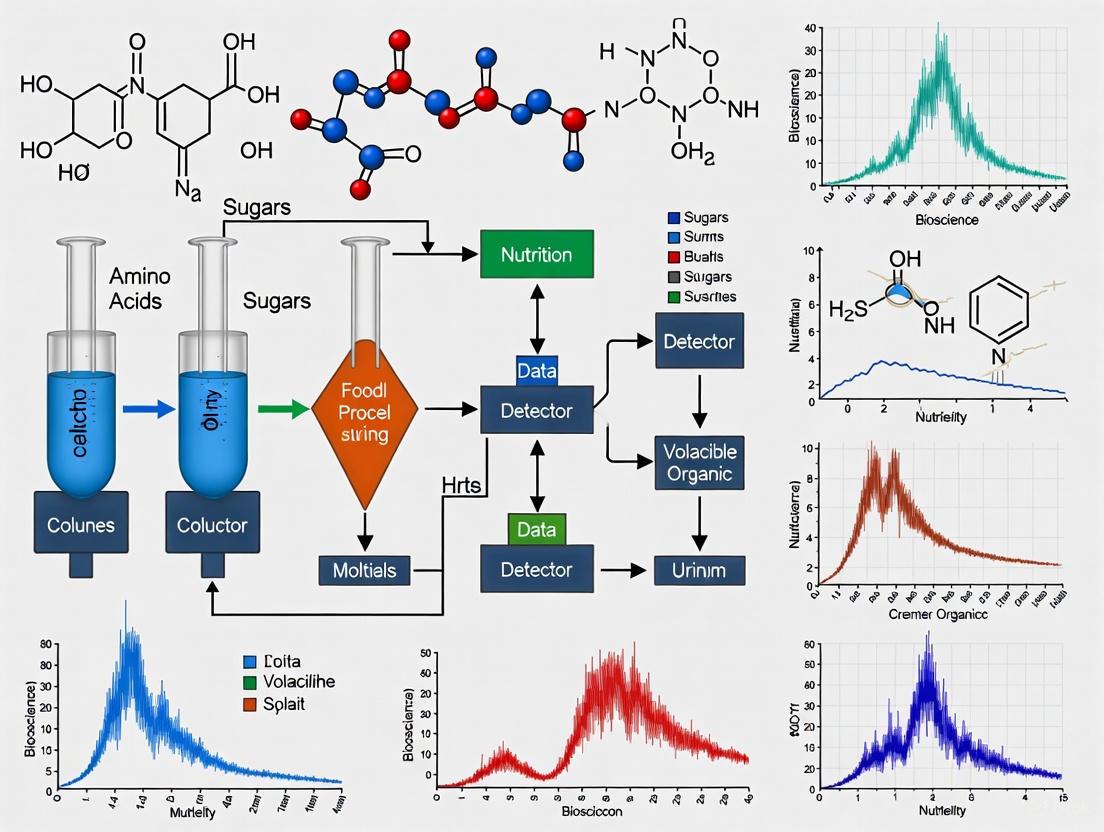
This article provides a systematic review of Gas Chromatography-Ion Mobility Spectrometry (GC-IMS) for researchers and scientists in food science and related fields.
GC-IMS in Food Analysis: A Comprehensive Guide from Fundamentals to Advanced Applications
Abstract
This article provides a systematic review of Gas Chromatography-Ion Mobility Spectrometry (GC-IMS) for researchers and scientists in food science and related fields. It covers the foundational principles of GC-IMS technology, detailed methodological workflows for food authentication and safety, optimization strategies for data analysis, and comparative validation against established techniques like GC-MS. By synthesizing recent applications and technical insights, this guide serves as a vital resource for implementing GC-IMS in research and development for precise, rapid volatile compound analysis.
Understanding GC-IMS: Principles, Advantages, and Core Strengths in Volatile Compound Analysis
Gas Chromatography-Ion Mobility Spectrometry (GC-IMS) is a hyphenated analytical technique that combines the high separation capability of gas chromatography (GC) with the sensitive, rapid detection of ion mobility spectrometry (IMS). This combination provides a powerful tool for the separation, detection, and identification of volatile organic compounds (VOCs) in complex mixtures [1] [2]. The technique has gained significant traction in food analysis research due to its high sensitivity, typically in the low parts-per-billion (ppb) range, operational simplicity, and portability for potential on-site applications [3] [4].
The fundamental strength of GC-IMS lies in its two-dimensional separation process. The GC first separates compounds based on their partitioning between a mobile gas phase and a stationary phase, while the IMS subsequently separates these compounds based on their size, shape, and charge as they drift through a buffer gas under an electric field [5]. This orthogonal separation mechanism provides enhanced selectivity, especially for distinguishing isomeric compounds that are often challenging to resolve using either technique alone [4].
Core Technological Principles and Instrumentation
The Five-Step Analytical Process
The separation and detection process in GC-IMS can be divided into five distinct steps [1]:
- Sample Introduction: The volatile sample is introduced into the system, often via a flexible sampling method such as a six-port valve for gases or thermal desorption (TD) tubes for concentrated samples from various matrices [3] [6].
- Compound Separation: The sample is carried by an inert gas (e.g., N₂ or air) through a GC column, where compounds are separated based on their volatility and interaction with the column's stationary phase [3] [2].
- Ion Generation: The separated compounds eluting from the GC column are ionized. Common ionization sources include radioactive beta emitters (e.g., ³H or ⁶³Ni), corona discharge, or atmospheric pressure photoionization (APPI) [5] [2]. The ionization can occur in either positive or negative mode, allowing the detection of a wide range of compounds such as ketones, aldehydes, amines, and halogenated compounds [3].
- Ion Separation: The ions are injected into the drift tube of the IMS, where they are propelled by a homogeneous electric field (e.g., 300 V/cm) through a counter-flowing drift gas. Their velocity depends on their collision cross-section (CCS), charge, and mass, leading to separation based on ion mobility [5] [6].
- Ion Detection: The separated ions arrive at a detector (e.g., a Faraday plate) at different times, generating a signal that is recorded. The result is a two-dimensional plot (retention time vs. drift time) providing a fingerprint of the sample's VOC profile [1] [4].
Workflow Visualization
The following diagram illustrates the logical workflow and instrumental components of a typical GC-IMS system:
Key Quantitative Performance Metrics
The performance of GC-IMS is characterized by several key metrics, which are critical for researchers to evaluate its suitability for specific applications. The table below summarizes a quantitative comparison with GC-MS based on a 2025 study, highlighting the distinct advantages of each technique [6].
Table 1: Quantitative Comparison of GC-IMS and GC-MS Performance (2025 Study)
| Performance Metric | GC-IMS | GC-MS |
|---|---|---|
| Typical Sensitivity | ~10x more sensitive than MS (picogram/tube range) [6] | High sensitivity (nanogram/tube range) [6] |
| Linear Dynamic Range | 1-2 orders of magnitude (after linearization) [6] | >3 orders of magnitude (up to 1000 ng/tube) [6] |
| Long-Term Signal Intensity RSD | 3% to 13% over 16 months [6] | Not specified in search results |
| Long-Term Retention Time RSD | 0.10% to 0.22% over 16 months [6] | Not specified in search results |
| Long-Term Drift Time RSD | 0.49% to 0.51% over 16 months [6] | Not applicable |
| Operational Pressure | Atmospheric pressure [2] | High vacuum required [2] |
| Carrier Gas | Nitrogen or synthetic air [3] [2] | Often helium [2] |
Applications in Food Analysis Research
GC-IMS coupled with chemometric analysis has become a prominent method for the classification and authentication of geographical indication (GI) agricultural products and food [4]. This application is crucial for combating fraud and protecting brand value.
The general workflow involves sample collection, data acquisition via GC-IMS to obtain VOC fingerprints, data processing (including normalization and noise reduction), model construction using chemometric techniques, and final model interpretation [4]. Supervised methods like Partial Least Squares-Discriminant Analysis (PLS-DA) are frequently employed for sample classification based on GC-IMS data [4].
Specific application examples in food research include:
- Rice Authentication: Differentiating authentic Wuchang rice from adulterated products [4].
- Meat Provenance: Classifying Jingyuan lamb and lamb from Xilinguole based on feeding regimens and origin [4].
- Beverage and Tea Analysis: Authenticating Shaoxing yellow wine and Fu brick tea [4].
- Off-flavour and Taint Detection: Monitoring for unpleasant flavours in propellant gases and other food products [3].
- Process and Storage Monitoring: Tracking volatile profile changes during food processing and storage [4] [2].
Detailed Experimental Protocols
Protocol: GI Product Authentication Using TD-GC-IMS and Chemometrics
This protocol outlines the procedure for authenticating the geographical origin of a food product (e.g., rice or lamb) using Thermal Desorption GC-IMS combined with chemometric analysis [4] [6].
I. Research Reagent Solutions and Essential Materials
Table 2: Key Reagents and Materials for TD-GC-IMS Analysis
| Item | Function / Specification |
|---|---|
| Thermal Desorption (TD) Tubes | Sample collection and concentration; contain specific adsorbent materials (e.g., Tenax) [6]. |
| Standard Compounds | High-purity (≥95%) reference substances for system calibration and compound identification (e.g., ketones, aldehydes, alcohols) [6]. |
| Internal Standards | Deuterated or other compounds not expected in the sample, for signal normalization and improved quantification (e.g., added to the TD tube) [6]. |
| GC Carrier Gas | High-purity Nitrogen (N₂) or synthetic air [3]. |
| IMS Drift Gas | High-purity Nitrogen (N₂) [3]. |
| Calibration Solutions | Stock solutions prepared in solvents like methanol for generating calibration curves [6]. |
II. Step-by-Step Methodology
Sample Collection:
- Collect a sufficient number of samples from known origins. Prioritize traceability, precision, and variety of sample information (e.g., exact origin, harvest season) over sheer quantity [4].
- For solid samples (e.g., rice, meat), place a representative portion into a headspace vial. For gaseous samples, pull air through a TD tube using a calibrated pump [6].
- Ensure proper labeling and documentation to avoid outliers caused by experimental errors [4].
Volatile Extraction and Introduction:
- For headspace analysis, incubate the vials at a controlled temperature and time to allow volatile compounds to equilibrate in the headspace [6].
- Use an automated headspace sampler or a gas-tight syringe to transfer the headspace vapor onto the TD tube or directly into the GC inlet.
- Alternatively, for TD, the tube is heated to desorb the concentrated VOCs directly into the GC column [6].
GC-IMS Data Acquisition:
- The GC is equipped with a standard capillary or multi-capillary column (e.g., 15-60m length) selected based on the analytical requirements [3].
- The GC oven temperature is programmed (e.g., isothermal between 40-80°C or with a firmware-steered ramp) to optimally separate the volatile compounds [3].
- The effluent from the GC is transferred to the IMS, which is operated at atmospheric pressure. The ionization source (e.g., ³H) ionizes the molecules, which are then separated in the drift tube [3] [2].
- Record the 3-D data (signal intensity, GC retention time, IMS drift time) for each sample. The resulting VOC profile serves as a fingerprint [3] [4].
Data Pre-processing:
- Use dedicated software (e.g., LAV - Laboratory Analytical Viewer) for data alignment using a reference substance to correct for retention time and drift time shifts [3] [4].
- Remove background noise and average replicate measurements [4].
- Normalize the data set using scaling methods such as unit variance, mean centering, or Pareto scaling. Apply smoothing algorithms (e.g., Savitzky-Golay) for further noise reduction [4].
Chemometric Model Construction and Validation:
- Divide the pre-processed data set into a training set and a test set [4].
- Perform an exploratory analysis using unsupervised methods like Principal Component Analysis (PCA) to identify natural groupings and potential outliers [4].
- Construct a classification model using a supervised method such as PLS-DA to discriminate samples based on their origin [4].
- To maximize PLS-DA model accuracy, ensure the training set is balanced and contains samples with broad diversity within each class. A ratio where the number of training samples is at least 1.8-fold higher than the blind (test) samples is recommended [4].
- Validate the model using the independent test set and report classification accuracy.
Protocol: Quantitative VOC Analysis and Linearization for IMS
This protocol describes the quantification of specific VOCs (e.g., aldehydes) in a food matrix, addressing the non-linear response of IMS at higher concentrations [6].
I. Materials
- Aldehyde standard stock solution (Propanal, Butanal, Pentanal, Hexanal, etc.) in methanol [6].
- TD tubes and a calibrated syringe for liquid standard introduction [6].
- A mobile, temperature-controlled sampling unit for standardized adsorption of standards onto TD tubes [6].
II. Methodology
- Calibration Curve Preparation:
- Prepare a series of calibration solutions across the expected concentration range (e.g., from 0.1 ng/tube to 1000 ng/tube) [6].
- Use the controlled sampling unit to introduce precise volumes of these solutions onto individual TD tubes, ensuring reproducible adsorption by strictly controlling temperature and gas flow [6].
- Data Acquisition and Processing:
- Analyze the TD tubes using the GC-IMS method described in Protocol 4.1.
- Extract the peak volume or height for the target analyte from each calibration standard.
- Linearization and Quantification:
- Plot the signal intensity against the concentration. The IMS response will be linear for approximately one order of magnitude (e.g., 0.1 to 1 ng/tube for pentanal) before transitioning to a logarithmic response [6].
- Apply a linearization strategy to extend the linear calibration range to two orders of magnitude, improving quantitative accuracy [6].
- Use this linearized calibration model to quantify the target VOC in unknown samples.
The Scientist's Toolkit: Key Instrumental Components
Understanding the core components of a GC-IMS system and their alternatives is essential for method development.
Table 3: Essential GC-IMS System Components and Their Functions
| Component | Function & Variants |
|---|---|
| GC Column | Separates volatiles by polarity/volatility. Capillary columns (15-60m) offer high resolution; multi-capillary columns (MCC) offer faster analysis for less complex mixtures [3]. |
| Ionization Source | Generates ions from neutral molecules. Radioactive (³H, ⁶³Ni), Corona Discharge, and Atmospheric Pressure Photoionization (APPI) are common. Sealed, low-dose ³H sources are common in modern systems [5] [2]. |
| Drift Tube | Separates ions by size, shape, and charge. Drift Tube IMS (DTIMS) is standard; Differential Mobility Spectrometry (DMS) is an alternative that separates ions by mobility difference in high/low fields [1]. |
| Sample Introduction | Introduces the sample. Six-port valve offers flexibility for gases; Thermal Desorption (TD) tubes pre-concentrate trace analytes; Headspace autosampler automates solid/liquid sample analysis [3] [6]. |
| Circulating Gas Module | Circular Gas Flow Unit (CGFU) purifies and recycles the drift gas, enabling portable, on-site operation without external gas supplies [3]. |
Gas Chromatography-Ion Mobility Spectrometry (GC-IMS) represents a powerful analytical technique that combines the high separation capability of gas chromatography with the rapid detection of ion mobility spectrometry [7]. This dual separation mechanism enables the creation of highly specific volatile organic compound (VOC) fingerprints for complex samples, making it particularly valuable for food analysis, quality control, and authenticity verification [4] [8]. The technology has gained significant traction in research and industrial settings due to three fundamental advantages: exceptional analytical speed, high sensitivity for trace-level detection, and the practical benefit of operation at atmospheric pressure [9] [2]. These characteristics position GC-IMS as a compelling alternative to traditional analytical methods like GC-MS, especially for applications requiring rapid analysis, portability, or minimal sample preparation [2].
Core Technical Advantages
Operational Speed and Throughput
The rapid analysis time of GC-IMS stems from its orthogonal separation technology, where the fast response of IMS (typically in milliseconds) complements the separation power of GC [7] [10]. This combination enables complete analyses within remarkably short timeframes. A sample can typically be analyzed every 10 to 15 minutes, making the technique suitable for high-throughput screening applications [9]. The speed advantage is particularly evident in non-targeted screening approaches, where the entire VOC profile of a sample is captured in a single, rapid measurement without sensitivity loss, unlike the targeted single ion monitoring (SIM) mode often required in GC-MS for similar sensitivity [2].
Table 1: Key Speed and Throughput Characteristics of GC-IMS
| Feature | Performance Metric | Comparative Advantage |
|---|---|---|
| Detection Speed | Milliseconds for IMS detection [7] | Faster than mass spectrometry detection |
| Total Analysis Time | 10-15 minutes per sample [9] | Enables high-throughput screening |
| Data Acquisition | Untargeted, full-spectrum without sensitivity loss [2] | No need for time-consuming method development for specific targets |
High Sensitivity and Detection Limits
GC-IMS achieves exceptional sensitivity, enabling the detection of volatile organic compounds at ultratrace concentration levels [8] [11]. Modern GC-IMS systems can reach detection limits in the mid parts-per-trillion by volume (pptv) range without requiring sample enrichment [2]. This high sensitivity is facilitated by efficient chemical ionization using low-dose radioactive sources (e.g., tritium) and the subsequent separation and detection of resulting ions [8] [11]. The technique is particularly sensitive for polar and medium-polarity compounds, making it ideal for analyzing flavor and aroma compounds in food matrices [12].
Operation at Atmospheric Pressure
A defining characteristic of GC-IMS is its operation at atmospheric pressure, which eliminates the need for energy-intensive vacuum systems required by mass spectrometry [4] [2]. This feature significantly simplifies instrument design, reduces operational costs, and enhances operational flexibility. Furthermore, GC-IMS can utilize nitrogen or purified air as the carrier and drift gas, reducing reliance on expensive and non-renewable helium, which is commonly required for GC-MS [12] [2]. Operation at ambient pressure also facilitates instrument miniaturization, enabling the development of portable and benchtop systems for on-site analysis [7] [2].
Table 2: Quantitative Comparison of GC-IMS and GC-MS Operational Parameters
| Parameter | GC-IMS | GC-MS |
|---|---|---|
| Operating Pressure | Atmospheric [2] | High vacuum required [2] |
| Typical Carrier Gas | Nitrogen or air [12] [2] | Primarily helium [12] [2] |
| Detection Limits | pptv to ppbv range [2] [11] | Similar high sensitivity (ppbv to pptv) |
| Sample Throughput | 10-15 minutes/sample [9] | Often longer due to vacuum requirements |
| Portability | High (benchtop and portable systems available) [2] | Low (typically limited to laboratory) |
Experimental Protocols
General Workflow for Food Analysis Using GC-IMS
The following protocol outlines a standard workflow for the non-targeted analysis of food samples, such as geographical indication (GI) products, using GC-IMS coupled with chemometrics [4].
Diagram 1: General chemometric analysis workflow for GC-IMS data.
Sample Collection and Preparation
- Sample Selection: Collect food samples with precise metadata (e.g., geographical origin, harvest season, processing technique). Traceability and variety are more critical than the sheer number of samples [4].
- Sample Preparation: For solid or semi-solid food samples (e.g., meat, grains, fruits), use headspace (HS) sampling. Precisely weigh (e.g., 1-5 g) the sample into a headspace vial. For liquid samples (e.g., wine, oil), aliquot directly into the vial [8] [9].
- Incubation: Seal vials and incubate at a controlled temperature (e.g., 40-80°C) for a defined time (e.g., 10-20 minutes) to allow volatile compounds to equilibrate in the headspace. No derivatization or complex extraction is typically needed [9] [2].
- Injection: Use an automated headspace sampler or gas-tight syringe to inject the volatile-laden headspace into the GC-IMS.
Instrumental Analysis: GC-IMS Parameters
- Gas Chromatography (GC):
- Column: Use a moderately polar or non-polar capillary column (e.g., DB-5, DB-624). Multicapillary columns (MCC) are also used for faster separations [11].
- Temperature: Employ a programmed temperature ramp optimized for the sample type (e.g., 40°C to 220°C at 5-10°C/min).
- Carrier Gas: Use nitrogen gas of high purity (≥99.999%) at a constant flow rate (e.g., 1-5 mL/min) [12].
- Ion Mobility Spectrometry (IMS):
- Ionization Source: Tritium (³H) source with low activity (e.g., 100-300 MBq) is common and exempt from authorization in the EU below 1 GBq [12] [8] [11].
- Drift Tube Temperature: Typically operated between 40-100°C. Newer "focus IMS" designs allow for higher temperatures (>100°C) to reduce peak tailing for high-boiling compounds like terpenes [12].
- Drift Gas: Use nitrogen or dried, purified air at a counter-flow of 100-500 mL/min [12] [11].
- Electric Field: Apply a weak electric field (100-350 V·cm⁻¹) across the drift tube [12].
Data Processing and Chemometric Analysis
- Data Preprocessing: Use proprietary instrument software or open-source packages (e.g., the Python
gc-ims-toolspackage) for data handling [13]. Steps include:- Background Subtraction: Remove background noise and the reactant ion peak (RIP) [4].
- Alignment: Align retention and drift times using an internal reference substance to correct for instrumental drift [4].
- Normalization: Apply scaling methods like unit variance, mean centering, or Pareto scaling to the data set [4].
- Exploratory Data Analysis:
- Supervised Classification:
- Construct classification models using algorithms like Partial Least Squares-Discriminant Analysis (PLS-DA), Linear Discriminant Analysis (LDA), or k-Nearest Neighbors (kNN) to classify samples based on predefined categories (e.g., origin, authenticity) [4].
- Divide the data set into training and validation sets (e.g., 70:30 split) to prevent model overfitting [4] [11].
- For optimal PLS-DA performance, ensure the number of training samples is at least 1.8-fold higher than the number of validation samples, and the training set should be balanced and represent maximum diversity within each class [4].
The Scientist's Toolkit: Essential Research Reagents and Materials
Table 3: Key Reagents and Materials for GC-IMS Food Analysis
| Item | Function / Purpose | Example Specifications / Notes |
|---|---|---|
| Headspace Vials | Containment and volatilization of samples | 10-20 mL volume, with PTFE/silicone septa; ensures airtight incubation [8]. |
| Internal Standards | Data alignment and quantification reference | Deuterated volatiles or compounds not found in the sample; corrects for instrumental drift [4]. |
| High-Purity Nitrogen | Carrier and drift gas | Purity ≥99.999%; provides the mobile phase for GC and the counter-gas for IMS [12] [2]. |
| Reference Compounds | Peak identification and method calibration | Pure volatile organic compound standards (e.g., aldehydes, ketones, terpenes) for creating reference databases. |
| Chemometric Software | Data processing and model building | Proprietary software or open-source packages (e.g., gc-ims-tools in Python) for multivariate analysis [13] [11]. |
Application in Food Analysis: A Case Study on Geographical Indication (GI) Protection
The combination of GC-IMS with chemometrics has proven highly effective for the classification and authentication of Geographical Indication (GI) agricultural products and food [4]. For instance, this approach has been successfully applied to:
- Authenticate Wuchang rice, a high-quality GI rice from China, where severe fraud incidents had resulted in adulterated products accounting for 90% of the market [4].
- Classify Jingyuan lamb from specific pastoral areas in Inner Mongolia based on its unique flavor profile derived from grazing and grass-feeding regimens [4].
- Differentiate Shaoxing yellow wine and Fu brick tea based on their unique VOC fingerprints associated with traditional processing procedures and geographical origin [4].
In these applications, the speed and sensitivity of GC-IMS allow for the rapid capture of complex VOC profiles, which serve as a unique chemical fingerprint. The operation at atmospheric pressure facilitates the potential for on-site analysis, which is crucial for regulatory bodies and quality control inspectors needing to verify authenticity directly in production or market settings. The resulting high-dimensional data is processed using the protocols outlined above, ultimately enabling reliable discrimination between authentic and fraudulent products with high accuracy [4].
Strengths in Resolving Isomers and Polar Volatile Organic Compounds (VOCs)
Gas Chromatography-Ion Mobility Spectrometry (GC-IMS) represents a powerful two-dimensional separation technique that has emerged as particularly effective for analyzing volatile organic compounds (VOCs), especially in complex food matrices. This technology hyphenates the superior separation capabilities of gas chromatography with the rapid detection and high sensitivity of ion mobility spectrometry, operating at atmospheric pressure [7] [14]. The fundamental strength of GC-IMS lies in its orthogonal separation mechanism—compounds are first separated by their partitioning between gas and liquid phases in the GC column, followed by separation based on their charge, size, and shape in the IMS drift tube [15] [14]. This dual separation approach provides a significant advantage for resolving challenging compounds such as isomers and polar VOCs that are often difficult to distinguish using conventional analytical methods.
The application of GC-IMS in food analysis has gained substantial traction due to its exceptional sensitivity (typically in the low parts-per-billion range), portability, operational simplicity, and minimal sample preparation requirements [3] [10]. Unlike mass spectrometry-based techniques that require high vacuum systems, GC-MS operates at atmospheric pressure, making it suitable for both laboratory and field applications [7] [14]. These characteristics position GC-IMS as an ideal platform for addressing complex analytical challenges in food science, particularly in flavor profiling, quality control, authentication, and spoilage detection, where isomeric and polar volatile compounds play crucial roles as chemical markers.
Fundamental Principles of Isomer and Polar VOC Separation
Chromatographic Separation in GC
The first dimension of separation in GC-IMS occurs in the gas chromatograph, where compounds are separated based on their volatility and polarity relative to the stationary phase of the capillary column [16]. For GC-IMS analyses, typical configurations utilize standard capillary columns (15-60 m in length) with various stationary phases selected according to specific analytical requirements [3]. The separation of isomers begins in this stage, where structural differences—even slight variations in branching or functional group positioning—can result in different partition coefficients between the mobile and stationary phases, thus yielding distinct retention times [16]. This chromatographic step effectively distributes complex mixtures into temporally separated analyte bands before they enter the ion mobility spectrometer, reducing the likelihood of co-elution and simplifying subsequent mobility analysis.
Ion Mobility Separation Mechanism
The second dimension of separation occurs in the IMS, where compounds are differentiated based on their collision cross sections (CCS) in the gas phase [15]. After ionization (typically by a tritium source or corona discharge), ionized molecules are propelled through a drift tube filled with an inert buffer gas (such as nitrogen) under the influence of a weak electric field [17] [3]. The drift velocity of each ion depends on its size, shape, and charge [15]. Larger ions experience more collisions with the drift gas and thus migrate more slowly than compact ions. This separation mechanism is particularly effective for distinguishing isomers and isobaric compounds that have identical molecular weights but different three-dimensional structures [15] [14]. The resulting drift time serves as a physicochemical property that is characteristic of each compound's structural attributes, providing an additional identification parameter orthogonal to GC retention time.
Table 1: Key Separation Parameters in GC-IMS
| Parameter | Separation Basis | Impact on Isomers/Polar VOCs |
|---|---|---|
| GC Retention Time | Volatility, Polarity, Molecular Interaction with Stationary Phase | Separates based on slight differences in vapor pressure or polarity between isomers |
| IMS Drift Time | Collision Cross Section (Size, Shape, Charge) | Distinguishes structural isomers with different three-dimensional configurations |
| CCS Value | Ion-Neutral Gas Collision Frequency | Provides reproducible, instrument-independent structural identifier |
| Ionization Mode | Proton Affinity, Charge Distribution | Enables selective detection of different compound classes (positive/negative mode) |
Detection of Polar Compounds
Polar volatile organic compounds, including ketones, aldehydes, alcohols, and amines, are particularly well-suited for analysis by GC-IMS due to their enhanced ionization efficiency in IMS systems [3]. The ionization process in IMS typically produces protonated monomers (M+H)+ or proton-bound dimers (M₂H)+ for polar compounds, with the distribution between these forms depending on concentration, proton affinity, and experimental conditions [14]. The availability of both positive and negative ionization modes further enhances the technique's capability for analyzing diverse compound classes [3]. Polar compounds with high proton affinity, such as alcohols and aldehydes, ionize efficiently in positive mode, while compounds with high electron affinity, such as chlorinated hydrocarbons, are better detected in negative mode [3]. This flexibility makes GC-IMS highly effective for comprehensive profiling of complex VOC mixtures containing diverse chemical functionalities commonly encountered in food matrices.
Analytical Performance in Isomer Separation
Separation of Structural Isomers
GC-IMS has demonstrated exceptional capability in separating structural isomers that often co-elute in conventional gas chromatography systems. The orthogonal separation mechanism provides two independent parameters (retention time and drift time) that collectively enhance the resolution of compounds with identical molecular formulas but differing atomic connectivity [15]. Research has shown that even closely related isomers with minimal structural differences can be distinguished based on their distinct collision cross sections in the IMS dimension [15] [14]. This capability is particularly valuable in food analysis where specific isomeric ratios often serve as indicators of authenticity, quality, or origin. For instance, the technique has successfully differentiated isomeric terpenes in essential oils and isomeric aldehydes in lipid oxidation studies, providing crucial information for quality assessment and flavor chemistry research [7] [14].
Resolution of Stereoisomers
While IMS separation primarily depends on collision cross sections rather than chiral recognition, GC-IMS can still contribute to stereoisomer analysis when coupled with appropriate chiral stationary phases in the GC dimension [18]. The differentiation of enantiomers remains challenging for standard GC-IMS systems; however, the technique can resolve diastereomers that possess different three-dimensional structures and consequently different collision cross sections [18]. In the analysis of borneol and isoborneol stereoisomers, chiral GC columns provided initial separation, while IMS detection offered additional confirmation through distinct mobility signatures [18]. This combined approach enhances the reliability of stereoisomeric analysis in complex matrices. The application of GC-IMS for distinguishing diastereomeric compounds has significant implications for food authentication, as the relative abundances of specific stereoisomers often serve as markers for natural versus synthetic origin or for detecting adulteration in high-value food products.
Table 2: Representative Isomer Separations by GC-IMS in Food Analysis
| Isomer Pair/Class | Matrix | Separation Basis | Application Context |
|---|---|---|---|
| Terpene Isomers | Essential Oils, Spices | Slight differences in CCS due to branching patterns | Quality control, authenticity assessment |
| Aldehyde Isomers | Lipid-containing Foods | Structural differences affecting molecular size/shape | Lipid oxidation monitoring, off-flavor detection |
| Borneol/Isoborneol | Herbal Products, Flavors | GC retention time combined with CCS differences | Distinguishing natural vs. synthetic sources [18] |
| Ketone Isomers | Fermented Products | Variations in three-dimensional structure | Process monitoring, flavor characterization |
| Alcohol Isomers | Beverages | Differences in hydrogen bonding capacity | Quality assessment, origin verification |
Analysis of Polar Volatile Organic Compounds
Detection of Oxygenated Compounds
GC-IMS exhibits particularly high sensitivity and selectivity for oxygenated polar compounds that are ubiquitous in food aromas and degradation pathways. Key chemical classes including aldehydes, ketones, alcohols, esters, and organic acids are efficiently ionized and detected due to their favorable proton affinities [7] [14]. These compounds frequently serve as critical markers for food quality assessment, as they originate from various biochemical processes including lipid oxidation, microbial metabolism, enzymatic activity, and Maillard reactions [14] [10]. The technique's capability to detect and quantify these polar compounds at low concentration levels (typically parts-per-billion to parts-per-trillion ranges) enables early detection of spoilage, monitoring of maturation processes, and characterization of flavor profiles [17] [14]. For instance, GC-IMS has been successfully employed to track the formation of specific carbonyl compounds during lipid oxidation in meat and dairy products, providing valuable insights into quality deterioration kinetics [14].
Monitoring Nitrogen- and Sulfur-Containing Compounds
GC-IMS demonstrates robust performance in analyzing nitrogen- and sulfur-containing volatile compounds that often contribute significantly to food aromas, both desirable and undesirable [3]. These compounds, including amines, thiols, and sulfur heterocycles, typically exhibit strong odors at extremely low concentrations and play crucial roles in the flavor profiles of various food products, particularly fermented foods, cooked meats, and allium vegetables [17] [3]. The negative mode ionization capability of GC-IMS systems enhances the detection of compounds with high electron affinity, such as certain sulfur compounds, providing complementary analytical information to positive mode detection [3]. This capability has been leveraged in food safety applications, such as monitoring biogenic amine formation in fermented products and detecting sulfur-based spoilage markers in seafood [14] [10]. The exceptional sensitivity of GC-IMS to these compound classes enables early detection of microbial contamination and quality deterioration before overt spoilage characteristics become evident.
Experimental Protocols
Standard Operating Procedure for Food VOC Analysis
Sample Preparation:
- For solid food samples, homogenize 2.0 g of material and transfer to a 20 mL headspace vial.
- For liquid samples, pipette 1.0 mL directly into the headspace vial.
- Add internal standards as appropriate for quantification (e.g., chlorobenzene-d5 for non-polar compounds, 2-octanol for polar compounds).
- Crimp-seal the vials with PTFE/silicone septa and proceed to analysis or store at 4°C for short-term preservation (maximum 24 hours) [19] [17].
Instrumental Parameters:
- GC Conditions:
- Column: mxt-5 capillary column (15 m × 0.53 mm × 1 μm) or equivalent mid-polarity stationary phase [17]
- Injector temperature: 80°C [17]
- Column temperature: 40°C initial, with programmed ramping based on analyte volatility (e.g., 5-10°C/min to 150-200°C) [17]
- Carrier gas: Nitrogen or high-purity synthetic air, flow rate 2-5 mL/min [17] [3]
- IMS Conditions:
Data Acquisition:
- Incubate samples at 60°C for 10 minutes with agitation at 500 rpm [17].
- Inject 100-1000 μL of headspace gas via heated syringe (60-80°C) [17] [3].
- Acquire data for 15-30 minutes total run time, depending on complexity of the VOC profile [17].
- Perform triplicate analyses for each sample to ensure analytical reproducibility.
Specialized Protocol for Isomer Separation
For challenging separations of structural isomers, the following method modifications are recommended:
Enhanced GC Separation:
- Employ longer GC columns (30-60 m) with appropriate stationary phase selectivity for the target isomer class [3].
- Implement slower temperature ramping (1-2°C/min) through the critical separation range to maximize chromatographic resolution [16].
- Optimize carrier gas flow rates (1-2 mL/min) to balance separation efficiency and analysis time [3].
IMS Parameter Optimization:
- Increase drift tube length (if instrument configuration allows) to enhance mobility resolution [15].
- Precisely control drift gas flow and temperature to maximize differences in collision cross sections [15].
- Adjust ionization energy to favor molecular ion formation over fragmentation, preserving molecular structure information [15] [3].
Data Analysis Approach:
- Utilize two-dimensional data visualization (retention time vs. drift time) to identify isomer clusters [7] [14].
- Employ principal component analysis (PCA) and other multivariate statistical methods to differentiate samples based on subtle variations in isomer ratios [13] [14].
- Compare experimental collision cross section values with reference databases when available to support identification [15].
The Scientist's Toolkit: Essential Research Reagents and Materials
Table 3: Key Research Reagent Solutions for GC-IMS Analysis
| Reagent/Material | Function/Application | Specification Notes |
|---|---|---|
| Internal Standard Mix | Quantification reference, retention time marker | CLP 04.1 VOA Internal Standard/SMC Spike Mix diluted in methanol to 2.5 µg/mL [19] |
| Chiral Derivatization Reagents | Enantiomer separation enhancement | (R)-(+)-MTPA-Cl or (1S)-(−)-camphanic chloride for chiral separation prior to GC-IMS analysis [18] |
| Thermal Desorption Tubes | VOC preconcentration from air/gas samples | Hydrophobic multi-bed thermal desorption tubes (e.g., C2-AAXX-5032) for headspace sampling [19] |
| Headspace Vials | Sample containment and incubation | 10-20 mL crimp-top vials with PTFE/silicone septa, compatible with autosamplers [19] [17] |
| Nitrogen Gas | Carrier and drift gas | High purity (99.999%) generated internally or supplied externally [17] [3] |
| Cytology Brushes | Non-invasive sample collection | Soft cytology brushes for lesional brushing sampling from solid surfaces [19] |
Application Examples in Food Analysis
Food Authentication and Adulteration Detection
GC-IMS has demonstrated remarkable effectiveness in food authentication applications, where subtle differences in VOC profiles serve as chemical fingerprints for origin verification and adulteration detection. In a comprehensive study on Iberian hams, the technique successfully discriminated between acorn-fed and feed-fed animals based on distinct VOC patterns, including isomeric ratios of specific aldehydes and ketones [7] [14]. Similarly, research on honey authentication revealed that GC-IMS could differentiate botanical and geographical origins with higher throughput and simpler operation compared to NMR-based methods, effectively preventing fraudulent labeling [7] [14]. The technique's capability to resolve complex mixtures of isomers and polar compounds enables the identification of subtle chemical markers that are characteristic of authentic products, providing a powerful tool for quality control and regulatory compliance in the food industry.
Freshness Evaluation and Spoilage Monitoring
The exceptional sensitivity of GC-IMS to polar volatile compounds makes it ideally suited for monitoring food freshness and detecting early spoilage indicators. Research on silver carp demonstrated that the technique could track the progressive formation of specific aldehydes (hexanal, heptanal), ketones, and alcohols generated by dominant spoilage bacteria during chilled storage [14]. Similarly, studies on egg freshness revealed that GC-IMS could classify eggs based on storage time by monitoring the evolution of sulfur-containing compounds and other spoilage markers [14]. The ability to detect these compounds at low concentration levels enables early warning of quality deterioration before overt sensory changes occur. Furthermore, the technique's rapid analysis time (typically 15-30 minutes) and minimal sample preparation facilitate high-throughput screening of perishable products throughout the supply chain, reducing food waste and ensuring product quality and safety.
Comparative Advantages and Limitations
Advantages Over Alternative Techniques
GC-IMS offers several distinct advantages compared to other analytical platforms for VOC analysis in food matrices. Unlike GC-MS with electron ionization, which often produces extensive fragmentation and may lose molecular ion information, GC-IMS typically preserves molecular ion signals, facilitating compound identification [15] [14]. Compared to electronic nose systems, GC-IMS provides actual compound separation and identification rather than merely generating fingerprint patterns [14]. The technique's operation at atmospheric pressure eliminates the need for high vacuum systems, reducing instrumental complexity and enabling portable configurations for field analysis [7] [14]. Additionally, GC-IMS demonstrates superior sensitivity to polar compounds compared to many conventional GC detectors, with detection limits typically in the parts-per-billion to parts-per-trillion range for most volatile analytes [3] [14]. The technique's rapid analysis time (typically 15-30 minutes per sample) and minimal sample preparation requirements further enhance its practicality for quality control and high-throughput screening applications in food production environments [7] [10].
Current Limitations and Research Needs
Despite its significant strengths, GC-IMS technology faces certain limitations that present opportunities for future development. The limited reference databases for IMS spectra compared to the extensive mass spectral libraries available for GC-MS represents a current constraint in compound identification [7] [14]. While collision cross section values provide valuable structural information, the establishment of comprehensive, standardized databases is still ongoing [15]. The quantitative capabilities of GC-IMS, while sufficient for many applications, may be affected by humidity and matrix effects more significantly than some established quantification techniques [14]. Additionally, the resolution power of current commercial IMS systems, though continuously improving, generally remains lower than that of high-resolution mass spectrometry for complex mixtures [15]. Future research directions should focus on expanding reference databases, developing standardized quantification protocols, enhancing IMS resolving power through instrumental innovations, and exploring advanced data mining approaches for extracting maximum information from two-dimensional GC-IMS data sets [15] [14] [10].
GC-IMS technology represents a powerful analytical platform with particular strengths in resolving isomers and detecting polar volatile organic compounds in complex food matrices. The technique's orthogonal separation mechanism, combining gas chromatographic retention with ion mobility separation, provides two independent parameters that enhance the discrimination of structurally similar compounds. Its high sensitivity to oxygenated, nitrogenated, and sulfur-containing compounds—many of which serve as key aroma and quality markers in foods—makes it particularly valuable for food flavor analysis, authentication, and quality control applications. While certain limitations exist, particularly regarding reference databases and quantitative standardization, ongoing technological advancements and growing research engagement are rapidly addressing these challenges. As GC-IMS continues to evolve, it is poised to play an increasingly significant role in food analysis, providing researchers and quality control professionals with a rapid, sensitive, and information-rich analytical tool for addressing complex chemical characterization challenges across the food industry.
GC-IMS Workflow for Isomer and VOC Analysis
GC-IMS Applications in Food Analysis
Comparison of GC-IMS with Traditional Flavor Analysis Techniques (GC-MS, E-nose, GC-O)
Flavor analysis is a critical component of food quality control, product development, and authenticity verification. Traditional techniques such as gas chromatography-mass spectrometry (GC-MS), electronic nose (E-nose), and gas chromatography-olfactometry (GC-O) have long been employed for volatile organic compound (VOC) characterization. Recently, gas chromatography-ion mobility spectrometry (GC-IMS) has emerged as a powerful complementary technique. This analytical note provides a structured comparison of these technologies, detailing their respective principles, applications, advantages, and limitations within food analysis research. GC-IMS combines the high separation capability of gas chromatography with the rapid response of ion mobility spectrometry, creating a highly sensitive technique for detecting trace-level VOCs at ambient pressure without demanding vacuum systems [9] [8].
Technology Comparison and Principles
Fundamental Operating Principles
Gas Chromatography-Ion Mobility Spectrometry (GC-IMS) separates ionized molecules in the gas phase under the influence of an electric field at atmospheric pressure. The core IMS principle involves ionizing analyte molecules, typically using a tritium or nickel-63 radioactive source, though non-radioactive alternatives like corona discharge exist. The resulting ions drift through a counter-current drift gas at ambient pressure, separating based on their collision cross-section (CCS), mass, and charge [9] [8]. When coupled with GC pre-separation, this creates a two-dimensional analytical technique (retention time × drift time) with high sensitivity for trace-level VOC detection, typically in the parts-per-billion (ppb) range [1] [8].
Gas Chromatography-Mass Spectrometry (GC-MS) has been the gold standard for VOC analysis for decades, providing excellent separation combined with mass spectral identification. It operates under high vacuum and identifies compounds based on their mass-to-charge ratio (m/z). While GC-MS provides superior compound identification through extensive spectral libraries, it requires more complex sample preparation, vacuum operation, and often longer analysis times compared to GC-IMS [9] [20].
Electronic Nose (E-nose) systems utilize an array of non-specific chemical sensors (typically metal oxide or conducting polymer sensors) that respond to broad classes of volatiles. The resulting "fingerprint" pattern is interpreted using multivariate statistical methods. E-nose provides rapid, non-destructive analysis but offers limited quantitative capability and cannot identify individual compounds [21] [22].
Gas Chromatography-Olfactometry (GC-O) couples chromatographic separation with human sensory evaluation, directly linking chemical compounds to perceived aroma. This technique is invaluable for identifying key odor-active compounds but is inherently subjective and requires trained panelists [23].
Comparative Technical Specifications
Table 1: Technical comparison of flavor analysis techniques
| Parameter | GC-IMS | GC-MS | E-nose | GC-O |
|---|---|---|---|---|
| Detection Principle | Drift time/Collision cross-section | Mass-to-charge ratio | Chemical sensor array | Human olfactory response |
| Detection Limit | ppb level [9] [8] | ppt-ppb level | Variable | Compound-dependent |
| Analysis Time | Medium-Fast (10-30 min) [9] | Medium-Slow (30-60+ min) | Fast (minutes) [21] | Slow (chromatography-dependent) |
| Sample Preparation | Minimal (often none) [24] [8] | Extensive (often required) [9] [20] | Minimal | Extensive (to protect column) |
| Identification Capability | Library-dependent (growing databases) [22] | Excellent (extensive libraries) | None (pattern recognition only) | Compound identification + sensory impact |
| Quantitation | Good (relative) | Excellent (absolute) | Limited (relative patterns) | Semi-quantitative |
| Operational Pressure | Ambient [9] [8] | High vacuum | Ambient | High vacuum |
| Portability | Benchtop and portable systems available [9] | Primarily laboratory-based | Portable systems common | Laboratory-based only |
Application-Specific Performance
Table 2: Application strengths across food matrices
| Application Area | GC-IMS | GC-MS | E-nose | GC-O |
|---|---|---|---|---|
| Food Authentication | Excellent [8] | Excellent | Good | Limited |
| Process Monitoring | Excellent (rapid analysis) [8] | Good | Excellent (real-time capability) | Poor |
| Off-flavor Detection | Excellent (sensitive to spoilage markers) | Excellent | Good | Excellent (direct sensory link) |
| Key Aroma Compound Identification | Good (needs complementary techniques) [22] | Excellent | Poor | Excellent (primary application) |
| Freshness Assessment | Excellent [22] | Good | Excellent | Limited |
| High-Throughput Screening | Good | Limited | Excellent | Poor |
Experimental Protocols
Standard GC-IMS Analysis Protocol for Solid Food Matrices
Application Note: This protocol has been successfully applied to analyze volatile profiles in various solid food matrices including chili powders [21], soybean pastes [22], citrus peels [24], and turmeric [25].
Materials and Equipment
Table 3: Essential research reagents and solutions
| Item | Specification | Function/Purpose |
|---|---|---|
| GC-IMS Instrument | FlavourSpec (G.A.S.) or equivalent | VOC separation and detection |
| Headspace Vials | 20 mL, glass with PTFE/silicone septa | Sample containment and volatile accumulation |
| Gas Supply | Nitrogen (≥99.999% purity) | Carrier and drift gas |
| External Standards | n-ketones C4-C9 (2-butanone to 2-nonanone) [21] | Retention index (RI) calibration |
| Analytical Balance | Precision ±0.1 mg | Accurate sample weighing |
| Incubator/Heating Block | Temperature range: 40-100°C, ±0.1°C control | Sample temperature equilibration |
| Autosampler | Compatible with headspace vials (optional) | Automated sample injection |
Sample Preparation Procedure
- Homogenization: Grind solid samples to a consistent particle size (e.g., 0.5-1 mm diameter) to ensure uniform volatile release.
- Weighing: Accurately weigh 1.0-3.0 g of sample into a 20 mL headspace vial [21] [22]. Optimal mass should be determined empirically for each matrix.
- Equilibration: Seal vials immediately and incubate at 60-80°C for 10-20 minutes to allow volatile accumulation in the headspace [21] [22].
- Injection: Automatically inject 100-500 μL of headspace gas using a heated syringe (typically 75-85°C to prevent condensation) [21] [22].
Instrumental Parameters
Table 4: Typical GC-IMS parameters for food analysis
| Parameter | Setting | Notes |
|---|---|---|
| GC Conditions | ||
| Column | MXT-5 or MXT-WAX (15-30 m × 0.53 mm ID) | Choice depends on analyte polarity |
| Column Temperature | 40-80°C (isothermal or gradient) | Chili powder analysis used 60°C [22] |
| Carrier Gas Flow | 2-150 mL/min (programmed) | Initial 2 mL/min, ramped to 100 mL/min [22] |
| IMS Conditions | ||
| Drift Tube Temperature | 40-50°C | |
| Drift Gas Flow | 75-150 mL/min (nitrogen) | |
| Ionization Source | Tritium (300 MBq) or radioactive alternative | |
| Electric Field Strength | 300-500 V/cm | |
| Analysis Time | 10-30 minutes | Method-dependent |
Data Analysis Workflow
- Preprocessing: Normalize raw data to reactant ion peak (RIP), perform background subtraction, and align retention and drift times.
- Identification: Compare retention indices (RI) and drift times against internal databases (e.g., NIST, IMS) [21].
- Fingerprint Analysis: Use Gallery Plot or similar visualization tools to compare VOC patterns across samples.
- Statistical Analysis: Apply multivariate methods (PCA, PLS-DA) to identify discriminant markers [21] [22].
Integrated Approach: Multi-Technique Flavor Analysis
For comprehensive flavor characterization, an integrated approach combining multiple techniques provides complementary data:
- Rapid Screening: Use E-nose for initial sample classification and quality control [21] [22].
- Targeted Compound Identification: Apply GC-MS for definitive identification and quantitation of key aroma compounds [24].
- Volatile Fingerprinting: Employ GC-IMS for sensitive detection of trace VOCs and pattern recognition [21] [25].
- Sensory Relevance Determination: Utilize GC-O to identify odor-active compounds contributing to overall aroma [23].
Applications in Food Analysis Research
Case Study: Chili Powder Spiciness Differentiation
A recent study demonstrated GC-IMS's effectiveness in differentiating chili powders based on spiciness levels (light, medium, strong) [21]. Researchers combined E-nose, GC-IMS, and chemometrics to analyze VOC profiles:
- Sample Preparation: 2g samples in 20mL vials, equilibrated at 25°C for 30 minutes (E-nose); 3g samples incubated at 80°C for 5 minutes (GC-IMS) [21].
- Key Findings: GC-IMS identified 48 VOCs, primarily aldehydes (51.74-55.55%) and ketones (29.93-32.09%). Statistical analysis (VIP >1, p<0.05) highlighted 21 marker volatiles, with 14 differential compounds (FC >2 or <0.5) across spiciness levels [21].
- Comparative Advantage: GC-IMS provided superior differentiation of samples based on spiciness compared to E-nose alone, while identifying specific marker compounds (e.g., (E,E)-2,4-heptadienal, butanal, 3-methylbutanal) associated with flavor differences [21].
Comparative Performance in Complex Matrices
In analysis of Citrus reticulata 'Chachi' peel, GC-IMS demonstrated advantages over HS-SPME-GC-MS for certain applications [24]:
- Speed: GC-IMS analysis required less sample preparation time compared to HS-SPME-GC-MS.
- Sensitivity: GC-IMS effectively detected trace compounds that were challenging for GC-MS.
- Complementarity: The techniques identified overlapping but distinct VOC profiles, with GC-IMS particularly effective for terpenes and esters [24].
Similar advantages were reported in soybean paste analysis, where GC-IMS detected 111 volatile flavor compounds and, combined with PLS-DA, identified 41 marker compounds differentiating four paste types [22].
GC-IMS represents a valuable addition to the analytical arsenal for flavor research, particularly when used complementarily with established techniques like GC-MS, E-nose, and GC-O. Its strengths in rapid analysis, high sensitivity at trace levels, minimal sample preparation, and operational simplicity make it ideal for quality control, authentication, and process monitoring applications. While GC-MS remains superior for definitive compound identification and GC-O for establishing sensory relevance, GC-IMS fills a critical niche for high-throughput volatile fingerprinting and marker-based discrimination. The integration of multiple techniques provides the most comprehensive approach to understanding complex flavor systems, leveraging the respective strengths of each analytical method.
GC-IMS in Practice: Workflows and Applications for Food Authentication and Safety
Gas chromatography-ion mobility spectrometry (GC-IMS) has emerged as a powerful analytical technique for food analysis, particularly valuable for classifying and authenticating geographical indication (GI) agricultural products and foodstuffs [26] [4]. This technique combines the high separation capability of gas chromatography with the fast response and high sensitivity of ion mobility spectrometry, operating at atmospheric pressure without vacuum pumps [26]. The analysis of volatile organic compounds (VOCs) using GC-IMS provides characteristic fingerprints that can be leveraged for food authentication, quality control, and fraud detection [14] [10]. The integration of chemometric analysis with GC-IMS data has become essential for extracting meaningful information from complex VOC profiles, enabling researchers to distinguish subtle differences between similar samples [26] [27]. This application note details the standard workflow from sample collection through model interpretation, providing researchers with a structured framework for implementing GC-IMS in food analysis research.
Fundamental Principles of GC-IMS
GC-IMS separates and detects volatile organic compounds through a two-dimensional process. First, compounds are separated by their partitioning between a mobile gas phase and a stationary phase in the GC column, represented by their retention time. Subsequently, molecules are ionized (typically by a β-radiation source such as tritium) and separated in the drift tube based on their size, shape, and charge as they move through a counter-flow drift gas under a weak electric field [8]. The drift time is used to calculate the reduced ion mobility (K0), which serves as a identifying parameter [8]. This orthogonal separation mechanism provides GC-IMS with superior capability for identifying isomeric molecules compared to traditional GC-MS [26]. The technique offers several advantages for food analysis, including high sensitivity (ppbv levels), rapid analysis times, operational simplicity, and portability for potential field applications [14] [7].
Standard Experimental Workflow
The standard workflow for GC-IMS analysis in food applications follows a systematic five-stage process that ensures reliable and reproducible results. Each stage requires careful execution to maintain data integrity throughout the analytical pipeline.
Stage 1: Sample Collection
The initial stage of sample collection establishes the foundation for reliable GC-IMS analysis. In food authentication studies, traceability, precision, and variety are more critical than simply maximizing sample numbers [26]. Comprehensive documentation of sample origin, harvest season, processing methods, and storage conditions is essential for building robust classification models [4]. For geographical indication products, this includes recording specific geographical coordinates, traditional processing procedures, and indigenous varieties or breeds [26]. Experimental errors or mislabeling at this stage can introduce outliers that significantly impact model performance [26].
Table 1: Sample Collection Considerations for GC-IMS Analysis
| Factor | Importance | Documentation Requirements |
|---|---|---|
| Geographical Origin | Critical for GI authentication | GPS coordinates, region, soil type |
| Harvest Season | Affects volatile compound profiles | Harvest date, seasonal conditions |
| Processing Methods | Impacts flavor fingerprint | Traditional techniques, processing duration |
| Storage Conditions | Influences VOC stability | Temperature, humidity, duration |
| Sample Homogeneity | Ensures representative analysis | Particle size, mixing method |
Stage 2: Data Acquisition
Data acquisition involves VOC extraction and separation through the GC-IMS system. Sample introduction is typically performed via headspace sampling, which requires minimal sample preparation and reduces the introduction of non-volatile compounds that could contaminate the system [8]. The GC separation occurs using moderately polar to non-polar columns (e.g., MXT-5, SE-54, RTX-5) with common dimensions of 15-30m length × 0.53mm diameter [26]. Following GC separation, compounds enter the IMS drift tube where they are ionized and separated based on their mobility in the electric field. The resulting data is represented as a two-dimensional plot with GC retention time on one axis and IMS drift time on the other, creating a unique VOC fingerprint for each sample [26] [4].
Stage 3: Data Processing
Data processing transforms raw GC-IMS data into formats suitable for chemometric analysis. Key steps include signal alignment using reference substances to correct for retention time shifts, particularly when using long separation columns [4]. Background noise removal is performed through algorithms such as Savitzky-Golay or Gaussian smoothing [4]. Data sets are normalized using scaling methods like unit variance, mean centering, and Pareto scaling to ensure comparability between samples [4]. The processed data set is then divided into training and test sets, with a recommended ratio where the number of training samples is at least 1.8-fold higher than blind samples for optimal model performance [4].
Stage 4: Model Construction
Model construction employs chemometric techniques to extract meaningful patterns from processed GC-IMS data. The process typically begins with exploratory, unsupervised methods such as principal component analysis (PCA) or hierarchical cluster analysis (HCA) to identify natural groupings and detect outliers [4]. Subsequently, supervised classification techniques including partial least squares-discriminant analysis (PLS-DA), linear discriminant analysis (LDA), k-nearest neighbor (kNN), or soft independent modeling of class analogy (SIMCA) are applied to build predictive models [26] [4]. PLS-DA has proven particularly effective for sample classification in food authentication studies due to its ability to recognize subtle differences between similar samples [26] [27].
Stage 5: Model Interpretation
The final stage focuses on interpreting model performance and identifying discriminatory compounds. Model capability is typically assessed through classification accuracy, representing the ratio of correctly predicted samples [4]. However, accuracy alone can be misleading due to overfitting risks, making validation with independent test sets essential [4]. For PLS-DA models, key performance considerations include using balanced training sets with broad diversity across classes and ensuring sufficient training samples (e.g., approximately 450 samples for predicting 300 blind samples in Iberian ham authentication) [4]. Identification of significant VOCs contributing to class separation enhances the biological interpretation of models and validates their utility for authentication purposes.
Application Protocols
Protocol 1: Geographical Origin Authentication of Agricultural Products
This protocol outlines the procedure for authenticating the geographical origin of agricultural products using GC-IMS coupled with chemometric analysis, with application to various products including rice, honey, tea, and wine [26].
Materials and Reagents
- GC-IMS instrument equipped with tritium ionization source
- Headspace vials (10-20 mL) with crimp-top caps
- Standard non-polar GC column (MXT-5, 15 m × 0.53 mm × 1 μm)
- Nitrogen gas (≥99.999% purity) as drift and carrier gas
- Internal standards (e.g., ketones or alcohols for retention index calibration)
Experimental Procedure
- Collect representative samples from different geographical origins with verified provenance
- Homogenize samples to consistent particle size (e.g., 0.5 mm for solid samples)
- Weigh 2.0 g ± 0.1 g of sample into 20 mL headspace vials
- Incubate vials at 40°C for 15 minutes to establish headspace equilibrium
- Inject 500 μL headspace sample into GC-IMS with splitless injection mode
- Use the following typical GC temperature program: 40°C (hold 2 min), ramp to 240°C at 10°C/min
- Maintain IMS drift tube temperature at 45°C with drift gas flow of 150 mL/min
- Acquire data in positive ion mode with drift time range of 5-25 ms
- Repeat each sample analysis in triplicate to account for technical variability
Data Analysis
- Process raw data using GC-IMS software (e.g., gc-ims-tools Python package)
- Perform peak detection and alignment using internal standards
- Normalize data using unit variance scaling
- Apply PCA to explore natural clustering by geographical origin
- Develop PLS-DA model with 70:30 training:test split
- Validate model using k-fold cross-validation (k=7)
- Identify significant marker compounds with VIP scores >1.5
Protocol 2: Food Adulteration Detection
This protocol details the procedure for detecting food adulteration using GC-IMS fingerprinting, applicable to products such as honey, olive oil, and spices [14] [7].
Materials and Reagents
- GC-IMS instrument with automated headspace sampler
- Chemical standards for suspected adulterants
- Quality control samples (verified pure and adulterated materials)
- Data processing software (e.g., LAV, GC-IMS Library)
Experimental Procedure
- Prepare authentic and potentially adulterated samples
- For liquid samples (e.g., honey), dilute 1:1 with ultrapure water
- For oil samples, use direct headspace analysis without dilution
- Equilibrate samples at 60°C for 10 minutes with 500 rpm agitation
- Inject 200 μL headspace with split ratio 1:10
- Use GC temperature gradient: 60°C to 180°C at 15°C/min
- Set IMS temperature to 50°C with electric field strength of 400 V/cm
- Include quality control samples every 10 injections to monitor system stability
Data Analysis
- Generate VOC fingerprints for all samples
- Use targeted screening to identify known adulterant markers
- Apply non-targeted screening to detect unexpected adulteration
- Develop SIMCA models for class membership assessment
- Calculate limit of detection for specific adulterants
- Establish decision thresholds based on receiver operating characteristic curves
Table 2: Key Chemometric Methods for GC-IMS Data Analysis
| Method Type | Specific Techniques | Applications | Advantages |
|---|---|---|---|
| Exploratory (Unsupervised) | PCA, HCA | Pattern recognition, outlier detection | Reveals natural sample grouping, no prior knowledge needed |
| Classification (Supervised) | PLS-DA, LDA, kNN | Sample classification, authentication | High prediction accuracy, handles correlated variables |
| Regression | PLSR, PCR | Quantitative analysis, prediction | Models continuous variables, handles multiple predictors |
| Feature Selection | VIP, ANOVA, RF | Marker identification | Reduces data complexity, identifies significant compounds |
The Scientist's Toolkit
Table 3: Essential Research Reagent Solutions for GC-IMS Analysis
| Item | Function | Application Notes |
|---|---|---|
| Internal Standards | Retention time alignment, quantification | Use deuterated compounds or ketones (C4-C9) not present in samples |
| Quality Control Samples | System suitability testing, data quality assurance | Use pooled sample aliquots or certified reference materials |
| Drift Gas Filters | Purify drift gas, remove contaminants | Moisture and hydrocarbon traps required for stable reactant ions |
| Headspace Standards | Method validation, performance verification | Prepare at concentrations spanning expected sample range |
| Column Conditioning Standards | GC column performance monitoring | Inject periodically to monitor column degradation |
| IMS Calibration Standards | Drift time calibration, mobility calculation | Use ketones or alkyl esters with known reduced mobility values |
Technical Considerations and Optimization
Optimizing PLS-DA Model Performance
The accuracy of PLS-DA models commonly used with GC-IMS data depends on several critical factors. First, the training set composition significantly impacts model performance; balanced training sets with samples distributed over the maximum area in the PCA score plot yield optimal results [4]. Second, the training-to-validation set ratio should be optimized, with research indicating that accuracy ≥85% is achieved when training samples exceed blind samples by at least 1.8-fold [4]. Third, sufficient sample numbers are essential, with one study demonstrating that approximately 450 training samples enabled reliable prediction of 300 blind samples for Iberian ham authentication [4]. Additionally, proper feature selection using variable importance in projection (VIP) scores enhances model interpretability and performance by focusing on the most discriminatory compounds.
Data Processing Strategies
Effective data processing is crucial for extracting meaningful information from GC-IMS fingerprints. Signal alignment corrects for retention time shifts using a reference substance, especially important when using long separation columns [4]. Noise reduction algorithms such as Savitzky-Golay smoothing improve signal-to-noise ratios without significantly distorting spectral features [4]. Normalization techniques including unit variance, mean centering, and Pareto scaling address variations in absolute signal intensities between samples, ensuring comparability [4]. For complex data sets, data fusion approaches that combine GC-IMS data with complementary techniques like GC-MS can provide enhanced classification power, though this requires careful optimization of the fusion methodology [27].
The standardized workflow for GC-IMS analysis presented in this application note provides researchers with a systematic framework for implementing this powerful technique in food authentication and quality control applications. The integration of robust sample collection procedures, optimized instrumental parameters, and appropriate chemometric methods enables reliable classification and authentication of geographical indication products. As GC-IMS technology continues to evolve with improved instrumentation and expanding compound libraries, its application in food analysis is expected to grow significantly. The development of open-source data analysis tools such as the gc-ims-tools Python package further enhances the accessibility and implementation of standardized workflows across research laboratories [28]. By adhering to this structured approach, researchers can leverage the full potential of GC-IMS for non-targeted screening and fingerprinting analysis in food research and quality control.
Gas Chromatography-Ion Mobility Spectrometry (GC-IMS) has emerged as a powerful, sensitive benchtop technique for the analysis of volatile organic compounds (VOCs), generating characteristic molecular "fingerprints" of complex sample materials [29]. This two-dimensional separation technique first resolves compounds by their retention time in the GC column, followed by separation based on their collision cross-section and ion mobility in the drift tube [1]. The resulting data-rich spectra are particularly well-suited for authenticity analysis and quality control in various fields, especially food science [26] [29]. However, the full potential of GC-IMS is only realized when coupled with chemometric methods for multivariate data analysis. The integration of GC-IMS with pattern recognition techniques such as Principal Component Analysis (PCA), Partial Least Squares-Discriminant Analysis (PLS-DA), and Hierarchical Cluster Analysis (HCA) enables researchers to extract meaningful information from complex datasets, identify subtle patterns, and build robust classification models for sample discrimination [26] [30]. This combination provides a versatile platform for addressing challenges in geographical indication protection, food authentication, processing monitoring, and quality assessment across various scientific and industrial applications.
Fundamental Principles and Instrumentation
GC-IMS Technical Fundamentals
The GC-IMS analytical process encompasses five distinct stages: sample introduction, compound separation, ion generation, ion separation, and ion detection [1]. In the initial stage, sample introduction can be enhanced with sensor-controlled sampling systems, particularly for challenging matrices like human breath, where parameters such as inhalation and exhalation must be differentiated using flow or CO2 sensors [31]. The separation process begins with gas chromatography, where compounds are partitioned between a stationary phase (typically a MXT-5 or SE-54 capillary column) and a mobile gas phase, resolving analytes based on their affinity for the stationary phase [26]. Following chromatographic separation, molecules enter the ionization chamber where they are ionized under atmospheric pressure, most commonly using a tritium source (6.5 KeV) [26]. The resulting ions then migrate through a drift tube under the influence of a weak electric field, separating based on their size, shape, and charge as they collide with drift gas molecules. Finally, ions reach the detector, generating a signal that is compiled into a two-dimensional plot with GC retention time on one axis and IMS drift time on the other [26] [1].
A significant advantage of GC-IMS over traditional detection methods like GC-MS lies in its operation at atmospheric pressure without requiring vacuum pumps [26]. This technical simplicity, combined with high sensitivity and the potential for portability, makes GC-IMS particularly valuable for on-site, real-time detection applications. Furthermore, GC-IMS demonstrates exceptional capability in distinguishing isomeric molecules, specifically ring-isomeric compounds, which often present challenges for other analytical techniques [26]. The selective detection among compounds of the same mass but different structures is possible because IMS separates ions based on mobilities rather than mass, providing an additional dimension of separation that enhances compound identification and differentiation [1].
Chemometric Methods for Pattern Recognition
Principal Component Analysis (PCA) serves as an unsupervised dimensionality reduction technique that transforms the original variables into a new set of uncorrelated variables called principal components. This method is particularly valuable for exploratory data analysis, identifying natural clustering within samples, and detecting outliers that may indicate experimental errors or sample inconsistencies [26]. In the context of GC-IMS data, PCA helps visualize the maximum variance in the dataset, allowing researchers to observe inherent patterns without prior knowledge of sample classifications.
Partial Least Squares-Discriminant Analysis (PLS-DA) represents a supervised classification method that maximizes the covariance between the independent variables (GC-IMS data) and the class membership. This technique is especially powerful for recognizing subtle differences between similar samples and building predictive models for classification purposes [26] [30]. The outstanding advantage of PLS-DA lies in its ability to handle multicollinear data where the number of variables exceeds the number of observations, a common scenario in GC-IMS datasets with numerous spectral data points.
Hierarchical Cluster Analysis (HCA) is an unsupervised pattern recognition method that builds a hierarchy of clusters to illustrate data grouping based on similarity measures. This technique is particularly useful for visualizing relationships between samples through dendrograms, which graphically represent the progressive merging of clusters based on their spectral similarities [26]. HCA provides intuitive visual output that complements the dimensional reduction visualization of PCA.
Table 1: Key Chemometric Techniques and Their Applications in GC-IMS Analysis
| Technique | Type | Primary Function | Strengths | Common Applications in GC-IMS |
|---|---|---|---|---|
| PCA | Unsupervised | Dimensionality reduction, exploratory data analysis | Identifies natural clustering, detects outliers, visualizes data structure | Initial data exploration, quality control, outlier detection [26] |
| PLS-DA | Supervised | Classification, prediction | Handles multicollinear data, identifies subtle differences between classes | Geographical origin authentication, quality grading, adulteration detection [26] [30] |
| HCA | Unsupervised | Cluster analysis, similarity visualization | Creates intuitive dendrograms, reveals hierarchical relationships | Sample classification, quality assessment, origin verification [26] |
Experimental Protocols and Workflows
General Workflow for GC-IMS Coupled with Chemometric Analysis
The standard operating procedure for combining GC-IMS with chemometrics follows a systematic workflow that ensures reliable and reproducible results. The general workflow comprises four critical phases: sample collection and preparation, data acquisition using GC-IMS, data preprocessing and fusion, and finally chemometric analysis and model interpretation [26].
Sample Collection and Preparation Protocol
Sample Collection Strategy: The initial step in the workflow requires meticulous sample collection, where traceability, precision, and variety often outweigh sheer sample quantity [26]. Comprehensive metadata including geographical origin, harvest season, processing methods, and biological source must be documented, as this information equals category importance in classification accuracy. Samples with limited information cannot enhance classification models, and experimental errors or labeling mistakes can generate outliers that compromise model integrity [26]. For robust PLS-DA model building, research indicates that approximately 450 out of 997 samples may suffice for model training to achieve maximum average prediction accuracy, though this ratio depends on specific application requirements [30].
Sample Preparation Standards: For headspace analysis using GC-IMS, consistent sample preparation is crucial. Solid and semi-solid samples should be homogenized to increase surface area and ensure representative volatile compound release. Typical protocols involve weighing 1-5 grams of sample into 20 mL headspace vials. Liquid samples can be directly transferred to vials. Samples are then incubated at controlled temperatures (typically 40-80°C) for 10-30 minutes with constant agitation to facilitate volatile compound release into the headspace. The incubation temperature and time should be optimized for each sample matrix to ensure sufficient volatile compound concentration without generating artifacts from sample degradation [29].
Quality Control Measures: Include analytical blanks, quality control samples, and replicates in each analysis batch. A minimum of three technical replicates per sample is recommended to account for instrumental variability. For complex sample sets, randomize sample analysis order to minimize batch effects and systematic errors [26] [30].
GC-IMS Data Acquisition Parameters
Gas Chromatography Conditions: Separation is typically performed using mid-polarity capillary columns such as MXT-5 or SE-54 (15 m × 0.53 mm × 1 μm dimensions) [26]. The carrier gas flow rate (high purity nitrogen or helium) should be optimized for the specific application, typically within 1-10 mL/min range. Temperature programming is essential for resolving complex mixtures; initial oven temperature of 40°C held for 2 minutes, followed by ramping at 5-10°C/min to 180-220°C, with a final hold time of 5-10 minutes. Injection port temperature is typically maintained at 200-250°C in splitless mode to transfer the entire headspace sample to the column [26] [29].
Ion Mobility Spectrometry Conditions: The IMS drift tube temperature is typically maintained between 30-50°C, with an electric field strength of 200-500 V/cm creating the drift field [1]. The drift gas (high purity nitrogen or air) flow should be optimized to ensure stable conditions, typically between 100-500 mL/min. The radioactive ionization source (tritium, 6.5 KeV) operates at atmospheric pressure, ionizing sample molecules through charge transfer reactions with reactant ions [26]. Data acquisition rates should be sufficient to capture chromatographic peaks, typically 1-10 spectra per second for the IMS and appropriate data sampling for the GC dimension.
Data Preprocessing and Chemometric Analysis Protocol
Data Preprocessing Workflow: Raw GC-IMS data requires preprocessing before chemometric analysis. The essential steps include:
- Background Subtraction: Remove background ions and instrumental noise to enhance signal-to-noise ratio.
- Alignment: Correct retention time and drift time shifts between analyses using internal standards or alignment algorithms.
- Normalization: Apply standard normal variate (SNV) or total area normalization to minimize sample amount variations.
- Peak Picking and Feature Extraction: Identify peaks exceeding signal-to-noise thresholds (typically >3) and extract corresponding retention times, drift times, and peak intensities [13].
Both complete spectral fingerprints and pre-selected markers can be used for subsequent analysis. Research indicates that using pre-selected GC-IMS markers may provide slightly better prediction results than using the complete spectral fingerprint [30].
Exploratory Analysis Protocol: Begin chemometric analysis with PCA to explore inherent data structure and identify potential outliers. Standardize data (mean-centering and unit variance scaling) before PCA to ensure all variables contribute equally regardless of their intensity. Evaluate PCA score plots to observe natural clustering trends and loading plots to identify potential marker compounds responsible for class separation. Complement PCA with HCA using appropriate similarity measures (typically Euclidean distance) and linkage methods (Ward's method or average linkage) to visualize hierarchical relationships between samples [26].
Supervised Classification Protocol: For PLS-DA model development, split the dataset into training and validation sets, typically using a 70:30 ratio [26] [30]. The number of latent variables in the PLS-DA model should be optimized through cross-validation to avoid overfitting. Implement cross-validation techniques (7-fold cross-validation has been used successfully) to assess model performance and robustness [26]. Validate the final model using an independent validation set not used in model training. Key model performance metrics include classification accuracy, sensitivity, specificity, and area under the receiver operating characteristic (AUROC) curve [30].
Table 2: Key Research Reagent Solutions for GC-IMS Analysis
| Category | Item | Specifications | Function | Application Notes |
|---|---|---|---|---|
| GC Columns | MXT-5 | 15 m × 0.53 mm × 1 μm | Compound separation | Standard mid-polarity column for general applications [26] |
| SE-54 | 15 m × 0.53 mm × 1 μm | Compound separation | Similar to MXT-5, used in various applications [26] | |
| Ionization Sources | Tritium source | 6.5 KeV | Sample ionization | Standard radioactive ionization source [26] |
| Gases | Nitrogen carrier gas | High purity (>99.999%) | GC mobile phase | Must be high purity to prevent signal interference |
| Nitrogen drift gas | High purity (>99.999%) | IMS drift gas | Maintains stable drift tube conditions [1] | |
| Standard Compounds | Ketones series | C4-C9 | Retention index calibration | Used for compound identification [26] |
| Internal Standards | Stable isotope-labeled compounds | Deuterated analogs | Quantification & alignment | Correct for instrumental variations [31] |
Applications in Food Analysis and Authentication
Geographical Origin Authentication
GC-IMS coupled with chemometrics has demonstrated remarkable effectiveness in verifying the geographical origin of agricultural products, a critical aspect of geographical indication (GI) protection. Research on geographical indication products has shown that this approach can successfully discriminate samples based on their production regions, protecting against economically motivated fraud and mislabeling [26]. For instance, in the analysis of Wuchang rice (a high-quality GI rice from Northeast China), GC-IMS with quadratic discriminant analysis (QDA) could authenticate geographical origin using 46 identified compounds, successfully addressing a market where adulterated rice accounted for 90% of sales [26]. Similar approaches have been applied to sesame seeds, where PCA and PLS-DA models classified samples by origin using 44 identified volatile compounds [26].
The combination of GC-IMS fingerprinting with chemometric methods has proven valuable for classifying Fu brick tea from different geographical origins, identifying 63 volatile compounds that contributed to classification models using PCA, PLS-DA, and HCA [26]. In the case of Chinese yellow wine, GC-IMS analysis of 122 samples enabled geographical origin verification using 16 identified markers, with models developed using 79 training samples and validated with 43 independent samples [26]. These applications highlight the practical utility of GC-IMS chemometric workflows in protecting geographical indication products and combating food fraud in the global marketplace.
Quality Assessment and Processing Monitoring
Beyond geographical authentication, GC-IMS with chemometrics serves as a powerful tool for quality assessment and processing monitoring across various food products. For olive oils, specialized workflows have been developed to classify samples by geographical origin, incorporating key preprocessing steps, exploratory analysis, supervised data analysis, and feature selection [13]. In the dairy industry, the technique has been applied to monitor quality parameters and detect adulteration, leveraging its sensitivity to subtle changes in volatile profiles.
The analysis of dry-cured Iberian ham represents a particularly well-developed application, where researchers have established guidelines for building PLS-DA classification models using GC-IMS data to discriminate between pigs raised on different feeding regimes (acorn-fed vs. feed-fed) [30]. This comprehensive study analyzed nearly 1000 samples from seven different curing plants, demonstrating that appropriate sample size and selection are crucial for model success. The research further revealed that using pre-selected GC-IMS markers provided slightly better prediction results than using complete spectral fingerprints, offering practical guidance for industrial quality control applications [30].
Beverage Analysis and Authentication
Alcoholic beverages have been extensively studied using GC-IMS and chemometrics, with research covering authentication, quality grading, and production monitoring. Studies on Baijiu (Chinese liquor) have demonstrated the ability to monitor aging time using PLSR models based on 93 compounds identified with pure standards [26]. The analysis included 39 samples with a 7-fold cross-validation approach, showing the relationship between volatile profile evolution and product quality during maturation.
White wine classification represents another successful application, where researchers coupled a gas-liquid separator directly to an ion mobility spectrometer for the analysis of different white wines [32]. The system generated characteristic profiles for each wine type, with data analysis involving PCA for dimensionality reduction followed by linear discriminant analysis (LDA) and k-nearest neighbor (kNN) classification. This approach achieved a 92.0% classification rate in an independent validation set, demonstrating performance comparable to conventional gas chromatography with flame ionization detection (GC-FID) for determining superior alcohols in wine samples [32].
Table 3: Representative Applications of GC-IMS with Chemometrics in Food Analysis
| Product Category | Specific Application | Chemometric Methods | Key Findings | Reference |
|---|---|---|---|---|
| Rice | Geographical origin authentication | PCA, QDA | 46 compounds identified; successful classification of Wuchang rice [26] | [26] |
| Lamb | Animal age determination | PCA | 66 compounds identified; discrimination of female lambs by age [26] | [26] |
| Honey | Botanical origin classification | PCA, PLS-DA | 25 markers identified; 120 samples analyzed from different botanical origins [26] | [26] [29] |
| Sesame Seeds | Geographical origin authentication | PCA, PLS-DA | 44 compounds identified; 15 samples classified by origin [26] | [26] |
| Tea | Geographical origin & aroma type | PCA, PLS-DA, HCA | 63 compounds for origin; 38 for aroma type; successful classification [26] | [26] |
| Baijiu | Aging time monitoring | PLSR | 93 compounds identified; 39 samples analyzed with 7-fold cross-validation [26] | [26] |
| Dry-cured Ham | Feeding regime authentication | PLS-DA | 997 samples analyzed; 450 sufficient for model training; pre-selected markers optimal [30] | [30] |
| White Wine | Variety classification | PCA, LDA, kNN | 92.0% classification rate in independent validation set [32] | [32] |
The computational analysis of GC-IMS data has been significantly advanced through the development of specialized software tools and packages. The gc-ims-tools Python package represents a notable open-source resource for handling and analyzing GC-IMS data, providing customizable workflows for file input/output, preprocessing methods, exploratory analysis, supervised analysis, and visualization [13]. This BSD 3-clause licensed package offers functionality for classifying samples by geographical origin, as demonstrated in the olive oil case study, and includes comprehensive documentation available through the GitHub repository.
For data formatting and exchange, standardized formats have been proposed to facilitate interoperability between different instrumental platforms and research groups. The JCAMP-DX format has been established as an international standard for exchanging ion mobility spectrometry data, supporting uniform visualization procedures and enabling data exchange between different types of ion mobility spectrometers using various pre-separation techniques [31]. This standardization is particularly valuable for metabolomics applications and other life sciences where data sharing and comparison across platforms are essential.
Commercial instrument manufacturers typically provide proprietary software for basic data processing and visualization, but these often lack advanced chemometric capabilities. Therefore, researchers frequently complement vendor software with open-source tools like gc-ims-tools or commercial multivariate analysis platforms. The availability of these computational resources has dramatically improved the accessibility of advanced chemometric analysis for GC-IMS data, enabling researchers without specialized programming expertise to implement sophisticated pattern recognition techniques in their analytical workflows.
The integration of GC-IMS with chemometric pattern recognition techniques represents a powerful analytical platform for addressing complex challenges in food analysis, authentication, and quality control. The combination of GC's high separation efficiency with IMS's sensitivity and selectivity, enhanced by multivariate statistical methods, provides researchers with a robust tool for extracting meaningful information from complex volatile organic compound profiles. The workflows and protocols outlined in this document offer a standardized approach for implementing these techniques across various applications, from geographical origin authentication to processing monitoring and quality assessment. As the field continues to evolve, ongoing developments in instrumentation standardization, data analysis workflows, and computational tools will further enhance the accessibility and application of this powerful analytical methodology across scientific disciplines and industrial sectors.
Geographical Indication (GI) protection is crucial for safeguarding the brand value and reputation of agricultural products, ensuring consumers receive authentic goods with qualities tied to their specific terroir [26]. However, the high economic value of GI products makes them susceptible to fraud, creating an urgent need for robust, rapid, and non-destructive authentication methods [26] [33]. Gas Chromatography-Ion Mobility Spectrometry (GC-IMS) has emerged as a powerful analytical technique for this purpose, enabling the creation of unique volatile organic compound (VOC) fingerprints that can be linked to a product's geographical origin, harvest season, or animal feeding regimen [26] [10]. This Application Note details the practical application of GC-IMS for authenticating three representative GI products: rice, lamb, and wine, providing detailed protocols and data interpretation frameworks for researchers and scientists in food analysis and drug development.
Case Studies & Data Presentation
Case Study 1: Wuchang Rice (Geographical Origin)
Wuchang rice from Northeast China is a high-value GI product that has faced severe fraud, with adulterated products accounting for an estimated 90% of the market [26]. GC-IMS, combined with chemometric analysis, has been successfully deployed to combat this fraud.
Table 1: GC-IMS Experimental Parameters for Wuchang Rice Authentication [26]
| Parameter | Specification |
|---|---|
| GC-IMS Instrument | FlavourSpec by GAS |
| Ionization Source | Tritium (6.5 KeV) |
| GC Column | MXT-5 (15 m × 0.53 mm × 1 μm) |
| Number of Samples | 53 (28 training / 25 validation) |
| Data Analysis | PCA, QDA |
| VOCs Identified | 46 compounds via GC-IMS library |
The study demonstrated that the VOC profile is a reliable fingerprint for origin verification. Quantitative Discriminant Analysis (QDA) models built from the GC-IMS data achieved high classification accuracy, successfully distinguishing authentic Wuchang rice from non-authentic samples [26].
Case Study 2: Jingyuan Lamb (Animal Age & Feeding Regimen)
Lamb from specific pastoral areas in China, such as Xilinguole and Hulunbeier, is favored for its grazing and grass-feeding regimen, which directly influences its flavor profile and quality [26]. GC-IMS can authenticate these key characteristics.
Table 2: GC-IMS Analysis of Jingyuan Lamb by Animal Age [26]
| Parameter | Specification |
|---|---|
| GC-IMS Instrument | FlavourSpec by GAS |
| GC Column | SE-54 (15 m × 0.53 mm × 1 μm) |
| Sample Type | Female lambs (n=18) |
| Data Analysis | Principal Component Analysis (PCA) |
| VOCs Identified | 66 compounds via GC-IMS library |
The research highlighted that the VOC fingerprints varied significantly with animal age. PCA of the GC-IMS data allowed for clear clustering of lamb samples based on this parameter, providing a non-destructive method to verify product claims related to husbandry practices [26].
Case Study 3: Wine (Geographical Origin and Variety)
Wine authentication is complex, involving origin, grape variety, and vinification processes. While GC-IMS analyzes the volatile aroma profile, other techniques like Inductively Coupled Plasma Mass Spectrometry (ICP-MS) are used to determine the inorganic mineral profile (MWP), which is stable post-bottling and highly reflective of terroir [34].
Table 3: Multi-Technique Analysis for Wine Authentication [26] [34]
| Technique | Target Profile | Application in Wine | Typical Results |
|---|---|---|---|
| GC-IMS | Volatile Organic Compounds (VOCs) | Aroma fingerprint, origin, processing | Differentiation based on volatile flavor compounds |
| ICP-MS | Mineral Wine Profile (MWP) | Geographical origin, grape variety | 92% accuracy for country, 91% for region, 85% for variety |
A landmark study analyzing over 12,000 international wines with ICP-MS and machine learning (eXtreme Gradient Boosting) demonstrated the power of large datasets, achieving 92% accuracy for country-level classification and 91% for regional classification within France [34]. This underscores that for wine, a multi-technique approach provides the most robust authentication.
Experimental Protocols
General Workflow for GC-IMS-based Authentication
The standard operating procedure for authenticating the geographical origin of food products using GC-IMS follows a systematic, five-step workflow [26].
Figure 1: General Workflow for GI Product Authentication using GC-IMS
Detailed Protocol: Sample Preparation and GC-IMS Analysis
Protocol Title: Authentication of Geographical Origin for Solid Food Matrices (e.g., Rice, Meat) using GC-IMS.
1. Sample Collection and Preparation (Critical Step)
- Sample Collection: Collect a sufficient number of authentic samples with verified origin information. Traceability and precision are more important than a large sample size with poor information [26]. For rice, use whole grains; for lamb, use lean muscle tissue.
- Homogenization: Finely mince solid samples (e.g., lamb muscle) to increase surface area for volatile release. Grind rice grains to a consistent particle size.
- Sample Loading: Weigh 2.0 g of the homogenized sample into a 20 mL headspace vial. Seal the vial immediately with a magnetic cap with a PTFE/silicone septum.
2. Data Acquisition via GC-IMS
- Instrumentation: Use a GC-IMS system such as the FlavourSpec (GAS).
- GC Parameters:
- Column: Use a mid-polarity column, e.g., MXT-5 or SE-54 (15 m length, 0.53 mm diameter) [26].
- Carrier Gas: High-purity nitrogen (N₂) or hydrogen.
- Temperature: Set injector temperature to 80-90°C. Use a graded temperature program for the oven (e.g., from 40°C to 180°C at a defined rate) to resolve a wide range of VOCs.
- IMS Parameters:
- Ionization Source: Tritium source (e.g., 6.5 KeV) [26].
- Drift Gas: Nitrogen or air, purified via molecular sieve filter.
- Drift Tube Temperature: Set between 30-50°C.
- Headspace Injection:
- Incubation: Incubate the sample vial at 40°C for 15 minutes with agitation.
- Injection: Inject 200-500 µL of the headspace gas via a heated syringe (e.g., 85°C) in splitless mode.
- Data Format: The output is a 2D plot (chromatogram) with GC retention time on the x-axis and IMS drift time on the y-axis [26].
3. Data Processing
- Alignment: Use a reactive compounds (e.g., ketones) as an internal standard to align retention and drift times, correcting for minor instrumental shifts [26].
- Noise Reduction: Apply smoothing algorithms like Savitzky-Golay or Gaussian smoothing [26].
- Normalization: Normalize the data set using scaling methods such as Unit Variance, Mean Centering, or Pareto Scaling to make features comparable [26].
- Feature Extraction: Identify and quantify the signal peaks (VOCs) from the 2D landscape.
Detailed Protocol: Chemometric Analysis and Model Building
4. Chemometric Model Construction
- Exploratory Analysis (Unsupervised):
- Purpose: To discover natural groupings and patterns in the data without prior assumptions.
- Method: Use Principal Component Analysis (PCA). This reduces the dimensionality of the GC-IMS data and visualizes the variance between samples on a scores plot [26] [27]. It is an excellent first step to identify outliers and observe clustering trends.
- Classification Modeling (Supervised):
- Purpose: To build a predictive model that can classify unknown samples into predefined categories (e.g., origin A vs. origin B).
- Method: Use Partial Least Squares-Discriminant Analysis (PLS-DA). This technique is highly effective for finding subtle differences in similar samples and is frequently combined with GC-IMS data [26]. It works by maximizing the covariance between the VOC data (X) and the class membership (Y).
- Validation: To prevent overfitting, split the data into a training set (e.g., 70-80%) to build the model and a validation set (e.g., 20-30%) to test its predictive power. Cross-validation (e.g., 7-fold) is also recommended [26].
5. Model Interpretation
- Accuracy Assessment: Evaluate the model's performance using the classification accuracy on the validation set, not the training set [26].
- Variable Importance: Use metrics from the PLS-DA model (e.g., Variable Importance in Projection, VIP scores) to identify which specific VOCs are most responsible for distinguishing between sample classes. These are potential chemical markers for authentication.
The Scientist's Toolkit
Table 4: Essential Research Reagents and Materials for GC-IMS Authentication
| Item | Function / Application | Example Specifications / Notes |
|---|---|---|
| GC-IMS Instrument | Core analytical platform for VOC separation and detection. | FlavourSpec by GAS; operates at atmospheric pressure, no vacuum pump required [26] [7]. |
| GC Column | Separation of volatile compounds before IMS detection. | MXT-5, SE-54, or RTX-5 (typically 15 m length, 0.53 mm diameter) [26]. |
| High-Purity Gases | Carrier gas (GC) and drift gas (IMS). | Nitrogen (N₂) is commonly used for both. Purity is critical for low background noise. |
| Internal Standards | For retention and drift time alignment during data processing. | Deuterated compounds or specific ketones [26]. |
| Chemical Standards | For identification of specific VOC markers. | Pure standards for compound confirmation (e.g., used for 93 compounds in Baijiu analysis) [26]. |
| GC-IMS Spectral Library | Database for tentative identification of detected VOCs. | Commercial and user-built libraries (e.g., identified 25-68 VOCs in various studies) [26]. |
| Chemometrics Software | For data processing, model construction, and validation. | Software packages capable of PCA, PLS-DA, LDA, etc. (e.g., MATLAB, R, Python with scikit-learn). |
Data Analysis & Pathway Logic
Interpreting GC-IMS data requires a logical progression from raw data to a validated authentication model. The pathway below outlines the critical decision points and processes.
Figure 2: Data Analysis and Model Validation Logic Pathway
Gas Chromatography-Ion Mobility Spectrometry (GC-IMS) has emerged as a powerful analytical technique for ensuring food safety within quality control laboratories. This technology combines the high separation capability of gas chromatography with the rapid detection and high sensitivity of ion mobility spectrometry, operating at atmospheric pressure [14]. Its speed, minimal sample preparation requirements, and sensitivity to volatile organic compounds (VOCs) make it particularly valuable for monitoring food spoilage, detecting illegal additives, and identifying harmful compounds that jeopardize food quality and consumer health [35] [10]. This application note details specific protocols and experimental workflows for leveraging GC-IMS in food safety research, providing a structured framework for scientists and drug development professionals engaged in food analysis.
Principles and Advantages of GC-IMS
The fundamental principle of GC-IMS involves the separation of volatile organic compounds first by their retention time in the GC column, and subsequently by their drift time through the IMS drift tube under the influence of an electric field [14]. The reduced ion mobility (K₀) is calculated to normalize measurements and facilitate compound identification [36]. This two-dimensional separation provides a powerful fingerprinting capability for complex food matrices.
Key advantages of GC-IMS for food safety applications include:
- Rapid analysis with typical run times of 10-30 minutes
- High sensitivity reaching parts-per-billion (ppb) or even parts-per-trillion (ppt) levels for many volatile compounds [36]
- Minimal sample preparation requirements, often using static headspace sampling [12]
- Operation at atmospheric pressure, eliminating the need for vacuum systems required by GC-MS [26]
- Effective separation of isomeric compounds due to differential ion mobility [26]
Application Note: Monitoring Grain Spoilage and Mycotoxin Risk
Background
Grains are particularly susceptible to spoilage by fungi such as Aspergillus niger, which can lead to quality deterioration and potential mycotoxin accumulation [35]. GC-IMS enables early detection of microbial spoilage through monitoring of microbial metabolic byproducts and changes in the grain VOC profile.
Experimental Protocol
Sample Preparation:
- Collect 100g representative samples from grain lots (e.g., rice, wheat, corn)
- Grind a 5g subsample to a consistent particle size
- Weigh 1.0g ± 0.1g of ground sample into a 20mL headspace vial
- Seal vials with PTFE-faced septa and cap securely [36]
HS-GC-IMS Analysis:
- Incubation: 10 minutes at 60°C with agitation at 500 rpm
- Injection: 500μL headspace sample via heated syringe (70°C)
- GC Conditions: MXT-5 column (15m × 0.53mm × 1μm); temperature program: 40°C (hold 2 min), ramp 10°C/min to 100°C, then 20°C/min to 200°C (hold 5 min)
- IMS Conditions: Drift tube temperature 45°C; drift gas (N₂) flow 150 mL/min; ionization by β-emitter (³H, 100 MBq) [26] [36]
Data Analysis:
- Perform VOC fingerprinting using Laboratory Analytical Viewer (LAV) software
- Identify marker compounds associated with fungal contamination (aldehydes, ketones, pyrazines)
- Apply principal component analysis (PCA) to differentiate spoiled and non-spoiled samples
- Construct classification models using partial least squares-discriminant analysis (PLS-DA) [35] [26]
Key Data and Marker Compounds
Table 1: Characteristic VOC Markers for Grain Spoilage
| Compound Class | Specific Compounds | Associated Microorganism | Detection Limit |
|---|---|---|---|
| Aldehydes | Hexanal, Heptanal | Aspergillus niger | 0.1-0.5 ppb |
| Ketones | 2-Heptanone, 2-Nonanone | General fungal activity | 0.2-0.8 ppb |
| Alcohols | 1-Octen-3-ol | Fungal metabolism | 0.3-1.0 ppb |
| Pyrazines | 2,5-Dimethylpyrazine | Penicillium species | 0.05-0.2 ppb |
Experimental Workflow
Diagram 1: Grain spoilage analysis workflow.
Application Note: Detecting Adulteration in Geographical Indication Products
Background
Geographical indication (GI) products such as Wuchang rice, Jingyuan lamb, and Fu brick tea command premium prices, creating economic incentives for adulteration [26]. GC-IMS enables rapid authentication by detecting characteristic VOC fingerprints that are unique to genuine GI products.
Experimental Protocol
Sample Authentication Workflow:
- Collect reference samples from authenticated GI regions (minimum 15-20 samples per origin)
- Collect test samples from market sources with proper documentation
- Prepare samples according to matrix-specific protocols:
- Rice: Grind 5g, weigh 1g into headspace vial
- Meat: Homogenize 2g muscle tissue, weigh 1g into vial
- Tea: Crush 2g leaves, weigh 0.5g into vial [26]
HS-GC-IMS Analysis:
- Incubation: 15 minutes at 80°C for solid samples
- Injection: 200μL headspace sample
- GC Conditions: SE-54 column (15m × 0.53mm × 1μm); temperature: 40°C to 180°C at 15°C/min
- IMS Conditions: Temperature 50°C; drift gas flow 100 mL/min; electric field strength 300 V/cm [26]
Chemometric Analysis:
- Build fingerprint library from authenticated GI products
- Identify characteristic marker compounds for each GI product
- Develop classification models using PLS-DA
- Validate models with cross-validation (7-fold recommended)
- Apply to unknown samples for authentication [26]
Key Data and Classification Performance
Table 2: GC-IMS Authentication of Geographical Indication Products
| Product Type | GI Characteristic | Key Discriminatory VOCs | Classification Accuracy |
|---|---|---|---|
| Wuchang Rice | Geographical origin | Hexanal, 1-Octen-3-ol, 2-Pentylfuran | 96.2% |
| Jingyuan Lamb | Feeding regimen, age | Branched-chain aldehydes, Sulphur compounds | 94.7% |
| Fu Brick Tea | Geographical origin, processing | Linalool, Geraniol, Methyl salicylate | 92.8% |
| Olive Oil | Adulteration with residual oils | 7 PFO-associated, 21 SPO-associated markers | 95.1% |
Authentication Workflow
Diagram 2: GI product authentication workflow.
Application Note: Identifying Illegal Additives in Functional Foods
Background
Functional foods are sometimes adulterated with illegal chemical additives to enhance their proclaimed effects, including drugs for weight loss, improving sleep, enhancing immunity, and regulating blood pressure [37]. GC-IMS provides a rapid screening approach for detecting these unauthorized substances.
Experimental Protocol
Sample Preparation for Functional Foods:
- Homogenize solid samples (capsules, powders) into fine powder
- Weigh 0.5g sample into 20mL headspace vial
- For liquid samples, pipette 1mL directly into vial
- Add 1mL methanol:chloroform:water (90:8:2) as solvent for enhanced VOC release [37]
GC-IMS Analysis:
- Incubation: 5 minutes at 40°C for rapid screening
- Injection: 100μL headspace sample
- GC Conditions: DB-FFAP column (60m × 0.25mm × 0.25μm) for better polar compound separation; temperature: 60°C (hold 1 min) to 260°C at 20°C/min
- IMS Conditions: Temperature 60°C; drift gas flow 120 mL/min [37]
Target Compound Identification:
- Establish library of illegal additive standards (sildenafil, sibutramine, etc.)
- Analyze standards to determine characteristic retention and drift times
- Compare sample fingerprints against reference database
- Use peak intensity for semi-quantitative estimation
- Confirm positive findings with LC-MS/MS [37]
Key Data and Detection Capabilities
Table 3: Detection of Illegal Additives in Functional Foods
| Additive Category | Example Compounds | Typical Products | Detection Limit |
|---|---|---|---|
| PDE-5 Inhibitors | Sildenafil, Tadalafil | Sexual enhancement | 0.1-0.5 ppm |
| Stimulants | Sibutramine, Phenolphthalein | Weight loss | 0.2-0.8 ppm |
| Sedatives | Diazepam, Lorazepam | Sleep improvement | 0.05-0.2 ppm |
| Antihypertensives | Captopril, Nifedipine | Blood pressure | 0.3-1.0 ppm |
The Scientist's Toolkit: Essential Research Reagents and Materials
Table 4: Key Research Reagent Solutions for GC-IMS Food Analysis
| Reagent/Material | Specifications | Application Function | Supplier Examples |
|---|---|---|---|
| Headspace Vials | 20mL, borosilicate glass, PTFE/silicone septa | Sample containment and VOC accumulation | Agilent, Thermo Fisher |
| Internal Standards | 2-Butanone, 2-Hexanone, 2-Nonanone (500μg/L) | Quality control, retention time calibration | Sigma-Aldrich |
| GC-IMS Calibration Kit | Ketone mixture in methanol | Drift time and retention index calibration | G.A.S., SHIMADZU |
| Nitrogen Gas | 6.0 purity (99.999%) | Carrier and drift gas | Local gas suppliers |
| Reference Compounds | Target analytes (≥95% purity) | Method development and identification | National Institute for Food and Drug Control |
Method Optimization and Troubleshooting
Addressing Peak Tailing in GC-IMS
A common challenge in GC-IMS analysis is peak tailing, particularly for high-boiling compounds like terpenes and terpenoids. This can be mitigated through:
Instrument Modifications:
- Implement focused IMS design with optimized flow architecture
- Increase drift tube temperature (>100°C) to reduce condensation effects
- Optimize drift gas flow rates to improve peak shapes [12]
Method Parameters:
- Reduce sample amount to prevent overloading (0.1-0.5g for strong emitters)
- Optimize incubation temperature and time to control VOC release
- Use appropriate column temperature programs for optimal separation [12]
Quality Control Measures
- Analyze quality control standards (2-butanone, 2-hexanone, 2-nonanone) daily to monitor system performance
- Determine intraday and interday precision for critical markers (RSD < 5% and < 10% respectively)
- Establish control charts for key instrument parameters [36]
GC-IMS technology provides a robust, sensitive, and rapid platform for comprehensive food safety monitoring. The protocols detailed in this application note enable researchers to effectively detect food spoilage, authenticate geographical indication products, and screen for illegal additives in functional foods. The minimal sample preparation, operational simplicity, and cost-effectiveness of GC-IMS make it particularly valuable for routine analysis and quality control in food safety laboratories. Future developments in instrument design, particularly addressing peak shape issues for high-boiling compounds, will further expand the applications of this powerful technique in food analysis research.
Gas Chromatography-Ion Mobility Spectrometry (GC-IMS) has emerged as a powerful analytical technique for tracking dynamic biochemical processes in food science, particularly for fermentation control and storage condition monitoring. This technology combines the high separation capability of gas chromatography with the rapid detection and high sensitivity of ion mobility spectrometry, enabling the identification and quantification of volatile organic compounds (VOCs) that serve as key indicators of product quality and process progression. Within the broader context of GC-IMS food analysis research, this application note provides detailed protocols for monitoring food fermentation and storage processes, supported by specific experimental data and validated methodologies relevant to researchers and scientists in food development and quality control.
Fundamental Principles of GC-IMS in Food Process Monitoring
GC-IMS operates by first separating volatile compounds in a chromatographic column, followed by a secondary separation based on their ion mobility in a drift tube under an electric field [5]. The resulting data provides a two-dimensional fingerprint (retention time vs. drift time) of the volatile profile present in food samples [38]. This technique is particularly valuable for food process monitoring due to its exceptional sensitivity (detection limits in the ppb range), portability for potential on-site analysis, and ability to operate at atmospheric pressure without sophisticated vacuum systems [4] [1] [38]. The speed of IMS separations—typically on the order of tens of milliseconds—makes it ideal for tracking rapid process changes during fermentation and storage [5].
The analysis of volatile compounds is crucial for food process monitoring as these compounds provide direct indicators of microbial activity, enzymatic changes, and chemical transformations that occur during fermentation and storage [38]. GC-IMS has demonstrated particular effectiveness in determining food adulteration, classification, and freshness, with successful applications across various food matrices including dairy products, meats, and fermented goods [38].
Application Note 1: Fermentation Process Monitoring
Kimchi Fermentation Stage Monitoring
Fermentation processes represent dynamic biochemical environments where traditional monitoring methods often fail to detect critical volatile compounds that indicate process progression and product quality. GC-IMS provides a non-invasive and sensitive method for VOC detection throughout fermentation, enabling precise stage identification and quality assessment [39] [40].
Experimental Protocol for Kimchi Fermentation Monitoring:
Sample Preparation: Collect kimchi samples at weekly intervals (weeks 0-6+) during fermentation. For each time point, homogenize 5g of kimchi with 15ml of saturated NaCl solution in a 20ml headspace vial.
HS-GC-IMS Analysis:
- Incubate samples at 60°C for 15 minutes with agitation at 500 rpm
- Inject 500μl of headspace gas via heated syringe (70°C) into GC-IMS system
- Use a non-polar capillary column (e.g., DB-5, 30m length) for chromatographic separation
- Set GC temperature program: 40°C for 2 minutes, ramp to 120°C at 5°C/min, hold for 5 minutes
- Operate IMS drift tube at uniform electric field with drift gas flow rate of 150 ml/min
- Maintain IMS temperature at 45°C
Data Acquisition: Collect spectra in positive ion mode with drift time range of 5-25ms and retention time range of 0-300s
Data Processing: Apply baseline correction, smoothing, and alignment algorithms to correct retention and drift time variations between samples [38]
Key Findings and Stage-Specific Markers:
Table 1: Stage-Specific Markers in Kimchi Fermentation Identified by GC-IMS
| Fermentation Stage | Duration | Dominant Microbiota | Key Non-VOC Markers | Key VOC Markers | Quality Indicators |
|---|---|---|---|---|---|
| Initial Stage | Week 0-2 | Leuconostoc species | Lactic acid, Citric acid, Malic acid, Arginine (declining concentration) | Limited VOC production | Rapid decline in non-VOC acids and arginine |
| Optimal Ripening | Weeks 2-4 | Transition to Lactobacillus | Stable metabolic profile | 1-Hexanol, Butanal, Hexanal, 2-Butanone, 2,3-Pentanedione (stable concentrations) | Balanced flavor profile, stable VOC patterns |
| Over-ripening | Week 6+ | Lactobacillus dominance | N/A | Significant shifts in VOC profiles | Marked flavor degradation |
The integrated VOC and non-VOC profiling approach successfully characterized the initial fermentation stage through declining concentrations of specific organic acids, while VOC patterns were particularly effective for differentiating middle and late fermentation stages [39]. The stability of low-molecular-weight VOCs during weeks 2-4 indicated the optimal ripening stage, while significant VOC shifts after week 6 marked the over-ripening phase, demonstrating the utility of GC-IMS for determining optimal fermentation endpoints [39].
Data Analysis Workflow for Fermentation Monitoring
The analysis of GC-IMS data for fermentation monitoring requires specialized computational approaches to extract meaningful information from complex datasets.
Table 2: Data Processing Workflow for GC-IMS in Fermentation Monitoring
| Processing Step | Techniques | Purpose | Implementation Example |
|---|---|---|---|
| Pre-processing | Baseline correction, smoothing, denoising, 2D alignment, RIP detailing | Correct instrumental artifacts and variations | Savitzky-Golay smoothing, Multiplicative Scatter Correction (MSC) [4] [38] |
| Feature Extraction | Region of Interest (ROI) identification, peak picking, peak volume integration | Identify and quantify relevant VOC signals | Combined Persistent Homology and Variable Importance in Projection (VIP) scores [40] |
| Pattern Recognition | Principal Component Analysis (PCA), Hierarchical Cluster Analysis (HCA) | Explore natural grouping and sample similarities | Unsupervised exploratory analysis [4] [41] |
| Classification | Partial Least Squares-Discriminant Analysis (PLS-DA), Linear Discriminant Analysis (LDA) | Build predictive models for stage classification | PLS-DA with VIP scores for marker identification [4] [38] |
| Model Validation | Training/validation set splitting, cross-validation, permutation testing | Ensure model robustness and prevent overfitting | Balanced training sets with sample ratio ≥1.8:1 (training:blind) [4] |
The following diagram illustrates the complete experimental and computational workflow for fermentation monitoring using GC-IMS:
Figure 1. GC-IMS Workflow for Fermentation Monitoring.
Application Note 2: Storage Condition Monitoring
Monitoring Storage-Induced Changes in Rabbit Meat
Storage conditions significantly impact food quality through biochemical changes that alter volatile compound profiles. GC-IMS enables the detection of these changes, providing objective indicators of storage history and quality preservation.
Experimental Protocol for Storage Monitoring:
Sample Preparation:
- Obtain rabbit meat samples (Rex and Hyla breeds)
- Apply different cooking methods (boiling, roasting, frying)
- Store under controlled conditions (4°C) for predetermined periods
- For analysis, place 3g of homogenized sample in 20ml headspace vials
HS-GC-IMS Analysis:
- Incubate at 50°C for 20 minutes without agitation
- Inject 300μl of headspace gas with syringe temperature of 80°C
- Use mid-polarity column (e.g., DB-624, 30m length)
- Set GC temperature: 40°C for 5 minutes, ramp to 180°C at 8°C/min, hold for 10 minutes
- Maintain IMS temperature at 50°C with drift gas flow of 200 ml/min
Data Acquisition and Analysis:
- Collect data across full mobility range (5-30ms drift time)
- Employ multivariate statistical analysis to identify key storage markers
- Use KEGG enrichment analysis to elucidate metabolic pathways affected by storage
Key Findings on Storage-Related Changes:
GC-IMS analysis identified 45 VOCs in rabbit meat, primarily aldehydes, whose profiles changed significantly under different storage conditions and cooking methods [42]. Frying reduced aldehyde and ester levels, while roasting accentuated VOC differences between rabbit breeds, suggesting that optimal storage conditions may be preparation-specific [42].
Multivariate statistical analysis identified 14 key VOCs that distinguished processed meat samples based on storage history. Metabolomics integration revealed 1,118 metabolites, with amino acids and derivatives (32.38%), organic acids (12.08%), fatty acyls (11.72%), and glycerophospholipids (8.94%) as the main components affected by storage [42]. Among these, 184 differential metabolites were primarily associated with amino acid and lipid metabolism pathways, particularly ABC transporters and glycerophospholipid metabolism, providing mechanistic insights into storage-induced quality changes [42].
Quality Authentication and Adulteration Detection During Storage
GC-IMS has proven particularly effective for geographical indication authentication and detection of economic fraud resulting from improper storage or intentional misrepresentation.
Protocol for Geographical Indication Authentication:
Sample Collection:
- Collect samples from different geographical origins with documented provenance
- Ensure traceability, precision, and variety in sample collection
- Include broad diversity within classes for robust model development
GC-IMS Analysis:
- Use consistent analysis parameters across all samples
- Employ internal standards for retention time alignment
- Maintain strict temperature control throughout analysis
Chemometric Analysis:
- Apply PCA for initial exploration of natural sample grouping
- Use PLS-DA for supervised classification based on geographical origin
- Validate models with independent test sets and permutation tests
The application of GC-IMS coupled with chemometric analysis has successfully authenticated various geographical indication products including Jingyuan lamb, Wuchang rice, Fu brick tea, and Shaoxing yellow wine [4]. The technique has demonstrated exceptional capability in identifying subtle differences in similar samples, with PLS-DA model accuracy reaching ≥85% when the number of training samples is at least 1.8-fold higher than blind samples [4].
Comprehensive Experimental Protocols
Standard GC-IMS Operating Protocol for Food Process Monitoring
Materials and Equipment:
- GC-IMS instrument with headspace autosampler
- Non-polar to mid-polar capillary columns (e.g., DB-5, DB-624)
- High-purity nitrogen or air as drift gas
- Standard 20ml headspace vials with PTFE/silicone septa
- Chemical standards for system calibration
- Sample homogenization equipment
Step-by-Step Procedure:
System Calibration:
- Perform daily system calibration using ketone calibration standards (e.g., 2-butanone, 2-pentanone, 2-hexanone)
- Verify RIP position and system sensitivity
- Confirm retention time alignment using internal standards
Sample Preparation:
- Homogenize representative samples to consistent particle size
- Weigh appropriate sample mass (1-5g) into headspace vials
- Add internal standards if quantitative analysis required
- Seal vials immediately to prevent VOC loss
Headspace Generation:
- Optimize incubation temperature (40-80°C) and time (10-30 minutes) based on sample matrix
- Use consistent agitation parameters when applicable
- Maintain consistent vial equilibration time before injection
GC-IMS Analysis:
- Set injection volume between 100-500μl based on VOC concentration
- Optimize GC temperature program based on target compounds
- Maintain IMS drift tube at constant temperature (±0.1°C)
- Use appropriate drift gas flow and electric field parameters
Data Acquisition:
- Collect data in positive ion mode typically
- Ensure adequate spectral averaging for signal-to-noise optimization
- Monitor system performance throughout analysis batch
Data Processing and Chemometric Analysis Protocol
Software Requirements:
- GC-IMS vendor software for initial data processing
- MATLAB, R, or Python with specialized chemometric packages
- Statistical analysis software for multivariate analysis
Data Processing Steps:
Pre-processing:
- Apply baseline correction using asymmetric least squares algorithms
- Perform spectral smoothing using Savitzky-Golay or Gaussian filters
- Execute 2D alignment for retention time and drift time correction
- Normalize data using unit variance, mean centering, or Pareto scaling
Feature Extraction Strategies:
- Option 1: Extract total area of reactant ion peak chromatogram (RIC)
- Option 2: Use full RIC response for fingerprinting analysis
- Option 3: Unfold sample matrix for comprehensive feature extraction
- Option 4: Extract ion peak volumes for targeted compound analysis [38]
Chemometric Modeling:
- Perform exploratory analysis using PCA to identify natural clustering and outliers
- Apply classification algorithms (PLS-DA, LDA, kNN) for predictive modeling
- Validate models using cross-validation and independent test sets
- Identify significant markers using VIP scores and loading plots
The Scientist's Toolkit: Essential Research Reagents and Materials
Table 3: Essential Research Reagents and Materials for GC-IMS Food Analysis
| Item | Specification | Application | Notes |
|---|---|---|---|
| Drift Gas | High-purity nitrogen or air (>99.999%) | Ion mobility separation medium | Requires filtration to remove impurities [5] |
| Calibration Standards | Ketone mixtures (C4-C8) | System calibration and mobility calibration | Provides reference for reduced mobility calculation [38] |
| Internal Standards | Deuterated VOCs or stable isotope analogs | Quantitative analysis normalization | Should be absent in native samples [38] |
| Headspace Vials | 20ml with PTFE/silicone septa | Sample containment and VOC preservation | Must be properly sealed to prevent leakage [39] |
| Solid Phase Microextraction Fibers | Mixed-phase coatings (e.g., DVB/CAR/PDMS) | VOC concentration for low-abundance compounds | Optional for enhanced sensitivity [39] |
| Chemical Standards | Target VOC analytes for identification | Compound identification and method validation | Use certified reference materials [42] |
| Data Processing Software | Commercial or custom chemometric packages | GC-IMS data analysis and model building | Requires 2D data handling capability [40] |
Advanced Applications and Future Perspectives
The integration of GC-IMS with advanced computational approaches represents the cutting edge of food process monitoring. Machine learning algorithms, particularly when combined with topological data analysis, have demonstrated significant improvements in automated peak selection and feature identification from complex GC-IMS datasets [40]. This approach reduces manual intervention and improves the efficiency and accuracy of complex data processing, enabling more robust fermentation monitoring models.
The following diagram illustrates the data analysis pathway from raw GC-IMS data to process-relevant insights:
Figure 2. GC-IMS Data Analysis Pathway.
Future applications of GC-IMS in food process monitoring are expanding toward real-time process control and automated quality assessment. The portability of modern GC-IMS instruments enables potential on-site monitoring of fermentation and storage processes, providing immediate feedback for process adjustment [5]. Furthermore, the integration of GC-IMS data with other omics approaches (metabolomics, proteomics) provides comprehensive understanding of food processes, enabling more precise control and optimization of fermentation and storage conditions [42].
As GC-IMS technology continues to evolve with improved sensitivity, miniaturization, and computational integration, its role in food process monitoring is expected to expand significantly, potentially enabling fully automated, real-time monitoring and control of food fermentation and storage processes across the food industry.
Optimizing GC-IMS Analysis: From Data Processing to Model Accuracy
In gas chromatography-ion mobility spectrometry (GC-IMS) for food analysis, the raw data generated is complex and multidimensional, consisting of retention time from the GC separation and drift time from the IMS detection [7]. Effective data processing is therefore critical to extract meaningful biological information from this data. A robust pipeline for data normalization, alignment, and noise reduction forms the essential foundation for reliable compound identification, quantitative analysis, and eventual biological interpretation in food research and drug development. This document outlines standardized protocols and application notes for these key data processing steps, specifically framed within GC-IMS food analysis.
Normalization Techniques for GC-IMS Data
Normalization corrects for systematic technical variations in GC-IMS data, enabling meaningful comparison between samples. These variations can arise from instrument drift, sample preparation inconsistencies, or matrix effects.
Table 1: Common Normalization Techniques in GC-IMS Data Processing
| Technique | Principle | Application Context | Advantages | Limitations |
|---|---|---|---|---|
| Internal Standard (IS) | Addition of a known compound not found in the sample to correct for variability. | Quantification of volatile organic compounds (VOCs) [43]. | Corrects for sample loss and instrument response drift. | Requires a compound that does not co-elute or interact with sample. |
| Total Signal | Normalizing the signal of each VOC to the total ion current or total signal of the sample. | Fingerprinting analysis, quality control [7]. | Simple and easy to implement. | Assumes total ion current is constant across samples. |
| Reference-Based | Normalizing to a stable endogenous compound or an external standard mixture. | Cross-batch and cross-instrument comparisons [44]. | Useful for large studies and meta-analyses. | Finding a stable endogenous compound can be challenging. |
Protocol: Normalization Using an Internal Standard
This protocol details the use of a deuterated or other chemical internal standard for signal normalization.
- Selection of Internal Standard: Choose a compound that is chemically similar to the analytes of interest but is not present in the native sample. For general food VOC analysis, compounds like 2-octanol or 4-methyl-2-pentanone are often used.
- Spiking: Add a consistent, known amount of the internal standard to each sample during the preparation stage, prior to any incubation or analysis.
- Data Acquisition: Run the samples on the GC-IMS according to established methods [43].
- Calculation: For each detected peak (volatile compound) in the sample, calculate the normalized signal using the formula:
Normalized Signal (Analyte) = (Raw Signal (Analyte) / Raw Signal (Internal Standard)) * Concentration (Internal Standard)
Alignment of Retention and Drift Time
In GC-IMS, small deviations in operational conditions, such as carrier gas flow velocity and column temperature, can cause significant shifts in retention time, complicating compound identification and comparison across samples [44]. Alignment is an indispensable procedure to correct for these shifts.
Protocol: Retention Time Alignment Using a Reference Mixture
This protocol uses an external reference mixture, such as n-ketones (C4-C9), to align retention times [43] [44].
- Reference Analysis: Analyze the reference mixture under the same GC-IMS conditions as the experimental samples.
- Retention Index (RI) Calculation: Calculate the retention index (RI) for each compound in the reference mixture. The RI is based on the logarithmic scale of retention times of the n-ketones.
- Establishment of Calibration Curve: Plot the known RI values against the measured retention times to create a calibration curve.
- Application to Samples: For each VOC in the experimental samples, use the calibration curve to convert its measured retention time into a standardized Retention Index.
- Cross-Comparison: Compare and align samples based on the calculated RI values, which are more stable and reproducible than raw retention times.
Retention time alignment workflow for GC-IMS data.
Noise Reduction and Signal Clarity
Noise can obscure true signals and lead to misinterpretation. Effective noise reduction enhances the signal-to-noise ratio, improving the detection of low-abundance VOCs.
Table 2: Common Sources of Noise and Reduction Strategies in GC-IMS
| Noise Type | Source | Reduction Strategy |
|---|---|---|
| Chemical Noise | Background contaminants, column bleed, sample matrix. | Use of high-purity gases and solvents; proper column conditioning; blank subtraction. |
| Instrumental Noise | Electronic fluctuations, detector noise. | Signal averaging; smoothing algorithms (e.g., Savitzky-Golay filter); setting a signal-to-noise threshold for peak detection. |
| Peak Overlap | Co-eluting compounds in complex samples. | Leveraging the two-dimensional separation of GC-IMS; using multivariate curve resolution (MCR) techniques. |
Protocol: Baseline Correction and Noise Filtering
- Blank Subtraction: Run a procedural blank (a sample without the analytes) and subtract its signal from the experimental samples to remove background interference.
- Baseline Estimation: Estimate the baseline of the chromatogram/drift spectrum using a rolling ball or minimum value algorithm.
- Baseline Subtraction: Subtract the estimated baseline from the raw signal to obtain a baseline-corrected spectrum.
- Signal Smoothing (Optional): Apply a smoothing filter (e.g., Savitzky-Golay) to the baseline-corrected data to reduce high-frequency random noise. The parameters (window size, polynomial order) should be optimized to avoid excessive distortion of the true signal shape.
- Thresholding: Set a minimum signal-to-noise ratio (e.g., S/N > 3) for peak picking to distinguish real peaks from residual noise.
The Scientist's Toolkit: Essential Reagents and Materials
Table 3: Key Research Reagent Solutions for GC-IMS in Food Analysis
| Item | Function/Application | Example from Literature |
|---|---|---|
| n-Ketone Series (C4-C9) | Serves as an external standard for calculating Retention Indices (RI) to align retention times across runs. | Used for qualitative analysis of VOCs in donkey milk [43]. |
| Deuterated Internal Standards | Added to samples to correct for analytical variability during sample preparation and instrument analysis. | Common in quantitative MS and GC methods; applicable to GC-IMS for robust normalization. |
| High-Purity Nitrogen Gas (≥99.999%) | Functions as both carrier gas (to drive the sample through the GC column) and drift gas (in the IMS drift tube). | Used in the analysis of VOCs in donkey milk and rabbit meat [43] [42]. |
| Chemical Standards for VOC Identification | Pure compounds used to create an in-house library by matching their retention and drift times to signals in the sample. | Critical for identifying key flavor compounds like hexanal, ethyl acetate, etc. [43] [7]. |
Data processing pipeline integrates multiple steps and tools.
Gas Chromatography-Ion Mobility Spectrometry (GC-IMS) is a powerful analytical technique that combines the high separation capacity of gas chromatography with the rapid response of ion mobility spectrometry, generating highly informative two-dimensional data for the analysis of volatile compounds [45]. In foodomics, this technology has been successfully applied to determine food origin, authenticity, and freshness, and to prevent alimentary fraud [46]. However, GC-IMS data presents significant challenges due to its high dimensionality, complexity, strong non-linearities, baseline issues, misalignments, peak overlaps, and long peak tails [46]. The recorded raw GC-IMS data contains a high number of variables (features) due to the high scan speeds of the instrument, and non-targeted analysis approaches by design record more data than required [47]. Consequently, reducing the number of features is a critical step in any chemometric pipeline to mitigate overfitting, reduce excessive training times, and decrease model complexity [47].
Core Concepts: Feature Selection vs. Feature Extraction
Fundamental Definitions
In chemometric analysis for GC-IMS data, feature selection and feature extraction represent two distinct strategies for dimensionality reduction. Feature selection involves identifying and retaining the most relevant variables from the original dataset while excluding redundant or irrelevant ones. This approach preserves the original meaning of the variables and enhances model interpretability. In contrast, feature extraction transforms the original variables into a new set of features (components or latent variables) that effectively capture the essential information from the data. This transformation often results in a reduced-dimensionality representation that facilitates more efficient modeling while potentially obscuring direct interpretation of original variables [47].
The Critical Need for Dimensionality Reduction
The necessity for robust feature engineering strategies in GC-IMS analysis stems from several fundamental characteristics of the data. A single GC-IMS analysis can generate over 10⁶ data points, creating complex two-dimensional spectra with substantial redundancy [45]. This high dimensionality poses significant challenges for statistical modeling, including the curse of dimensionality, where the feature space becomes increasingly sparse, requiring exponentially more data to maintain statistical power. Additionally, the presence of correlated variables and noise can lead to overfitting, where models perform well on training data but fail to generalize to new samples. Computational efficiency is also a practical concern, as high-dimensional data requires substantial processing resources and extended training times for machine learning algorithms [47] [46].
Table 1: Comparison of Feature Engineering Strategies for GC-IMS Data
| Strategy | Key Characteristics | Advantages | Limitations | Common Algorithms |
|---|---|---|---|---|
| Feature Selection | Selects subset of original features | Preserves interpretability; maintains physical meaning | May discard useful information; sensitive to correlation | VIP scores; Genetic Algorithms; Random Forest importance |
| Feature Extraction | Creates new features via transformation | Captures complex patterns; reduces correlation | Loss of direct interpretability; computational complexity | PCA; PLS-DA; Autoencoders |
| Total Peak Area | Uses aggregated chromatogram areas | Simple; fast computation | Loses temporal and spectral resolution | RIC (Reactant Ion Chromatogram) area extraction |
| Unfolded Matrix | Treats 2D data as single vector | Preserves all raw information | Very high dimensionality; requires subsequent reduction | Unfolding + PCA/P LS-DA |
Experimental Protocols for GC-IMS Data Analysis
Comprehensive Data Pre-processing Pipeline
Before applying feature selection or extraction methods, GC-IMS data must undergo rigorous pre-processing to ensure data quality and analytical robustness. The standard pipeline includes multiple critical steps: Noise reduction through smoothing filters or wavelet transforms to improve signal-to-noise ratio; Baseline correction to remove systematic offsets using asymmetric least squares or similar algorithms; Peak alignment to correct for retention time and drift time shifts between samples via dynamic time warping or correlation optimized warping; Peak detection and Peak volume quantification to identify and measure relevant features across samples [46]. This pre-processing workflow is essential for mitigating technical variances and ensuring that subsequent multivariate analysis reflects true biological or chemical differences rather than analytical artifacts.
Detailed Protocol: Four Feature Extraction Approaches for GC-IMS
Research has established several validated pipelines for feature extraction from GC-IMS data. The following protocol outlines four distinct approaches that have been successfully applied to food analysis, specifically for the classification of Iberian ham samples based on feeding regime [46]:
Total Area of Reactant Ion Peak Chromatogram (RIC)
- Extract the total area under the chromatogram of the reactant ion peak (RIP)
- Normalize the areas to account for variations in sample concentration or instrument response
- Use these normalized areas as features for subsequent classification
- This approach provides a rapid overview but sacrifices detailed chemical information
Full RIC Response Extraction
- Extract the complete RIC profile rather than just the total area
- Align RIC profiles across all samples to ensure comparability
- Apply appropriate normalization to account for intensity variations
- Use the full aligned and normalized RIC profiles as input features for multivariate analysis
Unfolded Sample Matrix Approach
- Unfold the two-dimensional GC-IMS data matrix into a single vector for each sample
- Apply variance-stabilizing transformations such as log-scaling or power transformations
- Normalize the unfolded data to account for total ion current or other systematic variations
- The resulting high-dimensional vectors can be used directly or further reduced via PCA
Targeted Ion Peak Volume Extraction
- Identify and integrate specific peaks across all samples using dedicated peak-picking algorithms
- Create a peak table with rows representing samples and columns representing peak volumes
- Apply quality control to remove peaks with high missing values or low reproducibility
- Normalize the peak table using quantile normalization or similar techniques
Diagram 1: Comprehensive GC-IMS data analysis workflow with feature engineering strategies.
Application Notes: Case Studies in Food Analysis
Microbial Identification in Food Safety
GC-IMS combined with deep learning has emerged as a promising strategy for organism-level microbial identification, with significant implications for food safety and rapid diagnostics. In a recent study, GC-IMS was employed to generate two-dimensional spectral data of volatile organic compounds from pure and mixed cultures of microorganisms [45]. The research utilized a publicly available dataset of four microorganisms to perform multi-class classification and introduced innovative experiments for distinguishing bacteria from fungi and Gram-positive from Gram-negative bacteria. A Fully Connected Neural Network with four hidden layers demonstrated superior performance as the most efficient model, consistently achieving the best results across all classification tasks while providing fast training and maintaining a relatively small number of parameters compared to other deep learning approaches [45]. This methodology enables the detection of pathogenic bacteria such as Escherichia coli and Pseudomonas fluorescens, which are critical for preventing foodborne illnesses and ensuring product quality.
Food Authentication and Quality Control
The authentication of food products based on quality class represents another significant application of GC-IMS with advanced feature engineering. Research on Iberian ham samples demonstrated the effectiveness of different feature extraction strategies for distinguishing between quality classes based on feeding regime [46]. The study compared four approaches for feature extraction: (1) the total area of the reactant ion peak chromatogram, (2) the full RIC response, (3) the unfolded sample matrix, and (4) ion peak volumes. The resulting pipelines were evaluated based on their ability to extract chemically relevant information and classification performance using Partial Least Squares-Discriminant Analysis. The findings revealed that the choice of feature extraction strategy represents a trade-off between the amount of chemical information preserved and the computational effort required to generate data models [46].
Table 2: Performance Comparison of Classification Models for GC-IMS Data
| Model | Data Type | Application | Accuracy | Advantages | Limitations |
|---|---|---|---|---|---|
| Fully Connected Neural Network (FCNN) | GC-IMS spectral data | Microbial identification | Highest performance | Fast training; efficient parameters | Potential overfitting on small datasets |
| Partial Least Squares-Discriminant Analysis (PLS-DA) | Peak table | Iberian ham quality classification | High for quality classes | Handles collinearity; provides VIP scores | Linear assumptions may limit complex patterns |
| Support Vector Machine (SVM) | Multiple feature types | Olive oil classification | Competitive performance | Effective in high-dimensional spaces | Kernel selection critical; computational cost |
| 2D CNN (AlexNet) | GC-IMS 2D spectra | Bacterial culture identification | High for pure cultures | Leverages spatial information; automatic feature learning | Requires large datasets; computationally intensive |
The Scientist's Toolkit: Essential Research Reagents and Materials
Table 3: Essential Research Reagents and Materials for GC-IMS Food Analysis
| Item | Function | Application Notes |
|---|---|---|
| GC-IMS Instrument | Generates two-dimensional spectral data based on drift times and retention times | Enables separation and detection of volatile organic compounds; produces over 10⁶ data points per analysis [45] |
| Standard Compounds | Retention time calibration and peak identification | Essential for aligning spectra across samples and ensuring reproducible peak assignment |
| Internal Standards | Normalization of analytical variations | Corrects for instrument drift and sample preparation inconsistencies; improves quantitative accuracy |
| Quality Control Samples | Monitoring instrument performance and data quality | Pooled samples analyzed regularly to track system suitability and data reliability |
| Chemometric Software | Data pre-processing, feature selection, and multivariate analysis | Enables noise reduction, baseline correction, peak alignment, and feature extraction [46] |
| Machine Learning Libraries | Model building and validation | Implements algorithms such as PLS-DA, FCNN, SVM for classification tasks [45] |
Implementation Framework and Best Practices
Strategic Selection of Feature Engineering Approaches
The optimal choice between feature selection and extraction strategies depends on multiple factors, including research objectives, data characteristics, and computational resources. For exploratory analysis where hypothesis generation and compound identification are priorities, feature selection approaches that preserve chemical interpretability are generally preferable. When the primary goal is maximizing classification accuracy for predictive modeling, even at the expense of interpretability, feature extraction methods often yield superior performance. In applications requiring regulatory compliance or mechanistic interpretation, a hybrid approach that combines the strengths of both strategies may be most appropriate [47] [46].
Validation and Reporting Standards
Robust validation is essential for ensuring the reliability and generalizability of GC-IMS models built using feature engineering strategies. Cross-validation with appropriate stratification should be employed to avoid optimistic performance estimates, particularly when working with limited sample sizes. External validation using completely independent datasets provides the most rigorous assessment of model performance and transferability. For clinical or regulatory applications, prospective validation in real-world settings is necessary to demonstrate practical utility. Comprehensive reporting should include detailed descriptions of pre-processing steps, feature engineering methodology, model parameters, and validation results to ensure transparency and reproducibility [45] [46].
Diagram 2: Decision framework for selecting feature engineering strategies based on research objectives.
In the evolving field of gas chromatography-ion mobility spectrometry (GC-IMS) for food analysis, researchers are increasingly leveraging this technology for its high sensitivity, rapid analysis, and ability to characterize volatile organic compounds (VOCs) without extensive sample preparation [10] [7]. However, the analytical pathway from sample to result is fraught with technical challenges that can compromise data integrity and model reliability. This application note addresses three critical pitfalls—overfitting in chemometric modeling, detector saturation during signal acquisition, and suboptimal chromatography in separation processes—within the specific context of GC-IMS food research. We provide detailed protocols and structured data to help researchers, scientists, and drug development professionals navigate these challenges effectively, ensuring robust, reproducible, and meaningful analytical outcomes.
Pitfall 1: Overfitting in Chemometric Models
Understanding Overfitting in GC-IMS Data Analysis
Overfitting occurs when a statistical model describes random error or noise instead of the underlying relationship, leading to poor predictive performance on new datasets. In GC-IMS research, this commonly arises during multivariate analysis of complex flavor and aroma profiles, where the number of volatile organic compound (VOC) features often exceeds the number of samples [4]. The high-dimensionality of GC-IMS fingerprints—containing retention times, drift times, and signal intensities—creates an environment where models can appear perfect for training data but fail completely when applied to validation sets or real-world samples.
Mechanism and Impact
The core mechanism of overfitting involves excessive model complexity that memorizes training data specifics rather than learning generalizable patterns. In GC-IMS applications, this manifests when chemometric models (e.g., PLS-DA, PCA-LDA) are built with too many components or insufficient validation, ultimately compromising the reliability of geographical origin authentication, quality grading, and adulteration detection [4]. The impact is particularly severe in food quality control, where overfitted models may misclassify products, leading to economic losses and consumer distrust.
Detection and Prevention Protocols
Experimental Protocol: Implementing Overfitting Detection in Chemometric Workflows
Data Splitting Strategy: Before model development, divide GC-IMS fingerprint data into independent training (70-80%) and validation (20-30%) sets. Ensure representative sampling across all classes (e.g., different geographical origins, quality grades).
Cross-Validation Setup: Implement k-fold cross-validation (k=5 or 7) during model training to assess generalizability. For smaller datasets (<50 samples), use leave-one-out cross-validation.
Algorithm-Specific Parameters: When using gradient boosting libraries like CatBoost, employ built-in overfitting detectors:
Performance Monitoring: Track model metrics (accuracy, precision, recall) on both training and validation sets across iterations. The divergence indicates overfitting.
Regularization Techniques: Apply L1 (Lasso) or L2 (Ridge) regularization to penalize model complexity, and consider dimensionality reduction (PCA) before classification.
Validation with External Datasets: Periodically test models with completely external datasets to confirm real-world performance.
Table 1: Parameters for Overfitting Detection in Common Chemometric Algorithms
| Algorithm | Detection Method | Key Parameters | Optimal Settings for GC-IMS |
|---|---|---|---|
| PLS-DA | Variance explanation | Components, R², Q² | Components: 3-6, Δ(R²-Q²)<0.3 |
| CatBoost | Early stopping | odtype, odwait, od_pval | odtype='Iter', odwait=50 |
| PCA-LDA | Cross-validation | Variance captured, Components | >70% variance, Components<10 |
| kNN | Error rate analysis | k-value, Distance metric | k=3-5, Euclidean distance |
Three Cs Visualization Framework for Model Validation
Implement the "Three Cs" framework—correlation, clustering, and color—to visually identify overfitting patterns [50]. Generate heatmaps with hierarchical clustering to observe whether sample groupings reflect true biological/chemical classes or random noise. Use correlation analysis between features to detect implausible relationships that may indicate overfitting.
Diagram 1: Model Validation Workflow - This diagram illustrates the decision pathway for detecting and preventing overfitting in chemometric models, highlighting critical validation checkpoints.
Pitfall 2: Detector Saturation in IMS Analysis
Fundamentals of Detector Saturation
Detector saturation occurs when the ion mobility spectrometer's drift tube receives an ion concentration exceeding its linear dynamic range, leading to non-linear response and signal distortion. In GC-IMS food analysis, this commonly happens with concentrated volatile compounds in samples like spices, essential oils, or fermented products, where certain VOCs may be present in abnormally high abundances [7]. Saturated signals not only compromise quantitative accuracy but can also cause peak broadening and coalescence, affecting subsequent compound identification and quantification.
Identification and Characterization
Saturated signals in IMS are characterized by flattened peak tops with an abnormally wide base, inconsistent response factors across concentrations, and signal "clipping" where peak intensities reach a plateau despite increasing analyte concentration. In two-dimensional GC-IMS plots, saturation manifests as intensely colored spots with comet-shaped artifacts extending toward higher drift times [7].
Prevention and Correction Methods
Experimental Protocol: Avoiding and Addressing Detector Saturation
Sample Dilution Series: For new sample matrices, perform initial analysis with a dilution series (1:1, 1:10, 1:100) to identify the linear range. Prepare dilutions using appropriate solvents (e.g., methanol, dichloromethane) or matrix-matched diluents.
Injection Parameter Optimization:
- Split injection mode with split ratios 1:10 to 1:50 for concentrated samples
- Injection volume: Start with 1µL and reduce to 0.1-0.5µL if saturation observed
- Injection temperature: Optimize based on analyte volatility (typically 200-250°C)
IMS Parameter Adjustment:
- Reduce ionization source intensity if instrument allows
- Adjust detector voltage within manufacturer specifications
- Modify drift gas flow rate to optimize ion transmission
Data Processing Corrections:
- Apply non-linear calibration curves for compounds showing saturation tendencies
- Use mathematical algorithms to reconstruct saturated peaks (e.g., Gaussian fitting)
- Implement signal correction factors based on dilution experiments
Quality Control Measures:
- Include internal standards at known concentrations to monitor saturation
- Establish system suitability tests with control samples before analytical batches
- Document saturation incidents and optimal conditions for each sample type
Table 2: Troubleshooting Guide for Detector Saturation in GC-IMS
| Symptom | Possible Causes | Immediate Action | Long-term Solution |
|---|---|---|---|
| Flattened peak tops | Sample too concentrated | Dilute sample 1:10 | Establish optimal dilution factor |
| Signal plateau | Injection volume too high | Reduce volume to 0.5µL | Implement split injection |
| Non-linear calibration | Beyond dynamic range | Analyze dilution series | Use multi-point calibration |
| Peak tailing | Ionization overloading | Reduce ionization time | Optimize drift tube parameters |
Pitfall 3: Suboptimal Chromatography
Chromatographic Principles in GC-IMS
Chromatographic separation represents the first dimension of separation in GC-IMS, where proper peak resolution is critical for accurate compound identification and quantification. Suboptimal chromatography manifests as poor peak shape, co-elution, retention time shifting, and baseline instability, ultimately compromising the quality of data entering the IMS detector [51]. In food analysis, complex matrices (e.g., oils, extracts, fermented products) present particular challenges requiring meticulous method development.
Common Chromatographic Issues
The most prevalent issues in GC-IMS chromatography include peak broadening due to incorrect column temperature or flow rate, peak tailing from active sites in the injection port or column, co-elution of isomers and homologous compounds, and retention time drift caused by system leaks or column degradation. These issues are particularly problematic in food authentication studies, where subtle differences in VOC profiles distinguish geographical origins or quality grades [4].
Optimization Strategies and Protocols
Experimental Protocol: GC Method Development and Optimization
Column Selection and Conditioning:
- Select appropriate stationary phase polarity (e.g., DB-5, DB-WAX) based on analyte properties
- Condition new columns according to manufacturer specifications (typically 2-4 hours at maximum temperature minus 10°C)
- Install proper guard columns (0.5-1m deactivated tubing) for dirty samples
Temperature Program Optimization:
- Start with moderate initial oven temperature (40-50°C) for VOC focusing
- Use ramp rates of 5-15°C/min based on complexity
- Employ final temperature hold times sufficient for elution of high-boiling compounds
- Example gradient for flavor analysis: 40°C (2min), 10°C/min to 240°C (5min)
Carrier Gas Flow Management:
- Set optimal linear velocity (He: 20-40 cm/s; H₂: 30-60 cm/s; N₂: 10-30 cm/s)
- Use constant flow mode for better retention time reproducibility
- Employ electronic pressure programming for complex samples
System Maintenance Schedule:
- Replace injection liners monthly or after 100-200 injections
- Trim column ends (10-20cm) every 500 injections
- Change septum every 100 injections or when leaks detected
- Clean or replace particle traps regularly
Quality Assurance Measures:
- Implement system suitability testing with reference standards
- Monitor retention time stability (<0.1min variation)
- Assess peak symmetry (tailing factor 0.9-1.3 for most compounds)
- Document column performance and replace when resolution degrades >20%
Diagram 2: Chromatography Optimization Pathway - This workflow outlines systematic approaches to address common chromatographic issues in GC-IMS analysis, highlighting key decision points for method optimization.
Table 3: Column Selection Guide for Common Food Matrices in GC-IMS
| Food Matrix | Recommended Column | Optimal Dimensions | Temperature Range | Special Considerations |
|---|---|---|---|---|
| Edible Oils | DB-WAX | 30m × 0.25mm × 0.25µm | 50-240°C | Prefer polar phase for fatty acid separation |
| Alcoholic Beverages | DB-624 | 30m × 0.32mm × 1.8µm | 40-220°C | Mid-polarity for ethanol and congener analysis |
| Spices & Herbs | DB-5ms | 30m × 0.25mm × 0.25µm | 40-300°C | Low bleed for terpene profiling |
| Dairy Products | DB-1701 | 30m × 0.32mm × 0.25µm | 50-260°C | Intermediate polarity for diverse VOCs |
| Meat & Fish | DB-5 | 30m × 0.25mm × 0.25µm | 40-280°C | Standard non-polar for hydrocarbon profiling |
Integrated Workflow for Optimal GC-IMS Analysis
Comprehensive Quality Assurance Framework
A robust quality assurance framework integrates prevention strategies for all three pitfalls throughout the analytical workflow. Begin with method validation that specifically addresses linear dynamic range, chromatographic resolution, and model robustness testing. Implement standardized protocols across all studies to ensure comparability and reproducibility of results, particularly important for longitudinal food quality studies and geographical authentication research [4].
Data Processing and Analysis Pipeline
Establish a systematic data processing pipeline that includes:
- Raw data pre-processing (baseline correction, alignment, normalization)
- Quality assessment (signal-to-noise ratios, retention time stability, peak shape evaluation)
- Multivariate analysis with built-in overfitting protection
- Validation with known standards and control samples
- Documentation of all processing parameters for regulatory compliance
Leverage open-source tools like Appia for chromatography data processing and visualization, which facilitates standardized analysis across different instrument platforms and enhances collaboration through portable data formats [52].
The Scientist's Toolkit: Essential Research Reagents and Materials
Table 4: Essential Research Reagents and Materials for GC-IMS Food Analysis
| Item | Function/Application | Technical Specifications | Usage Notes |
|---|---|---|---|
| C7-C30 n-Alkane Standard | Retention index calibration | Analytical standard, 1000μg/mL each in hexane | Essential for retention time standardization across batches |
| Internal Standard Mix | Quantitation control | Deuterated compounds (e.g., d₈-toluene, d₅-ethylbenzene) | Correct for injection volume variability and signal drift |
| Quality Control Standard | System suitability testing | Defined mixture of esters, aldehydes, ketones in methanol | Verify sensitivity, resolution, and retention time stability |
| Silylation-Grade Solvents | Sample preparation/dilution | Methanol, hexane, dichloromethane (low VOC background) | Minimize background contamination in trace analysis |
| Deactivated Liners & Seals | Injection system maintenance | Glass wool/tapered design for specific applications | Regular replacement critical for peak shape preservation |
| Reference Food Samples | Method validation | Certified matrix materials (e.g., olive oil, honey) | Authenticate analytical methods against known compositions |
| Stationary Phase Columns | Compound separation | Various polarities (DB-5, DB-WAX, DB-1701) | Multiple selectors needed for comprehensive profiling |
Success in GC-IMS food analysis requires vigilant attention to the interconnected challenges of overfitting, detector saturation, and suboptimal chromatography. By implementing the detailed protocols, systematic workflows, and quality control measures outlined in this application note, researchers can significantly enhance the reliability and interpretability of their analytical results. The integrated approach presented here—combining technical optimization with appropriate data analysis strategies—provides a robust framework for advancing food science research using GC-IMS technology, ultimately supporting more accurate food authentication, quality control, and flavor analysis outcomes.
Key Factors for Enhancing PLS-DA Model Precision and Robustness
In the field of gas chromatography-ion mobility spectrometry (GC-IMS) food analysis, ensuring the precision and robustness of classification models is paramount for accurate results. Partial Least Squares-Discriminant Analysis (PLS-DA) has emerged as a powerful chemometric tool for classifying samples based on their volatile organic compound (VOC) profiles. However, constructing reliable PLS-DA models requires careful consideration of multiple factors throughout the analytical workflow, from experimental design to data preprocessing and model validation [4] [53]. This document outlines key strategies to enhance PLS-DA model performance specifically within the context of GC-IMS-based food analysis, providing researchers with practical guidelines for improving classification accuracy in applications such as geographical origin authentication, quality control, and adulteration detection.
Key Factors Affecting PLS-DA Model Performance
Table 1: Key Factors for Enhancing PLS-DA Model Precision in GC-IMS Analysis
| Factor Category | Specific Factor | Impact on Model Performance | Recommended Practice |
|---|---|---|---|
| Experimental Design | Sample size and diversity | Increases model generalizability and reduces overfitting | Training set should be ≥1.8x validation set; ~450 samples for complex models [4] |
| Sample collection information | Ensures meaningful class separation | Detailed metadata on origin, harvest season, processing methods [4] | |
| Class balance | Prevents model bias toward majority classes | Balanced training set with equal representation across classes [4] | |
| Data Acquisition | GC-IMS instrument configuration | Affects separation resolution and detection sensitivity | Optimized column length, temperature program, and drift tube dimensions [54] |
| VOC extraction efficiency | Impacts signal quality and compound coverage | Standardized headspace generation parameters [54] | |
| Data Preprocessing | Baseline correction | Reduces systematic noise and improves feature detection | Savitzky-Golay or Gaussian smoothing algorithms [4] [55] |
| Normalization and scaling | Ensures equal variable contribution | Unit variance, mean centering, or Pareto scaling [4] [56] | |
| Peak alignment and picking | Corrects retention and drift time variations | Alignment to reference substances; automated peak detection [4] [55] | |
| Model Construction | Latent component selection | Balances model complexity and predictive power | Cross-validation to determine optimal number of components [56] [53] |
| Variable selection | Reduces dimensionality and focuses on relevant features | VIP scores >1.0; recursive feature elimination [56] [57] | |
| Validation | Training/validation set ratio | Provides realistic performance estimation | Equal numbers of training and validation samples [4] |
| Cross-validation | Prevents overfitting and tests model stability | k-fold or leave-one-out cross-validation [58] [53] | |
| External validation | Assesses real-world predictive ability | Blind samples not used in model development [4] |
Sample Collection and Experimental Design
The foundation of a robust PLS-DA model begins with proper experimental design and sample collection. Sample diversity, appropriate class balance, and comprehensive metadata collection are critical factors that significantly impact model performance.
Sample Size and Diversity: The precision of PLS-DA models is highly dependent on both the quantity and quality of samples. Research indicates that the number of training samples should be at least 1.8 times higher than the number of blind samples to achieve accuracy ≥85% [4]. For complex authentication tasks, such as classifying Iberian ham based on feeding regime, a training set of approximately 450 samples has been shown sufficient to develop a model capable of accurately predicting 300 blind samples [4].
Class Balance and Representation: Balanced training sets with equal representation across all classes produce higher accuracy models compared to biased training sets [4]. Each class should include samples capturing the natural variation expected within that category, with samples distributed over the maximum area in the PCA score plot for optimal model training [4].
Comprehensive Metadata: Sample collection should prioritize traceability, precision, and variety, with detailed information about geographical origin, harvest season, traditional processing procedures, and other relevant factors that contribute to the unique characteristics of GI products [4]. Samples with limited information cannot increase classification accuracy, while experimental errors or labeling mistakes lead to outliers that degrade model performance.
GC-IMS Data Acquisition and Preprocessing
Table 2: GC-IMS Data Preprocessing Strategies for Enhanced PLS-DA Performance
| Processing Step | Techniques | Benefit to PLS-DA Model |
|---|---|---|
| Baseline Correction | Savitzky-Golay smoothing, Gaussian smoothing | Reduces high-frequency noise and baseline drift [4] [55] |
| Peak Alignment | Retention time index alignment, drift time correction | Corrects analytical variations between runs [4] [55] |
| Normalization | Unit variance, mean centering, Pareto scaling | Adjusts for concentration differences and enhances covariance [4] [56] |
| Feature Extraction | Peak picking, fingerprint region selection, unfolding | Reduces data dimensionality while preserving chemical information [55] |
| Data Fusion | Low-level fusion of multiple analytical techniques | Enhances model accuracy by combining complementary data [57] |
Proper data acquisition and preprocessing are essential for extracting meaningful information from GC-IMS data and building robust PLS-DA models. GC-IMS generates complex two-dimensional data (retention time × drift time) that requires careful processing before model development.
Instrument Optimization: The configuration of GC-IMS instrumentation significantly impacts data quality. Studies comparing isothermal versus temperature-programmed GC-IMS systems have demonstrated that optimized temperature programs with longer capillary columns (e.g., 60 m) provide better separation of volatile compounds in complex samples like olive oil [54]. The internal volume of the IMS reaction region should be optimized relative to the GC column volume to prevent peak broadening, potentially requiring makeup gas flow to maintain separation efficiency [59].
Data Preprocessing Pipeline: Effective preprocessing addresses common challenges in GC-IMS data, including misalignments, baseline problems, peak overlaps, and long peak tails [55]. A comprehensive preprocessing pipeline should include:
- Baseline correction to remove systematic noise using algorithms like Savitzky-Golay or Gaussian smoothing [4]
- Peak alignment using reference substances to correct retention and drift time variations, particularly important when using long separation columns [4]
- Normalization methods such as unit variance, mean centering, or Pareto scaling to ensure variables contribute equally to the analysis [4] [56]
- Feature extraction approaches ranging from manual peak selection to automated peak picking and unfolding of the entire data matrix [55]
Data Fusion Strategies: Integrating GC-IMS data with complementary analytical techniques, such as E-nose, through data-level fusion has been shown to significantly improve classification accuracy. In a study on Amomi fructus, data fusion increased the accuracy of origin identification to 97.96% with PLS-DA, outperforming single-source data modeling [57].
Model Construction and Validation Strategies
The construction and validation of PLS-DA models require careful attention to component selection, variable importance, and rigorous validation to ensure model reliability and prevent overfitting.
Optimal Component Selection: Determining the correct number of latent components is crucial for balancing model complexity and predictive power. While more components capture greater variance, they increase the risk of overfitting. Cross-validation techniques, such as k-fold or leave-one-out cross-validation, are recommended for identifying the optimal number of components that maximize predictive accuracy without overfitting [56] [53].
Feature Selection with VIP Scores: Variable Importance in Projection (VIP) scores identify which volatile compounds contribute most significantly to class separation. Variables with VIP scores >1.0 are typically considered important for the model [56] [57]. In studies on Amomi fructus, OPLS-DA models identified 47 VOCs as differential markers for distinguishing authentic samples from counterfeits based on VIP values >1 and p<0.05 [57].
Comprehensive Validation Approaches: Proper validation is essential for assessing model robustness and real-world predictive performance:
- Cross-validation prevents overfitting and tests model stability by iteratively partitioning data into training and validation subsets [58] [53]
- External validation with blind samples not used in model development provides the most realistic assessment of predictive ability [4]
- Validation set composition should mirror the training set in terms of balance and diversity, with equal numbers of training and validation samples recommended [4]
Experimental Protocol: PLS-DA for GC-IMS-Based Food Authentication
Sample Preparation and GC-IMS Analysis
Sample Collection: Collect a minimum of 20-30 samples per category with comprehensive metadata including geographical origin, harvest date, processing methods, and storage conditions. Ensure sample classes are balanced with equal representation [4] [57].
Sample Preparation: Homogenize samples and sieve through appropriate mesh (e.g., No. 3 sieve for powdered materials). Weigh consistent amounts (e.g., 1-5 g) into headspace vials. For solid samples, maintain consistent particle size distribution; for liquids, ensure homogeneous composition [57].
HS-GC-IMS Parameters:
- Incubation: 10-15 min at 40-60°C with agitation (500 rpm)
- Injection: Heated syringe (5-10°C above incubation temperature), injection volume 100-500 µL
- GC Conditions: Capillary column (e.g., 30-60 m length), temperature program (e.g., 40°C for 2 min, ramp to 240°C at 10-20°C/min)
- IMS Conditions: Drift tube temperature 45-60°C, drift gas flow 100-150 mL/min, ionization source (β-radiation, corona discharge, or electrospray) [54] [57] [59]
Data Preprocessing Workflow
- Raw Data Export: Export GC-IMS data as 3D arrays (retention time × drift time × intensity).
- Baseline Correction: Apply Savitzky-Golay smoothing (window size 5-11 points, polynomial order 2-3).
- Peak Alignment: Align retention times and drift times using internal standards or RIP position.
- Peak Picking and Feature Extraction: Use automated peak detection with minimum signal-to-noise ratio of 3:1. Create a data matrix of peak areas or volumes for subsequent analysis.
- Normalization: Apply unit variance scaling or Pareto scaling to the feature matrix [4] [55] [54].
PLS-DA Model Development
- Data Partitioning: Randomly split data into training (70-80%) and validation (20-30%) sets, maintaining class proportions in both sets.
- Model Training:
- Preprocess training data using selected methods
- Perform PCA to identify natural clustering and outliers
- Develop PLS-DA model with cross-validation to determine optimal components
- Calculate VIP scores for all variables
- Model Validation:
Workflow Visualization
The Researcher's Toolkit: Essential Materials and Reagents
Table 3: Essential Research Reagents and Materials for GC-IMS PLS-DA Analysis
| Item | Function in GC-IMS PLS-DA Analysis | Example Specifications |
|---|---|---|
| GC-IMS Instrument | Separation and detection of volatile organic compounds | Includes GC module, IMS drift tube, ionization source, and data system [61] [59] |
| Chromatography Columns | Separation of volatile compounds before IMS detection | 30-60 m capillary columns (non-polar to mid-polar); multi-capillary columns (MCC) [54] [59] |
| Drift Gases | Carrier medium for ion separation in IMS | High-purity nitrogen or air; requires moisture trap for humidity control [61] [59] |
| Internal Standards | Retention time and drift time alignment | Stable deuterated or halogenated VOCs for peak alignment [4] [54] |
| Chemical Dopants | Selective ionization for target compounds | Acetone (chemical warfare agents), chlorinated solvents (explosives), nicotinamide (drugs) [61] |
| Reference Materials | Method validation and quality control | Certified reference materials for target analytes or matrix-matched materials [54] [57] |
| Data Analysis Software | Multivariate data processing and model development | Contains PCA, PLS-DA, OPLS-DA algorithms; VIP score calculation [55] [60] |
The precision and robustness of PLS-DA models in GC-IMS food analysis depend on a systematic approach encompassing proper experimental design, optimized data acquisition, comprehensive preprocessing, and rigorous validation. By addressing the key factors outlined in this document—including sample quality and diversity, appropriate data preprocessing techniques, careful model construction, and thorough validation strategies—researchers can develop highly accurate and reliable classification models for food authentication and quality control applications. The integration of these strategies provides a solid foundation for leveraging the full potential of GC-IMS coupled with PLS-DA in analytical food science.
Strategies for Managing Complex Matrices and Improving Selectivity
Gas chromatography-ion mobility spectrometry (GC-IMS) has emerged as a powerful analytical technique for food analysis, offering high sensitivity, rapid analysis, and excellent capability for volatile organic compound (VOC) profiling. However, the analysis of complex food matrices presents significant challenges, including ionization suppression, signal interference, and co-elution of compounds. The extremely sensitive chemical ionization process in IMS is notoriously susceptible to matrix effects, where ions can form clusters with water molecules and react with different analytes, potentially suppressing target signals [59]. This application note details practical strategies and optimized protocols to manage these complex matrices and enhance analytical selectivity, enabling researchers to obtain more reliable and reproducible results in food authenticity, quality control, and safety applications.
Theoretical Foundation: GC-IMS Principles and Matrix Effects
The separation and detection process in GC-IMS occurs through five distinct steps: sample introduction, compound separation, ion generation, ion separation, and ion detection [1]. IMS separates ions based on their mobilities through a neutral gas under an electric field rather than by mass, enabling selective detection among compounds of the same mass but different structures [1] [59].
In complex food matrices, several factors can compromise analytical performance:
- Ionization Competition: Different analytes may compete for the available reactant ions, leading to nonlinear detector response and signal suppression for less competitive compounds [59] [27].
- Adduct Formation: The formation of heterodimers (adducts between two different molecules) complicates signal identification as these feature different drift times compared to pure substance ions [27].
- Humidity Effects: Ions tend to form clusters with water molecules, changing their reactivity based on humidity levels in the drift gas [59].
Table 1: Common Matrix Effects in GC-IMS Food Analysis
| Matrix Effect | Impact on Analysis | Commonly Affected Food Matrices |
|---|---|---|
| Ionization suppression | Reduced sensitivity for target compounds | Protein-rich foods, multicomponent mixtures |
| Heterodimer formation | Altered drift times, peak misidentification | Spices, essential oils, flavor compounds |
| Water clustering | Shift in mobility values | High-moisture foods, fresh produce |
| Signal tailing | Reduced resolution, co-elution issues | High-terpene foods, oils, citrus products |
Strategic Approaches for Enhanced Selectivity
Chromatographic Optimization
The foundation for managing complex matrices begins with optimal GC separation. Research indicates that most interference occurs from suboptimal chromatography rather than IMS ionization limitations [27]. Key optimization parameters include:
- Column Selection: Use larger diameter columns (320 μm or 530 μm) or multi-capillary columns (MCC) to increase internal volume and improve transfer to mass resistance [59].
- Temperature Programming: Implement optimized temperature ramps to resolve co-eluting compounds, particularly for complex VOC profiles in citrus oils and spices which may contain up to 300 different compounds [12].
- Transfer Line Maintenance: Maintain transfer lines at sufficiently high temperatures (up to 200°C) to minimize condensation effects and peak tailing, especially for high-boiling VOCs [59] [12].
Dopant-Assisted Selectivity Improvement
The strategic use of dopants represents a powerful approach to enhance selectivity by modifying ionization chemistry. Dopants work by selectively promoting the ionization of compounds with specific functional groups or proton affinities.
Table 2: Common Dopants and Their Applications in GC-IMS
| Dopant | Mechanism | Optimal Applications | Concentration Considerations |
|---|---|---|---|
| Acetone | Forms (Ac)₂H⁺ reactant ions | Organophosphorus pesticide detection [62] | Switching concentrations between 1.5-2.5 μL/L enhances selectivity [62] |
| Nitric Oxide (NO) | Forms charged NO adducts | Terpene separation, nontargeted screening [27] | ~100 ppm in N₂, requires precise dosing [27] |
| Ammonia | High proton affinity | Selective ionization of compounds with lower proton affinity | Limited data, requires safety considerations [27] |
A recent study demonstrated that switching acetone dopant concentration between 1.5 μL/L and 2.5 μL/L enabled selective detection of organophosphorus pesticides (OPPs) in Chinese cabbage based on their different proton affinities and dopant-dependent behaviors [62]. The implementation requires constant dopant dosage, which can be achieved using a calibration gas with specific dopant concentration (e.g., 100 ppm NO in N₂) and an electronic pneumatic controller (EPC) valve for precise introduction [27].
Instrument Design and Flow Architecture
Recent advancements in IMS cell design specifically address challenges with complex matrices. The development of focus IMS technology with optimized flow architecture significantly reduces peak tailing, particularly for high-boiling compounds like terpenes and terpenoids [12].
Key design improvements include:
- Reduced Internal Volume: Specialized drift tube designs with reaction region volumes of approximately 100 microliters minimize peak broadening [59].
- Optimized Gas Flow: Focused gas flow from one or two sides creates faster laminar flow profiles, improving peak shape [59] [12].
- Elevated Temperature Operation: Increasing drift tube temperature above 100°C reduces peak tailing for high-boiling VOCs [12].
These design modifications enable better separation of compounds with similar drift times, such as monoterpenes, which is particularly critical for authenticating citrus products and analyzing fragrance allergens in cosmetics [12].
Diagram 1: Enhanced GC-IMS Workflow with Selectivity Control Points
Experimental Protocols
Protocol 1: Dopant-Enhanced Selectivity for Pesticide Detection
This protocol describes a method for improving selectivity in organophosphorus pesticide (OPP) detection using acetone dopant in positive photoionization IMS (PP-IMS), adapted from Zhou et al. [62].
Materials and Equipment:
- Positive photoionization IMS (PP-IMS) apparatus with BN-grid structure
- Low-pressure dc-discharge Kr lamp (10.6 eV) ultraviolet light source
- Acetone (HPLC grade)
- Standard compounds: Fenthion, Imidan, Phosphamidon, Dursban, Dimethoate, Isocarbophos
- Clean air supply with purification system (molecular sieve, activated carbon)
- Data acquisition system
Procedure:
- Instrument Setup
- Purify and dry air using molecular sieve and activated carbon traps
- Introduce acetone vapor into ionization region at 1.5 μL/L concentration
- Set drift tube temperature to 45°C
- Set drift voltage to 6-10 kV (dependent on specific instrument)
- Establish electric field strength of 300-400 V/cm
Sample Preparation
- For vegetable samples (e.g., Chinese cabbage): homogenize 100 g representative portion
- Extract OPPs using appropriate extraction method (QuEChERS recommended)
- Reconstitute extract in 1 mL hexane:acetone (9:1 v/v)
Analysis
- Inject 1 μL sample via heated inlet (150°C)
- Acquire initial mobility spectra with acetone at 1.5 μL/L
- Switch acetone concentration to 2.5 μL/L
- Reacquire mobility spectra under enhanced dopant conditions
- Compare ion peak responses at different dopant concentrations
Data Interpretation
- Identify OPP peaks based on reduced mobility values (K₀):
- Fenthion: K₀ = 1.26 cm² V⁻¹ s⁻¹
- Imidan: K₀ = 1.23 and 1.15 cm² V⁻¹ s⁻¹
- Phosphamidon: K₀ = 1.26 and 1.23 cm² V⁻¹ s⁻¹
- Note concentration-dependent peak intensity changes
- Utilize shift in response between dopant levels for compound identification
- Identify OPP peaks based on reduced mobility values (K₀):
Validation:
- Spike blank matrix with OPP standards at 0.01, 0.1, and 1.0 mg/kg
- Evaluate recovery (70-120%) and repeatability (RSD <15%)
- Confirm selectivity by analyzing potential interferents
Protocol 2: Nontargeted Screening with GC-IMS
This protocol outlines a comprehensive workflow for nontargeted screening of complex food matrices, incorporating recent advances in data analysis and instrument configuration [27].
Materials and Equipment:
- GC-IMS system with capability for temperatures up to 200°C
- Mid-polarity GC column (e.g., DB-35, VF-WAXms)
- High-purity nitrogen or air drift gas
- Moisture trap for drift gas supply
- Standard mixture for system suitability (C4-C9 aldehydes and ketones)
- Data processing software with chemometric capabilities
Procedure:
- System Optimization
- Install appropriate mid-polarity GC column (30 m × 0.32 mm ID, 1.0 μm film thickness)
- Condition moisture trap and verify drift gas purity
- Optimize transfer line temperature based on analyte volatility (typically 10-20°C above maximum oven temperature)
- Set IMS temperature to ≥100°C to minimize peak tailing for high-boiling compounds [12]
Sample Preparation and Introduction
- For solid/semi-solid samples: weigh 2 g into 20 mL headspace vial
- For liquid samples: pipette 1 mL into 20 mL headspace vial
- Add internal standard if quantitative analysis required
- Incubate at appropriate temperature (typically 60-80°C) for 10-15 min
- Inject 100-500 μL headspace sample (split or splitless mode dependent on concentration)
Chromatographic Conditions
- GC oven program: 40°C (hold 2 min), ramp 5-10°C/min to 200°C (hold 5 min)
- Carrier gas: nitrogen or helium, constant flow 1.0-2.0 mL/min
- Transfer line temperature: 210°C
- IMS drift tube temperature: 100-150°C
- Drift gas flow: 100-300 mL/min
Data Acquisition
- Set IMS spectrum acquisition rate to 10-50 spectra/second
- Collect data in positive ion mode
- Acquire data across full retention and drift time range
Data Processing and Chemometric Analysis
- Perform baseline correction and alignment
- Export peak intensities, retention times, and drift times
- Conduct exploratory analysis using Principal Component Analysis (PCA)
- Apply supervised learning methods (PLS-DA, SIMCA) for classification
- Validate models using cross-validation and external validation sets
Diagram 2: Chemometric Data Analysis Workflow for Complex Matrices
Research Reagent Solutions
Table 3: Essential Research Reagents for GC-IMS Method Development
| Reagent/ Material | Function | Application Examples | Optimization Tips |
|---|---|---|---|
| Acetone (HPLC grade) | Dopant for selective ionization | Enhancing selectivity for OPPs [62] | Use switching concentrations (1.5-2.5 μL/L) for differential response |
| Nitric Oxide calibration gas | Dopant for adduct formation | Terpene separation, complex VOC mixtures [27] | Maintain constant dosage with EPC valve at ~100 ppm in N₂ |
| High-purity nitrogen (≥99.999%) | Drift and carrier gas | All GC-IMS applications | Implement moisture trap to control humidity effects |
| C4-C9 aldehyde/ketone standard mix | System suitability test | Performance verification, retention index calibration | Use for daily system qualification and method transfer |
| Molecular sieve/activated carbon traps | Gas purification | Removing contaminants from drift and carrier gas | Regenerate regularly according to manufacturer instructions |
| Retention index standards (n-alkanes) | Retention time calibration | Converting RT to dimension-less retention indices | Use appropriate range for target analytes (typically C5-C20) |
Data Analysis and Chemometric Approaches
Effective data analysis is crucial for extracting meaningful information from GC-IMS datasets, particularly in nontargeted screening applications. A tiered approach is recommended:
Exploratory Analysis: Principal Component Analysis (PCA) provides an essential overview of data structure, helps identify outliers using T²/Q-plots, and reveals natural clustering patterns [27].
Supervised Learning: Partial Least Squares-Discriminant Analysis (PLS-DA) and SIMCA models enable classification and prediction. Critical considerations include:
- Select models based on predictive performance, not calibration fit
- Ensure classes represent samples from the same distribution
- Use class-free algorithms like SIMCA for samples outside calibration distribution [27]
Data Fusion: Combining GC-IMS data with complementary techniques (e.g., GC-MS) can provide more comprehensive analysis, though this requires optimization and is not universally applicable for all analytical questions [27].
The strategies outlined in this application note provide researchers with comprehensive approaches for managing complex matrices and improving selectivity in GC-IMS analysis. Through optimized chromatographic separation, strategic dopant implementation, advanced instrument design, and sophisticated data analysis, the challenges presented by complex food matrices can be effectively addressed. These protocols enable enhanced detection of target compounds, improved resolution in complex mixtures, and more confident identification in nontargeted screening applications, ultimately supporting advancements in food authentication, safety, and quality control.
Validating GC-IMS Performance: Comparative Studies and Data Fusion Strategies
In the field of food analysis, the combination of Gas Chromatography-Ion Mobility Spectrometry (GC-IMS) and Gas Chromatography-Mass Spectrometry (GC-MS) provides a powerful multidimensional approach for volatile compound characterization. While GC-MS is widely regarded as the gold standard for identification and quantification, GC-IMS offers complementary advantages in speed, sensitivity, and operational flexibility that make this tandem approach particularly valuable for comprehensive food profiling. This application note details experimental protocols and comparative data to guide researchers in effectively leveraging both techniques to overcome analytical challenges in food science, from quality control to flavoromics and authenticity verification.
Technical Comparison: GC-IMS versus GC-MS
Fundamental Principles and Operational Characteristics
GC-IMS combines the separation power of gas chromatography with the rapid detection capability of ion mobility spectrometry. After GC separation, molecules are ionized (typically by a tritium source at atmospheric pressure) and separated based on their collision cross-section with a drift gas under an electric field [9] [5]. The technique provides a three-dimensional output of retention time, drift time, and signal intensity [63].
GC-MS utilizes mass spectrometry as its detection method, separating ions by their mass-to-charge ratio in a high-vacuum environment. It provides structural information through fragmentation patterns and is renowned for its robust identification capabilities through extensive spectral libraries [2].
Table 1: Technical and Operational Comparison of GC-IMS and GC-MS
| Parameter | GC-IMS | GC-MS (Single Quadrupole) |
|---|---|---|
| Separation Principle | GC + Size/Structure (Drift Time) | GC + Mass/Charge (m/z) |
| Operational Pressure | Atmospheric | High Vacuum Required |
| Carrier Gas | Nitrogen or Air | Typically Helium |
| Analysis Time | 3-15 minutes [64] | 30-60 minutes [65] |
| Detection Limit | Parts-per-trillion (ppt) to parts-per-billion (ppb) range [2] | Parts-per-billion (ppb) to parts-per-trillion (ppt) range |
| Sample Preparation | Minimal; often none required [2] | Often requires extraction/concentration |
| Ionization Source | Radioactive (³H, ⁶³Ni) or Corona Discharge [5] | Electron Impact (EI) or Chemical Ionization (CI) |
| Quantitative Capability | Limited linear dynamic range [64] | Excellent linearity and dynamic range |
| Portability | Benchtop to highly portable systems available [2] | Primarily laboratory-bound |
| Greenness (AGREE Score) | 0.76 (Theoretical) [2] | 0.52 (Theoretical) [2] |
Performance Benchmarking Data
Direct comparisons in food analysis studies demonstrate the complementary performance of these techniques:
Table 2: Comparative Performance in Food Analysis Applications
| Application | GC-IMS Findings | GC-MS Findings | Complementary Value |
|---|---|---|---|
| Infant Nutritional Powder (YYB) [65] | Rapid fingerprinting of 62 VOCs; clear discrimination of manufacturers via PCA/PLS-DA. | Identified 2-hydroxybenzaldehyde, 1,2-dimethoxyethane, etc., as key differential markers. | GC-IMS enabled rapid classification; GC-MS provided specific marker identity. |
| Olive Oil Authentication [66] | Quantified ethanol (2-12 mg/kg for EVOO classification) in 5 min without sample prep. | Required 40+ min analysis with sample preparation. | GC-IMS achieved rapid, "green" quantification for a key marker. |
| Corn Processing Variants [63] | Rapid classification of 9 processing methods; identified 4 categories consistent with sensory data. | Identified n-hexanal, 1-octene-3-ol as key flavor compounds via ROAV. | GC-IMS correlated with sensory evaluation; GC-MS confirmed impact compounds. |
| Dry-Cured Hams [67] | Identified 41 VOCs; Nuodeng and Saba hams had higher aldehydes/alcohols. | Identified 128 VOCs; 26 differential markers screened by PLS-DA. | GC-IMS provided rapid fingerprint; GC-MS gave deeper compositional insight. |
Experimental Protocols
Protocol 1: Complementary Analysis of Volatile Compounds in Solid Food Powders
Based on: Analysis of Infant Nutritional Powder [65]
1. Sample Preparation:
- Weigh 2.0 g of powder sample into a 20 mL headspace glass vial.
- For GC-IMS: Place directly into autosampler.
- For GC-MS: May require addition of internal standard depending on quantification needs.
2. GC-IMS Analysis Parameters:
- Instrument: FlavourSpec (G.A.S.)
- Incubation: 60°C for 20 min, 500 rpm agitation.
- Injection: 800 μL from headspace, heated syringe at 85°C.
- Column: MXT-5 (15 m × 0.53 mm, 1.0 μm film); Temperature: 60°C.
- Carrier Gas: N₂, programmed flow: 2 mL/min for 2 min → 10 mL/min for 10 min → 100 mL/min for 10 min → 150 mL/min.
- IMS Detector: Temperature 45°C; Drift gas: N₂.
3. GC-MS Analysis Parameters:
- Instrument: Agilent 6890N GC / 5975B MSD
- Column: ZB-WAX (30 m × 0.25 mm, 0.25 μm film)
- Temperature Program: 60°C (hold 2 min) → 150°C @ 13°C/min → 230°C @ 2°C/min (hold 6 min)
- Ionization: EI mode at 70 eV
- Mass Range: 35-450 m/z
4. Data Processing:
- GC-IMS: Use LAV software for topographic plot visualization, PCA, and PLS-DA.
- GC-MS: Use NIST library and retention indices for compound identification.
Protocol 2: Rapid Quantitative Analysis of Target Analytics in Oils
Based on: Ethanol Quantification in Olive Oils [66]
1. Standard Preparation:
- Prepare ethanol calibration standards in refined olive oil matrix (0-20 mg/kg).
- Use 5-point calibration for quantitative accuracy.
2. GC-IMS Analysis (Quantitative):
- Instrument: GC-IMS with isothermal or ramped temperature capability.
- Sample: Direct injection of 100 μL headspace from 2 mL oil sample.
- Column: Non-polar capillary column (e.g., SE-54, 30 m length).
- Analysis Time: <5 minutes.
- Quantification: Plot peak volume vs. concentration from IMS chromatograms.
3. GC-MS Verification:
- Sample Prep: Solid-phase microextraction (SPME) or liquid extraction.
- Analysis: Standard GC-MS method with 40+ minute run time.
- Identification: Confirm ethanol peak and check for co-eluting compounds.
The Scientist's Toolkit: Essential Research Reagents and Materials
Table 3: Key Research Reagents and Materials for GC-IMS and GC-MS Food Analysis
| Item | Function/Application | Example Specifications |
|---|---|---|
| GC-IMS Instrument | Volatile compound separation and detection | FlavourSpec (G.A.S.); SE-54 or MXT-5 capillary column (15-30 m) [65] [63] |
| GC-MS Instrument | Volatile compound separation and identification | Agilent 6890/5975 system; ZB-WAX or equivalent column (30 m) [65] |
| Headspace Vials | Sample containment and volatiles equilibration | 20 mL glass vials with PTFE/silicone septa [65] |
| Internal Standards | Quantification reference for GC-MS | Deuterated compounds (e.g., D₅-toluene) or stable isotope-labeled analogs |
| Retention Index Calibration Mix | Compound identification via retention index | n-Ketones (C4-C9) in pure solvent [65] |
| Chemical Standards | Target compound identification/quantification | Pure analytical standards (e.g., ethanol, hexanal, etc.) [66] |
| Drift Gas | Carrier and drift gas for GC-IMS | High-purity nitrogen (≥99.999%) or purified air [65] [2] |
| Carrier Gas (GC-MS) | Mobile phase for chromatographic separation | High-purity helium (≥99.999%) [2] |
Analytical Workflow Integration
The strategic integration of GC-IMS and GC-MS creates a powerful workflow for comprehensive food analysis. GC-IMS serves as an excellent tool for rapid screening, quality control, and sample classification due to its speed and sensitivity. GC-MS then provides definitive identification and precise quantification of key markers discovered during screening.
GC-IMS and GC-MS are not competing technologies but rather complementary tools that, when used together, provide a more complete analytical picture than either can deliver alone. GC-IMS excels in rapid screening, differentiation of similar samples, and detecting subtle changes in volatile profiles, while GC-MS remains essential for definitive compound identification and precise quantification. The integration of both techniques creates a powerful workflow for addressing complex challenges in food analysis, from authentication and quality control to flavor chemistry and shelf-life studies. By leveraging the strengths of each technique while acknowledging their respective limitations, researchers can develop more efficient, comprehensive, and informative analytical strategies for food volatilomics.
Data fusion is the process of integrating multiple data sources to produce more consistent, accurate, and useful information than that provided by any individual data source [68]. In analytical chemistry, this involves combining data from complementary analytical techniques to gain a more comprehensive characterization of complex samples. The Data Fusion Information Group (DFIG) model categorizes this process into levels, ranging from low-level (raw data combination) to high-level (decision-making based on fused information) [68]. In the specific context of Gas Chromatography-Ion Mobility Spectrometry (GC-IMS), data fusion leverages the technique's superior sensitivity for polar volatile organic compounds (VOCs) and pairs it with the structural elucidation capabilities of techniques like Mass Spectrometry (MS) or the rapid profiling of electronic nose (E-nose) systems [69] [70] [27].
GC-IMS is a robust, sensitive analytical technique that separates and detects VOCs based on their gas chromatographic retention time and their ion mobility drift time in an electric field at atmospheric pressure [8]. It provides a two-dimensional fingerprint (retention time vs. drift time) of a sample's volatile composition and is particularly valued for its high sensitivity, minimal sample preparation requirements, and operational simplicity [71] [8] [27]. However, its standalone use can be limited by the formation of complex ion clusters (e.g., proton-bound dimers) and challenges in definitively identifying unknown compounds without standardized libraries [8] [27]. Data fusion strategies directly address these limitations by combining the complementary strengths of multiple analytical platforms.
Application Note: Food Authentication Using GC-IMS and E-Nose
Background and Experimental Aim
Food fraud, particularly the misrepresentation of geographical origin or species, is a significant concern in global food markets [69] [27]. This application note details a study focused on authenticating Amomi Fructus (AF), a valuable Chinese medicinal fruit, by fusing data from an E-nose and GC-IMS to distinguish authentic products from counterfeits and to determine geographical origin [69].
The table below summarizes the classification accuracies achieved using single-technique data and fused data, demonstrating the enhancement provided by data fusion.
Table 1: Classification accuracy for Amomi Fructus authentication using single and fused data models
| Identification Task | Data Source | Model Used | Accuracy |
|---|---|---|---|
| Authenticity (AF vs. Counterfeits) | GC-IMS | PCA | 100.00% |
| Geographical Origin | GC-IMS | PLS-DA | 95.65% |
| Geographical Origin | E-nose & GC-IMS (Fused) | PLS-DA | 97.96% |
| Botanical Provenance | GC-IMS | PCA-DA/PLS-DA | 98.18% |
The fused data model for geographical origin identification outperformed the model based on GC-IMS data alone, showcasing the tangible benefit of a data fusion strategy [69]. The GC-IMS analysis also identified 47 potential differential VOC markers, providing specific chemical insights to support the statistical classification [69].
Detailed Protocol
Materials and Reagents
- Samples: 55 batches of Amomi Fructus from five regions (Yunnan, Guangdong, Guangxi, Hainan, Myanmar) and 10 batches each of two common counterfeits (Alpiniae oxyphyllae fructus and Alpiniae katsumadai semen) [69].
- Equipment: Commercial E-nose system; GC-IMS instrument equipped with a headspace autosampler and a non-polar GC column; tritium (³H) ionization source [69] [8].
Procedure
- Sample Preparation: Pulverize all samples and sieve through a No. 3 sieve. Weigh a consistent mass of powdered sample into a headspace vial and seal immediately [69].
- E-nose Analysis:
- Incubate the headspace vial at a controlled temperature with agitation.
- Inject the headspace vapor into the E-nose sensors and record the response values for each sensor.
- GC-IMS Analysis:
- Use identical headspace incubation conditions as for the E-nose for cross-compatibility.
- Inject the headspace sample into the GC-IMS. A typical method uses the following parameters:
- GC Column: Non-polar (e.g., HP-5MS equivalent), 30 m length.
- Carrier Gas: Nitrogen or hydrogen, high purity.
- IMS Drift Gas: Nitrogen or air, purified.
- The data output is a 3D cube: signal intensity as a function of GC retention time and IMS drift time [69] [8].
- Data Preprocessing and Fusion:
- E-nose Data: Normalize and standardize the sensor response values.
- GC-IMS Data: Preprocess the raw data to account for retention time and drift time shifts. The total peak volume of the 111 detected VOCs can be used as a feature set [69].
- Data-Level Fusion: Combine the preprocessed E-nose response value matrix and the GC-IMS peak volume matrix by simple concatenation into a single, larger data matrix [69].
- Chemometric Analysis:
- Perform exploratory analysis using unsupervised methods like Principal Component Analysis (PCA) on the fused dataset.
- Build supervised classification models, such as Partial Least Squares-Discriminant Analysis (PLS-DA), using the fused data to predict authenticity, origin, and provenance [69].
- Validate all models using an external validation set or cross-validation to ensure predictive performance.
Data Fusion Workflow and Signaling Pathways
The following diagram illustrates the logical workflow for a GC-IMS data fusion experiment, from sample preparation to final decision-making.
Figure 1: GC-IMS Data Fusion Workflow. This flowchart outlines the process from sample preparation to final classification decision, highlighting the parallel analysis and data fusion steps.
The Scientist's Toolkit: Essential Research Reagents and Materials
Successful implementation of a GC-IMS data fusion protocol requires specific materials and reagents. The following table lists key items and their functions.
Table 2: Essential research reagents and materials for GC-IMS data fusion experiments
| Item Name | Function / Purpose | Technical Notes |
|---|---|---|
| GC-IMS Instrument | Separation and detection of volatile organic compounds (VOCs). | Equipped with a tritium (³H) ionization source; requires no vacuum pumps [71] [8]. |
| E-Nose System | Rapid, non-specific fingerprinting of a sample's overall odor profile. | Comprises an array of semi-selective chemical sensors [69]. |
| Headspace Autosampler | Automated and consistent sampling of vial headspace. | Critical for high-throughput and reproducibility; features temperature-controlled agitation [71]. |
| Non-Polar GC Column | Primary separation of volatile compounds based on volatility and polarity. | e.g., HP-5MS equivalent; typical dimensions: 30 m x 0.25 mm ID [70]. |
| High-Purity Drift/Carrier Gas | Forms the buffer gas for the IMS drift tube and serves as the GC mobile phase. | Typically Nitrogen (N₂); must be of high purity to prevent detector contamination [8]. |
| Chemical Standards | Identification of specific VOC markers and instrument calibration. | A mix of compounds relevant to the sample matrix (e.g., aldehydes, ketones, esters) [70]. |
| Data Processing Software | For data preprocessing, chemometric analysis, and model building. | R packages (e.g., GCIMS), commercial software with PCA, PLS-DA capabilities [72] [27]. |
Comparative Analysis of GC-IMS and GC-MS for Data Fusion
Performance Comparison
A comparative study on olive oil classification provides a clear, quantitative basis for understanding the complementary nature of GC-IMS and GC-MS.
Table 3: Comparison of GC-IMS and GC-MS for olive oil quality classification
| Parameter | HS-GC-IMS | HS-GC-MS |
|---|---|---|
| Detection Selectivity | Detected 10 out of 38 target VOCs. | Detected 12 out of 38 target VOCs. |
| Sensitivity (LOQ) | 0.08 - 0.8 µg g⁻¹ (Better for certain VOCs). | 0.2 - 2.1 µg g⁻¹. |
| Classification Accuracy | 85.71% (External validation set). | 85.71% (External validation set). |
| Key Advantage | Higher sensitivity for polar molecules; robust hardware. | Broader compound identification with extensive libraries. |
The data shows that while both techniques achieved identical classification accuracy for olive oil grades, their performance characteristics differ. GC-IMS demonstrated slightly better sensitivity for the target compounds in this study, while GC-MS offered wider coverage [70]. This underscores their complementary, rather than competitive, relationship.
Protocol for GC-IMS and GC-MS Data Fusion
Experimental Aim: To classify olive oil according to its quality grade (Extra Virgin, Virgin, Lampante) by fusing data from HS-GC-IMS and HS-GC-MS.
Procedure
- Sample Preparation: Place 1.0 g of olive oil into a 20 mL headspace vial. Seal and store at 4°C until analysis. Before analysis, thaw at room temperature for 30 minutes, then vortex for 1 minute [70].
- Instrumental Analysis:
- HS-GC-IMS Analysis: Use optimized headspace injection temperature and time. The IMS drift tube should be maintained at a constant temperature. Data is collected as a 2D map of retention time vs. drift time.
- HS-GC-MS Analysis: Analyze the same sample headspace under optimized conditions, using the same GC column type (e.g., HP-5MS) for consistency. Data is collected as total ion chromatograms (TIC) and mass spectra.
- Data Processing and Fusion:
- Extract relevant features from both datasets. For GC-IMS, this could be the peak volume of specific regions; for GC-MS, the peak area of identified compounds.
- Fuse the feature matrices from both techniques. This can be done at a low-level (raw data concatenation) or mid-level (feature-level fusion).
- Model Building and Validation:
- Use the fused dataset to build a classification model (e.g., PLS-DA, LDA) to discriminate between the three olive oil quality categories.
- Validate the model's performance using an external set of samples not included in the model training.
Advanced Data Processing and Machine Learning Workflow
The complexity of fused GC-IMS data necessitates robust data processing and machine learning pipelines. The following diagram details this workflow.
Figure 2: Data Analysis Pathway. This chart maps the pathway for processing fused data, from raw data through feature extraction to machine learning modeling and validation.
Experts recommend starting data analysis with exploratory, unsupervised methods like PCA to understand data structure and identify potential outliers [27]. Subsequently, supervised techniques like PLS-DA or Support Vector Machines (SVM) can be employed for building predictive classification models. It is critical to validate models based on their predictive power for unknown samples, not just their calibration performance [27]. For complex tasks like identifying illicit adulterants in plant-derived products, advanced artificial intelligence (AI) tools, such as artificial neural networks (ANN), are being developed to overcome the limitations of traditional library matching [73].
Gas Chromatography-Ion Mobility Spectrometry (GC-IMS) has emerged as a powerful analytical technique for food authentication and quality control due to its high sensitivity, rapid analysis, and portability [74]. This technology is particularly valuable for verifying geographical origin, production methods, and authenticity of high-value food products, which is crucial for protecting geographical indication (GI) labels and preventing food fraud [26]. The technique combines the separation power of gas chromatography with the fast response and high sensitivity of ion mobility spectrometry, operating at atmospheric pressure without requiring vacuum pumps [26] [7]. This application note presents detailed protocols and case studies demonstrating the implementation of GC-IMS for the analysis of grains, fish, and meat products, providing researchers with validated methodologies for real-world food authentication.
Experimental Workflow & Signaling Pathways
The general workflow for GC-IMS analysis of food products involves sample collection, preparation, data acquisition, and multivariate statistical analysis for sample classification and authentication [26]. The following diagram illustrates the standardized operational workflow for GC-IMS analysis of food products:
Figure 1: GC-IMS Analytical Workflow. This diagram illustrates the standardized operational workflow for GC-IMS analysis of food products, from sample collection to final authentication result.
The fundamental principle of GC-IMS involves the separation of volatile organic compounds (VOCs) through gas chromatography followed by ionization and drift time separation in the IMS detector [7]. Neutral sample molecules are vaporized and transferred to the ionization region, where they undergo ionization [7]. The resulting ionized species have different drift times when they encounter the separation region, providing a two-dimensional data set comprising GC retention time and IMS drift time [7]. This creates a distinctive molecular fingerprint for each food sample based on its VOC profile.
Case Study 1: Geographical Origin Authentication of Rice
Background
Wuchang rice represents a high-quality GI rice valued for the unique natural conditions in northeast China [26]. However, the premium status of this product has led to widespread fraud, with adulterated rice accounting for approximately 90% of the market [26]. GC-IMS provides a rapid, non-destructive method to authenticate geographical origin and protect against such economic fraud.
Experimental Protocol
Sample Preparation:
- Collect 53 rice samples from known geographical origins [26]
- Grind samples to consistent particle size using a laboratory mill
- Weigh 1.0 g of ground rice into 20 mL headspace vials
- Seal vials with polytetrafluoroethylene (PTFE)/silicone septa
GC-IMS Parameters:
- Instrument: FlavourSpec by GAS [26]
- Ionization Source: Tritium source (6.5 KeV) [26]
- GC Column: MXT-5 (15 m × 0.53 mm × 1 μm) [26]
- Injection Volume: 500 μL via headspace autosampler
- Incubation Conditions: 40°C for 15 minutes with agitation at 500 rpm
- Carrier Gas: Nitrogen or purified air, optimized for flow rate
- Drift Gas: Nitrogen at specified flow rate
- GC Temperature: Ramp from 40°C to 240°C at specific rate
- IMS Temperature: 45°C
Data Analysis:
- Acquire 46 volatile compounds using GC-IMS library [26]
- Apply Principal Component Analysis (PCA) for initial pattern recognition
- Implement Quadratic Discriminant Analysis (QDA) for classification [26]
- Split data set: 28 samples for training, 25 for validation [26]
Results and Discussion
Table 1: Key Volatile Compounds Identified in Rice Authentication
| Compound Class | Number of Markers | Representative Compounds | Discriminatory Power |
|---|---|---|---|
| Aldehydes | 12 | Hexanal, Heptanal | High |
| Alcohols | 8 | 1-Hexanol, 1-Octen-3-ol | Medium-High |
| Ketones | 6 | 2-Heptanone, Acetophenone | Medium |
| Pyrazines | 5 | 2,5-Dimethylpyrazine | High |
| Hydrocarbons | 7 | Limonene, p-Xylene | Medium |
| Esters | 4 | Ethyl acetate | Low-Medium |
| Other Compounds | 4 | 2-Pentylfuran | Variable |
The GC-IMS analysis successfully differentiated Wuchang rice from adulterated samples based on VOC fingerprints [26]. The QDA model demonstrated high classification accuracy, with key discriminatory compounds including hexanal, 1-octen-3-ol, and 2-pentylfuran. These compounds likely originate from differences in soil composition, climate conditions, and agricultural practices specific to the geographical origin [26].
Case Study 2: Fish Origin Traceability
Background
Salmonid fish products command premium prices based on origin, with significant economic incentive for mislabeling. GC-IMS offers a rapid method for origin verification that surpasses traditional techniques in speed and simplicity [26].
Experimental Protocol
Sample Preparation:
- Obtain 12 salmonid samples from different geographical origins [26]
- Homogenize 2.0 g of muscle tissue using a laboratory blender
- Transfer 1.5 g of homogenate to 20 mL headspace vials
- Add internal standards as required for quantification
GC-IMS Parameters:
- Instrument: FlavourSpec by GAS [26]
- GC Column: FS-SE-54-CB-1 (15 m × 0.53 mm × 1.0 μm) [26]
- Injection Volume: 300 μL via headspace autosampler
- Incubation: 60°C for 20 minutes with agitation
- Injection Temperature: 85°C
- Carrier Gas Flow Rate: Optimized between 1-10 mL/min
- Drift Gas Flow Rate: 50-150 mL/min
- GC Temperature Program: 40°C (hold 2 min), ramp to 240°C at 10°C/min
Data Analysis:
- Identify 35 volatile compounds using GC-IMS library [26]
- Perform PCA for initial sample clustering [26]
- Apply Hierarchical Cluster Analysis (HCA) for classification [26]
- Validate with complementary E-nose analysis [26]
Results and Discussion
Table 2: Salmonid Authentication Results by Geographical Origin
| Geographical Origin | Number of Samples | Key Marker Compounds | Classification Accuracy |
|---|---|---|---|
| Norway | 4 | 1-Octen-3-ol, Heptanal | 100% |
| Scotland | 4 | 2-Nonanone, Octanal | 100% |
| Canada | 4 | 2-Heptanone, Hexanal | 100% |
The GC-IMS analysis successfully differentiated salmonid fish based on geographical origin with perfect classification accuracy [26]. The VOC profiles showed distinct patterns correlated with origin, likely influenced by feeding habits, water temperature, and salinity [26]. The combination of GC-IMS with E-nose provided complementary data that enhanced the robustness of the authentication model [26].
Case Study 3: Meat Authentication
Background
Meat products, particularly those with geographical indication status like Jingyuan lamb, require reliable authentication methods to verify feeding regimens and animal age [26]. GC-IMS enables rapid discrimination based on these important quality parameters.
Experimental Protocol
Sample Preparation:
- Collect 18 female lamb samples of different ages [26]
- Mince Longissimus dorsi muscle to consistent texture
- Weigh 2.0 g of minced meat into 20 mL headspace vials
- Incubate at 40°C for 15 minutes with agitation at 500 rpm
GC-IMS Parameters:
- Instrument: FlavourSpec by GAS [26]
- GC Column: SE-54 (15 m × 0.53 mm × 1 μm) [26]
- Injection Volume: 200 μL via heated syringe
- Carrier Gas: Nitrogen 5.0 (99.999% purity)
- Drift Gas: Nitrogen at specified flow rate
- GC Temperature: 40°C to 120°C at 5°C/min, then to 240°C at 10°C/min
- IMS Temperature: 45°C
- Analysis Time: 30 minutes per sample
Data Analysis:
- Identify 66 volatile compounds using GC-IMS library [26]
- Perform PCA for sample differentiation [26]
- Validate model with unknown samples
Results and Discussion
Table 3: Key Volatile Markers for Meat Authentication
| Authentication Parameter | Number of Samples | Key Discriminatory Compounds | Statistical Method |
|---|---|---|---|
| Animal Age (Lamb) | 18 | 3-Hydroxy-2-butanone, Hexanal | PCA [26] |
| Feeding Regimen (Pork) | 18 | 2-Heptanone, Heptanal | PCA [26] |
| Geographical Origin (Ham) | 6 | Ethanol, 2-Propanol | PCA, MFA [26] |
The GC-IMS analysis effectively discriminated lamb samples based on animal age, with distinct VOC profiles identified for different maturation stages [26]. Similarly, the technique successfully differentiated pork based on feeding regimens (acorn-fed vs. feed-fed), which is crucial for authenticating premium products like Iberian dry-cured ham [26]. The volatile compounds responsible for discrimination included aldehydes, ketones, and alcohols that originate from lipid oxidation and metabolic processes, which vary with animal diet and age [26].
The Scientist's Toolkit: Essential Research Reagents and Materials
Table 4: Essential Research Reagents and Materials for GC-IMS Food Analysis
| Item | Function/Application | Example Specifications |
|---|---|---|
| FlavourSpec GC-IMS | Core analytical instrument for VOC separation and detection | GAS GmbH; Tritium ionization source (6.5 KeV) [26] |
| MXT-5 GC Column | Separation of volatile compounds prior to IMS analysis | 15 m × 0.53 mm × 1 μm [26] |
| SE-54 GC Column | Alternative column for separation of meat volatiles | 15 m × 0.53 mm × 1 μm [26] |
| High-Purity Nitrogen | Carrier and drift gas for GC-IMS operation | 99.999% purity [26] |
| Headspace Vials | Sample containment and volatilization | 20 mL volume with PTFE/silicone septa |
| Internal Standards | Quantification and method validation | Deuterated compounds or stable isotope standards |
| GC-IMS Reference Library | Compound identification based on retention and drift time | Commercial libraries with >200 compounds [26] |
| Chemometric Software | Multivariate data analysis for sample classification | PCA, PLS-DA, QDA algorithms [26] |
Analytical Pathways in Food Authentication
The following diagram illustrates the decision-making pathway for selecting appropriate GC-IMS methodologies based on different food authentication scenarios:
Figure 2: Method Selection Decision Pathway. This diagram illustrates the decision-making pathway for selecting appropriate GC-IMS methodologies based on different food authentication scenarios and analytical requirements.
The case studies presented demonstrate the robust application of GC-IMS combined with chemometric analysis for authenticating grains, fish, and meat products. The technique provides several advantages over traditional methods, including rapid analysis, operation at atmospheric pressure, high sensitivity, and portability for potential field applications [26] [7]. The detailed protocols and methodologies outlined provide researchers with validated approaches for implementing GC-IMS in food authentication workflows. As the technology continues to evolve and reference libraries expand, GC-IMS is positioned to become an increasingly valuable tool for combating food fraud and protecting geographical indication products in the global marketplace [26] [74] [7].
Assessing Reproducibility, Sensitivity, and Specificity in Food Matrices
Gas Chromatography-Ion Mobility Spectrometry (GC-IMS) has emerged as a powerful analytical technique for the detection and quantification of volatile organic compounds (VOCs) in complex food matrices. Its application in assessing food authenticity, origin, freshness, and processing effects requires rigorous validation of its reproducibility, sensitivity, and specificity. These three parameters form the cornerstone of method validation, ensuring that analytical results are reliable, accurate, and fit for purpose. Within the broader context of GC-IMS food analysis research, understanding and optimizing these performance characteristics is essential for translating laboratory findings into practical applications for quality control and regulatory compliance.
This document provides detailed application notes and experimental protocols for the systematic evaluation of reproducibility, sensitivity, and specificity of GC-IMS methodologies in food analysis. By integrating fundamental principles with practical workflows and standardized procedures, this guide aims to empower researchers to generate robust, defensible, and reproducible data, thereby strengthening the role of GC-IMS in food science and related fields.
Theoretical Foundations of Key Performance Parameters
Reproducibility
Reproducibility refers to the precision of measurements under varied conditions, including different laboratories, analysts, instruments, and time periods. For GC-IMS, this encompasses the stability of signal intensity, retention time, and drift time over repeated measurements. High reproducibility ensures that results are consistent and transferable across different experimental setups. Long-term stability data demonstrates that modern GC-IMS systems can achieve relative standard deviations for signal intensities from 3% to 13%, retention time deviations from 0.10% to 0.22%, and drift time deviations from 0.49% to 0.51% over extended periods (e.g., 16 months) [6].
Sensitivity
Sensitivity is a measure of the smallest change in analyte concentration that can be reliably detected by the instrument. GC-IMS is recognized for its high sensitivity, capable of detecting many volatile compounds at parts-per-billion (ppb) levels or even lower [7]. Comparative studies have shown that IMS detection can be approximately ten times more sensitive than traditional Mass Spectrometry (MS) for certain applications, achieving limits of detection (LOD) in the picogram per tube range during thermal desorption analysis [6].
Specificity
Specificity describes the ability of the method to accurately distinguish and quantify the target analyte in the presence of other components, such as isomers, matrix interferences, or co-eluting compounds. The two-dimensional separation provided by GC-IMS (first by GC retention time and then by IMS drift time) greatly enhances its specificity compared to one-dimensional techniques. This is particularly advantageous for separating isomeric molecules and structurally related compounds that might be challenging to resolve using GC-MS alone [4] [6].
Quantitative Performance Data and Comparative Analysis
The following tables summarize key performance metrics for GC-IMS based on recent experimental studies, providing a benchmark for researchers.
Table 1: Long-Term Reproducibility of GC-IMS Metrics Over 16 Months (156 Measurement Days) [6]
| Performance Metric | Range of Relative Standard Deviations (RSD) |
|---|---|
| Signal Intensity | 3% to 13% |
| Retention Time | 0.10% to 0.22% |
| Drift Time | 0.49% to 0.51% |
Table 2: Comparative Analysis of GC-IMS and GC-MS Performance for VOC Quantification [6]
| Parameter | GC-IMS | GC-MS |
|---|---|---|
| Typical Sensitivity (LOD) | Picogram/tube range (approx. 10x more sensitive than MS for some compounds) | Nanogram/tube range |
| Linear Dynamic Range | 1 to 2 orders of magnitude (after linearization) | >3 orders of magnitude |
| Operational Pressure | Atmospheric pressure | High vacuum required |
| Portability | Portable systems available | Typically benchtop, non-portable |
| Compound Identification | Limited reference libraries; often requires parallel MS for identification | Extensive mass spectral libraries available |
| Strength in Separation | Excellent for isomers and isobaric compounds | High selectivity based on mass-to-charge ratio |
Experimental Protocols for Performance Assessment
Protocol 1: Assessing Reproducibility
This protocol evaluates the inter-day and intra-day precision of the GC-IMS system.
- Objective: To determine the reproducibility of signal intensity, retention time, and drift time for target volatile compounds.
- Materials:
- GC-IMS system equipped with a suitable GC column (e.g., FS-SE-54-CB-1 or similar)
- Standard mixture of target VOCs (e.g., ketones like acetone, 2-butanone; aldehydes like pentanal, hexanal) at a known concentration in a suitable solvent (e.g., methanol).
- Internal standard (if used), such as deuterated analogs of target compounds.
- Procedure:
- System Conditioning: Ensure the GC-IMS system is properly calibrated and conditioned according to manufacturer specifications.
- Sample Introduction: Inject the standard mixture repeatedly (n ≥ 5) within a single day (intra-day precision) and over at least three different days (inter-day precision). The use of an auto-sampler is highly recommended to minimize manual error.
- Data Acquisition: Acquire data in the standard GC-IMS mode, recording the full three-dimensional data cube (retention time, drift time, signal intensity).
- Data Analysis:
- For each target compound in the standard mix, identify its peak based on retention time (RI value) and drift time (RI value).
- Extract the signal intensity (peak area or peak height), precise retention time (s), and drift time (ms) for each injection.
- Calculate the mean, standard deviation (SD), and relative standard deviation (RSD%) for each parameter (intensity, retention time, drift time) for both intra-day and inter-day measurements.
- Acceptance Criteria: While project-specific, well-performing methods typically show RSDs for intensity <10-15%, retention time RSD <0.5%, and drift time RSD <1.0% [6].
Protocol 2: Determining Sensitivity (LOD and LOQ)
This protocol establishes the limit of detection (LOD) and limit of quantification (LOQ) for specific analytes.
- Objective: To calculate the LOD and LOQ for key aroma compounds in a defined food matrix.
- Materials:
- A series of calibration standards of the target analyte(s) at decreasing concentrations (e.g., from high ng/tube to low pg/tube), prepared in a solvent or a blank matrix.
- Blank matrix sample (e.g., a food sample confirmed to be free of the target analytes).
- Procedure:
- Calibration Curve: Analyze the calibration standards in a randomized order. Plot the peak area (or height) of the analyte against its known concentration.
- Linear Regression: Perform a linear regression analysis on the data points within the linear range of the instrument.
- Calculation: Calculate LOD and LOQ using the following formulas based on the standard deviation of the response (σ) and the slope of the calibration curve (S):
- ( LOD = 3.3 \times \frac{\sigma}{S} )
- ( LOQ = 10 \times \frac{\sigma}{S} )
- Where σ can be estimated from the standard deviation of the y-intercepts of regression lines or from the standard deviation of the blank signal.
- Notes on Performance: GC-IMS consistently demonstrates high sensitivity, with LODs for many VOCs in the picogram to nanogram range. Its sensitivity is often superior to MS for certain volatile compounds, though its linear dynamic range is typically narrower [7] [6].
Protocol 3: Evaluating Specificity
This protocol verifies the ability of the method to distinguish target analytes from interferences.
- Objective: To confirm that the signal for a target analyte is resolved from other signals in a complex food sample.
- Materials:
- Standard of the target compound.
- Blank food matrix.
- Blank food matrix spiked with the target compound at a relevant concentration.
- Real food samples.
- Procedure:
- Analysis: Analyze the pure standard, the blank matrix, the spiked matrix, and the real sample under identical GC-IMS conditions.
- Peak Identification: In the resulting 2D topographic plots (retention time vs. drift time), locate the peak of the target compound in the standard.
- Specificity Check:
- In the spiked matrix: Verify that the peak for the target analyte is detected at the same retention time and drift time coordinates, and that its signal is enhanced compared to the unspiked blank.
- In the blank matrix: Confirm the absence of any significant peak at the exact location of the target analyte.
- In the real sample: Confirm that the peak for the target analyte is baseline-separated from neighboring peaks in both the chromatographic and drift time dimensions. The use of chemometric tools like PCA or PLS-DA can further help identify marker ions specific to a sample class [38] [4].
- Acceptance Criterion: The analyte peak should be resolved from any interfering peaks, with no significant contribution to its signal from other components in the matrix.
Workflow Visualization for GC-IMS Performance Assessment
The following diagram illustrates the integrated workflow for assessing the key performance parameters of a GC-IMS method in food analysis.
The Scientist's Toolkit: Essential Research Reagents and Materials
Successful and reproducible GC-IMS analysis relies on the use of specific, high-quality reagents and materials. The following table details key components of the experimental toolkit.
Table 3: Essential Research Reagents and Materials for GC-IMS Analysis [75] [38] [6]
| Item | Specification / Example | Primary Function |
|---|---|---|
| Chemical Standards | High-purity (≥95%) volatile compounds (e.g., aldehydes, ketones, alcohols) such as propanal, pentanal, 2-butanone, 1-hexanol. | Calibration, compound identification, quantification, and method development. |
| Internal Standards | Deuterated or carbon-13 labeled analogs of target VOCs. | Correction for sample loss and instrument variability during sample preparation and analysis. |
| Solvents | HPLC/GC grade solvents (e.g., Methanol, Pentane). | Preparation of standard solutions and sample extracts. |
| Thermal Desorption Tubes | Tubes packed with specific adsorbents (e.g., Tenax TA, Carbograph). | Trapping and pre-concentrating VOCs from gaseous, liquid, or solid samples. |
| GC Column | Mid-polarity columns (e.g., FS-SE-54-CB-1, 15-30m length). | Primary separation of volatile compounds based on their volatility and interaction with the stationary phase. |
| Drift Gas | High-purity nitrogen or air (≥99.999%). | Inert environment inside the IMS drift tube for ion separation based on mobility. |
| Calibration Gas | Compounds for RI calibration (e.g., n-ketones C4-C9 in nitrogen). | Converting raw retention and drift times into standardized Retention Index (RI) and Reduced Ion Mobility (RIM) values for reproducible identification. |
| Reference Samples | Well-characterized food samples (e.g., certified reference materials). | Quality control, method validation, and inter-laboratory comparison. |
The rigorous assessment of reproducibility, sensitivity, and specificity is not merely a procedural formality but a fundamental requirement for establishing GC-IMS as a reliable analytical technique in food matrix analysis. The protocols and data presented herein provide a clear roadmap for researchers to validate their methods. By adhering to standardized workflows, utilizing appropriate reagents, and systematically evaluating performance metrics, scientists can generate high-quality, trustworthy data. This, in turn, strengthens the application of GC-IMS in critical areas such as food authenticity verification, quality control, shelf-life studies, and the detection of fraud, ultimately contributing to a safer and more transparent global food supply chain.
Conclusion
GC-IMS has firmly established itself as a powerful, rapid, and robust analytical technique for food analysis, particularly excelling in non-targeted screening and authentication. Its unique combination of high sensitivity for polar compounds, operational simplicity, and ability to generate distinct volatile fingerprints makes it indispensable for modern food laboratories. The future of GC-IMS lies in the continued expansion of standardized spectral libraries, the refinement of data fusion protocols with techniques like GC-MS, and the development of more sophisticated, accessible chemometric tools. These advancements will further solidify its role not only in ensuring food safety and authenticity but also in driving innovation in food product development and quality control, with potential cross-over applications in biomedical and clinical research for volatile biomarker discovery.
References
- 1. Ion mobility spectrometry detection for gas chromatography - PubMed [https://pubmed.ncbi.nlm.nih.gov/18067900/]
- 2. Towards greener volatilomics: Is GC-IMS the new Swiss army knife of gas phase analysis? - ScienceDirect [https://www.sciencedirect.com/science/article/abs/pii/S0165993623005253]
- 3. GAS Dortmund [https://www.gas-dortmund.de/Products/Instruments/GC-IMS/1_367.html]
- 4. Frontiers | Application of GC-IMS coupled with chemometric analysis for the classification and authentication of geographical indication agricultural products and food [https://www.frontiersin.org/journals/nutrition/articles/10.3389/fnut.2023.1247695/full]
- 5. Ion mobility spectrometry - Wikipedia [https://en.wikipedia.org/wiki/Ion_mobility_spectrometry]
- 6. Comparison of the quantification performance of thermal desorption... [https://link.springer.com/article/10.1007/s00216-025-05933-w]
- 7. Gas chromatography–ion mobility spectrometry for Food Flavor Analysis: A New Frontier [https://www.news-medical.net/life-sciences/Gas-chromatographye28093ion-mobility-spectrometry-for-Food-Flavor-Analysis-A-New-Frontier.aspx]
- 8. GC-IMS | Encyclopedia MDPI [https://encyclopedia.pub/entry/15702]
- 9. Application and development trends of gas chromatography–ion mobility spectrometry for traditional Chinese medicine, clinical, food and environmental analysis - ScienceDirect [https://www.sciencedirect.com/science/article/abs/pii/S0026265X21006135]
- 10. Recent progress in food flavor analysis using gas chromatography-ion mobility spectrometry (GC-IMS) - PubMed [https://pubmed.ncbi.nlm.nih.gov/32014672/]
- 11. Non-Targeted Screening Approaches for Profiling of Volatile Organic Compounds Based on Gas Chromatography-Ion Mobility Spectroscopy (GC-IMS) and Machine Learning - PMC [https://pmc.ncbi.nlm.nih.gov/articles/PMC8468721/]
- 12. Pushing Peak Shapes to Perfection by... | Preprints.org [https://www.preprints.org/manuscript/202502.0277/v1]
- 13. gc-ims-tools - A new Python package for chemometric analysis of GC-IMS data - PubMed [https://pubmed.ncbi.nlm.nih.gov/35717914/]
- 14. Recent progress in food flavor analysis using gas chromatography–ion mobility spectrometry (GC–IMS) - ScienceDirect [https://www.sciencedirect.com/science/article/abs/pii/S0308814619323106]
- 15. Benefits of Ion Mobility Separation in GC -APCI-HRMS Screening: From... [https://pmc.ncbi.nlm.nih.gov/articles/PMC9974067/]
- 16. -MS Principle, Instrument and Analyses and... | Technology Networks GC [https://www.technologynetworks.com/analysis/articles/gc-ms-principle-instrument-and-analyses-and-gc-msms-362513]
- 17. Use of GC - IMS for detection of volatile to... organic compounds [https://pmc.ncbi.nlm.nih.gov/articles/PMC8897540/]
- 18. (PDF) Resolution of isoborneol and its isomers by GC /MS to identify... [https://www.academia.edu/93746620/Resolution_of_isoborneol_and_its_isomers_by_GC_MS_to_identify_synthetic_and_semi_synthetic_borneol_products]
- 19. Characterizing volatile profiles in oral cancer... organic compound [https://www.nature.com/articles/s41598-025-15510-x?error=cookies_not_supported&code=c871fa59-159a-4473-88b3-26c2ebbd97fd]
- 20. Comprehensive Strategy for Sample Preparation for the Analysis of Food Contaminants and Residues by GC–MS/MS: A Review of Recent Research Trends - PMC [https://pmc.ncbi.nlm.nih.gov/articles/PMC8535889/]
- 21. Frontiers | Differentiation of volatile organic compounds in chili powders... [https://www.frontiersin.org/journals/nutrition/articles/10.3389/fnut.2025.1629925/full]
- 22. The Aroma, Taste Contributions, and Flavor Evaluation Based on GC-IMS, E-Nose, and E-Tongue in Soybean Pastes: A Comparative Study - PMC [https://pmc.ncbi.nlm.nih.gov/articles/PMC11988655/]
- 23. Characterization of Gardenia tea based on aroma profiles using... [https://maxapress.com/article/doi/10.48130/bpr-0023-0034?viewType=HTML]
- 24. Frontiers | Comparison of the volatile organic compounds in Citrus reticulata ‘Chachi’ peel with different drying methods using E-nose, GC-IMS and HS-SPME-GC-MS [https://www.frontiersin.org/journals/plant-science/articles/10.3389/fpls.2023.1169321/full]
- 25. study on organoleptic properties and volatile... | CoLab Comparative [https://colab.ws/articles/10.1016%2Fj.fochx.2024.102107]
- 26. Application of GC - IMS coupled with chemometric analysis for the... [https://pmc.ncbi.nlm.nih.gov/articles/PMC10506265/]
- 27. New Adventures in GC–IMS for Nontargeted Screening of Food and Environmental Samples | LCGC International [https://www.chromatographyonline.com/view/new-adventures-in-gc-ims-for-nontargeted-screening-of-food-and-environmental-samples]
- 28. - gc -tools – A new Python package for chemometric ims of... analysis [https://colab.ws/articles/10.1016/j.foodchem.2022.133476]
- 29. Gas chromatography ion mobility spectrometry (GC-IMS) dataset of honey samples with different botanical origins - PubMed [https://pubmed.ncbi.nlm.nih.gov/38868389/]
- 30. (Open Access) Guidelines to build PLS - DA classification... chemometric [https://scispace.com/papers/guidelines-to-build-pls-da-chemometric-classification-models-2ny3mhuu]
- 31. Recommendation of a standard format for data sets from GC / IMS with... [https://link.springer.com/article/10.1007/s12127-008-0010-9]
- 32. Direct coupling of a gas-liquid separator to an ion mobility spectrometer for the classification of different white wines using chemometrics tools - PubMed [https://pubmed.ncbi.nlm.nih.gov/21376975/]
- 33. Combating Olive Oil Fraud Using GC–IMS and FGC-Enose [https://www.chromatographyonline.com/view/combating-olive-oil-fraud-using-gc-ims-and-fgc-enose]
- 34. Enhancing wine : leveraging 12,000+... | OENO One authentication [https://oeno-one.eu/article/view/8107]
- 35. - Gas (GC-IMS)... chromatography ion mobility spectrometry [https://pubmed.ncbi.nlm.nih.gov/38817147/]
- 36. Use of headspace–gas chromatography–ion mobility spectrometry to detect volatile fingerprints of palm fibre oil and sludge palm oil in samples of crude palm oil | BMC Research Notes | Full Text [https://bmcresnotes.biomedcentral.com/articles/10.1186/s13104-019-4263-7]
- 37. Rapid screening of illegal additives in functional food using desorption electrospray ionization mass spectrometry imaging - ScienceDirect [https://www.sciencedirect.com/science/article/abs/pii/S0731708523001206]
- 38. Full Workflows for the Analysis of Gas Chromatography—Ion Mobility Spectrometry in Foodomics: Application to the Analysis of Iberian Ham Aroma - PMC [https://pmc.ncbi.nlm.nih.gov/articles/PMC8469025/]
- 39. Integrated VOC and non-VOC profiling for stage-specific quality... [https://pubmed.ncbi.nlm.nih.gov/40934780/]
- 40. Peak Selection in Fermentation Monitoring Using HS- GC - IMS ... [https://webthesis.biblio.polito.it/34050/]
- 41. Current Application of Advancing Spectroscopy Techniques in Food Analysis: Data Handling with Chemometric Approaches [https://www.mdpi.com/2304-8158/12/14/2753]
- 42. Widely targeted metabolomics and GC - IMS reveal flavor and... [https://pubmed.ncbi.nlm.nih.gov/40795566/]
- 43. Frontiers | Characterization and discrimination of milk volatiles from... [https://www.frontiersin.org/journals/nutrition/articles/10.3389/fnut.2025.1652665/full]
- 44. of retention time obtained from multicapillary column Alignment ... gas [https://pubmed.ncbi.nlm.nih.gov/20512565/]
- 45. Frontiers | DL-based organism-level microbial identification via VOCs... [https://www.frontiersin.org/journals/bacteriology/articles/10.3389/fbrio.2025.1620906/full]
- 46. Full Workflows for the Analysis of Gas - Chromatography ... Ion Mobility [https://pubmed.ncbi.nlm.nih.gov/34577363/]
- 47. and extraction strategies for non-targeted... | CoLab Feature selection [https://colab.ws/articles/10.1016%2Fj.aca.2025.343635]
- 48. Using the overfitting | CatBoost detector [https://catboost.ai/docs/en/features/overfitting-detector-desc]
- 49. Understanding the Overfitting in CatBoost - GeeksforGeeks Detector [https://www.geeksforgeeks.org/machine-learning/understanding-the-overfitting-detector-in-catboost/]
- 50. Using the Three Cs of Data Visualization as a Life Raft When You’re Drowning in Multidimensional Chromatography Peaks | LCGC International [https://www.chromatographyonline.com/view/using-the-three-cs-of-data-visualization-as-a-life-raft-when-you-re-drowning-in-multidimensional-chromatography-peaks]
- 51. Chromatography Data Systems: Perspectives, Principles, and Trends | LCGC International [https://www.chromatographyonline.com/view/chromatography-data-systems-perspectives-principles-and-trends]
- 52. Appia: Simpler chromatography analysis and visualization - PMC [https://pmc.ncbi.nlm.nih.gov/articles/PMC9844859/]
- 53. Partial least squares-discriminant analysis ( PLS - DA ) for classification... [https://pubmed.ncbi.nlm.nih.gov/29947623/]
- 54. HS-GC-IMS and chemometric data treatment for food authenticity assessment: Olive oil mapping and classification through two different devices as an example - ScienceDirect [https://www.sciencedirect.com/science/article/abs/pii/S0956713518305371]
- 55. Full Workflows for the Analysis of Gas Chromatography—Ion Mobility Spectrometry in Foodomics: Application to the Analysis of Iberian Ham Aroma [https://www.mdpi.com/1424-8220/21/18/6156]
- 56. 5 Key Strategies of Partial Least Squares for Data Analysis [https://www.numberanalytics.com/blog/partial-least-squares-strategies-data-analysis]
- 57. Frontiers | Quality identification of Amomi fructus using E-nose, HS-GC-IMS, and intelligent data fusion methods [https://www.frontiersin.org/journals/chemistry/articles/10.3389/fchem.2025.1544743/full]
- 58. So you think you can PLS - DA ? | BMC Bioinformatics | Full Text [https://bmcbioinformatics.biomedcentral.com/articles/10.1186/s12859-019-3310-7]
- 59. Gas Chromatography and Ion Mobility Spectrometry: A Perfect Match? [https://www.chromatographyonline.com/view/gas-chromatography-and-ion-mobility-spectrometry-a-perfect-match-]
- 60. Discriminant Analysis | Getting started with mdatools for R PLS [https://mdatools.com/docs/plsda.html]
- 61. Ion-Mobility Spectrometry | Encyclopedia MDPI [https://encyclopedia.pub/entry/37369]
- 62. Selectivity improvement of positive photoionization ion mobility spectrometry for rapid detection of organophosphorus pesticides by switching dopant concentration - ScienceDirect [https://www.sciencedirect.com/science/article/abs/pii/S0039914017308652]
- 63. Frontiers | Analysis of Volatile Flavor Compounds of Corn Under... [https://www.frontiersin.org/journals/chemistry/articles/10.3389/fchem.2022.725208/full]
- 64. Ion Mobility Spectrometers as Chromatographic Detectors [https://www.spectroscopyonline.com/view/ion-mobility-spectrometers-chromatographic-detectors]
- 65. of Characteristic Volatile Compounds in Five... Comparative Analysis [https://pmc.ncbi.nlm.nih.gov/articles/PMC10930941/]
- 66. Usefulness of GC-IMS for rapid quantitative analysis without sample treatment: Focus on ethanol, one of the potential classification markers of olive oils - ScienceDirect [https://www.sciencedirect.com/science/article/abs/pii/S0023643819312393]
- 67. of characteristic volatile compounds in five... Comparative analysis [https://www.sciopen.com/article/10.26599/FSAP.2023.9240022]
- 68. Data fusion - Wikipedia [https://en.wikipedia.org/wiki/Data_fusion]
- 69. Frontiers | Quality identification of Amomi fructus using E-nose... [https://www.frontiersin.org/journals/chemistry/articles/10.3389/fchem.2025.1544743/abstract]
- 70. Headspace Gas Coupled to Mass Chromatography ... Spectrometry [https://pmc.ncbi.nlm.nih.gov/articles/PMC7555980/]
- 71. – Gas Chromatography Ion Mobility Spectrometry [https://warwick.ac.uk/services/ris/impactinnovation/impact/analyticalguide/gc-ims/]
- 72. GCIMS: An R package for untargeted gas chromatography – Ion mobility spectrometry data processing - ScienceDirect [https://www.sciencedirect.com/science/article/pii/S0169743923001880]
- 73. Recent progress in the application of chromatography-coupled mass-spectrometry in the analysis of contaminants in food products - PMC [https://pmc.ncbi.nlm.nih.gov/articles/PMC11984578/]
- 74. Advancements in gas - chromatography ... ion mobility spectrometry [https://pubs.rsc.org/en/content/articlelanding/2025/ay/d5ay00439j]
- 75. Accurate evaluation of the lipid characteristics and flavor of abdominal... [https://pmc.ncbi.nlm.nih.gov/articles/PMC11951032/]