Omega-3 Fatty Acids in Clinical Practice: A Systematic Review of Efficacy, Mechanisms, and Evidence-Based Applications
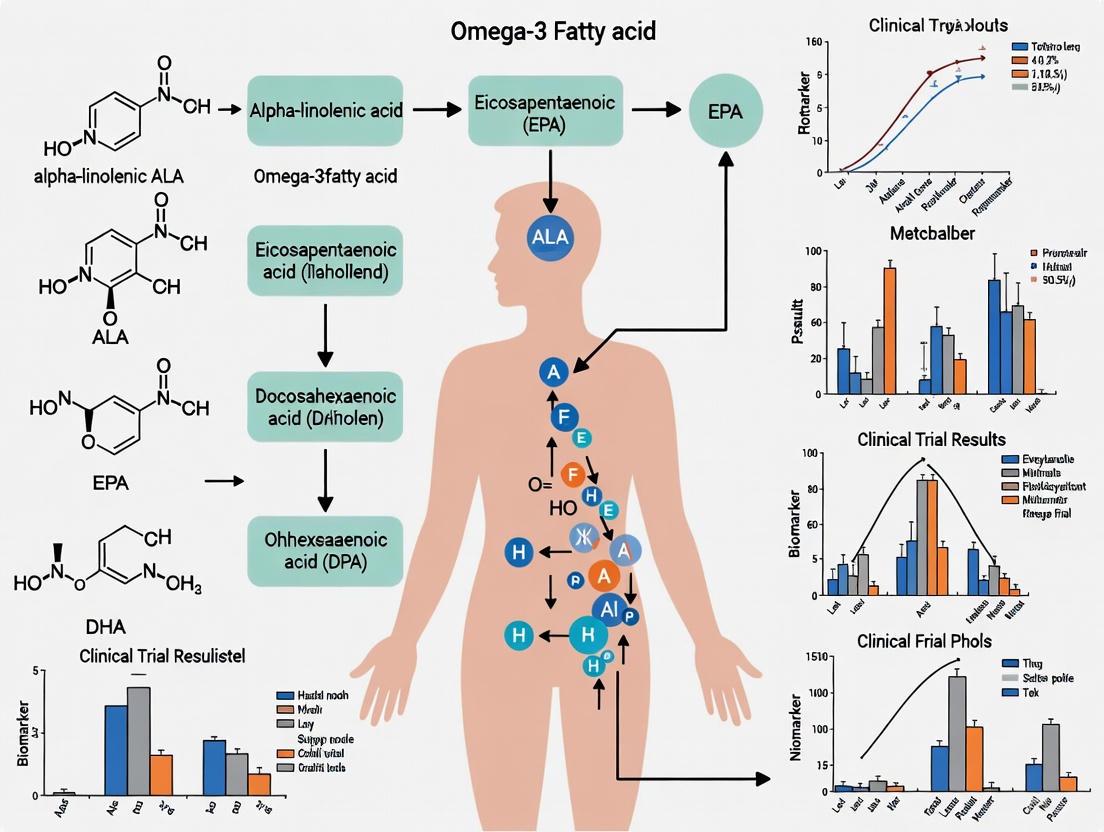
This article synthesizes the current clinical evidence on the efficacy of omega-3 fatty acids (EPA and DHA) across various health domains, including chronic pain management, cardiometabolic health, and neuroinflammatory conditions.
Omega-3 Fatty Acids in Clinical Practice: A Systematic Review of Efficacy, Mechanisms, and Evidence-Based Applications
Abstract
This article synthesizes the current clinical evidence on the efficacy of omega-3 fatty acids (EPA and DHA) across various health domains, including chronic pain management, cardiometabolic health, and neuroinflammatory conditions. Tailored for researchers and drug development professionals, it provides a critical analysis of foundational biological mechanisms, methodological considerations for clinical trial design, strategies for optimizing therapeutic outcomes, and a comparative evaluation of evidence across different formulations and patient populations. The review highlights the nuanced, condition-specific benefits of omega-3s, underscores the importance of precision in dosing and formulation, and identifies key gaps and future directions for biomedical research.
Unraveling the Mechanisms: How Omega-3s Exert Their Pleiotropic Effects
Inflammation is a fundamental host defense mechanism that protects the body from infection and injury, characterized by classic signs of redness, swelling, heat, pain, and loss of function [1]. This complex biological response involves intricate interactions among various cell types and the production of chemical mediators that work to eliminate pathogens, clear cellular debris, and initiate tissue repair processes. Historically, the resolution of inflammation was viewed as a passive process resulting from the gradual dilution of inflammatory mediators. However, groundbreaking research has revealed that resolution is an active, programmed process mediated by a sophisticated family of lipid-based molecules known as specialized pro-resolving mediators (SPMs) [2].
The inflammatory cascade is primarily governed by the NF-κB signaling pathway, a critical regulator of genes encoding pro-inflammatory cytokines [3]. Concurrently, SPMs—derived from omega-3 polyunsaturated fatty acids (PUFAs)—orchestrate resolution by limiting neutrophil infiltration, promoting macrophage phagocytosis of cellular debris and pathogens, and stimulating tissue repair without immunosuppression [2]. Understanding the balance between these pro-inflammatory and pro-resolving pathways provides crucial insights for developing novel therapeutic strategies for chronic inflammatory diseases, autoimmune disorders, and conditions characterized by unresolved inflammation.
The NF-κB Pathway: Master Regulator of Inflammation
Molecular Mechanisms and Signaling Cascade
Nuclear factor-kappa B (NF-κB) functions as a pivotal transcription factor involved in regulating numerous cellular processes, including immune responses, inflammation, cell growth, and apoptosis [3]. In unstimulated cells, NF-κB resides in the cytoplasm bound to inhibitory proteins known as IκBs. The activation of this pathway begins when pro-inflammatory stimuli—such as bacterial lipopolysaccharide (LPS) or cytokines like TNF-α, IL-6, and IL-1β—trigger a signaling cascade that activates the IκB kinase (IKK) complex [3].
The IKK complex comprises three key subunits: IKKα, IKKβ, and IKK/NF-κB essential modulator (NEMO). Upon activation, particularly through the IKKβ subunit, this complex phosphorylates IκB proteins, leading to their ubiquitination and subsequent degradation by the proteasome [3]. The degradation of IκB liberates NF-κB (primarily the p65 subunit), allowing it to translocate to the nucleus where it binds to specific DNA sequences and initiates the transcription of target genes. These genes encode various pro-inflammatory mediators, including cytokines, chemokines, and adhesion molecules, which collectively amplify the inflammatory response [3].
Experimental Modulation and Research Tools
Research into NF-κB pathway modulation has revealed several promising therapeutic candidates. A recent meta-analysis of 25 experimental studies demonstrated that lactoferrin and its derived peptides significantly suppress NF-κB pathway activation [3]. The analysis reported substantial reductions in key pathway components: IKK-β levels decreased by 7.37-fold, phosphorylated IκB (p-IκB) by 15.02-fold, and NF-κB (p65) by 3.88-fold in various cell types and animal models [3]. Furthermore, lactoferrin pretreatment significantly reduced the production of pro-inflammatory cytokines, with TNF-α decreasing by 8.73 pg/mL, IL-1β by 2.21 pg/mL, and IL-6 by 3.24 pg/mL compared to groups exposed to LPS alone [3].
Table 1: Effects of Lactoferrin on NF-κB Pathway Components and Inflammatory Cytokines
| Parameter Measured | Reduction Achieved with Lactoferrin | Experimental Context |
|---|---|---|
| IKK-β | 7.37-fold decrease | Various cells and tissues |
| p-IκB | 15.02-fold decrease | Various cells and tissues |
| NF-κB (p65) | 3.88-fold decrease | Various cells and tissues |
| TNF-α | 8.73 pg/mL decrease | LPS-induced models |
| IL-1β | 2.21 pg/mL decrease | LPS-induced models |
| IL-6 | 3.24 pg/mL decrease | LPS-induced models |
The experimental methodology for investigating NF-κB inhibition typically involves pretreating cells or animal models with the compound of interest (e.g., lactoferrin) followed by exposure to LPS to induce inflammatory signaling [3]. Researchers then analyze key pathway components using techniques such as ELISA for cytokine quantification and real-time qPCR for measuring mRNA levels of IKK-β, p-IκB, and NF-κB (p65) [3]. Dose-response studies have revealed that lactoferrin exposure doses exceeding 100 μg/mL (high dose) typically produce more pronounced inhibitory effects compared to lower doses (≤100 μg/mL) [3].
Specialized Pro-Resolving Mediators: Endogenous Resolution Agonists
Biosynthesis and Classification of SPMs
Specialized pro-resolving mediators represent a distinct class of lipid mediators that actively orchestrate the resolution phase of inflammation. These molecules are primarily synthesized from dietary omega-3 polyunsaturated fatty acids, including eicosapentaenoic acid (EPA) and docosahexaenoic acid (DHA), through enzymatic reactions involving cyclooxygenase-2 (COX-2) and lipoxygenases (ALOX-5, ALOX-12, ALOX-15) [2]. The major SPM families include:
- E-series resolvins (RvE1, RvE2, RvE3, RvE4) derived from EPA
- D-series resolvins (RvD1 through RvD6) derived from DHA
- Protectins (PD1, also known as neuroprotectins) derived from DHA
- Maresins (MaR1) derived from DHA via 12-lipoxygenase
- Lipoxins (LXA4 and LXB4) derived from arachidonic acid [2]
SPM production occurs through a temporally regulated process in various cell types, including innate and adaptive leukocytes, platelets, epithelial cells, and endothelial cells [2]. Importantly, immune cells can undergo "class switching" from producing pro-inflammatory lipids (e.g., prostaglandins and leukotrienes) to generating pro-resolving SPMs by altering their expression of synthetic enzymes [2]. Additionally, SPMs can be produced via transcellular biosynthesis, where one cell type produces an intermediate that is subsequently converted to the final effector molecule by a different cell type [2] [4].
Mechanisms of Action and Receptor Interactions
SPMs exert their pro-resolving effects primarily by binding to specific G-protein coupled receptors (GPCRs) on target cells [2]. Identified receptors include ALX/FPR2 (which binds RvD1, RvD3, and LXA4), GPR32/DRV1 (binds RvD1, RvD3, and RvD5), GPR18/DRV2 (binds RvD2), GPR37 (binds PD1), LGR6 (binds MaR1), and ChemR23/ERV1 (binds RvE1) [2]. Receptor-ligand binding triggers intracellular signaling cascades that promote nonphlogistic phagocytosis (pathogen clearance without proinflammatory cytokine release), enhance efferocytosis (clearance of apoptotic cells), reduce leukocyte infiltration, and decrease production of pro-inflammatory cytokines and chemokines [2].
Table 2: Major Specialized Pro-Resolving Mediators and Their Functions
| SPM Class | Precursor | Key Receptors | Primary Functions |
|---|---|---|---|
| Lipoxins (LXA4, LXB4) | Arachidonic acid | ALX/FPR2 | Limit neutrophil infiltration, stimulate monocyte recruitment |
| E-series Resolvins | EPA | ChemR23, BLT1 | Reduce neutrophil migration, enhance phagocytosis |
| D-series Resolvins | DHA | GPR32, ALX/FPR2, GPR18 | Promote bacterial phagocytosis, stimulate tissue regeneration |
| Protectins | DHA | GPR37 | Limit T-cell migration, reduce cytokine production, neuroprotection |
| Maresins | DHA | LGR6 | Stimulate macrophage efferocytosis, promote tissue regeneration |
Macrophages play a particularly crucial role in both producing and responding to SPMs. Research demonstrates that M2-polarized macrophages predominantly produce SPMs including D-series resolvins, maresins, and lipoxins, whereas M1-polarized macrophages primarily generate inflammatory mediators such as leukotriene B4 (LTB4) and prostaglandin E2 (PGE2) [2]. Furthermore, SPMs can drive macrophage polarization from a pro-inflammatory M1 phenotype toward a pro-resolving M2-like phenotype, facilitating tissue repair and restoration of homeostasis [2].
Comparative Analysis of SPMs in Experimental Models
In Vitro and Animal Model Evidence
Substantial experimental evidence supports the therapeutic potential of SPMs across various disease models. In a proof-of-concept study investigating osteoarthritis, bovine osteochondral explants stimulated with IL-1β were treated with either MaR1 or RvD1 at 100 nM concentrations [4]. The results demonstrated that MaR1 significantly reduced IL-6 levels and cartilage degradation marker CTX-II, while RvD1 specifically reduced CTX-II but did not significantly affect IL-6 production [4]. This suggests distinct mechanisms of action for different SPM classes, with maresins potentially offering broader anti-inflammatory and anti-degradative effects in joint pathology.
In macrophage studies, both RvD1 and RvD2 profoundly reduced proinflammatory cytokine production and promoted polarization toward an M2 phenotype [2]. These resolvins also restored phagocytic activity in macrophages exposed to cigarette smoke and suppressed priming of the NLRP3 inflammasome, as evidenced by reduced expression of IL-1β and IL-18 in bone marrow-derived and peritoneal macrophages [2]. Additionally, RvD1 and MaR1 reduced TNF-α expression in macrophages infected with M. tuberculosis while simultaneously enhancing mycobacterial-killing capacity [2].
In vivo studies further substantiate these findings. RvE1 and PD1 promoted resolution in a mouse model of zymosan-induced peritonitis by enhancing macrophage phagocytosis of zymosan and efferocytosis of neutrophils [2]. Similarly, RvD1 increased phagocytosis of P. aeruginosa and efferocytosis of leukocytes in macrophages from cystic fibrosis patients and mouse models without increasing proinflammatory cytokine expression [2]. These effects were accompanied by profound transcriptomic changes characterized by suppression of inflammatory genes and increased expression of genes related to phagocytosis and inflammation resolution [2].
Human Platelet-Rich Plasma as an SPM Source
Recent research has investigated platelet-rich plasma (PRP) as a potential source of SPMs for therapeutic applications. Analysis of PRP from 40 patients revealed detectable concentrations of MaR1 (667.5 ± 241.2 pg/mL) and RvD1 (139.5 ± 84.2 pg/mL) [4]. Importantly, MaR1 levels correlated with both RvD1 concentrations and platelet count, suggesting platelets contribute to SPM production in PRP [4].
When PRP samples with high versus low SPM content were tested on IL-1β-stimulated human chondrocytes, PRP with high SPM concentrations demonstrated stronger anti-inflammatory activity, including reduced expression of IL-6, MMP-13, and COL2A1 genes, along with lower CTX-II levels [4]. These findings highlight the potential role of SPMs in PRP's therapeutic effects and suggest that SPM concentration might serve as a biomarker for PRP efficacy in clinical applications.
Table 3: Experimental Evidence for Key SPMs in Disease Models
| SPM | Experimental Model | Concentration/Dose | Key Findings |
|---|---|---|---|
| MaR1 | Bovine osteochondral explants + IL-1β | 100 nM | Significant reduction in IL-6 (p=0.035) and CTX-II (p=0.043) |
| RvD1 | Bovine osteochondral explants + IL-1β | 100 nM | Significant reduction in CTX-II (p=0.003), no significant effect on IL-6 |
| RvD1/RvD2 | Macrophages + cigarette smoke extract | Not specified | Reduced proinflammatory cytokines, restored phagocytic activity |
| RvD1 | Cystic fibrosis macrophages + P. aeruginosa | Not specified | Increased bacterial phagocytosis and efferocytosis, suppressed inflammatory genes |
| RvE1/PD1 | Mouse zymosan-induced peritonitis | Not specified | Enhanced macrophage phagocytosis of zymosan and efferocytosis of neutrophils |
Omega-3 Fatty Acids: Precursors to Resolution
Incorporation into Cellular Membranes and Metabolic Conversion
The relationship between dietary omega-3 fatty acids and SPM formation represents a critical link between nutrition and inflammation resolution. When consumed, EPA and DHA become incorporated into the phospholipid membranes of inflammatory cells, typically at the expense of arachidonic acid [1]. This membrane incorporation occurs in a dose-responsive manner over days to weeks, reaching a new steady-state composition within approximately four weeks of increased intake [1].
The fatty acid composition of immune cells significantly influences their function through multiple mechanisms: (1) altering physical membrane properties such as fluidity and lipid raft formation; (2) modifying cell signaling pathways that lead to changes in gene expression; and (3) shifting the pattern of lipid mediators produced toward less inflammatory and more pro-resolving profiles [1]. Cells rich in EPA and DHA consequently produce eicosanoids with different properties than those derived from arachidonic acid, in addition to generating SPMs that actively promote resolution [1].
Clinical Evidence and Formulation Considerations
Clinical evidence regarding omega-3 supplementation reveals nuanced outcomes across different conditions. In cardiovascular medicine, the REDUCE-IT trial using 4 g/day of purified EPA (icosapent ethyl) demonstrated significant cardiovascular risk reduction [5]. However, subsequent trials like STRENGTH (using 4 g/day of EPA+DHA combination) and OMEMI (using 1.8 g/day EPA+DHA) showed no cardiovascular benefit with mixed formulations [5]. More recently, the RESPECT-EPA trial in Japan tested 1.8 g/day of purified EPA and found a modest, though not statistically significant, reduction in the primary endpoint, but demonstrated approximately 25% relative risk reduction in coronary disease outcomes—similar to REDUCE-IT [5].
In peripheral arterial disease (PAD), a systematic review and meta-analysis of 12 studies concluded that supplementation with EPA or EPA+DHA did not improve pain-free walking distance, maximal walking distance, ankle-brachial index, or flow-mediated vasodilation compared to placebo [6]. Similarly, an overview of 33 systematic reviews found limited evidence supporting omega-3 supplementation for enhancing lean mass, muscle strength, or physical function in healthy adults or clinical populations [7].
However, in exercise physiology, a 6-week supplementation study with either EPA-rich (1.8 g EPA + 1.2 g DHA daily) or DHA-rich (2 g DHA + 1 g EPA daily) formulations in endurance-trained males demonstrated significant improvements in submaximal exercise physiology [8] [9]. Both formulations lowered exercising heart rate (EPA-rich: ∆ = -4 bpm; DHA-rich: ∆ = -9 bpm) and rating of perceived exertion (EPA-rich: ∆ = -0.7; DHA-rich: ∆ = -0.9), while only EPA-rich supplementation increased respiratory exchange ratio [9]. These changes correlated with increased Omega-3 Index, which inversely associated with heart rate (RHO = -0.43) and perceived exertion (RHO = -0.40) changes [9].
The Scientist's Toolkit: Essential Research Reagents and Methodologies
Key Research Reagent Solutions
Table 4: Essential Research Reagents for Investigating Inflammation and Resolution Pathways
| Reagent/Category | Specific Examples | Research Applications | Key Functions |
|---|---|---|---|
| SPM Standards | MaR1, RvD1, RvE1, PD1, LXA4 | In vitro and in vivo models | Positive controls, treatment compounds, receptor binding studies |
| SPM Detection Kits | Enzyme immunoassay kits (Cayman Chemical) | Quantifying SPM levels in biological samples | Measurement of MaR1, RvD1, and other SPM concentrations in PRP, tissue, fluid |
| Omega-3 Formulations | EPA-rich fish oil, DHA-rich algae oil | Human supplementation studies | Investigating precursor effects on SPM production and physiological outcomes |
| Inflammation Inducers | LPS (E. coli serotypes), IL-1β, zymosan | In vitro and animal inflammation models | Stimulating inflammatory pathways for mechanistic studies |
| Cytokine Detection | ELISA kits (TNF-α, IL-1β, IL-6) | Quantifying inflammatory mediators | Measuring cytokine production in cell supernatants, tissue homogenates |
| Pathway Analysis | IKK-β, p-IκB, NF-κB p65 antibodies | Western blot, immunohistochemistry | Assessing NF-κB pathway activation and inhibition |
| Cell Culture Models | Primary chondrocytes, macrophages, osteochondral explants | In vitro mechanistic studies | Investigating cellular responses in relevant tissue environments |
Experimental Protocols and Methodological Considerations
For SPM research, standardized protocols have been developed to ensure reproducible results. In PRP analysis, processing typically involves a double-spin centrifugation protocol (e.g., 3800 rpm for 1.5 minutes followed by 3800 rpm for 5 minutes) to separate platelets from other blood components [4]. SPM measurement in PRP or other biological samples utilizes enzyme immunoassay kits according to manufacturer protocols, with careful attention to sample collection and storage conditions [4].
In cell-based assays, chondrocyte isolation commonly involves enzymatic digestion with collagenase II (0.2% in HBSS) for 18-20 hours at 37°C, followed by filtration through a 70μm strainer and washing steps [4]. For inflammation studies, researchers typically stimulate cells with IL-1β at 10 ng/mL or LPS at 1 μg/mL to induce robust inflammatory responses [3] [4]. SPM treatment concentrations vary by experiment, but 100 nM has been established as effective for both MaR1 and RvD1 in bovine osteochondral explant models [4].
In animal models of inflammation, zymosan-induced peritonitis represents a well-characterized system for studying resolution pathways [2]. Researchers typically administer SPMs intravenously or intraperitoneally after inflammation induction and assess parameters including neutrophil infiltration, macrophage phagocytosis, and cytokine production at specific timepoints [2].
For human supplementation studies, research indicates that dosing duration should extend sufficiently long to allow omega-3 incorporation into cell membranes—typically at least 6-8 weeks—with monitoring of the Omega-3 Index to confirm compliance and bioavailability [8] [9]. Dosing strategies that elevate the Omega-3 Index to at least 8% appear necessary for optimal physiological effects, though many studies fail to achieve this threshold [9].
The intricate interplay between the NF-κB pathway and specialized pro-resolving mediators represents a sophisticated regulatory system that maintains inflammatory balance in the body. While NF-κB activation initiates necessary inflammatory responses to threats, SPMs ensure these responses are self-limiting and resolve appropriately to prevent chronic inflammation and tissue damage. The emerging understanding of these complementary pathways reveals promising therapeutic opportunities for conditions characterized by excessive or unresolved inflammation.
Current evidence suggests that targeted modulation of both pathways—either through inhibition of NF-κB signaling or augmentation of SPM actions—holds significant potential for treating inflammatory disorders. However, important distinctions in the biological activities of different SPMs, along with formulation-specific effects of their omega-3 precursors, highlight the need for continued mechanistic research and well-designed clinical trials. The developing recognition that inflammation resolution is an active process mediated by specific lipid mediators represents a paradigm shift in inflammation biology with far-reaching implications for therapeutic development across numerous disease states.
Impact on Cell Membrane Fluidity and Receptor Function
Cell membrane fluidity, a fundamental biophysical property governed by lipid composition, is crucial for cellular signaling, transport, and protein function. Among dietary factors influencing membrane dynamics, omega-3 polyunsaturated fatty acids (PUFAs)—specifically eicosapentaenoic acid (EPA) and docosahexaenoic acid (DHA)—serve as critical modulators of membrane structure and function [10]. These fatty acids incorporate into membrane phospholipids, altering physical properties and influencing the behavior of transmembrane proteins, including G protein-coupled receptors (GPCRs) [11]. The molecular interplay between omega-3 fatty acids, membrane biophysics, and receptor activity represents a key mechanism underlying their broad health effects, from cardiovascular protection to neurological function [10] [12]. This guide objectively compares the effects and mechanisms of different omega-3 formulations—primarily fish oil, krill oil, and purified EPA—on membrane fluidity and receptor function, providing researchers with experimental data and methodologies relevant to drug development.
Biological Basis of Omega-3 Action on Membranes
Incorporation and Structural Modification
Omega-3 PUFAs integrate into the lipid bilayer of cell membranes, primarily by incorporating into phospholipids. This incorporation increases membrane fluidity and deformability by introducing kinks in the hydrocarbon chains due to their multiple double bonds, which reduces the packing density of the lipid bilayer [10]. DHA, with its six double bonds, is particularly effective at enhancing membrane fluidity [11]. The erythrocyte membrane serves as an accessible and representative model for studying these effects, as its lipid composition reflects systemic metabolic status and dietary intake [13].
Differential Effects of EPA and DHA
Recent evidence suggests that EPA and DHA exert distinct, and sometimes opposing, effects on membrane physical properties. Experimental studies indicate that DHA consistently increases membrane fluidity, while EPA may reduce fluidity or increase membrane stability under certain conditions [13] [11]. This divergence may explain their different clinical outcomes in cardiovascular trials, as membrane stabilization versus fluidization triggers different signaling cascades [13].
Receptor Function Modulation
The lipid environment directly influences receptor conformation, oligomerization, and signaling efficiency. Molecular dynamics simulations and experimental studies demonstrate that DHA-enriched membranes markedly increase the oligomerisation kinetics of GPCRs, such as adenosine A2A and dopamine D2 receptors, by enhancing their lateral diffusion and promoting membrane phase separation [11]. This effect on receptor oligomerization represents a fundamental mechanism through which omega-3 fatty acids influence neuropsychiatric conditions and neurological disorders [11].
Table 1: Molecular Effects of Omega-3 Fatty Acids on Membrane Properties and Receptor Function
| Omega-3 Fatty Acid | Effect on Membrane Fluidity | Impact on Receptor Function | Key Signaling Pathways Influenced |
|---|---|---|---|
| DHA | Markedly increases fluidity | Increases GPCR oligomerisation kinetics [11] | Dopamine D2, Adenosine A2A receptor signaling [11] |
| EPA | May reduce fluidity/increase stability [13] | Modulates inflammatory receptor activity | NF-κB inhibition, PPAR-γ activation [10] |
| ALA | Modest effect on fluidity | Limited direct receptor effects | Primarily as precursor to EPA/DHA [10] |
Comparative Analysis of Omega-3 Bioavailability and Membrane Incorporation
Source-Dependent Structural Forms
The biochemical carrier of EPA and DHA significantly influences their absorption, tissue distribution, and eventual incorporation into cell membranes:
- Fish Oil: Delivers EPA and DHA primarily in the form of triglycerides (TGs) and less commonly as ethyl esters [14]. Digestion requires pancreatic lipase action, and absorption depends on bile salt-mediated micelle formation [14].
- Krill Oil: Provides EPA and DHA predominantly bound to phospholipids (PLs), particularly phosphatidylcholine [14]. Phospholipids possess emulsifying properties that may enhance their own digestion and absorption, with lysophosphatidylcholine serving as an efficient carrier for tissue delivery [14].
- Purified EPA: Available as icosapent ethyl, a high-purity ethyl ester formulation developed for pharmaceutical use [5].
Bioavailability and Tissue Distribution
The structural differences between omega-3 sources translate into varied bioavailability profiles:
- Brain Delivery: The transport of DHA in phospholipid form (as in krill oil) to the brain occurs via the MFSD2A transporter protein at the blood-brain barrier, which recognizes specifically the lysophosphatidylcholine-DHA (LPC-DHA) form [14]. This creates a selective mechanism for brain DHA accumulation that may be more efficient with phospholipid-bound omega-3s [14].
- Cardiovascular Tissue Uptake: Studies comparing krill oil versus fish oil supplementation have examined their effects on cardiovascular risk markers, with some evidence suggesting krill oil's phospholipid form may provide effective incorporation into cardiac membranes at lower doses [14].
- Erythrocyte Membrane Incorporation: The Omega-3 Index (O3i), measured in erythrocyte membranes, reflects long-term omega-3 intake and status. A recent network meta-analysis demonstrated that krill oil in phospholipid form shows superior absorption and efficacy at lower doses compared to fish oil in triglyceride form for increasing O3i [14].
Table 2: Comparative Bioavailability of Omega-3 Formulations
| Parameter | Fish Oil (Triglyceride) | Krill Oil (Phospholipid) | Ethyl Esters |
|---|---|---|---|
| Primary Molecular Form | Triglycerides [14] | Phospholipids (mainly phosphatidylcholine) [14] | Ethyl esters [5] |
| Absorption Mechanism | Pancreatic lipase hydrolysis, bile-dependent micelle formation [14] | Phospholipase A2 hydrolysis, some intact absorption [14] | Requires re-esterification, bile-dependent |
| Bioavailability Ranking | Intermediate [14] | High (particularly for brain delivery) [14] | Lower [14] |
| Tissue Distribution Profile | General, with TG-rich lipoproteins | Selective for brain via MFSD2A transporter [14] | General |
| Additional Bioactives | Variable vitamin E, D | Astaxanthin, flavonoids, choline [14] | None (purified) |
Experimental Models and Methodologies
Membrane Fluidity Assessment
Several established experimental approaches enable quantitative assessment of membrane fluidity in response to omega-3 interventions:
- Fluorescence Polarization: Using fluorescent probes such as diphenylhexatriene (DPH) or TMA-DPH embedded in lipid bilayers, researchers can measure fluorescence anisotropy, which inversely correlates with membrane fluidity [13]. This method has been applied to demonstrate that DHA increases erythrocyte membrane fluidity (EMF) while EPA may exert stabilizing effects [13].
- Electron Paramagnetic Resonance (EPR): Utilizing spin-labeled fatty acids incorporated into membranes, EPR spectroscopy can detect changes in membrane order parameters and rotational diffusion, providing detailed information on lipid packing density [11].
- Molecular Dynamics Simulations: Extensive multiscale computer modeling (all-atom and coarse-grained) simulates the behavior of lipids and proteins in membranes of varying composition, enabling prediction of biophysical properties and protein-lipid interactions [11].
Receptor Function Assays
- Bioluminescence Resonance Energy Transfer (BRET): This live-cell assay measures protein-protein interactions, including GPCR oligomerisation, by quantifying energy transfer between luciferase-tagged and fluorescent protein-tagged receptors [11]. BRET experiments conducted in HEK-293T cells demonstrated that DHA enrichment increases the oligomerisation kinetics of adenosine A2A and dopamine D2 receptors without altering the steady-state oligomerisation level [11].
- Signal Transduction Assays: Downstream signaling pathways activated by receptors can be monitored through Western blotting for phosphorylated signaling intermediates, cAMP assays, calcium imaging, or reporter gene assays to determine functional consequences of membrane fluidity changes [10] [12].
In Vivo Supplementation Models
Animal and human studies typically involve dietary supplementation followed by membrane analysis:
- Animal Models: Rodents receive omega-3 supplements via diet or orogastric administration for several weeks, after which tissues are collected for membrane lipid analysis and fluidity measurements [15]. For example, studies supplementing rats with krill oil, fish oil, or astaxanthin for 4 weeks followed by ethanol-induced gastric ulcer modeling demonstrated protective effects related to membrane stabilization [15].
- Human Trials: Participants receive defined omega-3 doses for specified durations, with erythrocyte membranes commonly used as a biomarker for tissue incorporation. Membrane fluidity is then correlated with clinical endpoints or molecular markers [13] [16].
Experimental Protocols for Key Assessments
BRET Assay for GPCR Oligomerisation
Objective: To quantify the effect of membrane DHA content on A2A and D2 receptor oligomerisation kinetics in living cells [11].
Methodology:
- Cell Culture and Transfection: HEK-293T cells are transiently co-transfected with constant amount of A2A receptor fused to Rluc (donor) and increasing amounts of D2 receptor fused to YFP (acceptor).
- DHA Treatment: Cells are treated with 200 μM DHA for 48 hours in presence of adenosine deaminase (0.2 U/mL) to remove ambient adenosine.
- Membrane Lipid Analysis: Confirm DHA incorporation into cellular membranes via lipid extraction and chromatography (DHA content should increase from ~1% to ~6.5%).
- BRET Measurements: Distribute cell suspensions (20 μg protein) in 96-well microplates. Add coelenterazine-h substrate (5 μM final concentration). Measure luminescence (485 nm) and fluorescence (530 nm) signals at 1 and 10 minutes using a plate reader with appropriate filters.
- Data Analysis: Calculate BRET ratio as (emission at 530 nm)/(emission at 485 nm). Plot BRET ratio versus acceptor/donor ratio. Compare association curves between DHA-treated and control cells.
Erythrocyte Membrane Fluidity Measurement
Objective: To assess the effect of omega-3 supplementation on erythrocyte membrane fluidity as a biomarker of cardiovascular risk [13].
Methodology:
- Sample Preparation: Isolate erythrocytes from fresh blood samples by centrifugation. Wash three times with phosphate-buffered saline (PBS).
- Membrane Labeling: Incubate erythrocytes with the fluorescent probe DPH (2 μM final concentration) for 45 minutes at 37°C.
- Fluorescence Polarization Measurement: Transfer labeled cells to a quartz cuvette. Measure fluorescence intensity with polarizers set to parallel and perpendicular orientations relative to the excitation beam.
- Calculation: Compute fluorescence anisotropy (r) using the formula: r = (I∥ - I⟂)/(I∥ + 2I⟂), where I∥ and I⟂ are the parallel and perpendicular fluorescence intensities, respectively. Lower anisotropy values indicate higher membrane fluidity.
- Membrane Lipid Analysis: Extract lipids from erythrocyte membranes and analyze fatty acid composition via gas chromatography to correlate membrane fluidity with DHA/EPA content.
Mechanisms of Omega-3 Action on Membrane Structure and Function
The Scientist's Toolkit: Essential Research Reagents
Table 3: Key Research Reagents for Omega-3 Membrane Studies
| Reagent/Category | Specific Examples | Research Application | Experimental Notes |
|---|---|---|---|
| Omega-3 Sources | Krill oil (Euphausia superba), Fish oil (various species), Purified EPA (icosapent ethyl), Purified DHA | In vivo supplementation studies; membrane incorporation research | Standardize EPA/DHA content for comparisons; consider phospholipid vs. triglyceride forms [14] |
| Fluidity Probes | Diphenylhexatriene (DPH), TMA-DPH, Laurdan, Pyrene | Fluorescence polarization/anisotropy measurements | DPH for core bilayer; TMA-DPH for surface region; different depth penetration [13] |
| Cell Lines | HEK-293T, SH-SY5Y, Primary neurons, Isolated erythrocytes | BRET assays, electrophysiology, membrane property analysis | HEK-293T suitable for transfection; erythrocytes for native membrane studies [11] |
| BRET Components | A2A-Rluc, D2-YFP constructs, Coelenterazine-h substrate | GPCR oligomerisation kinetics | Optimize acceptor:donor ratio; include proper controls for non-specific interactions [11] |
| Chromatography Standards | Fatty acid methyl esters (FAMEs), Phospholipid standards | GC/MS and LC/MS analysis of membrane lipid composition | Include internal standards for quantification; validate extraction efficiency [13] |
Clinical Implications and Research Perspectives
The modulation of membrane fluidity and receptor function by omega-3 fatty acids has significant clinical implications, particularly in cardiovascular and neurological diseases. In cardiovascular health, erythrocyte membrane fluidity has emerged as a novel, modifiable risk factor biomarker, with evidence suggesting that EPA's membrane-stabilizing effect may contribute to its cardiovascular benefits demonstrated in the REDUCE-IT trial [13]. In contrast, the STRENGTH trial using combined EPA/DHA failed to show similar benefits, potentially due to DHA's counteracting fluidizing effects [13].
In neurological disorders, including Parkinson's disease, schizophrenia, and neurodevelopmental conditions, DHA-mediated enhancement of GPCR oligomerisation kinetics may restore disrupted receptor crosstalk and signaling balance [11] [12]. The preferential uptake of phospholipid-bound DHA by the brain via the MFSD2A transporter makes krill oil a particularly interesting candidate for neurological applications [14].
Future research priorities include:
- Precision Nutrition Approaches: Identifying genetic factors influencing membrane incorporation and response to different omega-3 forms.
- Formulation Optimization: Developing novel delivery systems to enhance brain targeting and membrane incorporation.
- Combination Therapies: Exploring synergistic effects of omega-3 fatty acids with other neuroprotective or cardioprotective agents.
- Standardized Assessment: Establishing validated protocols for clinical assessment of membrane fluidity as a biomarker.
Understanding the differential effects of various omega-3 formulations on membrane properties enables more targeted therapeutic applications and provides a mechanistic foundation for their diverse clinical effects across physiological systems.
This guide provides a comparative analysis of the Nrf2/ARE pathway and PPAR-γ as central molecular targets for modulating microglial-driven neuroinflammation. Within the broader context of clinical evidence for omega-3 fatty acid efficacy, we objectively evaluate the performance of these targets based on experimental data, detailing their distinct and overlapping mechanisms, downstream effects, and therapeutic potential. The analysis synthesizes current research to offer researchers and drug development professionals a structured overview of key signaling pathways, validated experimental methodologies, and essential research tools for investigating neuroinflammatory resolution.
Comparative Analysis of Key Molecular Targets
The following table summarizes the core characteristics, mechanisms, and evidence for Nrf2 and PPAR-γ as therapeutic targets for microglial regulation.
Table 1: Core Target Comparison: Nrf2/ARE vs. PPAR-γ in Microglial Regulation
| Feature | Nrf2/ARE Pathway | PPAR-γ |
|---|---|---|
| Primary Role | Master regulator of cytoprotective responses; central to oxidative stress response [17] [18]. | Ligand-activated transcription factor; master metabolic and inflammatory regulator [19] [20]. |
| Core Mechanism | Dissociation from KEAP1, nuclear translocation, and binding to Antioxidant Response Elements (ARE) to drive gene expression [21] [18]. | Forms a heterodimer with RXR, binds to Peroxisome Proliferator Response Elements (PPRE) to modulate gene transcription [20]. |
| Key Anti-inflammatory Actions | - Suppresses expression of pro-inflammatory cytokines like IL-6 [17].- Enhances autophagy pathways (e.g., increases LC3-II/LC3-I ratio) [17]. | - Antagonizes pro-inflammatory transcription factors NF-κB and AP-1 [19].- Inhibits NLRP3 inflammasome activation and M1 microglial polarization [19]. |
| Key Antioxidant Actions | Upregulates a robust panel of cytoprotective enzymes, including GCLC, GCLM, HMOX1, NQO1, SRXN1, and TXNRD1 [18]. | Synergizes with Nrf2 and upregulates endogenous antioxidant pathways [19]. |
| Interaction with Omega-3 PUFAs | Omega-3 PUFAs, particularly EPA, activate the P62/KEAP1/NRF2 antioxidant pathway [21]. | Omega-3 PUFAs activate PPAR-γ, which ameliorates central insulin resistance and suppresses ER stress [21]. |
| Representative Agonists | CDDO-Im [17], Omega-3 PUFAs (EPA) [21]. | Thiazolidinediones (TZDs - Pioglitazone, Rosiglitazone), Omega-3 PUFAs [19] [20]. |
| Therapeutic Caveats | A defined panel of direct target genes (e.g., GCLC, HMOX1, NQO1) is recommended for consistent activity measurement across studies [18]. | First-generation TZDs are associated with adverse effects like edema and weight gain, driving the development of selective modulators (e.g., INT131) [20]. |
Experimental Data and Protocols
Quantitative Outcomes in Microglial Studies
Experimental data from cell and animal models demonstrate the measurable effects of target engagement on neuroinflammatory parameters.
Table 2: Summary of Experimental Outcomes from Preclinical Studies
| Study Model / Intervention | Key Measured Outcome | Result | Reference |
|---|---|---|---|
| HMC3 Human Microglial Cells + CDDO-Im (NRF2 agonist) | IL-6 expression (Inflammation) | Significant suppression [17] | |
| HMC3 Human Microglial Cells + CDDO-Im | LC3-II/LC3-I ratio (Autophagy) | Increased ratio [17] | |
| HMC3 Human Microglial Cells + Omega-3 (EPA/DHA) | NF-κB p65 nuclear translocation | Abolished activation [22] [23] | |
| HMC3 Human Microglial Cells + Obesogenic Nutrients (Fructose/PA) | Reactive Oxygen Species (ROS) | Induced production; inhibited by Omega-3 and CLA [23] | |
| Rat Model of Traumatic Brain Injury (TBI) + Omega-3 PUFA | Brain Water Content (Edema) | Reduced [24] | |
| Rat Model of TBI + Omega-3 PUFA | Neurological Severity Score (mNSS) | Improved neurological function [24] |
Detailed Experimental Protocol: Evaluating NF-κB Inhibition in Human Microglia
The following protocol is adapted from studies investigating the acute effects of fatty acids on the NF-κB pathway in HMC3 cells [22] [23].
1. Cell Culture and Pre-treatment:
- Culture HMC3 (Human Microglial Clone 3) cells in standard medium.
- Divide cells into experimental groups: Control, Obesogenic Challenge, and Pre-treatment groups.
- For pre-treatment groups, expose cells to candidate fatty acids (e.g., Omega-3 EPA/DHA, CLA, CLNA) at physiologically relevant concentrations (e.g., 50-100 µM) for a short duration (e.g., 1-2 hours).
2. Inflammatory Challenge:
- Stimulate the Obesogenic Challenge and Pre-treatment groups with a combination of palmitic acid (PA, e.g., 200 µM) and fructose (e.g., 5 mM) to induce inflammatory signaling. The Control group receives vehicle only.
3. Live-Cell Imaging and FRET Analysis:
- Transfer cells to an imaging chamber maintained at 37°C and 5% CO₂.
- Use a confocal microscope equipped with FRET capability to monitor NF-κB pathway activation in real-time.
- Metric 1: IκBα Degradation: Monitor the decrease in FRET signal from an IκBα-FRET biosensor, indicating degradation of IκBα and pathway initiation.
- Metric 2: p65 Nuclear Translocation: Track the translocation of the p65 subunit (fused to a fluorescent protein) from the cytoplasm to the nucleus, a key step in NF-κB activation.
4. Secondary Validation Assays:
- Reactive Oxygen Species (ROS) Measurement: Following the same treatment protocol, incubate cells with a ROS-sensitive fluorescent dye (e.g., H₂DCFDA) and measure fluorescence intensity via flow cytometry or plate reader.
- Western Blot Analysis: Confirm findings by analyzing protein levels of phospho-IκBα, total IκBα, and nuclear p65 in fractionated lysates.
5. Receptor Mechanism Investigation:
- To test the involvement of the GPR120/FFA4 receptor, repeat the pre-treatment and challenge in the presence of a specific agonist (e.g., TUG-891) and/or antagonist (e.g., AH7614) [23].
Molecular Visualization of Pathways and Workflows
Omega-3 Mediated Regulation of Microglial Inflammation
This diagram illustrates the core mechanisms by which Omega-3 PUFAs engage Nrf2 and PPAR-γ to suppress neuroinflammation and oxidative stress in microglia.
Experimental Workflow for Microglial NF-κB Analysis
This flowchart outlines the key steps in the live-cell imaging protocol for evaluating NF-κB inhibition in human microglial cells.
The Scientist's Toolkit: Research Reagent Solutions
Table 3: Essential Reagents and Tools for Investigating Microglial Targets
| Research Tool | Function / Application in Context | Example Use |
|---|---|---|
| HMC3 Cell Line | An immortalized human microglial cell line used for in vitro studies of neuroinflammation and compound screening [17] [22]. | Modeling microglial activation in response to obesogenic nutrients or therapeutic fatty acids [22] [23]. |
| CDDO-Im | A potent synthetic triterpenoid agonist of the Nrf2 pathway [17]. | Used as a positive control to elucidate Nrf2-specific effects on microglial inflammation and autophagy [17]. |
| TUG-891 & AH7614 | GPR120/FFA4 receptor agonist and antagonist, respectively [23]. | Pharmacological tools to dissect the specific role of GPR120 in mediating the anti-inflammatory effects of omega-3 fatty acids [23]. |
| FRET Biosensors | Genetically encoded sensors (e.g., for IκBα degradation) that allow real-time monitoring of signaling pathway dynamics in live cells [23]. | Quantifying the kinetics of NF-κB pathway inhibition by omega-3 fatty acids with high temporal resolution [23]. |
| NRF2 Biomarker Panel | A validated set of gene/protein targets (GCLC, GCLM, HMOX1, NQO1, SRXN1, TXNRD1) to reliably measure NRF2 activity across cell types [18]. | Standardized assessment of Nrf2 pathway engagement in response to experimental treatments via qPCR or Western Blot. |
| Selective PPAR-γ Modulators (SPPARγMs) | PPAR-γ agonists designed to retain insulin-sensitizing benefits while minimizing side effects like weight gain (e.g., INT131) [20]. | Investigating the therapeutic potential of partial PPAR-γ activation in microglial polarization and neuroinflammation. |
Omega-3 fatty acids, particularly eicosapentaenoic acid (EPA) and docosahexaenoic acid (DHA), constitute a cornerstone of nutritional neuroscience and cardiometabolic research. Their therapeutic potential stems from a complex, multi-target mechanism of action that impacts cellular signaling, membrane integrity, and inflammatory pathways across physiological systems [12] [25]. This review objectively compares the efficacy of different omega-3 formulations and dosages across neurodevelopmental, pain, and cardiometabolic pathways, framing the analysis within the broader thesis of developing evidence-based clinical applications. The growing interest in these compounds is fueled by their favorable safety profile and capacity to modulate multiple biological pathways simultaneously, offering a unique approach to managing complex chronic conditions [12].
The essential nature of these fats means they must be obtained from the diet or supplementation. However, factors such as the dietary ratio of omega-6 to omega-3 fatty acids, genetic variations in metabolic enzymes, and the molecular form of the supplement itself can dramatically influence their bioavailability and, consequently, their clinical efficacy [26] [27]. This review will delve into the condition-specific mechanistic data, supported by experimental findings and structured to guide researchers and drug development professionals in evaluating the evolving landscape of omega-3 therapeutics.
Mechanistic Insights and Pathophysiological Convergence
The therapeutic effects of omega-3 fatty acids are not mediated through a single pathway but rather through a confluence of overlapping mechanisms that converge on core pathophysiological processes. These processes—neuroinflammation, oxidative stress, and synaptic dysfunction—are common denominators in neurodevelopmental, neurological, and cardiometabolic disorders [12]. Understanding these shared mechanisms is crucial for appreciating the broad applicability of omega-3s.
Neuroinflammation Modulation: EPA is particularly potent in its anti-inflammatory action. It competitively inhibits the metabolism of the omega-6 fatty acid arachidonic acid (AA), reducing the synthesis of pro-inflammatory eicosanoids like prostaglandin E2 [12]. Furthermore, both DHA and EPA can suppress the activation of the nuclear factor kappa B (NF-κB) pathway, a master regulator of inflammation, thereby decreasing the production of cytokines such as TNF-α, IL-6, and IL-1β [12]. This reduction in neuroinflammation is critical in disorders like ADHD, autism spectrum disorder (ASD), and chronic pain, where inflammatory signaling is known to disrupt neural function.
Oxidative Stress Reduction: DHA plays a prominent role in protecting neurons from oxidative damage. It activates the Nrf2/ARE (Antioxidant Response Element) pathway, which upregulates the expression of endogenous antioxidant enzymes [12]. This mechanism helps to neutralize reactive oxygen species (ROS) and mitigates oxidative stress-related damage, including β-amyloid accumulation, which is relevant in neurodegenerative conditions and cognitive decline associated with various disorders [12].
Synaptic Function and Membrane Fluidity: DHA constitutes 20-30% of brain lipids and is a critical structural component of neuronal cell membranes and myelin sheaths [12] [25]. Its integration maintains membrane fluidity, which is essential for the proper functioning of synaptic receptors, ion channels, and the release of neurotransmitters such as acetylcholine and serotonin [12]. This structural role directly impacts cognitive function, signal transduction, and neuronal communication, which are often impaired in neurodevelopmental disorders.
The diagram below illustrates how these core mechanisms interact in the context of neurological disorders.
Condition-Specific Efficacy and Comparative Formulation Data
Neurodevelopmental Disorders (NDDs)
Mechanistic Insights: In NDDs like ADHD, ASD, and Tourette's syndrome (TS), omega-3 fatty acids, especially DHA, are crucial for neurodevelopment and function. DHA's role extends from structural support in membranes to functional modulation of neurotransmission. Deficiencies in omega-3 HUFAs have been linked to adverse effects on brain development and neurodevelopmental outcomes [26] [12]. The mechanisms include promoting synaptic plasticity, enhancing the synthesis and release of neurotransmitters, and regulating the gut-brain axis by modulating microbial balance [12].
Comparative Clinical Evidence: A meta-analysis of ten randomized controlled trials (RCTs) for ADHD reported a small to modest effect size for omega-3 supplementation in treating symptoms [26]. Furthermore, several controlled trials combining omega-3 HUFAs with micronutrients (vitamins and minerals) demonstrated sizeable reductions in aggressive, antisocial, and violent behavior in youth and young adult prisoners [26]. This suggests a potential synergistic effect when omega-3s are combined with other nutrients, a key consideration for future formulation development.
Table 1: Omega-3 Efficacy in Neurodevelopmental Disorders
| Disorder | Key Mechanisms | Evidence & Effect Size | Noted Formulation Factors |
|---|---|---|---|
| ADHD [26] [12] | Modulation of dopaminergic function; enhanced synaptic signaling; reduced neuroinflammation. | Meta-analysis of 10 RCTs: Small to modest effect size for symptom reduction. | Combination with micronutrients shows enhanced effects on behavior. |
| Conduct Disorder [26] | Regulation of neurotransmitter systems implicated in aggression and impulse control. | Controlled trials: Sizeable reductions in aggressive and antisocial behavior. | - |
| ASD & TS [12] | Regulation of neuroinflammation; oxidative stress reduction; gut-brain axis modulation. | Preliminary evidence suggests potential benefits; larger, definitive trials are needed. | Bioavailability and precision dosing are key research areas. |
Pain and Inflammation
Mechanistic Insights: The primary mechanism for pain and inflammation resolution revolves around the EPA-mediated competitive inhibition of arachidonic acid (AA) metabolism. AA gives rise to pro-inflammatory eicosanoids (prostaglandins, thromboxanes, leukotrienes). EPA competes for the same metabolic enzymes (cyclooxygenase and lipoxygenase), leading to the production of less potent, and in some cases anti-inflammatory, eicosanoid species (e.g., series 3 prostaglandins) [12] [25]. This shift in the eicosanoid profile from pro-inflammatory to less inflammatory is a fundamental anti-inflammatory mechanism.
Comparative Clinical Evidence: While the search results do not detail specific pain trials, the foundational anti-inflammatory mechanism is well-established. The efficacy in conditions like rheumatoid arthritis is noted, with benefits including the reduction of inflammatory responses [25]. The critical factor here is the relative concentration of EPA to AA in cell membranes, which is influenced by dietary intake and supplementation.
Cardiometabolic Pathways
Mechanistic Insights: Omega-3s exert cardioprotective effects through multiple pathways. These include:
- Triglyceride Reduction: Omega-3s, primarily EPA and DHA, reduce serum triglycerides by inhibiting the enzyme diacylglycerol acyltransferase, enhancing fatty acid β-oxidation, and suppressing lipogenic gene expression via activation of peroxisome proliferator-activated receptors (PPARs) [25].
- Plaque Stabilization: They contribute to increased plaque stability.
- Anti-inflammatory Effects: Systemic inflammation is reduced via the aforementioned eicosanoid modulation and suppression of cytokine production.
- Anti-thrombotic Effects: They reduce the production of pro-thrombotic thromboxane A2 [5] [25].
Comparative Clinical Evidence: Recent large-scale cardiovascular outcomes trials have highlighted critical differences between omega-3 formulations and dosages, creating a central debate in the field.
Table 2: Key Cardiovascular Outcomes Trials for Omega-3 Formulations
| Trial Name | Formulation | Dosage | Placebo | Primary Outcome Result |
|---|---|---|---|---|
| REDUCE-IT [5] | Purified EPA (Icosapent Ethyl) | 4 g/day | Mineral Oil | Significant benefit in reducing cardiovascular events. |
| STRENGTH [5] | EPA & DHA Combination | 4 g/day | Corn Oil | No benefit demonstrated. |
| OMEMI [5] | EPA & DHA Combination | 1.8 g/day | Corn Oil | No benefit demonstrated. |
| RESPECT-EPA [5] | Purified EPA | 1.8 g/day | Not Mineral Oil | Modest, non-significant reduction in primary endpoint; significant benefit in secondary coronary outcomes. |
The stark contrast in outcomes between REDUCE-IT (positive with EPA-only) and STRENGTH/OMEMI (null with EPA+DHA) suggests that the cardiovascular benefit may be specific to high-dose, purified EPA. The controversy around the mineral oil placebo in REDUCE-IT is mitigated by the positive, though more modest, results from RESPECT-EPA, which used a different placebo [5]. This underscores the importance of formulation specificity beyond just the total dose of omega-3s.
Bioavailability and Formulation: A Critical Determinant of Efficacy
The therapeutic potential of omega-3s is inextricably linked to their bioavailability, which varies significantly based on the molecular form and source. A network meta-analysis of 26 high-quality studies provides direct comparative data on this critical aspect [27].
Key Findings on Bioavailability:
- Molecular Form: Krill oil, in which omega-3s are primarily bound to phospholipids, demonstrates superior bioavailability compared to the triglyceride and ethyl ester forms typically found in fish oil, particularly at lower dosages (under 2000 mg) [27].
- Absorption Metrics: The highest Area Under the Curve (AUC), a measure of total absorption, was observed for the phospholipid/free fatty acid forms found in krill oil. Conversely, emulsion forms of fish oil were more effective at increasing the maximum concentration (Cmax) [27].
- Dosage Interaction: Fish oil at very high doses (above 3000 mg) and in specific re-esterified triglyceride forms can improve the Omega-3 Index, but at lower doses, krill oil's absorption advantage is clear [27].
Table 3: Bioavailability Comparison of Omega-3 Formulations (Network Meta-Analysis)
| Formulation Type | Molecular Form | Key Bioavailability Findings | Optimal Dosage Range (DHA+EPA) |
|---|---|---|---|
| Krill Oil [27] | Phospholipids / Free Fatty Acids | Superior bioavailability at lower doses; highest AUC values. | 100 - 1900 mg/day |
| Fish Oil - Emulsion [27] | Emulsified Triglycerides/Esters | Effectively increases Cmax (peak concentration). | 100 - 2900 mg/day |
| Fish Oil - Ethyl Ester [27] | Ethyl Esters | May reduce Tmax (time to peak concentration) at mid-range doses. | 2000 - 2900 mg/day |
| Fish Oil - re-esterified TAG [27] | Re-esterified Triglycerides | Improves Omega-3 Index at various doses. | 100 - 2900 mg/day and >3000 mg/day |
The following diagram synthesizes the experimental workflow used to generate such comparative bioavailability data, from study selection to statistical analysis.
The Scientist's Toolkit: Research Reagent Solutions
For researchers designing experiments to investigate omega-3 mechanisms and efficacy, selecting appropriate reagents and materials is paramount. The following table details key solutions used in the field.
Table 4: Essential Research Reagents for Omega-3 Fatty Acid Studies
| Reagent / Material | Function & Rationale | Examples from Literature |
|---|---|---|
| Purified EPA & DHA Forms | To isolate the effects of specific fatty acids. Critical for mechanistic studies and understanding differential effects seen in clinical trials (e.g., REDUCE-IT vs. STRENGTH). | Icosapent Ethyl (purified EPA) [5]; EPA/DHA ethyl esters or triglycerides. |
| Krill Oil & Fish Oil Extracts | To compare bioavailability and efficacy of different natural sources and molecular forms. Krill oil provides phospholipid-bound omega-3s. | Used in network meta-analysis to compare phospholipid vs. triglyceride forms [27]. |
| Placebo Controls | To account for non-specific effects. The choice of placebo (e.g., mineral oil, corn oil) is highly consequential and can influence trial outcomes. | Corn oil (used in STRENGTH, OMEMI) [5]; Mineral oil (used in REDUCE-IT) [5]. |
| Omega-3 Index (O3i) Kit | A validated biomarker that measures the percentage of EPA+DHA in red blood cell membranes. It is a objective measure of long-term status and bioavailability. | Used as a key endpoint in bioavailability and outcomes studies [27]. |
| Cell-Based Assay Systems | For initial mechanistic studies on inflammation, oxidative stress, and gene expression. Allows for probing specific pathways (e.g., NF-κB, Nrf2, PPARs). | Underpin findings on anti-inflammatory and antioxidant mechanisms [12] [25]. |
Integrated Discussion and Future Directions
The body of evidence confirms that omega-3 fatty acids are potent multi-target agents with demonstrated efficacy across a spectrum of conditions, but their clinical application must be precision-guided. The starkly different outcomes from cardiovascular trials like REDUCE-IT and STRENGTH underscore that omega-3s are not a monolith; the specific formulation (EPA-only vs. EPA+DHA), molecular structure (phospholipid vs. ethyl ester), and dosage are critical determinants of clinical success [5] [27].
For neurodevelopmental disorders, the evidence, while promising, points towards a model of combination therapy. The modest effect sizes of monotherapy suggest that omega-3s may function best as part of an integrated strategy, potentially combined with micronutrients, probiotics, or conventional pharmaceuticals to address the multifactorial nature of conditions like ADHD [26] [12]. Future research should prioritize precision nutrition approaches, identifying genetic or biochemical biomarkers that predict individual response to supplementation.
From a drug development perspective, the future lies in optimizing delivery and function. This includes the development of innovative functional foods to improve intake efficiency, the exploration of novel formulations like emulsions and phospholipid complexes to maximize bioavailability and tissue targeting, and the rigorous, head-to-head testing of these advanced formulations against established standards [12] [27]. The ongoing synthesis of mechanistic knowledge and clinical evidence will continue to refine the role of these essential nutrients in therapeutic science.
From Bench to Bedside: Clinical Trial Design and Therapeutic Applications
The therapeutic efficacy of omega-3 fatty acids exhibits a complex relationship with dosage that transcends simple linear associations. Emerging evidence reveals dose-dependent effects, non-linear response curves, and condition-specific thresholds that complicate clinical application and research design. The fundamental challenge lies in identifying the optimal dosing window for specific health outcomes while avoiding both subtherapeutic and potentially counterproductive dosages. This analysis synthesizes current evidence on omega-3 dosing strategies across multiple physiological domains, examining the quantitative relationships that inform clinical trial design and therapeutic applications.
Research indicates that dosage optimization must account for multiple variables, including the ratio of EPA to DHA, treatment duration, target population characteristics, and specific health outcomes. The evolving understanding of these factors has led to more nuanced dosing strategies that move beyond the one-size-fits-all approach that dominated earlier research.
Quantitative Dose-Response Relationships Across Health Domains
Cognitive Function: Domain-Specific Responses
Dose-response meta-analyses of randomized controlled trials reveal distinct patterns across cognitive domains. For every 2000 mg/day increment in omega-3 supplementation, significant improvements occur in specific cognitive functions with varying effect sizes [28].
Table 1: Cognitive Domain Response to 2000 mg/day Omega-3 Supplementation
| Cognitive Domain | Standardized Mean Difference (SMD) | 95% Confidence Interval | Evidence Certainty (GRADE) |
|---|---|---|---|
| Global Cognitive Abilities | 1.08 | 0.73, 1.44 | Low |
| Attention | 0.98 | 0.41, 1.54 | Low |
| Language | 0.98 | 0.41, 1.54 | Low |
| Primary Memory | 0.87 | 0.17, 1.56 | Moderate |
| Visuospatial Functions | 0.86 | 0.46, 1.27 | Moderate |
| Perceptual Speed | 0.50 | 0.05, 0.95 | Moderate |
The analysis reveals intriguing non-linear relationships for certain cognitive domains. Episodic memory demonstrates a complex response pattern, decreasing with initial omega-3 dose increases before exhibiting an upward curve (P for non-linearity = 0.01) [28]. Similarly, global cognitive abilities initially increase with dosage but then appear to decrease with a downward curve (P for non-linearity = 0.008) [28], suggesting potential optimal dosing ranges.
Chronic Pain Management: Moderate Doses Show Superior Efficacy
Contrary to the assumption that higher doses yield greater benefits, chronic pain management exhibits superior efficacy at moderate dosages. A comprehensive meta-analysis of 41 randomized controlled trials (n=3,759) found that lower doses (≤1.35 g/day) produced greater pain reduction (SMD = -0.60) compared to higher doses (>1.35 g/day; SMD = -0.53) [29].
The temporal pattern of analgesic response reveals a time-dependent effect, with modest pain reduction at 1 month (SMD = -0.27) that progressively improves through 6 months (SMD = -0.83) [29]. This pattern underscores the importance of considering both dosage and treatment duration in research design.
Biological Aging: Identifying an Intake Threshold
Cross-sectional analysis of NHANES data (n=20,337) identified a specific threshold for omega-3 intake impact on phenotypic age acceleration (PhenoAgeAccel). The relationship between omega-3 intake and slowed biological aging follows a threshold effect model, with maximal benefit observed at approximately 1.103 grams/day [30]. Beyond this intake level, the impact on phenotypic aging stabilizes, suggesting a saturation point for anti-aging effects.
Cardiovascular Risk Reduction: Formulation and Dose Considerations
The cardiovascular domain illustrates the critical interaction between dosage and formulation. Clinical outcomes trials demonstrate that purified EPA at 4 g/day (REDUCE-IT trial) significantly reduces cardiovascular events, while similar doses of EPA-DHA combinations (STRENGTH trial) show no benefit [5]. This suggests that formulation specificity may be as important as dosage for certain applications.
Experimental Protocols and Methodological Considerations
Dose-Response Meta-Analysis Protocol
The most robust evidence for omega-3 dosing strategies emerges from dose-response meta-analyses that employ specific methodological frameworks [28]:
- Statistical Approach: The method introduced by Crippa and Orsini calculates the standardized mean difference (SMD) and corresponding standard deviation of change in outcome measures for every 2000 mg/d increment in omega-3 supplementation [28].
- Heterogeneity Assessment: I² values quantify between-study variability, with random-effects models applied when significant heterogeneity is present.
- Non-Linearity Testing: Restricted cubic splines and likelihood ratio tests evaluate potential non-linear dose-response relationships (P for non-linearity <0.05 indicating significant deviation from linearity) [28].
- Certainty Assessment: The GRADE approach systematically evaluates evidence quality, accounting for study limitations, inconsistency, indirectness, imprecision, and publication bias [28].
Endurance Performance Supplementation Protocol
A double-blinded, block-randomized parallel control trial illustrates rigorous methodology for evaluating EPA-rich versus DHA-rich supplementation [8]:
- Supplementation Regimen: 6-week supplementation with 3 g/day of either:
- EPA-rich fish oil (1.8 g EPA + 1.2 g DHA daily)
- DHA-rich algae oil (2 g DHA + 1 g EPA daily)
- Coconut oil placebo (true placebo without omega-3/6 fatty acids)
- Population: 55 endurance-trained male amateurs (cyclists, swimmers, runners)
- Compliance Monitoring: Exclusion for supplementation compliance <70%
- Bioavailability Assessment: Red blood cell omega-3 fatty acid analysis to confirm incorporation
- Outcome Measures: Omega-3 index, submaximal exercise heart rate, rating of perceived exertion, respiratory exchange ratio, and 24 km time trial performance
This protocol highlights the importance of verifying bioavailability through omega-3 index measurement rather than relying solely on administered dose, addressing a significant limitation in earlier research [8].
Resistance Training Combination Protocol
An 8-week randomized controlled trial examining combined omega-3 supplementation and resistance training employed this integrated methodology [31]:
- Supplementation: 3150 mg/day of omega-3 fatty acids (EPA + DHA)
- Training Protocol: Standardized resistance training program 3 times/week for both experimental and control groups
- Assessment Timeline: Pre- and post-intervention measurements of:
- Blood biomarkers (inflammatory cytokines, lipid profile, oxidative stress markers)
- Neuro-biomarkers (BDNF, dopamine, serotonin)
- Physical performance tests (1RM, CMJ, RSI, 10m sprint, Illinois agility)
- Dietary Control: Individualized nutritional plans (30% protein, 50% carbohydrates, 20% fats) supervised by a certified dietitian
Biological Pathways and Mechanisms of Action
The dose-response relationships observed in clinical studies reflect underlying biological mechanisms that operate through multiple pathways.
Diagram 1: Omega-3 Mechanisms and Dose-Response Pathways
The diagram illustrates how omega-3 supplementation engages multiple physiological systems through distinct mechanisms that exhibit different dose-response characteristics:
- Anti-inflammatory effects at lower to moderate doses (≤1.35 g/day) through competition with arachidonic acid and production of specialized pro-resolving mediators [29]
- Neuromodulatory effects that demonstrate time-dependent response patterns, with maximal benefits emerging after 3-6 months of supplementation [29]
- Membrane incorporation effects that follow saturation kinetics, explaining threshold phenomena observed in phenotypic aging studies [30]
- Metabolic pathway activation (e.g., mTORC) that may require higher doses (>3 g/day) for significant impact on muscle protein synthesis [31]
Research Reagent Solutions for Dose-Response Studies
Table 2: Essential Research Materials for Omega-3 Dose-Response Studies
| Reagent/Equipment | Specification Purpose | Experimental Function | Example Application |
|---|---|---|---|
| Omega-3 Formulations | EPA-rich (e.g., 1.8g EPA + 1.2g DHA/day); DHA-rich (e.g., 2g DHA + 1g EPA/day); Purified EPA (icosapent ethyl) | Isolate effects of specific fatty acids; Test formulation-specific efficacy | Cardiovascular outcomes trials; Cognitive function studies [5] [8] |
| Placebo Controls | Coconut oil (devoid of omega-3/omega-6); Mineral oil (controversial); Olive oil | Control for omega-3 specific effects; Account for potential placebo effects | REDUCE-IT (mineral oil placebo); Exercise physiology studies (coconut oil) [5] [8] |
| Bioavailability Assays | Red blood cell omega-3 fatty acid analysis; Omega-3 index measurement; Plasma phospholipid EPA/DHA | Verify tissue incorporation; Correlate tissue levels with outcomes rather than administered dose | Athletic performance studies; Cognitive aging research [8] |
| Inflammatory Biomarkers | IL-6, TNF-α, CRP assays; Oxidative stress markers (GSH, MDA) | Quantify molecular pathway engagement; Establish mechanism-based dosing | Resistance training supplementation studies [31] |
| Cognitive Assessment Tools | Standardized test batteries for specific domains (attention, memory, executive function) | Domain-specific cognitive outcome measurement | Dose-response meta-analyses of cognitive function [28] |
| Physical Performance Metrics | 1RM strength tests; Countermovement jump (CMJ); Reactive strength index (RSI); Time trial performance | Objectively quantify functional outcomes | Combined supplementation and exercise studies [31] [8] |
The evidence reveals that effective omega-3 dosing strategies must account for condition-specific optimal ranges, formulation considerations, and temporal response patterns. Key principles emerge for designing future dose-response studies:
- Target-specific dosing: Cognitive benefits may require higher doses (~2000 mg/day), while chronic pain management shows superior efficacy at moderate doses (~1350 mg/day) [28] [29]
- Formulation specificity: Cardiovascular benefits appear dependent on purified EPA rather than mixed formulations, highlighting the importance of fatty acid-specific dosing [5]
- Temporal considerations: Maximal benefits for chronic pain emerge after 6 months, while exercise performance changes manifest within 6-8 weeks [31] [29]
- Threshold phenomena: Biological aging benefits plateau beyond ~1100 mg/day, suggesting saturation kinetics for certain pathways [30]
Future research should prioritize personalized dosing strategies that account for baseline omega-3 status, genetic factors influencing metabolism, and specific pathophysiological mechanisms underlying target conditions. The integration of bioavailability assessment through omega-3 index measurement represents a critical methodological advancement for translating administered dose to biological effect.
The therapeutic efficacy of omega-3 polyunsaturated fatty acids (PUFAs), primarily eicosapentaenoic acid (EPA) and docosahexaenoic acid (DHA), extends beyond dosage and formulation to encompass a critical yet often overlooked factor: intervention duration. Clinical outcomes vary significantly depending on whether supplementation is administered short-term or long-term, creating distinct "critical duration windows" for specific health conditions. This temporal dependency arises from the multifaceted biological mechanisms of omega-3s, which range from rapid incorporation into cell membranes to gradual modulation of inflammatory pathways and gene expression [32].
Understanding these duration windows is paramount for researchers and drug development professionals designing clinical trials and interpreting outcomes. This guide systematically compares short-term versus long-term omega-3 intervention outcomes across neurological, cardiovascular, and metabolic health domains, providing structured experimental data and methodological details to inform future research design and clinical translation.
Comparative Efficacy Across Health Domains
The relationship between intervention duration and clinical outcome varies significantly across different health domains. The table below synthesizes key findings from recent clinical trials and meta-analyses, providing a structured comparison of short-term versus long-term outcomes.
Table 1: Short-Term vs. Long-Term Omega-3 Outcomes Across Health Domains
| Health Domain | Short-Term Outcomes (Typically <3 months) | Long-Term Outcomes (Typically ≥3 months) | Key References |
|---|---|---|---|
| Mental Health (Depression) | Significant reduction in depressive symptoms after just 21 days (1.4 g/day EPA+DHA) [33]. | Not assessed in identified short-term studies. | [33] |
| Mental Health (Anxiety) | Dose-response meta-analysis found benefits primarily with sustained supplementation; doses <2g/day ineffective in short term [34]. | Greatest anxiety symptom improvement at 2 g/day over longer durations [34]. | [34] |
| Psychosis Prevention | No data specifically for short-term. | No transition prevention in UHR patients after 6-month treatment + 18-month follow-up [35]. | [35] |
| Chronic Pain Management | Moderate pain reduction (SMD: -0.27) at 1 month [29]. | Progressive improvement; substantial pain reduction (SMD: -0.83) by 6 months [29]. | [29] |
| Lipid Metabolism | Conflicting outcomes based on source: supplements vs. whole fish [36]. | Superior lipid profile improvement with long-term fresh fish consumption vs. supplements [36]. | [36] |
| Cognitive Function (Animal Model) | 2-week pretreatment improved scopolamine-induced amnesia without affecting oxidative stress/apoptosis pathways [37]. | 8-week pretreatment prevented amnesia and reduced oxidative stress & apoptosis in hippocampus [37]. | [37] |
Detailed Experimental Protocols and Methodologies
Protocol 1: Ultra-High Risk Psychosis Prevention Trial
The PURPOSE RCT exemplifies a long-term intervention model with extended follow-up, representing a sophisticated design for psychiatric outcome studies [35].
- Study Design: Double-blind, randomized, placebo-controlled trial across 16 specialty centers in 8 European countries and Israel.
- Participants: 135 adolescents and young adults (aged 13-20) identified as ultra-high risk (UHR) for first-episode psychosis.
- Intervention: 6-month active treatment with omega-3 PUFAs (specific formulation not detailed) versus placebo.
- Follow-up: 18 months post-treatment, totaling 24 months of observation.
- Primary Outcome: Transition to frank psychosis, assessed using structured clinical interviews.
- Secondary Outcomes: Symptom severity changes on validated psychiatric rating scales.
- Key Findings: Null result - no significant difference in transition rates between groups over 2 years, challenging earlier positive findings and suggesting omega-3s are ineffective for psychosis prevention in UHR individuals [35].
Protocol 2: Anxiety Dose-Response Meta-Analysis Methodology
A 2024 systematic review and dose-response meta-analysis established precise methodology for quantifying duration and dose effects on anxiety symptoms [34].
- Search Strategy: Comprehensive systematic search of PubMed, Scopus, and Web of Science through December 2022.
- Inclusion Criteria: Randomized controlled trials (RCTs) assessing omega-3 supplementation effects on anxiety symptoms in adults.
- Data Extraction: Standardized mean differences (SMDs) for anxiety outcomes with corresponding dosages and durations.
- Statistical Analysis: Random-effects dose-response meta-analysis modeling dose as a continuous variable.
- Quality Assessment: Cochrane Risk of Bias tool and GRADE framework for evidence certainty.
- Key Findings: Linear dose-response relationship with optimal effect at approximately 2 g/day; lower doses showed no significant benefit regardless of duration [34].
Protocol 3: Chronic Pain Meta-Analysis Methodology
A 2025 systematic review and meta-analysis specifically examined time-dependent effects of omega-3s on chronic pain, providing robust methodology for temporal analysis [29].
- Search Strategy: Comprehensive search of PubMed, Embase, Cochrane Library, and Web of Science through February 2025.
- Inclusion Criteria: RCTs of adults with chronic pain (≥3 months) comparing omega-3 supplementation against control.
- Data Extraction: Pain intensity measures (VAS, WOMAC, etc.) at multiple time points.
- Statistical Analysis: Random-effects meta-analysis with subgroup analyses by duration (<1 month, 1-3 months, 3-6 months, >6 months).
- Heterogeneity Assessment: I² statistic with sensitivity analyses.
- Key Findings: Time-dependent efficacy with significant improvement at 1 month (SMD=-0.27) progressing to substantial benefit at 6 months (SMD=-0.83) [29].
Biological Mechanisms and Temporal Dynamics
The temporal patterns of omega-3 efficacy are rooted in their complex mechanisms of action, which unfold across different timescales. Short-term effects often involve rapid modulation of membrane fluidity and immediate signaling molecules, while long-term outcomes reflect fundamental changes in inflammatory pathways and gene expression.
The diagram above illustrates how omega-3 mechanisms unfold across different timescales. Short-term effects (days to weeks) include rapid incorporation into cell membranes and immediate precursor availability for specialized pro-resolving mediators (SPMs) [29]. Long-term effects (weeks to months) involve fundamental changes including altered membrane phospholipid composition, sustained production of SPMs that actively resolve inflammation, modulation of oxidative stress and apoptosis pathways particularly in neural tissues, and changes in gene expression via nuclear receptors [37] [29]. This temporal progression explains why certain conditions like chronic pain show progressively better outcomes with longer intervention periods.
Formulation Bioavailability and Duration Considerations
Bioavailability varies significantly across omega-3 formulations, which interacts critically with intervention duration. Acute studies demonstrate clear bioavailability differences, but these may diminish in clinical significance during long-term supplementation.
Table 2: Bioavailability Profiles of Common Omega-3 Formulations
| Formulation Type | Chemical Form | Acute Bioavailability Ranking | Dosage Considerations | Clinical Relevance in Long-Term Use |
|---|---|---|---|---|
| Krill Oil | Phospholipids (PL) & Free Fatty Acids (FFA) | High (Superior AUC at <2g/day) [27] | Effective at lower doses (<2g/day) [27] | Differences may persist but clinical significance uncertain [38] |
| Fish Oil Emulsions | Re-esterified TAG (rTAG) | High Cmax [27] | Effective across dosage ranges | Formulation differences may lessen with chronic use [38] |
| Ethyl Esters (EE) | Ethyl Ester | Lower (requires enzymatic hydrolysis) [38] | Requires higher doses for efficacy | Long-term supplementation can overcome initial lower absorption [38] |
| Triglycerides (TG) | Natural & Synthetic TAG | Moderate [38] | Standard efficacy | The most studied form for long-term outcomes |
| Free Fatty Acids | Non-esterified (NEFA) | Highest acute absorption [38] | Limited commercial availability | Acute advantage may not translate to superior long-term outcomes [38] |
The Scientist's Toolkit: Essential Research Reagents and Materials
Table 3: Essential Research Materials for Omega-3 Clinical Investigations
| Reagent/Material | Function/Purpose | Example Application in Research |
|---|---|---|
| Purified EPA Ethyl Ester | Isolated EPA intervention for mechanism studies | Cardiovascular outcomes trials (REDUCE-IT) [5] |
| EPA/DHA Combination Formulations | Comparing synergistic vs. isolated effects | STRENGTH trial (cardiovascular outcomes) [5] |
| Krill Oil (Phospholipid-bound) | High-bioavailability omega-3 source | Bioavailability comparison studies [27] |
| Placebo Oils (Corn, Olive, Mineral) | Control for non-specific effects | RCT control groups; mineral oil controversial due to potential biological effects [5] |
| Omega-3 Index Kit | RBC membrane EPA+DHA status measurement | Long-term status biomarker vs. acute intake [27] |
| Inflammatory Cytokine Panels | Quantifying inflammatory response modulation | Mechanistic studies in pain, depression, and CVD [34] [29] |
| Specialized Pro-Resolving Mediator (SPM) Assays | Measuring inflammation resolution metabolites | Mechanistic studies in chronic pain and inflammatory conditions [29] |
The evidence demonstrates that critical duration windows for omega-3 interventions are condition-specific and mechanism-dependent. Short-term benefits (weeks) are evident in conditions like depression and anxiety, where rapid neuromodulation may occur [33] [34]. In contrast, conditions involving structural changes or chronic inflammatory resolution—such as chronic pain management, lipid metabolism, and oxidative stress modulation—require longer-term interventions (3-6 months minimum) to manifest full therapeutic potential [29] [37] [36].
For researchers designing clinical trials, these temporal patterns suggest that:
- Intervention duration should be aligned with the biological mechanisms targeted
- Short-term studies may significantly underestimate potential efficacy for certain conditions
- Optimal dosing strategies must account for both bioavailability differences and temporal patterns of response
- Future research should prioritize long-term studies with multiple assessment time points to better elucidate temporal response patterns
Understanding these critical duration windows enables more precise trial design, appropriate endpoint selection, and realistic expectations for both clinical researchers and drug development professionals working with omega-3 interventions.
Within clinical research on omega-3 fatty acids, establishing robust and predictive biomarkers of efficacy is paramount for demonstrating biological activity and therapeutic benefit to regulatory bodies and the scientific community. Among the various analytical approaches, the fatty acid composition of erythrocyte membranes has emerged as a preeminent biomarker, reflecting long-term dietary intake and incorporating complex metabolic processes to provide a stable, integrated measure of an individual's fatty acid status over the preceding 120 days [39]. Concurrently, a panel of inflammatory biomarkers provides a quantitative readout of the physiological responses modulated by fatty acids. This guide objectively compares the experimental data supporting these biomarker approaches, providing researchers with the evidence needed to inform clinical trial design and efficacy assessment.
Erythrocyte Fatty Acids as Biomarkers of Status and Intake
The fatty acid profile within red blood cells is a validated, objective measure that outperforms dietary recall for assessing long-term exposure to fatty acids. Its utility is well-established in both observational and interventional research.
Compositional Changes in Response to Supplementation
Table 1: Key Changes in Erythrocyte Fatty Acid Profile Following Omega-3 Supplementation
| Fatty Acid Metric | Direction of Change | Magnitude & Details | Experimental Context |
|---|---|---|---|
| Omega-3 Index (EPA+DHA) | Increase | ↑ Omega-3 Index; Target: ≥8% considered cardioprotective [39]. | 12 weeks, 2234 mg EPA + 916 mg DHA/day [39]. |
| Eicosapentaenoic Acid (EPA) | Increase | Significant increase in RBC EPA concentration [39]. | 12 weeks, 2234 mg EPA + 916 mg DHA/day [39]. |
| Docosahexaenoic Acid (DHA) | Increase | Significant increase in RBC DHA concentration [39]. | 12 weeks, 2234 mg EPA + 916 mg DHA/day [39]. |
| Arachidonic Acid (AA) | Decrease | Significant decrease in RBC AA concentration [39]. | 12 weeks, 2234 mg EPA + 916 mg DHA/day [39]. |
| AA to EPA Ratio | Decrease | Significant decrease in AA/EPA ratio [39]. | 12 weeks, 2234 mg EPA + 916 mg DHA/day [39]. |
Predictive Validity for Clinical Outcomes
Erythrocyte fatty acid levels are not merely exposure markers; they are linked to meaningful clinical outcomes.
Table 2: Erythrocyte Fatty Acids as Predictors of Clinical Outcomes in Observational Studies
| Erythrocyte Biomarker | Clinical Outcome | Association | Study Details |
|---|---|---|---|
| Fatty Acid Score (FAS) | Alzheimer's Disease Risk | Higher FAS → Increased AD risk (HR=1.30, 95% CI 1.18–1.42) [40]. | Prospective cohort (n=148,308), 12.3-yr follow-up [40]. |
| Omega-3 Index (EPA+DHA) | Frailty Incidence | Higher O3I → Lower frailty risk (HR=0.47, 95% CI 0.27–0.84) [41]. | Korean cohort (n=1,119), 6-year follow-up [41]. |
| Docosahexaenoic Acid (DHA) | Frailty Incidence | Higher DHA → Lower frailty risk (HR=0.36, 95% CI 0.19–0.68) [41]. | Korean cohort (n=1,119), 6-year follow-up [41]. |
| Linoleic Acid (LA) | Inflammatory Biomarkers | Inverse correlation with IL-6, ICAM-1, MCP-1 [42]. | Framingham Offspring Study (n=2,777) [42]. |
Inflammatory Biomarkers as Indicators of Biological Activity
Quantifying inflammatory markers provides direct evidence of the biological mechanisms underlying omega-3 efficacy, particularly their anti-inflammatory and pro-resolving activities.
Inflammatory Marker Response to Fatty Acid Status
Table 3: Correlations Between Erythrocyte Fatty Acids and Inflammatory Biomarkers
| Inflammatory Biomarker | Association with n-6 PUFAs | Association with n-3 PUFAs | Interpretation & Context |
|---|---|---|---|
| Interleukin-6 (IL-6) | Inverse correlation with LA (r=-0.15) and AA (r=-0.10) [42]. | Established inverse association from other studies [29]. | Supports anti-inflammatory role of major n-6 PUFAs [42]. |
| Intercellular Adhesion Molecule-1 (ICAM-1) | Inverse correlation with LA (r=-0.09) and AA (r=-0.14) [42]. | Information not in search results. | Lower levels indicate reduced endothelial inflammation [42]. |
| Monocyte Chemoattractant Protein-1 (MCP-1) | Inverse correlation with LA (r=-0.07) and AA (r=-0.06) [42]. | Information not in search results. | Suggests reduced monocyte recruitment [42]. |
| C-reactive Protein (CRP) | Inverse correlation with LA (r=-0.06) [42]. | Information not in search results. | Weak but significant inverse association [42]. |
Clinical Efficacy in Pain-Related Inflammation
The modulation of inflammatory pathways translates into clinically meaningful outcomes, as demonstrated in chronic pain conditions.
Table 4: Efficacy of Omega-3 Fatty Acids on Chronic Pain Intensity (Meta-Analysis of RCTs)
| Condition / Factor | Standardized Mean Difference (SMD) | 95% Confidence Interval | Context and Notes |
|---|---|---|---|
| Overall Chronic Pain | -0.55 | -0.76 to -0.34 | Moderate, clinically significant reduction [43]. |
| By Duration: 1 Month | -0.27 | Information not in search results. Noticeable relief [43]. | |
| By Duration: 6 Months | -0.83 | Information not in search results. Effect improves over time [43]. | |
| By Dose: ≤1.35 g/day | -0.60 | Information not in search results. More effective than higher dose [43]. | |
| By Dose: >1.35 g/day | -0.53 | Information not in search results. [43]. | |
| Rheumatoid Arthritis | Significant benefit | Information not in search results. [43]. | |
| Osteoarthritis | No significant benefit | Information not in search results. [43]. |
Experimental Protocols for Biomarker Analysis
Protocol 1: Erythrocyte Fatty Acid Profile by Gas Chromatography
This protocol is adapted from methodologies used in the Korean Frailty and Aging Cohort Study and sports science supplementation trials [41] [39].
- Sample Collection: Draw fasting venous blood into an EDTA tube. Centrifuge to separate red blood cells from plasma and buffy coat.
- Storage: Immediately freeze the isolated RBC fraction at -80°C until analysis.
- Fatty Acid Methylation (Transesterification):
- Incubate RBC samples with boron trifluoride (BF₃) in methanol and hexane.
- Typical condition: 100°C for 10 minutes to generate fatty acid methyl esters (FAMEs).
- Gas Chromatography Analysis:
- Inject FAMEs into a GC system equipped with a flame ionization detector (FID).
- Use a high-resolution capillary column (e.g., SP-2560).
- Identify individual fatty acids by comparing retention times with certified standards.
- Data Calculation: Express individual fatty acids as a percentage of total identified fatty acids. Calculate key ratios and indexes (e.g., Omega-3 Index, AA/EPA ratio).
Protocol 2: Assessment of Inflammatory Biomarkers
This protocol is based on large-scale cohort studies like the Framingham Offspring Study [42].
- Biomarker Selection: Select a panel of biomarkers covering different inflammatory pathways:
- Acute Phase: C-reactive protein (CRP)
- Cytokines/Chemokines: Interleukin-6 (IL-6), Monocyte Chemoattractant Protein-1 (MCP-1)
- Endothelial Activation: Intercellular Adhesion Molecule-1 (ICAM-1), P-selectin
- Other Pathways: Osteoprotegerin, Tumor Necrosis Factor Receptor-2 (TNFR2)
- Sample Collection: Collect fasting serum or plasma. For oxidative stress markers like urinary isoprostanes, collect spot urine samples and normalize to creatinine.
- Assay Techniques: Use standardized, high-sensitivity immunoassays (e.g., electrochemiluminescence or ELISA) following manufacturer protocols.
- Quality Control: Include internal quality control samples with known concentrations. Report coefficients of variation.
Signaling Pathways and Biological Mechanisms
The efficacy of omega-3 fatty acids is mediated through complex biochemical pathways. The following diagram integrates the key metabolic and inflammatory pathways related to the biomarkers discussed.
Diagram: Integrated Pathways of Fatty Acid Biomarkers and Clinical Efficacy. This map illustrates how dietary fatty acid intake is reflected in the erythrocyte membrane composition, which in turn influences the synthesis of pro-resolving (SPMs) and pro-inflammatory mediators. The balance of these mediators determines the inflammatory response, quantified by inflammatory biomarkers, and ultimately drives clinical outcomes relevant to chronic disease.
The Scientist's Toolkit: Essential Research Reagents and Materials
Table 5: Key Reagents and Materials for Erythrocyte and Inflammatory Biomarker Research
| Item | Function/Application | Example & Notes |
|---|---|---|
| EDTA Blood Collection Tubes | Plasma and RBC separation for fatty acid analysis. | Prevents coagulation; standard for most protocols [41] [42]. |
| Boron Trifluoride (BF₃) in Methanol | Catalyst for transesterification of fatty acids to FAMEs. | Critical reagent for GC sample preparation [41] [39]. |
| Certified FAME Standards | Identification and quantification of individual fatty acids via GC. | E.g., GLC-727 standard; essential for calibration [41]. |
| Gas Chromatograph with FID | High-resolution separation and detection of fatty acids. | The gold-standard analytical instrument [39]. |
| High-Sensitivity Immunoassay Kits | Quantification of low-abundance inflammatory biomarkers. | E.g., kits for hs-CRP, IL-6, MCP-1 [42]. |
| SP-2560 Capillary Column | GC column for optimal separation of complex FAME mixtures. | 100-m column is commonly used for detailed profiles [41]. |
Chronic pain represents a universal health problem characterized by structural and functional reorganization of the central nervous system, a process known as maladaptive neuroplasticity [44]. Research into condition-specific applications of nutritional interventions has increasingly focused on omega-3 polyunsaturated fatty acids (PUFAs) due to their potent anti-inflammatory and immunomodulatory properties [43]. This review objectively compares the efficacy of different omega-3 formulations for chronic pain management within the broader context of clinical evidence for omega-3 efficacy research, providing researchers and drug development professionals with critical performance data across supplementation alternatives.
Neuroplastic alterations in chronic pain conditions involve multiple brain regions including the anterior cingulate cortex, insula, prefrontal cortex, and somatosensory cortices, which exhibit gray matter decrease and changes in connectivity [44]. These neuroplastic changes reallocate cognitive and emotional resources to pain processing, creating a persistent maladaptive state. Within this pathophysiological framework, omega-3 fatty acids offer a multifaceted intervention approach by targeting inflammatory pathways, modulating neuronal function, and potentially influencing pain processing networks.
Omega-3 Efficacy in Chronic Pain: Comparative Clinical Evidence
A recent systematic review and meta-analysis comprising 41 randomized controlled trials (n=3,759) provides robust evidence for omega-3 efficacy in chronic pain management [43]. The analysis demonstrated a moderate, statistically and clinically significant reduction in pain intensity with a standardized mean difference (SMD) of -0.55 (95% CI -0.76 to -0.34; I² = 87%) [43]. This effect size translates to meaningful clinical improvement for patients suffering from chronic pain conditions.
Table 1: Omega-3 Fatty Acid Efficacy Across Chronic Pain Conditions
| Condition | Standardized Mean Difference (SMD) | Statistical Significance | Clinical Relevance |
|---|---|---|---|
| Overall Chronic Pain | -0.55 (-0.76 to -0.34) | p < 0.001 | Moderate clinical benefit |
| Rheumatoid Arthritis | Significant improvement | p < 0.05 | Clinically meaningful |
| Migraine | Significant improvement | p < 0.05 | Clinically meaningful |
| Osteoarthritis | Not significant | p > 0.05 | Limited evidence |
| Mastalgia | Not significant | p > 0.05 | Limited evidence |
Time-Dependent and Dosage Effects
The analgesic effects of omega-3 fatty acids demonstrate distinct time-course and dose-response characteristics. Pain relief becomes noticeable within one month of supplementation (SMD = -0.27) and progressively improves, reaching maximal effect by six months (SMD = -0.83) [43]. Contrary to conventional dose-response expectations, lower doses (≤1.35 g/day) demonstrated superior efficacy (SMD = -0.60) compared to higher doses (>1.35 g/day; SMD = -0.53) in chronic pain management [43].
Formulation Bioavailability: Comparative Pharmacokinetics
Molecular Formulation Comparisons
The bioavailability of omega-3 fatty acids varies significantly depending on their molecular form, which directly influences their absorption efficiency and pharmacokinetic profile.
Table 2: Bioavailability of Omega-3 Formulations by Molecular Structure
| Molecular Form | Relative Bioavailability | Key Pharmacokinetic Advantages | Clinical Considerations |
|---|---|---|---|
| Monoacylglycerol (MAG) | Highest | Plasma EPA 3× higher than ethyl ester; DHA 2.5× higher than ethyl ester | Predigested form, superior for patients with fat digestion issues |
| Krill Oil Phospholipid/FFA | High | Highest AUC values | Superior absorption at lower doses (<2000 mg) |
| Fish Oil Emulsion | Moderate-High | Effective in increasing Cmax | Faster absorption profile |
| Fish Oil Triglycerides (rTAG) | Moderate | Significantly enhances Omega-3 index | Conventional formulation |
| Fish Oil Ethyl Ester (EE) | Lowest | May reduce Tmax at 2000-2900 mg doses | Requires pancreatic lipases for absorption; more GI side effects |
Source-Based Bioavailability Differences
Network meta-analysis of 26 high-quality studies reveals that krill oil demonstrates superior bioavailability compared to fish oil, particularly at lower dosages (under 2000 mg) [27]. This bioavailability advantage manifests in several key pharmacokinetic parameters: krill oil phospholipid/free fatty acid formulations achieve the highest area under the curve (AUC) values, while emulsion forms of fish oil are more effective in increasing maximum concentration (Cmax) [27].
The time to maximum concentration (Tmax) varies notably between formulations. Fish oil ethyl ester at doses between 2000 and 2900 mg may be most effective for reducing Tmax, though this finding should be interpreted cautiously due to high heterogeneity and limited statistical significance [27].
Experimental Protocols and Methodologies
Clinical Trial Design for Omega-3 Bioavailability Assessment
The comparative pharmacokinetics of omega-3 supplements were evaluated using a randomized, double-blind, crossover, controlled clinical trial design [45]. Participants (10 men and 10 women between 18-60 years) received a single oral dose of 3g of omega-3 fatty acids esterified in ethyl ester (EE) or monoacylglycerol (MAG) forms with a washout period between treatments [45].
Blood sampling protocol included eleven collections over 24 hours post-dose (fasted baseline, then 1, 2, 4, 5, 6, 8, 9, 10, 12, and 24 hours) [45]. Plasma total lipids were extracted using Folch's method, methylated, and analyzed via gas chromatography with precise quantification using triheptadecanoin (C17:0 in TG form) as an internal standard [45]. Study conditions were standardized including meals served at t=0h, 4h, and 9h after blood collection to simulate real-world supplementation conditions [45].
Meta-Analytical Methodology for Efficacy Determination
The systematic review and meta-analysis of omega-3 effects on chronic pain employed comprehensive search strategies across four databases (PubMed, Embase, Cochrane Library, and Web of Science) from inception to February 14, 2025, without language restrictions [43]. Pooled standardized mean differences (SMDs) for pain intensity were obtained through random-effects meta-analyses, with risk of bias assessed using RoB 2 tool [43]. Subgroup analyses examined disease type, dosage, treatment duration, and study design influences on effectiveness, with sensitivity analyses conducted including leave-one-out tests and publication-bias assessments using trim-and-fill adjustment [43].
Signaling Pathways and Mechanisms of Action
The mechanistic pathway diagram illustrates how omega-3 fatty acids target multiple components of chronic pain pathophysiology. Omega-3 incorporation into cell membranes increases membrane fluidity and modulates ion channel activity, while their metabolism generates specialized pro-resolving mediators (SPMs) like resolvins that actively resolve inflammation [45]. These mechanisms collectively address the maladaptive neuroplasticity that characterizes chronic pain conditions, including gray matter atrophy in pain-processing regions (ACC, PFC, insula) and dysfunction in key brain networks (default mode network, central executive network, salience network) [44].
Experimental Workflow for Omega-3 Research
The experimental workflow for omega-3 chronic pain research encompasses clinical, analytical, and data analysis phases. The crossover design allows within-subject comparisons, reducing variability and enhancing statistical power [45]. Comprehensive blood sampling over 24 hours enables complete pharmacokinetic profiling, while standardized meal timing controls for dietary influences on absorption. The analytical phase employs rigorous lipid extraction and methylation protocols followed by gas chromatography analysis, providing precise quantification of EPA and DHA plasma concentrations [45].
Research Reagent Solutions for Omega-3 Studies
Table 3: Essential Research Materials for Omega-3 Clinical Investigations
| Reagent/Material | Specifications | Research Function | Example Application |
|---|---|---|---|
| Omega-3 Supplements | MAG form (MaxSimil 3020), EE form, Krill oil phospholipid | Test interventions with different bioavailability | Comparative pharmacokinetics [45] |
| Internal Standard | Triheptadecanoin (C17:0 in TG form) | Quantitative calibration for gas chromatography | Precise quantification of fatty acid concentrations [45] |
| Lipid Extraction Reagents | Chloroform-methanol mixture (2:1 v/v) | Total lipid extraction from plasma samples | Folch method implementation [45] |
| Methylation Reagents | KOH-methanol (5.6%), BF₃-methanol | Fatty acid methylation for GC analysis | Preparation of fatty acid methyl esters [45] |
| Gas Chromatography System | Flame ionization detector, capillary column | Fatty acid separation and quantification | Analysis of EPA and DHA plasma levels [45] |
| Standardized Meals | 2150-2181 kcal, 59% carbohydrate, 25% fat, 16% protein | Control dietary influence on absorption | Mimic real-world supplementation conditions [45] |
The condition-specific application of omega-3 fatty acids for chronic pain management demonstrates moderate efficacy with an SMD of -0.55, particularly for rheumatoid arthritis and migraine [43]. Formulation selection significantly impacts outcomes, with krill oil and MAG forms offering superior bioavailability compared to traditional ethyl ester forms [27] [45]. The time-dependent nature of analgesic effects, with maximal benefit at six months, underscores the importance of adequate trial duration in both clinical practice and research design [43].
Future research should prioritize standardized outcome measures, dose optimization studies, and long-term trials to better define the role of omega-3 supplementation in chronic pain management [43]. The inverse dose-response relationship observed in current evidence warrants further investigation, as does the differential efficacy across pain conditions. For researchers and drug development professionals, these findings highlight the importance of considering formulation bioavailability, treatment duration, and condition-specific factors when designing omega-3 based interventions for chronic pain.
Navigating Inconsistencies and Optimizing Therapeutic Protocols
The scientific literature investigating omega-3 fatty acids presents a paradox: while strong biological plausibility and epidemiological studies suggest substantial health benefits, randomized controlled trials (RCTs) frequently yield conflicting and often disappointing results. This inconsistency creates significant challenges for researchers, clinicians, and drug development professionals attempting to translate evidence into practice. The resolution to this paradox lies not in the fundamental efficacy of omega-3s, but rather in the methodological nuances of clinical trial design and implementation. Two factors particularly critical in explaining divergent outcomes are the selection of appropriate placebo controls and the application of optimal study designs. These elements can profoundly influence trial results, potentially obscuring true treatment effects or creating the illusion of efficacy where none exists. This analysis systematically examines how these methodological considerations impact the evidence base for omega-3 fatty acids across multiple therapeutic areas, providing researchers with a framework for interpreting existing literature and designing more definitive future studies.
Analytical Framework: How Methodology Shapes Evidence
The relationship between trial methodology and resulting evidence can be visualized through the following conceptual framework, which illustrates how placebo selection and study design collectively influence the interpretation of omega-3 efficacy:
Figure 1: Analytical Framework: How Placebo Control Selection and Study Design Elements Influence Trial Outcomes and Interpretation in Omega-3 Research
This framework illustrates the pathways through which methodological decisions ultimately shape the evidence base. The placebo selection directly impacts the observed treatment effect size, while study design elements determine the validity and clinical applicability of the results. The interaction of these factors explains why trials investigating similar research questions can reach dramatically different conclusions.
Placebo Control Selection: A Critical Determinant of Trial Outcomes
The choice of placebo in omega-3 trials represents a fundamental methodological decision with profound implications for result interpretation. Unlike pharmaceutical trials where inert placebos are relatively straightforward to develop, omega-3 trials require careful matching of physical characteristics while ensuring biological neutrality. The ongoing debate surrounding cardiovascular outcomes powerfully illustrates this challenge.
The Mineral Oil Controversy in Cardiovascular Trials
The REDUCE-IT trial, which used 4 grams daily of icosapent ethyl (purified EPA), demonstrated a significant 25% relative risk reduction in major adverse cardiovascular events compared to placebo. However, this trial employed mineral oil as its placebo, which subsequently raised methodological concerns [5]. Critics argue that mineral oil may adversely affect lipid profiles and inflammatory biomarkers, potentially exaggerating the apparent treatment benefit of the active intervention. This concern gains credibility from subsequent trials using different placebos:
Table 1: Impact of Placebo Selection on Cardiovascular Outcomes in High-Dose Omega-3 Trials
| Trial Name | Active Intervention | Placebo Control | Primary Outcome Result | Proposed Placebo Effects |
|---|---|---|---|---|
| REDUCE-IT | 4 g/day Icosapent Ethyl (EPA) | Mineral Oil | Significant 25% RRR in CV events | Potential increases in LDL-C & inflammatory biomarkers |
| STRENGTH | 4 g/day EPA+DHA | Corn Oil | No significant benefit | Neutral effects on lipids and inflammation |
| RESPECT-EPA | 1.8 g/day EPA | Non-mineral oil placebo | Modest, non-significant reduction in primary endpoint; 25% RRR in secondary coronary outcomes | Minimal impact on biomarkers |
The contrasting outcomes between REDUCE-IT and STRENGTH suggest that placebo selection may contribute significantly to trial results. Supporting this interpretation, both JELIS and RESPECT-EPA used non-mineral oil placebos and demonstrated more modest benefits than REDUCE-IT, though still suggesting efficacy for purified EPA [5]. This pattern indicates that the true treatment effect of omega-3s may lie somewhere between the dramatic benefits seen in REDUCE-IT and the null results of STRENGTH, emphasizing that placebo selection can either amplify or obscure real treatment effects.
Placebo Considerations in Non-Cardiovascular Research
The placebo challenge extends beyond cardiovascular research. In neurological and psychiatric trials, the subjective nature of many outcome measures increases vulnerability to placebo effects and unblinding. The PURPOSE trial investigating omega-3s for psychosis prevention in ultra-high-risk individuals found no beneficial effect compared to placebo, with similar dropout rates and adverse events between groups [35]. This careful matching of tolerability and administration likely contributed to maintaining blinding integrity, increasing confidence in the null result. Conversely, in trials with subjective cognitive endpoints or mood assessments, physical side effects like fishy aftertaste or gastrointestinal symptoms can inadvertently unblind participants, potentially biasing results toward either the intervention or control group depending on participant expectations.
Study Design Considerations Across Therapeutic Areas
Beyond placebo selection, fundamental study design elements significantly impact the ability to detect true treatment effects. These include population selection, treatment duration, dosage formulation, and endpoint measurement. The varying outcomes across different medical conditions illustrate how these design elements interact with biological mechanisms to produce conflicting evidence.
Nonalcoholic Fatty Liver Disease (NAFLD): Modest Benefits and Measurement Challenges
A 2025 meta-analysis of 20 randomized controlled trials with 1,615 participants examined omega-3 supplementation for NAFLD [46]. The analysis revealed a complex picture of benefits highly dependent on outcome measurement:
Table 2: Omega-3 Supplementation for NAFLD: Heterogeneous Effects Across Different Outcome Measures
| Outcome Measure | Effect of Omega-3 Supplementation | Certainty of Evidence | Clinical Implications |
|---|---|---|---|
| Gamma-glutamyltransferase (GGT) | Significant improvement (WMD = -5.38 IU/L) | Moderate | Potential hepatoprotective effect |
| Hepatic steatosis (by ultrasonography) | Significant improvement (OR = 3.83) | Low | Benefits detectable by ultrasound but not more sensitive modalities |
| Hepatic steatosis (by MRI-PDFF/MRS) | No significant effect | Moderate | Discordance between imaging modalities |
| AST/ALT levels | No significant effect | Moderate | No impact on hepatocellular injury markers |
| Histological improvements | No significant effect | Low | Limited evidence for impact on disease pathology |
This pattern suggests that omega-3 supplementation may provide modest benefits for liver fat content but falls short of meaningfully altering disease progression. The discordance between ultrasonography and more precise MRI-based measurements highlights how outcome assessment methodology can influence results. Furthermore, the meta-analysis reported that omega-3 groups were more likely to experience adverse events, though limited reporting constrained safety assessments [46]. The substantial heterogeneity and predominance of studies with "some concerns" regarding risk of bias in this literature emphasize the need for more rigorous trial designs in this area.
Cognitive Function: Dose-Response Relationships and Non-Linear Effects
A 2025 dose-response meta-analysis of 58 randomized trials provided important insights into the relationship between omega-3 supplementation and cognitive function [47]. This comprehensive analysis demonstrated that different cognitive domains respond differently to omega-3 supplementation, with clear dose-response relationships for some functions but non-linear effects for others:
- Beneficial linear dose-response: Attention, perceptual speed, language, primary memory, and visuospatial functions showed significant improvement with each 2000 mg/day increment in omega-3 supplementation [47]
- Non-linear relationships: Episodic memory decreased with initial omega-3 dose increases then improved at higher doses, while global cognitive abilities showed the opposite pattern—improving initially then decreasing at higher doses [47]
- Domain-specific effects: The most pronounced benefits were observed for global cognitive abilities (SMD: 1.08) and attention (SMD: 0.98) per 2000 mg/day, though with low certainty evidence [47]
These complex dose-response patterns help explain why previous meta-analyses with less sophisticated methodology reported conflicting findings. The results suggest that study design must account for both the specific cognitive domain of interest and the optimal dosing for that domain, moving beyond one-size-fits-all approaches.
Psychiatry: Population Selection and Prevention Strategies
The PURPOSE trial exemplifies how population definition critically influences trial outcomes [35]. This randomized controlled trial investigated omega-3 supplementation for psychosis prevention in ultra-high-risk individuals aged 13-20 years, finding no beneficial effect on transition to psychosis or symptom severity after 6 months of treatment followed by 18 months of post-treatment observation. This null result contrasted with an earlier positive finding, highlighting several key design considerations:
- Timing of intervention: The adolescent/young adult population was appropriately selected based on the typical age of psychosis onset
- Treatment duration: The 6-month active treatment period may have been insufficient to alter neurodevelopmental trajectories
- Follow-up period: The 2-year total follow-up addressed the possibility of delayed treatment effects
- Prevention vs. treatment: The study tested prevention in high-risk individuals rather than treatment in established illness
The accumulating evidence from three failed replication attempts now strongly suggests that omega-3 supplementation does not reduce transition to psychosis in high-risk populations [35]. This example demonstrates how initially promising findings in appropriately selected populations may not withstand rigorous testing in well-designed trials.
Experimental Protocols and Methodological Standards
Placebo Selection Algorithm for Omega-3 Trials
Based on the evidence reviewed, the following decision framework provides guidance for placebo selection in future omega-3 trials:
Figure 2: Placebo Selection Decision Framework for Omega-3 Fatty Acid Clinical Trials
This algorithm emphasizes avoiding mineral oil when lipid or inflammatory biomarkers are primary endpoints, given the potential for undesirable biological effects [5]. For trials where physical matching is less critical, novel placebo formulations that eliminate all bioactive components may provide the purest comparison.
Essential Research Reagent Solutions
Table 3: Key Research Reagents and Methodological Components for Omega-3 Clinical Trials
| Reagent/Component | Function & Rationale | Considerations for Selection |
|---|---|---|
| Icosapent Ethyl | High-purity EPA formulation; avoids potential DHA interactions | Proven cardiovascular benefit in REDUCE-IT; suitable for CV outcome trials |
| EPA/DHA Combination | Mimics natural fish oil composition; broader mechanisms | Used in STRENGTH trial; null result for CV outcomes |
| Mineral Oil Placebo | Historically common placebo; matches physical properties | Potential for lipid increases/inflammation; may exaggerate treatment effect |
| Corn/Olive Oil Placebo | Biologically neutral alternatives | Preferred for biomarker endpoints; minimal biological effects |
| MRI-PDFF | Quantitative fat measurement by MRI | Superior to ultrasound for hepatic fat quantification; more sensitive to change |
| Ultrasonography | Qualitative/semi-quantitative steatosis assessment | Accessible but less precise; may overestimate treatment effects |
The selection of appropriate reagents and assessment methodologies should align with the specific research question and account for the methodological lessons learned from previous trials.
The conflicting results in omega-3 clinical trials largely reflect methodological challenges rather than necessarily inconsistent biological effects. The evidence reviewed demonstrates that placebo selection can significantly influence observed treatment effects, particularly in cardiovascular research where mineral oil placebos may introduce undesirable biological effects. Similarly, study design elements including population selection, treatment duration, dosage formulation, and endpoint measurement profoundly impact the ability to detect true efficacy.
For researchers designing future trials, this analysis suggests several key principles: (1) select placebos with minimal biological activity, particularly when biomarkers are primary endpoints; (2) carefully define study populations based on potential responsiveness; (3) employ the most sensitive and objective outcome measures available; and (4) account for potential non-linear dose-response relationships. For clinicians and drug developers interpreting this literature, critical appraisal of both placebo selection and overall study design is essential for contextualizing trial results and assessing their validity and applicability to practice.
The ongoing evolution of omega-3 research methodology provides a compelling case study in how clinical trial design fundamentally shapes our understanding of therapeutic efficacy. By applying these methodological insights, future research can develop more definitive evidence regarding the appropriate role of omega-3 fatty acids in clinical practice.
Omega-3 fatty acids are essential polyunsaturated fats with a well-established role in human health, particularly in cardiovascular, neurological, and inflammatory pathways. The efficacy of these fatty acids is fundamentally governed by their dietary sources and chemical formulations, which directly influence their metabolic fate and biological activity. This guide provides a systematic comparison between marine-derived eicosapentaenoic acid (EPA) and docosahexaenoic acid (DHA) and plant-derived alpha-linolenic acid (ALA), with a specific focus on bioavailability within the context of clinical evidence-based research. Bioavailability—encompassing absorption, conversion, and tissue incorporation—varies significantly between these sources and is a critical consideration for researchers designing interventions and developing pharmaceutical or nutraceutical products. Understanding these distinctions is paramount for translating preclinical findings into effective clinical applications.
Source Comparison and Metabolic Pathways
The primary omega-3 fatty acids from marine and plant sources exhibit distinct structural and metabolic characteristics. Marine sources directly provide the long-chain EPA and DHA, while plant sources provide ALA, which serves as a metabolic precursor for EPA and DHA synthesis in the human body.
Table 1: Fundamental Characteristics of Primary Omega-3 Fatty Acids
| Characteristic | ALA (Plant-Based) | EPA (Marine-Based) | DHA (Marine-Based) |
|---|---|---|---|
| Full Name | Alpha-Linolenic Acid | Eicosapentaenoic Acid | Docosahexaenoic Acid |
| Primary Sources | Flaxseed, chia seeds, walnuts, canola oil [48] [49] | Fatty fish (salmon, mackerel), fish oil, krill oil, microalgae [48] | Fatty fish, fish oil, krill oil, microalgae [48] |
| Chemical Form in Supplements | Triglycerides (in oils) | Triglycerides, Ethyl Esters, Phospholipids (krill) [49] | Triglycerides, Ethyl Esters, Phospholipids (krill) [49] |
| Primary Biological Role | Precursor for EPA and DHA synthesis; energy source [49] | Eicosanoid precursor (anti-inflammatory), cardiovascular function [50] [12] | Structural component of brain and retinal lipids; neuroprotection [12] |
The Metabolic Fate of ALA and Conversion Inefficiency
Upon consumption, ALA undergoes a series of metabolic steps for conversion to the longer-chain, more biologically active EPA and DHA. This process involves desaturation (adding double bonds) and elongation (adding carbon atoms) primarily in the liver [49]. However, this conversion is notoriously inefficient in humans. The estimated rate of ALA conversion to EPA is approximately 8%, while the conversion to DHA is even lower, at about 1% [49]. This inefficiency stems from competition for the same enzymes (Δ-6-desaturase) by the more abundant omega-6 fatty acids and the multi-step nature of the process [49] [51]. Consequently, high-dose ALA supplementation from flaxseed or echium oil has been shown to provide no significant increase in the Omega-3 Index (a measure of EPA+DHA in red blood cells), and some studies even report reductions, suggesting it is an unreliable method for elevating body DHA levels [51].
The following diagram illustrates the competitive metabolic pathways of omega-3 and omega-6 fatty acids, highlighting the bottleneck in ALA conversion.
Diagram Title: Competitive Metabolic Pathways of Omega-3 and Omega-6 Fatty Acids
Comparative Bioavailability and Clinical Efficacy
Bioavailability refers to the proportion of a nutrient that is absorbed from the gut and becomes available for physiological processes or storage. For omega-3s, this is critically dependent on the source and chemical formulation.
Table 2: Bioavailability and Efficacy Metrics of Omega-3 Sources
| Source & Form | Key Bioavailability Findings | Clinical Efficacy Highlights | Key Experimental Outcomes |
|---|---|---|---|
| Fish Oil (TG/EE) | Standard for bioavailability; EPA/DHA provided preformed. | Cardiovascular: Reduces triglycerides by ~15-30% with 2-4 g/d [48] [50].Cognitive: Dose-dependent improvement in cognitive domains (e.g., attention, perceptual speed) [47]. | A 2020 review of 23 studies (n=43,998) confirmed EPA/DHA reduce triglycerides by ~15% [48]. |
| Krill Oil (PL) | Omega-3s bound to phospholipids; some studies suggest enhanced incorporation into brain tissue. | Similar cardiovascular benefits to fish oil; potentially superior for neuronal uptake [49]. | Preclinical research indicates phospholipid form may support efficient transport across the blood-brain barrier [52]. |
| Microalgal Oil (TG) | Bioavailability of DHA and EPA statistically non-inferior to fish oil [53]. A sustainable, vegetarian source. | Effective in raising Omega-3 Index [51]. Suitable for global needs beyond fish supply constraints [53]. | A 2025 RCT (n=74) found microalgal oil non-inferior to fish oil in raising plasma phospholipid EPA+DHA over 14 weeks [53]. |
| Flaxseed Oil (ALA) | Very poor conversion to DHA (<1%); ineffective at raising Omega-3 Index [49] [51]. | Limited Efficacy: No detectable anti-inflammatory effects in adults with metabolic syndrome vs. placebo [54]. Fails to provide significant DHA for neurological benefits. | A scoping review found high-dose ALA supplements provided no increase in Omega-3 Index; some studies showed reductions [51]. |
Experimental Protocols for Assessing Bioavailability
The gold standard for assessing omega-3 bioavailability in clinical trials involves specific, rigorous methodologies. The following workflow outlines a standard protocol for a randomized controlled trial (RCT) comparing different omega-3 formulations.
Diagram Title: Clinical Trial Workflow for Omega-3 Bioavailability
The Scientist's Toolkit: Key Research Reagents and Materials
For researchers designing experiments in the field of omega-3 fatty acids, the following reagents and materials are essential.
Table 3: Essential Research Reagents and Materials
| Reagent / Material | Function & Application in Research |
|---|---|
| Omega-3 Formulations (TG, EE, PL) | The fundamental interventions for clinical and preclinical studies. Triglyceride (TG) and phospholipid (PL) forms are considered more natural and may have higher bioavailability than ethyl esters (EE) in some models [49] [53]. |
| Placebo Oils (e.g., Soybean, Corn, Olive) | Critical for blinding in controlled trials. Typically low in omega-3s and matched for appearance, taste, and calorie content with the intervention oils [54]. |
| Gas Chromatography (GC) with Flame Ionization Detector (FID) | The analytical standard for precise identification and quantification of specific fatty acid methyl esters (FAMEs) in biological samples (plasma, RBCs, tissues) [53]. |
| Standardized Fatty Acid Methyl Ester (FAME) Kits | Certified reference materials used to calibrate GC systems, ensure accuracy, and allow for cross-study comparison of fatty acid profile data. |
| Omega-3 Index Measurement Kit | A specialized commercial service that measures the percentage of EPA+DHA in red blood cell membranes. This is a validated and clinically relevant biomarker of long-term omega-3 status [51]. |
| ELISA Kits for Inflammatory Markers | Used to measure downstream physiological effects of omega-3 supplementation, such as changes in cytokines (e.g., IL-6, TNF-α) and adhesion molecules (e.g., sICAM-1) [54] [12]. |
The evidence demonstrates a clear hierarchy in the bioavailability and clinical efficacy of omega-3 fatty acid sources. Preformed EPA and DHA from marine sources—including fish, krill, and microalgal oils—deliver these essential fatty acids directly to the body, resulting in consistent, dose-dependent improvements in cardiovascular and cognitive outcomes. In contrast, plant-based ALA from flaxseed, chia, and other botanical sources is a poor substitute for direct EPA/DHA intake due to severely limited conversion efficiency, rendering it ineffective for raising DHA levels or replicating the neurological benefits of marine-derived omega-3s. For researchers and drug development professionals, this underscores the necessity of selecting preformed EPA and DHA for clinical interventions aimed at modulating health outcomes. Future research should prioritize optimizing EPA:DHA ratios for specific conditions, standardizing bioavailability assessment methods, and further developing sustainable, high-bioavailability sources like specific microalgal oils to meet global nutritional and therapeutic needs.
In the pursuit of precision medicine, patient stratification has emerged as a fundamental methodology for identifying distinct subgroups that differ in their response to therapeutic interventions. This approach involves dividing a patient population into distinct subgroups based on the presence or absence of particular disease characteristics, enabling clinicians and researchers to tailor therapeutic interventions to individuals and optimize care management and treatment regimens [55]. Within cardiovascular research, particularly in studies investigating omega-3 fatty acids, patient stratification has proven essential for reconciling seemingly contradictory trial results and identifying which patients are most likely to benefit from specific formulations.
The heterogeneity of treatment responses in cardiovascular disease populations has underscored the limitations of a one-size-fits-all approach to omega-3 supplementation. By examining disease pathology and baseline clinical status, researchers can now more accurately predict which patients will respond to specific omega-3 formulations, leading to more targeted and effective therapeutic strategies [56] [55]. This comparative guide examines the evolving evidence base for omega-3 fatty acids in cardiovascular risk reduction, with a focus on how patient stratification clarifies differential responses to various formulations.
Comparative Efficacy Data: Key Clinical Trials of Omega-3 Formulations
Table 1: Key Clinical Trials of Omega-3 Fatty Acids for Cardiovascular Risk Reduction
| Trial Name | Patient Population & Baseline Status | Omega-3 Formulation | Daily Dose | Primary Endpoint Result | Key Secondary Outcomes |
|---|---|---|---|---|---|
| REDUCE-IT [56] [5] [57] | Statin-treated patients with median TG 216 mg/dL and CVD or diabetes + other risk factors | Icosapent Ethyl (EPA only) | 4 g | 25% reduction (P<0.001) | 28% reduction in CV death, MI, or stroke; significant reductions in revascularization, unstable angina |
| VITAL [56] | Primary prevention, older adults without CVD history | EPA + DHA | 840 mg | No significant reduction | 28% reduced heart attack risk; 50% reduced fatal heart attack risk; 17% reduced total CHD events |
| ASCEND [56] | Patients with type 2 diabetes, no CVD diagnosis | EPA + DHA | 840 mg | No significant reduction | 19% reduction in CVD death |
| STRENGTH [5] [57] | High CV risk patients with low HDL and high TG | EPA + DHA carboxylic formulation | 4 g | No benefit (trial stopped early) | No significant cardiovascular risk reduction |
| JELIS [5] | Japanese patients on statins, mixed primary and secondary prevention | Purified EPA | 1.8 g | 19% reduction in major coronary events | Benefit maintained in subgroup with prior coronary artery disease |
Table 2: Differential Treatment Effects Based on Baseline Patient Characteristics
| Stratification Factor | Responder Profile | Non-Responder Profile | Magnitude of Effect |
|---|---|---|---|
| Baseline Triglyceride Level [56] [5] | TG 135-499 mg/dL (especially >200 mg/dL) | TG < 150 mg/dL | 25% risk reduction with icosapent ethyl in REDUCE-IT |
| Statin Therapy [56] [5] | On statin therapy | Not on statins | Benefit demonstrated only in statin-treated patients |
| CV Disease Status [56] | Secondary prevention | Primary prevention only | 28% risk reduction in secondary prevention population in REDUCE-IT |
| Fish Consumption [56] | Low fish intake (<1.5 servings/week) | High fish intake | 19% reduction in heart attacks in low-intake group in VITAL |
| Ethnicity [56] | African American | Other ethnicities | 77% reduction in heart attacks in African Americans in VITAL |
| Diabetes Status [56] | Diabetes with high CV risk | Diabetes without other risk factors | Significant benefit in REDUCE-IT diabetic subgroup |
Experimental Protocols and Methodologies
Clinical Trial Designs for Omega-3 Efficacy Assessment
The major trials investigating omega-3 cardiovascular benefits employed distinct methodologies that influenced their outcomes. REDUCE-IT utilized a randomized, double-blind, placebo-controlled design involving 8,179 high-risk patients with controlled LDL cholesterol but persistent elevated triglycerides (135-499 mg/dL) despite statin therapy [56] [5]. Participants were randomized to receive either 4 g/day of icosapent ethyl (pure EPA) or mineral oil placebo, with a median follow-up of 4.9 years. The primary composite endpoint included cardiovascular death, nonfatal myocardial infarction, nonfatal stroke, coronary revascularization, or unstable angina [56].
VITAL and ASCEND employed similar lower-dose (840 mg/day) EPA+DHA formulations but focused on different populations. VITAL enrolled 25,871 participants without known cardiovascular disease for primary prevention, while ASCEND targeted 15,480 patients with diabetes but no diagnosed CVD [56]. Both trials used composite primary endpoints that combined multiple cardiovascular outcomes, which may have diluted the ability to detect significant benefits for specific event types reduced by omega-3s.
Biomarker Assessment and Patient Monitoring Protocols
In these trials, comprehensive biomarker assessments were conducted at baseline and periodically throughout the study periods. Key measurements included:
- Fasting lipid profiles: Triglycerides, LDL cholesterol, HDL cholesterol
- Inflammatory markers: High-sensitivity C-reactive protein (hs-CRP)
- Omega-3 index: EPA and DHA levels in red blood cell membranes
- Liver function tests: ALT, AST to monitor safety
- Glycemic parameters: HbA1c, fasting glucose particularly in diabetic populations
Strict standardization protocols were implemented for blood collection, processing, storage, and analysis across multiple study sites to ensure data consistency. Central laboratories were typically employed for core biomarker assessments to minimize inter-laboratory variability.
Signaling Pathways and Mechanistic Workflows
Diagram 1: Omega-3 Mechanisms and Patient Stratification Framework
This diagram illustrates the key biological pathways through which omega-3 fatty acids exert their cardiovascular effects and how specific baseline patient characteristics influence treatment response. The mechanistic pathways show EPA and DHA incorporation into cell membranes leading to production of specialized pro-resolving mediators, activation of PPAR-α reducing hepatic triglyceride synthesis, and inhibition of NF-κB pathway reducing oxidative stress [58]. These mechanisms collectively contribute to enhanced inflammation resolution, reduced triglyceride levels, plaque stabilization, and decreased oxidative stress.
The patient stratification elements (highlighted in red) demonstrate how specific baseline characteristics identify likely responders, including those with high baseline triglycerides, elevated inflammatory markers, low fish intake, and existing cardiovascular disease or high diabetes risk [56]. These factors help differentiate patients who experience significant cardiovascular event reduction from non-responders who derive minimal benefit.
The Scientist's Toolkit: Essential Research Reagents and Materials
Table 3: Essential Research Materials for Omega-3 Mechanistic and Clinical Studies
| Research Tool Category | Specific Examples | Research Application |
|---|---|---|
| Omega-3 Formulations | Icosapent ethyl (Vascepa), Omega-3 acid ethyl esters (O3AEE), EPA/DHA combinations | Intervention testing in clinical trials; comparative efficacy studies |
| Biomarker Assays | HPLC for omega-3 index, ELISA for inflammatory markers (hs-CRP, IL-6), Automated chemistry analyzers for lipid profiles | Patient stratification; treatment response monitoring; mechanism elucidation |
| Imaging Modalities | Coronary CTA for plaque volume, Carotid ultrasound for IMT, FDG-PET for vascular inflammation | Assessment of atherosclerosis progression; evaluation of plaque characteristics |
| Genetic Profiling Tools | APOE genotyping, GWAS arrays, SNP panels for lipid metabolism genes | Identification of genetic modifiers of treatment response; personalized therapy development |
| Cell Culture Models | Human hepatocytes (HepG2), endothelial cells, monocytes/macrophages | In vitro investigation of molecular mechanisms; lipid metabolism studies |
| Animal Models | ApoE-/- mice, LDL receptor knockout mice, zebrafish for lipid metabolism | Preclinical assessment of efficacy; investigation of biological pathways |
Differential Efficacy Analysis: EPA vs. EPA/DHA Formulations
The comparative evidence reveals crucial differences in cardiovascular outcomes between purified EPA and combination EPA/DHA formulations. REDUCE-IT demonstrated that icosapent ethyl (pure EPA) at 4 g/day significantly reduced cardiovascular events in high-risk patients with elevated triglycerides despite statin therapy [56] [5]. In contrast, STRENGTH found no cardiovascular benefit with a 4 g/day EPA/DHA combination in a similar patient population, leading to early trial termination [5] [57].
This efficacy gap suggests that DHA may potentially counter certain cardioprotective mechanisms of EPA, though the exact mechanisms remain incompletely understood. Proposed explanations include potential LDL-C elevation with DHA, differential effects on membrane structure and function, and distinct influences on specialized pro-resolving mediator production [57]. The JELIS and RESPECT-EPA trials, which used 1.8 g/day of purified EPA without mineral oil placebo, provide supporting evidence for EPA-specific benefits, showing approximately 25% relative risk reduction in coronary events [5].
These findings have substantial implications for patient stratification, suggesting that high-risk cardiovascular patients with persistent hypertriglyceridemia despite statin therapy represent the optimal candidate profile for icosapent ethyl treatment, while combination EPA/DHA formulations show more limited evidence for cardiovascular risk reduction.
The evidence examined in this comparison guide demonstrates that patient stratification is no longer optional but essential for optimizing omega-3 fatty acid therapy in cardiovascular disease. Through careful analysis of disease pathology and baseline clinical status, researchers can now identify specific patient subgroups most likely to benefit from targeted omega-3 interventions.
Key stratification factors include baseline triglyceride levels, inflammatory status, concomitant statin therapy, dietary fish consumption, and overall cardiovascular risk profile [56]. The differential outcomes between purified EPA and EPA/DHA combinations further highlight the importance of considering specific molecular formulations when selecting therapeutic approaches.
For researchers and drug development professionals, these findings underscore the necessity of incorporating comprehensive biomarker assessments and sophisticated stratification methodologies in both clinical trial design and practice guidelines. Future research should continue to refine our understanding of the distinct mechanisms underlying EPA and DHA effects, identify additional biomarkers predictive of treatment response, and develop more precise algorithms for matching specific omega-3 formulations to individual patient characteristics. Through these approaches, the field can advance toward truly personalized cardiovascular prevention and treatment strategies.
Despite effective lipid-lowering therapies with statins, a significant residual risk for cardiovascular events persists in many patients, driving research into complementary therapeutic approaches. Emerging evidence indicates that two major pathways—high levels of low-density lipoprotein-cholesterol (LDL-C) and low-grade vascular inflammation—are responsible for the development and progression of atherosclerosis [59]. Interestingly, in statin-treated patients in secondary prevention, the concentration of C-reactive protein (CRP), which mirrors low-grade systemic inflammation, has been recognized as a more powerful determinant of recurrent cardiovascular events, death, and all-cause mortality than LDL-C levels [59]. This residual inflammatory risk has prompted investigation into combination therapies that address multiple pathological pathways simultaneously.
Omega-3 fatty acids, particularly eicosapentaenoic acid (EPA) and docosahexaenoic acid (DHA), have emerged as promising candidates for combination strategies due to their multifaceted biological actions. Beyond their established triglyceride-lowering effects, omega-3s exert anti-inflammatory, antithrombotic, and plaque-stabilizing properties [59] [60]. Concurrently, the gut microbiome has been identified as a crucial modulator of cardiovascular health, with dysbiosis contributing to inflammatory-based pathologies [59] [61]. This review systematically evaluates the clinical evidence for combining omega-3 fatty acids with statins, probiotics, and other nutraceuticals, focusing on mechanistic insights, efficacy data, and optimal implementation strategies for a synergistic approach to cardiovascular risk reduction.
Omega-3 Fatty Acids and Statins: Mechanistic Synergies
Complementary Mechanisms of Action
The combination of omega-3 fatty acids and statins exhibits complementary mechanisms that target different aspects of cardiovascular pathophysiology. Statins primarily inhibit HMG-CoA reductase, reducing endogenous cholesterol synthesis and upregulating LDL receptors in the liver, resulting in decreased circulating LDL-C levels [60]. Beyond lipid lowering, statins possess pleiotropic effects including improved endothelial function, inhibition of vascular inflammation, and promotion of plaque stability [60].
Omega-3 fatty acids, particularly EPA and DHA, exert their cardioprotective effects through multiple pathways. Their triglyceride-lowering effect is mediated through reduced hepatic very-low-density lipoprotein (VLDL) synthesis, increased fatty acid oxidation, and enhanced clearance of triglyceride-rich lipoproteins [60]. Additionally, omega-3s incorporate into cell membranes, influencing membrane fluidity, receptor function, and signal transduction [62]. Both statins and omega-3 fatty acids have overlapping pleiotropic actions that mitigate residual cardiovascular risk beyond lipid lowering, including improving endothelial function and modulation of inflammation [60].
Table 1: Complementary Mechanisms of Statins and Omega-3 Fatty Acids
| Mechanism of Action | Statins | Omega-3 Fatty Acids |
|---|---|---|
| LDL-C Reduction | Primary effect via HMG-CoA reductase inhibition | Mild to moderate effect |
| Triglyceride Reduction | Moderate effect (~10-20%) | Significant dose-dependent effect (up to 30%) |
| Anti-inflammatory Effects | Reduced CRP; inhibition of NF-κB pathway | Reduced inflammatory cytokines; SPM production |
| Endothelial Function | Increased NO production; reduced oxidative stress | Improved vasodilation; reduced endothelial activation |
| Plaque Stability | Reduced matrix metalloproteinases; increased collagen content | Reduced plaque inflammation; improved membrane stability |
| Thrombotic Protection | Mild antithrombotic effects | Reduced platelet aggregation; altered prostanoid profile |
Specialized Pro-Resolving Mediators: A Novel Anti-Inflammatory Paradigm
A particularly intriguing synergy between omega-3s and statins involves the production of specialized pro-resolving mediators (SPMs). EPA and DHA serve as substrates for the synthesis of SPMs—including resolvins, protectins, and maresins—which actively promote the resolution of inflammation without causing immunosuppression [60]. These mediators reprogram immune cells, reduce pro-inflammatory cytokines, enhance tissue repair, and beneficially alter gut microbiota composition [63].
Remarkably, statins appear to promote the production of certain SPMs, suggesting a largely unrecognized interaction between statins and omega-3 fatty acids with particular relevance to inflammation control [60]. This interaction represents a novel therapeutic strategy for atherosclerotic cardiovascular disease, where both therapies synergistically enhance the body's innate capacity to resolve inflammation—a key driver of residual cardiovascular risk.
Pharmacokinetic Interactions
The co-administration of statins and omega-3 fatty acids demonstrates complex pharmacokinetic interactions that may influence their combined efficacy. A phase 1 trial investigating the drug-drug interaction between atorvastatin and omega-3 fatty acids found that co-administration affected the pharmacokinetic parameters of both compounds [64]. The geometric mean ratios for the area under the concentration-time curve at steady state were 1.042 (90% CI: 0.971–1.118) for atorvastatin and 0.557 (90% CI: 0.396–0.784) for EPA when comparing combination therapy to monotherapy [64]. These findings indicate a pharmacokinetic interaction between atorvastatin and omega-3 fatty acids, though the clinical significance of these changes requires further investigation.
Clinical Efficacy Evidence: Meta-Analyses and Outcomes Trials
Impact on Lipid Parameters
Combination therapy with statins and omega-3 fatty acids demonstrates complementary effects on the lipid profile. A meta-analysis of six randomized controlled trials found that combination treatment provided a significantly greater reduction in the total cholesterol/HDL cholesterol ratio compared to statin monotherapy (standard difference in means = -0.215; 95% CI: -0.359–-0.071) [65]. However, there was no significant difference in LDL cholesterol between the two groups. Qualitative assessment of other lipid parameters indicated that combination therapy was generally more effective on lipid concentration than statin monotherapy, particularly for triglyceride reduction [65].
Table 2: Comparative Effects on Cardiovascular Outcomes: Statins vs. Omega-3 Supplementation
| Cardiovascular Outcome | Statin Efficacy (RR, 95% CI) | Omega-3 Efficacy (RR, 95% CI) | Comparative Effect (Statin vs. Omega-3) |
|---|---|---|---|
| Total CVD | Significant risk reduction | Non-significant trend | Pravastatin: RR=0.81 (0.72-0.91); Atorvastatin: RR=0.80 (0.73-0.88) |
| Coronary Heart Disease | Significant risk reduction | Significant risk reduction | Pravastatin: RR=0.75 (0.60-0.94); Atorvastatin: RR=0.64 (0.50-0.82) |
| Myocardial Infarction | Significant risk reduction | Significant risk reduction | Pravastatin: RR=0.71 (0.55-0.94); Atorvastatin: RR=0.75 (0.60-0.93) |
| Stroke | Significant risk reduction | Non-significant trend | Atorvastatin: RR=0.81 (0.66-0.99) |
Data derived from network meta-analysis of 63 RCTs [66]
Cardiovascular Outcomes
A comprehensive network meta-analysis of 63 randomized controlled trials directly compared the effects of specific statins and omega-3 supplementation on cardiovascular events [66]. The analysis revealed that while statins as a class significantly reduced risks of total cardiovascular disease, coronary heart disease, myocardial infarction, and stroke, omega-3 supplementation significantly decreased only the risks of coronary heart disease and myocardial infarction compared to control [66].
When comparing specific statins to omega-3 supplementation, atorvastatin demonstrated statistically superior risk reduction for total cardiovascular disease (RR=0.80, 95% CI: 0.73-0.88), coronary heart disease (RR=0.64, 95% CI: 0.50-0.82), myocardial infarction (RR=0.75, 95% CI: 0.60-0.93), and stroke (RR=0.81, 95% CI: 0.66-0.99) compared to omega-3 supplementation [66]. Similarly, pravastatin showed advantages over omega-3 for total cardiovascular disease, coronary heart disease, and myocardial infarction. These findings suggest that while omega-3 supplementation provides cardiovascular benefits, specific statins may offer superior protection for certain cardiovascular outcomes.
Safety and Tolerability
The safety profile of combination statin and omega-3 therapy is generally favorable, with some specific considerations. Meta-analysis data indicates no significant differences in total adverse events between statin monotherapy and combination therapy with omega-3 fatty acids [65]. However, gastrointestinal adverse events were significantly increased in patients receiving combination therapy using the fixed-effects model (relative risk=0.547; 95% CI: 0.368-0.812) [65]. This suggests that statin and omega-3 fatty acid combination should be cautiously recommended, taking into account the clinical importance of LDL cholesterol and safety issues associated with their concomitant use.
The Gut Microbiome Connection: Omega-3s and Probiotics
Omega-3s as Microbiome Modulators
Emerging evidence indicates that omega-3 fatty acids significantly influence the composition and function of the gut microbiota, acting similarly to prebiotics under the updated prebiotic definition [63]. Omega-3 PUFAs can shape microbial communities within the gastrointestinal tract, potentially enhancing microbial diversity and promoting the growth of beneficial species. These shifts in gut microbial composition are hypothesized to contribute to various health outcomes, including immune regulation, metabolic homeostasis, and cardiovascular protection [63].
The tissue omega-6/omega-3 ratio appears to be a critical determinant in this modulation. A high omega-6/omega-3 ratio may increase proportions of lipopolysaccharide (LPS)-producing or pro-inflammatory bacteria, whereas a balanced ratio promotes LPS-suppressing or anti-inflammatory bacteria [63]. Omega-3 PUFAs ameliorate intestinal inflammation by enriching beneficial bacteria (e.g., Bifidobacterium and Akkermansia), enhancing short-chain fatty acid (SCFA) production, activating anti-inflammatory pathways, and inhibiting NF-κB signaling [63]. Additionally, omega-3s detoxify LPS via intestinal alkaline phosphatase and reduce LPS-producing bacteria while strengthening mucus barrier integrity.
Probiotics and Omega-3s: Synergistic Benefits
The combination of probiotics and omega-3 fatty acids demonstrates synergistic effects in experimental models. A study investigating the combined effect of probiotics and omega-3 fatty acids in male mice with high-fat diet-induced obesity found that co-administration provided significant benefits compared to either intervention alone [67]. Over six weeks, the combined treatment group showed significant reductions in body weight gain, significant improvement in ALT levels (a key liver function biomarker), and enhanced anticoagulation markers, such as prothrombin time and activated partial thromboplastin time, compared to the high-fat diet group [67].
Gut microbiota analysis via 16S rRNA sequencing revealed significant increases in microbial diversity in the combined treatment group [67]. These findings suggest that co-administration of probiotics and omega-3 offers potential therapeutic benefits in reducing obesity-related metabolic dysfunctions by improving lipid metabolism, liver health, and blood circulation through microbiota-mediated mechanisms.
Experimental Protocol: Combined Probiotics and Omega-3 Supplementation
Objective: To evaluate the combined effects of probiotics and omega-3 co-administration in a high-fat diet-induced obesity model by analyzing blood and liver function biomarkers, as well as assessing changes in gut microbiota diversity through microbiome analysis [67].
Study Design:
- Animals: Five-week-old specific pathogen-free male C57BL/6J mice
- Groups: Five groups (n=10 per group):
- Normal diet (ND)
- High-fat diet (HFD)
- HFD + probiotics (De Simone formulation)
- HFD + omega-3 (300 mg/kg based on body weight)
- HFD + probiotics and omega-3 combination
- Duration: 6 weeks of treatment
- Probiotics Administration: 0.1 mL (2.5×10^9 CFU/mouse) of probiotics suspended in PBS
- Omega-3 Administration: 300 mg/kg based on body weight
- Assessments: Body weight and food intake measured twice weekly; biochemical analysis of plasma markers (AST, ALT, lipid profile); liver tissue analysis; gut microbiota analysis via 16S rRNA sequencing
Key Findings: The combined treatment group showed the most significant improvements in metabolic parameters and gut microbiota diversity, demonstrating a synergistic effect between probiotics and omega-3 fatty acids [67].
Practical Applications and Research Gaps
Clinical Implementation Considerations
For researchers and clinicians considering combination approaches, several practical aspects deserve attention. The pharmacokinetic interaction between atorvastatin and omega-3 fatty acids indicates that co-administration affects the exposure of both compounds, with geometric mean ratios for AUC outside the typical bioequivalence range for most primary endpoints [64]. This suggests that dosing adjustments may be necessary when implementing combination therapy.
Additionally, the tissue omega-6/omega-3 ratio appears to be a critical factor influencing the gut microbiota-modulating capacity of omega-3 PUFAs [63]. Future clinical investigations should incorporate the omega-6/omega-3 ratio as a mandatory monitoring indicator to optimize outcomes. The anti-inflammatory effects of combination therapy may be particularly relevant for patients with elevated high-sensitivity CRP despite statin therapy, as this represents a significant residual inflammatory risk [59].
The Scientist's Toolkit: Essential Research Reagents
Table 3: Essential Research Reagents for Investigating Omega-3 Combination Therapies
| Reagent Category | Specific Examples | Research Application |
|---|---|---|
| Omega-3 Formulations | EPA ethyl ester (Icosapent ethyl), EPA+DHA combinations (Epanova) | Investigating triglyceride-lowering, anti-inflammatory, and plaque-stabilizing effects |
| Statin Compounds | Atorvastatin, Pravastatin, Rosuvastatin | Comparative studies on LDL-lowering and pleiotropic effects |
| Probiotic Strains | De Simone Formulation (Bifidobacteria, Lactobacilli, Streptococcus thermophilus) | Gut microbiota modulation studies; nutrient absorption enhancement |
| Specialized Pro-Resolving Mediator Assays | Resolvin E1, Protectin D1, Maresin 1 analytical standards | Quantification of SPM production in inflammation resolution studies |
| Microbiome Analysis Tools | 16S rRNA sequencing primers and kits; metagenomic analysis pipelines | Assessment of gut microbiota composition and functional changes |
| Inflammatory Biomarkers | CRP, IL-1β, IL-6, TNF-α ELISA kits | Evaluation of inflammatory status and response to interventions |
| Lipid Profiling Assays | HPLC systems for lipid separation; enzymatic lipid quantification kits | Comprehensive analysis of lipid parameter changes |
Unanswered Questions and Future Research Directions
Despite promising evidence, several important research gaps remain. The optimal ratio of EPA to DHA in combination with different statin types requires clarification, as some studies suggest differential effects [59] [60]. The impact of genetic polymorphisms on response to combination therapy represents another area for investigation, potentially enabling more personalized approaches.
The role of specialized pro-resolving mediators as therapeutic agents themselves, rather than just biomarkers, warrants exploration [60]. Additionally, the potential for triple therapy combining statins, omega-3s, and probiotics represents an intriguing frontier for addressing residual cardiovascular risk through multiple complementary mechanisms.
Long-term outcomes data for combination therapies, particularly their effects on hard cardiovascular endpoints in well-defined patient populations, would strengthen the evidence base. Future research should also focus on identifying biomarkers that predict response to combination therapy, allowing for more targeted and cost-effective implementation.
The combination of omega-3 fatty acids with statins, probiotics, and other nutraceuticals represents a promising synergistic approach to cardiovascular risk reduction that addresses multiple pathological pathways simultaneously. Robust clinical evidence supports the complementary effects of omega-3s and statins on lipid parameters, with combination therapy providing significantly greater improvements in the total cholesterol/HDL cholesterol ratio compared to statin monotherapy [65]. The synergy between these agents extends to novel anti-inflammatory pathways through the production of specialized pro-resolving mediators [60].
The emerging understanding of the gut microbiome as a crucial modulator of cardiovascular health adds another dimension to combination strategies. Omega-3 fatty acids function as microbiome modulators, while probiotics enhance the absorption and efficacy of omega-3s, creating a virtuous cycle that amplifies their collective benefits [63] [67]. Experimental models demonstrate synergistic effects on metabolic parameters, liver function, and gut microbiota diversity when probiotics and omega-3s are co-administered [67].
For researchers and drug development professionals, these findings highlight the importance of multi-targeted approaches to residual cardiovascular risk. The integration of pharmacokinetic considerations, personalization based on inflammatory status and microbiome composition, and attention to the omega-6/omega-3 ratio will be crucial for optimizing combination strategies. As the field advances, the development of specific SPM-based therapeutics and genetically-guided combination approaches represent exciting frontiers for leveraging the synergy between omega-3s and other nutraceuticals in cardiovascular protection.
Synergistic Mechanisms Diagram: This flow diagram illustrates the complementary biological pathways through which omega-3 fatty acids, statins, and probiotics interact to reduce cardiovascular risk. The diagram highlights three primary mechanistic categories (lipid effects, anti-inflammatory effects, and microbiome modulation) and demonstrates how interventions individually and collectively influence these pathways to improve cardiovascular outcomes. Dashed lines represent particularly important synergistic interactions, such as statins promoting the production of specialized pro-resolving mediators from omega-3 fatty acids and probiotics enhancing omega-3 absorption.
Experimental Workflow Diagram: This diagram outlines the methodology for investigating combined probiotic and omega-3 supplementation in a high-fat diet-induced obesity model, based on the experimental protocol from Son et al. (2025). The workflow shows the group allocation, intervention period, assessment parameters, and key findings, highlighting the superior outcomes in the combination treatment group across multiple metabolic and microbiome parameters.
Comparative Efficacy and Evidence Validation Across Disease States
The role of prescription omega-3 polyunsaturated fatty acids (n-3 PUFAs) in cardiovascular disease (CVD) prevention represents one of the most dynamic and contentious areas in contemporary cardiology. While numerous guidelines endorse their use for triglyceride management, significant controversy persists regarding their broader cardioprotective benefits, particularly concerning the differential effects of eicosapentaenoic acid (EPA) versus combined EPA and docosahexaenoic acid (DHA) formulations. This clinical dilemma stems from seemingly contradictory results from major cardiovascular outcomes trials, variations in trial design, and ongoing debates about the biological plausibility of formulation-specific effects. Understanding this nuanced landscape is critical for researchers, drug development professionals, and clinicians seeking to optimize cardiovascular risk reduction strategies.
The fundamental question driving current research is whether purified EPA offers superior cardiovascular protection compared to mixed EPA/DHA formulations. This review synthesizes the most recent evidence from clinical trials, meta-analyses, and mechanistic studies to objectively compare these alternatives, providing a comprehensive analysis of their efficacy, molecular mechanisms, and appropriate clinical applications within the evolving framework of omega-3 fatty acid research.
Comparative Efficacy: Clinical Trial Data and Outcomes
Recent evidence from randomized controlled trials (RCTs) and meta-analyses has increasingly suggested that purified EPA and mixed EPA/DHA formulations exert distinct effects on cardiovascular outcomes. A comprehensive meta-analysis published in 2025, which incorporated data from 16 RCTs totaling 127,771 patients, provides crucial insights into this differentiation. The analysis demonstrated that compared to standard preventive therapy, purified EPA significantly reduced cardiovascular mortality with a hazard ratio (HR) of 0.79 (95% CI: 0.67-0.94; P = 0.006), whereas the benefit observed with EPA/DHA combinations was more modest (HR: 0.92, 95% CI: 0.84-1.00; P = 0.044) [68]. This 13% difference in relative risk reduction between the two formulations represents a clinically meaningful distinction that has profound implications for therapeutic decision-making.
The clinical trial landscape has been shaped by several pivotal studies that have directly or indirectly contributed to this efficacy differential. The REDUCE-IT trial, which utilized 4 g/day of icosapent ethyl (purified EPA), demonstrated significant cardiovascular event reduction, while the STRENGTH and OMEMI trials, which employed EPA/DHA combinations at 4 g/day and 1.8 g/day respectively, failed to show similar benefits [5]. More recently, the RESPECT-EPA trial conducted in Japan tested 1.8 g/day of purified EPA and found a modest, non-significant reduction in the primary endpoint but demonstrated significant benefit in several secondary endpoints, particularly coronary disease outcomes, with approximately a 25% relative risk reduction—a magnitude comparable to that observed in REDUCE-IT [5]. Importantly, both JELIS and RESPECT-EPA utilized placebos other than mineral oil, addressing methodological concerns raised about REDUCE-IT's use of mineral oil as a placebo potentially exaggerating treatment effects [5].
Table 1: Key Cardiovascular Outcomes Trials of High-Dose Omega-3 Formulations
| Trial Name | Formulation | Daily Dose | Primary Outcome Result | Cardiovascular Mortality Effect | Placebo Type |
|---|---|---|---|---|---|
| REDUCE-IT | Purified EPA | 4 g | Significant benefit | Significant reduction | Mineral oil |
| STRENGTH | EPA/DHA combo | 4 g | No significant benefit | Not significant | Corn oil |
| OMEMI | EPA/DHA combo | 1.8 g | No significant benefit | Not significant | Not specified |
| RESPECT-EPA | Purified EPA | 1.8 g | Modest, NS reduction | Beneficial trend | Non-mineral oil |
| JELIS | Purified EPA | 1.8 g | Significant benefit | Significant reduction | Not specified |
Beyond cardiovascular-specific outcomes, emerging research has explored the potential effects of omega-3 fatty acids on cellular aging processes. The VITAL telomere study, a randomized controlled trial investigating vitamin D and marine omega-3 supplementation, found that after 4 years of supplementation with 1 g/day of marine n-3 FAs (containing both EPA and DHA), there was no significant effect on leukocyte telomere length (LTL) attrition, whereas vitamin D3 supplementation significantly reduced LTL shortening [69]. This suggests that the potential anti-aging effects of omega-3 supplementation at moderate doses may be limited, though further research is needed to explore formulation-specific effects on cellular aging.
Table 2: Meta-Analysis Results: EPA vs. EPA/DHA on Cardiovascular Mortality
| Formulation | Number of Trials | Hazard Ratio | 95% Confidence Interval | P-value | Patients (n) |
|---|---|---|---|---|---|
| Purified EPA | 6 | 0.79 | 0.67-0.94 | 0.006 | ~40,000 |
| EPA/DHA Combination | 10 | 0.92 | 0.84-1.00 | 0.044 | ~87,000 |
Biological Mechanisms: Differential Pathways of Action
The divergent clinical outcomes observed with purified EPA versus EPA/DHA formulations reflect fundamental differences in their biological mechanisms of action. While both EPA and DHA modulate lipid metabolism, inflammation, platelet and endothelial function, the gut-heart axis, ion channels, and autonomic function via vagal tone, they exert these effects through distinct pathways and with varying efficacy [70].
Lipid Metabolism Modulation
EPA and DHA both demonstrate triglyceride-lowering effects through enhanced hepatic fatty acid oxidation, decreased de novo lipogenesis and synthesis of very-low-density lipoproteins (VLDLs), and improved clearance of TG-rich lipoproteins [70]. However, they exert distinct effects on lipoprotein subparticles: EPA tends to decrease HDL3, whereas DHA increases HDL2, which is generally considered more protective against CVD due to its larger size and role in reverse cholesterol transport [70]. Additionally, DHA but not EPA may modestly raise LDL-cholesterol levels while increasing LDL particle size, suggesting a shift toward less atherogenic LDL particles [70]. Crucially, EPA exhibits unique antioxidant properties that inhibit LDL oxidation and reduce cholesterol domain formation within membranes, enhancing lipoprotein clearance and diminishing atherogenicity—effects not observed with DHA [70]. Biophysical research highlights that EPA maintains phospholipid organization and even cholesterol distribution, while DHA disrupts membrane order, leading to cholesterol aggregation [70].
Anti-inflammatory and Pro-resolving Mechanisms
Both EPA and DHA exert significant anti-inflammatory effects by reducing circulating inflammatory markers such as interleukin (IL)-6, IL-1β, and tumor necrosis factor-alpha (TNF-α) through inhibition of the nuclear factor kappa beta (NF-κB) signaling pathway [70]. However, they serve as precursors to different specialized pro-resolving mediators (SPMs): EPA produces E-series resolvins, while DHA generates D-series resolvins, protectins, and maresins [70]. These SPMs actively initiate the resolution of inflammation and tissue repair rather than merely suppressing inflammatory responses. The balance between these resolution pathways may contribute to the differential clinical effects observed, particularly in the context of atherosclerotic plaque stabilization and rupture prevention.
Experimental Design and Methodological Considerations
Key Clinical Trial Protocols
Understanding the methodological approaches of pivotal trials is essential for interpreting the conflicting evidence in the omega-3 landscape. The REDUCE-IT trial protocol involved administration of 4 g/day of icosapent ethyl (purified EPA) in two divided doses of 2 g each to high-risk patients with persistent hypertriglyceridemia (135-499 mg/dL) despite statin therapy [5]. The study population comprised 8,179 patients with established CVD or diabetes plus other risk factors, with a median follow-up of 4.9 years. The primary composite endpoint included cardiovascular death, nonfatal myocardial infarction, nonfatal stroke, coronary revascularization, or unstable angina.
In contrast, the STRENGTH trial utilized a different formulation—a carboxylic acid formulation of EPA and DHA—at the same 4 g/day dosage in patients with high cardiovascular risk, hypertriglyceridemia, and low HDL cholesterol [5]. The trial was stopped early for futility after enrolling 13,086 patients, with a median follow-up of 3.5 years. The fundamental protocol differences extended beyond formulation to include placebo selection: REDUCE-IT used mineral oil, which some experts suggest may have negatively affected the control group by increasing LDL-C and inflammatory biomarkers, while STRENGTH used corn oil, which is considered neutral [5].
The more recent RESPECT-EPA trial, conducted in Japan, adopted a different approach with 1.8 g/day of purified EPA administered to patients with chronic coronary artery disease not receiving statin therapy [5]. This trial design reflected the Japanese clinical context and provided evidence complementary to the earlier JELIS trial, which also used purified EPA at 1.8 g/day in both statin-treated and non-statin-treated patients.
Biomarker Assessment Methodologies
A critical advancement in omega-3 research has been the development and validation of the Omega-3 Index as a standard biomarker for assessing EPA and DHA status. This index represents the percentage of EPA + DHA in red blood cell membranes, with levels categorized as desirable (>8%), moderate (6-8%), low (4-6%), or very low (≤4%) [70]. Recent global mapping of omega-3 status reveals that most populations maintain suboptimal levels, with only a few countries with high fish consumption (Japan, Norway, South Korea) achieving desirable indices [70]. This biomarker has become increasingly important for correlating tissue incorporation of omega-3s with clinical outcomes, particularly since individual responses to supplementation vary significantly based on absorption and metabolism.
In exercise physiology studies, researchers have employed rigorous methodologies to quantify the effects of EPA versus DHA supplementation. A 2025 study investigating the impact of 6-week supplementation with either EPA-rich fish oil (1.8 g EPA + 1.2 g DHA/day) or DHA-rich algae oil (2 g DHA + 1 g EPA/day) on endurance-trained males implemented a double-blinded, block randomized parallel control trial design with coconut oil as a true placebo [8]. Outcome measures included Omega-3 Index assessment via red blood cell analysis, submaximal exercise heart rate monitoring, rating of perceived exertion (RPE) scales, respiratory exchange ratio (RER) measurements during exercise, and 24 km time trial performance [8]. This comprehensive assessment approach provides a template for future studies seeking to differentiate formulation-specific effects.
The Scientist's Toolkit: Essential Research Reagents and Methodologies
Table 3: Essential Research Reagents and Methodologies for Omega-3 Clinical Investigations
| Reagent/Methodology | Function/Application | Example Implementation |
|---|---|---|
| Icosapent Ethyl | High-purity EPA formulation for cardiovascular outcomes research | REDUCE-IT trial: 4 g/day in high-risk CVD patients [5] |
| Omega-3 Carboxylic Acids | EPA/DHA combination formulation comparison studies | STRENGTH trial: 4 g/day EPA/DHA combination [5] |
| Omega-3 Index Assessment | Biomarker of EPA/DHA status and tissue incorporation | RBC membrane fatty acid analysis via GC-MS; categorization: >8% desirable, ≤4% very low [70] |
| Mineral Oil Placebo | Placebo control with potential biological effects | REDUCE-IT trial; may increase LDL-C and inflammatory markers [5] |
| Neutral Oil Placebos (corn, coconut) | Biologically neutral placebo controls | STRENGTH trial (corn oil); exercise physiology studies (coconut oil) [5] [8] |
| Specialized Pro-Resolving Mediator Assays | Quantification of inflammation resolution metabolites | LC-MS/MS analysis of resolvins, protectins, maresins from EPA/DHA [70] |
| Nuclear Magnetic Resonance (NMR) Spectroscopy | Lipoprotein particle size and subclass analysis | Differentiates EPA vs. DHA effects on LDL/HDL subfractions [70] |
The accumulating evidence from clinical trials, meta-analyses, and mechanistic studies consistently indicates that purified EPA and combined EPA/DHA formulations exert meaningfully different effects on cardiovascular outcomes. Current evidence suggests that purified EPA demonstrates superior efficacy in reducing cardiovascular mortality, particularly in high-risk populations already receiving statin therapy [68]. The biological basis for this differential effect appears to reside in EPA's unique effects on oxidized LDL, cholesterol domain formation, and potentially distinct specialized pro-resolving mediator profiles [70].
For drug development professionals and researchers, these findings highlight several critical considerations for future investigations. First, the choice between EPA and EPA/DHA formulations should be deliberate and hypothesis-driven rather than incidental. Second, placebo selection in clinical trials requires careful consideration, with neutral oils potentially providing more reliable control conditions. Third, assessment of the Omega-3 Index provides essential biomarker data that should be incorporated into future clinical trials to correlate tissue incorporation with clinical outcomes. Finally, further research is needed to elucidate the precise molecular mechanisms underlying the differential effects of EPA versus DHA, particularly regarding their interactions with statins and effects on plaque stability.
As the field evolves, the ongoing refinement of omega-3 formulations, dosing strategies, and patient selection criteria will continue to enhance our understanding of these complex nutrients and their optimal application in cardiovascular risk reduction.
Omega-3 fatty acids, particularly eicosapentaenoic acid (EPA) and docosahexaenoic acid (DHA), have emerged as promising complementary approaches for chronic pain management. Their therapeutic potential stems from multifaceted biological mechanisms, including potent anti-inflammatory and immunomodulatory effects that modulate both peripheral and central pain pathways [71]. This review synthesizes current clinical evidence from randomized controlled trials (RCTs) and meta-analyses evaluating the efficacy of omega-3 supplementation across specific chronic pain conditions, with a focus on rheumatoid arthritis and migraine. We provide structured comparisons of clinical outcomes, detailed experimental methodologies, and mechanistic pathways to inform researchers and drug development professionals.
A recent comprehensive meta-analysis of 41 RCTs (n=3,759) provides compelling evidence for omega-3 fatty acids in chronic pain management. The analysis demonstrated a moderate, statistically and clinically significant reduction in pain intensity with a standardized mean difference (SMD) of -0.55 (95% CI -0.76 to -0.34; I² = 87%) [72] [43]. The trajectory of pain relief was time-dependent, noticeable within one month (SMD = -0.27) and progressively improving through six months (SMD = -0.83) [72].
Table 1: Overall Efficacy of Omega-3 Fatty Acids for Chronic Pain (41 RCTs, n=3,759)
| Analysis Category | Statistical Outcome | Clinical Significance |
|---|---|---|
| Overall Pain Reduction | SMD = -0.55 (95% CI: -0.76 to -0.34) | Moderate, clinically significant effect |
| Heterogeneity | I² = 87% | High variability between studies |
| Onset of Action (1 month) | SMD = -0.27 | Modest early effect |
| Optimal Effect (6 months) | SMD = -0.83 | Strong, sustained effect over time |
Surprisingly, the analysis revealed that lower doses (≤1.35 g/day) were marginally more effective (SMD = -0.60) compared to higher doses (>1.35 g/day; SMD = -0.53) in managing chronic pain, suggesting a complex dose-response relationship that may not be linear [72]. The benefits were statistically significant for rheumatoid arthritis, migraine, and other mixed chronic pain conditions, but not for osteoarthritis or mastalgia [72] [43].
Condition-Specific Clinical Outcomes
Rheumatoid Arthritis (RA)
A 2025 meta-analysis specifically evaluated omega-3 fatty acids and vitamin D in RA management across 14 RCTs for fatty acids and 10 RCTs for vitamin D [73]. Omega-3 supplementation demonstrated significant improvements in key disease activity metrics.
Table 2: Omega-3 Efficacy in Rheumatoid Arthritis (14 RCTs) [73]
| Clinical Outcome | Statistical Significance | Clinical Interpretation |
|---|---|---|
| Disease Activity Score (DAS28) | p < 0.0001 | Significant reduction in overall disease activity |
| Tender Joint Count (TJC) | p < 0.0001 | Marked reduction in joint tenderness |
| Health Assessment Questionnaire (HAQ) | p < 0.00001 | Meaningful improvement in physical function |
| Swollen Joint Count (SJC) | Not significant (p > 0.05) | Limited effect on joint swelling |
| Patient Global Assessment (PGA) | Not significant (p > 0.05) | Subjective patient perception unchanged |
Beyond clinical scores, omega-3 supplementation at 2.7 g/day of EPA/DHA for 3 months significantly reduced inflammatory biomarkers like IL-6 and C-reactive protein (CRP), and decreased morning stiffness and NSAID requirements [74]. Vitamin D supplementation showed more modest benefits, significantly improving only HAQ scores (p = 0.02) in the same analysis [73].
Migraine
Evidence from multiple meta-analyses confirms the substantial benefits of omega-3 supplementation for migraine prophylaxis. A 2025 meta-analysis of 6 RCTs with 407 migraine patients demonstrated significant improvements across multiple migraine parameters [75].
Table 3: Omega-3 Efficacy in Migraine Prophylaxis [76] [75]
| Migraine Parameter | Statistical Outcome | Clinical Interpretation |
|---|---|---|
| Headache Frequency | SMD = -1.91 (95% CI: -2.61 to -1.21; p < 0.00001) [75] | Large reduction in migraine days |
| Headache Intensity | SMD = -1.77 (95% CI: -3.32 to -0.21; p = 0.03) [75] | Significant pain reduction |
| Headache Duration | SMD = -0.77 (95% CI: -1.05 to -0.50; p < 0.00001) [75] | Shorter migraine attacks |
| HIT-6 Scores | SMD = -2.44 (95% CI: -4.13 to -0.76; p = 0.004) [75] | Substantially reduced life impact |
| Migraine Frequency (High-dose) | SMD = -1.36 (95% CI: -2.32 to -0.39) vs. placebo [76] | Superior to conventional preventatives |
A notable network meta-analysis of 40 RCTs (n=6,616) found that high-dosage EPA/DHA supplementation (≥1500 mg/day) yielded the greatest reduction in migraine frequency among all prophylactic interventions studied, including conventional pharmacotherapies, while also demonstrating the most favorable acceptability and dropout rates [76]. This suggests that omega-3s may offer dual advantages of high efficacy and excellent tolerability in migraine management.
Detailed Experimental Protocols
Rheumatoid Arthritis Clinical Trial Methodology
Recent RA studies have employed rigorous supplementation protocols with comprehensive assessment metrics. The PASCOD study (2025) utilized an open-label pre-post design with 50 healthy volunteers to assess a combination of curcumin, omega-3, and vitamin D (COD) over 4 weeks [77]. The experimental workflow included:
Supplementation Protocol: Standardized doses of omega-3 (EPA/DHA), vitamin D, and curcumin administered daily with adherence monitoring through plasma biomarker analysis (EPA, DHA, and 25(OH)D vitamin D levels via gas chromatography) [77].
Clinical Assessments:
- Baseline and follow-up overall health and medication surveys
- Anthropometric measurements
- Functional status assessment using RAPID3 questionnaire
- Joint symptom-specific questionnaires
- Clinical examination of 44 joints [77]
Laboratory Analysis:
- Routine hematology and biochemistry panels
- Inflammatory biomarkers (CRP, ESR)
- Plasma fatty acid profile quantification via gas chromatography
- Serum vitamin D (25(OH)D) levels [77]
Safety and Tolerability Monitoring:
- Systematic recording of adverse events (heartburn, fishy taste, abdominal bloating)
- Severity grading of side effects (81.8% mild) [77]
Migraine Prophylaxis Trial Methodology
Network meta-analyses of migraine prophylaxis have employed sophisticated methodology to compare multiple interventions simultaneously. The 2024 NMA by Wang et al. implemented:
Search Strategy and Selection:
- Comprehensive database search across PubMed, Embase, ProQuest, ScienceDirect, Cochrane CENTRAL, and clinicaltrials.gov
- Inclusion criteria limited to RCTs with placebo-controlled designs
- EPA/DHA dosage stratification: <900 mg/d, 900-1500 mg/d, and ≥1500 mg/d [76]
Outcome Measures:
- Primary outcomes: changes in migraine frequency and acceptability (dropout rates)
- Secondary outcomes: response rates (≥50% reduction in migraine days), changes in migraine severity, rescue medication use, and adverse events [76]
Statistical Analysis:
- Frequentist NMA models for multiple treatment comparisons
- Standardized mean differences for continuous outcomes
- Odds ratios for dichotomous outcomes
- Consistency testing between direct and indirect evidence [76]
Mechanisms of Action: Signaling Pathways
Omega-3 fatty acids exert their analgesic effects through multiple complementary biological pathways, particularly in neurological and inflammatory pain conditions.
The diagram illustrates three primary mechanisms through which omega-3 fatty acids alleviate pain: (1) Peripheral anti-inflammatory effects through competition with arachidonic acid in metabolic pathways, reducing production of pro-inflammatory mediators [72]; (2) Synthesis of specialized pro-resolving mediators (SPMs) including resolvins, protectins, and maresins that actively promote inflammation resolution [72] [71]; and (3) Central nervous system modulation through inhibition of microglial activation via the SIRT1-HMGB1-NF-κB pathway, and modulation of trigeminovascular system activation, thereby reducing release of pain-associated neuropeptides like CGRP and substance P [72] [71].
In migraine specifically, omega-3 PUFAs demonstrate multifaceted effects on the neuroimmunological axis by: reducing overt microglia activation and neuroinflammation; modulating nociceptive transmission through the trigeminal nerve-trigeminocervical complex-ventroposteromedial thalamic nucleus (TVGT) pathway; inhibiting CGRP-mediated vasodilation; and countering cortical spreading depression (CSD) through antioxidant effects and mitochondrial stabilization [71].
The Scientist's Toolkit: Research Reagent Solutions
Table 4: Essential Research Materials for Omega-3 Pain Studies
| Research Tool | Specific Application | Research Function |
|---|---|---|
| Gas Chromatography | Fatty acid quantification in plasma [77] | Precise measurement of EPA/DHA bioavailability and compliance |
| Cochrane RoB 2 Tool | Methodological quality assessment [72] | Standardized risk of bias evaluation for RCTs |
| Disease Activity Score-28 (DAS28) | Rheumatoid arthritis assessment [73] | Composite measure of joint swelling, tenderness, and inflammation |
| Headache Impact Test-6 (HIT-6) | Migraine burden quantification [75] | Measurement of headache impact on daily functioning |
| Visual Analog Scale (VAS) | Pain intensity measurement [77] | Subjective patient-reported pain assessment |
| Inflammatory Biomarker Panels | CRP, ESR, IL-6, TNF-α assays [74] | Objective measurement of inflammatory status |
| Random-Effects Models | Meta-analysis of heterogeneous studies [72] | Statistical accounting for between-study variability |
The cumulative evidence from recent high-quality meta-analyses demonstrates that omega-3 fatty acids provide clinically meaningful benefits for specific chronic pain conditions, particularly rheumatoid arthritis and migraine. The efficacy profile varies by condition, with RA showing improvements primarily in tender joint count and overall disease activity, while migraine demonstrates robust reductions in frequency, severity, and duration. The time-dependent nature of the response, with optimal effects emerging after several months, suggests these compounds induce fundamental physiological modifications rather than providing immediate symptomatic relief.
Future research should focus on standardizing outcome measures, optimizing dosage regimens, and conducting long-term trials to better define the role of omega-3 fatty acids in chronic pain management paradigms. For drug development professionals, these findings highlight the potential of targeting inflammatory resolution pathways rather than merely suppressing inflammation, representing a promising avenue for novel analgesic development.
Within the framework of clinical evidence for omega-3 fatty acid efficacy, this guide provides a comparative analysis of the metabolic outcomes associated with different omega-3 sources—specifically fish oil, krill oil, and prescription omega-3 formulations. The focus is on their respective impacts on triglyceride (TG) reduction, low-density lipoprotein cholesterol (LDL-C) modulation, and influence on insulin resistance. These endpoints are critical for researchers and drug development professionals evaluating adjunctive therapies for cardiometabolic disorders. The data presented herein are synthesized from recent clinical trials, meta-analyses, and mechanistic studies to offer an objective, data-driven comparison.
Quantitative Comparison of Metabolic Outcomes
The efficacy of omega-3 formulations on key metabolic parameters varies by source, dosage, and patient population. The following tables summarize the quantitative findings from controlled interventions.
Table 1: Effects on Lipid Profile and Glycemic Parameters in Clinical Trials
| Omega-3 Source & Study Detail | Triglyceride (TG) Reduction | LDL-C Modulation | HDL-C Impact | Glycemic Parameter Impact |
|---|---|---|---|---|
| Prescription OM3-FAs + Atorvastatin (4,000 mg OM3-FAs, 8 weeks) [78] | -29.8% (vs. +3.6% with atorvastatin alone; p<0.001) | Not Reported (Non-HDL-C: -10.1%) | Not Specified | Not Primary Focus |
| Krill Oil (520 mg EPA+DHA, 8 weeks) [16] | Plasma TG levels lowered | Not Specified | Plasma levels increased | HbA1c rates lowered |
| Fish Oil (600 mg EPA+DHA, 8 weeks) [16] | Not Specified | Not Specified | Plasma levels increased | Not Specified |
| Correlational Research (Population Study) [79] | Independent correlation with insulin resistance (β=0.321-0.327) and impaired beta cell function (β=-0.225 to -0.122) | Not associated with insulin resistance or beta cell function in analyzed models | Not associated with insulin resistance or beta cell function in analyzed models | Linked to HOMA-IR and DI30 |
Table 2: Bioavailability and Mechanistic Properties Comparison
| Property | Fish Oil (FO) | Krill Oil (KO) |
|---|---|---|
| Chemical Form | Triglycerides (TG) / Ethyl Esters [14] | Phospholipids (PL) [14] |
| Key Bioactive Components | Eicosapentaenoic acid (EPA), Docosahexaenoic acid (DHA) [14] | EPA, DHA, Astaxanthin (Antioxidant) [14] |
| Bioavailability Profile | Standard bioavailability [14] | Potentially higher bioavailability for brain uptake due to lysophosphatidylcholine (LPC) form and MFSD2A transporter [14] |
| Primary Antioxidant Component | Vitamin E (if added) [14] | Astaxanthin and Vitamin E (Intrinsic) [14] |
| Observed Cardiometabolic Benefits | TG lowering, improved HDL-c [16] [78] | TG lowering, improved HDL-c, reduced HbA1c [16] |
Detailed Experimental Protocols
To critically appraise the data in the comparison tables, an understanding of the underlying experimental methodologies is essential. Below are the detailed protocols from key studies cited.
- Study Design: 8-week, randomized, double-blind, placebo-controlled, parallel-group, phase III multicenter study.
- Participants: Adults aged 20-79 with high CVD risk and persistent hypertriglyceridemia despite statin use. Key inclusion criteria: fasting TG ≥200 mg/dL and <500 mg/dL with LDL-C <110 mg/dL after a 4-week run-in period on atorvastatin 20 mg/day.
- Intervention: Participants were randomized to:
- ATOMEGA group: OM3-FAs 4,000 mg plus atorvastatin calcium 20 mg daily.
- Control group: Atorvastatin 20 mg plus placebo (olive oil) daily.
- Endpoint Measurement:
- Primary Efficacy Endpoints: Percent changes in TG and non-HDL-C levels from baseline to week 8.
- Laboratory Analysis: Fasting blood samples analyzed for lipid profiles (TG, non-HDL-C, TC, HDL-C, VLDL-C, Apo A-I, Apo B) using standard hospital laboratory procedures.
- Safety Assessment: Monitoring of adverse events (AEs), laboratory parameters, electrocardiograms, and vital signs.
- Study Design: 8-week randomized, placebo-controlled, double-blind trial.
- Participants: 57 adults diagnosed with MDD.
- Intervention: Participants allocated to:
- Krill-oil group: 520 mg EPA+DHA daily.
- Fish-oil group: 600 mg EPA+DHA daily.
- Placebo group: Soybean-oil daily.
- Endpoint Measurement:
- Clinical Symptoms: Depression Anxiety Stress Scales (DASS-21) and Hamilton Depression Rating Scale (HDRS) at baseline, 4, and 8 weeks.
- Cardiometabolic Parameters: Venous blood samples at baseline and post-intervention for lipid profile (fasting glucose, HbA1c, cholesterol, triglycerides, LDL-c, HDL-c).
- Statistical Analysis: SPSS and R Studio software for analysis, with group-by-time interaction effects evaluated.
- Study Design: Community-based cross-sectional study.
- Participants: 517 individuals from a rural community in Beijing, categorized into four groups based on oral glucose tolerance test (OGTT) and lipid levels: normal glucose and lipid (A), dyslipidemia alone (B), dysglycemia alone (C), dysglycemia and dyslipidemia (D).
- Measurements:
- Biochemical Tests: Fasting serum lipid profile (TC, TG, HDL-c, LDL-c), HbA1c, and OGTT with plasma glucose and insulin measurements at 0, 30, 60, and 120 minutes.
- Oxidative Stress Indicators: Serum superoxide dismutase (SOD), glutathione reductase (GR), and 8-hydroxydeoxyguanosine (8-OHdG) levels via ELISA.
- Indices Calculation:
- Insulin Resistance: Homeostasis model assessment of insulin resistance (HOMA-IR).
- Beta Cell Function: Disposition index (DI30, DI120) derived from OGTT.
- Statistical Analysis: Stratified multiple linear regression analysis to explore relationships between lipids, oxidative stress, HOMA-IR, and DI30.
Mechanistic Pathways and Experimental Workflows
The following diagrams illustrate the key mechanistic pathways through which omega-3 fatty acids exert their metabolic effects and the logical workflow of the clinical research methodologies.
Omega-3 Mediated Triglyceride Reduction and Insulin Sensitivity Pathways
Clinical Trial Workflow for Omega-3 Metabolic Outcomes
The Scientist's Toolkit: Research Reagent Solutions
This section details key reagents, assays, and tools essential for conducting research on omega-3 fatty acids and their metabolic effects.
Table 3: Essential Reagents and Analytical Tools for Omega-3 Metabolic Research
| Item | Function/Description | Application Example in Research |
|---|---|---|
| Beckman CX4 Automatic Analyzer [79] | Automated clinical chemistry analyzer for measuring serum lipid profiles (TC, TG, HDL-c, LDL-c) with high precision (interassay CV <3%). | Quantifying baseline and post-intervention lipid levels in clinical trials. |
| ELISA Kits (SOD, GR, 8-OHdG) [79] | Enzyme-linked immunosorbent assay kits for quantifying oxidative stress biomarkers like superoxide dismutase (SOD), glutathione reductase (GR), and 8-hydroxydeoxyguanosine (8-OHdG). | Investigating relationships between omega-3 intake, oxidative stress, and insulin resistance. |
| Oral Glucose Tolerance Test (OGTT) [79] | A diagnostic procedure involving administration of 75g glucose and subsequent blood draws to measure glucose, insulin, and C-peptide levels over time. | Calculating indices of insulin resistance (HOMA-IR) and beta-cell function (Disposition Index). |
| Hamilton Depression Rating Scale (HDRS) [16] | A validated multiple-item questionnaire used to assess the severity of depressive symptoms in patients. | Evaluating the impact of omega-3 interventions on mental health in cohorts with comorbid depression and metabolic syndrome. |
| R Studio & SPSS Software [16] | Statistical computing software environments used for complex data analysis, including linear mixed models and group-by-time interaction effects. | Performing statistical analysis on clinical trial data, as referenced in key studies. |
The investigation into omega-3 fatty acids, particularly eicosapentaenoic acid (EPA) and docosahexaenoic acid (DHA), represents a critical frontier in neuroscience for neurodevelopmental disorders, epilepsy, and cognitive health. Docosahexaenoic acid (DHA) is a major structural component of neuronal membranes, influencing fluidity, receptor function, and signal transduction. Eicosapentaenoic acid (EPA) is increasingly recognized for its role in modulating inflammatory pathways and oxidative stress within the central nervous system. This guide objectively compares the efficacy of different omega-3 formulations—including ethyl esters (EE), re-esterified triglycerides (rTG), phospholipids (PL), and triglyceride (TG) forms—based on bioavailability and clinical outcomes. The analysis is framed within the broader thesis that the clinical efficacy of omega-3 fatty acids is contingent not only on dosage but also on the specific chemical form, which dictates absorption and partitioning into neurological tissues. For researchers and drug development professionals, understanding these nuances is paramount for designing effective interventions and interpreting the growing body of clinical evidence.
Comparative Efficacy of Omega-3 Formulations
The bioavailability of omega-3 fatty acids, a key determinant of their neurological efficacy, varies significantly depending on their chemical structure. The data indicates that not all supplements are created equal; the form (e.g., ethyl ester, triglyceride, phospholipid) profoundly influences the increase in blood levels of EPA and DHA, which is a prerequisite for central nervous system uptake [80].
Bioavailability and Blood Level Elevation
A randomized, open-label, cross-over study directly compared four different omega-3 sources at their manufacturers' recommended daily doses over 28-day supplementation periods [80]. The primary outcome was the percentage increase in whole blood levels of omega-3 fatty acids. The statistical ranking of the products was as follows: concentrated rTG fish oil > EE fish oil > TG salmon oil > PL krill oil.
The table below summarizes the key findings from this study:
Table 1: Percentage Increase in Whole Blood Omega-3 Fatty Acids After 28-Day Supplementation with Different Formulations [80]
| Supplement Form | Daily Dose (EPA/DHA) | % Increase EPA | % Increase DHA | % Increase EPA+DHA |
|---|---|---|---|---|
| Concentrated rTG (Fish Oil) | 650 mg / 450 mg | 151.1% | 44.6% | 95.8% |
| Ethyl Ester (EE) (Fish Oil) | 756 mg / 228 mg | 155.0% | 12.9% | 77.1% |
| Triglyceride (TG) (Salmon Oil) | 180 mg / 220 mg | 35.7% | 18.9% | 26.9% |
| Phospholipid (PL) (Krill Oil) | 150 mg / 90 mg | 34.9% | 25.6% | 30.9% |
This data demonstrates that the concentrated rTG form produced a whole blood EPA increase more than four times that of the krill and salmon oils, despite having a similar or lower EPA dose than the EE product [80]. Furthermore, for a similar DHA intake, the rTG form led to a significantly greater increase in blood DHA levels compared to the EE form, suggesting superior bioavailability of the rTG structure [80].
Cardiovascular Outcomes as a Proxy for Neurological Potential
While direct neurological endpoints were not the focus of all major trials, cardiovascular outcomes provide compelling indirect evidence of systemic bioactivity, which is relevant for cerebrovascular health. The REDUCE-IT trial, which used high-dose (4 g/day) icosapent ethyl (a highly purified EPA ethyl ester), demonstrated a significant 25% reduction in the primary composite endpoint of major cardiovascular events in high-risk patients [56]. In contrast, the VITAL and ASCEND trials, which used a lower dose (840 mg/day) of an EPA+DHA ethyl ester formulation, showed more modest or non-significant effects on primary composite cardiovascular endpoints, though they did reduce risks of specific outcomes like myocardial infarction and cardiovascular death, respectively [56]. This dose-response and formulation-specific effect underscores the importance of these factors in trial design and outcome interpretation for neurological conditions.
Detailed Experimental Protocols
To critically appraise the evidence, it is essential to understand the methodologies of key experiments. Below are the detailed protocols from two pivotal studies.
- Objective: To compare the increases in blood levels of omega-3 fatty acids after consumption of four different omega-3 supplements and assess potential changes in cardiovascular disease risk.
- Study Design: Open-label, randomized, cross-over study.
- Participants: 35 healthy subjects.
- Interventions: The four supplements and their daily recommended doses were:
- Concentrated Triglyceride (rTG) fish oil: 650 mg EPA, 450 mg DHA.
- Ethyl Ester (EE) fish oil: 756 mg EPA, 228 mg DHA.
- Phospholipid (PL) krill oil: 150 mg EPA, 90 mg DHA.
- Triglyceride (TG) salmon oil: 180 mg EPA, 220 mg DHA.
- Procedure:
- Subjects were randomly assigned to consume one of the four products for 28 days.
- After the supplementation period, a 4-week washout period was implemented.
- Participants subsequently crossed over to the remaining three products in random order, each followed by a 4-week washout, until all subjects had consumed each supplement.
- Outcome Measures: Blood samples were taken before and after each 28-day supplementation period. Fatty acid analysis was quantified using gas chromatography. The primary outcome was the percentage change in whole blood levels of EPA, DHA, and EPA+DHA.
- Objective: To examine the effect of omega-3 FA and vitamin D3 supplementation on electrocardiographic (ECG) characteristics associated with atrial and ventricular arrhythmias.
- Study Design: Pre-specified ancillary study of the VITAL trial, a randomized, placebo-controlled, 2x2 factorial trial.
- Participants: 911 participants from the VITAL trial, aged 50 or older.
- Interventions:
- Active Omega-3 FA: 1 g/day of marine omega-3 fatty acids (460 mg EPA and 380 mg DHA).
- Placebo: Olive oil.
- Procedure:
- Study participants underwent 12-lead ECGs at baseline.
- ECGs were repeated after 2 years of randomized treatment.
- ECG parameters were measured automatically or manually adjudicated by cardiologists blinded to treatment assignment.
- Outcome Measures: Changes in specific ECG parameters from baseline to 2 years, including PR interval, P-wave duration, P-wave amplitude, QRS duration, QTc interval, Cornell voltage, and heart rate variability (RMSSD).
Signaling Pathways and Experimental Workflows
The following diagrams, generated using Graphviz, illustrate the core mechanistic pathways and experimental workflows discussed in this guide.
Neurological Mechanisms of Omega-3 Fatty Acids
Experimental Workflow for Bioavailability Assessment
The Scientist's Toolkit: Research Reagent Solutions
For researchers investigating the neurological applications of omega-3 fatty acids, the following table details key materials and their functions based on the cited experimental evidence.
Table 2: Essential Research Materials for Omega-3 Fatty Acid Investigations
| Item / Reagent | Function & Application in Research |
|---|---|
| Gas Chromatography (GC) System | The gold-standard method for precise quantification and profiling of fatty acid methyl esters (FAMEs) in blood, plasma, or tissue samples. Essential for determining baseline levels and changes in EPA, DHA, and other fatty acids in bioavailability and efficacy studies [80]. |
| Prescription-Grade Omega-3 Formulations | Well-characterized, high-purity sources of EPA and DHA for clinical interventions. Key products include Icosapent Ethyl (Vascepa; pure EPA), Omega-3-Acid Ethyl Esters (Lovaza; EPA+DHA), and Omega-3-Carboxylic Acids (Epanova; free fatty acid form) [81]. |
| Standardized Blood Collection Kits | For consistent and reproducible collection of whole blood, plasma, or serum at multiple timepoints (e.g., pre- and post-intervention). Proper collection and storage are critical for the integrity of lipid analyses [80]. |
| Electrocardiogram (ECG) Recorders | For assessing the electrophysiological effects of omega-3 supplementation on cardiac and potentially central nervous system function. Used to measure parameters like heart rate variability, PR interval, and P-wave duration as employed in the VITAL Rhythm Study [82]. |
| Placebo Controls (e.g., Olive Oil, Mineral Oil) | Critical for blinding in randomized controlled trials. Olive oil capsules were used as a matched placebo in the VITAL and ASCEND trials, providing a control for caloric intake without the active omega-3 components [82] [56]. |
Conclusion
The clinical evidence firmly establishes that omega-3 fatty acids, particularly EPA and DHA, offer significant, though condition-specific, therapeutic benefits. Key takeaways include the pronounced efficacy for triglyceride reduction and certain chronic pain conditions, the critical importance of formulation (with purified EPA showing distinct advantages in cardiovascular outcomes), and the existence of clear dose- and duration-response relationships. However, significant heterogeneity in trial results underscores the need for precision nutrition approaches. Future research must prioritize large-scale, long-term RCTs with standardized protocols, further exploration of the distinct roles of EPA and DHA, the development of innovative delivery systems to enhance bioavailability, and the identification of biomarkers to predict individual response. For drug development, this points toward targeted formulation development and stratified medicine strategies to fully realize the therapeutic potential of omega-3 fatty acids.
References
- 1. Omega-3 Fatty Acids and Inflammatory Processes - PMC [https://pmc.ncbi.nlm.nih.gov/articles/PMC3257651/]
- 2. Specialized Pro-resolving Mediators as Modulators of ... [https://pmc.ncbi.nlm.nih.gov/articles/PMC9962762/]
- 3. The immunomodulatory effects of lactoferrin and its derived peptides... [https://pmc.ncbi.nlm.nih.gov/articles/PMC10413819/]
- 4. Specialized pro-resolving mediators alleviate inflammation ... [https://www.nature.com/articles/s41598-025-18933-8]
- 5. NLA 2025: Exploring the Evidence Behind Omega-3 Fatty ... [https://www.pharmacytimes.com/view/nla-2025-exploring-the-evidence-behind-omega-3-fatty-acids-for-cardiovascular-risk]
- 6. The effectiveness of intervention with omega-3 fatty acids ... [https://pubmed.ncbi.nlm.nih.gov/40940198/]
- 7. Lack of evidence for Omega-3 fatty acid supplementation in ... [https://www.sciencedirect.com/science/article/pii/S2405457725001032]
- 8. Six weeks of either EPA-rich or DHA-rich Omega-3 ... [https://www.frontiersin.org/journals/nutrition/articles/10.3389/fnut.2025.1588421/full]
- 9. Six weeks of either EPA-rich or DHA-rich Omega-3 ... [https://pmc.ncbi.nlm.nih.gov/articles/PMC12417169/]
- 10. Immunomodulatory Effects of Omega‐3 Fatty Acids [https://pmc.ncbi.nlm.nih.gov/articles/PMC12087734/]
- 11. - Membrane fatty acids omega the oligomerisation kinetics... 3 modulate [https://www.nature.com/articles/srep19839?error=cookies_not_supported]
- 12. Omega-3 fatty acids: multi-target mechanisms and ... [https://www.frontiersin.org/journals/nutrition/articles/10.3389/fnut.2025.1598588/full]
- 13. Erythrocyte Membrane Fluidity and Omega-3 Fatty Acid ... [https://www.mdpi.com/2072-6643/16/24/4318]
- 14. Comparative Analysis of the Antioxidant and Anti ... [https://pmc.ncbi.nlm.nih.gov/articles/PMC12347114/]
- 15. Comparison of Dietary Supplementation with Krill Oil, Fish ... [https://www.mdpi.com/2072-6643/16/20/3426]
- 16. The effect of fish oil versus krill oil intervention on clinical ... [https://www.sciencedirect.com/science/article/abs/pii/S0165032725004458]
- 17. NRF2 Activation by CDDO-Im Regulates Inflammatory and ... [https://pubmed.ncbi.nlm.nih.gov/41274321/?utm_source=FeedFetcher&utm_medium=rss&utm_campaign=None&utm_content=10MSL6XygFtCE0XpaQpog-pEt8342fXkY9lzrR7q6H0wVRyEa2&fc=None&ff=20251123112318&v=2.18.0.post22+67771e2]
- 18. Biomarkers of NRF2 signalling: Current status and future ... [https://www.sciencedirect.com/science/article/pii/S2213231724001101]
- 19. Recent Advancements in the Research of the Mechanism by ... [https://pmc.ncbi.nlm.nih.gov/articles/PMC12621081/]
- 20. Structural and Functional Insights into PPAR-γ: Review of ... [https://www.sciencedirect.com/science/article/abs/pii/S0223523425010293]
- 21. Omega-3 polyunsaturated fatty acids in diabetic-associated ... [https://pmc.ncbi.nlm.nih.gov/articles/PMC12425726/]
- 22. Potential of omega - 3 and conjugated fatty to control microglia... acids [https://pubmed.ncbi.nlm.nih.gov/37172801/]
- 23. Potential of omega-3 and conjugated fatty acids to control ... [https://www.sciencedirect.com/science/article/pii/S1388198123000550]
- 24. - Omega polyunsaturated 3 supplementation attenuates... fatty acid [https://jneuroinflammation.biomedcentral.com/articles/10.1186/s12974-017-0917-3]
- 25. Omega-3 fatty acids: a comprehensive scientific review of their ... [https://fjps.springeropen.com/articles/10.1186/s43094-024-00667-5]
- 26. Omega-3 Fatty Acid and Nutrient Deficits in Adverse ... [https://pmc.ncbi.nlm.nih.gov/articles/PMC4175558/]
- 27. Comparison of Omega-3 polyunsaturated fatty acids ... [https://www.sciencedirect.com/science/article/pii/S2590157524007685]
- 28. A systematic review and dose response meta analysis of ... [https://pmc.ncbi.nlm.nih.gov/articles/PMC12368174/]
- 29. Effects of omega-3 fatty acids on chronic pain [https://www.frontiersin.org/journals/medicine/articles/10.3389/fmed.2025.1654661/full]
- 30. Dose–response relationship of dietary Omega-3 fatty acids ... [https://www.frontiersin.org/journals/nutrition/articles/10.3389/fnut.2024.1424156/full]
- 31. The Effects of Omega-3 Supplementation Combined with ... [https://pmc.ncbi.nlm.nih.gov/articles/PMC12251297/]
- 32. Alternative Sources of Omega-3 Fats: Can We Find a ... [https://pmc.ncbi.nlm.nih.gov/articles/PMC3705349/]
- 33. Short-term supplementation of acute long-chain omega-3 ... [https://www.sciencedirect.com/science/article/abs/pii/S0165178115003844]
- 34. Efficacy and safety of omega-3 fatty acids supplementation for ... [https://pmc.ncbi.nlm.nih.gov/articles/PMC11186166/]
- 35. Effectiveness of Omega-3 Fatty Acids Versus Placebo in ... [https://pubmed.ncbi.nlm.nih.gov/39450759/]
- 36. Comparison of the effect of omega-3 supplements and ... [https://www.nature.com/articles/s41387-017-0007-8]
- 37. Effect of Short and Long-Term Treatment with Omega-3 ... [https://pmc.ncbi.nlm.nih.gov/articles/PMC3832165/]
- 38. Bioavailability of EPA and DHA in humans [https://www.sciencedirect.com/science/article/pii/S0163782724000511]
- 39. Changes in erythrocyte fatty acid profile after 12 weeks of ... [https://www.sciencedirect.com/science/article/abs/pii/S095232782500047X]
- 40. The blood lipidome fatty acid profile predicts the disease ... [https://www.nature.com/articles/s41398-025-03526-w]
- 41. Erythrocyte levels of n-3 polyunsaturated fatty acids and ... [https://www.frontiersin.org/journals/nutrition/articles/10.3389/fnut.2025.1569832/full]
- 42. Red Blood Cell Omega-6 Fatty Acids and Biomarkers of ... [https://www.mdpi.com/2072-6643/17/13/2076]
- 43. Effects of omega-3 fatty acids on chronic pain [https://pubmed.ncbi.nlm.nih.gov/41267881/]
- 44. Neuroplasticity in chronic : insights into diagnosis and treatment... pain [https://pmc.ncbi.nlm.nih.gov/articles/PMC11965994/]
- 45. Comparison of pharmacokinetics of omega-3 fatty acid ... [https://www.nature.com/articles/s41430-020-00767-4]
- 46. Omega-3 polyunsaturated fatty acids and nonalcoholic ... [https://pubmed.ncbi.nlm.nih.gov/40441053/]
- 47. A systematic review and dose response meta analysis of ... [https://www.nature.com/articles/s41598-025-16129-8]
- 48. Omega-3 Supplements: What You Need To Know | NCCIH - NIH [https://www.nccih.nih.gov/health/omega3-supplements-what-you-need-to-know]
- 49. Omega 3-metabolism, absorption, bioavailability and ... [https://www.sciencedirect.com/science/article/abs/pii/S221343441930088X]
- 50. Molecular Features, Effective Sources, and Physiological ... [https://pubmed.ncbi.nlm.nih.gov/41189116/]
- 51. Bioavailability and conversion of plant based sources ... [https://pubmed.ncbi.nlm.nih.gov/33576691/]
- 52. Omega-3 polyunsaturated fatty acids in neurodegenerative ... [https://www.sciencedirect.com/science/article/abs/pii/S0163782725000384]
- 53. Comparative Bioavailability of DHA and EPA from ... [https://www.mdpi.com/1422-0067/26/19/9343]
- 54. Omega-3 Study | Nutrition - Stanford Medicine [https://med.stanford.edu/nutrition/research/completed-studies/plant-vs-marine-omega-3s.html]
- 55. Perspectives and challenges in patient stratification in ... [https://alzres.biomedcentral.com/articles/10.1186/s13195-022-01055-y]
- 56. Recent Clinical Trials Shed New Light on the ... [https://pmc.ncbi.nlm.nih.gov/articles/PMC6822654/]
- 57. Omega-3 fatty acids and the heart: New evidence, more ... [https://www.health.harvard.edu/blog/omega-3-fatty-acids-and-the-heart-new-evidence-more-questions-2021032422213]
- 58. Role of Omega-3 fatty acids eicosapentaenoic (EPA) and ... [https://www.sciencedirect.com/science/article/pii/S2405457724001992]
- 59. PMC - PubMed Central - NIH [https://pmc.ncbi.nlm.nih.gov/articles/PMC12562248/]
- 60. Omega-3 (n-3) Fatty Acid–Statin Interaction: Evidence for a ... [https://www.mdpi.com/2072-6643/16/7/962]
- 61. Omega-3 fatty acids and the gut microbiome: a new frontier ... [https://link.springer.com/article/10.1007/s44337-025-00212-0]
- 62. Statin drugs and lipid modulation: Mechanistic basis ... [https://www.sciencedirect.com/science/article/pii/S1043661825003378]
- 63. Insight into the effects of Omega-3 fatty acids on gut ... [https://www.frontiersin.org/journals/nutrition/articles/10.3389/fnut.2025.1575323/full]
- 64. Pharmacokinetic Interaction between Atorvastatin and ... [https://pmc.ncbi.nlm.nih.gov/articles/PMC9415283/]
- 65. Comparison of efficacy and safety of combination therapy ... [https://pmc.ncbi.nlm.nih.gov/articles/PMC6320142/]
- 66. Comparative Effect of Statins and Omega-3 ... [https://pmc.ncbi.nlm.nih.gov/articles/PMC7468776/]
- 67. Combined effect of probiotics and omega-3 fatty acids on ... [https://journals.plos.org/plosone/article?id=10.1371/journal.pone.0331981]
- 68. Meta-Analysis of Clinical Trials [https://pubmed.ncbi.nlm.nih.gov/40974959/]
- 69. Vitamin D 3 and marine ω- 3 fatty acids supplementation and leukocyte... [https://pubmed.ncbi.nlm.nih.gov/40409468/]
- 70. N-3 Fatty Acids (EPA and DHA) and Cardiovascular Health [https://pmc.ncbi.nlm.nih.gov/articles/PMC12628397/]
- 71. Frontiers | Neuroimmunological effects of omega - 3 on... fatty acids [https://www.frontiersin.org/journals/neurology/articles/10.3389/fneur.2024.1366372/full]
- 72. Effects of omega-3 fatty acids on chronic pain - PubMed Central [https://pmc.ncbi.nlm.nih.gov/articles/PMC12627051/]
- 73. Evaluation of the Clinical Outcomes Associated With the Use ... [https://pmc.ncbi.nlm.nih.gov/articles/PMC12278022/]
- 74. Omega-3 Fatty Acids and Vitamin D Improves Inflammatory ... [https://www.pharmacytimes.com/view/omega-3-fatty-acids-and-vitamin-d-improves-inflammatory-biomarkers-in-rheumatoid-arthritis]
- 75. Meta-Analysis Reveals Fatty Supplementation Linked to... Acid [https://www.neurologylive.com/view/meta-analysis-reveals-fatty-acid-supplementation-linked-migraine-symptom-improvement]
- 76. High Dosage Omega - 3 Outperform Existing... Fatty Acids [https://pmc.ncbi.nlm.nih.gov/articles/PMC10808921/]
- 77. Results from the PASCOD Study, an RA Prevention Protocol [https://www.jrheum.org/content/52/Suppl_2/11.2]
- 78. Efficacy and Safety of Omega - 3 in Patients Treated with... Fatty Acids [https://pmc.ncbi.nlm.nih.gov/articles/PMC7043989/]
- 79. is independently correlated with Triglyceride and... insulin resistance [https://lipidworld.biomedcentral.com/articles/10.1186/s12944-020-01303-w]
- 80. A randomized clinical trial to determine the efficacy of manufacturers... [https://lipidworld.biomedcentral.com/articles/10.1186/1476-511X-13-99]
- 81. A Comparative Overview of Prescription Omega - 3 Fatty Acid Products... [https://pmc.ncbi.nlm.nih.gov/articles/PMC4671468/]
- 82. A randomized clinical trial of omega-3 fatty acid and ... [https://www.nature.com/articles/s41598-023-38344-x]