Research Articles
Wearable Sensors for Dietary Intake Monitoring: A Research and Clinical Applications Review
This article provides a comprehensive analysis of wearable sensor technology for objective dietary monitoring, addressing a critical need for researchers, scientists, and drug development professionals.
Comparative Bioaccessibility in Food Matrices: From Foundational Concepts to Methodological Applications in Research and Development
This article provides a comprehensive analysis of bioaccessibility—the fraction of a compound released from its food matrix and made available for intestinal absorption—across diverse food systems.
Validating the INFOGEST Digestion Model: A Comprehensive Guide for Biomedical Research and Drug Development
This article provides a comprehensive analysis of the validation and application of the INFOGEST standardized in vitro digestion model, a critical tool for researchers and drug development professionals.
Thermal vs. Non-Thermal Food Processing: Impact on Bioactive Compounds for Biomedical Applications
This article provides a comprehensive analysis of how thermal and non-thermal food processing technologies influence the stability, bioavailability, and bioactivity of phytochemicals.
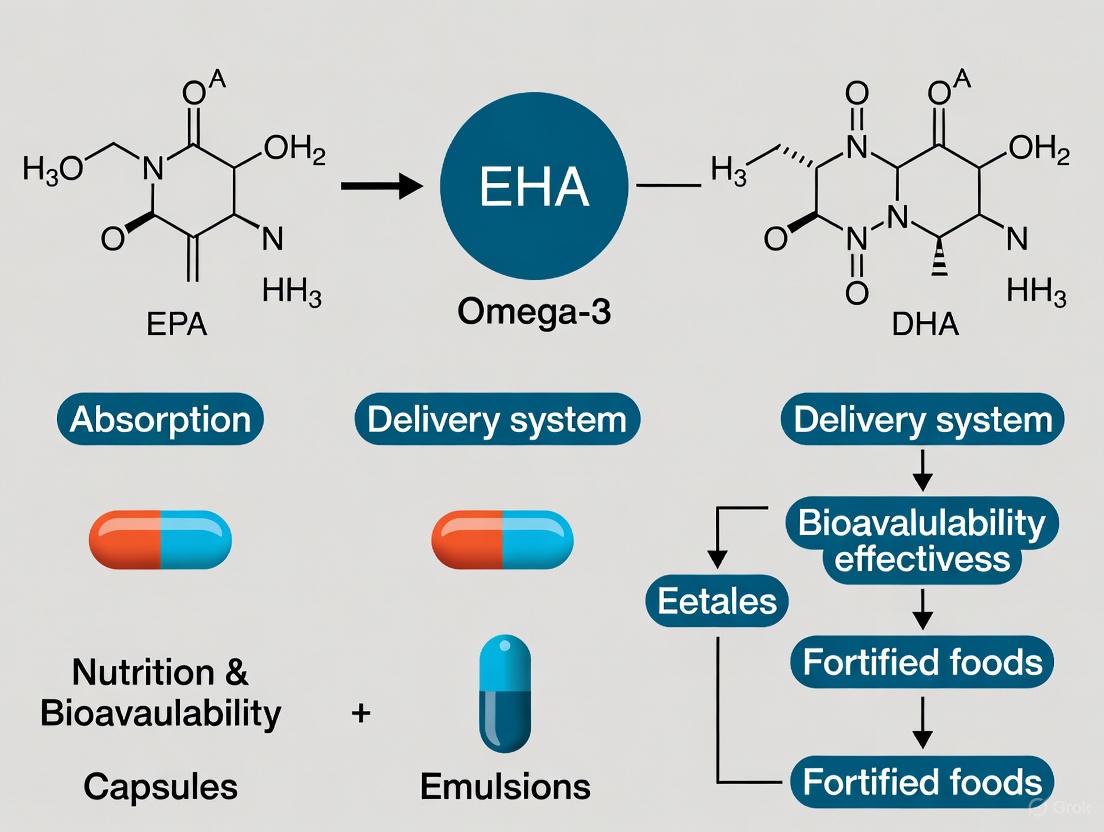
Beyond the Capsule: Advancing Omega-3 Fatty Acid Bioavailability through Innovative Delivery Systems
The therapeutic efficacy of omega-3 fatty acids (EPA and DHA) is critically dependent on their bioavailability, which is often compromised by poor water solubility, rapid oxidation, and low absorption efficiency.
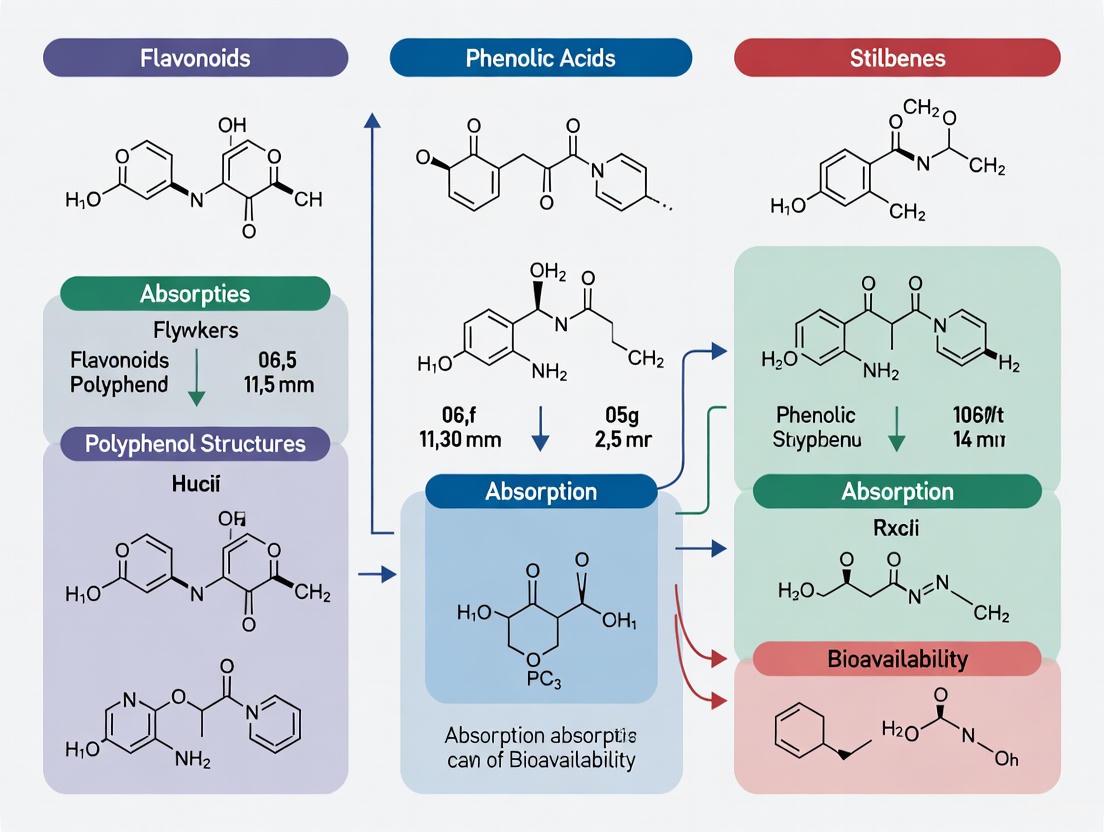
Polyphenol Bioavailability Decoded: A Structural Guide for Enhanced Therapeutic Development
This article provides a comprehensive analysis of the absorption mechanisms and bioavailability of major dietary polyphenols, tailored for researchers and drug development professionals.
Designing Robust Clinical Trials for Functional Foods: Efficacy, Safety, and Regulatory Success
This article provides a comprehensive guide for researchers and drug development professionals on conducting clinical trials for functional foods.
Bioavailability in Human Nutrition: A Comparative Analysis of Food vs. Supplement Forms for Research and Development
This article provides a comprehensive analysis of the bioavailability of nutrients from food versus supplement sources, tailored for researchers, scientists, and drug development professionals.
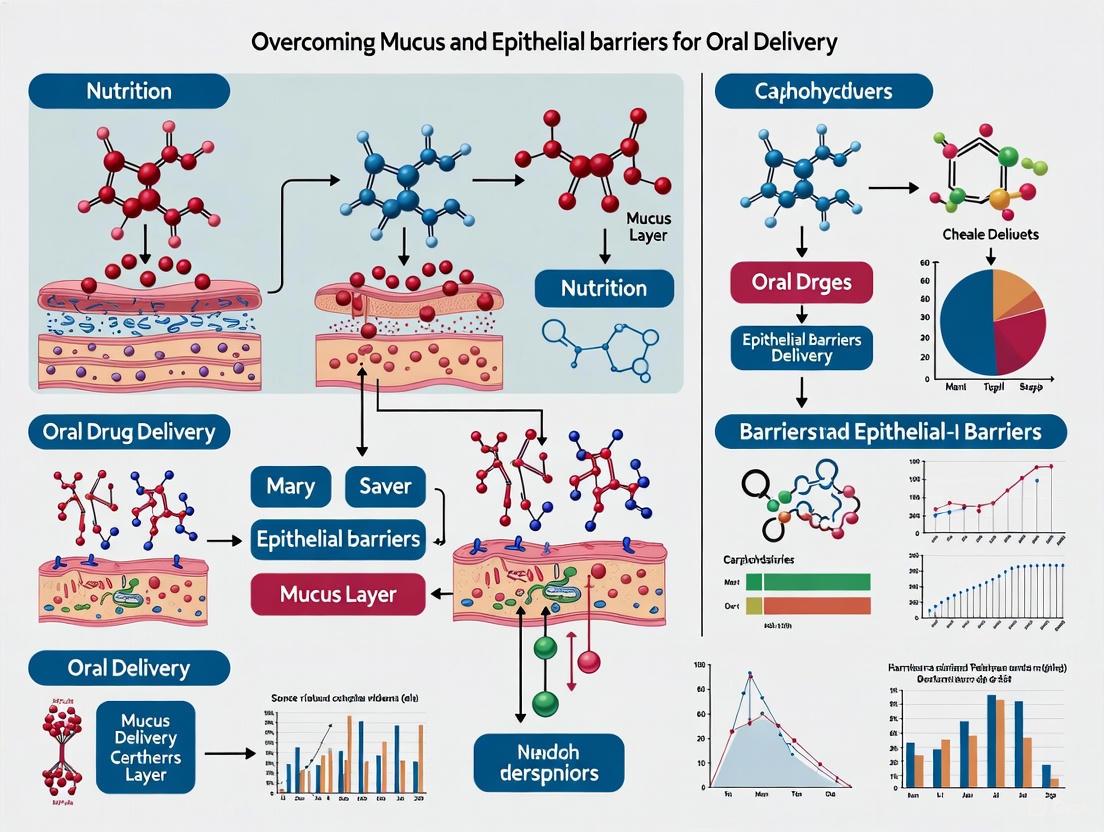
Overcoming Mucus and Epithelial Barriers: Advanced Strategies for Oral Biologics Delivery
Oral delivery of biologics, specifically peptides and proteins, is significantly hindered by formidable mucus and epithelial barriers in the gastrointestinal tract, leading to extremely low bioavailability.
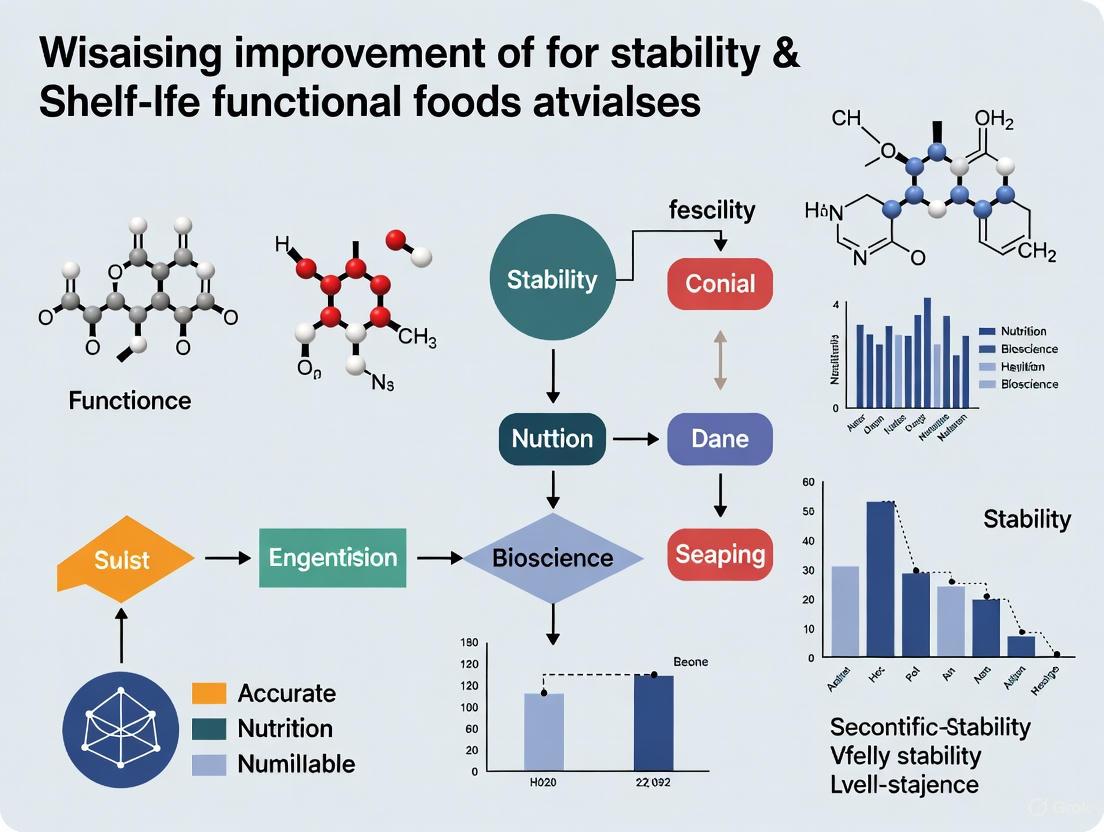
Advanced Strategies for Enhancing Stability and Shelf-Life in Functional Foods: From Bioactive Preservation to Clinical Translation
This article provides a comprehensive analysis of contemporary scientific and technological approaches for improving the stability and shelf-life of functional foods, tailored for researchers, scientists, and drug development professionals.